
Most seeds will eventually germinate once the temperature warms up to the right level, but “eventually” is the key word. If you’re sowing early indoors (or outside), some seeds sit in cool soil for weeks doing nothing. However, they could germinate a lot faster with some bottom heat.
A heat mat provides consistent warmth to the soil surface, raising temperatures to just warm enough without overdoing it. This controlled warmth is particularly valuable for seeds that evolved in warm climates and struggle in cooler conditions when you’re trying to start seeds early.
The seeds on this list will all germinate without bottom heat if you’re patient enough, but you’ll get faster, more consistent results with it. Whether that matters depends on your timeline and how many seeds you’re starting.
Jimmy Nardello Sweet Pepper
Jimmy Nardello Sweet Pepper Seeds
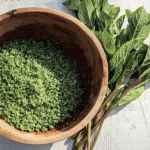
Italian Genovese Basil
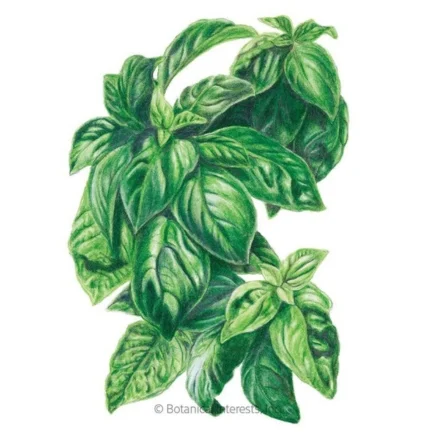
Italian Genovese Basil Seeds
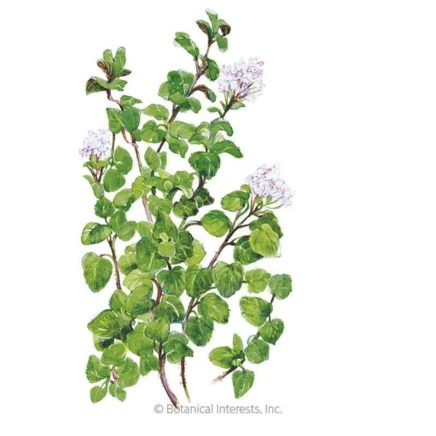
True Greek Oregano
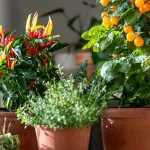
Peppers
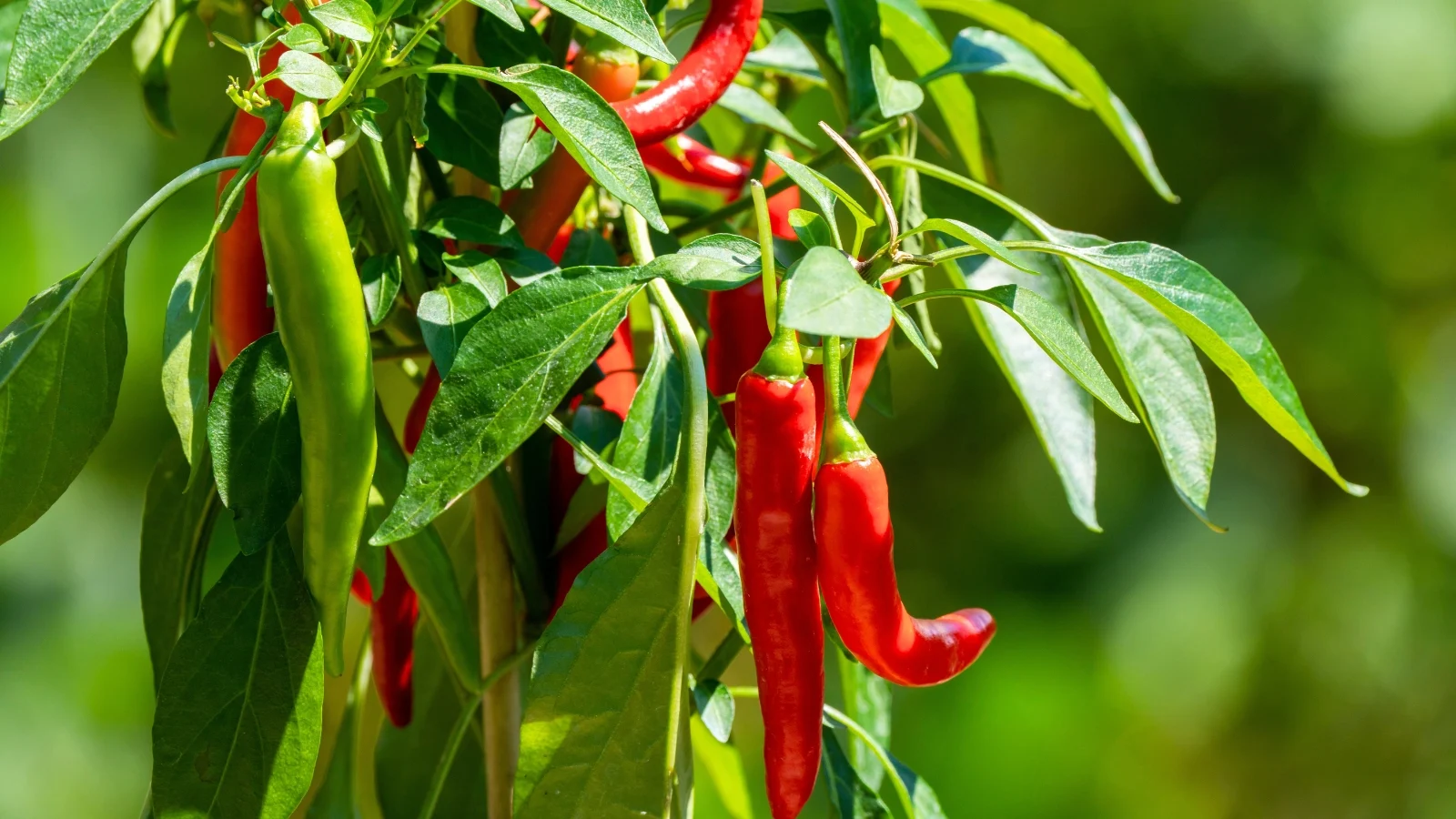 The hotter the pepper, the harder it is to germinate.
Peppers are notoriously slow to germinate in cool soil. At lower temperatures, which might normally be fine to germinate some seeds, pepper seeds can take three to four weeks to sprout, and germination rates are often disappointing. With bottom heat for the seeds bringing soil temperatures up, that timeline drops, with much better success rates.
Hot peppers are even more particular about warmth than sweet peppers. Varieties like habaneros or ghost peppers can take a month or longer without heat, and you’ll lose a significant portion of seeds to poor germination. The heat mat makes a noticeable difference with these slow starters.
Tomatoes
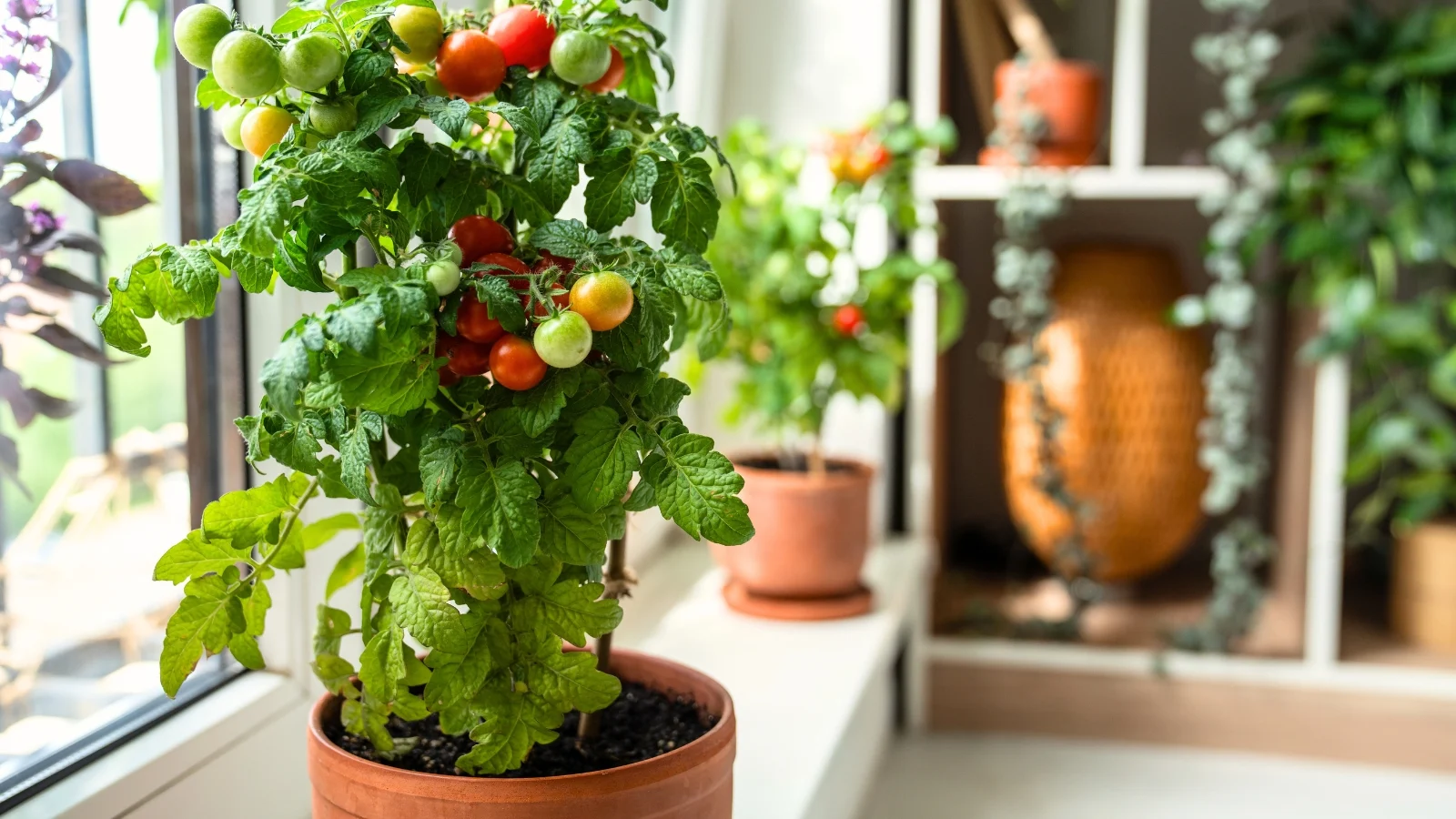 These warm-season crops need a bit of extra help in cooler regions.
Tomatoes germinate relatively easily, but they are warm-season crops that need a little help when started early. This also gives them time to develop into larger plants that are ready for transplanting once spring arrives.
Tomatoes are less finicky than peppers about temperature, so if you’re prioritizing which seeds get bottom heat, give the mats to peppers first and let tomatoes germinate at room temperature later on if needed.
Eggplants
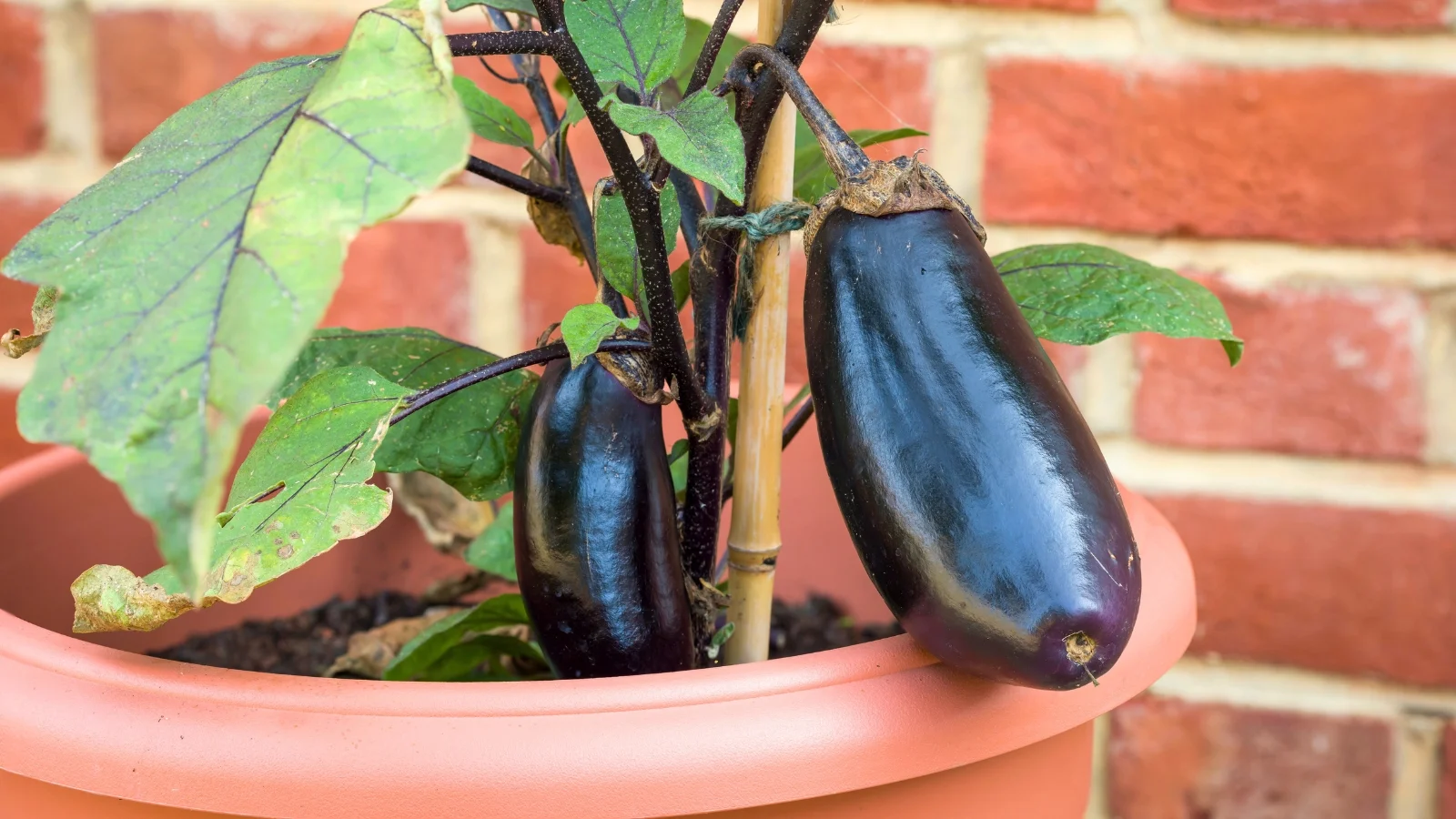 In the same family as tomatoes, eggplants also benefit from heat mats.
Part of the same plant family, eggplants behave similarly to peppers and tomatoes in their germination requirements. They need warmth to sprout reliably, and cool soil temperatures result in slow, erratic germination.
Soil temperatures around 75°F to 85°F (24°C to 29°C) produce the best results, with seedlings emerging in seven to ten days. Eggplants also tend to have lower germination rates compared to some other plants, so anything you can do to improve success rates is worthwhile.
Eggplants don’t need continued heat after sprouting. Remove them from the mat once the majority of seeds have germinated to make room for the next batch.
Basil
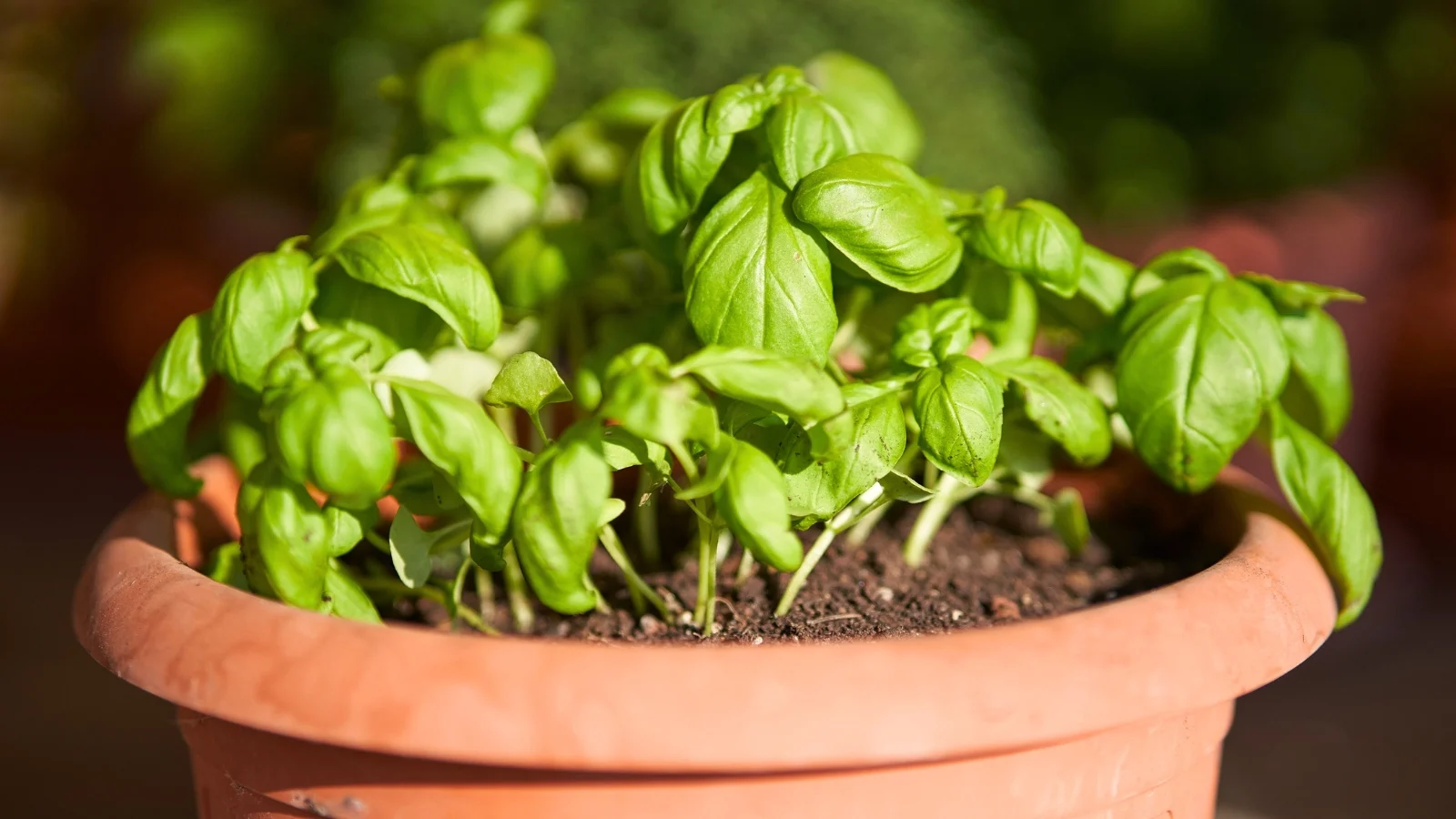 These seeds don’t need much heat, but it does help.
Basil germinates reasonably well at regular indoor temperatures early on, but it’s notably faster and more uniform with bottom heat under seeds. The difference is less dramatic than with peppers, but it matters if you’re succession planting basil or starting large quantities. Faster germination also means less risk of damping off, since the seeds spend less time sitting in moist soil before sprouting.
Basil doesn’t need as much heat as peppers or eggplants. Modest warming from a heat mat set to low works fine.
Oregano
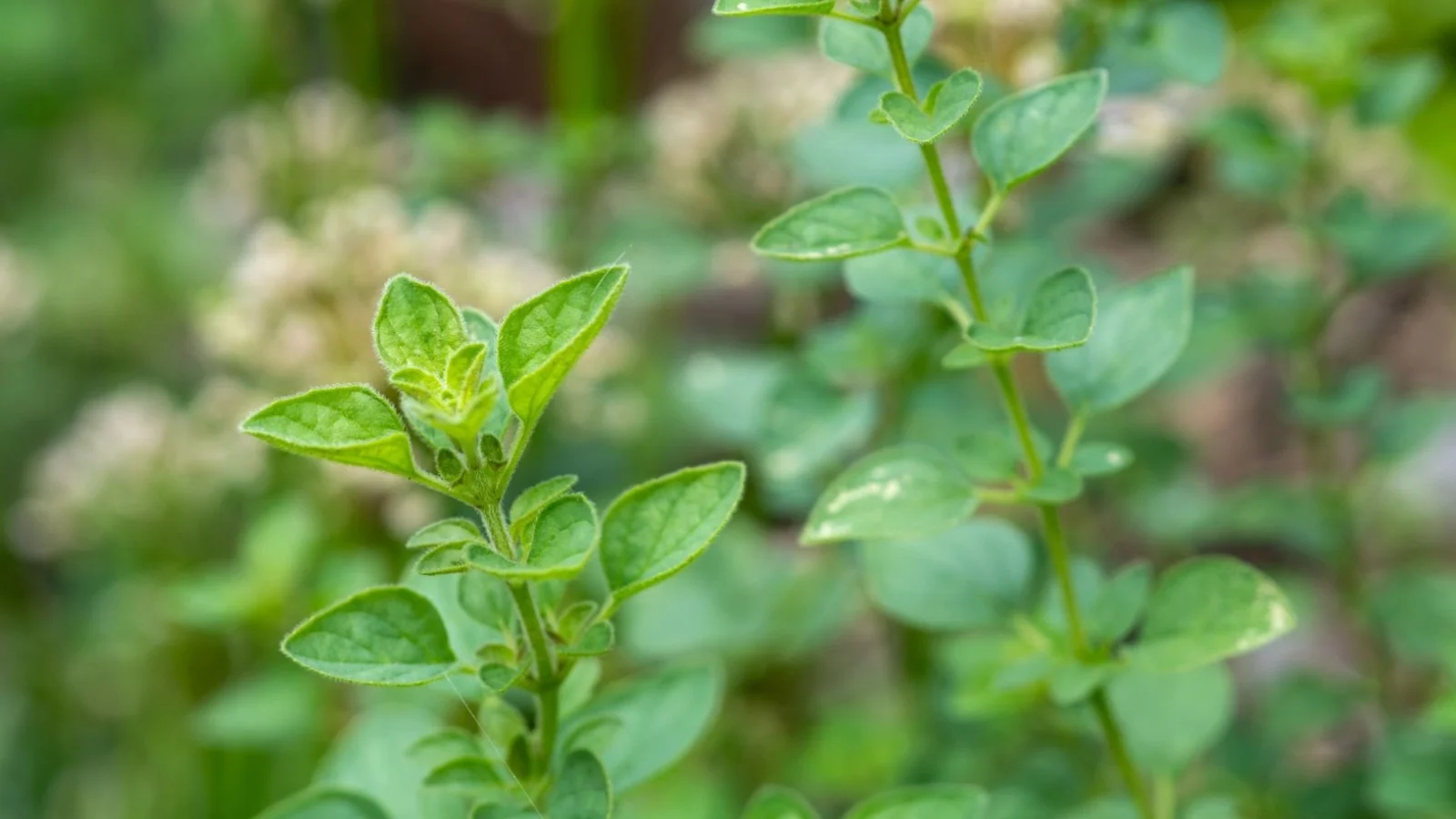 These Mediterranean herbs love warm conditions.
Oregano is slow to germinate even with ideal conditions. Without bottom heat for seeds when you’re growing early, that timeline can stretch to three weeks or longer, testing your patience as you wonder whether anything is going to sprout.
Soil temperatures around 70°F (21°C) improve germination speed and rates. The seeds are small, and the seedlings grow slowly once they emerge, so getting them started faster is valuable for keeping your seed-starting timeline on track.
Oregano is one of those herbs where I’d prioritize annual herbs like basil over it if you’re short on heat mat space, but it definitely benefits from warmth if you have capacity.
Squash
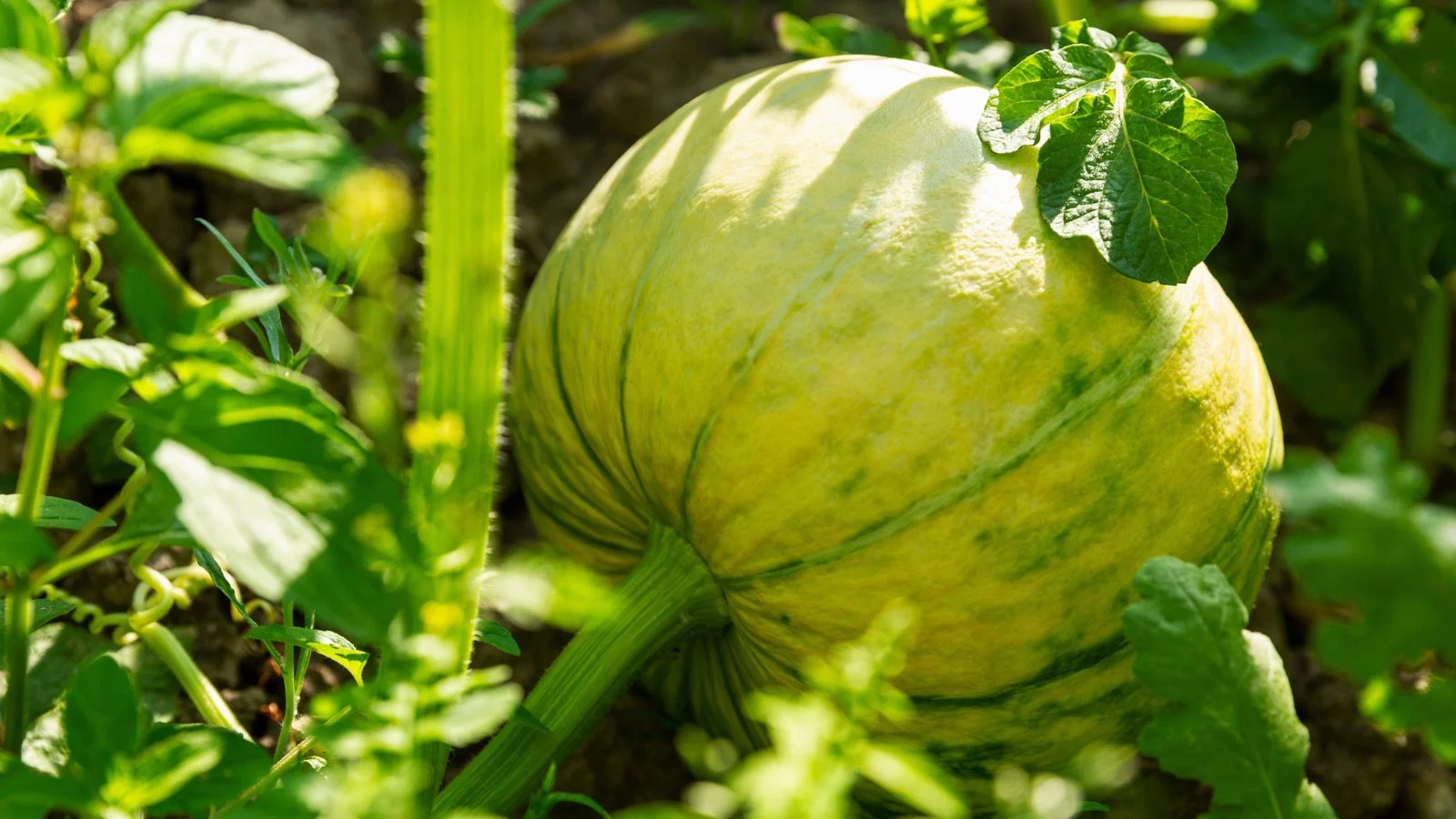 It’s usually best to direct sow, but in cold climates, sowing early can give you a head start.
Squash seeds are large and generally easy to germinate, but they’re also prone to rotting in cool, damp soil before they sprout. Bottom heat for these seeds addresses this by speeding germination, so they spend less time sitting in moist conditions.
With bottom heat raising soil temperatures, you’ll see sprouts within a week. The faster timeline significantly reduces rot risk, particularly if you tend to keep soil on the moister side. Since squash seeds don’t need as many weeks of indoor growing time as tomatoes or peppers, many gardeners skip starting them indoors entirely. But if you’re getting a jump on the season or dealing with a short growing window, bottom heat makes indoor starting more reliable.
Cucumbers
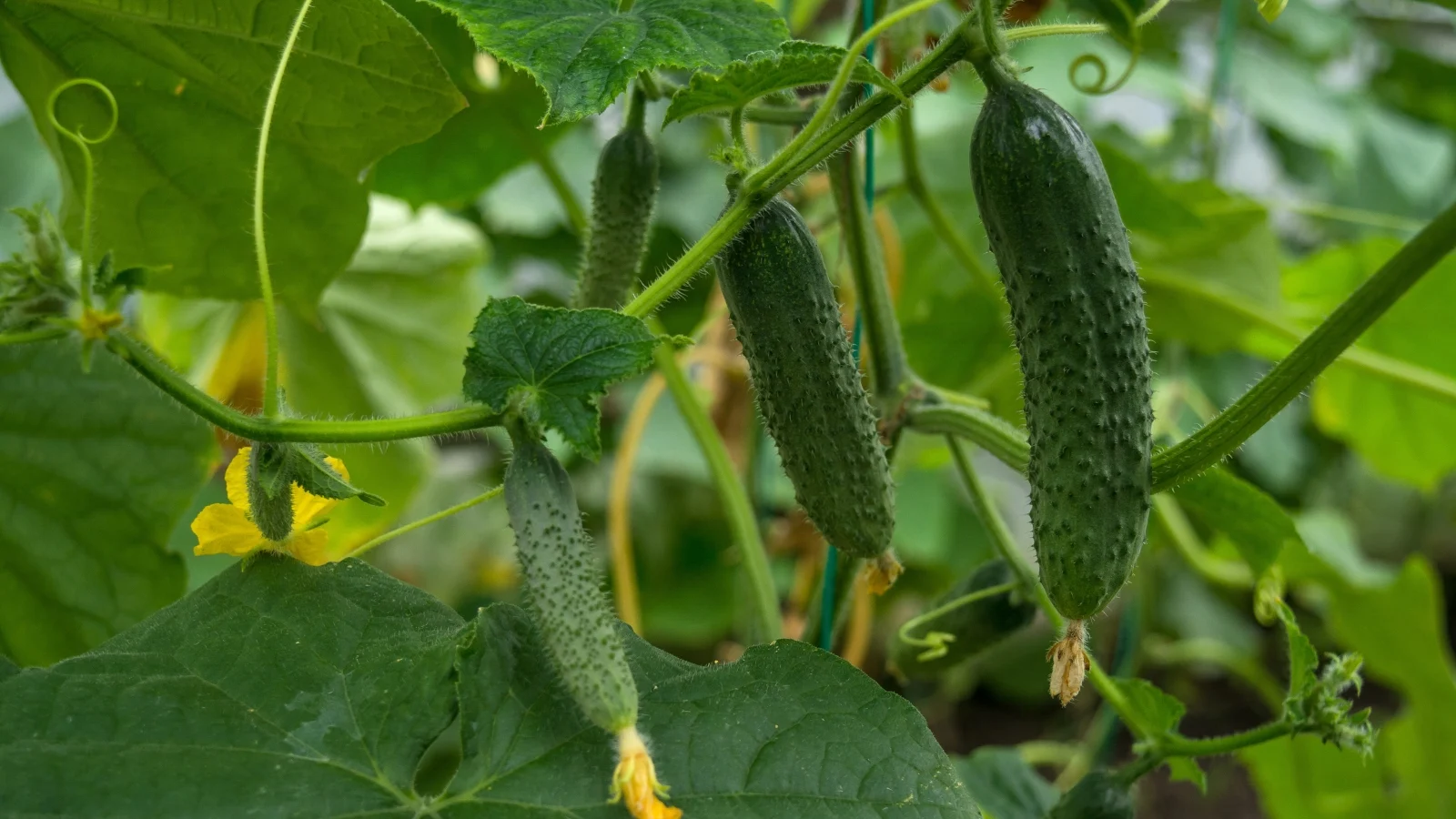 Transplant carefully to prevent root damage.
Cucumbers have similar germination behavior to squash. The seeds also risk rotting in cool soil, particularly if moisture levels are high.
Soil temperatures around 70°F to 75°F (21°C to 24°C) produce reliable germination results. Like squash, cucumbers don’t transplant that well, so many gardeners prefer direct sowing. But if you’re starting them indoors, bottom heat under the seeds is worthwhile.
The faster germination also means cucumber seedlings spend less time in containers before transplanting, which reduces the risk of them becoming root-bound or stressed from being held indoors too long.
Marigolds
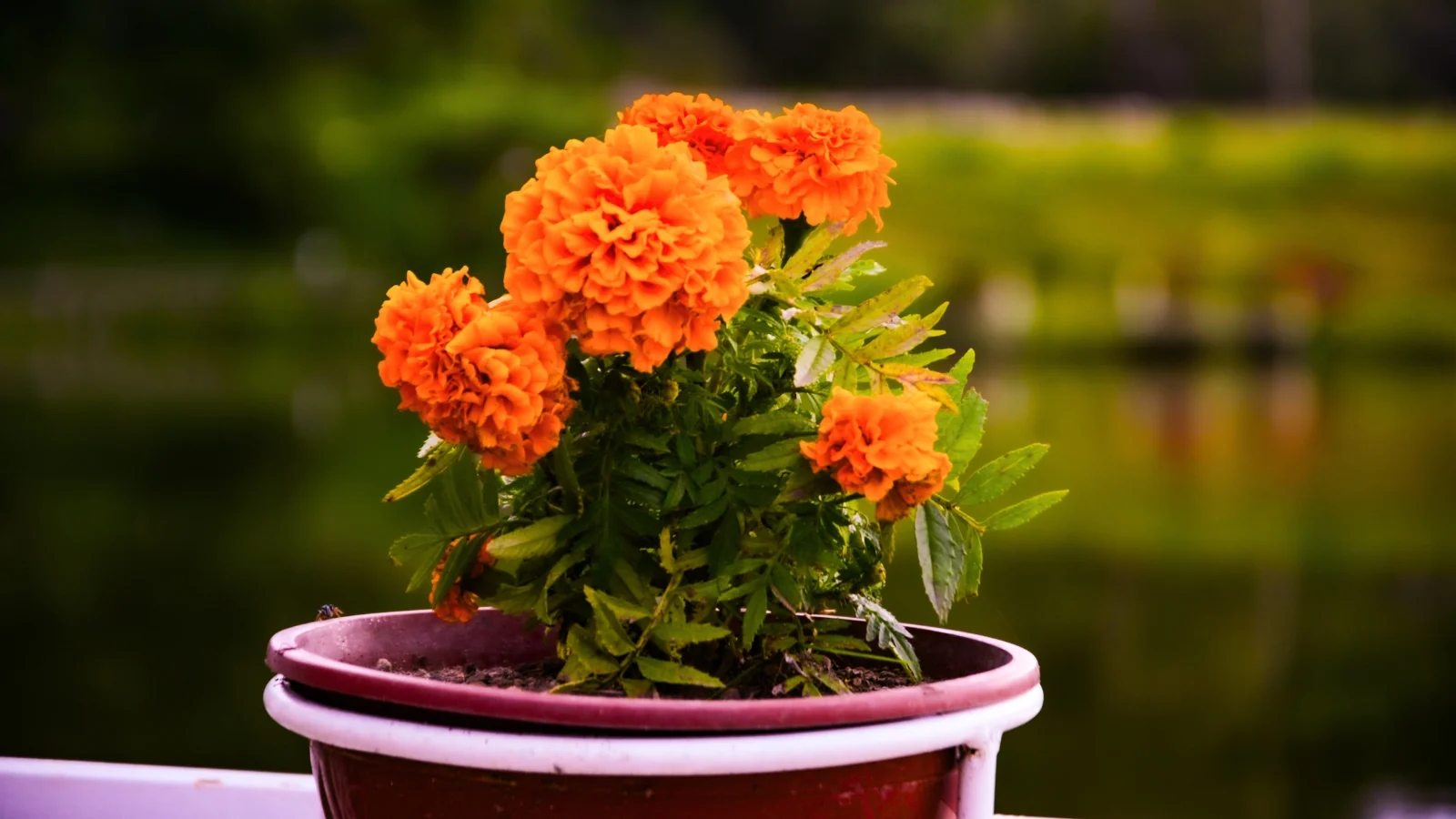 These seeds will germinate much faster with bottom heat.
Marigolds aren’t notoriously slow to germinate without heat, but they’re noticeably faster with it. The speed difference matters if you’re starting large quantities for garden borders or vegetable garden companion planting. Getting marigolds up and growing quickly means you can transplant them sooner and free up seed-starting space for other crops.
Marigolds are forgiving enough that bottom heat for these seeds isn’t essential, but it’s a nice improvement if you have heat mats available after you’ve allocated them to more temperature-sensitive seeds.
Zinnias
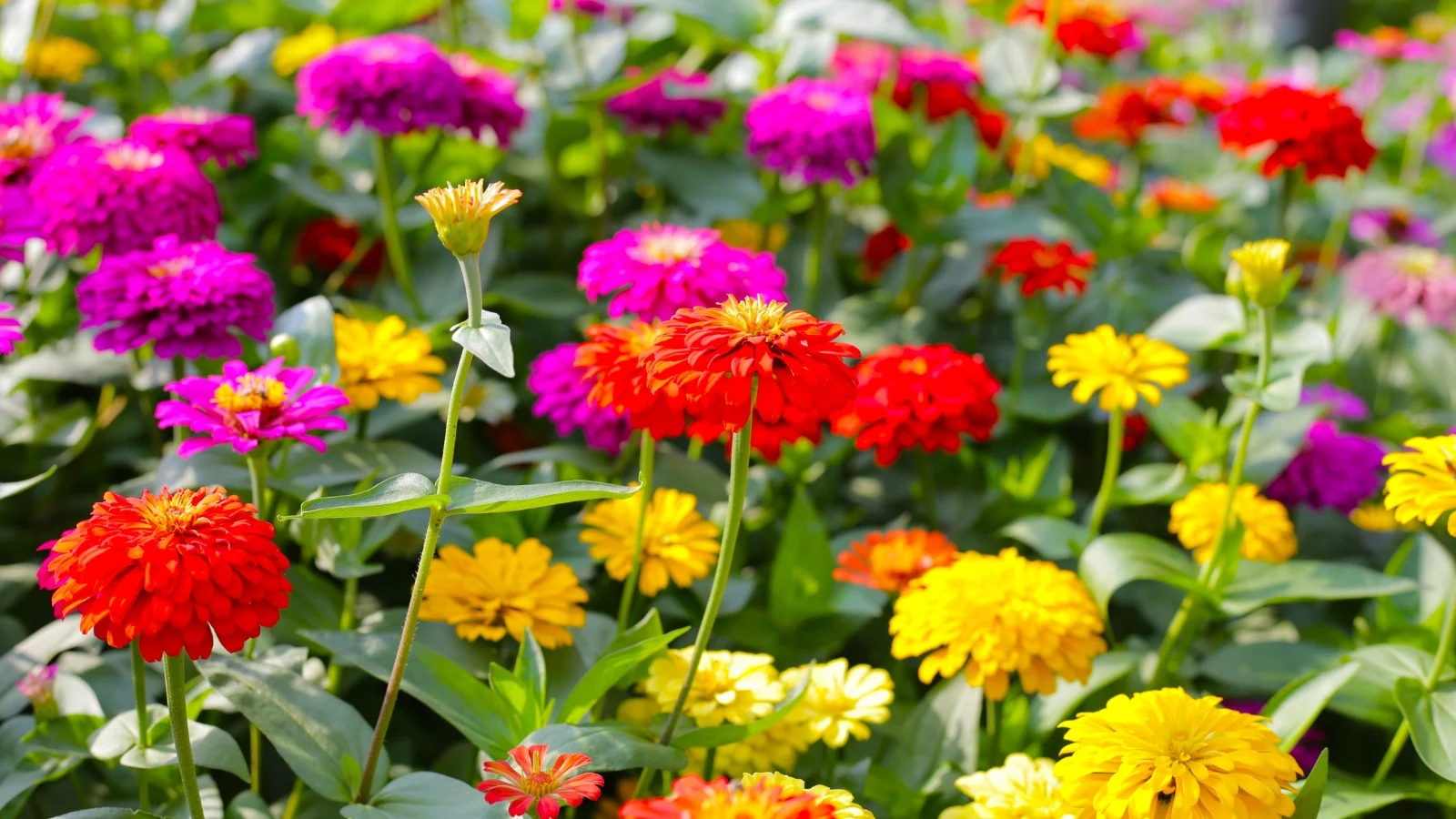 In cold climates, use bottom heat for quicker germination.
Zinnias are one of the least demanding seeds on this list when it comes to heat requirements. That said, they’re faster with warmth, sprouting in three to five days with bottom heat.
The main advantage with zinnias is uniformity. Bottom heat produces more even germination where most seeds sprout within a day or two of each other, making it easier to manage the seedlings as a group. Without heat, germination can be more scattered over several days.
Since zinnias grow quickly and don’t need weeks of indoor time before transplanting, many gardeners direct sow them. If you are starting them indoors, bottom heat is a nice-to-have rather than essential.











Also: I love how honest and practical this is 💡