
When it comes time to direct-sow native plant seeds, winter is optimal. Most native seeds require periods of cold, moist stratification, and the chill of ice and snow provides just what they need for good germination. If you’ve been holding on to some, now is a good time to plant them.
If you want to shelter your seeds as they overwinter, try winter sowing in old milk jugs or even in covered seed trays. This practice gives the seeds the conditions they need to thrive, but also protects them from the elements as their tender sprouts emerge. Then plant them out when the soil is warm in spring.
The plants on this list are native across a wide range in North America. If winter sowing isn’t an option, clearing some ground and direct sowing them in a substrate like loose soil, sand, or even clay cat litter works well. If you’ve wanted to grow native plants, keep these on your list.
Incredible! Swirl Coreopsis
Incredible! Swirl Coreopsis Seeds
Irresistible Blend Milkweed / Butterfly Flower
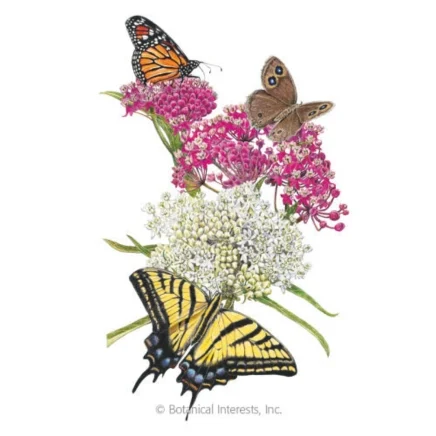
Irresistible Blend Milkweed / Butterfly Flower Seeds
Cherry Brandy Black-Eyed Susan
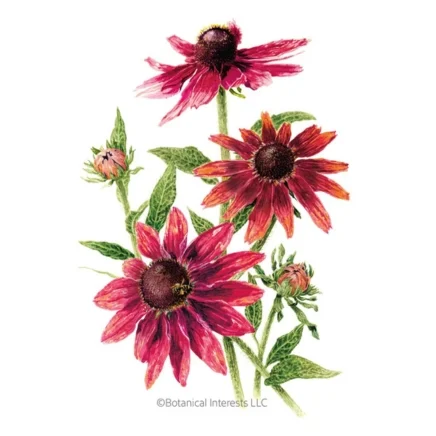
Cherry Brandy Black-Eyed Susan Seeds
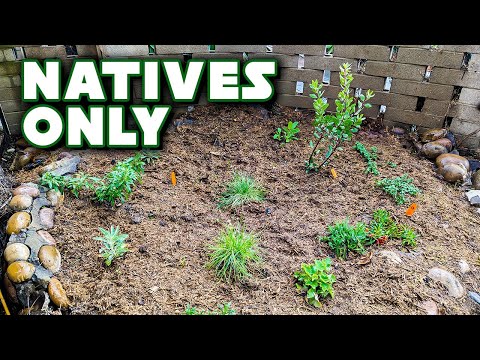
Coreopsis
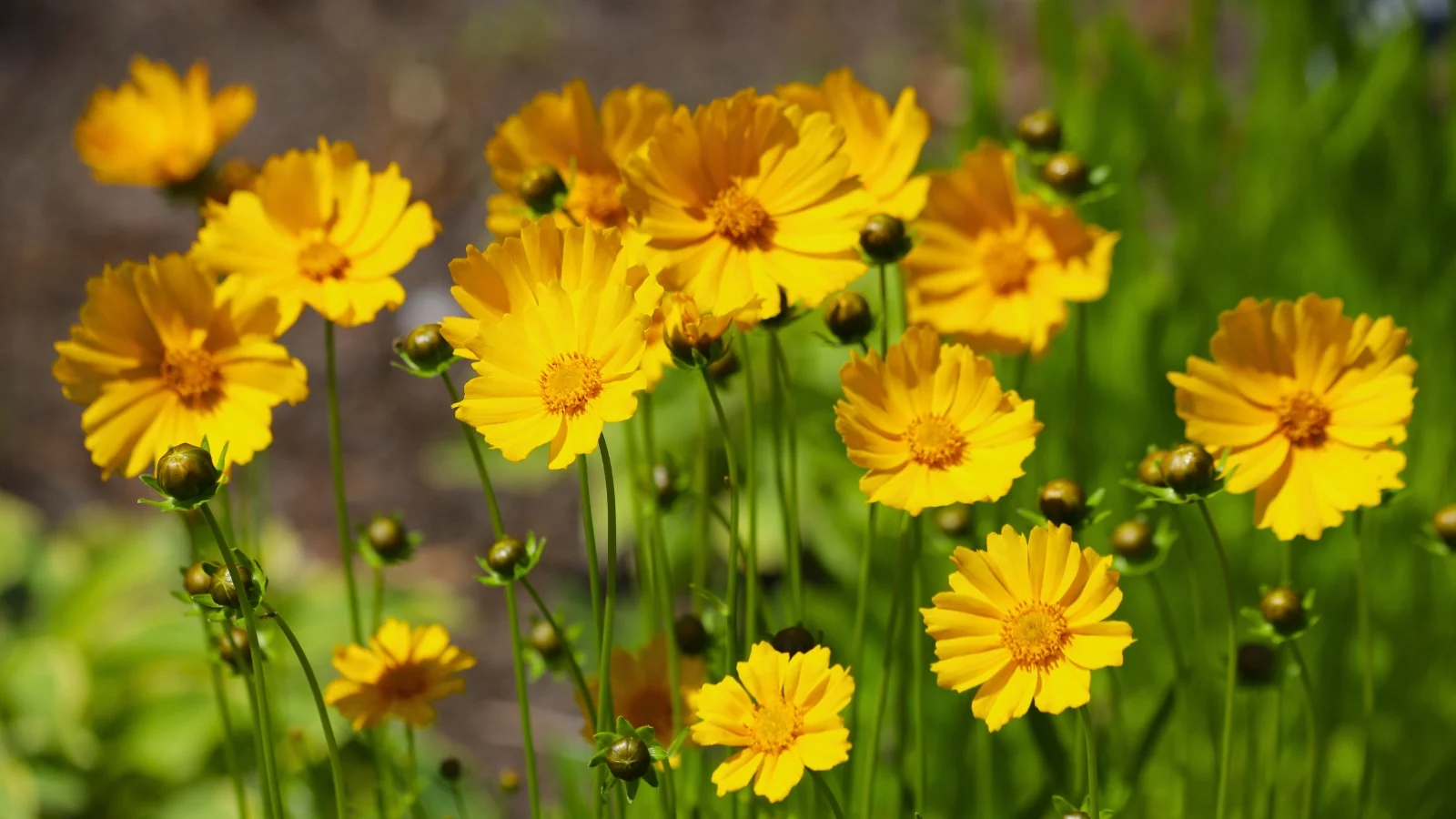 Winter sow them now to have little rosettes for planting out in spring.
Also called tickseed, there are coreopsis species native to much of the United States and over half of North America. Where I live in North Texas, we have multiple species. And the lanceleaf coreopsis I grow in my garden multiplies every year.
That multiplication is largely due to its propensity to seed out on its own every fall and winter. And every spring, I have plenty to move around and share with friends. If you like the yellow, radial flowers of members of the Aster family, this is the plant for you.
Simply throw some plains coreopsis seeds out or winter sow them now to have little rosettes for planting out in spring. If you don’t want mostly yellow blooms, snag some ‘Incredible! Swirl’ seeds and watch the flowers open with deep maroon centers and white tips.
Milkweed
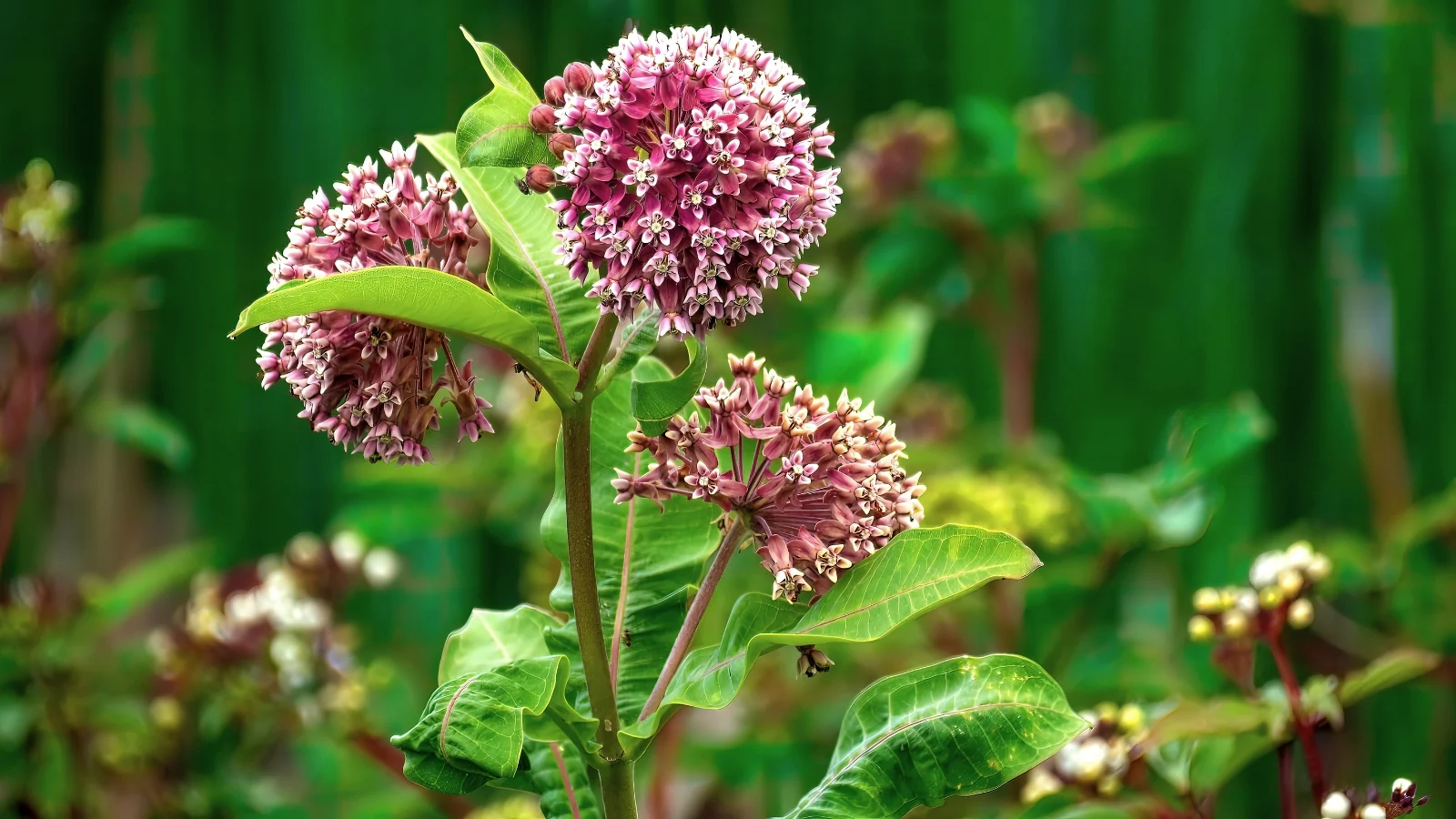 The most ecologically-friendly milkweed is one native to your region.
Milkweed, like coreopsis, is native across North America. This is the premier feeder and host plant for monarch butterflies. It’s also a great plant to sow in winter, as most species require cold stratification to germinate well (unless you want to grow a tropical milkweed, that is).
People love the bright orange flowers of butterfly weed as they open in spring. This is a milkweed with a wide range, along with its relative, common milkweed. However, the most ecologically-friendly milkweed will be one that is native to your locality. Check in with your region’s Native Plant Society to determine which one that is if you’re not sure.
Rudbeckia
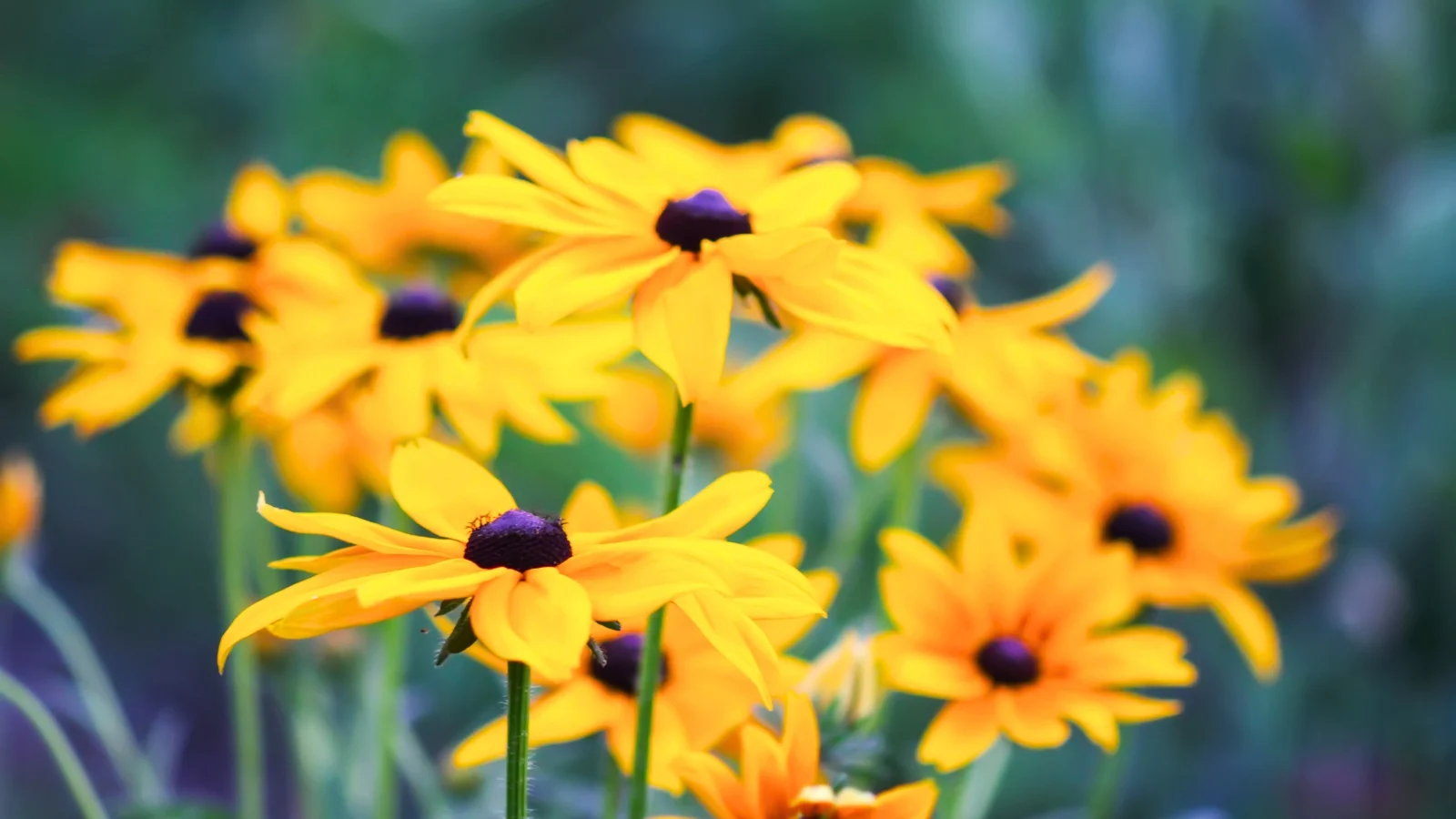 Flowers emerge in summer and remain until frost.
Black-eyed Susans are some of the best flowers to grow if you love butterflies, birds, bees, and other beneficial insects. Their circular blooms and dark centers are not just lovely, but they’re also long-lasting, blooming for at least eight weeks.
Sow your rudbeckia now to give it the best setup for spring. This is when basal leaves emerge, and in summer, the blooms open. They remain until frost. You can go with the straight species, but there are several varieties to choose from.
For fuller blooms, ‘Indian Summer‘ has wider petals. Or grow ‘Cherry Brandy’ for its reddish petals.
Columbine
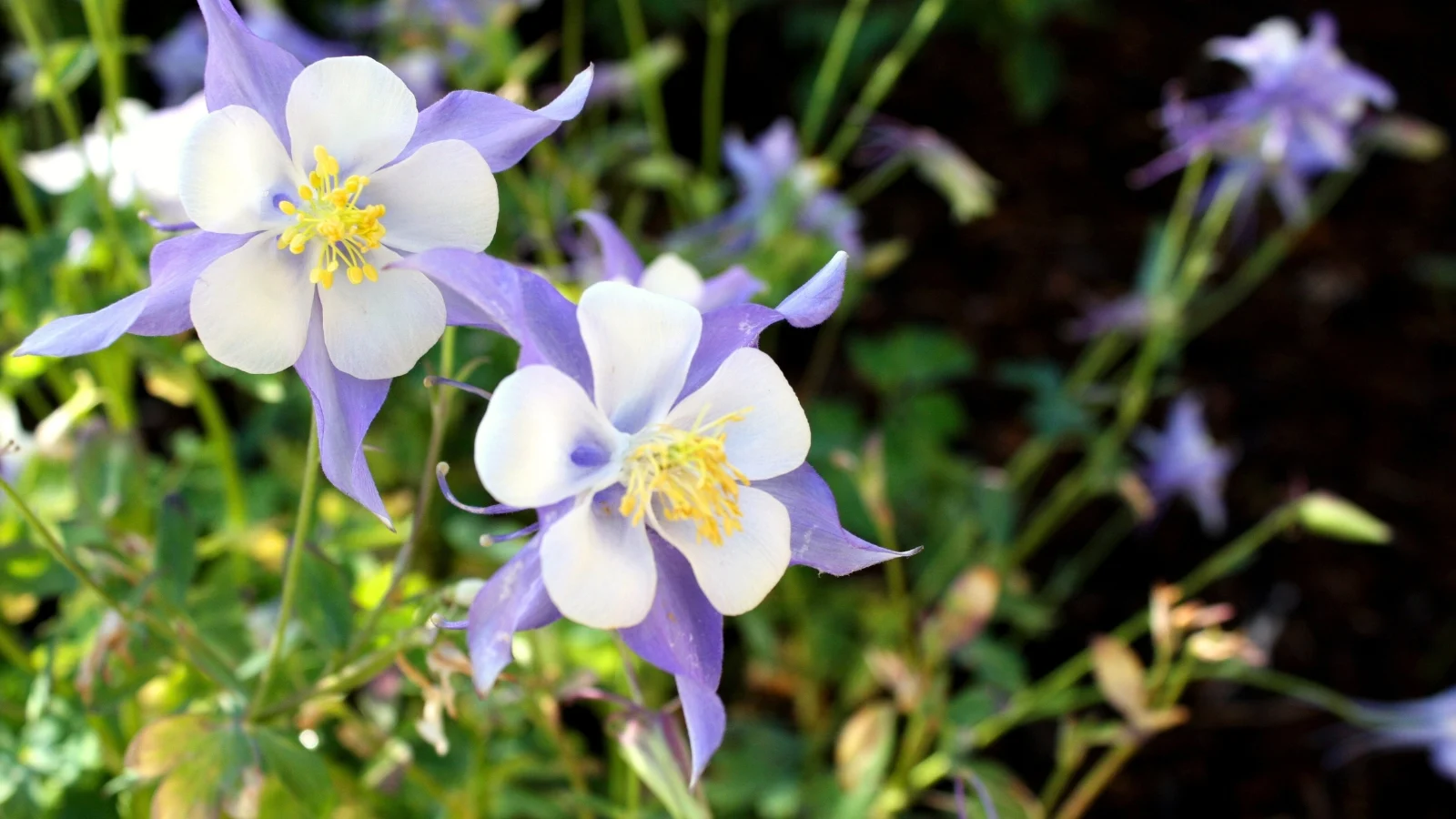 Plant these native seeds in winter to attract hummingbirds.
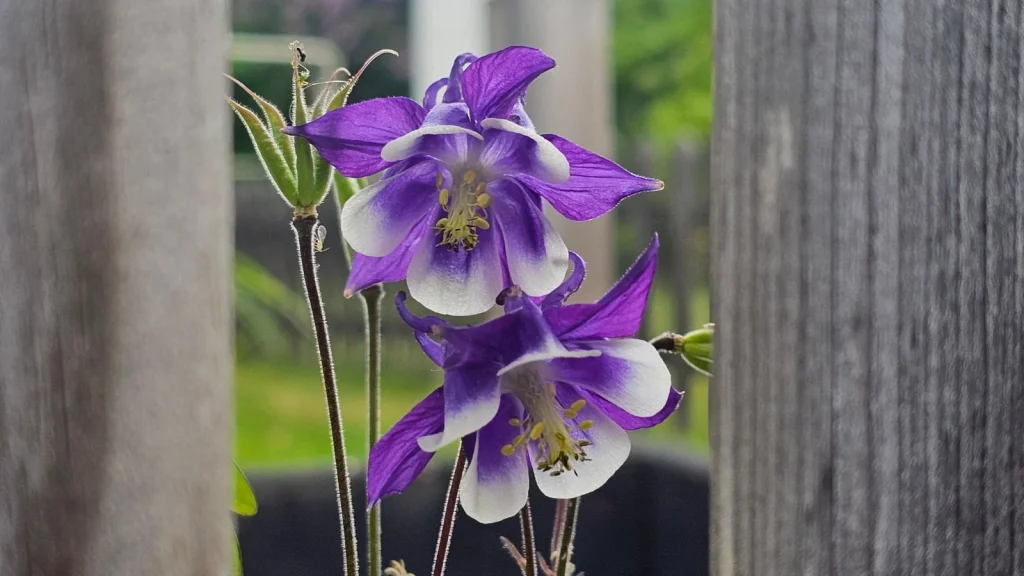
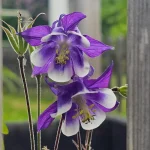
With native species in both halves of North America, columbine is an excellent choice. For these native plant seeds, winter is the time to direct sow. If you live in a milder area, columbine leaves persist, maintaining semi-evergreen status through winter. Regardless of whether or not this is the case, the stunning spring blooms make the wait worthwhile.
Eastern red columbine is the best option for growers in the eastern portions of North America. Those in the West do best with Rocky Mountain blue. Plant these to bring in the hummingbirds!
Joe Pye Weed
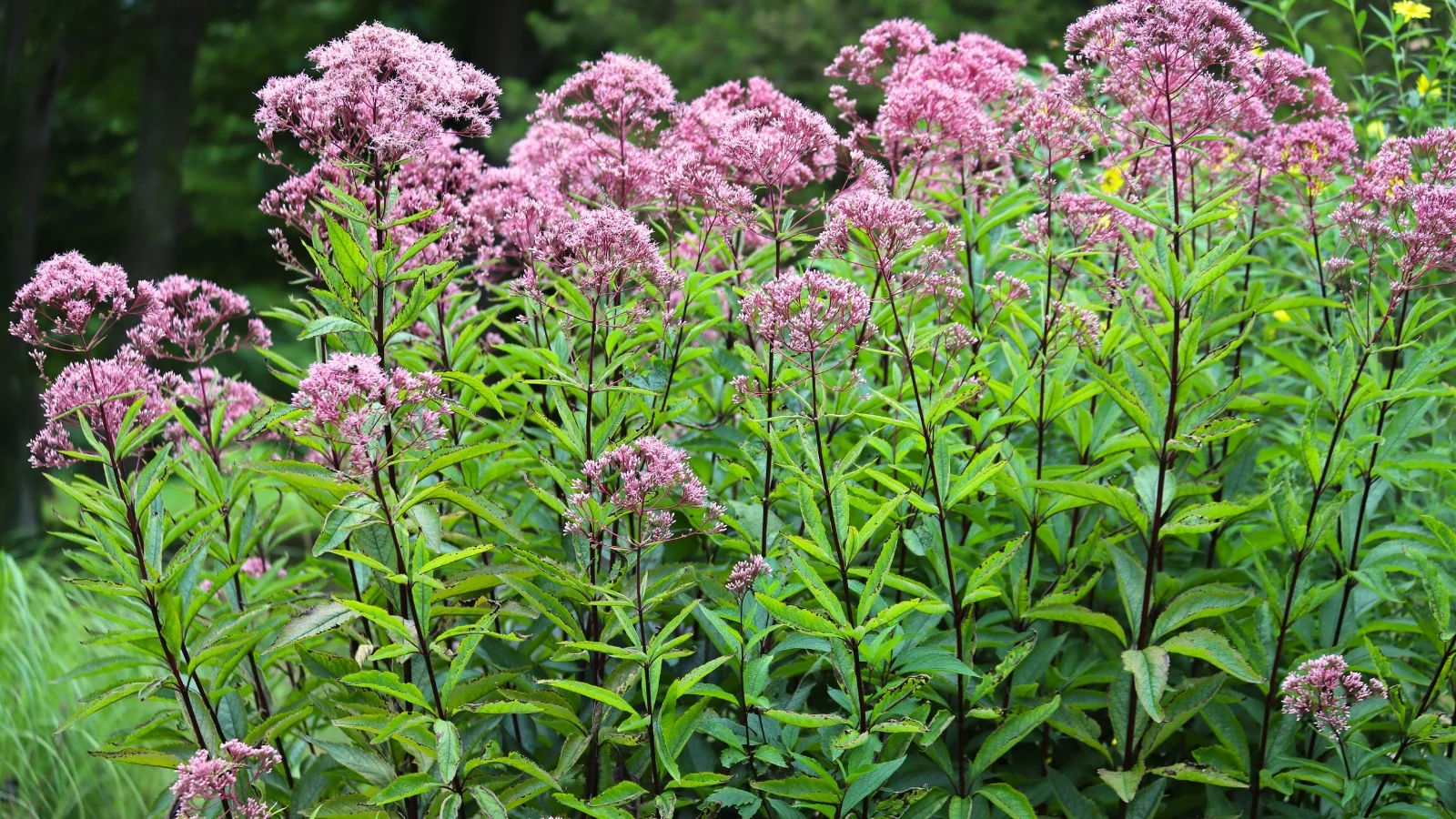 This native plant thrives along waterways.
We had to include at least one moisture-loving plant in this list, and Joe Pye Weed is the best one to showcase, in my opinion. Largely an eastern North American plant, it thrives along stream banks, swamp edges, and along other waterways. Its stunning pink blooms attract tons of beneficial insects, and also feed monarch butterflies.
The fragrant leaves of this plant are something I look forward to every time I catch one on the local hiking trail. Having some of this plant in my garden is a goal. So I’ll be sowing these native plant seeds in winter. This is perfect timing for a direct sowing due to the required 30-day cold period for germination.
Blue-Eyed Grass
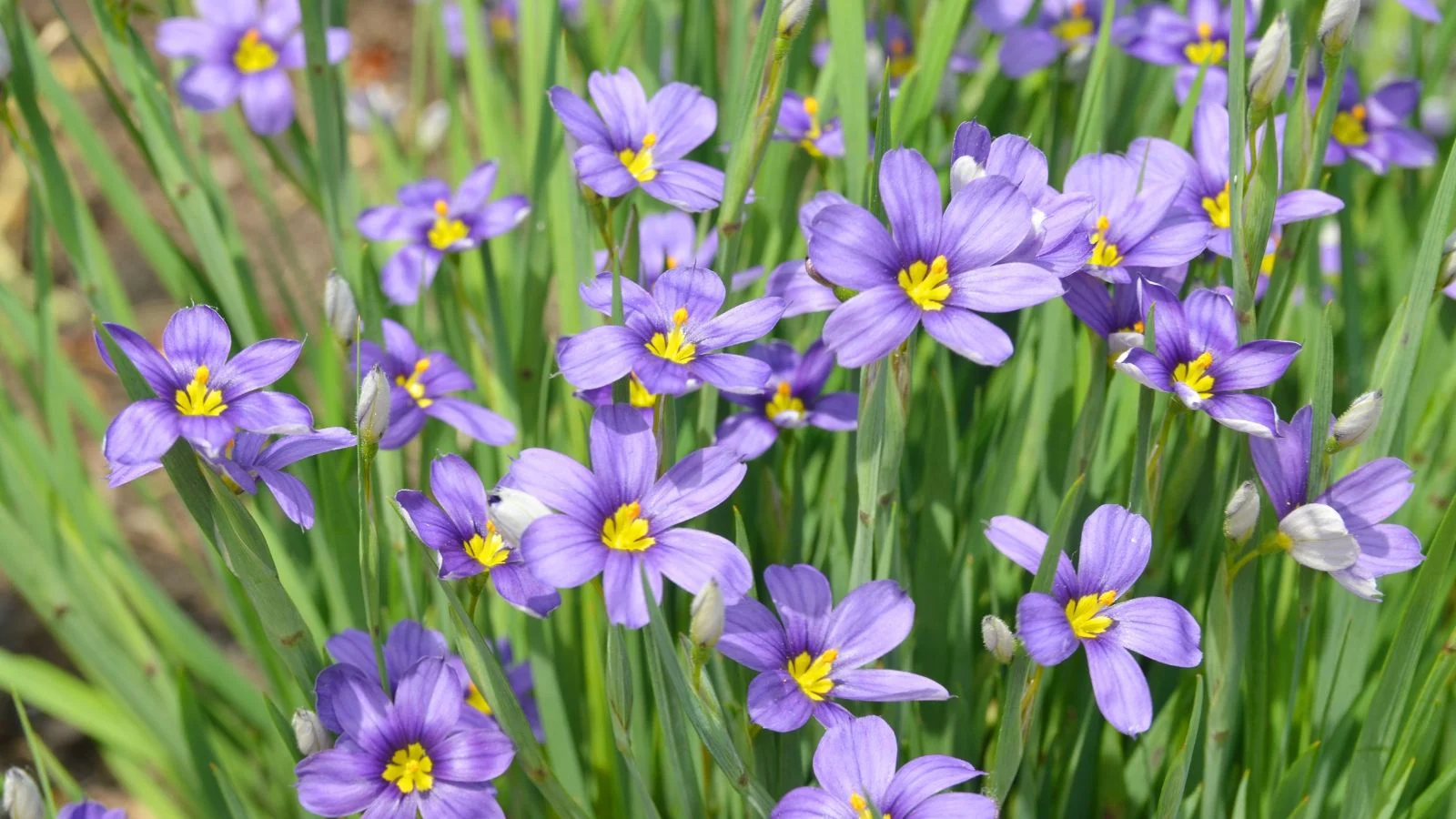 Winter is the best time for sowing if you missed late fall.
If you like native ground cover, and you live in eastern North America, grow some blue-eyed grass. For these native plant seeds, winter is the best time for sowing if you missed late fall. S. angustifolium requires two to three months of cold, moist conditions to germinate best.
For gardeners in the west, Sisyrinchium idahoense, or Idaho blue-eyed grass, is a better choice. Its flowers are a bit more purple than common blue-eyed grass, but they’re just as lovely.
Liatris
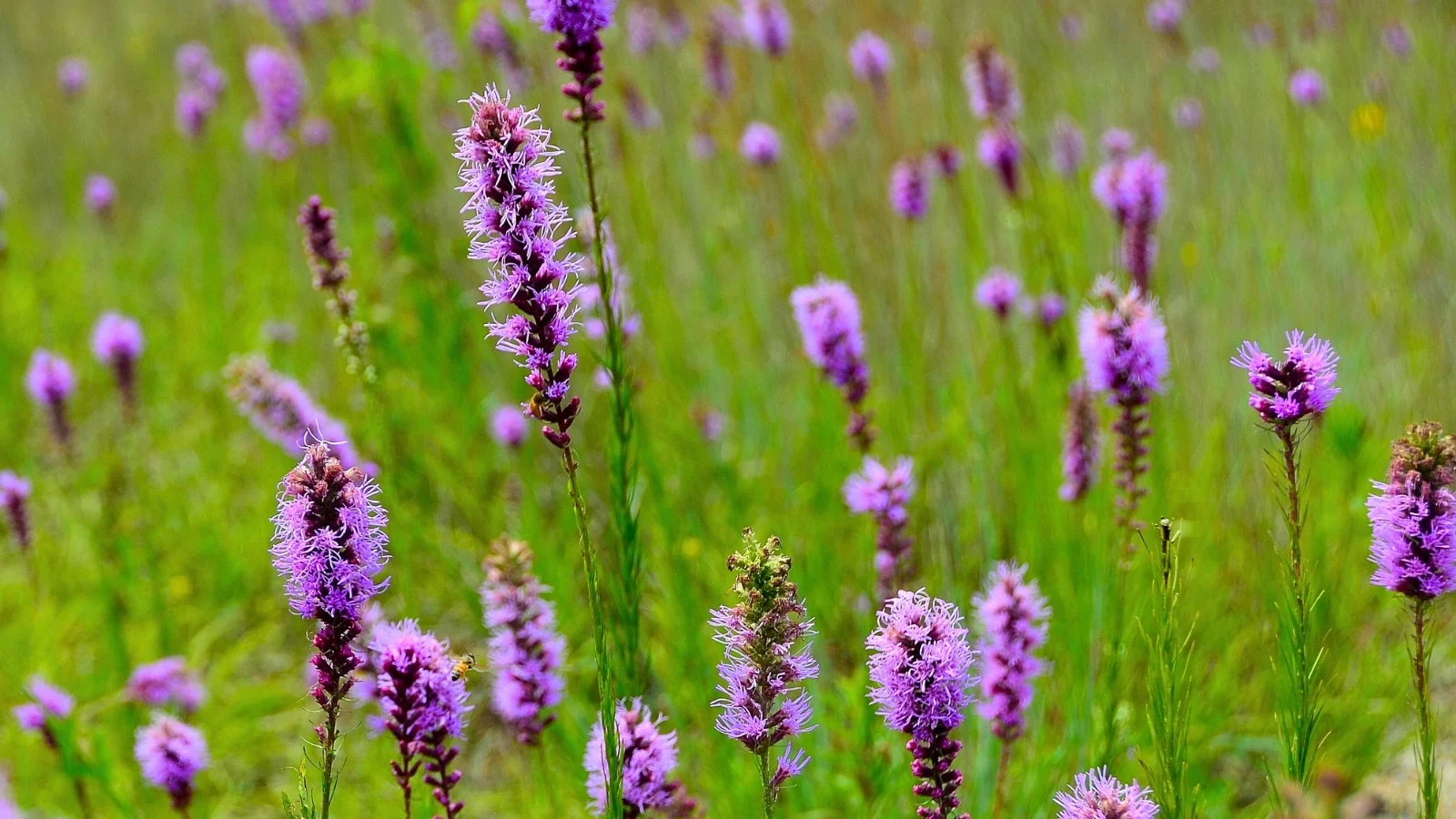 The flowers are food and host to multiple butterflies.
We end this list with the blazing star, another pervasive native plant that has species native to multiple areas of the continent. When it comes to sowing these native plant seeds, winter is a good time. Most species require at least a month of cold conditions to produce sprouts.
Each species has its distinct characteristics, but all have pronounced flower spikes that range from white to deep purple. These flowers are food and host to multiple butterflies, and provide fodder for songbirds in winter. They colonize quickly in their native range and have become a candidate for lawn replacement in select areas.









PS • pleasant take on “7 Native Plant Seeds You Can Direct Sow” — I’ll try that soon ✨
Heads up · I agree — that’s a helpful perspective. Great share.
Heads up · I agree — that’s a helpful perspective. Great share.
Heads up · I agree — that’s a helpful perspective. Great share.
Heads up: delightful idea; I might try this in my garden 🌿. Thanks for this!