My garden would not be complete without at least a few varieties of easy, healthy greens to grow. January is a great time to start these, and your garden (whether indoors or outdoors) will be packed with nutrition and plants that give the garden that lush look you can’t get elsewhere.
While you’re setting up your seed starting station for the year, throw in a few greens. Then plant them in your grow bags, raised beds, or containers, and watch them thrive. Some of these perennialize in the right conditions, meaning you’ll harvest them for years to come.
It should be said that this is not a definitive list. There are tons of green plants out there that fit well into most gardens. We’re simply covering a few that are so easy to grow, we couldn’t leave them out. If you haven’t tried growing greens yet, this is your year to see what all the fuss is about.
Salad Bowl Blend Leaf Lettuce
Salad Bowl Blend Leaf Lettuce Seeds
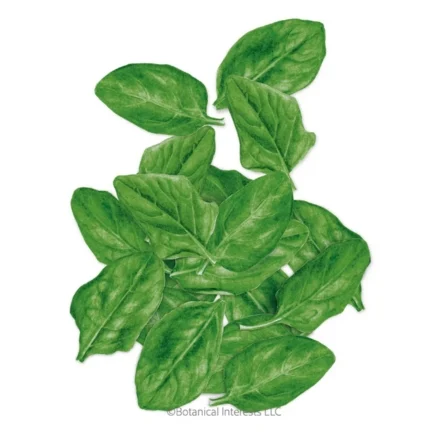
Space Spinach
Celebration Swiss Chard
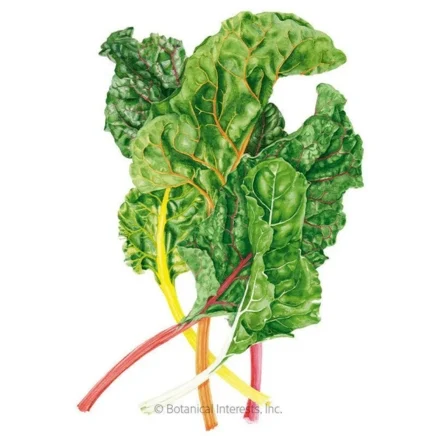
Celebration Swiss Chard Seeds
Leaf Lettuce
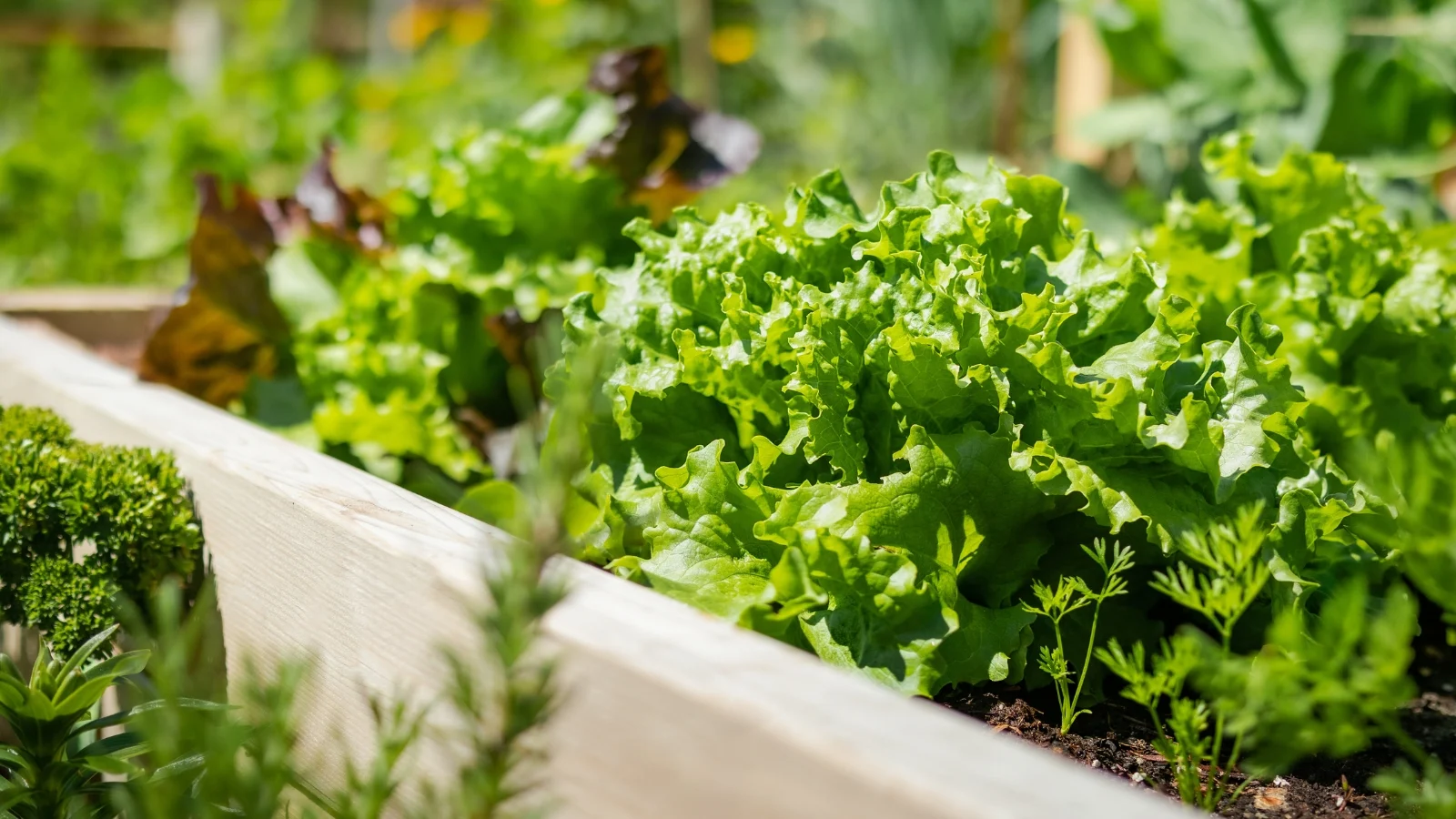 This is a great option for beginner gardeners.
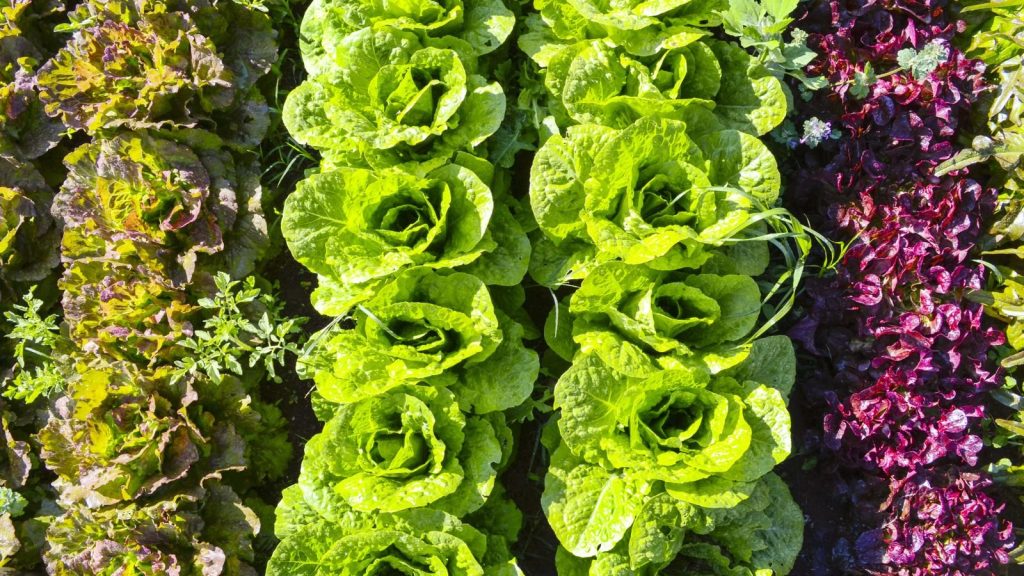
Supple, nutritious leaf lettuce is one of the best candidates for both indoor and outdoor growing. You can slip these plants between your carrots, beets, or even among your tomato plants to maximize your harvests. Leaf lettuces are perfect for chaos gardens, where throwing out the seeds results in blankets of healthy greens.
If you’re growing outdoors, look for a variety that has some disease resistance. ‘New Red Fire‘ is one such variety that withstands downy mildew, bottom rot, and tipburn. For heirloom lovers, there’s ‘Prizehead‘, which sports pink mid veins and bolts slowly in heat. It has been in cultivation since 1881.
Indoor growers will find growing leaf lettuce indoors is highly rewarding. Try a ‘Salad Bowl’ blend for a good mix of leaf lettuces that work well together when planted and in your salad bowl. Most leaf lettuces take between 20 and 50 days to mature. Earlier on, you’ll get baby leaves, while entire heads can be harvested in later stages.
Butterhead Lettuce
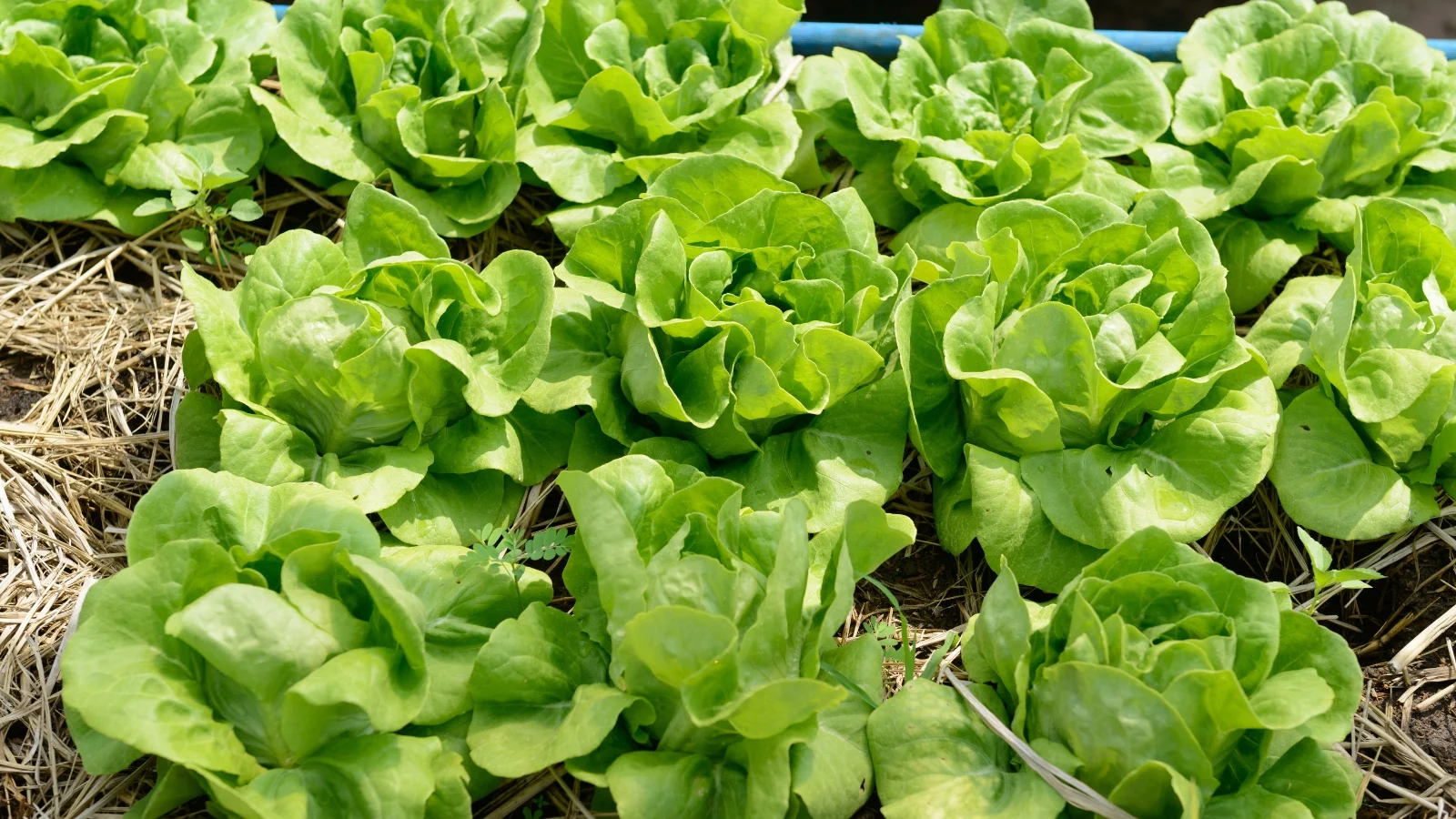 The leaves are excellent in salads and wraps.
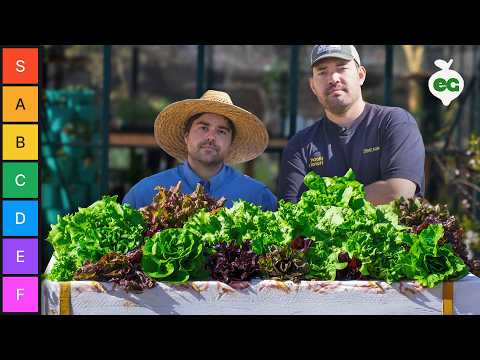
If you want success, butterhead lettuces are also easy, healthy greens. Grow January seeds of various types to enjoy the subtle crunch that butterhead brings. These light, tender leaves are great for sandwiches, salads, wraps, and more. Personally, a butterhead does not last in my refrigerator for long.
Most lettuces take on a bitter flavor when heat arrives, making it hard for growers in hotter regions to enjoy them. But not the ‘Marvel of Four Seasons‘! This bright red butterhead keeps its usual profile even in hot weather.
The standard ‘Buttercrunch‘ is always an option, and its compact nature makes it great for growing in a sunny kitchen window sill.
Spinach
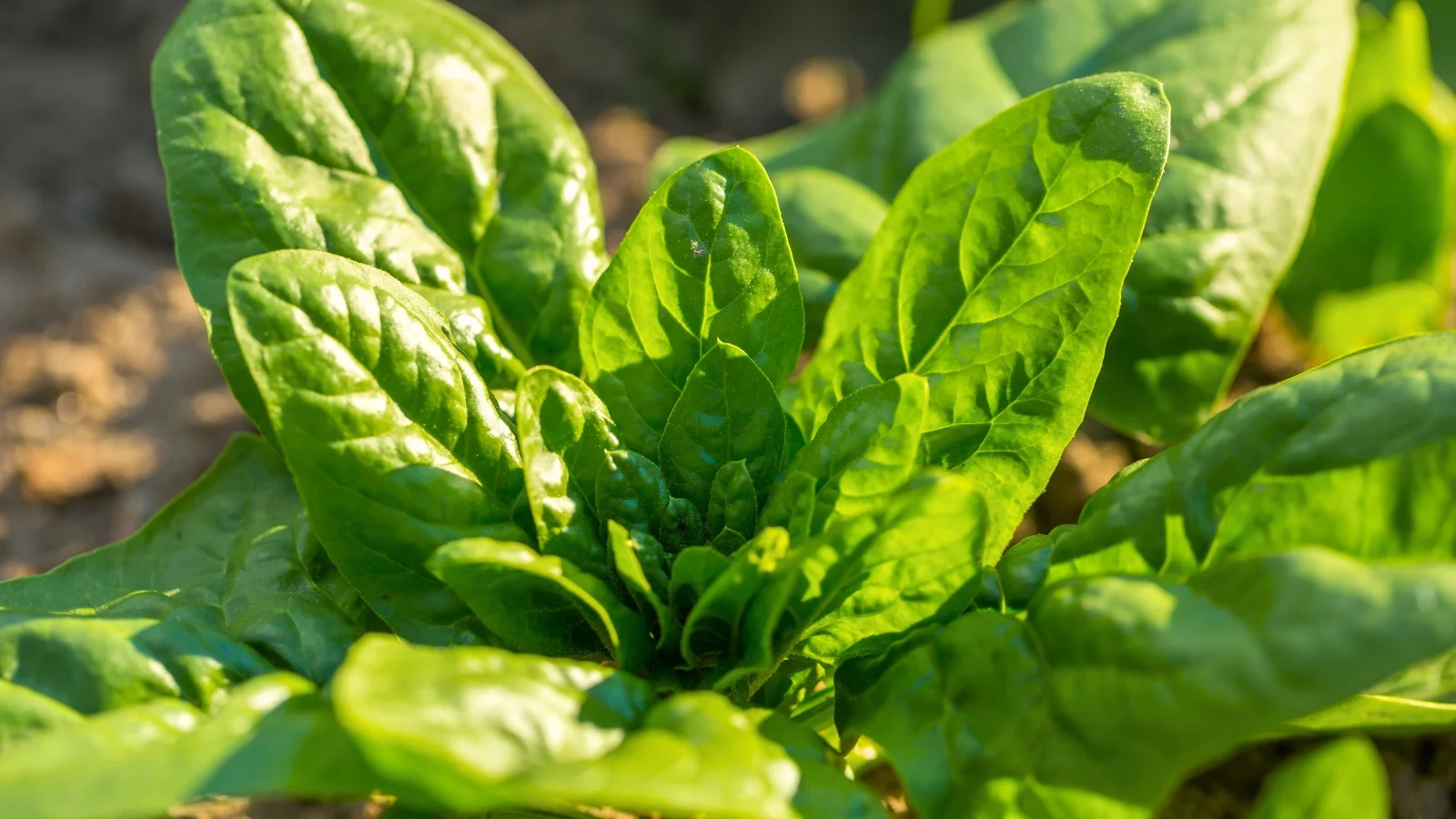 Spinach leaves are packed with nutrients.
Spinacia oleracea, commonly referred to as spinach, is one of the most nutritious greens out there. It’s a great source of Vitamins A and K, as well as folate and lutein. It offers a nice middle ground between lettuce and heartier greens, like kale and chard. And it happens to be very easy to grow, taking one to one and a half months to mature.
Indoor growers should make sure they have a good light source, as spinach is much more reliant on light than lettuce is. Rich, consistently moist soil is important, too. To really pack it in, sow ‘Space’ spinach densely, and remove leaves as needed. It’s a good outdoor variety too, due to its resistance to downy mildew and bolting.
Epic recently released its first spinach seed line with the 1952 All America Selections winner, ‘America’ spinach. This savoy variety grows upright, away from the soil, and harvests are great for canning, freezing, or eating fresh. If you haven’t tried growing spinach yet, this is the year to do it!
Kale
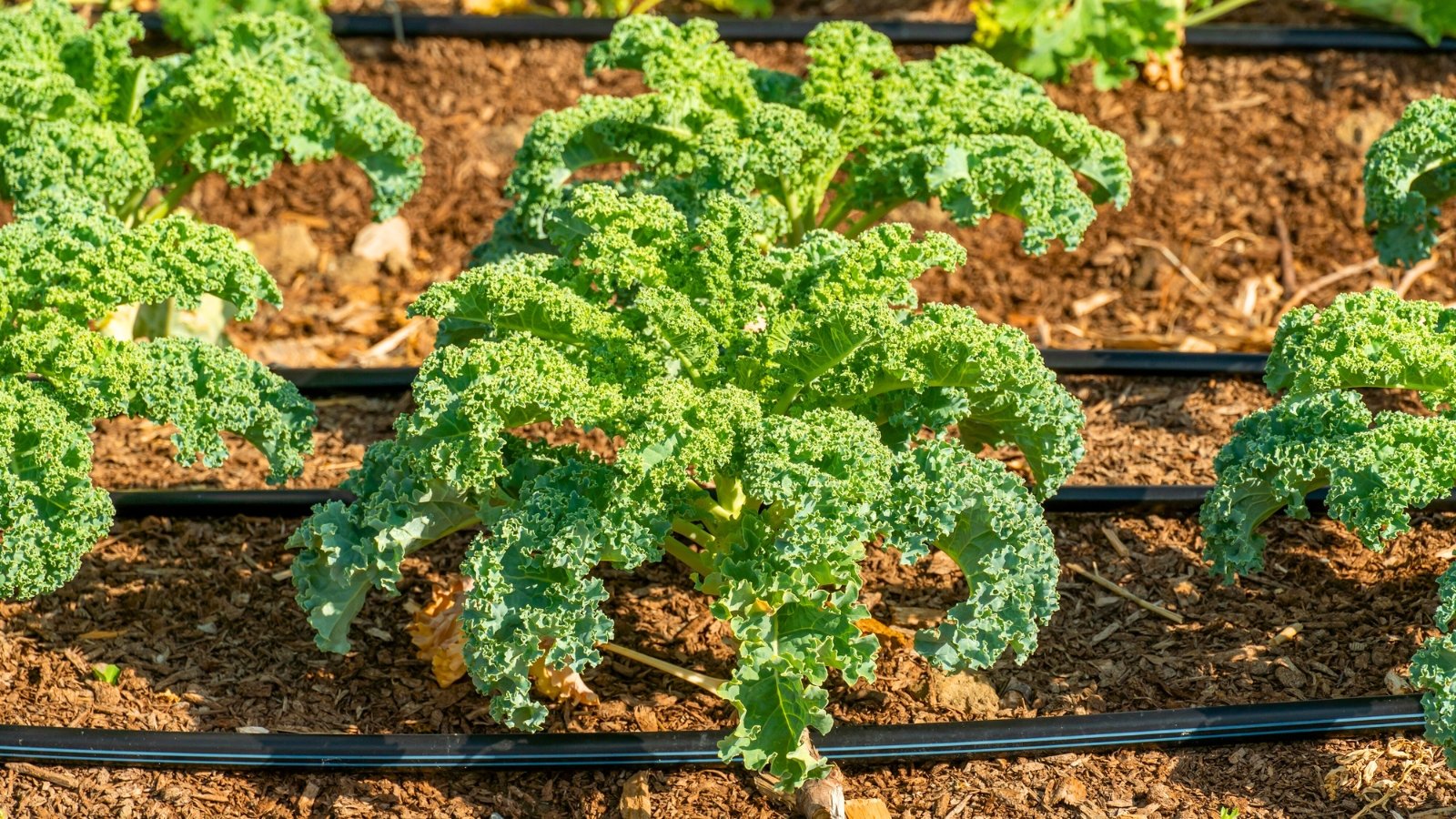 Cold-tolerant kale performs best in cool seasons.
The hearty kale is another great plant to grow among other easy, healthy greens. Grow January starts of kale, shelter them in the coldest parts of the year, and you’ll have a perennial plant that offers rich, nutritious leaves for multiple years. Here in North Texas, I’ve had kale plants that lived up to four or five years, as long as I gave them the protection they needed during freezes.
While growers in the Arctic won’t have the same experience, it’s easy to grow kale indoors, as long as there is enough light (much like spinach). If you don’t want full-sized kale leaves, no problem. Harvest baby kale leaves when they reach two to three inches. Remove the outer leaves to keep the rest of the plant growing.
‘Dwarf Blue Curled Kale‘, which has been in cultivation since the 1800s, has all the potassium and fat-soluble vitamins these greens are known for. The newer variety, ‘White Russian Kale‘, was developed in 1994, but has more frost tolerance than others do. When it comes to kale, there are plenty of options, so find one that suits your palate best and grow it.
Chard
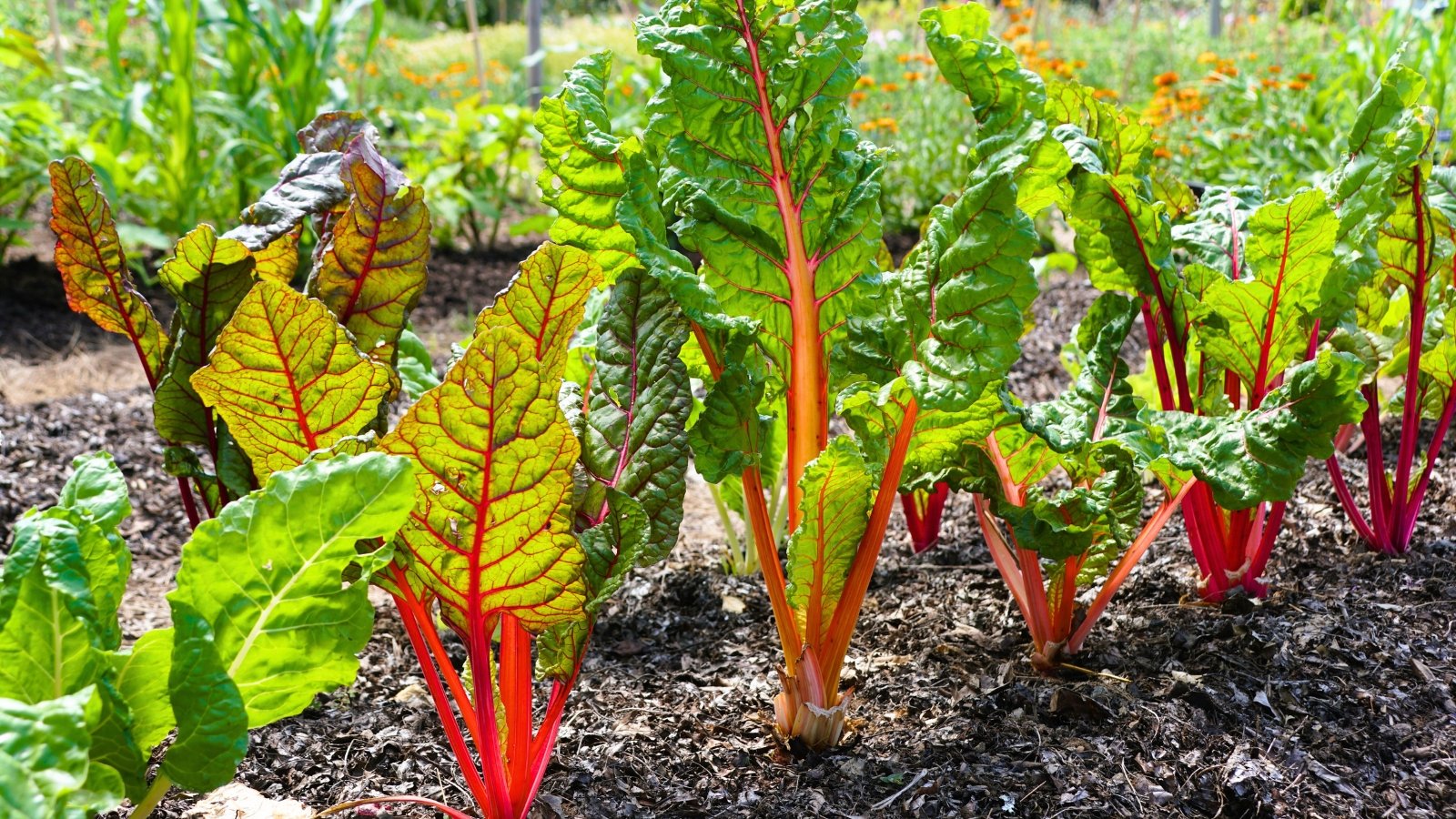 The colorful stems add a great pop of color to dishes.
Due to its bitterness, some people are averse to chard. But not me! I love it. I’ll saute an entire bunch in garlic olive oil and drizzle it with some fresh lemon juice, and the bitterness melts away. Chard has many nutritious benefits that practically mimic those of kale.
‘Celebration’ Swiss chard is my favorite variety to grow. In this combo, you have uniformly-shaped leaves with multicolored ribs. If you want all red ribs, ‘Ruby Red‘ is a great choice. Indoor growers benefit from the ‘Apple Blossom Blend‘, which produces supple baby greens that are great for fresh eating.
In all cases, chard leaves are less bitter when they’re young and when they’ve had some cold exposure. That makes them great winter sowing candidates, and good fall crops too. Baby greens are best harvested at two to four inches. If you want to perennialize your chard, harvest outer leaves only, and protect them when sustained freezes come.
Arugula
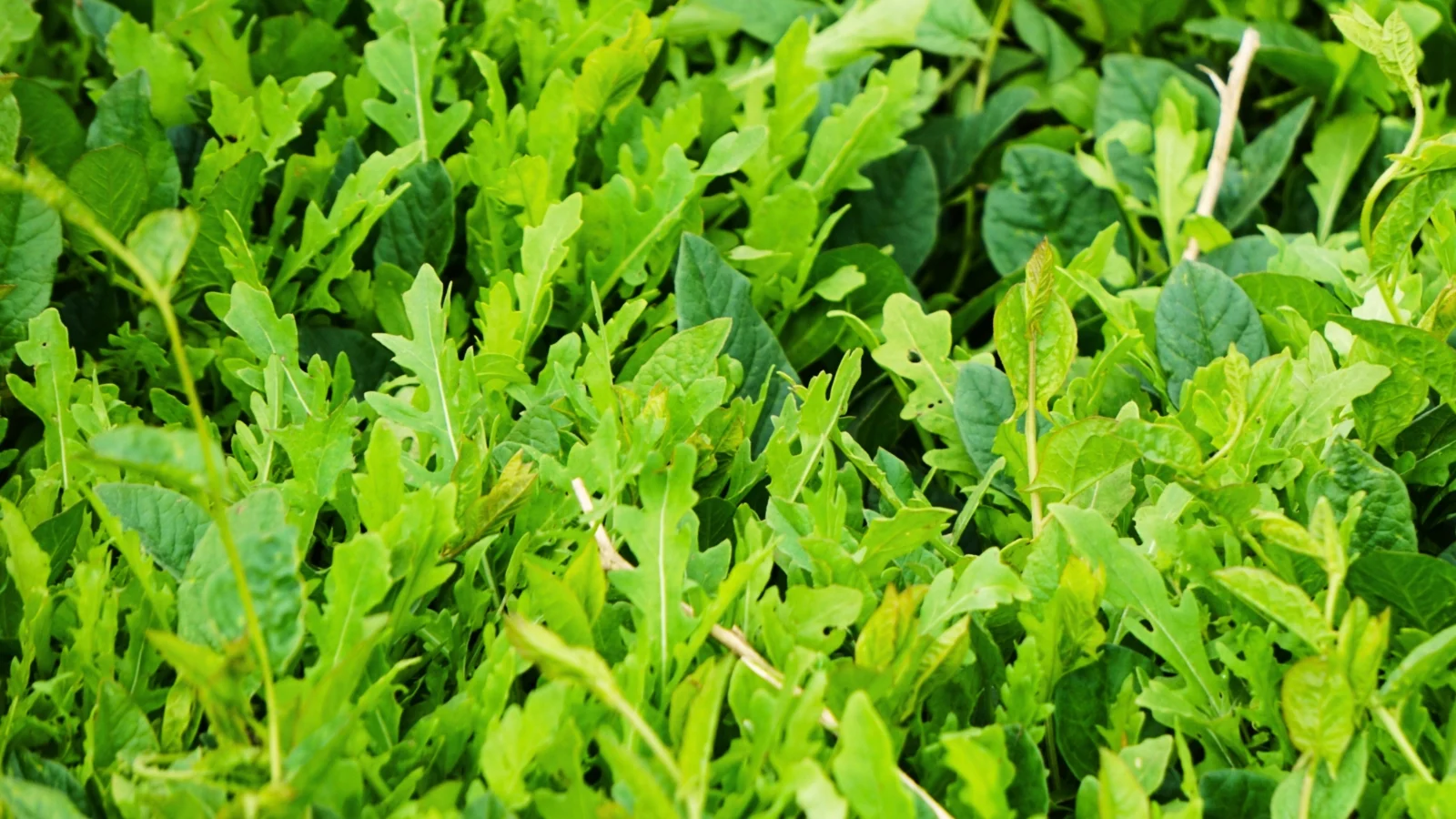 You only need a handful to add a peppery kick to salads.
Also called rocket, arugula is one of the best easy, healthy greens to grow. January is a great time to get yours started as well, especially if you live in a mild region. Otherwise, grow yours indoors to protect it from the cold. It can handle a little frost, but not consistent freezes.
Most arugula leaves are heavily lobed, but ‘Astro‘ offers wide, broad leaves that hold a milder flavor than those closer to the wild parent species. For a variety specifically bred for growing baby greens, ‘Slow Bolt’ arugula has just that, along with a resistance to flowering in heat.
Every arugula will have some type of peppery flavor that is great for sandwiches and wraps. Harvest at a couple of inches for a milder flavor, and at six inches for the full, mature profile that packs a punch. Arugula is a great plant for succession sowing. Plant seeds every three weeks for harvests that last into the warmer seasons.
Microgreens
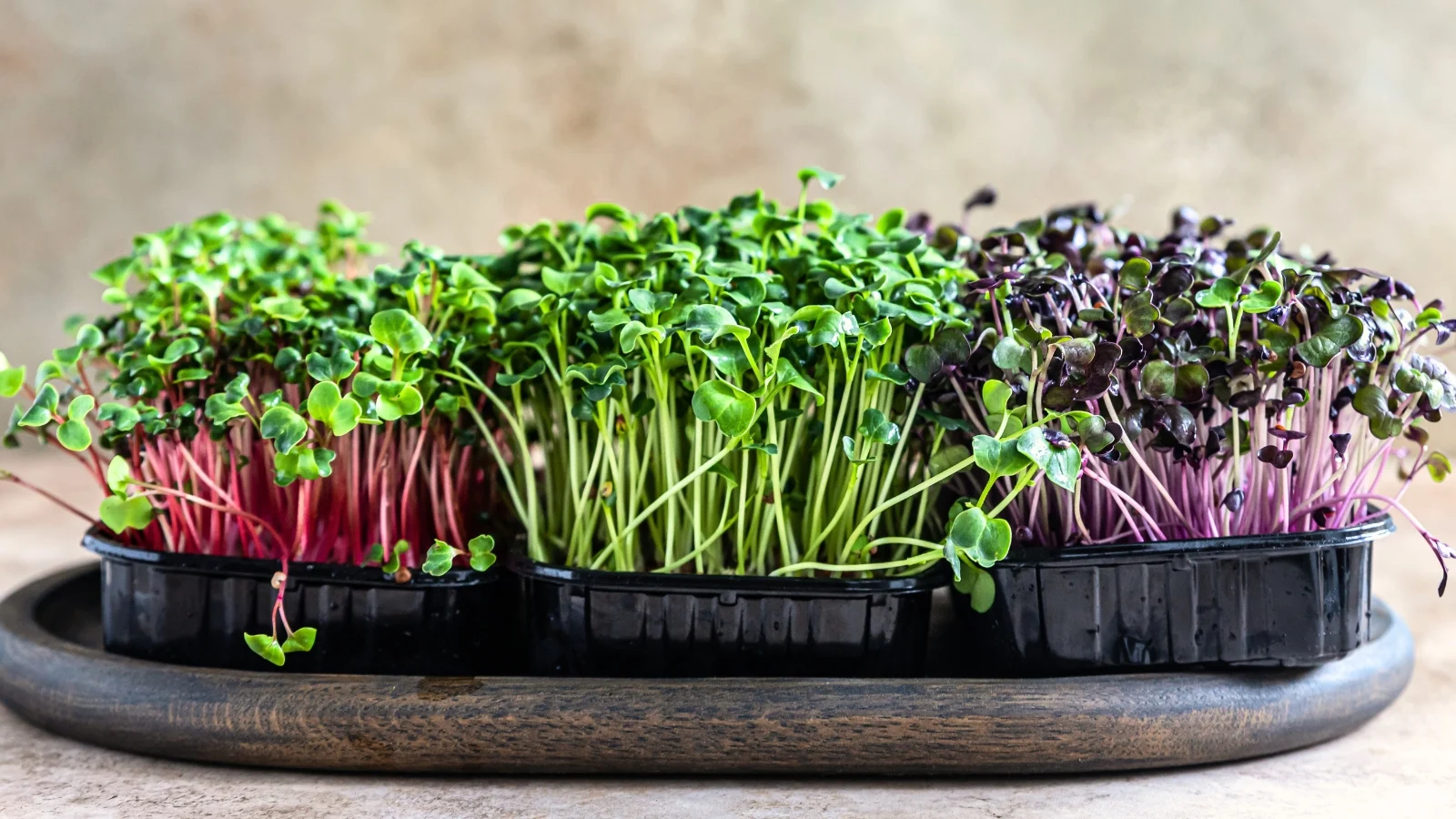 For indoor growing, microgreens are ideal.
While the nutrition provided by full-grown greens is substantial, microgreens have even more, and they’re easy, healthy greens. Grow January microgreens in a protected area, and you’ll have a variety of raw, crunchy greens that don’t take up much space in your kitchen.
Studies have shown that red cabbage, cilantro, amaranth, and daikon microgreens have high concentrations of vitamin C, carotenoids, vitamin K, and vitamin E, respectively. You can grow a batch and throw them on sandwiches, salads, wraps, and more. You don’t have to purchase microgreen seeds. Many plants grown the right way make great microgreens.
A ‘Mild Mix‘ has a blend of brassicas and amaranth with a softer flavor profile. The ‘Jazzy Mix‘ is punchier, with spicier greens that are ready within a couple of weeks. If you’re not sure what to grow, try a bundle and grow different types at once.
If you don’t know how to grow them, we’ve got a great piece on the supplies you need, and a guide for virtually every type you can grow.