
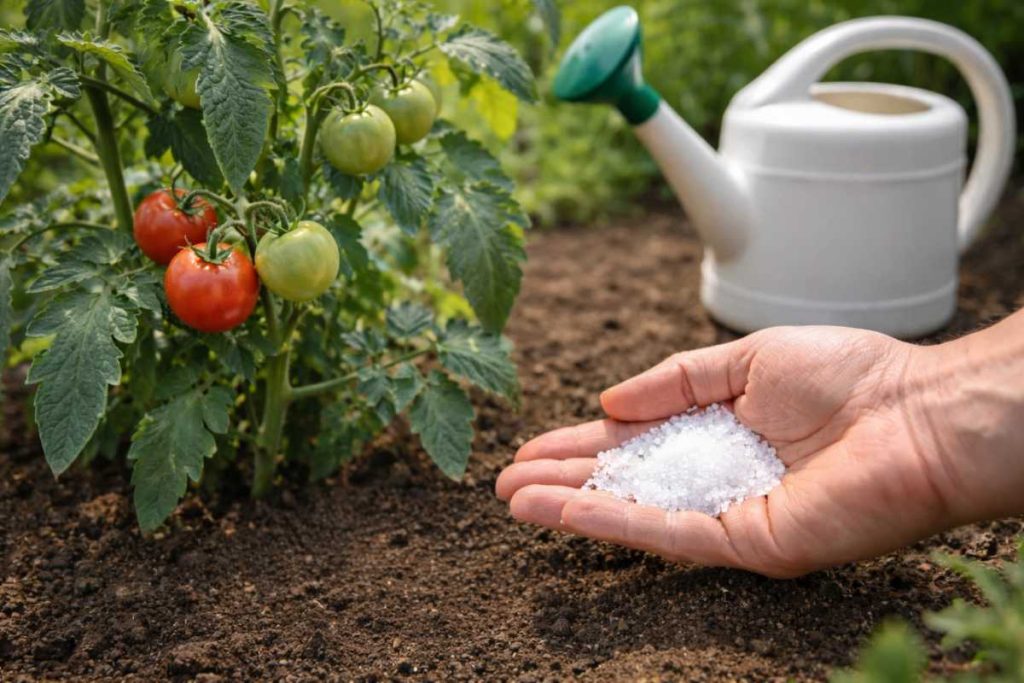
Scientifically known as Magnesium Sulphate, epsom salt provides magnesium and sulfur nutrients to plants that in turn will increase chlorophyll production.
This natural fertilizer improves your plants ability to absorb essential nutrients like nitrogen and phosphorus from the soil making them greener.
However, according to the University of Minnesota Extension, you need to conduct soil tests before applying epsom salt. As overuse of magnesium sulphate can lead to calcium deficiency.
So, you can’t readily go around throwing epsom salt at the base of the plant and wait for the miracle to happen.
Apart from checking magnesium and sulphur consistency in the soil, there are few plants that don’t like epsom salt.
You must keep magnesium sulphate away from such plants.
How Does Epsom Salt Help Your Plants?
Dilute epsom salt with water
As mentioned earlier, Epsom salt helps plants by supplying magnesium, an essential nutrient for chlorophyll production.
When plants have enough magnesium, their leaves stay greener, photosynthesis improves, and overall growth looks healthier—especially in magnesium-loving plants like tomatoes, peppers, and roses.
It also helps plants use nutrients more efficiently.
Magnesium supports the movement of nitrogen and phosphorus within the plant, which can lead to stronger stems, better flowering, and improved fruit development when a real magnesium deficiency exists.
12 Plants that Like Epsom Salt
Magnesium sulphate is a natural mineral and it’s an integral nutrient of chlorophyll synthesis.
However, the requirement of this micro nutrient is small.
The problem arises when you dump the granulated epsom salt directly at the plant base. You need to first dilute it with water and apply to the plant that needs the trace element.
Below I listed plants that like epsom salt, but use it with care.
1. Tomatoes
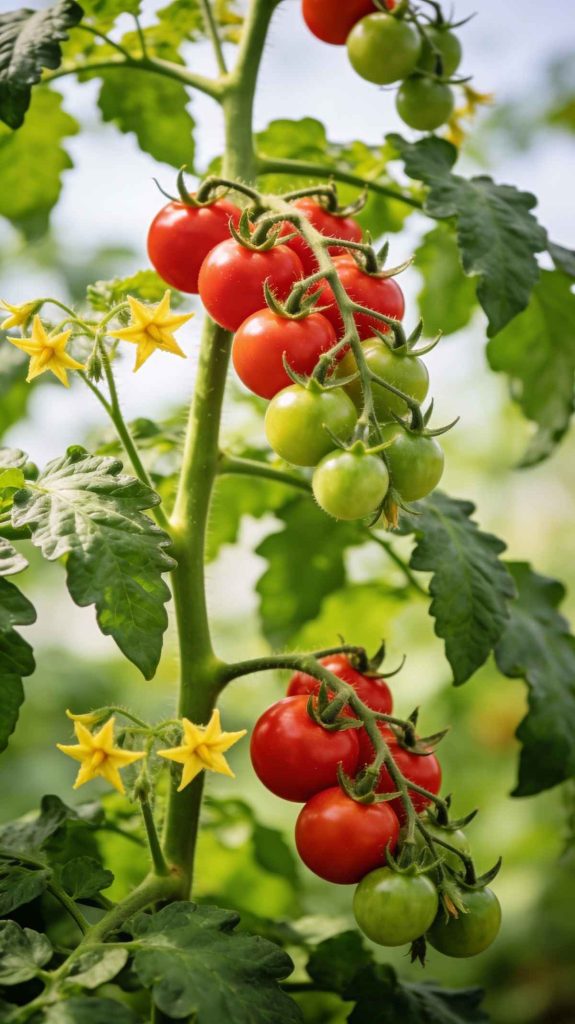
Most common vegetables in your backyard can benefit from this natural mineral, but you need soil tests to ensure the garden soil lacks the required amount of magnesium and sulfur.
Epsom salt can help tomato plants by giving them a magnesium boost, which keeps leaves green and supports healthy growth.
It may also help with flowering and fruit set—but only if your soil is actually low in magnesium.
Mix 1 tablespoon of Epsom salt in 1 gallon of water and use it to water the soil around the base of the plant.
Apply it once a month, and only if your tomatoes show signs of magnesium deficiency.
Using too much Epsom salt can mess up the soil, stop plants from taking in calcium, and actually make them weaker instead of healthier.
2. Peppers
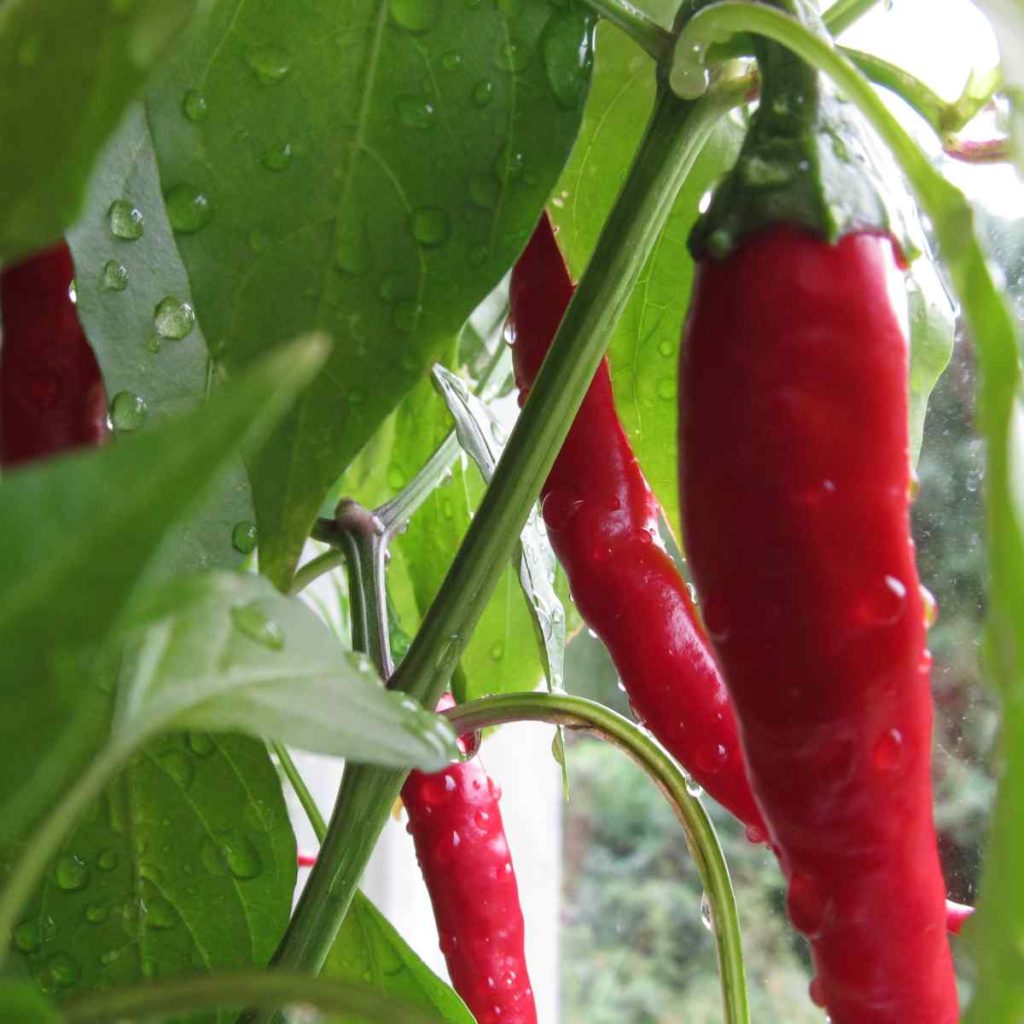
Peppers don’t need Epsom salt by default, but in magnesium-poor soil, a small dose can make a noticeable difference. Yellowing leaves are often the first sign that something’s missing.
When magnesium is low, Epsom salt can help peppers maintain greener foliage and support smoother nutrient flow inside the plant.
This can result in healthier plants and better pepper formation—but only when a deficiency is present.
3. Roses
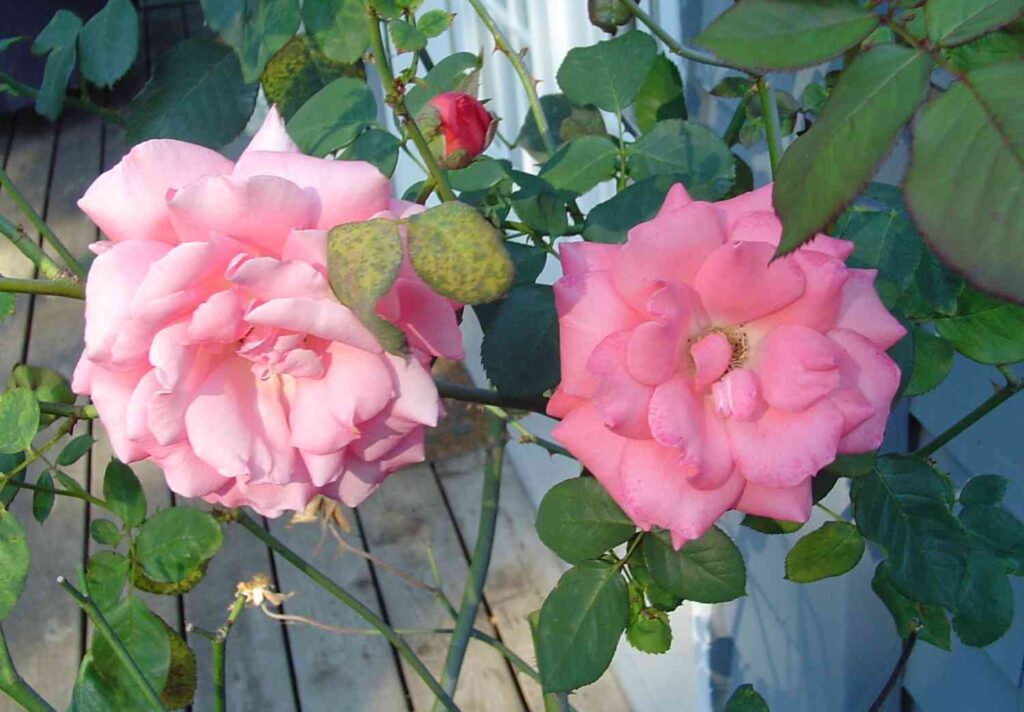
Flowering plants like roses can respond well to Epsom salt, but only when the soil is actually low in magnesium. A quick soil test helps avoid overdoing it and keeps nutrients balanced.
Epsom salt can support roses by improving magnesium levels, which helps leaves stay green and encourages better bloom production.
It may also strengthen canes and improve overall plant vigor when there’s a real deficiency.
Also Read: Is Epsom Salt Good for Hydrangeas?
4. Potatoes
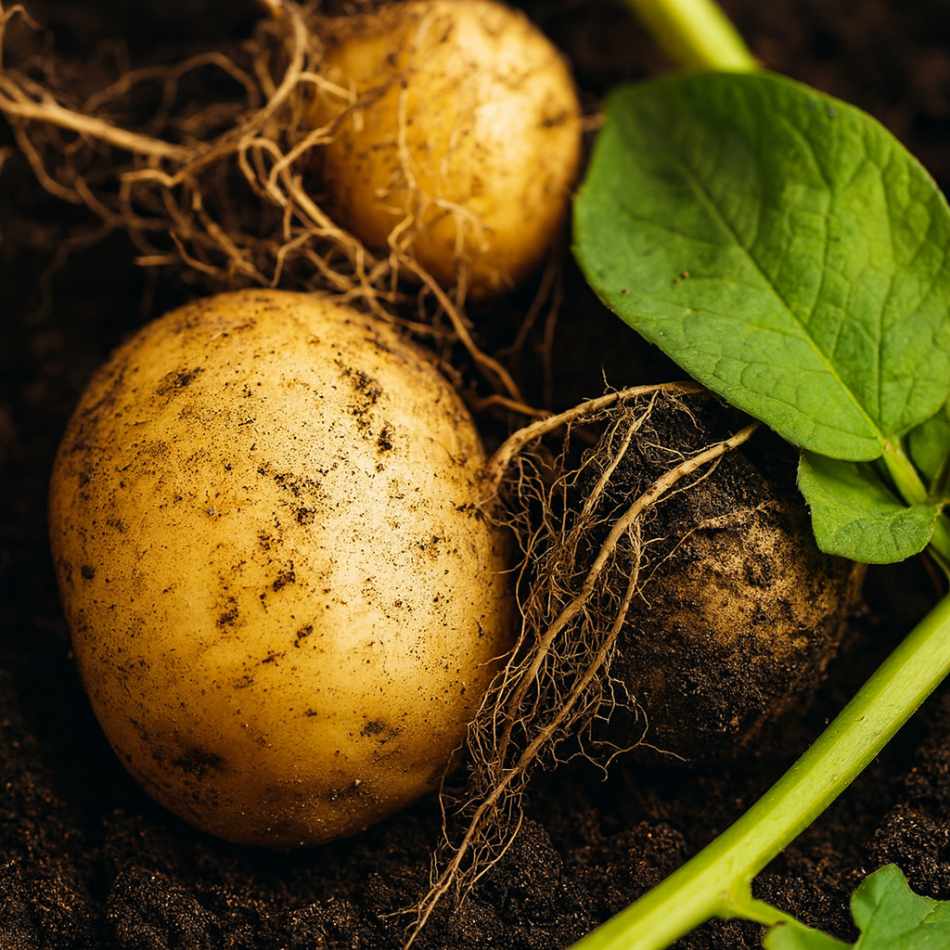
You might not expect it, but potatoes can really benefit from a little Epsom salt when the soil is low in magnesium. Since they grow underground, healthy roots and steady nutrient flow make a big difference.
Epsom salt supplies magnesium and sulfur that support strong foliage above ground, which directly affects how well tubers develop below the soil.
As potato plants grow, they need consistent nutrients to size up properly and avoid weak, stressed growth.
Used the right way, Epsom salt can help improve plant vigor and support better-quality, well-formed potatoes at harvest.
5. Spinach
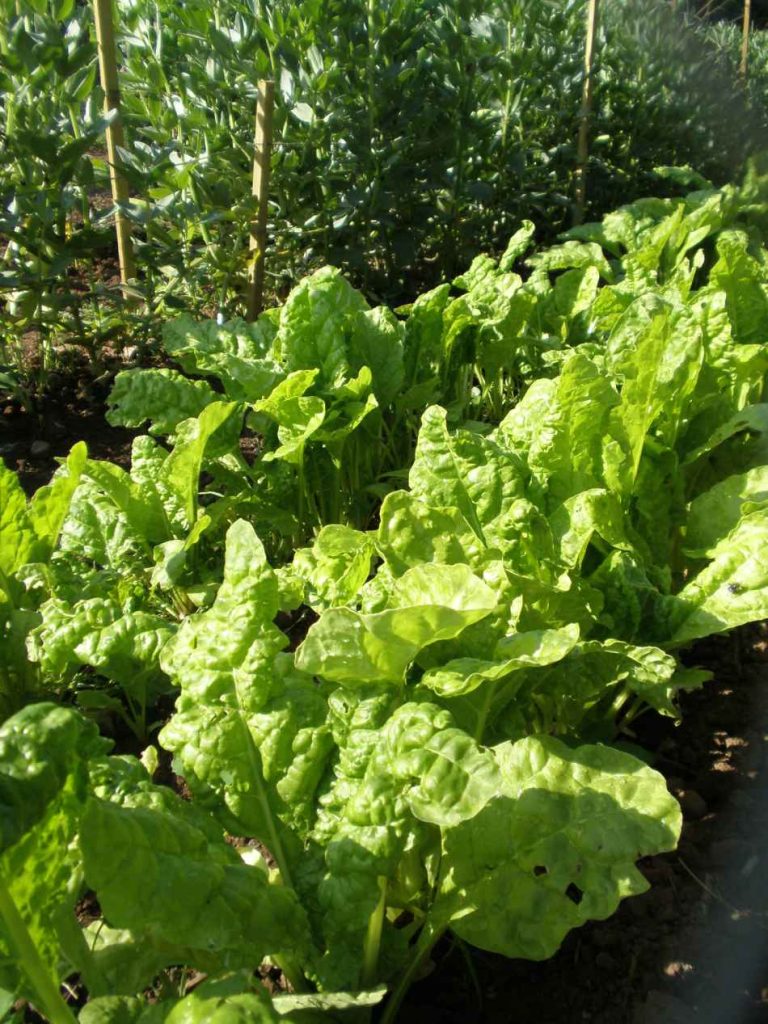
Spinach is a fast grower, and when magnesium is missing, it shows almost immediately through pale or yellowing leaves. In magnesium-poor soil, Epsom salt can help bring back that deep green color spinach is known for.
A small, well-timed dose supports chlorophyll production and keeps leaf growth steady. When used correctly, it helps spinach stay lush and productive instead of thin and stressed.
6. Beans
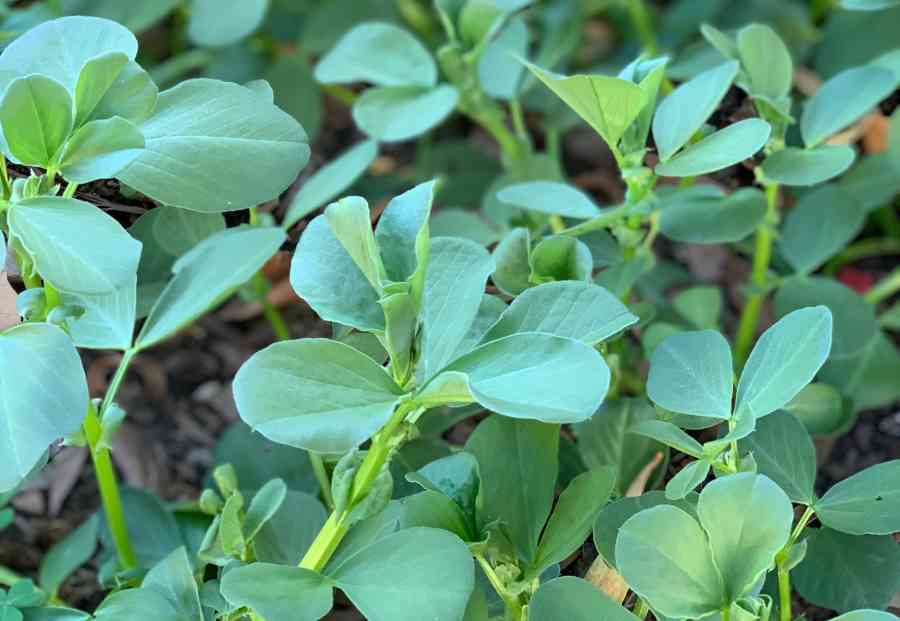
Beans are generally easygoing plants, but they still rely on balanced nutrients to grow strong. If magnesium levels drop, growth can slow and leaves may lose their healthy green tone.
Epsom salt can step in by supporting nutrient movement within the plant, helping beans grow evenly and set pods more reliably. Used only when needed, it can give bean plants a gentle boost without pushing them too hard.
7. Geraniums
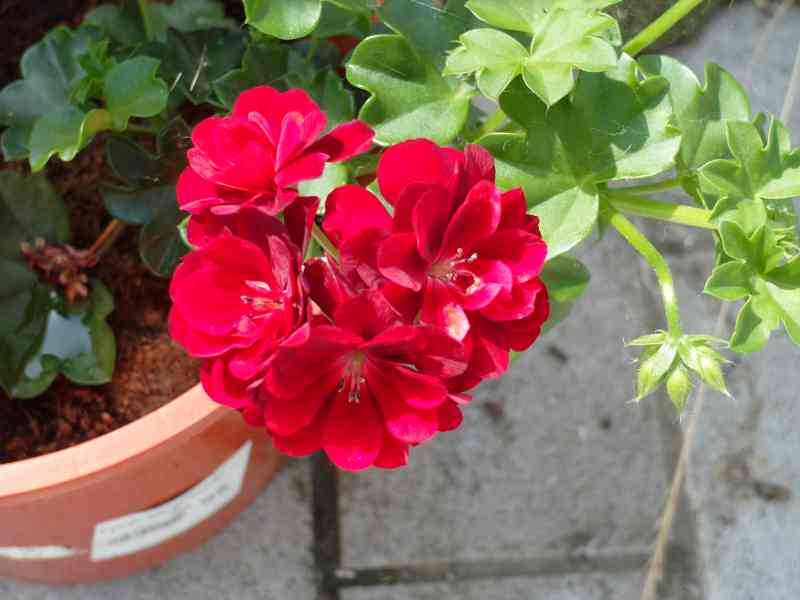
Support stronger growth and richer leaf color by using Epsom salt when soil magnesium is low, especially during active growth.
Geraniums respond well when nutrients are balanced, and magnesium helps them maintain healthy foliage and steady blooming.
Used sparingly, Epsom salt can keep plants looking vibrant without overstimulating growth.
8. Cucumbers
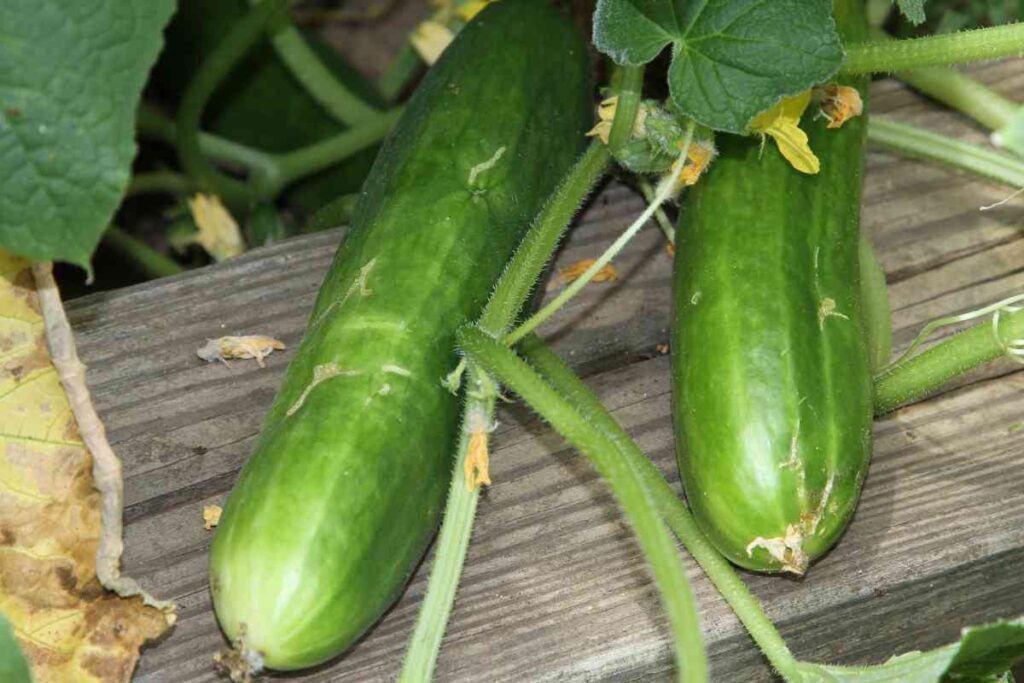
Cucumbers grow fast and need a steady supply of nutrients to keep vines healthy and productive. When magnesium levels drop, leaves may start to yellow, which can slow growth and reduce yields.
Epsom salt can help by supplying magnesium that supports chlorophyll production and keeps cucumber leaves green. Healthier leaves mean better photosynthesis, which fuels flowering and fruit development.
Used only when the soil is low in magnesium, Epsom salt may also support better nutrient movement within the plant, helping cucumbers grow evenly and produce cleaner, well-formed fruits.
9. Lettuce
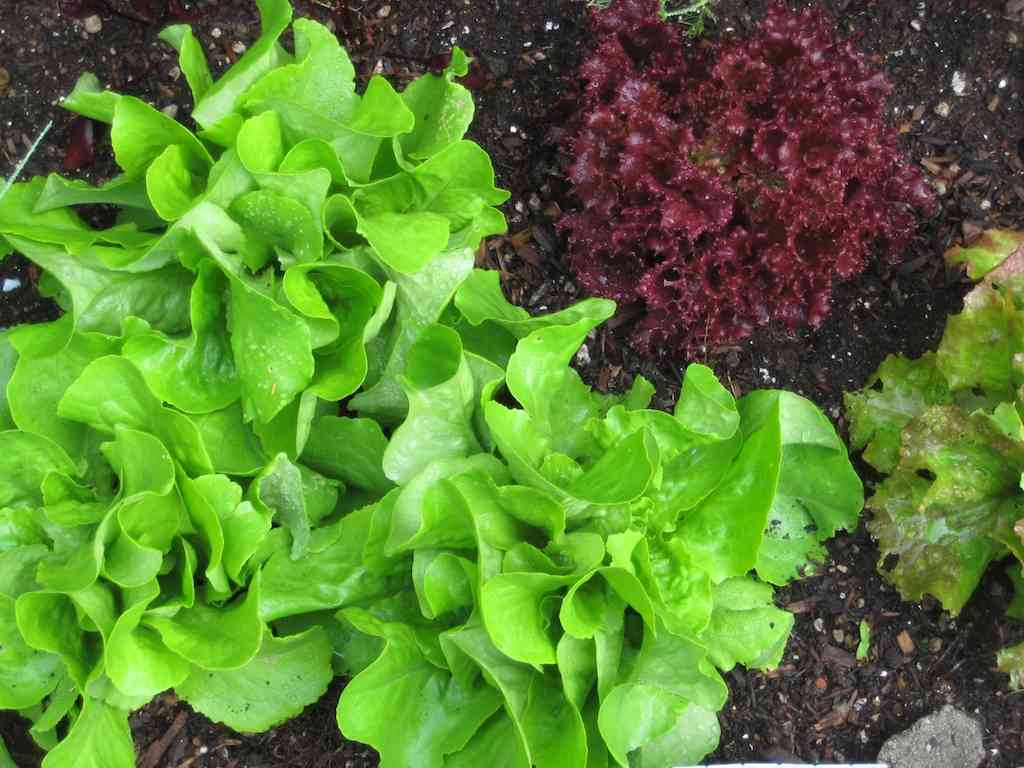
Encourage greener, fuller leaves by applying Epsom salt early in the growing stage if magnesium deficiency is present.
Since lettuce grows quickly, even small nutrient gaps can show up fast.
A light magnesium boost can help maintain leaf quality and support consistent growth.
10. Eggplants
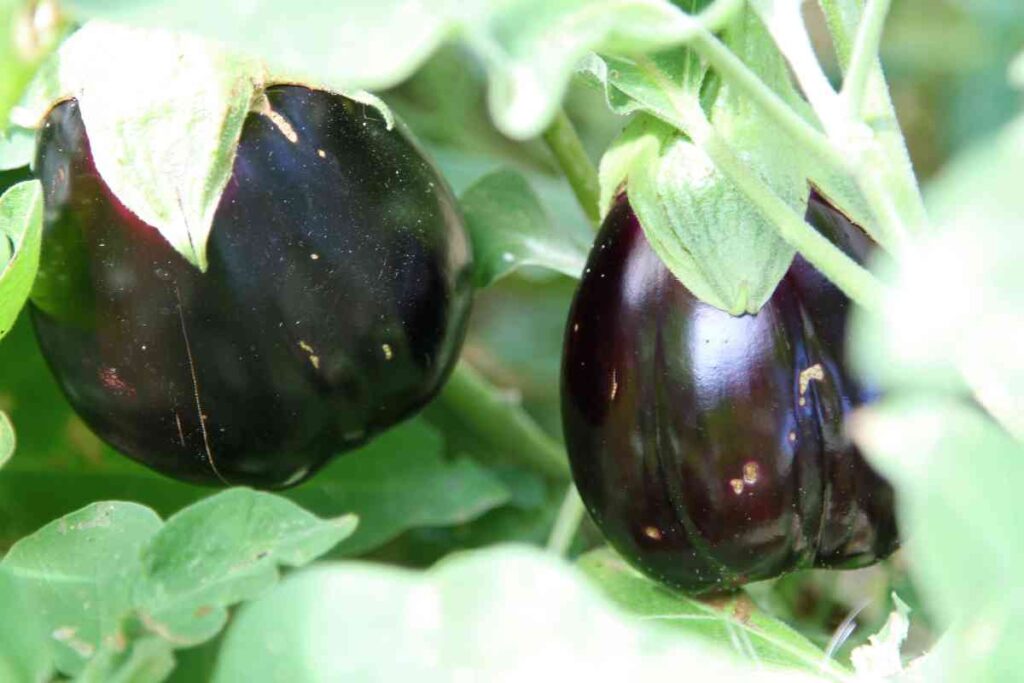
Eggplants can sometimes struggle if the soil is low in magnesium, and that’s when Epsom salt can help. It supports greener leaves and steadier growth, which the plant needs to produce healthy fruit.
When used in small amounts, Epsom salt can also help eggplants flower better and develop stronger fruits. Just remember—it works best only when there’s a real magnesium deficiency, not as a regular fertilizer.
11. Radish
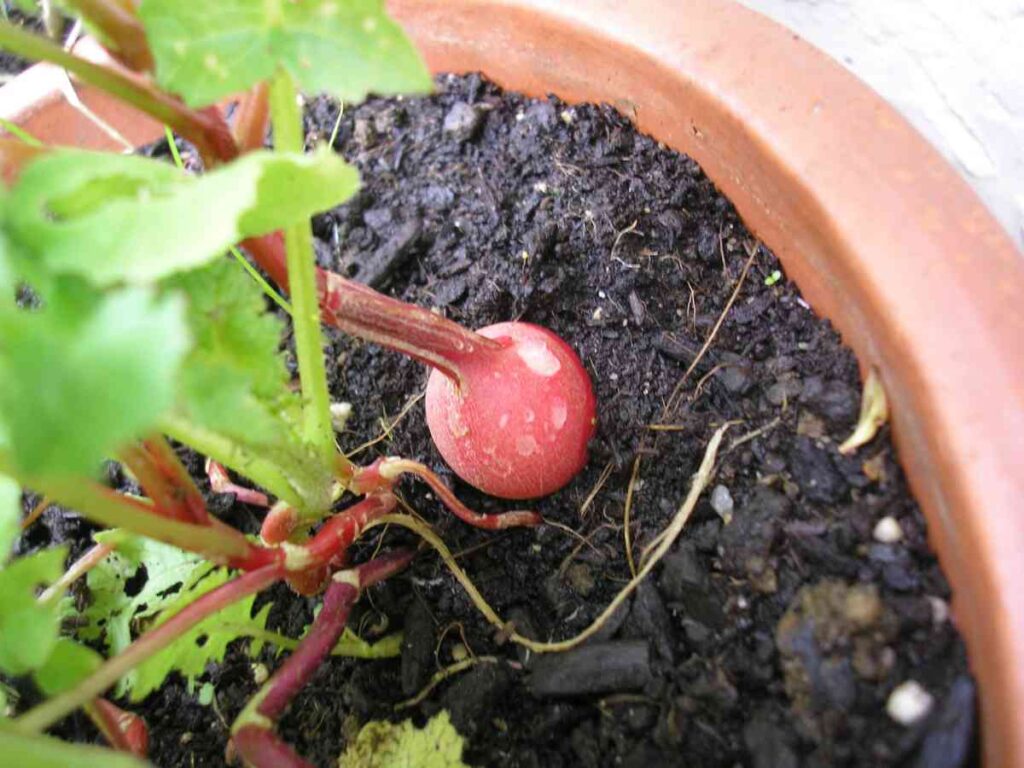
Epsom salt can support radish growth by improving magnesium availability, which helps plants grow more evenly and stay healthy. When used correctly, it may lead to better root development and overall plant balance.
Radishes are quick-growing root crops, so even small nutrient gaps can affect their size and shape. Magnesium plays a role in enzyme activity and nutrient movement, which helps the plant direct energy toward forming firm, well-shaped roots instead of weak foliage.
However, radishes don’t need heavy feeding. Epsom salt should only be used when soil tests show low magnesium levels, as excess magnesium can interfere with calcium uptake and negatively affect root quality.
Also Read: 19 Best Vegetables to Plant in Spring?
12. Palms and Ferns
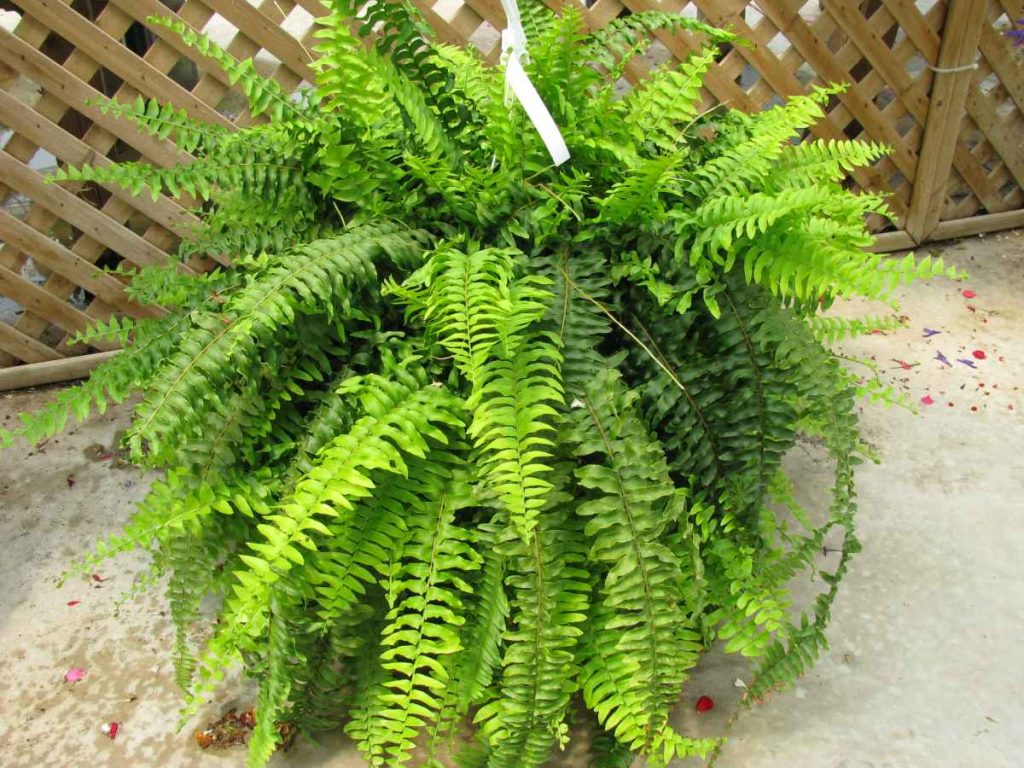
Houseplants like palms and ferns can respond well to Epsom salt when they’re low on magnesium. A common sign is pale or yellowing leaves, especially on older growth.
Magnesium helps these plants keep their leaves deep green and supports steady, healthy growth. Since palms and ferns are mainly grown for their foliage, this can help them look fuller and healthier.
That said, they don’t need it often. Using Epsom salt only once in a while—and only when there’s a real deficiency—helps prevent salt buildup in pots, which can stress houseplants instead of helping them.
Important Tips
Don’t use Epsom salt as a regular fertilizer for all plants. It only helps when there’s a real magnesium deficiency, otherwise it can do more harm than good.
Avoid applying Epsom salt without testing your soil first. Guessing can lead to excess magnesium, which blocks calcium and affects overall plant health.
Never overapply or use it too often. Frequent or heavy use can build up salts in the soil or pots, stressing roots and weakening plants instead of helping them grow.
Conclusion
Epsom salt can be helpful for certain plants, but it’s not a cure-all. It works best when your soil is actually low in magnesium and the plant has a real need for it.
Used the right way and in the right amount, it can support greener leaves, better growth, and healthier plants. When used blindly or too often, though, it can upset soil balance—so a little care goes a long way.

Khaja Moinuddin, a computer science graduate, finds joy in gardening and homesteading. Join him on this blog as he shares his experiences in homesteading, gardening, and composting













Tiny tip: Lovely idea; I might try this in my garden 🌿. Will try it.
PS • pleasant thought — I’ll remember that ✨