

Beneath the sky’s slow arc, the beehive hums—a quiet symphony of labor and light. This is where Eco Living begins: not in grand declarations or distant vows, but in the union of humming wings, weathered stone, and the rustle of leaves in their natural folly. The beehive covenant is ancient, etched in resin and sealed with the scent of wildflowers. It teaches that survival is not a solo flight but a collective art, woven between threads of soil, sun, and the patient rise of sap. To honor this pact, we step outside with empty hands and a quiet heart, ready to listen to the forest’s breath and the stone’s unspoken song.
Here, in the hive’s labyrinth of hexagonal cells, we find mirrors for our own lives. The bees’ dance teaches precision without haste, the value of sweetness shared freely, and the courage to flourish in community. This is Eco Living reborn—not as a sacrifice, but as a celebration of interconnection. From the smallest seedling to the widest oak, every living thing hums the same tune: growth without greed, survival without strain. Let this essay be your guide through seasons, spaces, and the sacred soil beneath your feet, where stone and sky converge in a fragile, steadfast harmony.
Seasonal Context: Dancing with the Earth’s Rhythm
Eco Living begins with the turning of seasons, a gentle reminder that nothing exists outside its cycle. In spring, the earth exhales after winter’s hush; in summer, it drinks deeply under the sky’s gold; autumn turns leaves into crimson carpets of gratitude; and winter wraps the world in slow, snowy meditation. Each phase gifts time and abundance differently, and like the beehive, our actions must shift with the flow.
Spring Awakening: Seeds of Intention
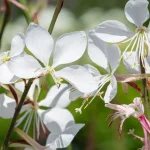
As frost retreats, the ground softens into loamy cradle for new life. This is the season to plant not only seeds but mindfulness. Begin by clearing residual debris, turning waste into compost—a ritual of renewal. Planting native flowers like lupine or echinacea creates nectar for early pollinators, their delicate wings humming gratitude. Let the bees return, and you’ll find their presence steadies your own rhythm.
Summer’s Lavish Abundance
Under the sky’s highest zenith, the world basks in sunlight’s fire. Yet Eco Living asks us to temper abundance with restraint. Water mindfully, capturing rain in barrels to nourish deeper roots. Set up shallow bowls of water with stones for thirsty birds—small acts that ripple outward. Let bees collect pollen from your rooftop garden, their flight paths tracing the invisible bonds between home and wild.
Autumn’s Alchemy: Harvest and Release
As leaves fall, decay becomes design. Collect fallen branches for bee nests, dry husks into tea, or pile gravel around garden paths to deter slugs. Autumn teaches that endings are merely invitations to rest. Prune plants gently, leaving hollow stems for overwintering insects. Stone walls, now veiled in moss, stand as silent witnesses to this dance of decay and rebirth.
Winter’s Stillness: Beneath the Frosted Veil
When the ground lies white and still, retreat indoors with books and steaming mugs. The bees huddle in their hives, breathing in survival’s slow tempo. Use this time to mend tools, sketch garden plans, or build bee hotels from reclaimed wood. Winter’s silence is a lesson in conserving energy, both for the earth and ourselves.
Practical Steps: Weaving Daily Acts
Eco Living thrives in the minutiae of daily life, where choices ripple outward like concentric rings in a pond. These practical reflections are not burdens but blessings, small adjustments that align with the beehive’s quiet wisdom.
Mindful Consumption
Begin with what rests in your grocery cart. Choose loose fruits over plastic-wrapped convenience. Opt for beeswax food wraps over single-use plastic. Every time you refuse a straw or refuse fast fashion, you honor the hive’s diligence—not all resources are meant for immediate take.
Reduce Plastic, Cultivate Connection
Replace single-use plastics with bamboo utensils or linen napkins. Carry a cloth bag for market trips; let its presence remind you of the hive’s delicate balance. In your kitchen, ferment scraps into kimchi or compost, turning waste into nourishment. The act of converting rot into richness mirrors the bees’ alchemy of turning nectar into gold.
Energy as Life Force
Unplug devices when unused, or use smart strips that halt phantom energy drain. Install weather-stripping on windows to trap warmth in winter, or shade interiors with climbing vines in summer. Let the sky’s light guide your habits—open blinds during the day, close curtains at dusk. Energy conservation is ritual.
Nourish with Root-to-Stem Cooking
Adopt the hive’s ethos of nothing wasted. Scraps become broth, skins become tea, stalks become stir-fries. Grow herbs on windowsills, bees’ favorite kitchen companions. Cook with seasonal bounty, letting flavors of summer fade gently into autumn’s spice-drenched warmth.
Build with the Earth
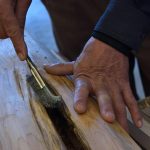
When repairing fences or crafting shelves, use reclaimed wood or stone. Create your own mortar from lime and sand, echoing ancient builders. Eco Living is not about perfection but persistence—the beehive survives on imperfect cells, just as a home thrives on mindful choices.
Design Ideas: Soulful Spaces Rooted in Nature
A garden designed with the beehive’s principles hums in harmony with its surroundings. Soil, stone, and flora converge into a living tapestry that shelters life. Here, Eco Living becomes architectural beauty.
Natural Materials First
Forage for fallen timber, driftwood, or broken bricks to repurpose into furniture or garden borders. Create a chicken coop from pallets, line a path with river stones, or build a rainwater catchment beside your greenhouse. Stone, wood, and clay breathe with the earth, grounding us in permanence.
The Honeycomb Wall
Design a living wall using native flowering plants like salvia or coneflower, arranged in hexagonal compartments to mirror the beehive’s geometry. This dance of color and function invites pollinators while softening your space. Vines like clematis cascade like natural curtains, bidding sunlight to rest where needed most.
Grounded Entrances
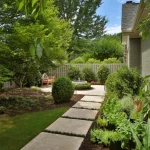
Place a gravel mandala near your doorstep for quiet contemplation. Let a wooden bench sit beneath a flowering apple tree, its branches offering midday shade. A stone path winding through your yard becomes not just a route, but a conversation with the land. Each step here is a reminder that you walk in step with nature.
Indoor Sanctuaries
Bring the hive’s lesson indoors: a terracotta planter on a sunlit sill, a linen fabric diffuser scenting the air with pine or cedar, or a basket of dried lavender near your door. These small touches create sacred nooks where you can pause—a moment to breathe, to remember that Eco Living lives inside as much as outside.
Rituals: Honoring the Earth’s Pulse
Rituals anchor us in the present, weaving Eco Living into the fabric of daily breath. These are not routines but reverences, small ceremonies that remind us to move with the world, not against it.
Morning Offerings
As sunlight spills over your threshold, place a small bowl of water outside for bees and birds. Sprinkle a handful of chamomile in your garden beds—a gesture of gratitude to the microbes below. This is communion with the unseen, a pact that says, “I see your effort, and I honor it.”
The Honeycomb Drawing
Sketch the hive’s pattern on paper or the earth with sticks. Let each hexagon represent a quiet intention: reduce waste, nurture one plant, mend a broken latch. Carry this drawing as a talisman, a visual prayer to the symphony of balance.
Seasonal Markings
At solstice, bury a time capsule under an oak—a jar holding seeds, poetry, or a handwritten note. Dig it up at the next equinox to find fresh hope amid life’s slow turns. Stones and earth are our witnesses, keeping promises where memory falters.
Mindful Tea Meditation
Brew nettle or dandelion tea in a chipped mug, sipping as you step outside. Feel the steam rise like breath, connecting you to the hive’s unseen work. These bitter-sweet flavors remind us that Eco Living is not always effortless—it is, like the bees, a little sweet, but mostly honest.
Soil & Water Care: The Hive’s Foundation
A thriving beehive begins with healthy soil, rich with microbial life. To nurture it is to honor the unseen architects beneath our feet.
The Compost Covenant
Turn kitchen scraps and garden clippings into golden compost. Bury food waste in the garden, where worms and beetles convert it into sustenance. Avoid chemical fertilizers; they are the antipyretics to nature’s fever, suppressing life instead of nourishing it.
Rainwater Wisdom
Collect runoff in ceramic barrels or woven baskets. Water deeply but infrequently, encouraging roots to seek resilience. In dry seasons, let the soil crumble at your fingertips—somber, yet teaching the value of patience.
Mulch as Breath
Spread straw or shredded leaves around plants to retain moisture and invite fungi. The hive’s survival depends on water held in the hive’s wax, not relentless heat. Stones and mulch work in tandem to keep your garden alive with quiet persistence.
Wildlife & Habitat: Guardians of the Hive
The beehive thrives when the forest breathes. To protect it, we must safeguard the threads of life that stretch beyond our gardens.
Pollinator Pathways
Create corridors of native flora along fences or hedgerows. Passionflower vines climb trellises, inviting beetles and butterflies. Let your balcony become a pit stop for migrating bees, offering salvia and lavender in terracotta pots.
Nest Boxes and Bee Hotels
Drill holes of varying sizes into reclaimed wood, hang it vertically on a post, and invite solitary bees to take residence. Separate compartments with bamboo plywood—toxins are silent hive destroyers. This is the human hand rebelling against monoculture, stitching a safer world for the tiny ones.
Water Features
A shallow dish of water with a rock becomes a lifeline for thirsty bees. Avoid pesticides to protect pollinators, their wings too fragile to navigate chemical fog. Even a small pond, lined with stones, becomes an oasis.
Seasonal Projects: Aligning with the Earth’s Song
Eco Living is not static; it pulses through projects that shift with the seasons. These are not tasks but dialogues with nature’s tempo.
Early Spring Seed Bombs
Combine seeds with clay and roadside soil, rolling into balls that harden. Scatter them along roadsides or neglected patches—let them bloom like whispered hope.
Summer Beehive Check
Inspect cavity-nesting bees for dry, undisturbed homes. Leave sugarcane near your flower beds, a gift of sugar water for tired workers.
Autumn Leaf Stacks
Pile hollow stems, dried reeds, and twigs into a nest stack. This winter sanctuary shelters beetles, lacewings, and the bees who will stir in spring.
Winter Bare Walls
Clean pollen baskets from your indoor apiary-inspired decor or leave hollow plant stems on shelves. This honors the bees whose flight you might not see, but whose legacy is carried in every loaf of honey bread.
Indoor/Balcony Extensions: Bringing Nature Home
When land feels scarce, Eco Living shrinks into small spaces like balconies and windowsills. The hive teaches that even the tiniest corners can hum with purpose.
Vertical Gardens
Stack recycled plastic bottles or use felt pockets to grow herbs and trailing violet climbers. Bees adore nasturtiums—their peppery petals bloom on patios. Let scent trail from your balcony to the street, a fragrant invitation to all who pass.
Bees’ Best Used Bookshelf
Repurpose an old shelf as a bee sanctuary. Stack deadwood, add a shallow tray of water, and plant lavender nearby. Even in small spaces, the hive’s covenant holds: create habitat where your hands can shape life.
The Quiet Corner
Designate a spot with a simple bench, a stone, and a potted plant. Sit there in the morning, listening to birdsong and bees before the world begins. This is how Eco Living becomes mantra—a breath before the day’s first car ride or coffee purchase.
Community & Sharing: The Hive’s Embrace
The beehive covenant is communal. To honor it, gather with neighbors, share seeds, and build alliances as tangled as roots.
Seed Swaps and Story-Sharing
Host gatherings to exchange heirloom seeds, recipes made from seasonal produce, and tales of garden trials. Let children plant sunflowers as gifts for teachers or neighbors, their laughter echoing the hive’s joy.
Tool Libraries
Open a shed where neighbors borrow rakes, shovels, or composters. The hive thrives on shared resources—why should humans waste metal and money duplicating what could be owned communally?
Forest Bathing Groups
Move in packs to local woods, leaving no trace but footprints. Share knowledge of edible weeds or quiet stream crossings. When many hands protect a place, it breathes freer.
Conclusion: The Eternal Dance of Sky and Stone
The beehive covenant is not a relic but a living pact. As seasons turn and your garden rises through joy and decay, remember that Eco Living is written in the hum of wings against the sky. Stone and soil hold memory; allow them to guide your hands and heart.
From the first seed sown in spring to the last tea sipped under winter’s gaze, carry the hive’s wisdom. Open your windows to the wind, tend your plants without urgency, and watch the world hum back to you—softly, sweetly, steadfastly.











PS — I appreciate the tips — super useful and friendly. Will try it.
FYI — Nice reminder — I’ll keep that in mind. Saving it.
Quick thought – great take on “Symbolic Essay: The Beehive Covenant Hum” — I’ll try that soon. So cozy.
Tiny tip • Absolutely — that’s a charming detail. Thanks for this!
Tiny tip • Absolutely — that’s a charming detail. Thanks for this!
Tiny tip • Absolutely — that’s a charming detail. Thanks for this!
On a similar note • Beautifully done; the instructions are easy to follow. Will try it.
Small note – Yes, that makes a lot of sense. Great share.