
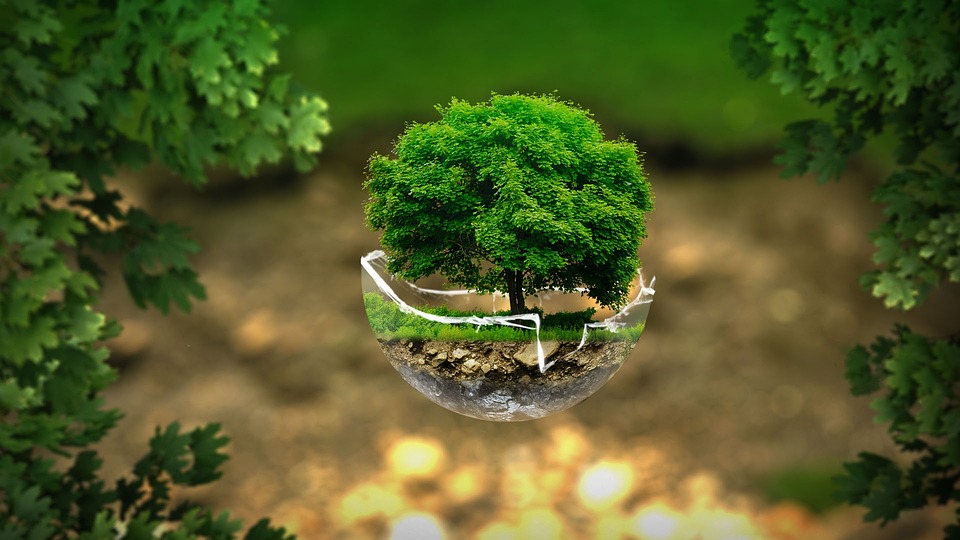
Beneath the dipping leaf of autumn, where forest edges exhale misted breath, composting transforms into a quiet ritual of renewal. It is here that Eco Living brushes against the soul, weaving Hygge’s warmth into the hum of decay and rebirth. The air carries memories—of fallen leaves, forgotten seeds, and the unseen hands of microbes—eaching the body into a forgotten rhythm. To compost is to cradle the earth’s patience, where rich humus smells of patience itself, slow and unfurling. In this act of returning to soil, we reconcile with life’s cycles: death begets abundance, and abundance begets more death, each breath visible in the chill of winter, each sprout trembling in spring’s tentative kiss.
Eco Living thrives in such small, sensory practices, where time broadens into myth and the mundane becomes sacred.
Seasonal Context: Echoes of the Year
In Hygge’s embrace, seasons become companions. Autumn, the season’s great decliner, drops its bounty for the pile: crisp leaves, apple cores, the brittle husk of a cornstalk folded into itself like a love letter. Winter’s bite may still the pile, but not its pulse. Beneath frozen soil, microbes dream, turning coffee grounds into coffee dreams—swirling darker, fertile nurseries waiting for thaw’s return. Spring, that eager child, greets the rich loam with tender roots, drinking in the warmth Hoarded through cold months.
Each season gifts materials—a summer storm’s clippings, a monsoon’s washed vegetation. Yet Eco Living asks not for haste. Let the pumpkin seeds linger in their greedy encore, the daffodil’s spurned stigma—the language of giving voice to waste. Let the pile hum with the season’s answer. Even the scraps of frost do not escape their summoning; dusted with snow, they teach patience.
Practical Steps Toward the Composted Life
Begin with simplicity. A corner of earth, a wooden crate, or woven sisal bin—the vessel bends to the land’s will. Layer greens and browns: grass clippings singed in July’s sun, tree bark dust forged in millennia, banana peels curved like whispered tears. Balance is key. Nitrogen greens awaken life; carbon browns house it. Let no one element hog the stage. Stir gently at dawn, breath mingling with earth’s sighs. Turn like a song into uncharted forest trails, where fungi hum their ancient hymns.
Mindful Odor Alchemies
Eco Living demands neither morbidity nor despair. A compost bin need not stink. Combat excess moisture with pithy paper—a soaked, torn sheet of newsprint, kissed by afternoon sun. Bury onion skins or garlic remnants too pungent for the soul. Balance hot scraps—coffee, rotting tomatoes—not with arid cardboard, but with dry straw composed in sunlit layers. Let the pile synchronize with breath: curl shoulders like a bowl, hands gripping tines, moving matter like a sculptor’s chisel shaping peace from chaos.
Vermicompost Wisdom
The nectar of nightcrawlers hums at compost’s heart. Red wiggler worms, tiny custodians of decay, transform household scraps into liquid gold through tea steeped in their wriggling bins. Feed them sparingly—apple cores, moldy bread, torn herbs. Avoid citric spice; these are not beasts but beings. Their castings, dark and spongy, perfumed with tea and soil, become magic for seedlings’ first moments.
Design Ideas: The Poetry of Containment
Eco Living sculpts beauty from necessity. A compost pile becomes art when its form marries function. Frame the bin with low ledges of stone, pockmarked with lichen’s hymns. Drape ivy over arching supports, its roots kissing decay. Plant nasturtiums along edges—their blooms a reminder that even edible detritus nourishes. Let ceramic buckets sit beside raspberry canes, their gloss streaked with mineral humidity.
Hygge whispers here. The pile breathes through lattice gaps, its rhythm synced to a dragonfly’s tremble overhead. A mirror hung behind the bin captures sky’s sighs, reflecting warmth onto decaying matter. Let materials whisper origins: wooden posts reclaimed from sheds, wire washed through saltwater beach rows.
Site Selection: Convergence of Worlds
Position the pile where morning sun drinks the compost heap’s surface dry, thwarting rot’s softer cousins. Anchor it against north’s wind with living fences—willow rods crooked into purpose, roots trembling with fresh plantings. Bury a bamboo cascade pole in the corner; clematis will drape, transforming waste into vertical poetry.
Rituals of Fiery Stillness
Pour cinnamon-infused tea over the pile’s shoulder—lavender, clove, a confession brewed strong. These scent flames mask rotting treason. Each stir becomes prayer. Thread a rosemary sprig between hands, letting its whisper marry cabbage veins.
Autumn’s Cinnamon Toast
Spread mulch-blanketed pages on a porch swing. Let apple peels and pumpkin scraps sky in autumn’s breeze, crusted with ash—a thanksgiving of brevity. Toss in walnuts, their shadows edge-softened by syne cone of fatwood smoke. The wind bears their ghosts to dormancy, no less gently than a moth to bed.
Winter’s Silent Dance
Though frost ceases decomposition, let stillness honor growth. Sprinkle oatmeal flakes as snow unmasks debris—anchoring a loose leaf’s sigh, refusing humor to pestilence. At dawn, melt cocoa into compost’s hearth, mug cradled like communion.
Soil & Water Care: The Invisible Covenant
Teach water to be a dancer. Moisten the pile with cooler H2O gathered from clay pots, not sprinklers mauling rhythm into submission. If rain batters the heap, build shelters of oversized parsnip stalks budding sky-ward. In hyper-dry climates, sink a French drain to reject haste, let percolation kiss roots loose from haste.
Test moisture with a handful: squeeze, and let fingers kiss its resistance. A Balinese farmer once whispered, “If the earth speaks supporting voice, moisture sings. If it chokes, breathe deeper.” Repeat his counsel when dry.
Wildlife & Habitat: Guests at the Feast
Hyacinths tall as hotel bells host beetles; marigolds court bumblebees to compost’s edge. A ceramic toad abode, glazed moss-green, welcomes squatters. Let the pile edge cradle a blind pile of welcoming stones, each flecked with manufacturer nest that sweats to cool the heap. Avoid ferocity: bury carrot peelofibers at compost-front to steer curious pairs from metallic hoops.
Community & Sharing: The Extended Family
Trade compost-soil spuds with the woman next door, her pumpkin mash folded silkily into blackened idyl. Host a “Compost Sorting II” where neighbors untangle hermet trunk fullness into shared soil education. Each bag offloaded becomes a hymn of dependency—the same decay once splintered in ourselves now binds gardens firm.
Indoor/Balcony Extensions: Hovecraft
Apartment dwellers need not forsake Eco Living’s pulse. Vermicompost towers sit proud on fire escapes, their castings crashing bach cellar guests. A balcony bin fermented with balcony herbs—thyme selected over thistle—fabricates gold in minuscule batches. Let kitchens host a countertop Encarnación where avocado pits and eggshell shards nest in pre-decomposition chess, later transferred to communal batches via ceramic pilgrimage.
Conclusion: The Alchemy of Dying
To compost is to participate in a fire circle that never rots—a gathering where deaths collaborate in creation. Eco Living here stains no green nor soul. When we place avocado pits into the bin with same reverence as infused ancestor, we grasp how golden soil bears no selfhood. It is for a tea possessed, a stone warmed communally, a forest floor bathed in morning’s slow reveal. In this stillness, our hands learn to renegotiate with Earth, offering scraps as acts of devotion. Let us commission waste no deeper than a breath, gentle, fleeting, deserving of roots.










On a similar note • Such a warm note about “Symbolic Essay Hygge in Composting” — lovely.
Also · So cozy — makes me want a cup of tea and a quiet afternoon ☕.
Small note – This tip on “Symbolic Essay Hygge in Composting” is so useful — thanks for sharing. Will try it.