Introduction
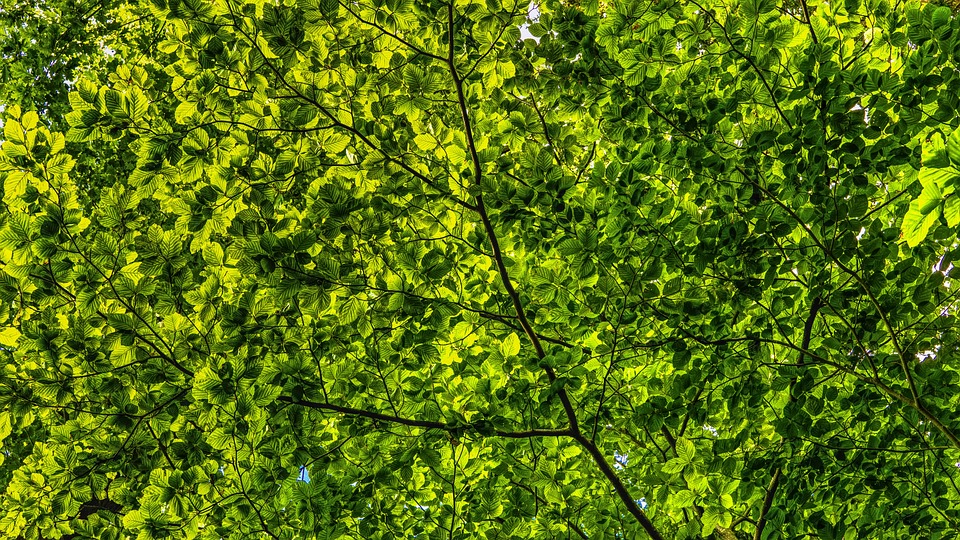
Inhale deeply. The scent of damp earth, the rustle of leaves in the whispering wind—these are the notes of a melody only nature can compose. To live in harmony with the wild is not merely an act of sustainability, but a return to the rhythm of life itself. Eco Living is not a trend, but a reverence, a way of weaving your footsteps into the tapestry of the natural world. This guide is a lantern in the twilight, guiding you toward a quieter, more grounded existence where every decision ripples into the soil, the air, and your soul. Let us walk, slowly, through the forest of ideas that make Eco Living not just practical, but a kind of poetry.
Seasonal Context
The forest breathes with the seasons, and so too must our homes. In spring, the thaw whispers through buds and saplings, urging us to renew our commitments to Earth. Summer brings golden heat, a time to honor water conservation and shade the land beneath canopies of cooling trees. As autumn gilds the world in amber, we gather what is surplus—composting waste, harvesting seeds, and preparing for dormancy. Winter is a time to nestle inside, where the hearth and words become our warmth, and we plan for renewal beneath the frost’s pale veil. Each season is a chapter in the story of harmony, where Eco Living becomes a dance with the earth’s pulse.
Practical Steps
Eco Living begins in small acts of connection. Reduce waste by composting kitchen scraps and repurposing jars into herb planters. Conserve energy by embracing daylight in summer and insulating windows for winter’s chill. When shopping, choose products wrapped in recycled paper or cloth—let the forest’s simplicity guide your choices. Plant pollinator-friendly gardens to support bees and butterflies, their fragile wings a testament to interdependence. Every drop of rain collected in a watering can is a promise to the thirsty soil. These steps, though small, plant seeds of change where they matter most.
If you wish to deepen your journey, explore ideas tagged with “green-thumbs” to discover more about nurturing life in your own backyard.
Design Ideas
Begin with the floorboards beneath your feet. Replace synthetic rugs with jute or woven baskets, their textures a reminder of the harvest. Let sunlight filter through linen curtains, their soft folds echoing the undulating patterns of rivers. Wooden furniture with mismatched details tells the story of trees that once swayed in wind. In the kitchen, use ceramic bowls for fresh herbs, their patina deepening with time. When designing a garden, follow the forest’s blueprint: towering trees, flowering understory, and a clearing bathed in dappled light. These choices are not just aesthetic—they are an ode to the land.
Rituals
Rituals are the heartbeat of Eco Living, turning daily acts into sacred offerings. In the morning, light a candle beside a plate of seasonal fruit—a quiet ritual to bless the day’s nourishment. Brew tea in a clay cup, its warmth symbolizing the sun’s embrace. When autumn winds rustle the trees, gather fallen leaves into a cradle of compost, whispering thanks to the life they will feed. In winter, bundle herbs and citrus peels into fabric sachets, their fragrance lingering in your closets. These acts are not mere choreography but communion with the cycles of time.
Soil & Water Care
Beneath every thriving plant lies a story of soil. Enrich your earth with compost, a dark loam born from kitchen scraps and green waste. Water deeply but sparingly, allowing roots to seek nourishment rather than depend on surface drops. Line garden beds with cardboard to retain moisture, then cover with straw or bark—a natural mulch mirroring the forest floor’s protective layer. Rain barrels, painted in earthy tones, collect runoff from roofs, storing liquid gold for thirsty plants. Every gardener becomes a guardian of the land when they tend the soil with care.
Wildlife & Habitat
A garden is a sanctuary when it welcomes the wild. Hang bird feeders woven from natural fibers, their seeds a lifeline in winter’s grip. Plant native flowers to attract monarch butterflies, their delicate flight a sign of resilience. Create a small pond with river stones edged by willow saplings; even a puddle invites dragonflies and frogs to pause. Avoid pesticides, for they break the delicate chain of life. Embrace imperfections—a wilted leaf, a broken branch—as part of the forest’s wild poetry. In protecting habitat, we honor the unseen threads that bind all living things.
Seasonal Projects
Each season offers a project to deepen roots. In spring, build a raised garden bed with reclaimed wood, its planks weathered and kind. Summer invites constructing a shade tunnel from willow branches, its structure a cool refuge. Autumn is for crafting bee hotels from bamboo tubes, providing nesting sites for pollinators. Winter, though dormant, is fertile ground for planning next year’s garden—sketch layouts by moonlight, imagining where nasturtiums and lavender will bloom. These projects stitch individuals into the grand tapestry of shared stewardship.
Indoor/Balcony Extensions
Indeed, even the smallest space can cradle Eco Living. Transform a windowsill into a green sanctuary with terracotta pots of mint, rosemary, or microgreens. Suspend a woven basket planter above a balcony railing, where succulents spill like green waterfalls. Use terracotta saucers to catch excess water, returning minerals to the earth. For urban dwellers, a small compost bin can turn food scraps into nutrient-rich soil, bridging hearth and garden. Every indoor plant is a breath drawn from the wild, a reminder that life persists even in stone cities.
Community & Sharing
The forest thrives not in isolation but in mutual care. Organize a neighborhood seed swap, where packets of heirloom tomatoes and marigolds spark conversation. Host a potluck using foraged ingredients—a ramp oil pasta or elderflower lemonade. Share tools and seeds through community swaps, reducing waste while strengthening bonds. Teach children to gather dandelion clocks or press flowers between book pages, passing down the art of noticing. Together, we amplify the whisper of the wild into a song.
Conclusion
The whispers of the wild are not distant echoes but living breaths beneath our feet and above our heads. Through Eco Living, we become stewards of a legacy far greater than ourselves—a legacy of quiet strength, of seeds awakened by rain, of shared stories around fires lit by sun-dried twigs. Let us finish this journey where we began: listening. Listen to the soil’s chorus, the flutter of wings, the sigh of wind through branches. In returning to harmony, we find not only sustainability but the quiet joy of being held by the earth. Eco Living, when woven into the fabric of daily life, becomes less a practice and more a hymn.