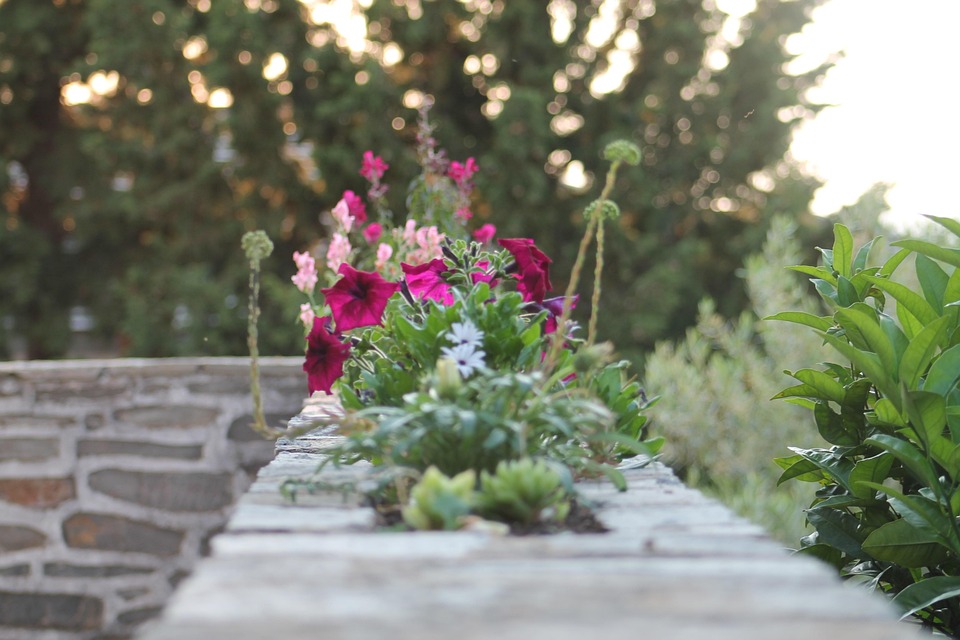
A Balcony Garden’s Quiet Awakening
In the heart of urban jungles, where concrete and glass dominate, a Balcony Garden emerges as a sanctuary of green. It is more than a collection of plants—it is a sacred space where stillness and growth intertwine. Here, the earth meets asphalt, and soil nurtures resilience. The Symbolic Essay: Concrete Hearts in Bloom explores how tending to life in confined spaces mirrors the journey of healing and renewal. Each potted herb, climbing vine, or blooming flower becomes a testament to hope, a reminder that even in the cracks of pavement, life finds a way to flourish.
A Balcony Garden is not merely an addition to a home; it is an extension of the soul. It invites the slow pace of nature into daily life, where a single morning spent watering sprouts or a twilight moonlit sip of tea under a starry sky becomes an act of sacredness. This essay weaves poetic reflections with practical guidance, offering a roadmap for those who seek to cultivate peace, harmony, and connection through small, intentional acts of stewardship.
Seasonal Flow and the Rhythm of Growth
A Balcony Garden exists within the pulse of the seasons, each cycle offering unique gifts. Spring whispers of bold beginnings—petals unfurling, roots learning to dig deep. Summer brings fervor, as heat amplifies the green’s vibrant dance. Autumn’s chill teaches patience; fallen leaves becoming compost, pruning shears preparing plants for slumber. Winter, stark yet serene, waits beneath a frost-kissed sky, promising renewal beneath dormancy.
The Seasonal Flow is not merely a timeline but a language. It teaches rhythm, surrender, and adaptability. To harmonize with this cycle is to dissolve into the earth’s wisdom. A Balcony Garden becomes a microcosm of this dance—fragile seedlings outlasting frost, climbing beans braving summer’s intensity, geraniums resisting autumn’s retreat. Each stage is a lesson in resilience, mirroring the human spirit’s capacity to thrive despite constraints.
Practical Steps: Cultivating Life in Small Spaces
Starting a Balcony Garden begins with understanding its limits and dreams. Measure the space, consider sunlight direction, and assess wind patterns. Even a balcony awash in relentless heat can nurture lemon trees or basil; its chilly nights will only fortify these plants. Containers range from recycled buckets to woven baskets—choose materials that let roots breathe. Terracotta pots offer porosity, while glazed ceramics retain moisture, making them ideal for herbs like mint or rosemary.
Soil is the foundation. A rich mix of compost, perlite, and organic matter ensures nutrients thrive. Avoid synthetic chemicals; a balcony is not a factory farm but a sacred ecosystem. Feed plants sparingly—seaweed extract, nettle tea, or well-rotted compost boost vitality without leaving environmental footprints.
Watering becomes a ritual. Early mornings are best, as droplets dance in sunlight before evaporating. Use saucers to catch excess, preventing water damage to wooden floors. Remember: roots prefer consistency over chaos. A self-watering system with a clay reservoir can ease this rhythm, yet nothing replaces the care found in toiling hands and mindful attention.
Soulful Design: Blending Beauty and Utility
Design a Balcony Garden that feels like a whisper, not a shout. Let climbing vines drape over railing edges, softening hard lines with organic grace. Tiered plants—ferns below, herbs mid-level, and flowering positives above—create vertical harmony. A trellis adorned with clematis or wisteria forms a living ceiling, casting dappled shadows where sunlight once raged.
Incorporate natural textures: rough stone for pathways, woven rattan for plant labels, recycled glass bottles as vases. A solar-powered fairy light twinkles at dusk, inviting quiet evenings. Add practicality—a small wooden table for tools or a weathered bench to sit amidst the greens. This is not just gardening; it is curating a space where earth and soul meet.
Rituals: The Alchemy of Care
Watering is a ritual. Kneel each morning, gently pouring water over leaves. Listen to the rush of the city below as the garden hums back. Offer gratitude with each leaf polished by fingertips. In autumn, gather fallen petals into a paper crown—a symbolic farewell to summer, held over compost.
Planting seeds becomes an offering. Push a tomato seed into the soil and speak, “May you grow strong, like sunlight through glass.” This mindful planting aligns intention with action, grounding presence. Even pruning is ritualistic—each cut a gesture of love, not merely utility, nurturing future blooms.
Soil & Water Care: The Heart’s Circulation
Healthy soil pulses with life. Turn it gently; let worms dance through structure. Add crushed eggshells for calcium, eggshell tea as a natural fungicide, or banana peels for potassium. A basin of rainwater, left overnight in a copper bowl, becomes a tonic when poured into roots, its minerals softened by time.
Water deeply but infrequently. Overwatering suffocates; under-watering teaches resilience. Observe leaves for signs—yellowing or wilting speaks volumes. A handwritten journal tracks each plant’s needs: “Watered heavily during heatwave. Mulched with hay to retain moisture.” This practice becomes a dialogue between observer and observed, deepening connection.
Wildlife & Habitat: A Microcosm of Harmony
A Balcony Garden, though small, can host biodiversity. A shallow saucer of water with floating pebbles becomes a drinking spot for bees. Lavender and chives attract pollinators; allow them to thrive. Create a “bug hotel” with pinecones and hollow reeds to harbor spiders and solitary bees, guardians of this green oasis.
Host nocturnal guests—a saucer of water with a drip of orange juice lures butterflies; chrysanthemums bloom late, offering sustenance to evening moths. Embrace imperfection; aphids may settle, but a spray of pepper tea repels them without harm. This balance nurtures a living ecosystem where every creature plays its part.
Seasonal Projects: Weaving Threads of Time
Each season brings projects that deepen the garden’s soul. Spring: start seedlings in repurposed eggshells, burying them whole so their calcium fortifies roots. Summer: string together corn salad and toasted pumpkin seeds as wind chimes, the rustle a lullaby. Autumn: host a harvest feast, grinding sun-kissed tomatoes into a rustic pasta sauce. Winter: dry herbs in bunches hung by a windowsill, savoring earth’s patience.
These moments stitch memory to soil. A chalkboard sign marks harvest dates; a wool blanket tossed over the bench invites cooler mornings. A Balcony Garden becomes a living diary, each leaf a page turned.
Indoor/Balcony Extensions: Carrying the Green Inside
In winter, stretch the garden indoors. Pot citrus trees beside a sunlit window; their citrusy scent borders on sacred. Succulents thrive on windowsills, their geometry casting gentle shadows. A small herb garden on the kitchen counter keeps basil and parsley close, used freely in meals.
Grow mushrooms on logs or straw bales; shiitake cultivation adds a twist of curiosity. Install a solar panel to power grow lights, ensuring greenery persists after daylight retreats. A hanging basket of jade plants mirrors the garden’s rhythm indoors, a bridge between seasons.
Community & Sharing: The Garden as a Language
A Balcony Garden thrives in community. Swap seeds with neighbors; gift basil sprigs to a friend in need. Host a harvest potluck, each guest bringing a dish made from their own balcony yields. Join online forums or local gardening clubs, sharing stories of transplant shock or first harvest triumphs.
When flowers bloom, press petals into sachets or gift them to coworkers. Share cuttings of rosemary or oregano with someone new to gardening. These acts of exchange transform a personal sanctuary into a collective heartbeat—a reminder that growth shared is growth doubled.
Nurturing the Unspoken: Emotional Clarity Through Care
Tending a Balcony Garden is a meditation. The act of pruning, watering, and harvesting becomes a mirror of inner work. When hands dig into soil, worries cling and fall away. The garden teaches that growth is not forced but coaxed, that patience is its own fertilizer.
In moments of overwhelm, kneel beside a sunlit basil plant and breathe. Let its aroma slow the mind, its leaves crinkling under touch. This connection is the essence of peace—finding sanctuary in the quiet persistence of nature.
Conclusion: The Heart’s Bloom in Every Potsill
A Balcony Garden is not confined to its size. It is a testament to resilience, creativity, and the unyielding dance between human and earth. In the Symbolic Essay: Concrete Hearts in Bloom, every seed sown becomes a rebellion against forgetfulness, a vow to notice life’s faintest whispers. Let Balcony Garden be both a practice and a language, one that echoes with the soft hum of wings, the rustle of leaves, and the sweet hum of possibility.