

ECO HOW-TO: Crafting Pollinator Havens with Recycled Vessels
Crafting pollinator havens. A brief context to set expectations.
Introduction
Amidst the hum of the city or the whisper of suburban life, a quiet revolution blooms. It starts small, on sun-drenched ledges and shadowed balconies, transforming overlooked spaces into vibrant ecosystems. Instead of viewing that chipped terracotta pot, the rusted watering can, or the shallow tin tray as discarded relics, imagine them humming with life. This ECO HOW-TO invites you to craft your own Pollinator Havens – vibrant, sustainable sanctuaries woven from recycled vessels, right within your Balcony Garden. It’s more than just gardening; it’s an act of connection, a mindful practice that blends practical ecology with the profound peace of nurturing life. By repurposing containers once destined for landfill, we create vital stopovers for bees, butterflies, beetles, and hummingbirds, essential threads in our planet’s delicate tapestry. This guide blends practical reflections on container selection and plant choices with symbolic rituals that transform the act of crafting into a seasonal meditation, fostering both eco serenity and a thriving Balcony Garden oasis. Let’s begin this journey of renewal, one recycled vessel at a time.
Seasonal Context
The dance of pollinators is intimately woven into the fabric of the seasons, a rhythmic pulse felt deeply within any nurturing Balcony Garden. Understanding this flow is key to crafting a truly supportive haven. Spring, the grand awakening, beckons with its promise. As days lengthen and temperatures rise gently, this is the primary call to action. Dormant vessels are washed, filled, and become cradles for newly emerging life. Plant selections focus on early bloomers – resilient pansies, cheerful violas, fragrant alyssum – offering the first vital nectar and pollen feasts after a long winter. The air carries a renewed sense of hope, mirroring the emerging eco serenity of warmer days.
Summer becomes the grand performance. Your Balcony Garden buzzes with heightened activity. Long-tongued bumblebees delve into foxgloves and lavender, while sleek hummingbirds dart between trumpet-shaped blooms. The warm, sun-warmed metal or terracotta of your recycled containers radiates a comforting heat, becoming part of the microclimate that supports these tiny workers. Mindful observation during these vibrant weeks deepens your connection. Notice the intricate ballet of a butterfly feeding on butterfly weed, or the industrious dance of mason bees nesting in drilled wooden blocks. This period is about sustenance and abundance, ensuring a continuous bloom that fuels the Seasonal Flow of pollinator life.
Autumn whispers of transition and preparation. As the urgency of summer eases, late bloomers like coneflowers, asters, and sedum become crucial. Their golden and purple hues paint the waning sunlight, providing essential final refueling stops before pollinators head into overwintering. This is a time for gentle reflection within your Balcony Garden ritual. Clear fallen blossoms mindfully, perhaps leaving some seed heads as natural sculptures and future food sources. It’s a poignant reminder of cycles, an opportunity to honor the season’s gifts and plan for quiet renewal. Winter, though often seeming barren, holds dormant potential. Recycled vessels, now quiet, await the spring touch. Some resilient insects find shelter beneath overturned pots or within bundled grasses tucked into containers. The hushed stillness offers space for quiet time, dreaming of the next season’s vibrant Balcony Garden resurgence and the enduring eco-friendly suggestions guiding your practice.
Practical Steps
Vessel Selection & Preparation: Begin with eyes attuned to potential. Scan for containers that once held joy or function – sturdie
- Buckets: 5-gallon food-grade plastic buckets offer significant depth. Drill multiple drainage holes in the bottom and sides slightly above.
- Bathtubs/Sinks: Clawfoot or pedestal sinks provide vast, unique spaces. Ensure they are structurally sound and elevate them if needed.
- Half-Barrels: Wooden or plastic barrels halved create substantial planters. Line plastic if wooden to prevent rot, drill ample drainage.
- Watering Cans & Kettles: These quirky, often colorful vessels are conversation starters. Choose sturdy metal or heavy plastic, ensure stability when filled.
- Churns & Jars: Vintage milk churns (stoneware or ceramic) and large apothecary jars add charm. Robustness is key due to their size/weight.
- Preparation Ritual: Before filling, cleanse vessels with warm water. Scrub away residues, soak wood, and sand any splinters. This ritual isn’t just practical; it’s an intentional act of welcoming new life. Place drilled drainage holes high enough to prevent soil spillage but low enough for excess water to escape freely. Fill generously at the base with broken pottery shards or gravel (from your own garden wash) for drainage. Use high-quality potting soil mixed with a slow-release organic fertilizer – avoid synthetic chemicals that harm beneficial insects. This step establishes a healthy foundation, a tangible expression of eco-friendly suggestions.
Crafting the Pollinator Buffet: Diversity is the soul of a thriving Pollinator Haven. Aim for a succession of blooms from early spring to late autumn. Prioritize native or regionally adapted plants whenever possible, as they offer the most familiar and nutritious offerings.
- Early Season (Spring): Pansies, Violas, Alyssum, Forget-me-nots, Lungwort (Boraginaceae family – excellent for bees), Hellebores (Lenten Rose), Dandelions (if allowed!), Purple Deadnettle.
- Mid-Season (Summer): Lavender, Coneflower (Echinacea), Black-eyed Susan, Beebalm (Monarda), Salvia, Lantana, Penstemon, Cosmos, Zinnias, Sunflowers (dwarf varieties), Oregano, Thyme.
- Late Season (Autumn): Sedum (Stonecrop), Aster, Goldenrod (Solidago – often maligned, but vital!), Autumn Joy Sedum, Chrysanthemums (garden varieties), Cornflowers, Cartwheel Flowers. Include tubular blooms for hummingbirds (Trumpet Vine cuttings, Fuchsia) and flat composites for butterflies.
Layout & Planting:
- Layering: Mimic nature’s verticality. Place taller plants (like salvias or delphiniums if space allows) at the back or center, cascading varieties (ivy, petunias) at the edges, and mid-height bloomers (coneflowers, black-eyed Susans) in between. Utilize the vertical sides of your recycled vessel by planting trailing or hanging vines (like nasturtiums) over the edges, creating a living frame.
- Clustering: Group similar colors and plant types together. A large blotch of purple coneflowers is more inviting to butterflies than scattered individuals. This provides visual and olfactory cues that guide pollinators efficiently to the feast. Aim for clusters of at least 3-5 plants of the same species.
- Planting Depth & Spacing: Follow seed packet or plant tag guidelines, ensuring roots have room to breathe and access nutrients. Gently tease apart root balls of overwintered plants before replanting. Leave slight gaps initially; these will be filled by volunteer seedlings or cuttings as the season progresses, fostering a naturalized feel.
- Water & Shelter: Pollinators need more than nectar.
- Shallow Water Source: Create a "bee bath" within your Balcony Garden oasis. Use a recycled shallow dish, tray lid, or half-sunken terra cotta saucer. Fill with water, add smooth stones or glass marbles for perching surfaces, and top with a slice of orange or a sponge for insects to climb aboard safely. Ensure it’s easily accessible and refresh water regularly, especially in hot weather. This simple act of mindful tips provides crucial hydration.
- Shelter & Nesting: Incorporate elements that offer refuge.
- Bee Hotels: Create simple ones using recycled wooden blocks. Drill holes of varying diameters (3-10mm) spaced closely but not touching, to prevent disease spread. Mount securely using recycled brackets. Place near host plants (like mason bees need cilantro or sunflowers).
- Leaf Piles & Twig Stacks: Tuck a small, protected corner of your balcony with a neat stack of dry leaves, small twigs, and bamboo pieces. Butterflies often overwinter as chrysalides tucked in leaf litter, and beetles find refuge in these sheltered nooks, vital components of a complete eco system within your space.
- Reduced Tidy-Up: Resist the urge for harsh autumn clean-up. Leave some perennial stems standing through winter; they provide overwintering sites and early season food for beneficial insects. Clear gently in spring before new growth emerges.
- Avoiding Harmful Inputs: This is paramount. Systemic pesticides move through the plant’s vascular system, poisoning nectar and pollen. Commit to natural variations in your Balcony Garden by embracing imperfection:
- Hand-Picking: Gently remove larger pests like aphids or cabbage loopers.
- Strong Sprays of Water: Dislodge smaller insects without chemicals.
- Organic Sprays (Use Sparingly & Judiciously): Neem oil or insecticidal soap solutions target specific pests. Apply in the early morning or evening when pollinators are less active, and avoid spraying directly on flowers. Rotate sprays to prevent resistance.
- Companion Planting: Leverage nature’s alliances. Plant marigolds near tomatoes to deter nematodes, basil near peppers for similar benefits, and nasturtiums as a "trap crop" for aphids. These soulful design ideas work with nature, reducing the need for intervention and crafting a truly healthy haven.
Design Ideas
Elevate your Balcony Garden into a visually stunning and functionally rich pollinator sanctuary through thoughtful soulful design ideas.
- The Color Symphony: Pollinators see the world differently. Bees strongly favor blues, yellows, and purples; butterflies prefer bold colors like reds and pinks, often with contrasting patterns. Craft a visual feast tailored to your visitors:
- Bee Heaven: Dominant purples (sages, violas), blues (echiums, salvias), and bright yellows (coreopsis, black-eyed Susans) create irresistible beckoning clusters.
- Butterfly Bliss: Reds (fuchsias, zinnias), oranges (lantanas), pinks (coneflowers), and the intricate patterns of marigolds and phlox draw fluttering visitors.
- Hummingbird Allure: Tubular blooms in vibrant reds, oranges, yellows, and even subtle pinks (trumpet vines, fuchsias, penstemon) with abundant nectar are their magnets.
- Sensory Engagement: A Balcony Garden is a multi-sensory retreat.
- Scent: Intersperse fragrant delights. Crush the leaves of lavender, thyme, or lemonbalm (a mint family member beloved by bees) to release their aroma. Night-blooming jasmine or white evening primrose attract nocturnal moths.
- Texture: Combine velvety lambs ear with the spiky thrum of bee balm, the smooth heart-shaped leaves of heliotrope, and the frilly edges of cosmos. This tactile diversity delights both insects and human hands during quiet time tending.
- Movement: Opt for breezy, airy plants like grasses, feathery cosmos, or the fluttering blooms of cosmos and zinnia. Watch how your recycled vessels, perhaps rimmed with trailing ivy, dance in the wind alongside this living tapestry. This embodies the essence of Seasonal Flow.
- Vertical Utilization & Quirkiness: Maximize your limited space cleverly.
- Hanging Havens: Repurpose guttering, wooden pallet slots, or macrame hangers (made from recycled cotton ropes) to suspend baskets overflowing with trailing alyssum, million bells, or small lobelia. Hang at varying heights for added dimension.
- Wall Climbers: If railings exist, allow clematis (choose non-invasive varieties) or climbing beans (for edible appeal) to scramble upwards, their blooms adding vertical interest. Use recycled half-barrell troughs as wall-mounted planters dangling downward.
- Standing Elements: Let sunflowers or tall zinnias rise from your vessel’s center, providing height. Place a small, repurposed birdbath saucer filled with shallow water, topped with stones, right on your balcony floor as a gravity-defying centerpiece. This mindful approach ensures every inch contributes to a vibrant world.
Rituals
Nurturing a Pollinator Haven becomes a sacred rhythm, a series of practical reflections grounded in eco serenity.
- The Morning Blessing: Step onto your balcony as the first light spills over your recycled vessels. Take a moment of quiet time before planting or watering. Feel the cool soil, inhale the scent of damp earth rising through your chosen repurposed container. Offer a silent wish for strength to the tiny creatures you’ll welcome today. Perhaps ring a tiny handbell or hum a soft note – a joyful signal of your presence, a prelude to your Balcony Garden ritual.
- Mindful Watering: Transform chores into meditation. As you water with that repurposed watering can (perhaps filled with rainwater collected from your balcony roof), move slowly. Feel the rhythm, let the water nourish the soil, visualizing it carrying microscopic seeds of life and strength to your pollinator guests. Notice the tiny droplets clinging to a bumblebee’s back as it lands on your zinnia. This act connects practicality with eco-friendly suggestions and Seasonal Flow.
- The Curating Pause: Each morning, step outside with a notebook or sketchpad. Observe without judgment: which flowers are thrumming with bees? Which butterflies linger longest? Document the visitors, their colors, their patterns. This mindful tips activity builds knowledge and deepens appreciation, turning your Balcony Garden into a living field journal. Note where gaps appear for next season’s planting plans.
- Evening Gratitude: As the sun dips low, casting long shadows across your repurposed containers, pause. Acknowledge the pollinators who visited that day, their tireless work weaving the invisible threads of life. Feel gratitude for the beauty witnessed, the quiet moments of eco serenity amidst the potted blooms. Express thanks silently or aloud for the opportunity to be part of this sacred cycle, returning home with a renewed sense of peace seeded in your repurposed Balcony Garden sanctuary.
Soil & Water Care
The foundation of your Pollinator Haven lies beneath the blooms, within the nurturing embrace of soil and water, where eco-friendly suggestions guide mindful care.
The Living Soil Recipe: Feed the soil life, and it feeds the plants, which feed the pollinators.
- Compost: Create your own "black gold"! Use a small vermicompost system (even a repurposed plastic tote with air holes works) or a simple bokashi bucket. Blend kitchen scraps (avoid meats, dairy, oils) with shredded paper or cardboard. The resulting compost tea or finished compost enriches your potting mix, boosting microbial activity.
- Biochar: Add this porous charcoal amendment (made from heated plant matter) to improve soil structure, water retention, and provide a habitat for beneficial microbes. Sprinkle a thin layer at the base of plants in your recycled vessels.
- Coffee Grounds & Eggshells: Sprinkle used coffee grounds (in moderation, avoid over-acidifying) around the base of plants to deter slugs and add nitrogen. Crush clean, dry eggshells into a fine powder and mix into your potting soil for a slow-release calcium boost, strengthening plant cells against disease.
Water Wisdom: Water deeply but less frequently, encouraging strong root growth. Early morning is ideal, allowing foliage to dry before nightfall, reducing fungal risks. Use your recycled watering can to deliver this life-giving liquid directly to the soil, allowing it to trickle slowly through the drainage layer of gravel or pottery shards you placed initially. This embodies the Seasonal Flow, respecting nature’s rhythms. Mulch the soil surface with untreated straw, chopped leaves, or fine wood bark to conserve moisture, regulate temperature, and add organic matter as it decomposes, mirroring quiet time renewal in your Balcony Garden ecosystem.
- Rainwater Reclamation: Enhance your eco-friendly suggestions by installing a small water butt or repurposed large container beneath a gutter downspout (check local balcony regulations) to capture rainfall. This pure, unchlorinated water is nature’s gift to your plants and the thirsty pollinators drawn to your sanctuary. Use a watering can filled with this precious resource to nourish your blooms, linking your practice directly to the natural cycle.
Wildlife & Habitat
Your Balcony Garden, crafted from recycled vessels, becomes a vital haven, more than just beautiful flowers. It’s a multifaceted ecosystem supporting diverse wildlife.
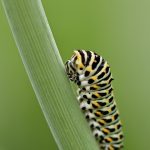
- Nectar & Pollen Pantry: Your carefully chosen plants provide the food sources. Focus on single-flowered varieties (avoiding elaborate hybrids with hidden reproductive parts) for maximum nectar and pollen access. Herbs like dill, fennel, and parsley serve as vital host plants for swallowtail butterfly caterpillars. Goldenrod (Solidago), often unfairly blamed for allergies, is a late-season powerhouse for bees and flies. Protect this native champion in your Balcony Garden oasis.
- Shelter & Nesting: Beyond the bee hotels and twig piles mentioned earlier:
- Leaf Litter Refuge: As emphasized in "Practical Steps," leave a sheltered corner untouched with dead leaves and plant stems. Butterflies (like the monarch) overwinter as chrysalides tucked within, while beetles and ladybugs find safety. This "mess" is crucial habitat, a testament to eco serenity embracing natural cycles.
- Wooden Elements: Incorporate small pieces of untreated, unpainted wood – perhaps from a salvaged pallet or recycled crate fragments – placed against a railing or stored in your barrel. These provide shelter for solitary bees and spiders (beneficial predators). Drill a few small (10mm) holes near the base.
- Water Access: The shallow "bee bath" with perching stones is vital. Ensure it’s always accessible and contains fresh, dechlorinated water. Replace it every 2-3 days to prevent mosquito breeding. A simple drip irrigation line from your rain barrel or recycled watering can’s reservoir can discreetly keep it filled during dry spells.
- Avoiding Pesticides (Reiterated): This is the cornerstone. Systemic insecticides are ecological poisons in this context. A healthy Balcony Garden thrives on practical reflections embracing natural pest management – physical removal, water jets, companion planting, and accepting minor damage as part of the shared ecosystem’s dynamic equilibrium.
Seasonal Projects
Deepening your Balcony Garden’s role as a Pollinator Haven involves seasonal, hands-on projects blending practicality with ritual.
- Spring Seed Bomb Rally: Gather friends for a quiet time tradition. Mix local wildflower seeds (check regional suitability), compost, and clay (from a nearby bank or purchased). Roll into small balls and let them dry. Scatter them gently in underutilized urban spaces (with permission!) or share as gifts, seeding future pollinator havens beyond your balcony. This soulful design ideas ritual spreads the mission.
- Mason Bee House Installation: In very early spring, mount your handcrafted bee hotel on a south-facing wall or post in your Balcony Garden space, ideally 5-15 feet high. Check just before solstice for emerging bees needing these purpose-built homes within their floral feast.
- Late Summer/Autumn Dividing & Sharing: As plants like daylilies or hostas (if space allows) multiply, gently divide them during the cooler mornings or evenings. Use old knives or repurposed trowels. This rejuvenates plants and provides extra starts to share with neighbors, expanding your Balcony Garden’s impact. Host a small swap: exchange divisions, seeds, or propagated cuttings of your favorite pollinator plants. This fosters community and multiplies havens.
Indoor/Balcony Extensions
Extend the eco serenity and pollinator support beyond the balcony doors into your living spaces.
- Sunroom Sanctuary: Create a mini haven in a sunroom or large window box. Repurpose hanging gutters (food-grade plastic only!) or wide-mouthed mason jars (chipped tops removed) as terrarium-like pots for small, fragrant herbs (bees love thyme, sage, lemonbalm) and resilient annuals like alyssum or mini zinnias. The fragrance drifting indoors creates a sensory bridge between your indoor quiet time and the bustling Balcony Garden life outside.
- Bramble & Twig Decor: Bring elements of sheltered habitat indoors. Place small, safe bundles of dried stems, leaves, and fine twigs in decorative recycled vases or jars on shelves. This creates micro-refuges for tiny insects that might wander in and offers a tactile connection to the wildlife & habitat nurtured outside during Seasonal Flow. Dust occasionally.
- Natural Element Display: Dry and press the flat faces of zinnias, cosmos, or violets in old phone books or repurposed large books. Frame with recycled wood or display in simple reed bundles. These botanical artworks celebrate your Balcony Garden’s visitors and bring fragments of sun-drenched eco serenity indoors. Rotate seasonally as new blooms fade.
Community & Sharing
The true power of a Balcony Garden pollinator haven scales through connection.
- Seed & Cutting Swap: Host a seasonal gathering. Members bring seedlings, cuttings (taken cleanly with repurposed pruners), or homemade seed bombs in labeled, eco-friendly packages (repurposed jars with paper tags). Exchange stories about which varieties thrived best in recycled containers within your specific Balcony Garden microclimates. This fosters shared learning and multiplies green spaces.
- "Balcony Biodiversity" Challenge: Initiate a friendly neighborhood initiative. Challenge blocks or apartment buildings to dedicate at least one Balcony Garden or window box to pollinators, following basic eco-friendly suggestions like avoiding pesticides and including diverse blooms. Create a shared online gallery or physical map (using recycled notepads as guestbooks) to plot and showcase these pollinator pockets, tracking their collective impact. This magnifies your Balcony Garden’s reach.
- Workshop & Storytelling: Offer a local workshop, perhaps at a community garden or library, titled “From Junk to Jewels: Crafting Pollinator Havens with Recycled Vessels.” Teach the practical steps while weaving in the deeper practical reflections on mindful creation and fostering eco serenity. Encourage swapping personal stories of balcony transformations and pollinator encounters. This builds a supportive network around sustainable living.
Conclusion
Within the rhythm of the year, within the embrace of repurposed wood, metal, and ceramic that graces your Balcony Garden, you’ve cultivated far more than a splash of color. You’ve built a vital Pollinator Haven, a testament to eco-friendly suggestions put into practice with soulful design ideas. Each recycled vessel, from chipped terracotta to rusted watering can, now thrums with purpose, offering sanctuary and sustenance against the grey. The bee bath, a humble repurposed tray, provides vital respite. The strategically clustered zinnias and coneflowers, bursting with nectar in defiance of chemical monotony, feed wings that carry pollen whispers across our shared world. The bee hotel, nestled in a crack of reclaimed wood, offers safe haven. Through Seasonal Flow, you’ve learned the mindful dance of planting in spring’s hopeful light, tending with summer’s warm focus, harvesting seeds and stories in autumn’s amber glow, knowing winter’s rest is part of the sacred cycle.
These practical reflections transformed into quiet time, becoming rituals that deepen your connection to the Earth’s pulse. The act of crafting this Balcony Garden oasis became itself a meditation, a path to eco serenity. The flutter of a butterfly against your sun-warmed recycled tin, the drowsy hum of a bumblebee nestled in a sedum bloom – these moments are quiet miracles. They remind us that profound peace and connection often bloom closest to home, nurtured in the containers we repurpose, in the soil we nourish, and in the simple act of witnessing life’s persistent, radiant dance. Your balcony, once merely an overlook, is now a beacon. A testament that small, intentional acts of repurposing and reverence can weave a sanctuary for the pollinators – the quiet angels of our ecosystem – ensuring that beauty, resilience, and eco serenity find fertile ground, one balcony, one recycled vessel, one mindful moment at a time. Continue to tend your Balcony Garden as both haven and heart, knowing you cultivate life’s endless, hopeful spring.
A short mention of Crafting pollinator havens helps readers follow the flow.















Such a gentle approach — I really like it. Love this!
Also- Nice reminder — I’ll keep that in mind. Great share.
Also · Beautifully done; the instructions are easy to follow. Will try it.
Small note · Well said — couldn’t agree more. Thanks for this!