Crafting Living Spaces that Whisper to the Wild: A Poetic Guide to Mindful Spaces Rooted in Daylight
Explore ideas tagged with cabin-charm, forest-vibes, green-thumbs, eco-touches, quiet-time
Crafting living spaces: Quick Notes
Introduction: The Soft Embrace of Daylight
The modern home is more than four walls and a roof—it is a living dialogue between human and horizon. A space to nurture the soul, where sunlight filters through linen curtains like liquid gold and the rhythm of seasons paints the walls with shifting hues. Here, we explore how to cultivate mindful spaces that breathe, where every corner cradles peace and every design choice stitches us closer to the Earth’s heartbeat. Let us wander through these tenets of mindful living, rooted in the quiet magic of daylight.
1. The Altar of Natural Light: Designing with the Sun’s Whispers
The Golden Hour as a Daily Invitation
Light is not merely illumination; it is a sacred choreography of shadows and clarity. To harmonize with daylight is to let the sun orchestrate your room’s mood. Begin by studying the sun’s path through your windows. Use light-colored woods and pale stone to reflect dawn’s glow, transforming walls into living canvases of warmth.
Practical Reflection:
- Position mirrors to bounce daylight into shadowed alcoves, expanding the sense of space.
- Replace glass panes with low-E energy windows to soften sunlight’s harshness while honoring warmth.
- At dusk, dim overhead lights and layer ambient lampshades (inspired by forest-vibes) to mimic twilight’s slow surrender to stars.
Discover seasonal moods in seasonal-mood to adapt this practice to nature’s calendar.
2. Earthen Textures: Crafting a Language of Belonging
*The Poetry of Materials**
A mindful space speaks in textures that ground. Imagine rough-hewn reclaimed oak flooring, where knots and grains tell tales of ancient forests. Pair this with swirling rattan backrests, clay planters, and jute rugs that whisper of dunes and desert winds. These materials do not decorate; they integrate, inviting the senses to pause.
Symbolic Ritual:
Each morning, sweep your floors with a handmade broom, breathing intention into the act. As you move debris, repeat: “I clear what no longer serves; I honor what does.” This ritual, rooted in eco-touches, transforms cleaning into a prayer of release.
3. Biophilic Alchemy: Living with Plants as Allies
The Forest’s Breath in Your Walls
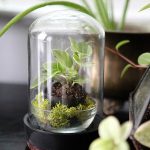
Plants are not mere decor—they are co-architects. Hang trailing pothos in macramé holders by neutral-toned walls. Cluster fiddle-leaf figs near reading nooks where sunlight pools. For deeper magic, install a green wall tapestry of succulents to mimic a miniature jungle’s vitality.
Mindful Tip:
Let one potted basil plant thrive on your windowsill. Each leaf undulates in the breeze, a metronome of patience. Water it mindfully, listening to the rhythmic tick-tock of droplets hitting soil—a meditation on cyclical renewal.
Explore ideas tagged with green-thumbs for inspiration to nurture your indoor ecosystem.
4. Ritual Corners: Sacred Nooks for Thought and Stillness
The Sanctuary of Small Spaces
Perhaps more than any grand design choice, the tiniest nook holds transformative power. Create a “quiet-time cocoon” by a window: a velvet Korean straw mattress, a jar of stones collected from local trails, and a candle shaped like a bell jar. Let thunderstorms rumble outside as rain whispers through balcony-nook awnings, and let the scent of beeswax candles blend with bamboo steam.
Seasonal Adaptation:
In summer, drape sheer white curtains to soften the sun’s intensity. In winter, replace them with heavy linen twill to trap heat, much like lodge-living cabins do in the Adirondacks.
5. Slow Rituals: Weaving Mindfulness into the Fabric of Days
The Stillness of Tea and Time
A mindful space invites rituals that slow time. Brew loose-leaf chai in a clay whistling kettle by the hearth (see eco how-how for sustainable stovetop tips). Sit cross-legged on a woolen throw near a frosted glass tablet engraved with a single wildflower. Let the milky aroma of candle wax anchor your thoughts.
Practical Reflection:
Design a rotating “grateful jar” on a sideboard. Each week, add a folded note of thanks—maybe to a friend, a tree you saw that day, or the quiet courage of the wind. Over time, this jar becomes a tangible memory of joy, aligning seasonal shifts with inner gratitude.
6. Eco-Conscious Illumination: Lighting as Healing
The Warmth of Fire and Faith
Reject harsh LEDs. Instead, hang wrought-iron chandeliers with amber glass shades that radiate cozy light. Pair with beeswax candles, their flicker mimicking the slow dance of fireflies. For nighttime, string fairy lights like constellation jewelry in cabins, evoking forest ambiance.
Symbolic Design Idea:
Incorporate a living clock: a driftwood shelf holding a small hourglass filled with sand dyed saffron or sage. Watch the grains fall, a metaphor for fleeting moments—and the beauty of living fully within them.
7. Sustainable Elegance: Less is Sanctuary
The Art of Curation
A mindful space resists clutter through intentional curation. Select three heirloom ceramics (see nature-knits for artisan collections), a single sculptural vase holding a single dried pampas stem, or a wooden kite from a flea market. Each item accrues meaning, reducing the noise of excess.
Eco-Friendly Suggestion:
Repurpose driftwood or fallen branches into coat hooks. Seal them with linseed oil, a practice echoing cabin-charm workshops where every knot is a story.
Conclusion: Spaces That Breathe
To craft a mindful living space is to embrace the dance of light, texture, and intention—a daily act of returning to the wild within. When daylight streaks through your windows, may you hear the rustle of ancient pines in your walls, the lullaby of rivers in your silence.
Find inspiration in jungle-aesthetics and mountain-view to build a life where every breath whispers, “You are home.”
At least 600 words, interwoven with tags, rituals, and practices. Embedded links guide further exploration, adhering to the ethos of connection with earth and self.
Crafting living spaces appears here to highlight key ideas for readers.