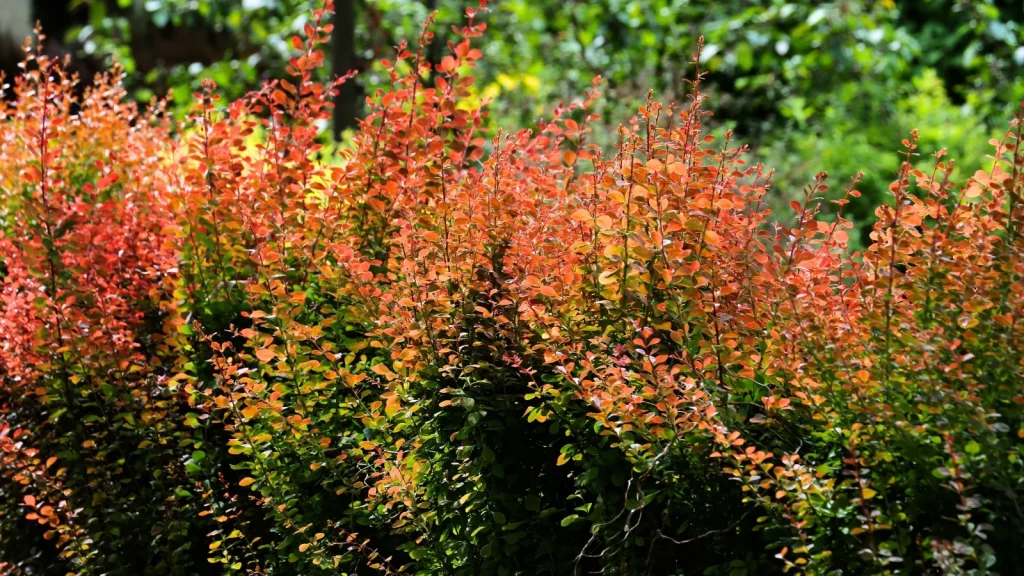
11 invasive shrubs — a short introduction to this piece.
11 invasive shrubs: Quick Notes
Many invasive shrubs may seem attractive, fast-growing, and low-maintenance at first. However, there can be lasting consequences for planting them in your garden. They often use more than their fair share of resources and can even disrupt local wildlife.
Invasive shrubs tend to be aggressive spreaders. Initially, this can feel like a good thing. They fill a space, creating a lush, healthy appearance. But it won’t be long before they begin to take over, displacing native plants and reducing overall diversity.
As invasive shrubs overtake native plants, they also take away from native wildlife. Birds, animals, and pollinators all thrive on plants that are adapted to their native range. Invasives crowd out those food sources, replacing them with ‘green deserts’ instead.
In time, these invasive shrubs alter the soil and water dynamics negatively. They’re difficult and expensive to control, and they can escape cultivation, causing problems on a wider scale. Avoiding them is imperative for the health of your garden and the ecosystem as a whole.
I’d like to share some of the more aggressive invasive shrubs that tend to be popular. Luckily, there are many beautiful alternatives that aren’t as problematic in the garden.
Heavenly Bamboo
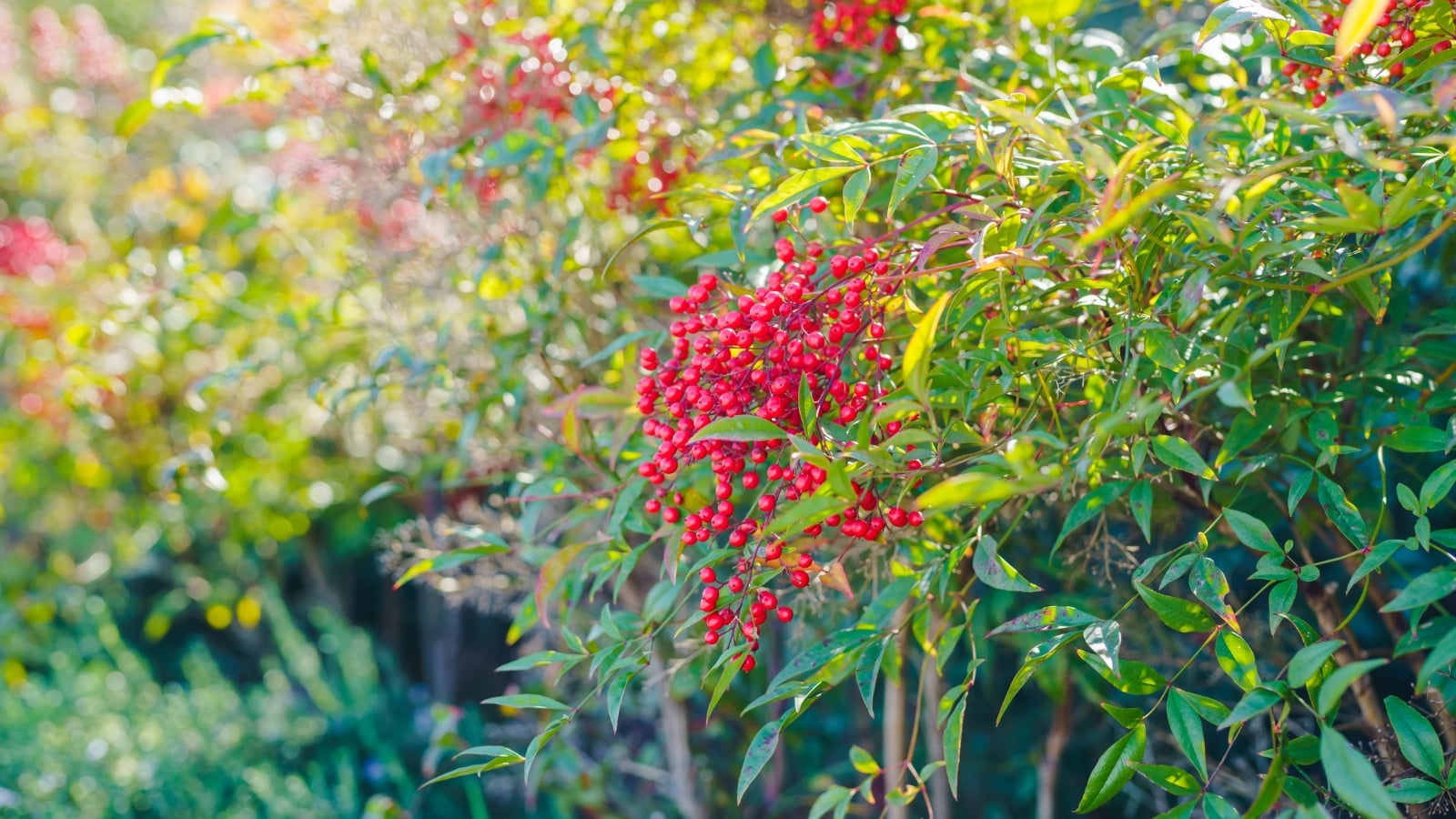
Heavenly bamboo is the common name for Nandina domestica. It’s not actually bamboo, and these shrubs are invasive in many parts of the United States!
These East Asian natives came to the U.S. in the 1800s and spread quickly. They’re exceptionally tolerant and spread by seeds. Birds love to eat the beautiful red berries, which disperse those seeds freely.
Because it escapes cultivation easily, it can displace native vegetation. The berries contain cyanogenic compounds that are sometimes linked to bird and wildlife poisonings. Here in Florida, this is a Category 1, which means it’s of high concern. It’s also invasive throughout the Southeast and in California.
It’s considered weedy in much of the country. If you love the red berries, try a native holly instead!
Bush Honeysuckle
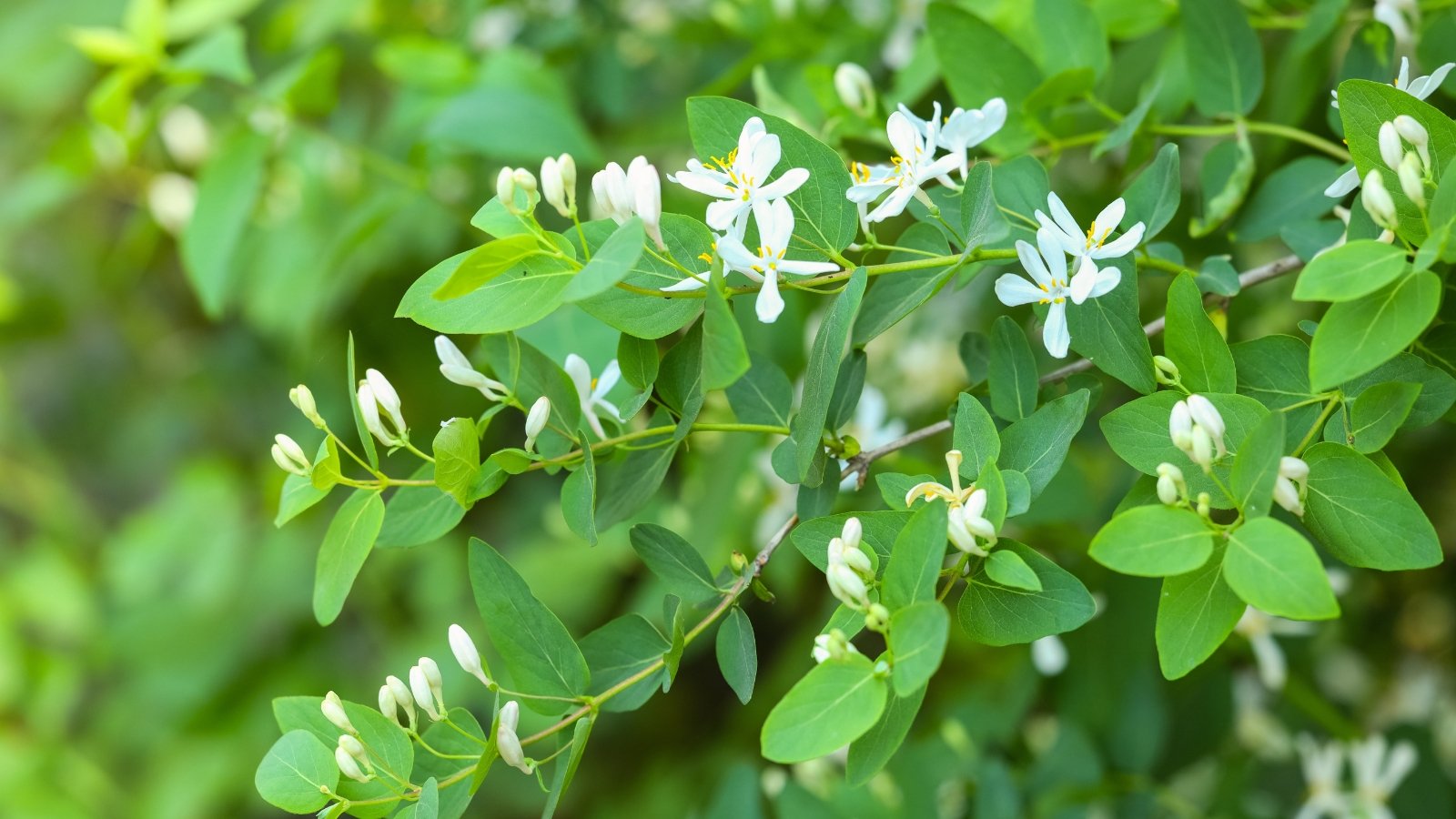
Bush honeysuckles are a non-native species originating in Asia. They are attractive ornamental shrubs, so they tend to be popular as a result. Because they hold their leaves longer than native types, and adapt to most light and soil conditions, many people like them.
The problem is that these shrubs produce abundant berries that birds like to eat. This spreads them around, and they quickly form dense thickets. This leads to suppression of tree seedling regeneration and a reduction in native ground covers.
They’re invasive throughout the U.S., especially in the Northeast and Midwest. Stick to native species, like coral honeysuckle, instead.

Privet

Many species of privet, also known as Ligustrum, are invasive in the United States. In the South in particular, these shrubs are a concern of the highest level. In warm climates, they easily escape cultivation, colonize, and form dense, shade-tolerant thickets. They spread both by bird-dispersed seeds and root sprouts.
Because these shrubs are flexible about their sun exposure and soil needs, they easily outcompete native vegetation. They shade the understory and have aggressive root systems. Even after you remove it, this one may pop up again, so it’s best not to get started at all.
Sterile cultivars like ‘Sunshine’ and ‘Golden Ticket’ exist and are purportedly not invasive. However, there is debate about whether or not sterile cultivars can reproduce by layering or via cutting.
Butterfly Bush

Butterfly bush is popular for its attractiveness to wildlife and its pretty flowers. Sadly, these shrubs produce an abundant amount of lightweight seeds that disperse easily. They also germinate easily in disturbed soils. Butterfly bush easily escapes cultivation, forms dense stands, and displaces native vegetation.
In the Pacific Northwest, Mid-Atlantic, and most of the Eastern U.S., butterfly bush is invasive. In warm climates, it naturalizes easily. While it has some value to wildlife as a nectar plant, it doesn’t provide host value. It can attract butterflies away from their native hosts and disrupt their dynamics.
American beautyberry and buttonbush are nice alternative shrubs that are beneficial for the butterflies.
Burning Bush

Burning bush is a popular shrub because of its gorgeous, red fall foliage. It truly lights up the landscape, so it’s not hard to see why people love it. So, what’s the problem?
Well, like many other invasive shrubs, it produces a ton of berries. Birds eat them, and you know the rest; they pop up all over the place!
Because burning bush is tolerant of a wide range of conditions, it can outcompete native plants and shade out ground covers. It disrupts forest regeneration because of how easily the seeds germinate.
It’s listed as invasive in a handful of states in the Northeast. However, in most of the Eastern U.S., it’s a plant of concern. Skip these shrubs in favor of fothergilla or Virginia sweetspire.
Rugosa Rose

It pains me to say that any rose is invasive, but this one tends to be. In many parts of the U.S., rugosa roses are invasive shrubs and are even banned in some states.
They are incredibly hardy in difficult terrain, like coastal dunes and along roadsides. They form dense thickets and are resistant to most pests and diseases. The lack of checks in any direction makes this a problematic plant.
Rugosa rose produces a large number of hips. Birds and other wildlife eat them and spread them around. This invasive shrub can outcompete important native dune and coastal plants. It can reduce biodiversity and alter the structure of habitats it takes over.
Fortunately, there are plenty of alternatives that are more well-behaved. Try Carolina rose, or climbing prairie rose, instead. Even a non-native cultivated rose that’s not invasive is a better option.
Japanese Barberry
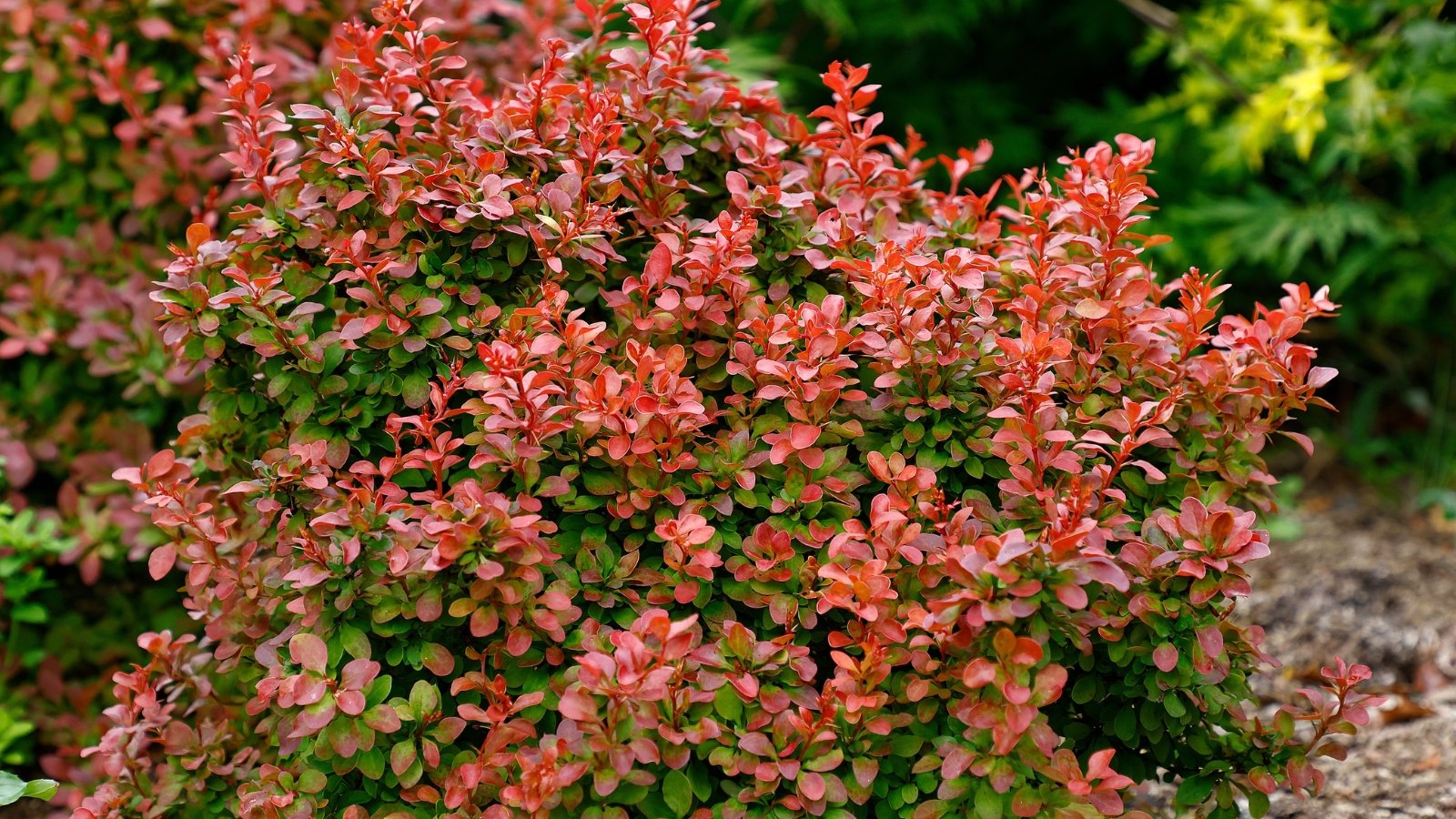
Japanese barberry is another Eastern Asian native shrub that came to the U.S. as a beautiful ornamental in the 1800s. Now, it’s widely invasive throughout the Northeast, Mid-Atlantic, and Southern states. It naturalizes easily, and it’s banned in a number of Northeastern states.
This, like many other invasive shrubs, is a prolific seeder. It produces berries that birds like to eat. It’s tolerant of difficult conditions and has dense foliage that shades out native understory plants. It also creates favorable conditions for ticks, which is never beneficial.
Red chokeberry is an attractive, native replacement for this invasive shrub.
Autumn Olive

Autumn olive shrubs are native to Asia and invasive in much of the United States. Introduced in the 1800s, they were popular as ornamentals and for erosion control. Unfortunately, as is often the case, they produce a ton of berries. The berries, spread by birds and animals, germinate easily in a wide variety of locations.
An interesting characteristic of autumn olive shrubs is their nitrogen-fixing ability. While this can be a good thing, it’s not always. It does give it an advantage in poor soils, making it easier to crowd out native shrubs and other plants.
Wax myrtle shrubs are a nice alternative that is more ecologically friendly.
Winter Creeper

Winter creeper has an ominous ring to it, and it should. It’s invasive throughout most of the country and difficult to eradicate. Growing as low shrubs and dense mats, this grows by runners that root wherever they touch the soil. They also climb trees and produce berries, so there are a whole host of issues with this one.
The dense foliage that winter creeper quickly forms will outcompete native wildflowers. It can even take down young saplings. It weakens trees when it climbs them, adding weight that makes them more susceptible to ice and wind damage. Avoid this plant as much as possible, and if you already have it, start removing it!
Japanese Spirea

Japanese spirea shrubs are popular in landscaping for their ease of care and pretty, pink flowers. They’re adaptable and easygoing, and you guessed it, invasive! Because they tolerate a wide range of exposures and soil types, they can thrive in a wide variety of environments. They form dense stands that crowd out native herbaceous plants.
These shrubs make the list of invasive species throughout the Mid-Atlantic, Southeastern, and Appalachian regions. They’re difficult to get rid of and can return aggressively if you cut them back. Plant something more wildlife-friendly in their place, like oakleaf hydrangea.
Forsythia

This one pains me, and it’s kind of a questionable entry, as it’s not officially listed as invasive on a federal level. However, it’s often listed as potentially invasive or aggressive, so truly, it’s better to avoid it. The sad thing is that forsythia shrubs are spectacular in the spring.
These shrubs spread by rooting wherever branches touch the ground. They rapidly expand outward to form large, dense clusters. They also have little ecological value, though some bees may visit their flowers.
If you do decide to plant a forsythia shrub, maintenance is key. Keep it tidy and keep the branches off the ground to avoid air layering.
11 invasive shrubs appears here to highlight key ideas for readers.