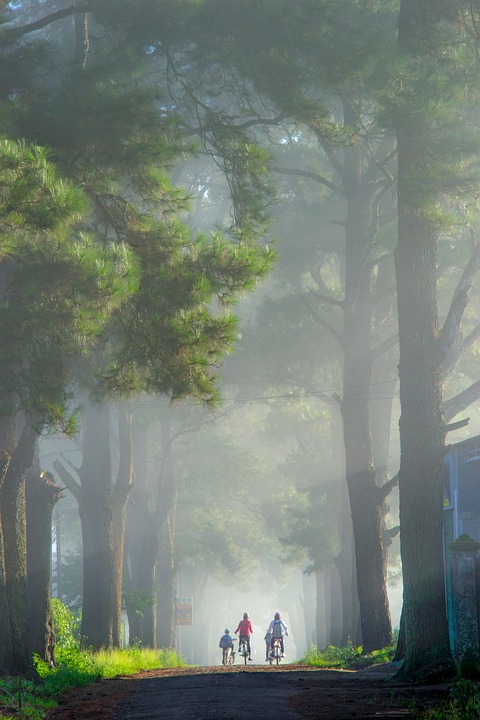
In the quiet embrace of mountain air, where the scent of pine lingers on the breeze and the world feels still, there is a call to dwell deep—not just in homes of stone and timber, but in the rhythm of the earth itself. Mountain Escapes are more than retreats; they are invitations to reconnect with the pulse of nature, to shed the clutter of modernity, and to find clarity in the simplicity of living in harmony with the wild. Here, timber wisdom speaks in the creak of aged wood and the whisper of leaves, guiding us toward practical steps for sustainable living that honor both the land and the soul. Like forest ambiance, this way of life unfolds gradually, season by season, weaving itself into the fabric of daily routines like the tender tendrils of moss clinging to a sunlit stone.
Seasonal Context
Mountain regions breathe in cycles, their rhythms etched deep into the soil and soul. In spring, when snowdrops push through thawing earth and streams run clear with mountain meltwater, the land feels alive with purpose. Summer blankets the highlands in emerald wilderness, where wildflowers bloom in pockets of golden light and the scent of cedar drifts lazily on the wind. Autumn arrives with the fiery kiss of aspen groves, their trembling leaves whispering farewells as the air grows crisp, carrying the promise of winter’s rest. To embody Mountain Escapes, one must follow this cadence—plant roots in spring’s awakening, harvest in summer’s bounty, prepare for winter’s hush, and let the slow decay of autumn nourish the earth’s bones.
Practical Steps
Begin with small acts of reverence: collect rainwater in handcrafted wooden barrels, build compost bins from reclaimed timber, or line paths with stones salvaged from nearby rivers. These steps, humble yet profound, align your daily life with the natural rhythm of landscapes shaped by time and patience. When constructing shelters or outdoor spaces, prioritize sustainably sourced wood, timber salvaged from fallen branches or pruned trees, honoring the lifecycle of materials as the mountains do. Even gardening becomes a meditation when guided by mountain wisdom—plant native species that thrive without chemical intervention, such as hardy lupines or drought-resistant sedums, to nurture the soil without draining the land’s vitality.
Design Ideas
Let the textures and tones of the mountains inspire your spaces. Walls of exposed timber, stone hearths glowing warmly in twilight, and windows framed by sheer linen curtains create a sanctuary where the outdoors feels like an extension of the indoors. Integrate fire pits surrounded by benches carved from local wood, or hanging lanterns filled with herbs like sage and lavender, their smoke carrying the quiet wisdom of the forest. Eco serenity thrives in spaces where every object has purpose and origin—think reclaimed timber shelves hosting books and dried herbs, or benches woven from flexible branches gathered in the wilderness.
Rituals
Morning tea brewed in a copper kettle under the last light of dawn, shared with a journal and a bundle of dried sage smoldering gently in a clay dish—these moments are anchors. Create rituals that mirror the seasonal journey of the mountains: in summer, dig a shallow stone basin to capture rainwater, storing it for thirsty plants during dry spells. In winter, gather fallen branches for a bonfire ritual, each flame a silent thanks for the year’s gifts. Such practices ground you in quiet time, transforming mundane tasks into sacred acts of gratitude.
Soil & Water Care
Mountains are watersheds, their slopes guiding water to nourish forests and meadows. Emulate this balance by designing landscapes that capture runoff—dig swales along pathways, plant rain gardens with deep-rooted perennials like coneflower or black-eyed Susan to absorb excess moisture. Test your soil’s pH with a simple vinegar test; add crushed eggshells to neutralize acidity or coffee grounds to boost nitrogen. Every drop of water, every handful of compost, becomes a pact with the land to live with rather than on it.
Wildlife & Habitat
Create microhabitats for flying squirrels, birds, and pollinators by leaving decaying logs to rot naturally or installing bee hotels from hollow stems and bamboo. Plant wild bergamot and milkweed to feed monarch butterflies, whose delicate wings remind us of the fragility of life. In winter, leave seed heads of echinacea and coneflowers to feed birds, their silhouettes etched against the snowy sky—a quiet testament to the interconnectedness of all things.
Seasonal Projects
Autumn brings the task of preserving the harvest: dry herbs in bundles wrapped in linen, press flowers between pages of reclaimed books, or ferment apple cider in recycled glass jars. When snow blankets the earth, use the dormant season to plan next year’s garden beds, sketching layouts under the soft glow of a woodstove’s fire. Mountain Escapes extend indoors too—hang dried willow branches in doorways as natural air purifiers, or craft a rustic clock from a cross-section of a fallen tree, its rings a reminder of cycles and renewal.
Indoor/Balcony Extensions
Bring the forest inside with balcony gardens of herbs and small trees potted in biodegradable planters. Tie willow branches into a living arbor, its falling foliage creating a canopy of dappled light. Use driftwood as a room divider, its knots and grain patterns telling stories of ancient storms and quiet resilience. Let the scent of eucalyptus or spruce oil diffuse through air chambers, evoking the crispness of mountain breezes and anchoring your space in the essence of wilderness.
Community & Sharing
Host gatherings around stories of Mountain Escapes, where neighbors trade seeds, swap gardening wisdom, or collaborate on communal meals using foraged ingredients. Organize a seed-swapping day, mapping shared gardens on recycled paper, or start a tool-lending library to reduce waste and build connections. Each shared act becomes a thread in the tapestry of a resilient community, intentionally woven to mirror the interdependence of ecosystems in the highlands.
As we walk the path of Eco How-To Living Remotes with Timber Wisdom, we learn that the mountains do not boast of their grandeur—they simply exist, relentless and patient. Their lessons are subtle, written in lichen’s slow climb and rivers that carve new courses over centuries. By applying these principles to our homes and gardens, we do not merely craft spaces—we cultivate relationships with the earth, finding strength in the enduring, quiet resilience of nature itself.
In every reclaimed beam, every seed sown, and every moment of stillness under the canopy, Mountain Escapes become not just places, but states of being. They remind us that peace is not a destination, but a practice—a dance with the wind, the soil, and the unbroken rhythm of life in the wild. Let us wander these paths with open hearts, gathering the wisdom etched into the boulders and the breath of the evergreens, to carry forward into the world as stewards of serenity.