
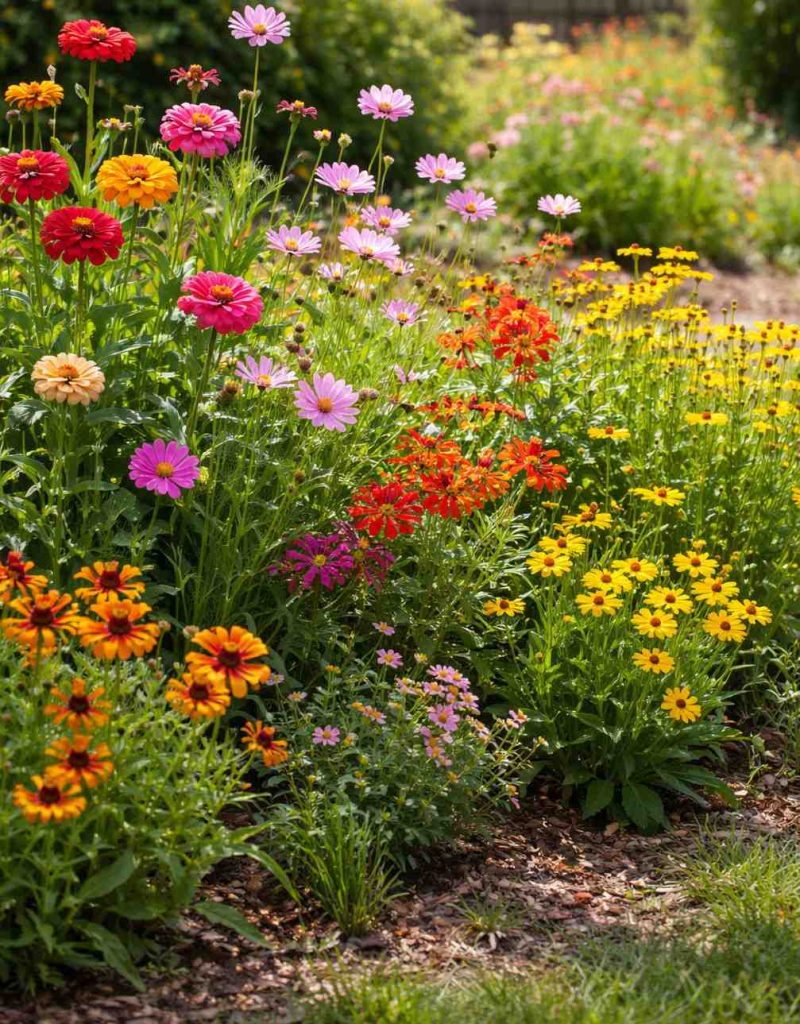
Flowers plant may. A brief context to set expectations.
Flowers plant may: Quick notes
Do you know what really makes a landscape feel enticing? It’s not just about growing edibles—those stunning ornamentals tucked along borders and brightening up corners are what truly add that irresistible charm to a garden.
And if you’re wondering about the best flowers to plant, May is the perfect time to bring all of that to life.
It’s one of the busiest months for planting and getting your soil ready, and by now, most USDA zones are free from frost.
The soil has warmed up enough, and those longer days give young plants the boost they need to grow quickly and establish well. This is the perfect moment to take advantage of direct sowing—whether in pots or garden beds—rather than starting seeds indoors.
You can grow both annuals and perennials to create a garden that feels full and colorful now, while still building beauty for the seasons ahead.
Why May is the Perfect Time for Planting Flowers?
May is when gardening finally starts to feel easy and exciting. The frost is out of the way, and the soil has warmed up just enough for seeds to sprout without any fuss.
With longer, brighter days, plants seem to grow almost overnight. You’ll spot tiny seedlings popping up quickly, looking fresh and full of life.
It’s also the perfect time to skip the indoor setup and sow seeds straight into pots or garden beds. Honestly, most flowers are happier growing right where they’re meant to bloom.
And if you love quick results, May won’t disappoint. Fast-growing annuals start putting on a show within weeks, filling your space with color before you even realize it.
18 Flowers to Plant May for Blooming Summer
Flowering plants do more than just add color—they bring life, movement, and a natural charm to any garden space.
They also attract pollinators like bees and butterflies, helping your entire garden thrive and stay healthy.
1. Marigold
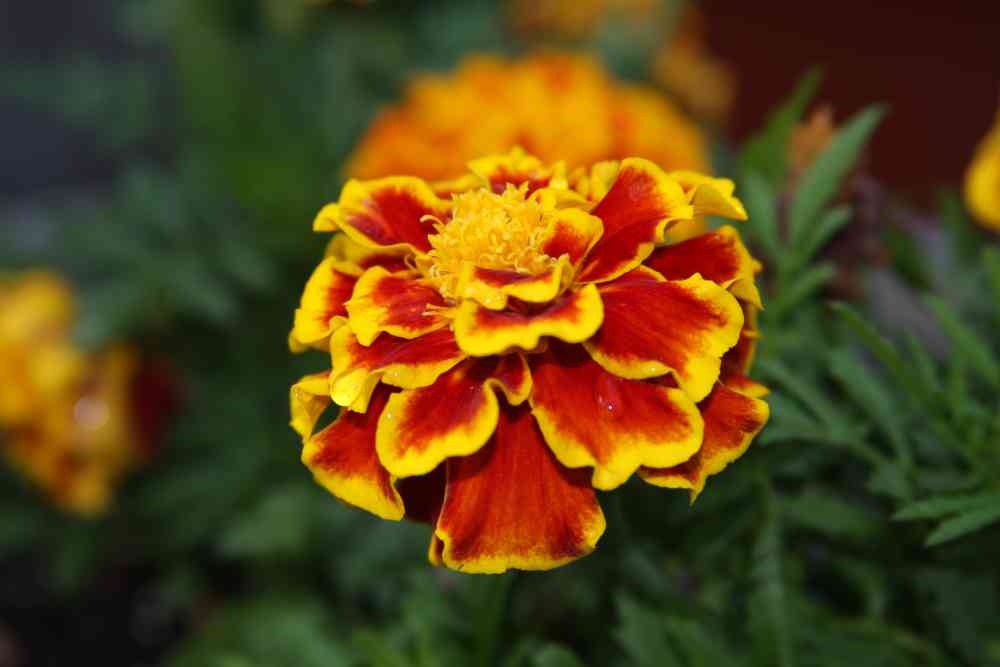
Marigolds are one of the easiest and most rewarding flowers to grow in May.
They thrive in full sun and well-draining soil, and germinate quickly when sown directly into warm garden beds or pots.
Keep the soil lightly moist until seedlings establish, then water moderately—these plants are quite drought-tolerant once mature.
To keep marigolds blooming non-stop, regular deadheading really helps. Pinch off faded flowers to encourage new buds, and feed lightly with a balanced fertilizer every couple of weeks.
2. Zinnia
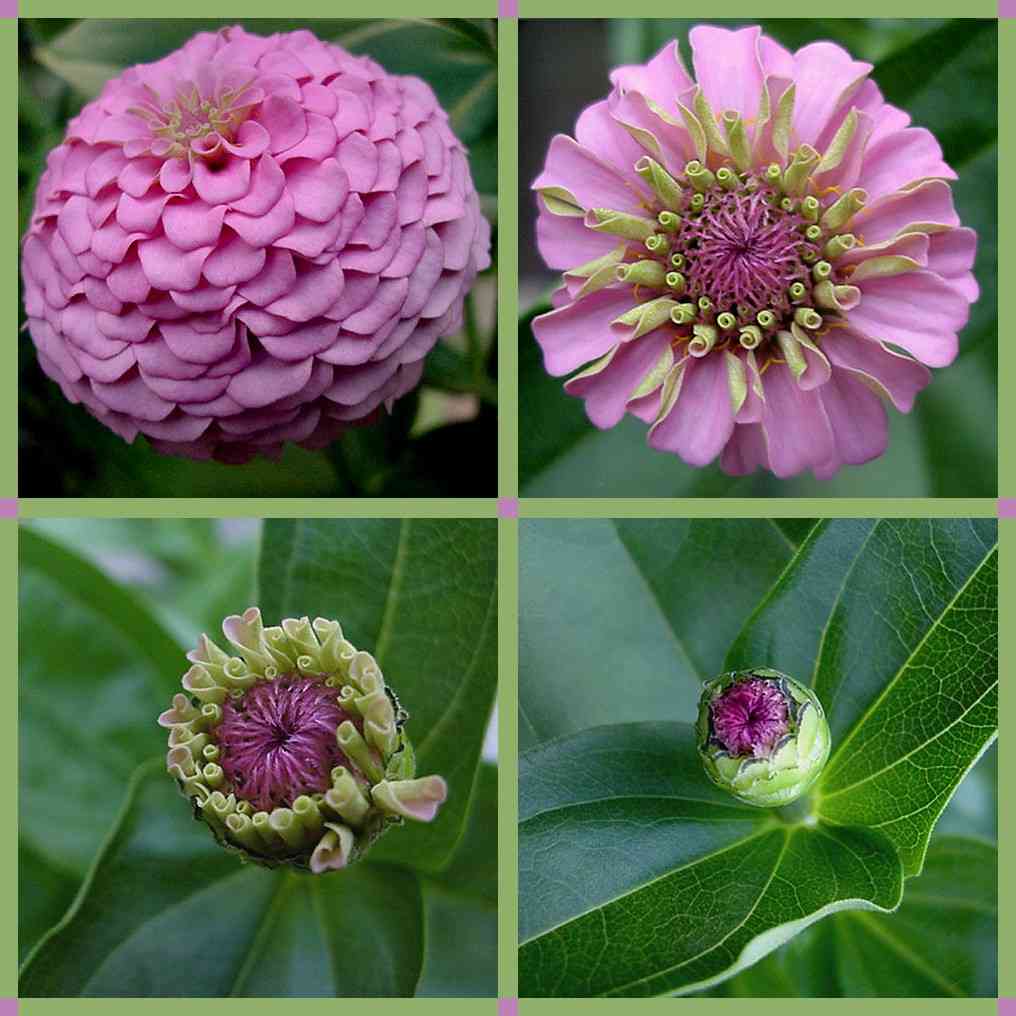
Zinnias love warm weather and truly shine when planted in May. For best results, sow seeds directly into the soil after the last frost, as they don’t like being transplanted.
- Plant them about ¼ inch deep in a sunny spot with well-draining soil, and you’ll usually see seedlings pop up within a week.
- Space them well to allow good airflow and prevent disease.
To get more blooms, pinch the tips of young plants when they’re about 6–8 inches tall—this encourages branching and leads to a fuller plant.
Regularly cutting flowers for bouquets also promotes continuous blooming, so the more you harvest, the more they produce.
3. Cosmos
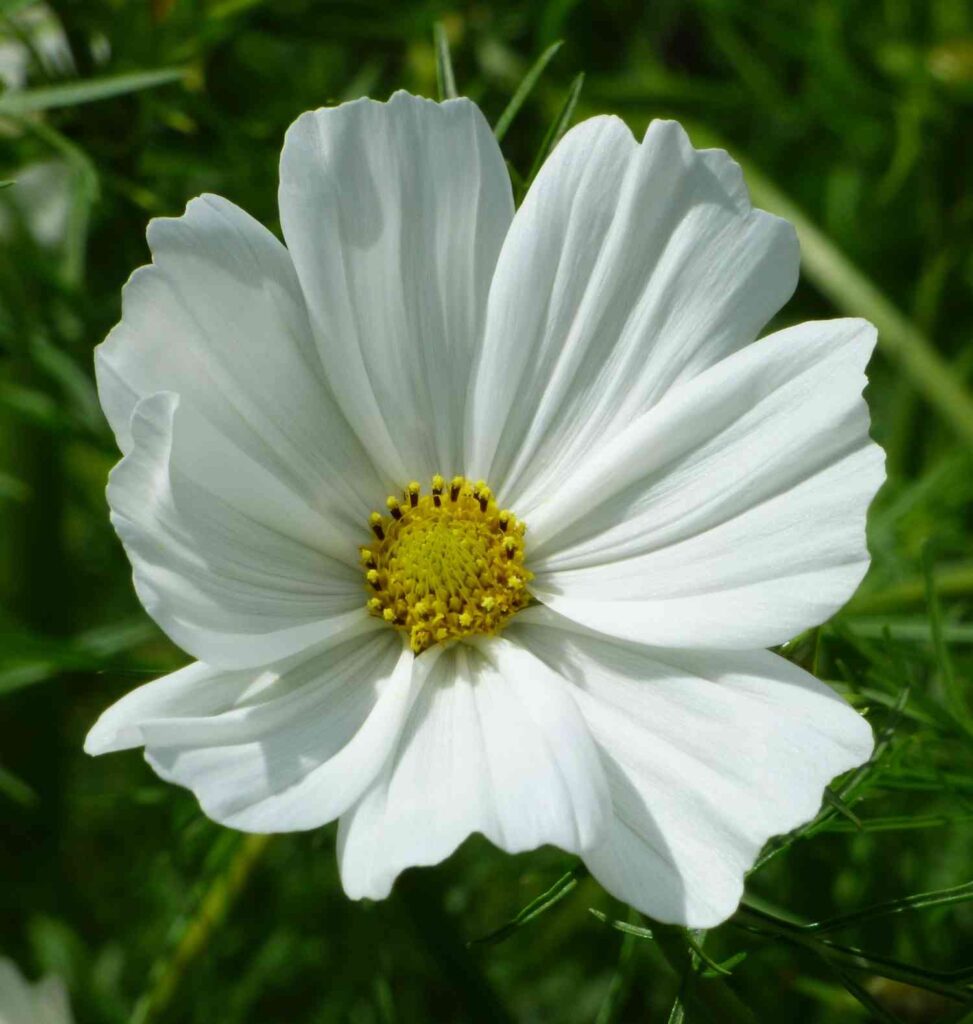
Cosmos are wonderfully low-maintenance flowers that actually prefer slightly poor soil and full sun.
Simply scatter the seeds directly where you want them to grow and cover them lightly with soil—they germinate quickly in warm conditions. Avoid overly rich soil, as it can lead to lots of leaves but fewer flowers.
For a longer blooming season, don’t overwater or overfeed these plants. Light watering and occasional trimming of spent blooms will keep them producing.
You can also let a few flowers go to seed, and they’ll often self-sow, giving you another round of blooms without much effort.
Must Read: Best Manure for Flowers
4. Sunflower
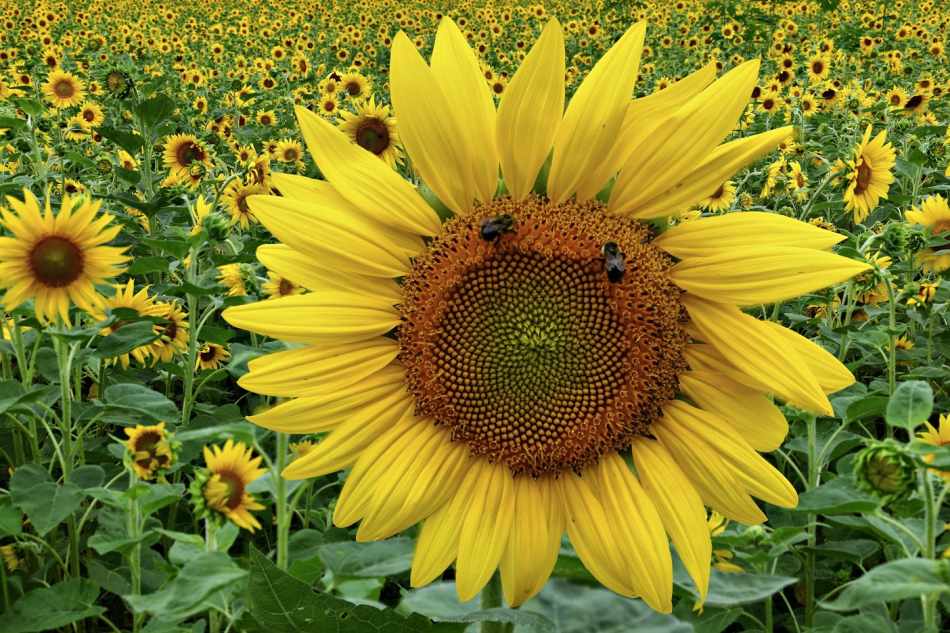
Sunflowers thrive in warm conditions, with an ideal temperature range of around 68–86F. Sow seeds directly into the ground about 1 inch deep in a sunny spot, as they need plenty of light to grow tall and strong.
They prefer loose, well-draining soil and benefit from a spot sheltered from strong winds, especially taller varieties.
To support healthy growth and bigger blooms, mix compost or a phosphorus-rich fertilizer into the soil before planting. Water deeply but not too often, encouraging strong root development.
Staking taller plants and feeding lightly during the growing phase can help them produce those bold, cheerful flowers.
5. Balsam (Impatiens balsamina)
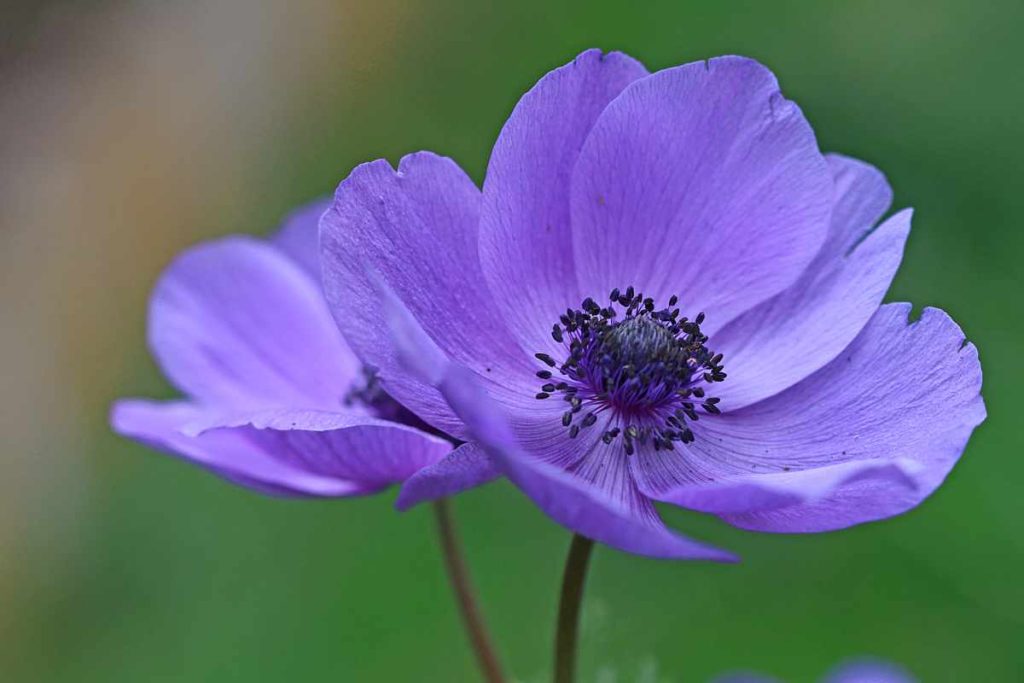
Balsam grows best in warm, slightly humid conditions, ideally between 64–82°F. Sow seeds directly in moist, well-draining soil or start them in trays and transplant once seedlings are sturdy.
They do well in full sun to partial shade, especially in hotter regions where some afternoon shade helps.
For lush growth and abundant blooms, enrich the soil with organic compost before planting.
A light application of potassium-rich fertilizer during the flowering stage encourages more buds and brighter blooms. Keep the soil consistently moist, and you’ll have a steady display of flowers through the season.
6. Gomphrena (Globe Amaranth)
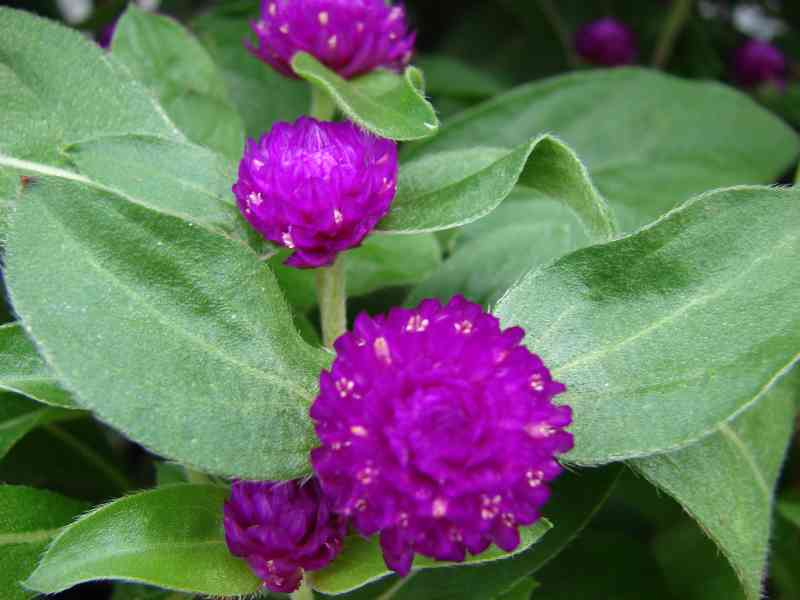
Gomphrena is a heat-loving flower that does best when temperatures stay around 70–90°F.
Sow seeds directly into well-draining soil in full sun, or start them indoors and transplant once the weather is warm. The seeds can be a bit slow to germinate, so soaking them overnight can help speed things up.
For more blooms, avoid overwatering—these plants prefer slightly dry conditions once established. A light feeding with a balanced fertilizer every few weeks keeps them going, but too much nitrogen will reduce flowering.
Regular picking of blooms also encourages the plant to produce more.
7. Portulaca (Moss Rose)
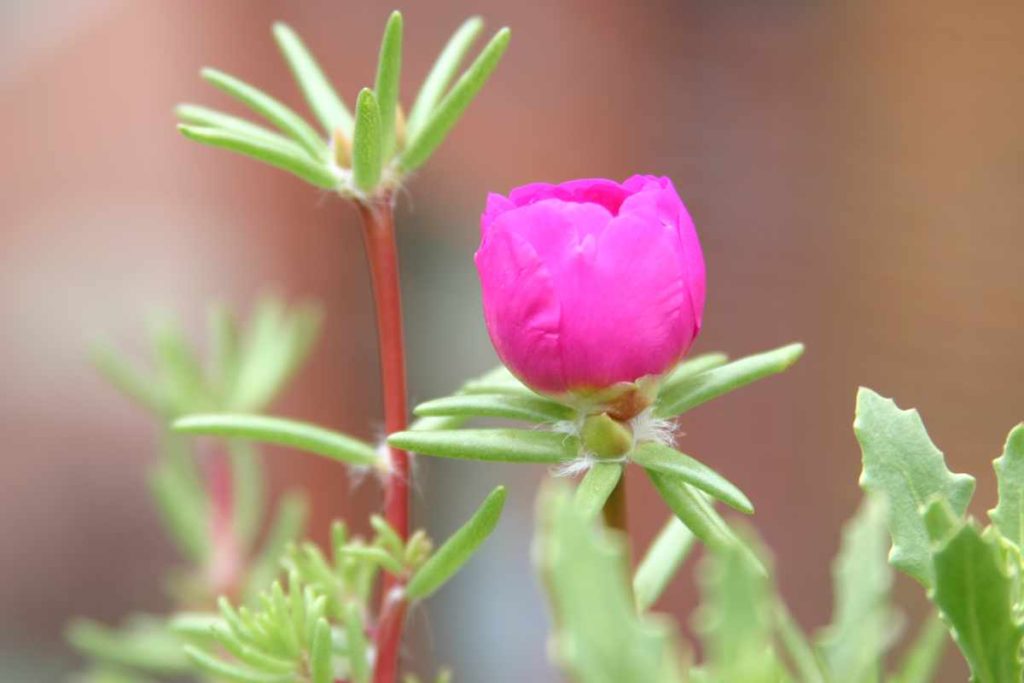
If you have a hot, sunny spot, portulaca is perfect. Scatter the tiny seeds on the soil surface and press them lightly—don’t bury them, as they need light to germinate.
They thrive in poor, sandy soil and love temperatures above 70°F, making them ideal for tough summer conditions.
To keep portulaca blooming heavily, make sure it gets full sun all day. Skip heavy feeding—too much fertilizer leads to more leaves than flowers.
Occasional trimming of leggy growth helps the plant stay compact and full of bright, rose-like blooms.
8. Cleome (Spider Flower)
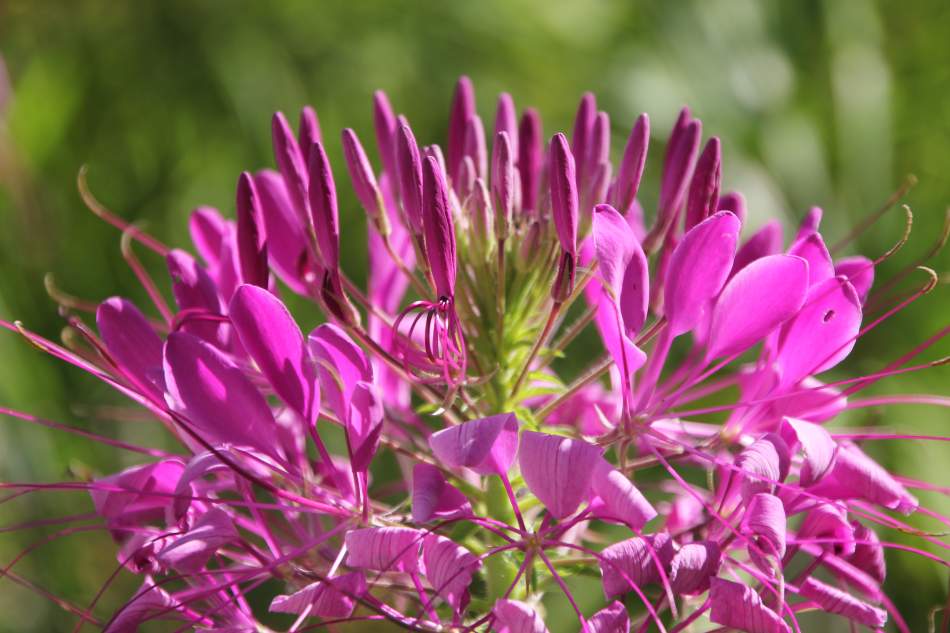
Cleome is a tall, airy plant that adds height and a slightly wild look to the garden. It prefers full sun and well-draining soil, and you can sow seeds directly outdoors after the last frost.
Germination can be a bit slow, so don’t worry if it takes a couple of weeks to show up. Once established, it handles heat and dry conditions quite well.
For better blooming, avoid overfeeding—too much fertilizer can make the plant leggy.
A light layer of compost at planting time is usually enough. Since cleome can grow tall, spacing is important to keep plants sturdy and upright, and occasional pruning helps maintain a bushier shape with more flowers.
Check this: 60 Popular Cut Flower Garden Ideas
9. Coreopsis
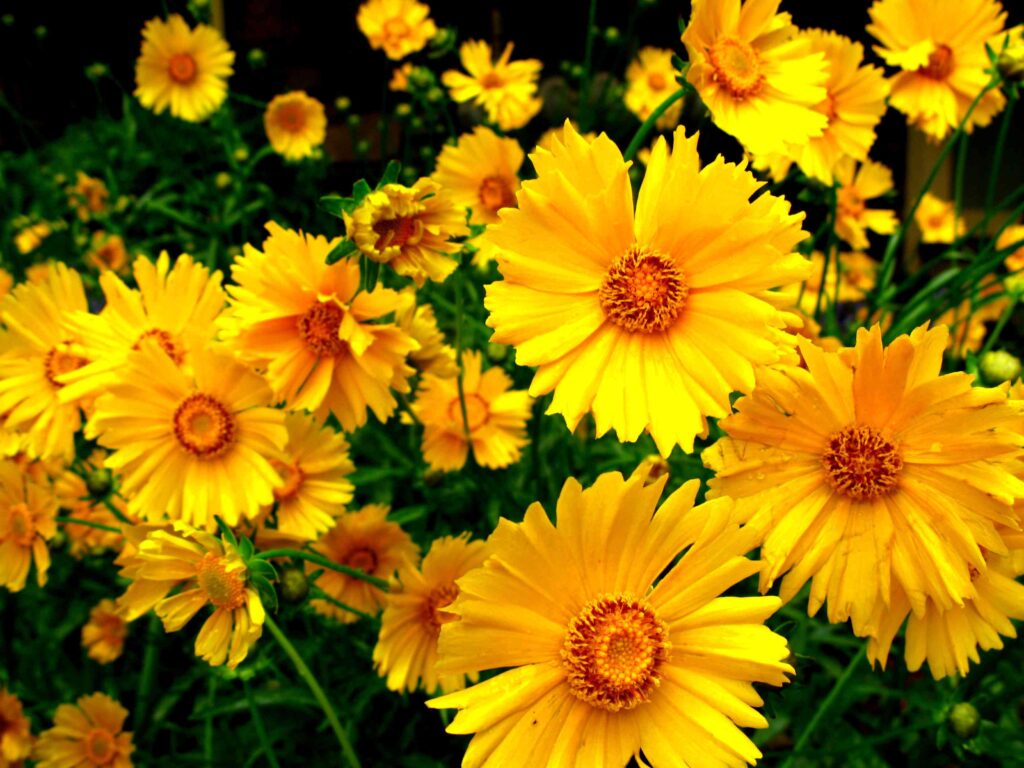
Coreopsis is a cheerful, sun-loving perennial that’s perfect for adding long-lasting color.
It grows best in full sun with average, well-draining soil, and can be started from seeds directly in the garden once the weather warms up. It’s quite adaptable and tolerates poor soil better than many other flowering plants.
To keep it blooming for longer, regular deadheading makes a big difference. You can also shear the plant lightly mid-season to encourage a fresh flush of flowers.
A light feeding with a balanced fertilizer once in a while helps, but coreopsis generally thrives with minimal care.
10. Gaillardia (Blanket Flower)
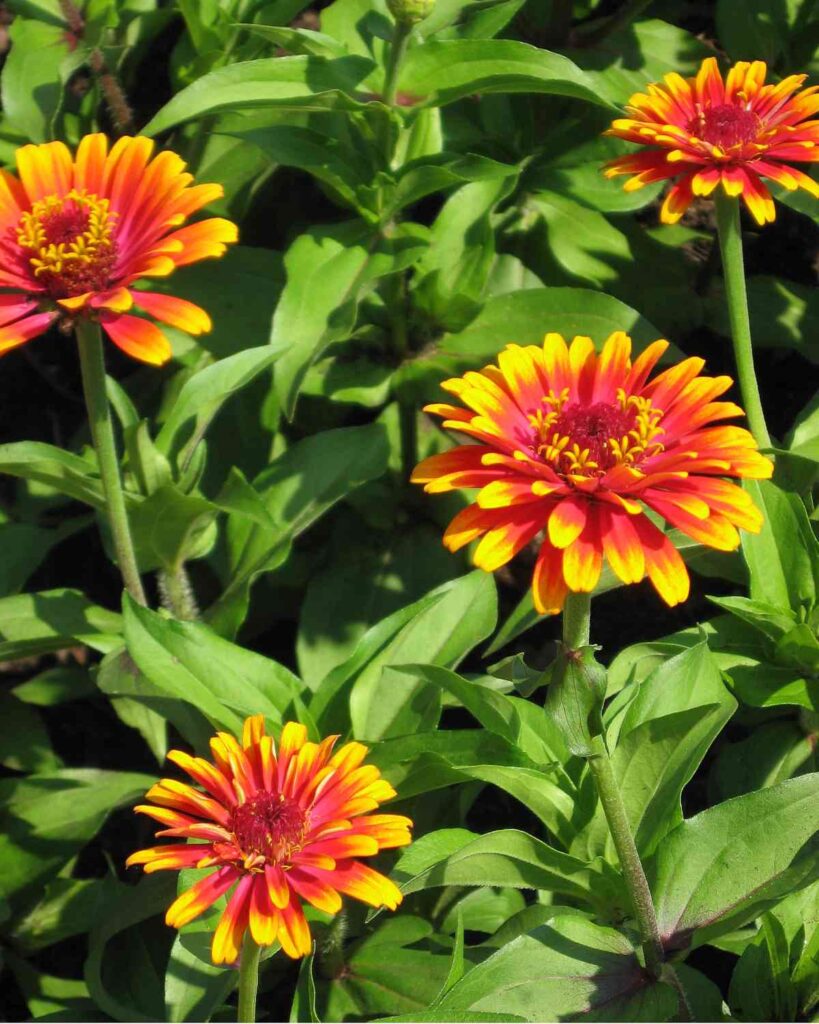
Gaillardia is a tough, drought-tolerant perennial that thrives in hot, sunny conditions. Sow seeds directly into well-draining soil, or transplant young plants once the weather is consistently warm.
It prefers slightly sandy soil and doesn’t mind poor conditions, making it a great choice for low-maintenance gardens.
To keep blooms coming, avoid heavy feeding—too much fertilizer can reduce flowering. Instead, focus on deadheading spent blooms regularly to encourage new ones.
Once established, gaillardia needs minimal watering and will keep producing bright, daisy-like flowers through summer.
11. Tithonia (Mexican Sunflower)
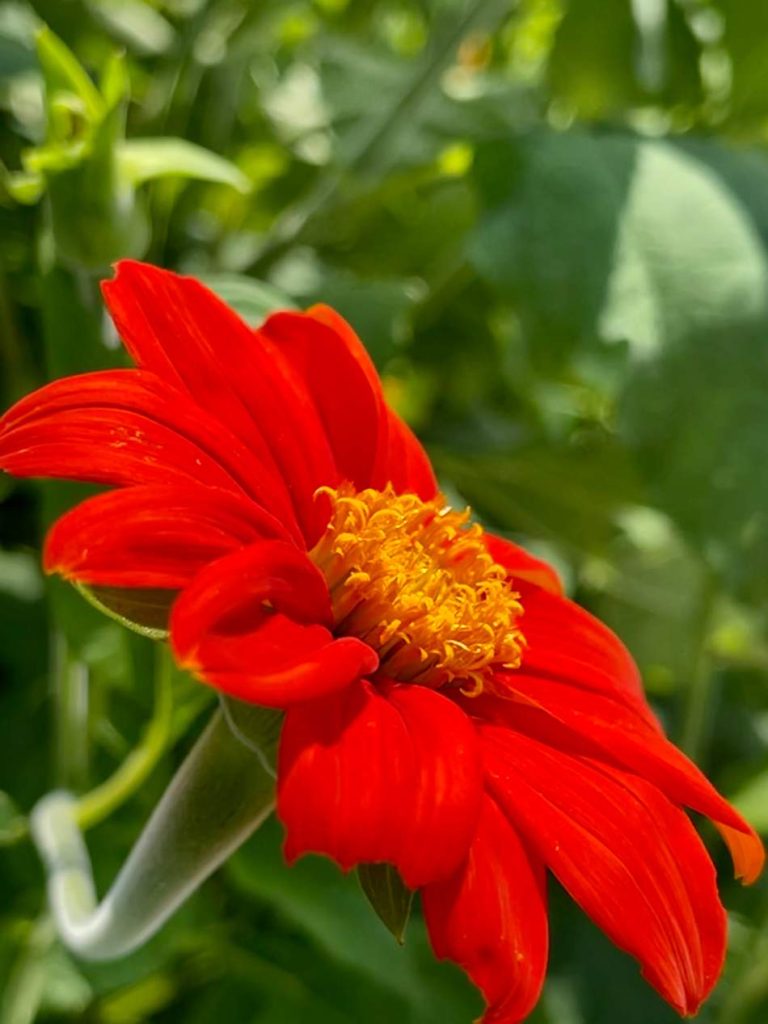
Tithonia loves heat and sunshine, and really takes off when temperatures stay between 70–95°F.
Sow seeds directly in the garden after frost, about ½ inch deep, in a spot that gets full sun all day. It grows quickly into tall plants with bold orange blooms that attract butterflies.
For strong growth and better flowering, enrich the soil lightly with compost before planting.
Avoid excess nitrogen, as it leads to leafy growth instead of flowers. Staking may be needed for taller plants, and occasional pinching helps create a bushier plant with more blooms.
Check this: 26 Beautiful Spring Flower Bed Ideas
12. Nasturtium
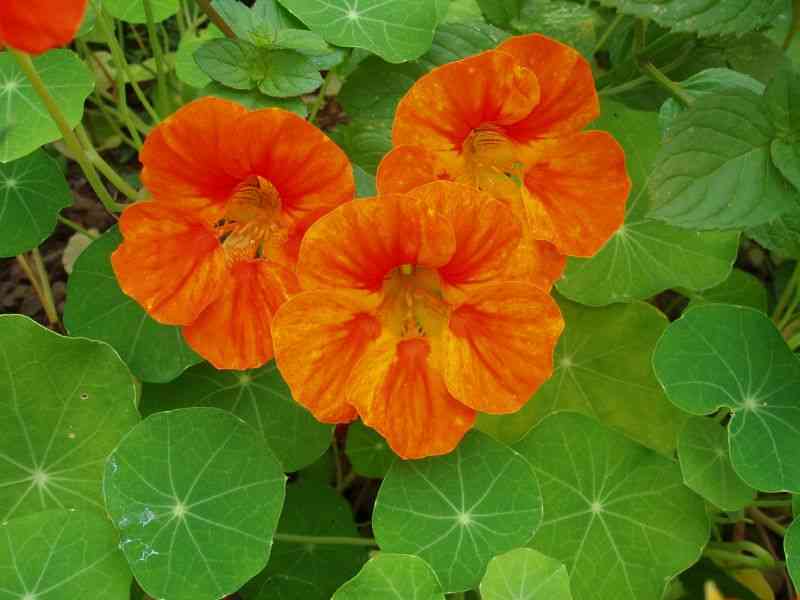
Nasturtiums are one of the easiest flowers to grow, especially for beginners. Sow the large seeds directly into the soil about 1 inch deep, as they germinate best when planted in place. They prefer full sun to partial shade and do surprisingly well in poor soil.
To encourage more blooms, avoid rich soil and fertilizers—these plants flower better when slightly stressed.
Water moderately and trim back overly long vines to keep the plant tidy.
13. Morning Glory
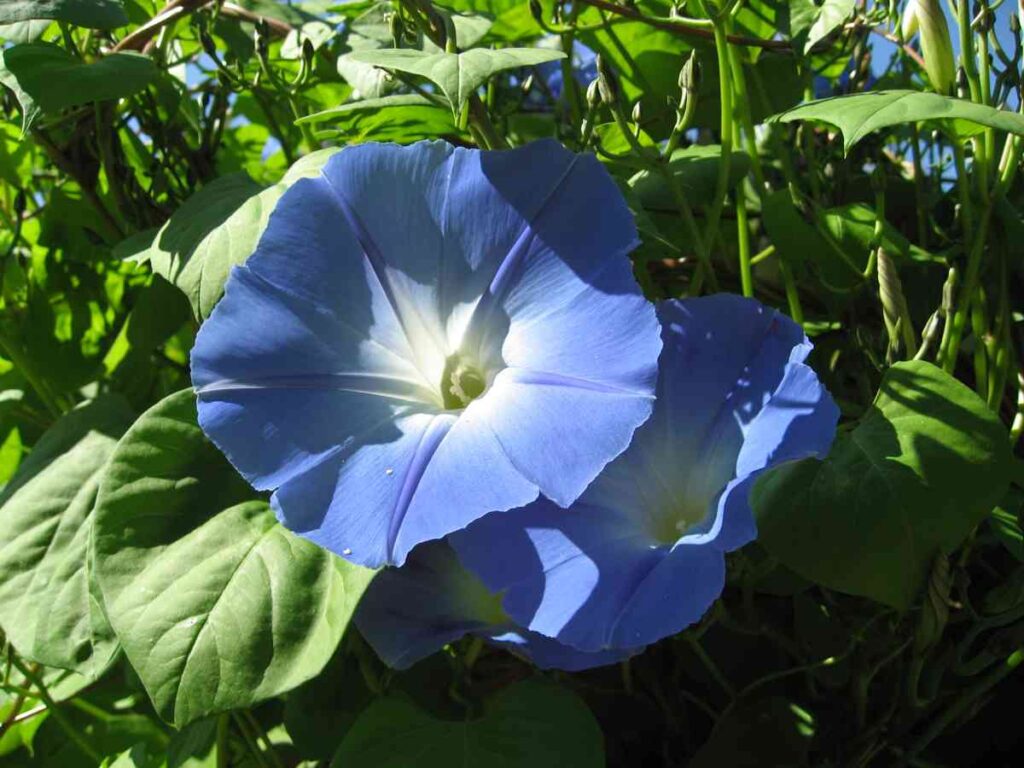
Morning glories are fast-growing climbers that can quickly cover fences, trellises, or railings.
For better germination, soak the seeds overnight or lightly nick the hard seed coat before sowing. Plant them about ½ inch deep in a sunny spot, and they’ll take off once the weather warms up.
To encourage more blooms, make sure they get full sun and avoid too much fertilizer, especially nitrogen.
These vines grow vigorously, but excess feeding leads to more leaves than flowers.
Check this: How to Propagate Ice Plant from Cuttings?
14. Kochia (Summer Cypress)
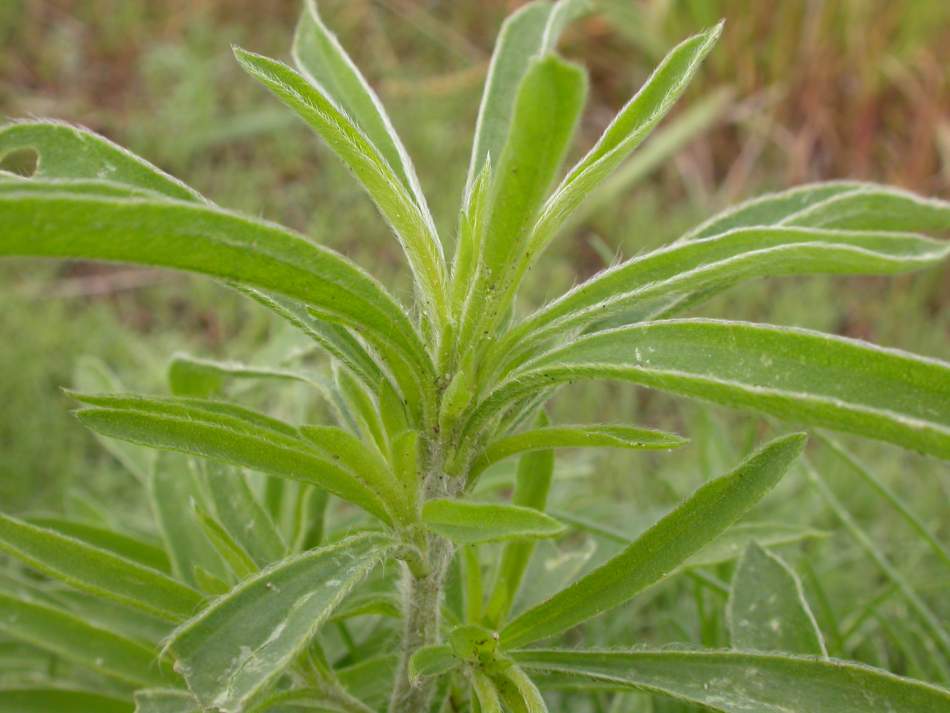
Kochia is grown more for its soft, feathery foliage than flowers, but it adds a beautiful texture and structure to the garden.
Sow seeds directly on the soil surface and press them lightly—they need light to germinate. It grows best in full sun and adapts well to different soil types.
To keep plants dense and well-shaped, you can trim them lightly as they grow. Kochia doesn’t need much feeding, but adding a bit of compost at the start helps with fuller growth.
As the season progresses, the foliage often turns a lovely reddish tint, adding extra visual interest.
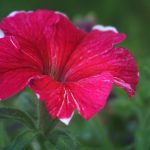
15. Petunia
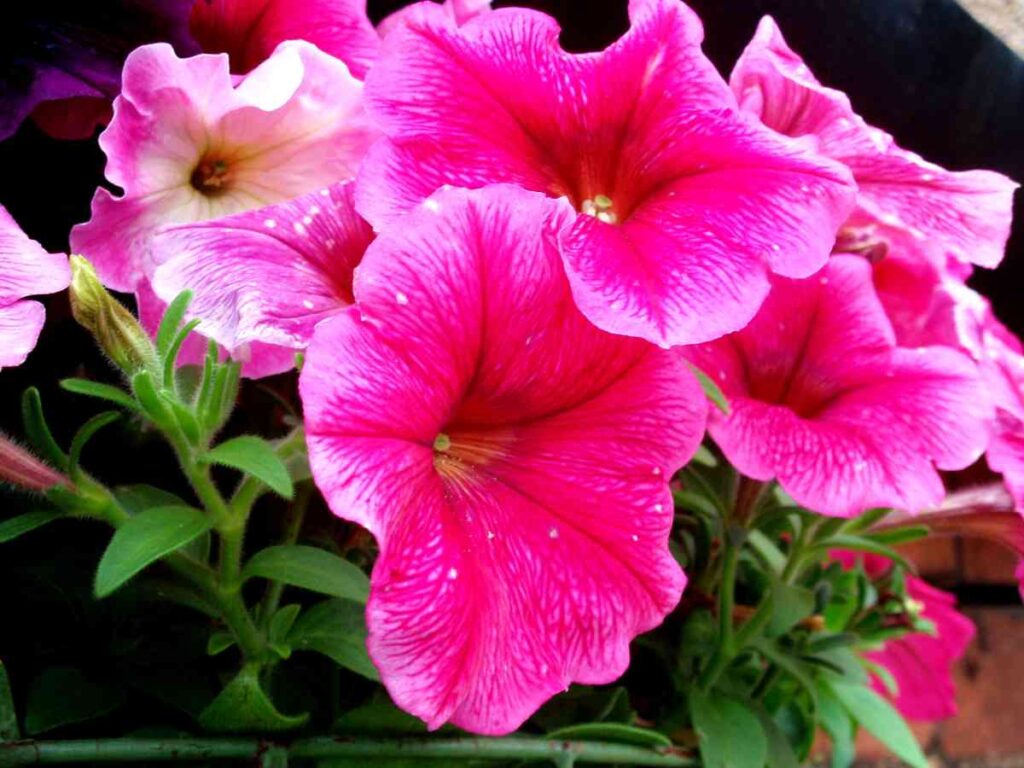
Petunias are a classic choice for containers and hanging baskets, known for their continuous blooms.
While you can grow them from seeds, it’s often easier to plant nursery seedlings in May for quicker results. They thrive in full sun and well-draining, slightly fertile soil.
For fuller plants and more flowers, pinch back young growth early on to encourage branching.
Regular deadheading and feeding with a liquid fertilizer every 1–2 weeks keeps them blooming heavily all season. Make sure not to let the soil dry out completely, especially in containers.
16. Verbena
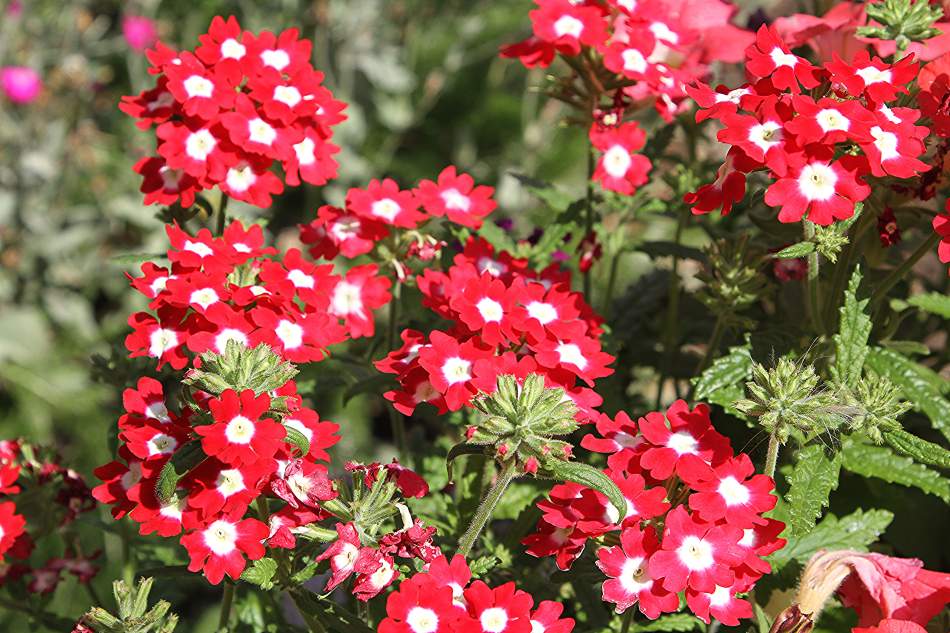
Verbena is a heat-tolerant flowering plant that spreads nicely, making it great for borders and pots.
It prefers full sun and well-draining soil, and you can start it from seeds or cuttings. In warmer climates, cuttings root quite easily and establish faster than seeds.
To boost blooming, trim back the plant lightly after the first flush of flowers. This encourages fresh growth and another round of blooms.
A light feeding with a balanced fertilizer and consistent watering will keep verbena looking vibrant and full.
17. Calendula
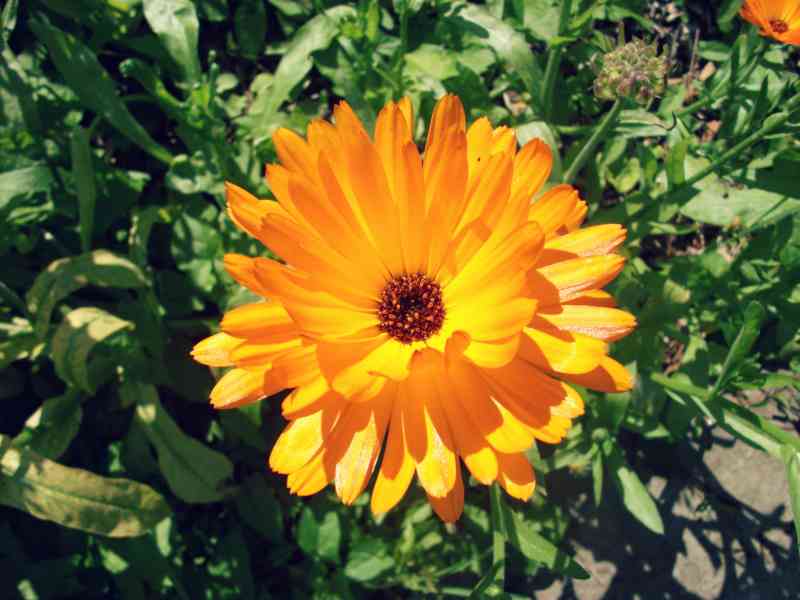
Calendula is a cheerful, easy-going flower that does well in mild to warm conditions. Sow seeds directly into the soil about ½ inch deep in a sunny to lightly shaded spot. It prefers well-draining soil and germinates fairly quickly, often within a week or so.
For continuous blooms, keep picking the flowers regularly—this encourages the plant to produce more. Light feeding with a balanced fertilizer helps, but avoid overdoing it.
Calendula also self-seeds easily, so you might find new plants popping up on their own.
18. Alyssum (Sweet Alyssum)
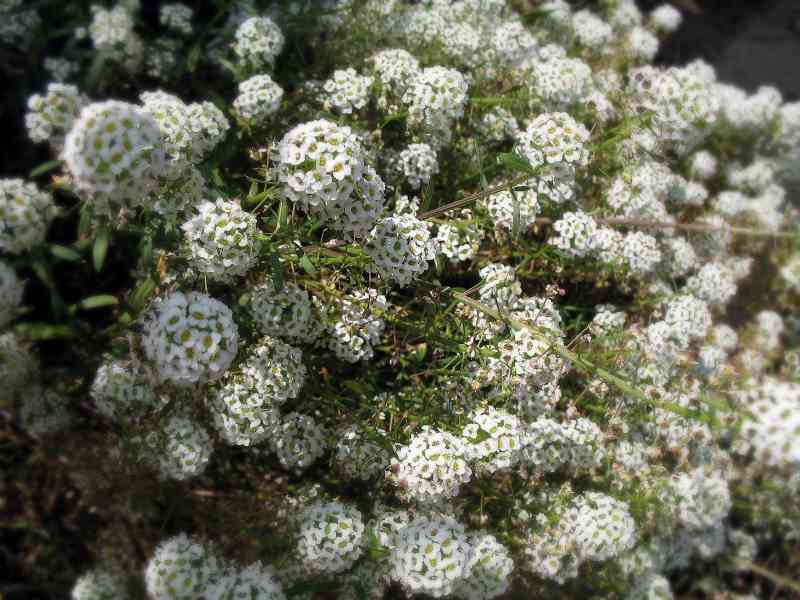
Sweet alyssum is perfect for edging, containers, and filling small gaps with its soft, spreading growth.
Scatter the tiny seeds on the soil surface and press them gently—they need light to germinate. It grows best in full sun to partial shade and prefers cooler conditions compared to other summer flowers.
To keep it blooming longer, trim the plant back lightly when it starts to look tired. This encourages fresh growth and another flush of fragrant flowers.
Regular watering and a light feed every few weeks will help maintain its soft, carpet-like appearance.
Growing Conditions for May-Planted Flowers
Most flowers you plant in May thrive in warm, sunny conditions. Aim for temperatures between 65–85°F, which is ideal for germination and steady growth.
Full sun (at least 6–8 hours daily) is key for strong stems and abundant blooms, though a few plants can handle light afternoon shade in hotter regions.
Use well-draining soil enriched with compost to give young plants a healthy start. Avoid heavy, waterlogged soil, as it can lead to root issues.
If you’re planting in containers, a light, airy potting mix works best.
Watering is important, especially in the early stages. Keep the soil lightly moist until seeds germinate, then switch to deep but less frequent watering to encourage strong roots.
Overwatering is a common mistake, so let the topsoil dry slightly between watering sessions.
Lastly, airflow and spacing matter more than most people think. Giving plants enough room helps prevent disease and keeps them growing strong.
A little attention to these basics goes a long way in ensuring a garden full of healthy, long-lasting blooms.
Check this: How to Propagate Geraniums from Cuttings?
Conclusion
May is one of the most rewarding times to get flowers into the ground. With warm soil, longer days, and plenty of sunshine, it’s the perfect moment to set your garden up for a season full of color.
Whether you choose quick-blooming annuals for instant impact or mix in perennials for lasting beauty, there’s plenty you can grow with minimal effort. A little planning now goes a long way in creating a space that feels vibrant and alive.
The best part? You don’t need to overthink it—just pick a few flowers you love, sow them directly, and let nature do the rest. In just a few weeks, you’ll start to see your garden transform into a colorful, blooming retreat.

Khaja Moinuddin, a computer science graduate, finds joy in gardening and homesteading. Join him on this blog as he shares his experiences in homesteading, gardening, and composting
We reference Flowers plant may briefly to keep the thread coherent.
Flowers plant may comes up here to connect ideas for clarity.











Also – Great step-by-step — I’ll give this a go this weekend.
FYI – Absolutely — that’s a nice detail. Great share.
FYI – Absolutely — that’s a nice detail. Great share.