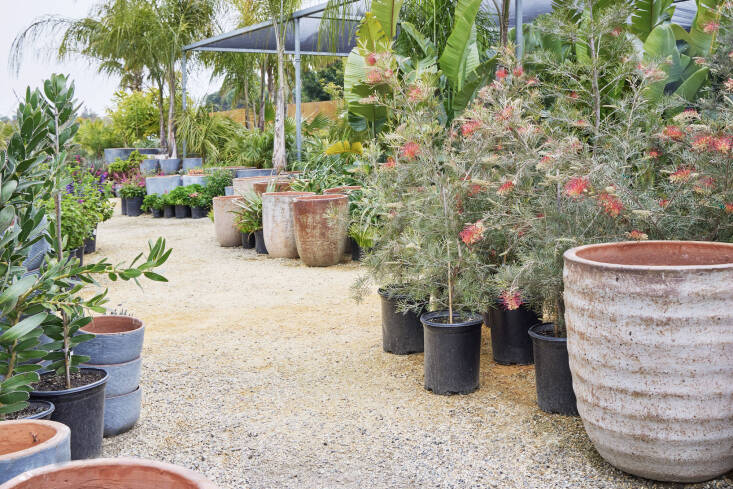
In the hushed moments of dawn, where sunlight spills like honey over earthbound clay, there exists a secret to awakening beauty in worn, weathered vessels. Terra cotta pots, those silent stewards of countless blooms, hold within their pores the memories of gardens past. Yet, time etches its marks—faded hues, stubborn stains, and the subtle voice of decay whispering through cracks. This is not an end, but a call to tenderness. To revive these pots, we need not scour them with harsh chemicals or mask their flaws with artificial paint. Instead, we turn to the alchemy of nature’s pigments, transforming them into canvases that echo the stories of the land.
This ritual is not merely about aesthetics; it is an invitation to slow down, to sip mindfully from the cup of patience, and to let the act of creation mirror the rhythms of the earth. When we dye our pots with natural hues—perhaps with the sun-kissed streaks of beetroot or the deep indigo of avocado pits—we are not just crafting decor. We are honoring the quiet resilience of the soil, the slow evolution of organic matter, and the fragile dance between decay and renewal. Each stroke of color becomes a meditation, a way to ground ourselves in the present. Imagine your Balcony Garden, once a corner of the world cluttered with dull, neglected pots, now a sanctuary where every surface breathes life, color, and intention. Here, amidst the rustle of ferns and the scent of basil, you will find solace.
The process is simple, yet it carries the weight of ancestral knowledge. We gather ingredients from our kitchens and gardens—items often discarded as waste—to birth new narratives. Avocado pits, onion skins, and the humble turmeric root are not just food; they are vessels of pigment, ancient allies in the art of transformation. By simmering these into dyes, we participate in a timeless tradition, one that predates synthetic shortcuts and synthetic solace. The act of preparation becomes its own meditation: choppers and mortar, steaming pots, and the quiet hum of simmering liquids. This is where the soul of the ritual resides—in the mindful act of creation, where hands move with purpose, and the mind stills.
As we prepare these dyes, we might reflect on the parallels between the earth’s cycles and our own. The way a beetroot’s crimson softens under heat mirrors how life adapts to climate shifts. The gentle simmer of apple cores steeped in vinegar conjures images of orchards swaying in autumn. These are the quiet threads that bind us to the land, to each other, and to the wisdom that says: “Nothing is wasted. Even the discarded holds potential.”
And so, our journey begins—not with urgency, but with intention. Let the sun greet the day as you gather your ingredients. Let the rhythm of your breath synchronize with the slow heat of your stove. This is more than an eco-friendly act; it is a return to our roots, to the primal need to create, to leave our mark, and to find peace in the process.
The Language of Color: Understanding Natural Dyes
Beneath the surface of a terra cotta pot lies a history written in rust and erosion. The porous clay, so often discarded for its imperfections, is paradoxically the canvas through which we can channel the whispers of nature’s pigments. Natural dyes do not merely coat; they converse. Each hue carries a story—of sunbaked summers, water-limited springs, and the quiet alchemy of decay. The revival of your pots is not a act of disguise, but a celebration of transformation, a way to harmonize with the earth’s rhythms.
Stoneware, the inherent color of your pots, is not a flaw to be hidden but a blank page upon which nature’s kaleidoscope can dance. When we apply dyes derived from organic matter, we do more than alter the appearance of these vessels—we embed them with the essence of the materials used. A pot cradling marigold petals might bear a sunflower-yellow stain, echoing the garden it once nurtured. One kissed by the indigo hues of avocado pits becomes a portal to tropical forests, while one brushed with the deep burgundy of beetroot connects us to the sacred beauty of roots and soil. These colors are not mass-produced pigments; they are stories brewed from the land itself.
The beauty of natural dyes lies in their unpredictability, in the way they shift and deepen as they interact with the absorbent surface of terra cotta. Here, imperfection is homage, not flaw. A streak of unpredictability, a subtle fade, or a slight oversaturation in one corner may mirror the way life unfolds—-organically, unapologetically. This is where the ritual begins: in acceptance. Acceptance that beauty need not conform to perfection, that the marks of time are not to be erased but embraced.
The Alchemy of Kitchen Scraps
The process begins not with shopping trips to a paint store, but with a walk through your kitchen. Here, the humble onion skins you’ve trimmed, the avocado pits you’ve saved, and the turmeric you’ve grated into a batch of rice await their moment of purpose. These are not merely leftovers; they are potential pigments, each with its own unique story to tell. Onion skins, for example, yield a golden-amber liquid when simmered in water, reminiscent of the dying embers of a fireplace. Avocado pits, marinated in vinegar, release their deep indigo secrets over time, evoking the shadowed canopies of ancient forests. Beetroot, when simmered with a touch of baking soda, transforms into a velvet crimson, a nod to the heartbeats of the earth.
The magic of these dyes lies in their accessibility and their symbiotic relationship with the environment. When you choose to natural dye, you opt out of contributing to the pollution woven into the fabric of synthetic paints. You return to a time when color was not a commodity, but a gift from the land. Each dye you create is a small act of defiance against the culture of excess, a quiet rebellion to honor the Earth. Moreover, the process is deeply grounding. To steep onion skins in a pot over a simmering flame is to engage in a dance with patience, to witness the slow release of color as heat becomes your alchemical catalyst.
The Art of Applying Natural Dyes
Once your dyes are ready, their application becomes a meditation in itself. Terra cotta, with its rough, absorbent surface, is the perfect medium for these organic pigments. Begin by dipping a soft-bristled brush into the dye bath, watching the pigment cling to the bristles like the tendrils of morning mist. Apply slow, deliberate strokes, allowing the color to bloom unevenly, just as nature does. Do not strive for uniformity; instead, let the dye pool in the cracks and crevices of the clay, where it will linger like dewdrops on a spiderweb.
For deeper hues or intricate patterns, consider layering multiple dyes. A pot brushed first with beetroot’s raspberry hue and then with avocado pit indigo may become a tapestry of twilight skies and forest floors. Or, if you wish to create a more delicate effect, layer sheer washes of color, allowing the terra cotta’s natural terracotta tones to peek through like the first light of dawn.
If you’re working with a cluttered Balcony Garden, where pots vie for attention, consider how these dyes can help them speak to one another. A group of pots dyed in varying shades of ochre and rust can evoke the texture of a sunbaked trail, while those kissed in the soft lavender of elderberries might suggest the quiet grace of lavender fields. The key is to let the colors reflect the story you wish to tell—not just of color, but of intention, of connection, of harmony.
Seasonal Context: Tuning into Nature’s Cycles
Nature’s palette shifts with the turning of the seasons, and our rituals should move in tandem with these rhythms. In the quiet of winter, when the world is cloaked in frost and the air carries the scent of dormant life, consider dyes that echo the muted tones of the season—for example, the soft gray of willow bark or the pale slate of crushed walnut hulls. These colors feel like a balm for the soul, grounding and comforting, inviting you to slow down and nurture the inner warmth within.
As spring emerges, a time of awakening and renewal, let your dyes mirror the vibrancy of new growth. Avocado pits and turmeric will lend themselves to rich, jewel-toned hues, while the delicate pinks of hibiscus flowers or the buttery yellows of marigold petals evoke the first rays of sunlight filtering through budding leaves. These colors do not shout; they whisper of hope, of seeds breaking through the soil, of the Earth stretching its limbs after a long slumber.
Summer brings the fullness of color—the deep reds of beetroot, the fiery golds of turmeric, the deep indigos of walnut husks. These are the dyes that celebrate the pulse of life, the ceaseless energy of growth. Use them to infuse your pots with the warmth of sun-warmed soil and the scent of blooming gardens.
Fall, with its rustling leaves and cooling breezes, calls for warmer, more earthy tones. Onion skins, steeped to a golden amber, or the soft browns of acorns and maple seed pods, can dye your pots into quiet companions to those autumnal hues. Alternatively, the deep burgundy of marigold roots might evoke the richness of ripened fields.
Winter, though colder, is no time for dormancy in your practice. The pale blues of lichen or moss, steeped with ammonium chloride before simmering, can create soft, frosty hues that mimic the delicate ice crystals clinging to branches. These dyes remind us that even in dormancy, life persists, subtle but unbroken.
Practical Steps: A Gentle Ritual for Revitalizing Terra Cotta
Preparing your pots for this transformation requires minimal tools but demands presence of mind. Begin by inspecting each vase or planter. Terra cotta, though resilient, may harbor cracks or chips from years of use. These imperfections are not obstacles but opportunities—cracks allow your natural dyes to settle into deeper recesses, while chips can be embraced as organic character markers. If larger fractures concern you, use a small patch of mortar made from sustainable clay to mend them; this small intervention honors the pot’s journey rather than erasing it.
Once inspected, clean the pots gently. Avoid harsh scrubbing, which can weaken the porous structure of the clay. Instead, mix equal parts baking soda and water into a soft paste, applying it with a soft cloth or sponge. This gentle scrub avoids harsh abrasion, allowing you to remove dirt and old residue without further damaging the surface. Rinse thoroughly with water, letting it air-dry in a spot where the warm sun can kiss its surface.
Now, prepare your natural dyes. For a beetroot dye, simmer fresh beetroots (roughly 2–3 medium-sized) in two cups of water until the liquid reduces and adopts a deep crimson hue—this can take 30–40 minutes. Strain the liquid into a heat-resistant container, discarding the spent beets or composting them if your soil is acidic. For an avocado pit dye, crush a small number of pits (typically 3–5) in a mortar, then simmer them in two cups of water with a tablespoon of white vinegar. Let this mixture steep for 1–2 hours, stirring occasionally, until the water adopts a deep, mysterious indigo. If you’ve opted for onion skins, simmer them in water for 45 minutes to an hour, adding a splash of vinegar to intensify the golden-amber result.
Once your dyes are ready, it’s time for representation. Choose a quiet corner of your home or balcony, where you can immerse yourself fully in the process. Lay down a drop cloth, ideally made from organic cotton or repurposed fabric, to protect catch surfaces. Take a soft brush or even a clean wooden spoon and begin applying the dye to your pots. Work slowly, allowing the liquid to penetrate the clay’s surface evenly. You may choose to submerge portions of the pot directly into the dye bath, but doing so risks staining other surfaces. A brush, by contrast, allows for nuanced control, letting you shape the depth and intensity of color as you see fit.
After applying your dye, let the pots dry naturally in a well-ventilated space. Resist the urge to rush this step; the sun and air are your most patient allies. If you wish to layer colors, wait until the first coat is dry before applying the next, allowing each hue to maintain its integrity. Remember, the irregularities in your dye application are not flaws but fingerprints, unique to this particular moment in time.
Symbolic Rituals: Weaving Intention into Color
The act of dyeing terra cotta pots is more than a chore; it is a ritual, a sacred conversation between you and the earth. To deepen this practice, consider weaving in symbolic gestures that honor the cycle of life. As you prepare your dye bath, light a candle or incense that speaks to the season—perhaps a cinnamon-scented candle in winter, or a fresh sprig of rosemary in spring. Let the fragrance envelop you, anchoring your focus in the present.
Before you dip your brush, take a moment to meditate on the intention behind your color choice. If you’ve chosen beetroot for its rich crimson, reflect on the strength of roots, on how life persists even beneath the frost. If you’ve opted for avocado pit dyed indigo, consider the mystery of shadows and the wisdom found in stillness. As you apply the color, imagine each stroke as a layer of story, a memory captured in pigment. Did that pot witness the growth of a cactus’s humble bloom? Or the slow unfurling of ivy tendrils toward the sun? Let imagination fill in the gaps, for the mind’s eye often sees more than the pot’s physical form.
Once the dye is applied, anoint the pot with intention. Recite a simple affirmation, such as: “You are reborn. Your surface carries the wisdom of the earth, and in your pores, stories bloom anew.” This is not mere poetic flourish; it is a commitment to seeing value in the overlooked, to finding beauty in what others might discard. Place the pot in a spot where it can bask in sunlight, allowing the warmth to solidify the dye, much as the sun coaxes life from the soil.
If you share your space with others, consider hosting a small dyeing circle. Gather friends or family, invite them to bring pots and ingredients, and turn the act into a communal meditation. As each person stirs their dye bath or brushes color onto clay, share stories of past gardens, of treasured plants, of loss and renewal. This ritual becomes more than a craft project—it is a communion of memory, of gratitude, of shared purpose.
Design Ideas: Harmonizing Color and Form
Once your pots have been dyed, they become more than vessels for plants—they become elements of design, their surfaces narrating stories of the natural world. The key to successful design lies in observing the harmony between color, texture, and form. If your Balcony Garden leans toward minimalism, consider using monochromatic dyes: deep indigo or soft ochre can create a sense of cohesion without visual clutter. These hues can echo the tones of the foliage you plan to grow, grounding the space in a balanced, intentional aesthetic.
For those drawn to whimsy, layering complementary natural dyes can turn your pots into miniature works of art. Pair the warm crimson of beetroot with the pale gold of lemon peels for a vibrant contrast, or blend the soft sage of nettles with dusty rose so that each pot mirrors the nuanced transitions of a dawn sky. Consider the proportions of your pots: a deep, earthy brown dye might frame a tall, slender cactus, while a bright sunflower-yellow could cradle a potted nasturtium, its blooms echoing the very hue that once adorned its container.
Texture also plays a role in design. If your pots were crafted into a mosaic of cracks and chips during their revival, lean into this rugged charm. Use neutral tones like the soft gray of willow bark dye to let the organic textures stand out, allowing the eye to trace the intricate lines where dye has settled unevenly. Conversely, if your pots are smooth and unblemished, a bold, saturated color like the deep burgundy of marigold roots can create a striking contrast, transforming them into statement pieces.
Position your pots with thoughtfulness. Will they sit on a wooden table beneath a wrought-iron trellis, their colors muted and harmonious with the rustic backdrop? Or will they rest on a polished concrete surface, where their reassigned hues make them focal points against stark, modern lines? The placement of your newly dyed vessels can subtly shift the energy of your Balcony Garden, turning simple pots into anchors of the space.
To further align your design with eco-friendly principles, consider growing plants that echo your pot colors. A deep indigo pot, for instance, may pair beautifully with purple verbena or blue salvia, their blossoms mirroring the dye’s hue. A golden-yellow vessel could host sunflowers or marigolds, their petals echoing the very color that graces their home. This conscious pairing not only creates visual continuity but also deepens the connection between object and environment, reinforcing the idea that every element in your Balcony Garden exists in dialogue with one another.
Rituals of Connection: Mindful Moments in Garden Revival
The act of reviving terra cotta pots with natural dyes is not merely a craft—it is a meditation in motion, a way to slow time and reconnect with the rhythms of the earth. To deepen this experience, weave small rituals into your practice, ones that transform the mundane into the sacred. Begin each session by centering yourself: inhale deeply, feeling the weight of the pots in your hands, the texture of the clay beneath your fingertips. Let the scent of vinegar or the earthy aroma of food scraps ground you in the present.
As you prepare your dye baths, create a small altar of gratitude. Place a bowl of water with floating petals, a smudge stick, or a small stone you’ve collected from the garden. Light a candle or sprinkle a few drops of essential oils like sage or lavender. This ritual act signals to your mind that this is more than a task; it is a ceremony of intention and care.
When applying the dye, move with deliberate, flowing gestures. Imagine each stroke as a thread in a larger tapestry of healing—the healing of the land, of your own spirit, of forgotten beauty. If your mind wanders, gently return to the rhythm of your breath or the warmth of the dye bottle in your hands. This is not a race, but a dance, and every movement should feel like a prayer.
At the end of the process, sit with your newly dyed pots for a moment of reflection. Observe the transformation—not just the color, but the way light shifts off their surface, how the clay now gleams with a story only it could tell. If you wish, journal about your experience: what emotions arose, what stories were evoked by the hues you chose. These reflections, however brief, will deepen your connection to the practice, turning a simple gardening chore into a pathway to emotional clarity.
Over time, this ritual can evolve into a seasonal tradition—a way to mark the passage of time, to honor the shifts in your Balcony Garden, and to leave behind the din of the world in favor of a quiet, purposeful space.
Eco-Friendly Suggestions: Sustainable Practices for a Living Canvas
As you prepare your dyes, consider how each ingredient reinforces the principles of sustainability. By using kitchen scraps and natural materials, you not only breathe new life into your pots but also reduce waste and minimize environmental impact. This practice is an act of reverence for the Earth, a refusal to rely on synthetic substitutes that leach toxins into the soil. It is a silent act of rebellion against the disposable nature of modern consumerism, a way to stand in solidarity with ecosystems that thrive on circularity rather than extraction.
When choosing pots to dye, prioritize those that were once discarded, perhaps left to languish in a storage closet or a donation bin. By reclaiming these objects, you’re not just renovating decor; you’re participating in a circular economy that values reuse over replacement. If you have plastic planters in your Balcony Garden, consider planting a smaller pot inside them to contain the roots, using the terra cotta as a decorative outer layer. This hybrid approach lets you enjoy the aesthetic of natural dye without overwhelming your space.
For an added layer of sustainability, match your dyes to the needs of your plants. For example, rosemary thrives when surrounded by copper or beet-tinged clay, said to strengthen its resilience, while mint responds well to greenish dyes, echoing the vibrancy of its own leaves. This synergistic pairing deepens your engagement with the garden as a living, breathing entity rather than a static arrangement.
Lastly, consider extending this philosophy to your gardening routine. Use the pots as part of a broader compost system—rather than discarding food scraps, simmer them into dyes and then compost the remnants. The liquid can be poured into your garden bed, enriching the soil with organic nutrients. In this way, every step of your eco-friendly practice becomes a loop, a way to strengthen the bond between your Balcony Garden and the cycles that nourish it.
Seasonal Projects: Aligning Your Craft with the Turn of the Year
The changing of the seasons offers a natural cadence for your pot revival practice, allowing your Balcony Garden to evolve in harmony with the world around it. Each season brings its own palette, its own story, and its own opportunity to reconnect with the earth’s cycles. By aligning your dye projects with the seasons, you create a garden that not only thrives but also whispers of the time of year, deepening your sense of place and belonging.
Begin with the cold clarity of winter. In many traditions, this is a time for reflection, for tending the seeds of intention beneath the frost. Channel this energy by reviving your pots with dyes inspired by the dormant season. The soft gray of ash or the pale blue of lichen lichen can be created using crushed charcoal or foraged lichen, lightly simmered to create a subdued hue. These tones evoke the quiet beauty of a snow-blanketed earth, grounding your garden in stillness. Pair these pots with evergreen species like evergreen ferns or holly, whose colors mirror the muted yet enduring quality of winter.
As spring emerge, let your dye choices reflect renewal. The gentle pinks of hibiscus, the soft yellows of marigold roots, or the warm apricot tones of rose petals can dye your pots into living sonnets to the season’s rebirth. As plants sprout and bloom, these colors will feel as though they’ve been pulled straight from the sky’s first blush, anchoring your Balcony Garden in a rhythm of growth. Consider holding a small planting ceremony in which you plant seeds in your newly dyed pots, offering a toast to spring’s arrival with a seasonal tea—perhaps mint if you’re in the Northern Hemisphere, or lemongrass in the Southern Hemisphere.
Summer is a time of exuberance, and your dyes should reflect this energy. Deep reds from beetroot or crimson from the roots of blood oranges can mimic the fiery warmth of the season, while charcoal-black dyes create a dramatic contrast for pots holding succulents or vibrant geraniums. Use this moment to align your garden’s layout with the midday sun—positioning pots in a way that allows them to catch light without overexposure. Let them become canvases for outdoor gatherings, perhaps even part of a DIY herb brush set for seasonal cooking.
In fall, focus on warmth and harvest. The golden ambers of onion skins or the deep rust of walnut hulls evoke the gathering of leaves and the slow ripening of fruit. These colors mirror the transitioning landscape, anchoring your garden in a sense of rootedness. If you’ve grown herbs like sage or thyme this season, transfer them to pots dyed in complementary harvest hues, letting the clay become a root-bound emblem of abundance.
By structuring your pot revival around the seasons, you not only deepen your connection to nature’s calendar but also infuse your Balcony Garden with a timeless rhythm—a reminder that, even in the urban landscape, you are part of something greater, something ancient and ever-changing.
Care for Soil and Water: Sustaining Life Beneath the Surface
While the dyeing process revitalizes the outward appearance of your pots, the true soul of a thriving Balcony Garden lies beneath the surface. Once your terra cotta vessels have been renewed, the next vital step is to ensure that the soil and water they contain support the health and vitality of your plants. Healthy soil is the foundation of any living space, and by tending it with mindful care, you create a sanctuary that nourishes both flora and spirit.
Begin by refilling your pots with high-quality organic soil, ideally one rich in compost and low in synthetic additives. The choice of soil matters deeply—it should feel like a breathing entity, loose and crumbly, allowing roots to expand freely. If you’re working with a limited Balcony Garden, consider layering soil with vermicompost tea, a nutrient-rich liquid created from worm castings. This practice not only enriches the soil but also introduces beneficial microorganisms that form a silent symphony beneath the surface, supporting plant resilience.
Water, too, must be approached with intentionality. Terra cotta’s porous nature allows it to wick moisture from the soil, maintaining balanced hydration for your plants. However, overwatering is a common pitfall, especially in small balcony gardens where runoff is limited. To prevent stagnation, ensure your pots have drainage holes and that the surrounding area allows excess water to escape. Consider placing a small layer of pebbles or recycled ceramic shards at the bottom of the pots to aid in drainage while reducing erosion.
To further deepen your connection to the earth, collect rainwater for use in your garden. A simple outfacing line or barrel can capture this precious resource, and by watering your plants with it, you acknowledge the interdependence of all life. Rainwater, free of the chemicals found in tap water, is often more favorable to delicate root systems, promoting stronger growth and deeper leaf rend.
Incorporate seasonal rituals into your watering routine. In summer, watering may become a daily practice, a meditative pause to check in on your plants as they thrive in the heat. In winter, reduce watering to a gentle rhythm, respecting the natural dormancy of many species. This mindful approach mirrors the seasons themselves, allowing your gardening practice to flow in harmony with the Earth’s cadence.
Nurturing Wildlife and Habitat: A Sanctuary for Pollinators
When you revitalize your terra cotta pots with natural dyes and tend to their soil and water, you are not merely creating a beautiful Balcony Garden—you are crafting a haven for wildlife. The biodiversity fostered by even the smallest green corners plays a vital role in sustaining ecosystems. By planting flowers and herbs that attract pollinators, you become a steward of delicate connections, weaving your space into a larger tapestry of life.
Begin by choosing plants that offer nourishment and refuge for bees, butterflies, and beneficial insects. Marigolds, with their sunny hues and edible petals, make excellent companions for many garden plants, repelling pests while attracting bees. Nasturtiums, with their cheerful, shield-shaped blooms, serve as larval hosts for the Painted Lady butterfly, their bright colors echoing the dyes you’ve applied to your pots. Milkweed, another essential pollinator plant, supports the iconic monarch butterfly, whose populations have declined due to habitat loss.
Consider incorporating water sources into your Balcony Garden as well. A shallow dish filled with water and small stones provides a drinking spot for bees and butterflies, while a small dish of damp soil can attract beneficial nematodes that aid in pest control. These small interventions, made with your own hands, transform your garden into a microhabitat, a living mosaic where every creature can find sustenance and shelter.
Position your pots strategically to maximize their role as pollinator havens. Place taller plants toward the back or along a trellis, creating a layered landscape that mimics natural environments. Let climbing vines intertwine with the edges of your pots, softening their edges and offering shelter to insects. In this way, your revitalized pots become not just decorative elements but vital links in a thriving ecological network.
Seasonal Projects: Embracing Creativity Through Time
As the year unfolds, your revitalized terra cotta pots can serve as catalysts for seasonal creativity, each project reflecting the unique mood and energy of its time. In spring, consider crafting a “seed blessing basket” filled with wildflower seeds dyed naturally using marigold petals or chamomile blossoms. As you scatter them across your Balcony Garden, let them catch the spring sunlight, a gesture of hope for the growing season ahead.
During the heat of summer, host a pot-painting afternoon with friends, transforming the ritual of dyeing into a communal celebration of sustainability. Gather jars of beetroot, avocado pit, and turmeric dyes, inviting guests to choose pots and colors that resonate with their inner spirit. Pair this with a seasonal meal of fresh herbs and fruits, celebrating the abundance of the season.
Autumn invites a more reflective endeavor—perhaps a “harvest mandala” project, where you arrange dried flowers and leaves from your garden into intricate designs within your pots, seal them with a clear coat of beeswax, and hang them as autumnal wall art. This not only extends the life of your plants’ beauty but also allows you to carry the essence of the season into the colder months.
In winter, consider creating a “moonlit pot” ritual. Paint your pots with pale blues and silvers—dyed from lichen or crushed cornstarch—and leave them on your balcony to catch the night’s glow. On clear nights, sit with a warmed coconut oil and aromatic oils, turning the outer warmth into an inner warmth, while penning your thoughts or sketching in a garden journal.
These seasonal projects turn your Balcony Garden into a living calendar, a tapestry of color and memory that reflects the rhythms of the Earth.
Indoor and Balcony Extensions: Expanding the Garden’s Reach
While your revitalized pots live in the balcony’s embrace, consider extending their influence inward, into the heart of your home. Terra cotta, with its warm, earthy hue, feels at home indoors as much as out, and your naturally dyed vessels can serve as gentle reminders of your connection to the land. Place a couple in the sunniest corner of your living room or kitchen, where a few potted herbs or succulents can bask in the light. Let them become quiet companions to your daily life, their organic forms a balm against the rigidity of indoor spaces.
To enhance their indoor presence, let the colors of your dyes reflect the mood of each room. A soft-pebbled beige pot, dyed with a muted sage or moss-green hue, might anchor a reading nook, its tones echoing the soft hush of a forest blanket. In contrast, a bold, deep maroon pot in a sunlit dining area can become a conversation starter, its color rich and inviting, like a slow-simmering stew.
Consider repurposing your pots in creative ways—hanging planters made from chains or macramé can double as both art and habitat, allowing your dyed vessels to double as decorative and functional elements. If you have limited space, use wall-mounted shelves or railings to display smaller pots, creating vertical gardens that evoke the layered complexity of a thriving ecosystem.
When indoor plants outgrow their containers, consider transferring them into newly dyed pots, our ritual a cyclical one—death in growth leading to renewal in form. This practice mirrors natural cycles, creating a seamless flow between indoor and outdoor spaces.
Sharing Your Journey: Community, Swaps, and Collective Healing
In the spirit of renewal and connection, consider sharing your revitalized pots with others, weaving your practice into the broader tapestry of community and sustainability. Terra cotta pots, once cherished and now seemingly discarded, hold in their fibers the history of gardens past—a legacy waiting to be rediscovered. By sharing these objects with friends, neighbors, or local community groups, you become part of a collective effort to extend the life of materials, fostering a culture of reuse and joy.
Start by organizing a “pot swap” event, inviting participants to bring their own terra cotta, plastic, or ceramic boxes to exchange. Set the tone by laying out a table of natural dyes and encouraging guests to plant a small seed or herb in their new vessel. Accompany the event with conversation about seasonal cycles, mindful gardening, and the quiet beauty of reviving rather than replacing. You might encourage participants to journal names of their chosen plants or intentions for the coming season onto the pots, transforming them into living heirlooms.
For those living in urban environments without a private Balcony Garden, consider partnering with local schools, community centers, or public housing complexes to establish shared gardening spaces. Offer to guide participants in the natural dye process, teaching them how to use kitchen scraps to breathe new life into old planters. These sessions can become more than workshops—they can be spaces for storytelling, where elders share tales of ancestral gardening practices or young participants discover the art of slow, intentional craft.
By sharing your journey and returning to the land’s rhythms, you help cultivate not just plants, but relationships—rooted, vibrant, and ever-extending.
Cultivating a Legacy: Passing Down the Wisdom of the Earth
As your revitalized pots settle into their places within your home and Balcony Garden, consider the legacy they embody—of sustainability, of mindful craft, of reverence for what has been and what is yet to come. In a world that often prioritizes the novel, the cutting-edge, and the exchangeable, these pots stand as quiet testimonies to enduring beauty, their natural hues whispering of seasons past and blossoms yet to come.
One way to deepen this legacy is to keep a journal dedicated to your pot revival practice. Document each dye recipe, each plant pair, each seasonal ritual. Over time, this becomes a record of your evolving relationship with nature, a testament to the quiet transformations that take place in your garden and within yourself. Consider including photographs of your pots at various stages of their revival, noting how the colors shift under different lighting or with the changing seasons.
You might also create heirloom recipes for natural dyes, passing them down to children or friends as a touchstone of sustainability. Imagine a handwritten guide, filled with notes on kitchenscapes, soil recipes, and the subtle energy of each hue, left as a gift for the next generation. This act turns transient moments into something enduring, ensuring that the art of natural dyeing continues to ripple through time.
In this way, your revitalized pots become more than simple containers for plants—they become vessels of memory, of connection, of quiet rebellion against the throwaway culture that permeates modern life.
Embracing Impermanence: Letting Go and Healing
The journey of revitalizing terra cotta pots with natural dyes teaches more than aesthetic renewal—it teaches the sacred art of release. Terra cotta, like all living things, wears the marks of time. Some pots may crack under the weight of seasons, others may fade beyond recognition, yet their beauty remains. By embracing these imperfections, we learn to honor the natural wear and tear of life, to find grace in the process of decay.
When a pot has lived its fullest life, sending its dye pigments through seasons of use and release, consider returning it to the earth. Bury it with care beneath a tree, nestled among daffodil bulbs or the roots of a hardy shrub. The pot’s history will merge with the soil, its story becoming one with the land. Fill a new pot with your dyed hues, and in that act, you honor the continuity of life—the old makes way for the new, each transformation guided by the same wisdom that flows through the cycles of nature.
Conclusion: The Garden as Mirror of the Soul
As we close this journey of renewal, we are reminded that the act of reviving terra cotta pots is more than a craft—it is a mirror. Just as our pots hold the colors of the earth, our lives hold the hues of our experiences, the shadows of loss, and the radiance of resilience. By choosing to dye our pots with natural pigments rather than synthetic paints, we affirm a deeper truth: that beauty need not be mass-produced, that value need not be fleeting, and that even the discarded can be reborn.
Your revitalized pots are now more than objects—they are living storytellers, their surfaces carrying the imprints of beetroots, avocado pits, and onion skins alike. They sit quietly on your Balcony Garden, not as mere decor, but as reminders of your connection to the land, to the cyclical dance of seasons, and to the quiet power of intention.
In this space, amidst the rustle of leaves and the scent of soil, you may find a wellspring of inner peace, a sanctuary where time moves gently, where the rhythms of nature guide your breath, and where the act of tending to life becomes a form of self-care. Let your Balcony Garden remain a sanctuary of serenity, a place where every object, every color, every breath holds meaning. Here, in the hushed moments between watering and growth, we remember that healing is not always loud, that renewal often begins with a gentle brushstroke and a quiet heart.
May your pots continue to echo the language of the earth, and may your hands, through each act of mindful creation, become tools of healing—a quiet, persistent force for good in a world yearning for renewal.
Final Thoughts: The Garden as Sanctuary
As the sun sets on another day, casting long shadows across your revitalized terra cotta pots, you are left with a quiet sense of accomplishment—not because you have created something perfect, but because you have chosen to see beauty in imperfection, life in renewal, and purpose in the cycles of nature. Your Balcony Garden, nurtured by intention and dyed in the hues of the earth, now offers more than aesthetic pleasure; it offers a space for reflection, for connection, for peace.
Here, in this small haven, you have found a reminder of what truly matters: not the perfection of things, but the grace of their imperfections; not the endless pursuit of new, but the quiet art of honoring what has already been. As bees sip from the blooms nurtured by your newly dyed pots, and as the wind carries the scent of thyme and rosemary through the air, you know that this sanctuary is not just a place for plants—it is a place for the soul.
And as you step back to admire the soft glow of your revitalized vessels, let it serve as a reminder that, in the quiet rhythms of nature, we find our own. The Earth teaches us that decay is not an end, but a necessary breath; that beauty arises not from perfection, but from patience; and that every color—whether painted with the hand or by the seasons—holds a story worth honoring.