Seed harvest days. A brief context to set expectations.
Seed harvest days: Quick notes
Waiting months for a harvest is one of the things that puts people off growing their own food. It seems like a lot of effort up front, not ideal for gardeners who aren’t fans of delayed gratification. For new gardeners especially, that long gap between sowing and eating can make the whole process feel like it’s not really worth it.
Thankfully, not every vegetable works on that timeline. Some crops go from seed to plate in weeks, not months, giving you something tangible to harvest while your slower crops are still getting established. If you’ve never tried growing your own food before, or if you’re just impatient, this is a great place to start.
These five vegetables are ready to harvest in 60 days or less, and most of them are simple enough that you don’t need much experience to get a good result.
Cascadia Snap Pea
Vivian Romaine Lettuce
Vivian Romaine Lettuce Seeds
Cherry Belle Radish
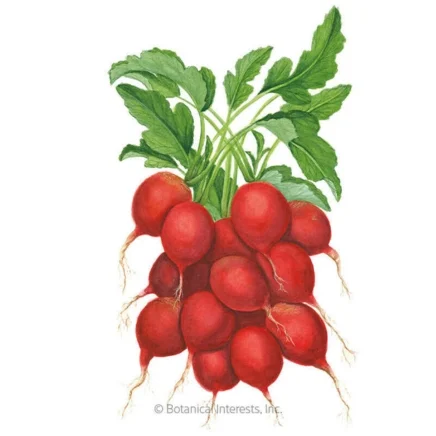
Cherry Belle Radish Seeds
‘Cherry Belle’ Radish
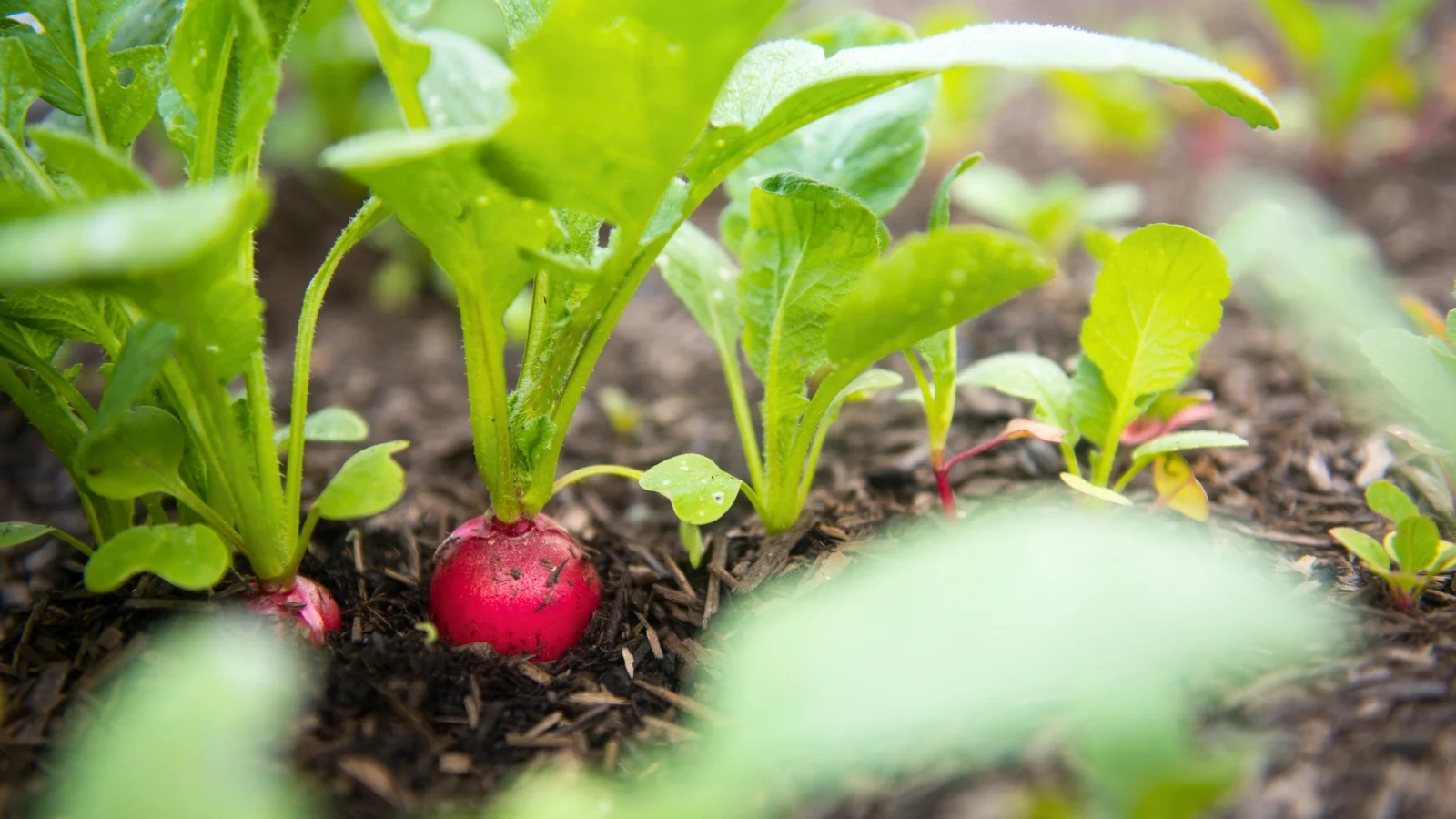 These small root crops mature quickly.
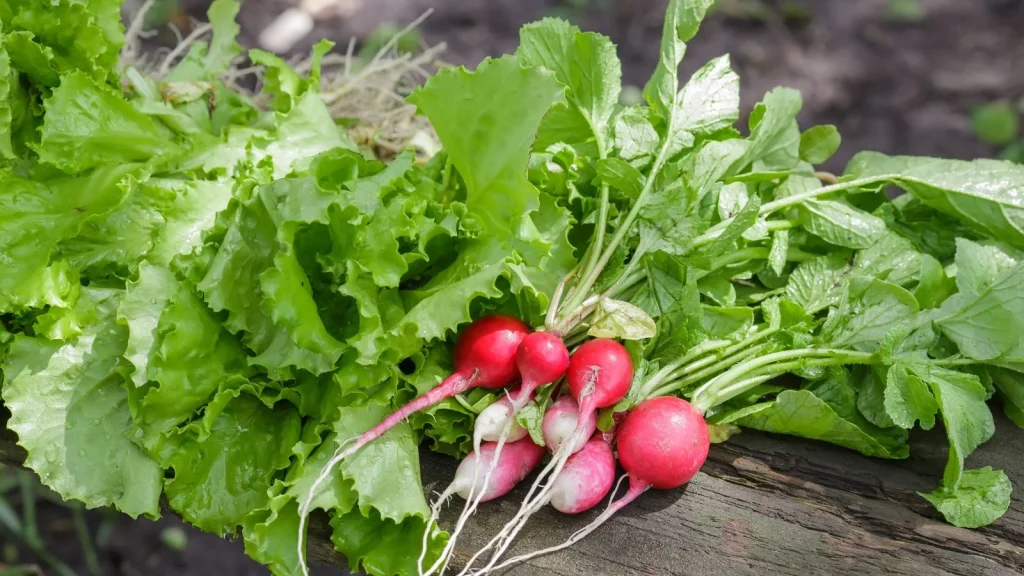
Radishes are the fastest vegetable you can grow, and ‘Cherry Belle’ is one of the quickest radishes. It matures in about three weeks.
Sow the seeds, thin the seedlings, and before the month is over, you’ll be pulling crisp, bright red roots out of the ground. It won an All-America Selections award in 1949, and it’s still one of the most widely grown radish varieties for a reason.
Radishes prefer cool weather and will bolt or turn unpleasant in heat, so spring and fall are the best windows. The most common mistake is leaving them in the ground too long. At three weeks, the flavor is mild and the texture is crunchy, so harvest these vegetables well before 60 days.
‘Vivian’ Romaine Lettuce
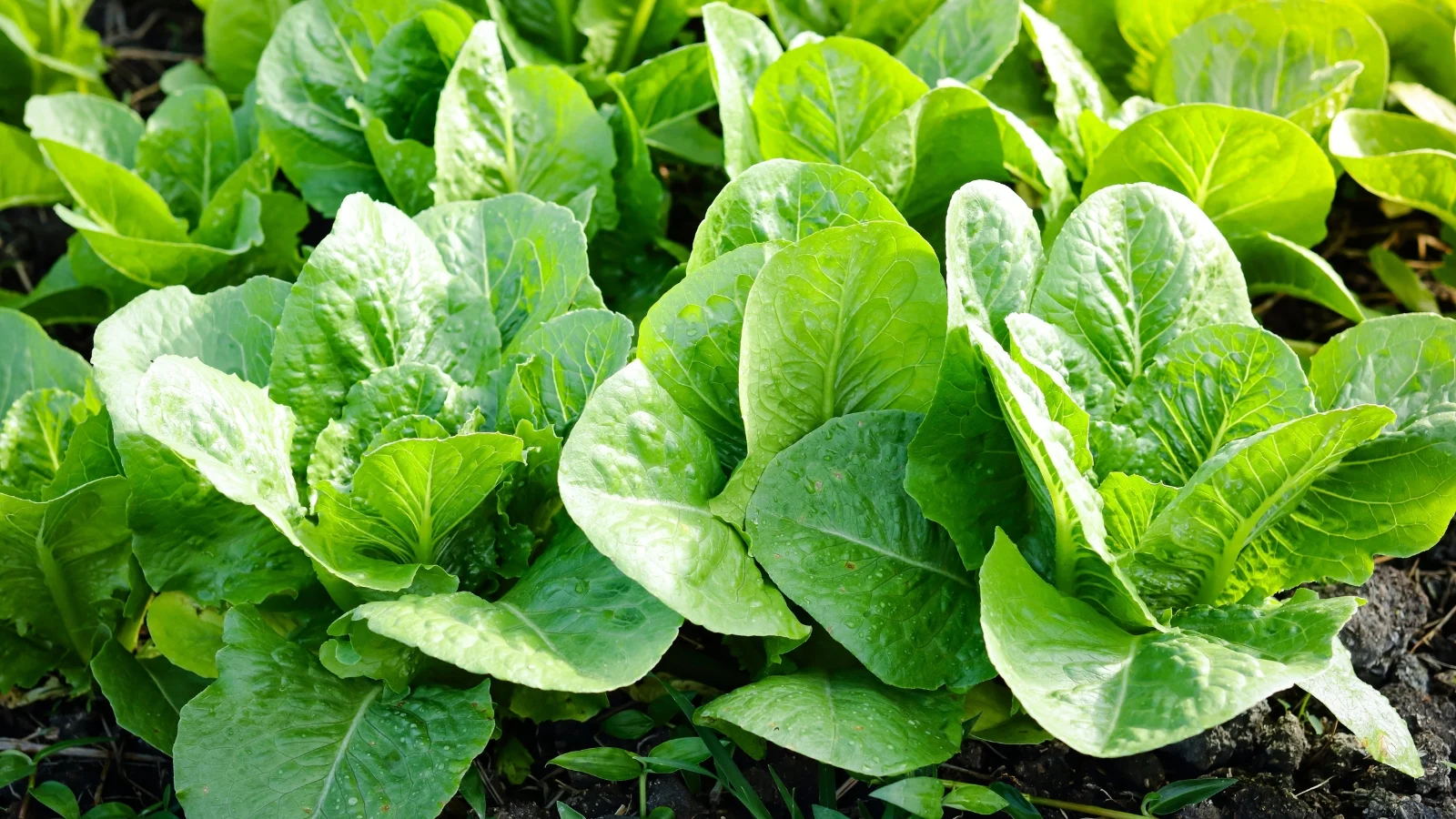 These vegetables are ready to harvest in just under 60 days.
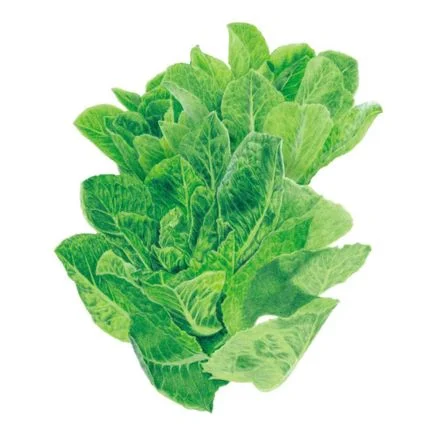
Most lettuce can be harvested as baby greens well before the plant reaches full maturity, but ‘Vivian’ is one that matures early, too. You can start picking tender leaves in about four weeks, or let the heads fill out for a full-sized romaine in about 50 days.
Sow directly outdoors two to four weeks before your last frost. Press the seeds into the soil surface rather than burying them, as lettuce needs light to germinate. Keep the bed moist until they sprout, which should only take about a week.
The heads grow tall (up to 16 inches) with crisp, tightly wrapped leaves that work well for salads, wraps, and sandwiches. Succession sow every few weeks for a continuous harvest.
‘Cascadia’ Snap Peas
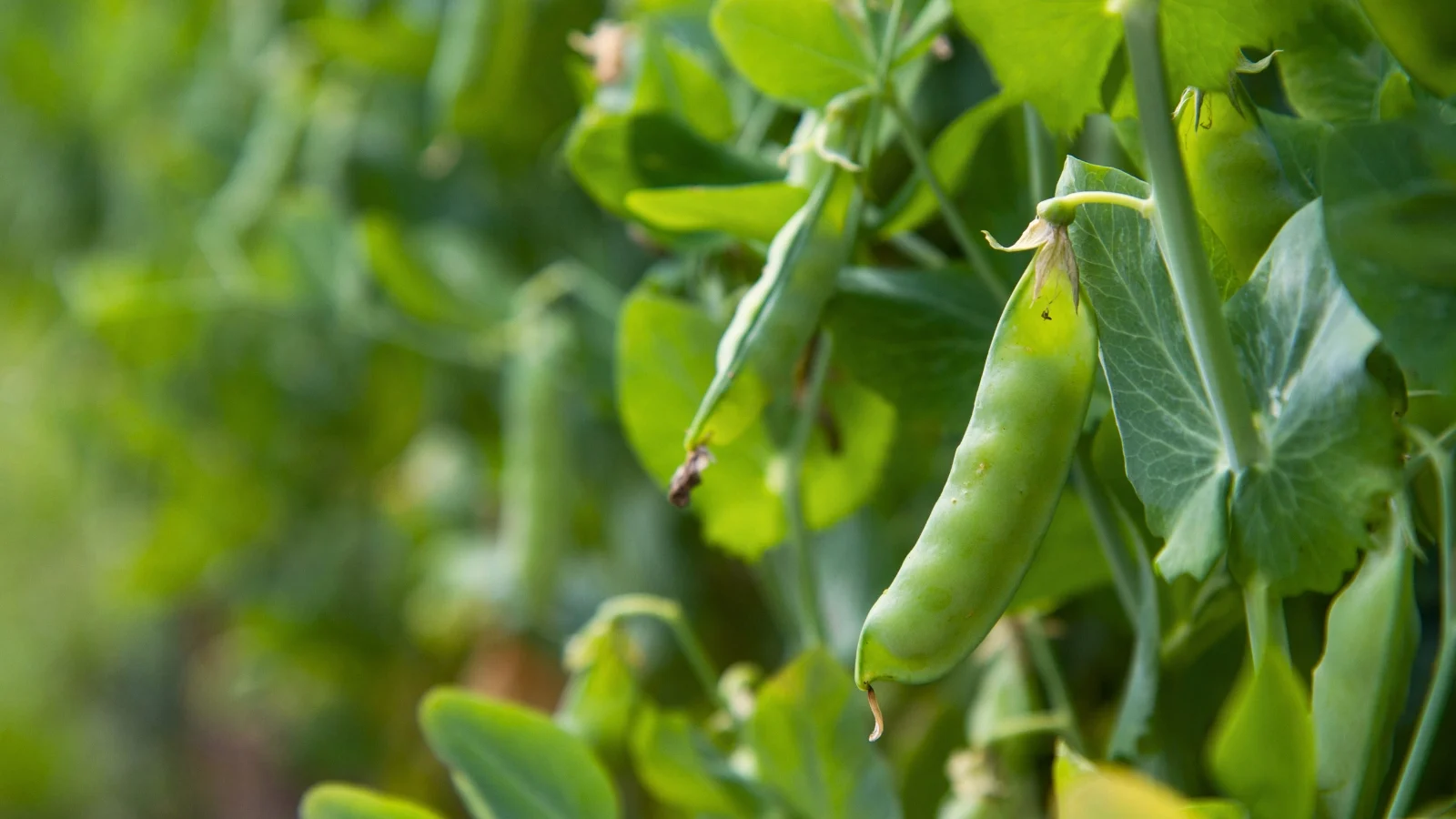 The pods are delicious fresh or cooked.
‘Cascadia’ produces three-inch pods that are as good raw as they are cooked. The vines are compact, topping out at about 30 inches, which means they don’t necessarily need a trellis (though a short one helps keep them tidy). These vegetables are ready to harvest in about 58 days from direct sowing, just meeting the cutoff for this list.
Sow four to six weeks before your last frost, about an inch deep. Peas are frost-tolerant and prefer cool weather, so getting them in early extends the harvest window. They stop producing once temperatures consistently hit the 80s, so in most climates, the earlier you plant, the more you’ll get.
‘Cascadia’ is resistant to powdery mildew and mosaic virus, which are two of the more common problems that shorten the pea season. Pick the pods when they’re plump and filled out for the sweetest flavor.
‘Quick Snack’ Cucumber
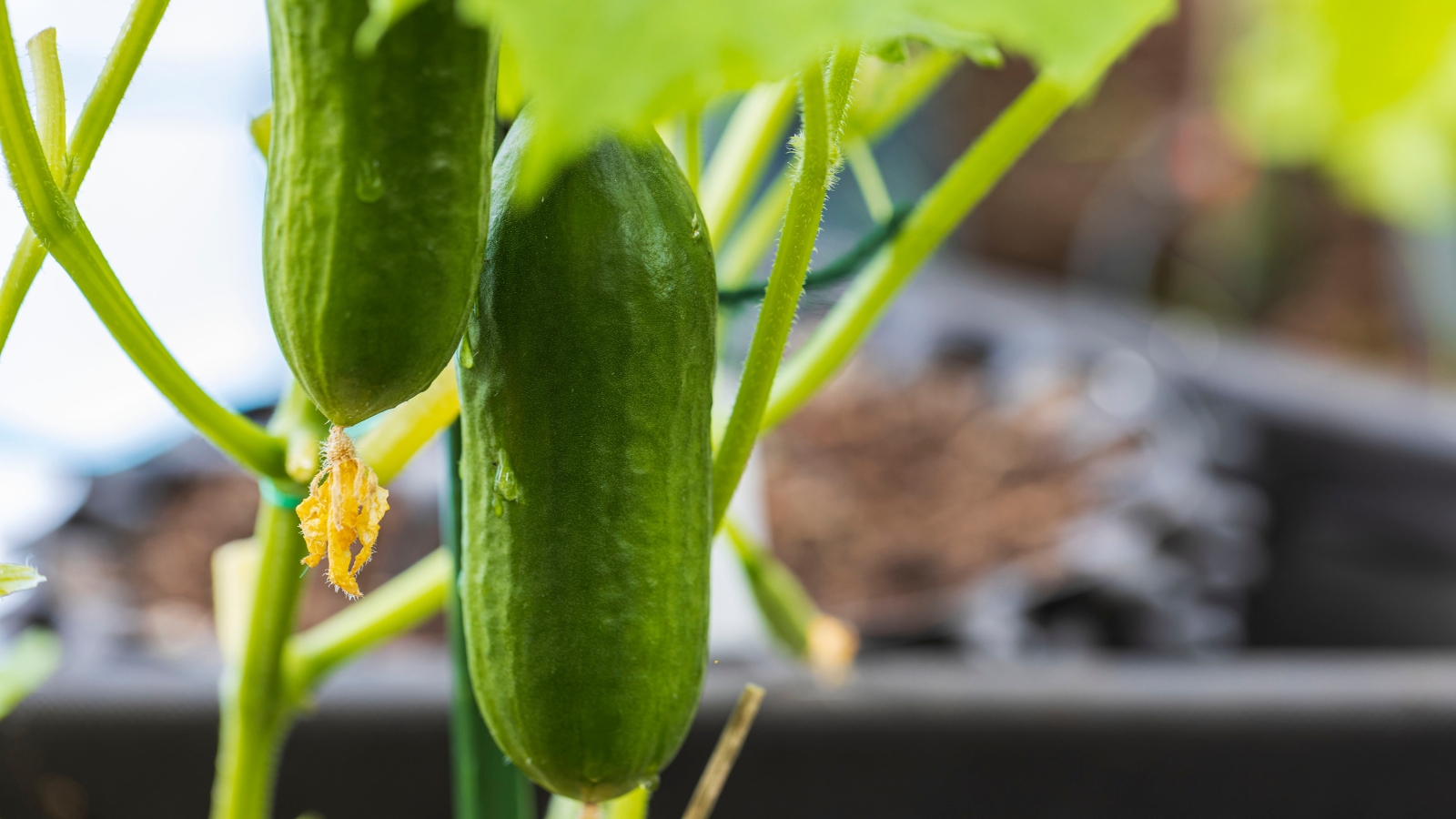 These compact vegetables are ready to harvest within 60 days.
This is a compact cucumber specifically for containers, and it matures in about 40 days. The fruits are cocktail-sized (about two inches long), dark green, sweet, and never bitter.
‘Quick Snack’ is parthenocarpic, meaning it sets fruit without pollination. This makes it reliable for indoor growing, balconies, and anywhere pollinators might not visit consistently.
Sow directly into pots from early spring through early fall. It does best in a sheltered spot, though it can also be grown outside after your last frost. A small trellis or tomato cage gives the vine something to climb and keeps the fruit off the soil.
‘Patio Choice’ Cherry Tomato
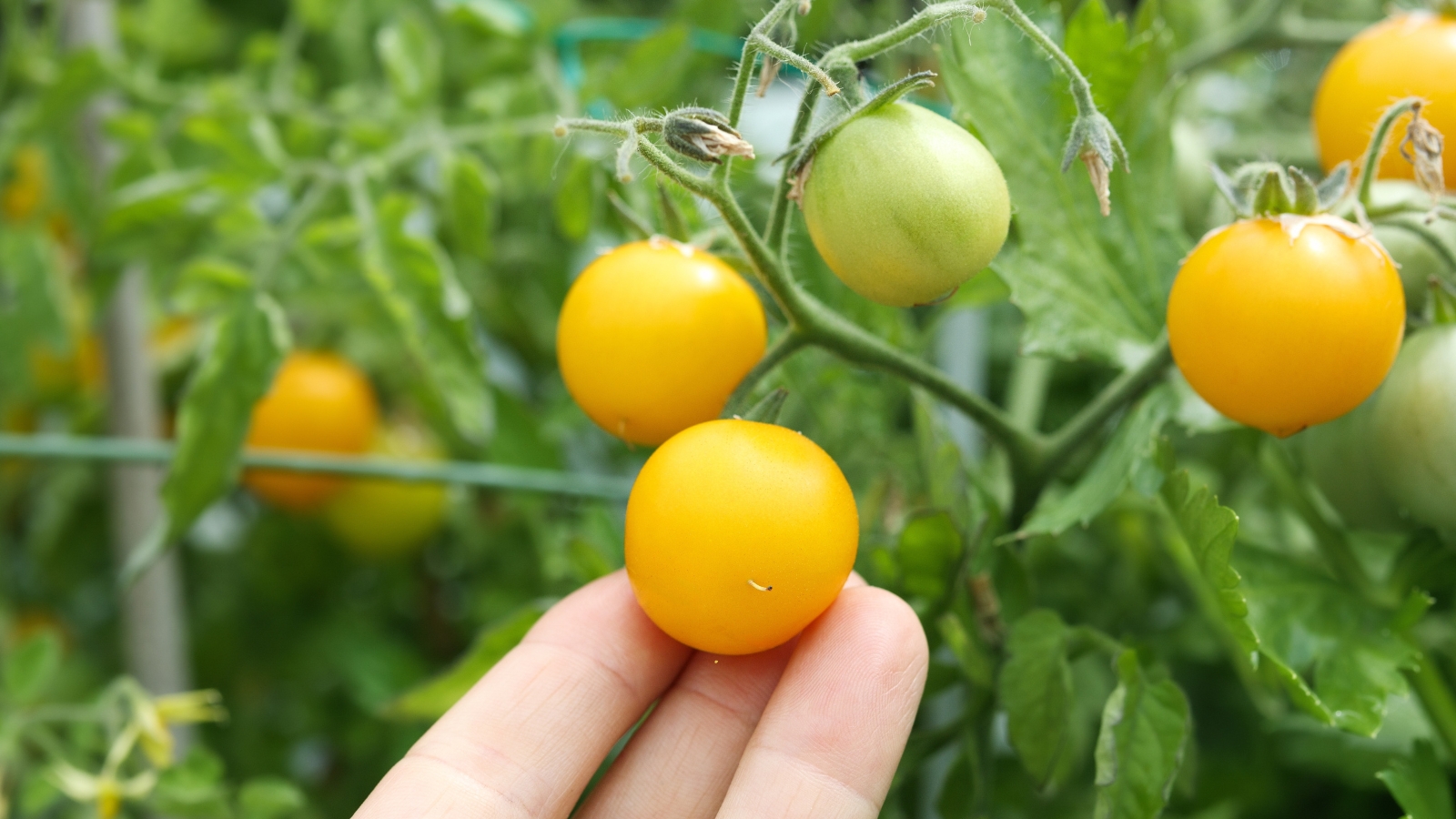 Pick delicious yellow tomatoes 45 days after transplanting.
Tomatoes aren’t usually thought of as fast crops, but compact cherry varieties can produce ripe fruit surprisingly quickly. ‘Patio Choice Yellow’ is a determinate type that matures in about 45 days from transplant. They’ll be at seedling stage for a while before that, but this is one of the fastest-maturing tomatoes you can grow, which is why I’ve included it here.
The plants stay small (about 18 inches tall and wide). That makes them well-suited to containers, hanging baskets, or the edge of a raised bed where a full-sized tomato plant wouldn’t fit.
The bright yellow fruits are sweet and mild, and the plants tend to produce heavily over a concentrated period. ‘Patio Choice’ won an All-America Selections award in 2017 and has strong resistance to Fusarium wilt, Verticillium wilt, and tobacco mosaic virus, which means fewer problems and a more reliable crop for the amount of space it takes up.
Seed harvest days comes up here to connect ideas for clarity.
A short mention of Seed harvest days helps readers follow the flow.