Kirstenbosch national botanical. A brief context to set expectations.
Kirstenbosch national botanical: Quick notes
Happy Monday GPODers!
A couple of weeks ago we were still traveling across the globe thanks to a rush of fabulous “GPOD on the Road” submissions. We explored a castle garden in Scotland, Japanese gardens during peak fall foliage, as well as a few fantastic public gardens in North America. But the submission that got everyone buzzing in the comments was a handful of photos that Caroline Crolley from Yakima, Washington shared of her trip to Kirstenbosch National Botanical Gardens in Cape Town, South Africa (Check out Part 1, if you missed it).
Thankfully for us, Caroline had sent in several more photos from her visit—I just had to dig them out of the Garden Photo of the Day spam folder! Better late than never, here is the second half of Caroline’s incredible submission, which feature many more fascinating plants and stunning scenes from this world-renowned botanical destination.
The bird of paradise (Strelitzia reginae, Zones 10–12) is popular in tropical gardens around the world, but I had no idea they are native to South Africa. They grow wild on the eastern cape.
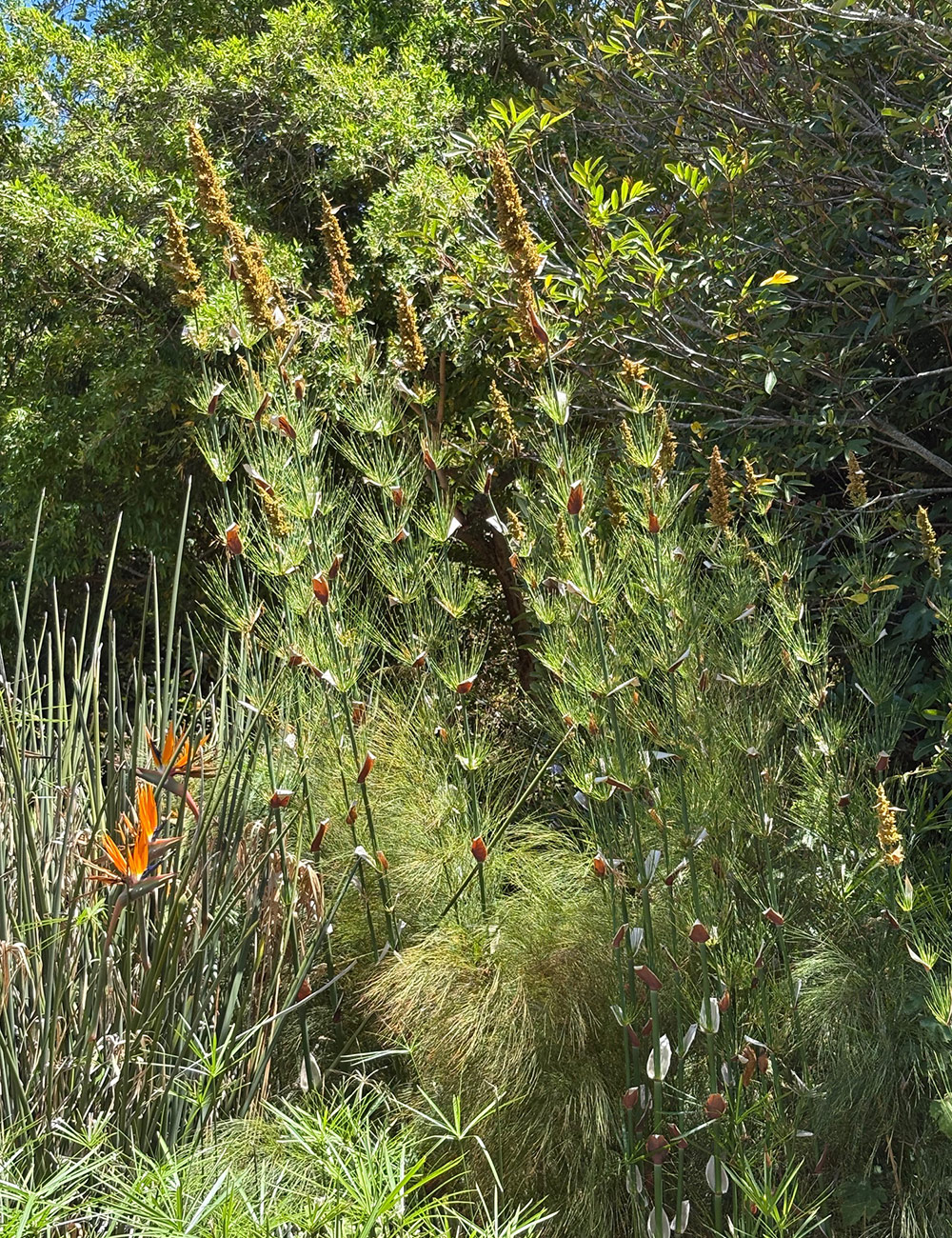 Horsetail restio (Elegia capensis, Zones 9–11) is a grass-like perennial that combines the vertical interest of plants like bamboo with tufts of needle-like leaves that give it a fascinating texture.
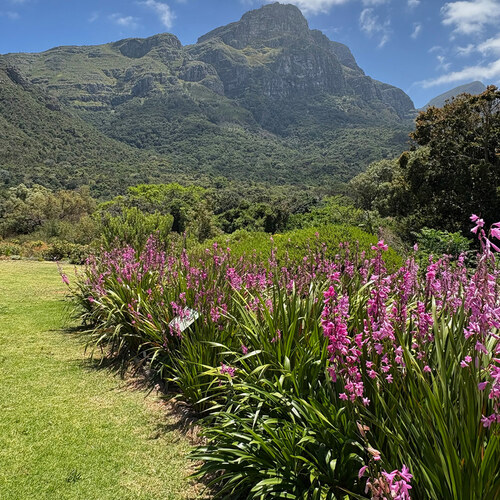
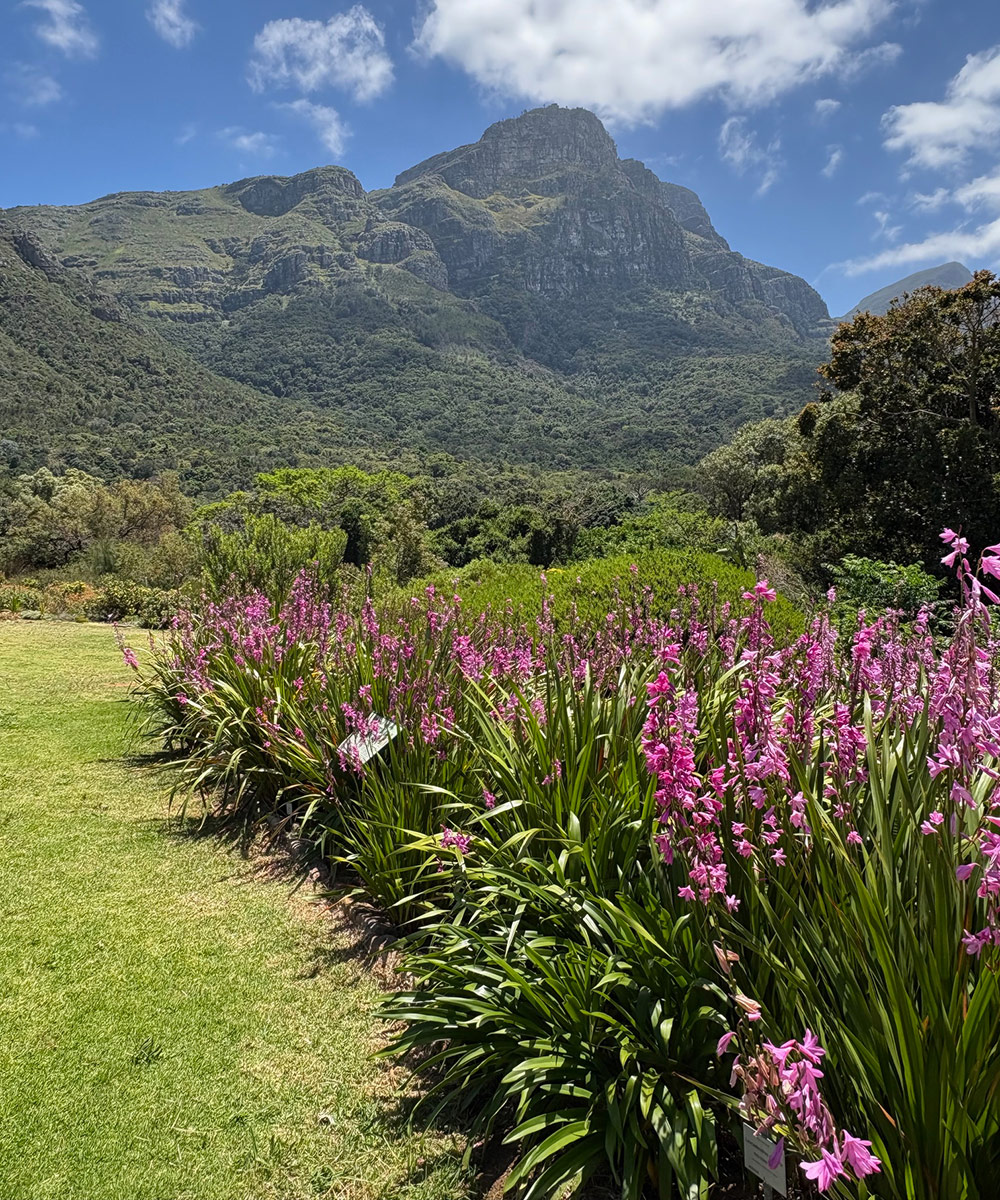 Part of a huge border of watsonias.
 Another view of the watsonia border overlooking Cape Town and the Atlantic Ocean in the distance.
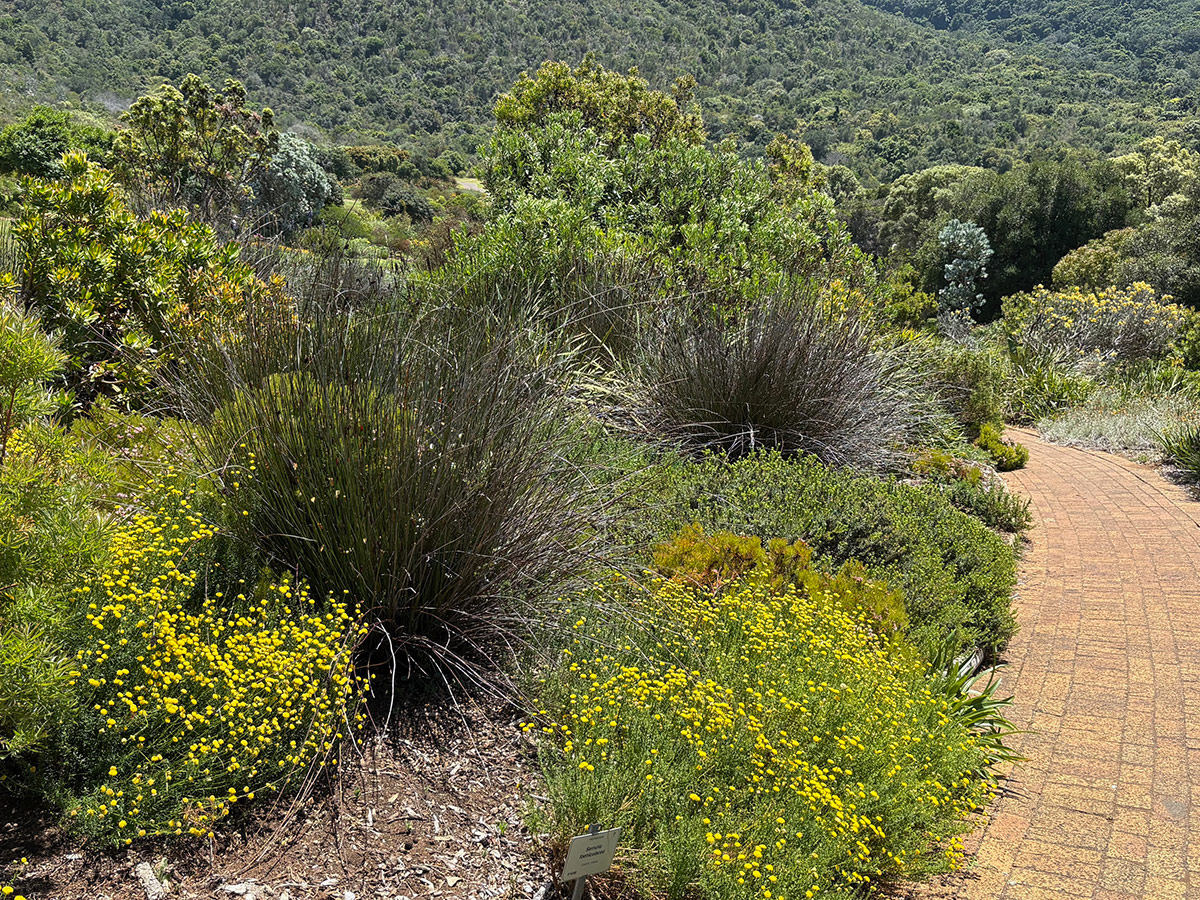 More restios, these ones I believe are large Cape rush (Chondropetalum elephantinum, Zones 8–10).
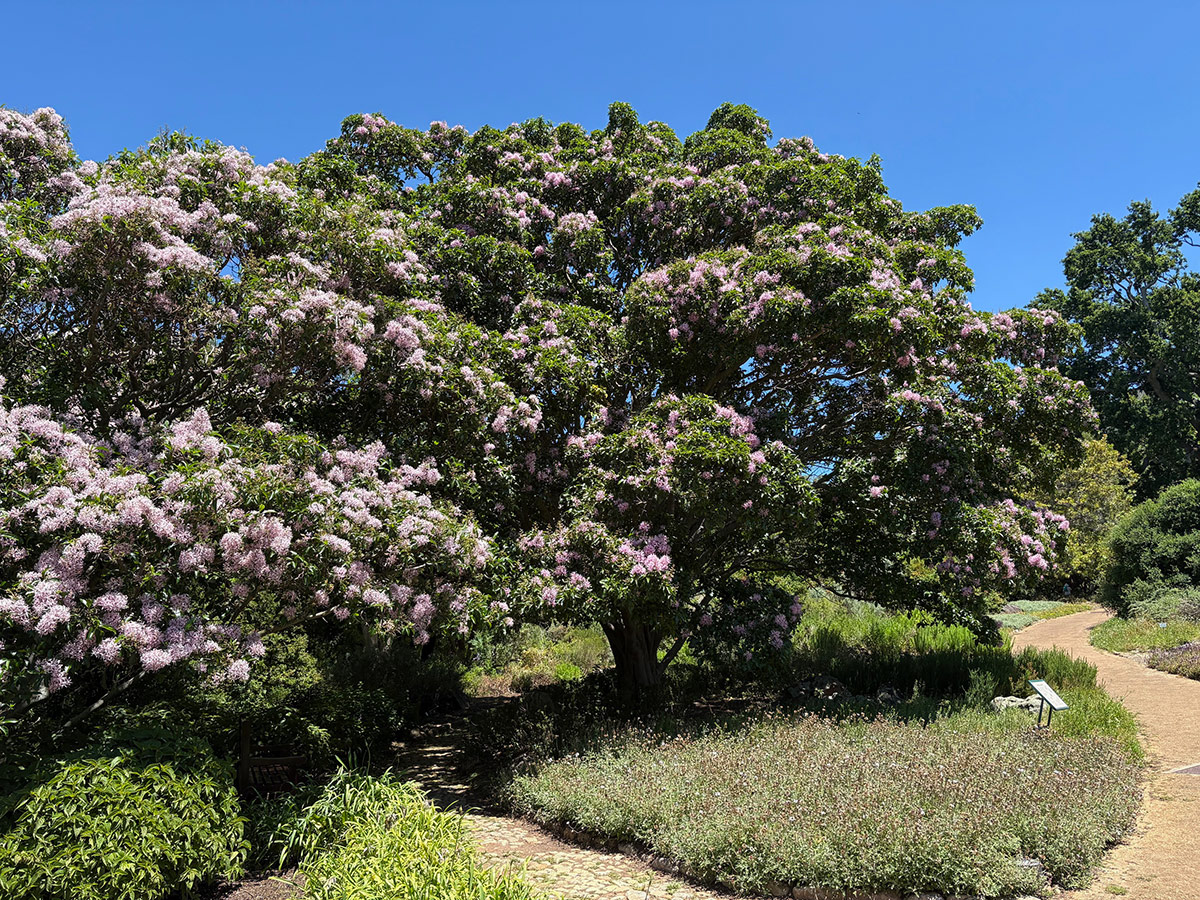 Cape chestnut trees (Calodendrum capense, Zones 9–11) in full bloom. It’s not actually a chestnut tree at all, but related to citrus. It grows throughout southern and eastern Africa.
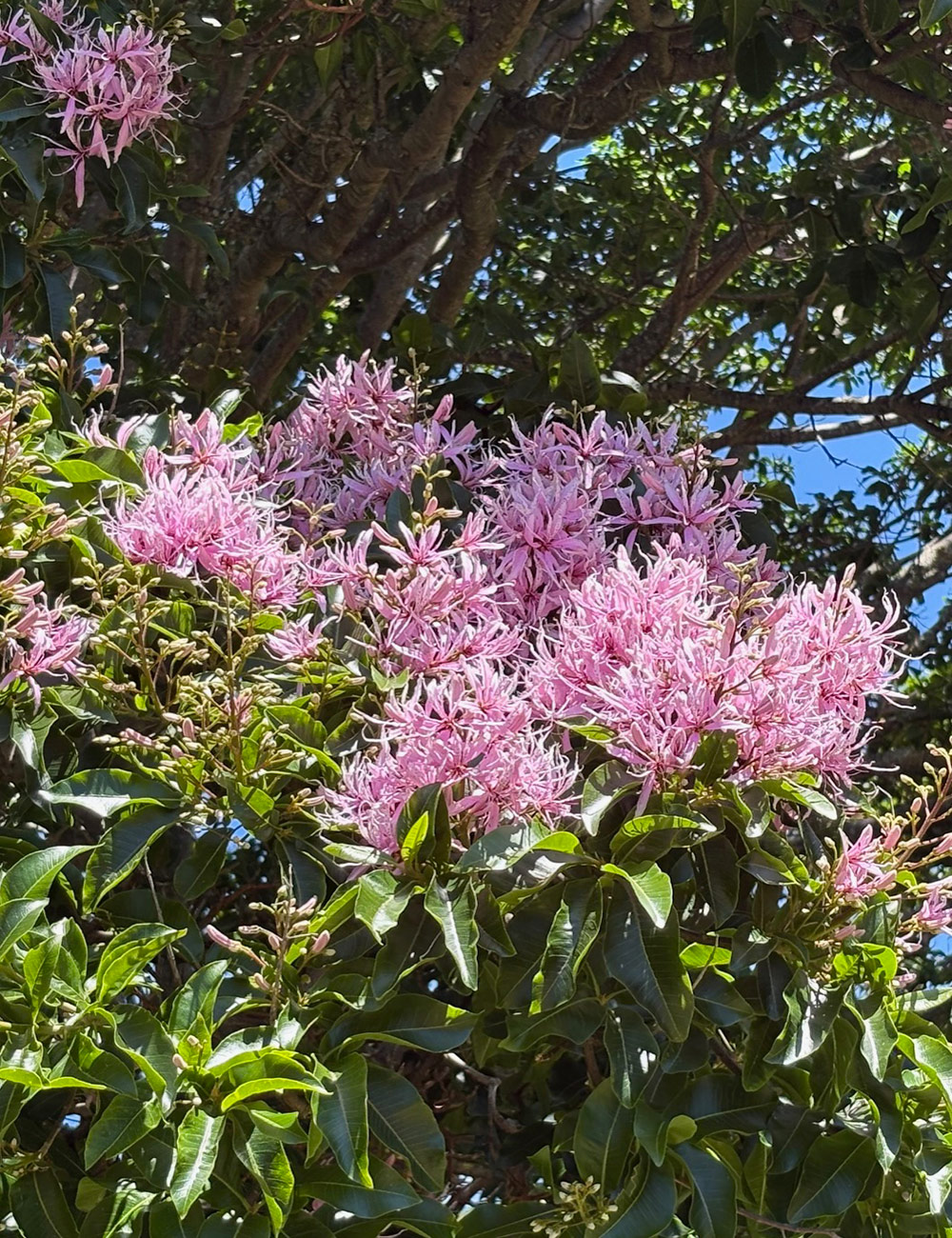 Close up of blossoms
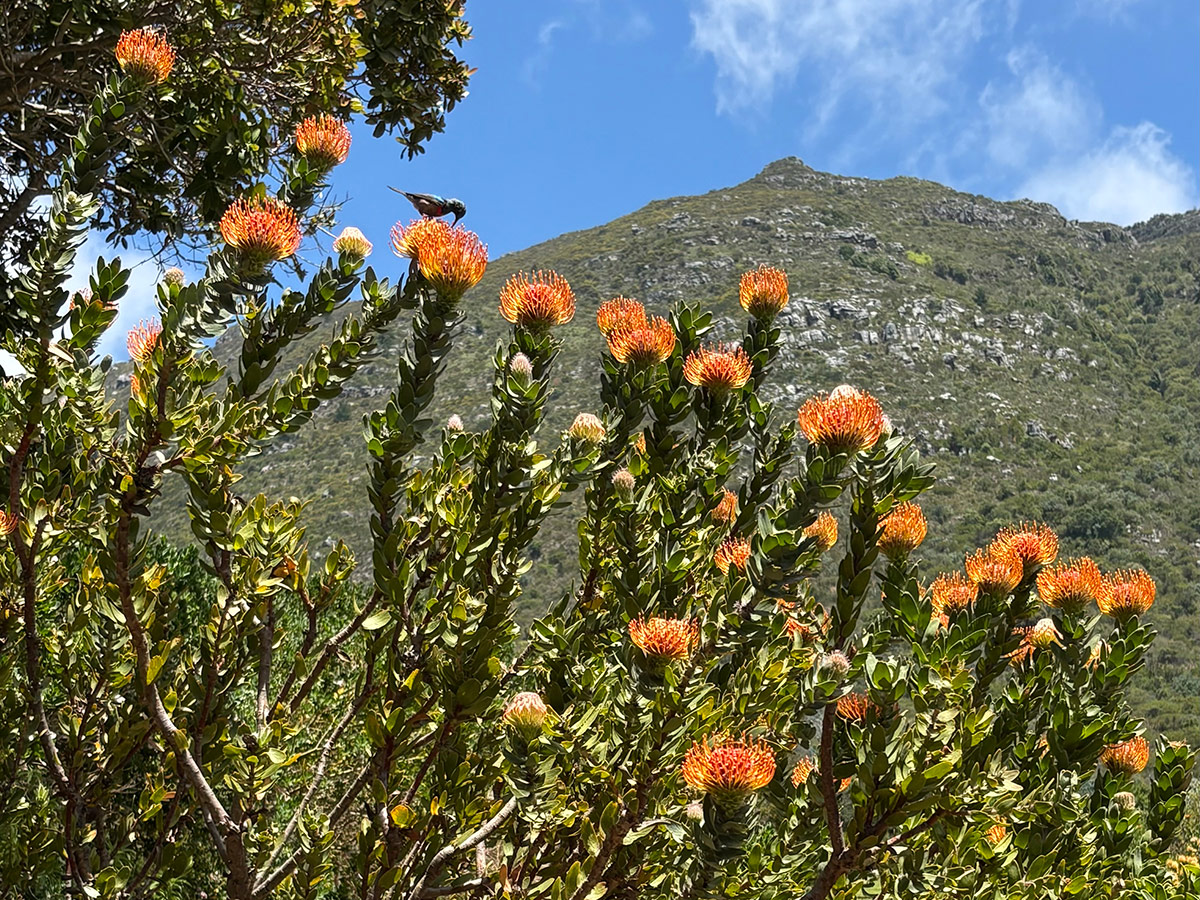 A pincushion protea (Leucospermum vestitum, Zones 9–11) being visited by a suncatcher, a pollinator which closely resembles a hummingbird.
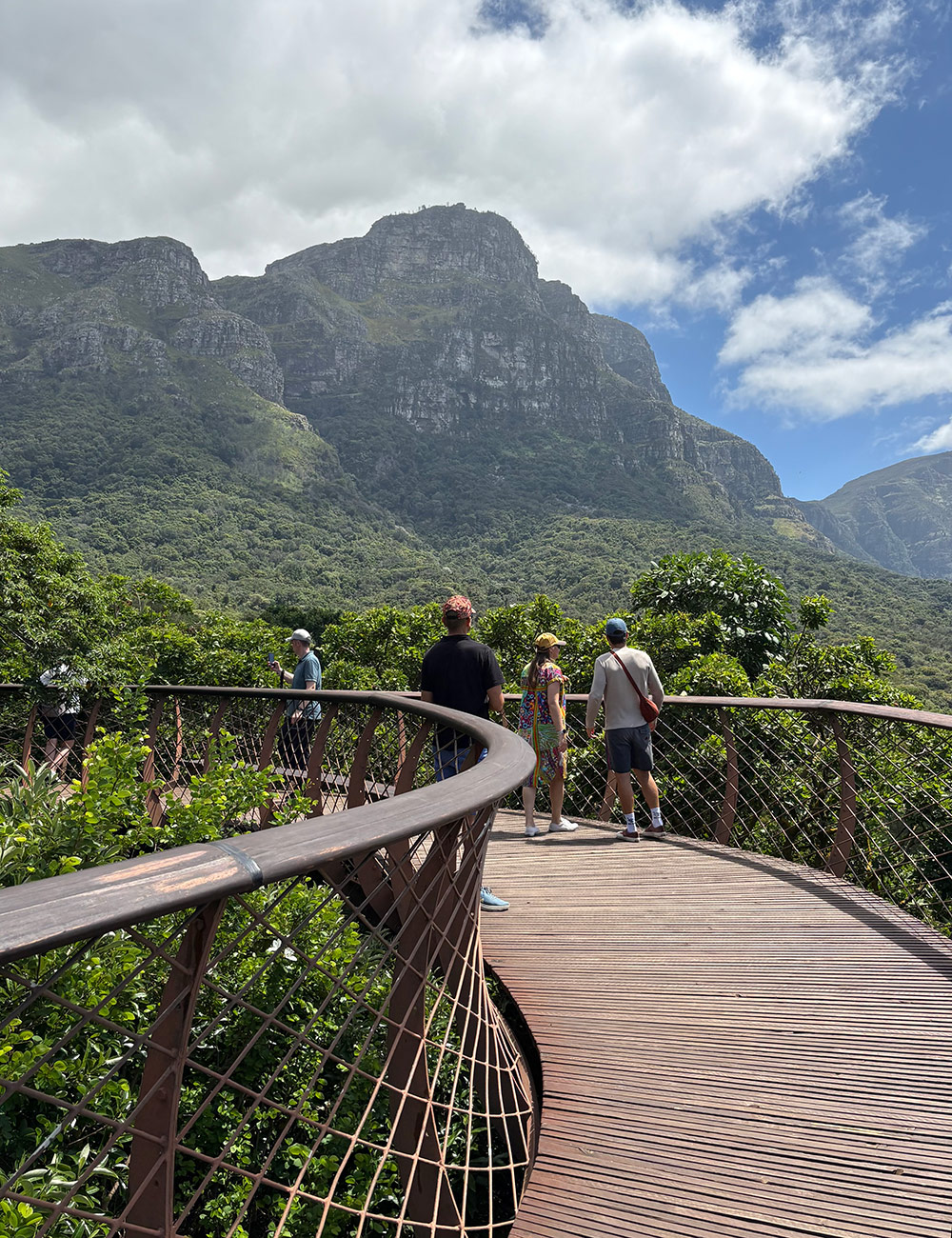 The tree canopy walkway is a treat! I was impressed by its length. It seemed to go on and on, but I didn’t want it to end. It was so much fun, that when I finally got to the end, I turned around and did it again.
Thank you so much, again, for sharing this incredible trip and your stunning plant photography with us, Caroline! I cannot wait to see what magical gardens you share with us next.
Spring is the perfect time to get out to your local botanical garden, or make plans for garden travel later in the year. If you have visited a public garden that you think fellow GPODers should travel to, consider submitting your photos to be featured on the blog. Follow the directions below to submit your photos to Garden Photo of the Day!
We want to see YOUR garden!
Have photos to share? We’d love to see your garden, a particular collection of plants you love, or a wonderful garden you had the chance to visit!
To submit, fill out the Garden Photo of the Day Submission Form.
You can also send 5–10 photos to [email protected] along with some information about the plants in the pictures and where you took the photos. We’d love to hear where you are located, how long you’ve been gardening, successes you are proud of, failures you learned from, hopes for the future, favorite plants, or funny stories from your garden.
Do you receive the GPOD by email yet? Sign up here
Fine Gardening Recommended Products
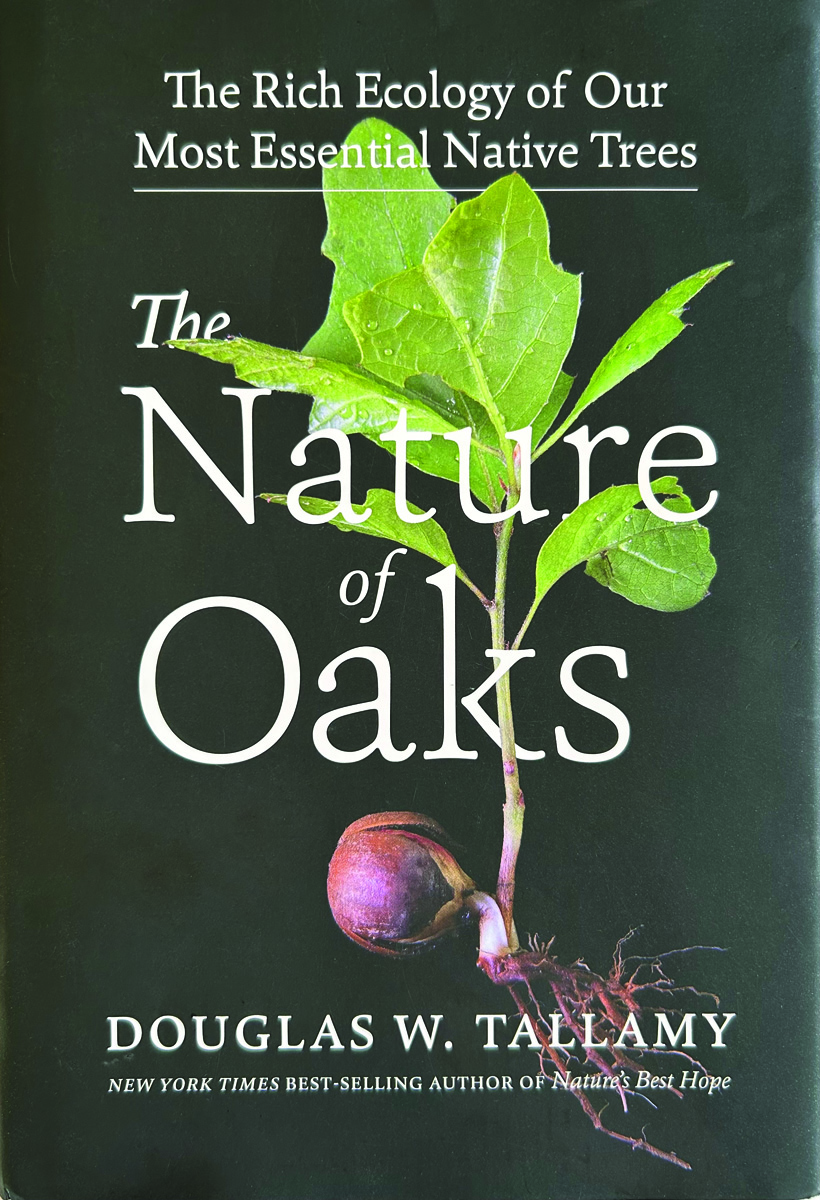
The Nature of Oaks: The Rich Ecology of Our Most Essential Native Trees
Fine Gardening receives a commission for items purchased through links on this site, including Amazon Associates and other affiliate advertising programs.
The Nature of Oaks reveals what is going on in oak trees month by month, highlighting the seasonal cycles of life, death, and renewal. From woodpeckers who collect and store hundreds of acorns for sustenance to the beauty of jewel caterpillars, Doug Tallamy illuminates and celebrates the wonders that occur right in our own backyards. He also shares practical advice about how to plant and care for an oak, along with information about the best oak species for your area.

ARS Telescoping Long Reach Pruner
Fine Gardening receives a commission for items purchased through links on this site, including Amazon Associates and other affiliate advertising programs.
Telescopes from 4 to 7′. Cut and Hold (160) Blades. Drop forged blades for unsurpassed long lasting sharpness. Lightweight, 2.3 lbs., for continued use. Perfectly balanced for easy pruning.

DeWalt Variable-Speed Cordless Reciprocating Saw with 6-Piece Saw Blade Set
Fine Gardening receives a commission for items purchased through links on this site, including Amazon Associates and other affiliate advertising programs.
You can fit a variety of blades to this saw to cut fallen branches or prune larger limbs from trees in a pinch. It’s fast, tough, easy to use, and extremely versatile.
– 18.31 x 6.13 x 4 inches
– 1-1/8-inch stroke length
– Variable speed trigger with 0-3000 spm
– DW4856 Metal/Woodcutting Reciprocating Saw Blade Set, 6-Piece
We reference Kirstenbosch national botanical briefly to keep the thread coherent.
Kirstenbosch national botanical comes up here to connect ideas for clarity.