
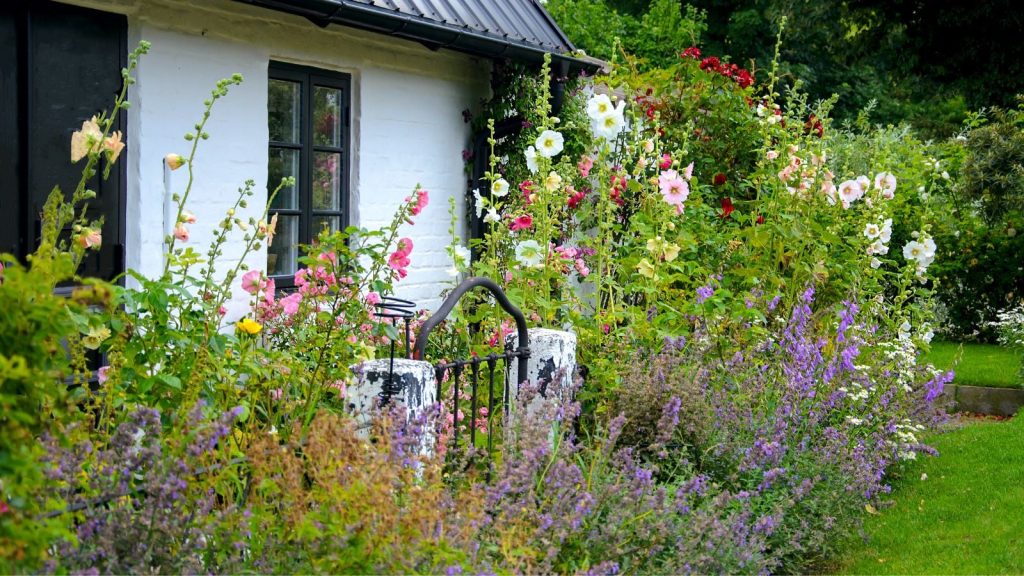
Grow cottage garden. A brief context to set expectations.
Grow cottage garden: Quick notes
For a cottage garden, shade is no issue. Having sheltered spaces to sit and enjoy is right in line with the ethos that was present in the late 17th century. The origins of cottage gardens go back centuries, though.
The cottage garden tends to be full of perennials planted informally, and today’s cottage gardens focus on ornamentals. In the 1400s, the focus was on edibles and medicinals that would feed and heal people who lived on feudal lands. The shift to ornamentals occurred when markets became the premier space for food acquisition.
You can design your garden any way you like, with a focus on ornamentals, edibles, or even wild plants. The basic elements of a cottage garden are the plants (of course), which range from perennial borders to climbing vines. Each one incorporates small hardscaping features, such as pathways and sitting areas. Bird baths and feeders aren’t uncommon. If you’re unsure where to start in a shady space, though, we’ve got you covered!
Tilt-a-Swirl® Hydrangea
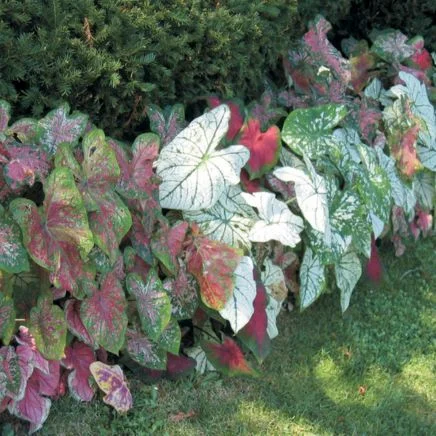
Caladium Bulbs Mix
Non-Stop Begonia Bulbs Mix
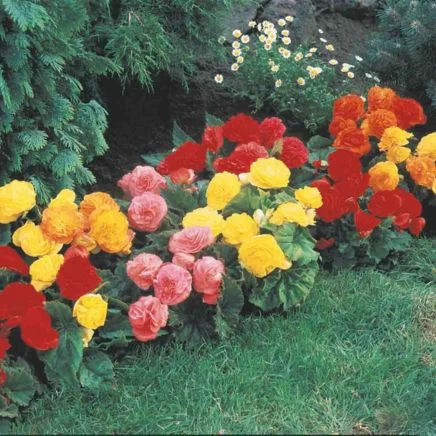
Non-Stop Begonia Bulbs Mix
Assess the Space
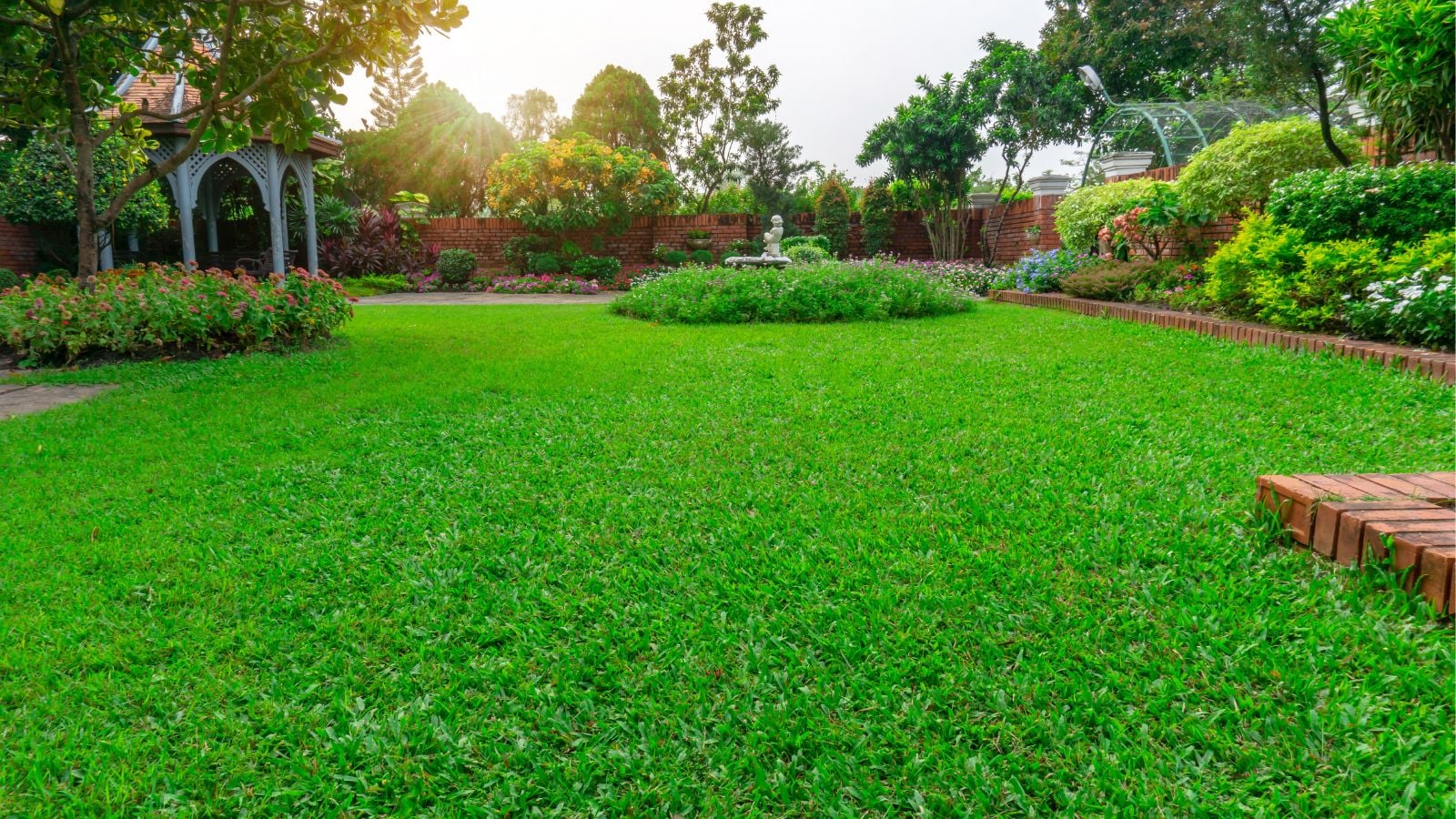 Work with the amount of space you can easily use.
Begin with the basics. Look at the amount of space you have. Then consider your soil type. If you’re in an area with heavy clay, you’ll need to amend your soil or grow plants adapted to that. The same goes for sandy soil, humusy soil, or even loamy soil. It often makes sense to plant natives that fit into the landscape naturally.
Think about the slope of your garden. If you have sharp inclines, it may make sense to include small trees and groundcover that stabilize the soil and prevent erosion. Another important consideration is what plants are already there. Think about what will flow with the existing trees and shrubs, or decide whether or not you’ll remove or relocate existing vegetation.
Of course, with this cottage garden, shade is the predominant light condition, but knowing what kind of shade is important. Do you have dappled sunlight coming through trees, or is the entire space in full shade all day? Is there morning sun and afternoon shade, or the reverse? Asking these questions gives you an idea of what kinds of plants fit there.
Start With Large Features
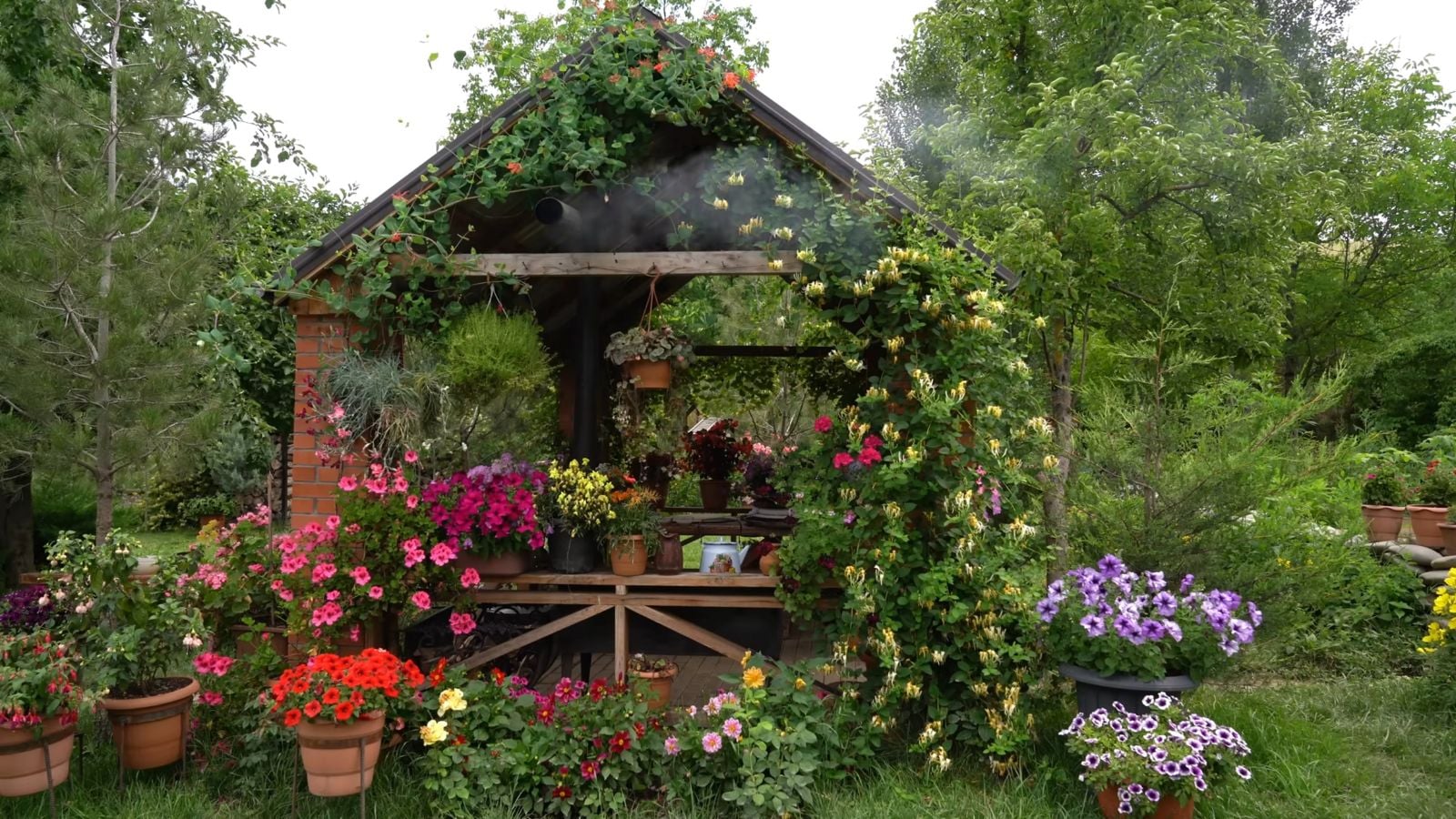 Decide on a few feature areas to build around.
If your garden already has select features installed, consider how to orient the garden around them. It doesn’t make sense to build a garden bed right over a large gazebo or on top of a stone bench. Instead, think about where beds will go based on these elements. This is especially important if you have a water feature or established pathways.
If you need to install a feature, do this before you plant your garden. Just as it doesn’t make a ton of sense to remove a large feature and plant a garden, the reverse is also true. If you want a pond, install a pond. If you want to have a cottage garden in raised beds, install your beds. Do these larger projects first so you can slowly enjoy your garden as it comes together, and without a fuss at that!
Consider Dimension
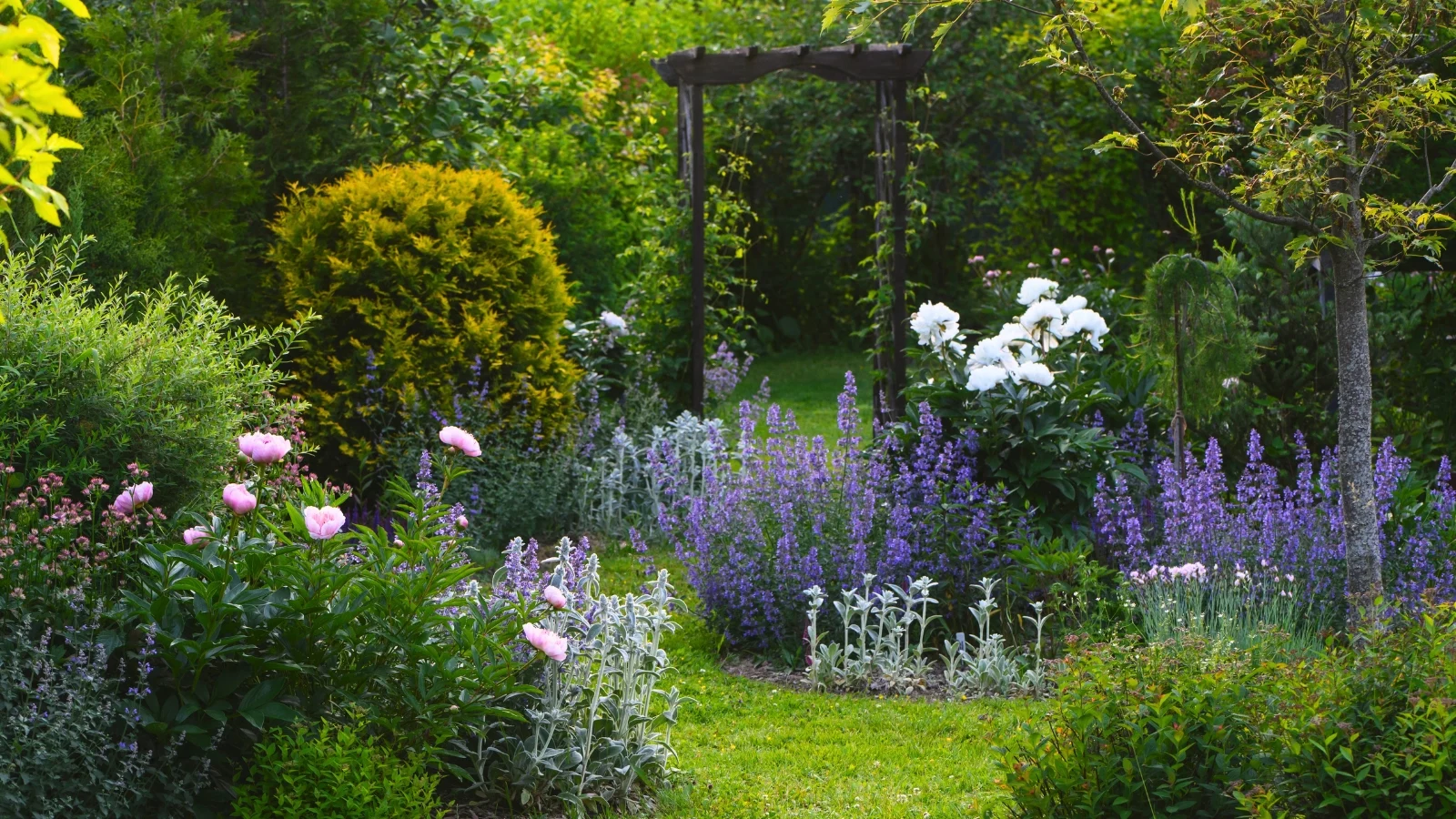 Choose plants with varying heights.
After you’ve put in your large features, it’s time to start planning the dimension. Generally, with cottage gardens, taller plants are planted at the back of a garden bed. In areas where you want to create a hedge, consider how high you’d like it to be.
Tiered dimension is one of the most important aspects of cottage gardening. If you can draw up a loose plan of your garden beds and make general shapes that indicate what size of plants you want in which areas, this will help you immensely as you get to the planting stage.
If you haven’t tried it yet, use our Epic Gardening Planner to assist you with this. It contains suggestions for plants you can include in your garden.
Plant
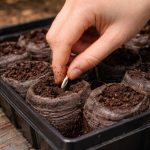
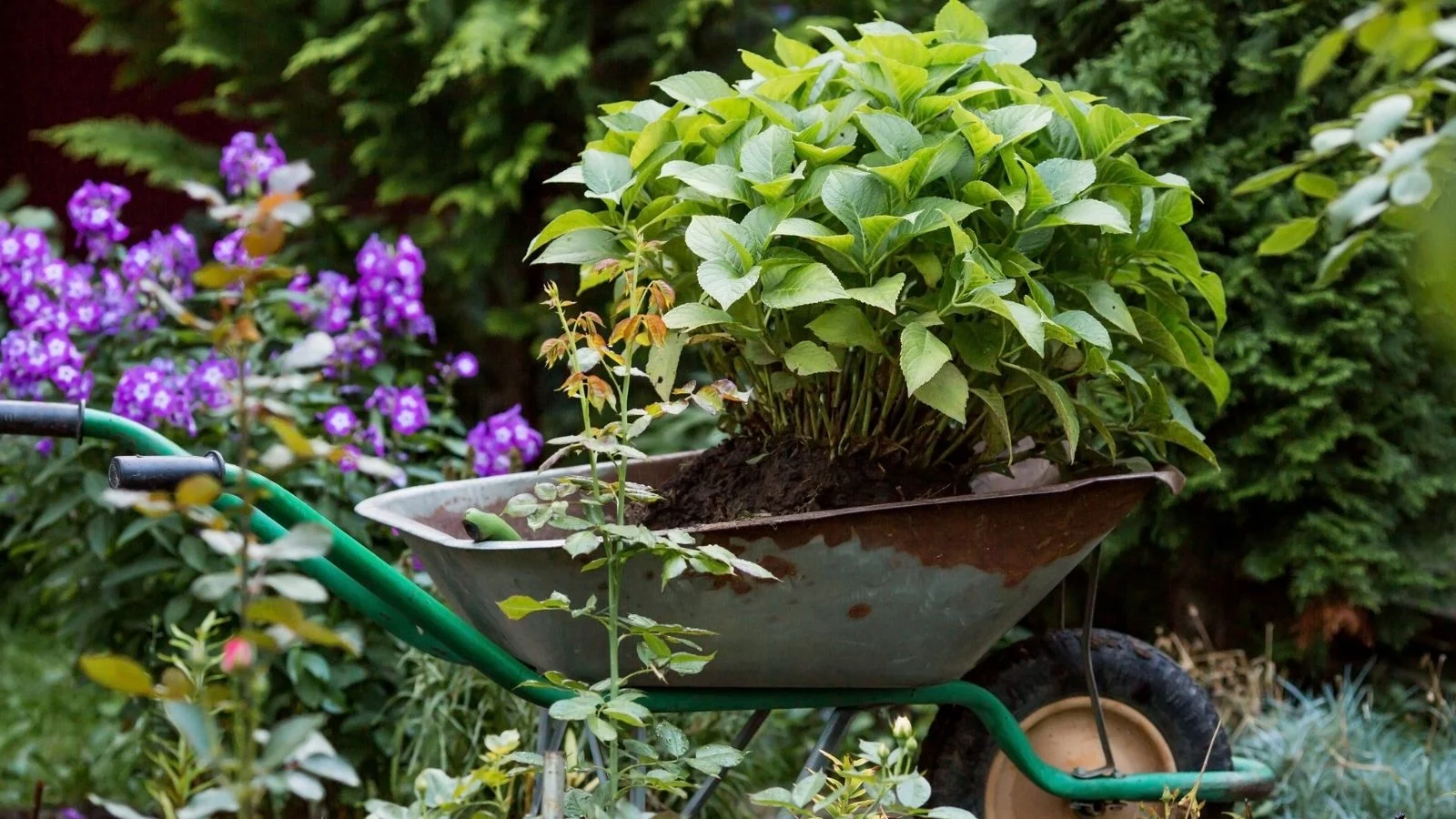 To save money, grow as much as you can from seed.
The most fun part of the process is planting your plants. Remember, for this cottage garden, shade is the key. You want to source plants that thrive in the shade. If you need to do some pruning of overhead trees to provide a little more light, do this before you get to the planting stage.
If you have the luxury of sourcing all your plants at once, take them in their nursery pots and position them where you’d like to plant them before actually doing so. Stand back and adjust them as needed. Then get to planting! Start with understory trees and large shrubs, then proceed to mid-sized perennials. Plant low growers last.
Seed annuals between your perennials, and include bulbs where appropriate. Use containers to fill in areas that you couldn’t dig into.
Follow Up
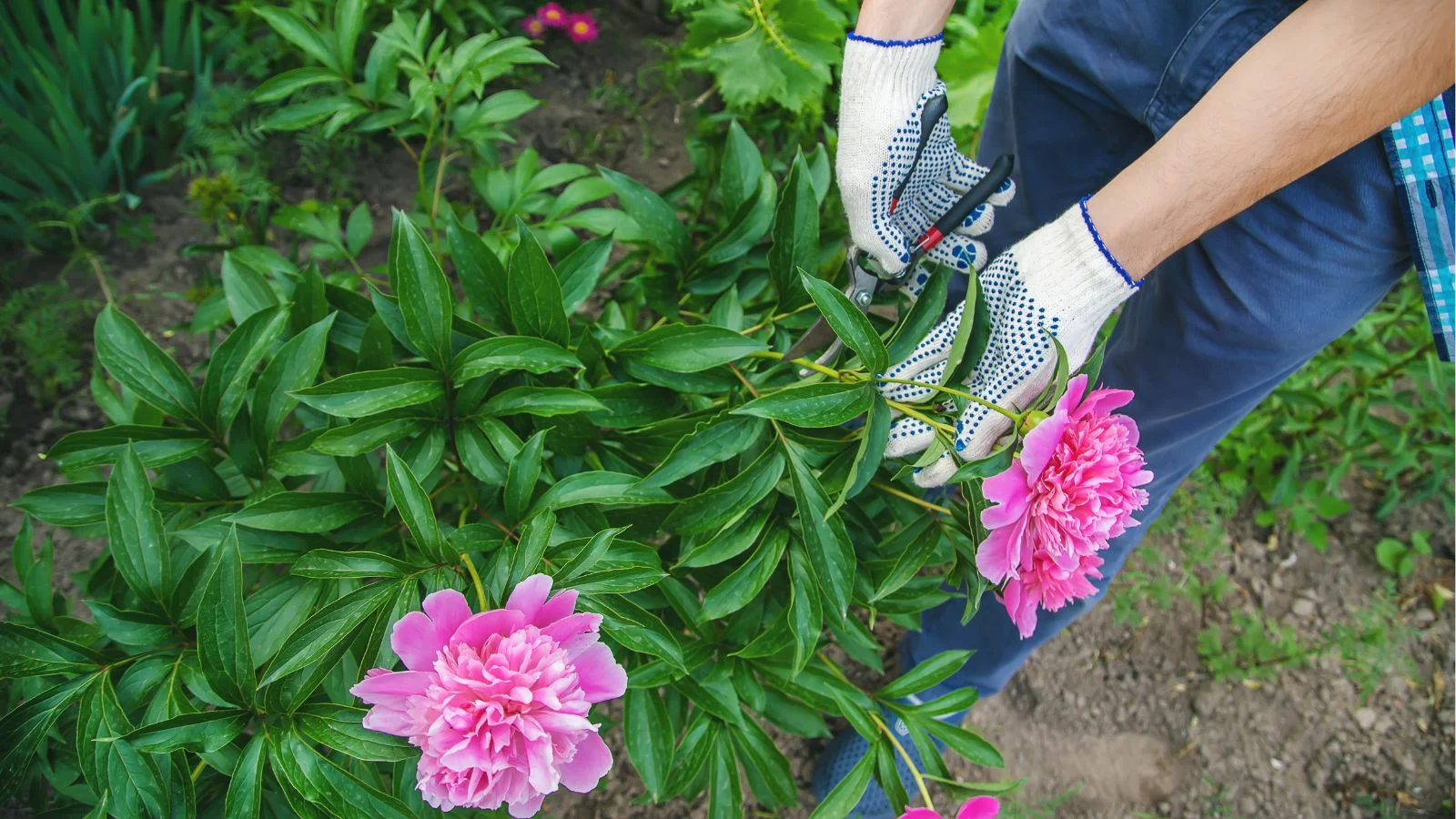 Keep up with maintenance to ensure your garden always looks good.
Because your cottage garden – shade or not – is mostly based on perennial plantings, after you plant, make a list of tasks that need to be done annually. Perennials often need pruning and preening to maintain their form and vigor. Herbaceous ones need dividing. Woody ones need reshaping. Annuals may need reseeding. Ponds need cleaning.
Having a task list handy for your shade garden will help you stay organized. If you noticed some plants needed a little more sun than the space could give them, move them to areas with more light, or prune larger plants to allow more light in where possible.
Have a place to dispose of garden debris, and remember to keep diseased plant material out of a compost pile or bin. Your space could be low-maintenance if you choose, so decide what kind of tasks you’re willing to do, and what you’ll leave out.
Key Takeaways
Now that you’ve taken time to design and plan your cottage garden, shade should be no issue for you or the plants you decide to grow. Remember:
A short mention of Grow cottage garden helps readers follow the flow.
We reference Grow cottage garden briefly to keep the thread coherent.
- Shade is a parameter, but it doesn’t stop you from growing a thriving garden.
- Take time to assess your space’s size, soil composition, water availability, and general slope before designing.
- Keep larger features in mind as you draw up a loose plan. Think about walkways, arbors, water features, etc., and design around these.
- Before you choose plants, consider the dimensions of the plants you want to include, and how you’ll orient them. Sketch each bed to guide your plant choices.
- Pick your plants, and plant them starting from the largest ones to the smallest ones. Then follow up with any annual seeds and containers needed to fill in areas.












Tiny tip — Looks inviting — I want to try it out. Saving it.
Small note • I adore the colors here; feels really cozy. Saving it.
Quick thought – Nice take on “How to Grow a Cottage Garden in the Shad” — I’ll try that soon.