
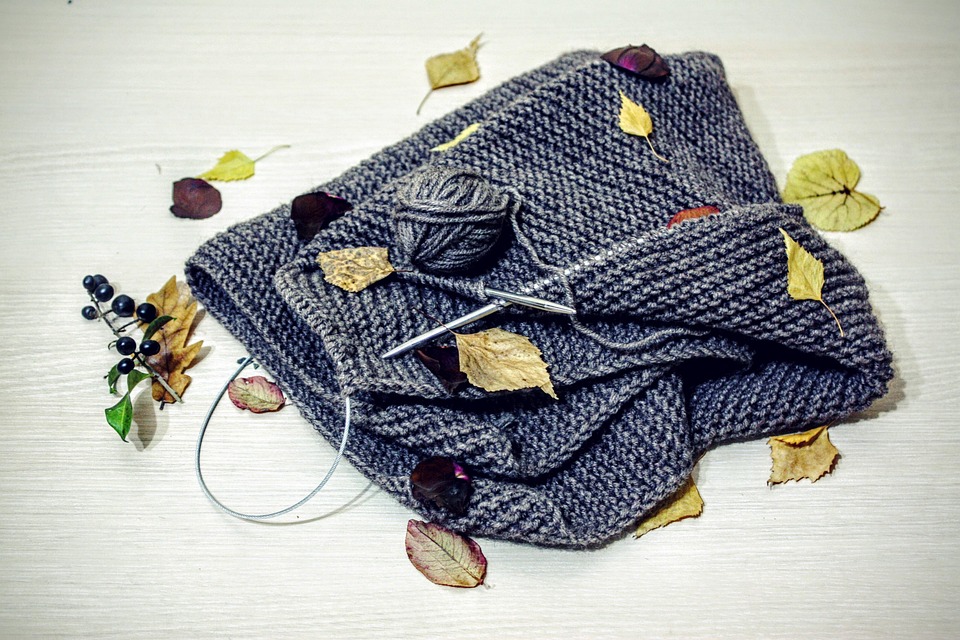
The forest floor hums with secrets, a tapestry woven from fallen leaves, moss-kissed stones, and the faintest traces of life beneath the soil. To wander there is to listen for the whispers of Nature Crafts—a language of rustling twigs, crumbling petals, and the quiet promise of renewal. This guide is an invitation to pause, to craft with intention, and to let the earth’s quiet wisdom shape your hands and heart. Let us wander through the seasons, gather treasures, and create spaces where peace and purpose intertwine.
Seasonal Context: The Rhythm of Nature Crafts
Autumn’s breath carries the first whispers of transformation. Leaves curl in gold and crimson, their edges brittle yet alive with the faint scent of decay that sustains the soil. Here, Nature Crafts begin—not with haste, but with reverence. A single maple leaf, caught in the gutter’s mouth, becomes a vessel for wonder. Gather acorns when the breeze turns mischievous; they are tiny worlds, waiting to unfold in miniature ecosystems. The dying garden’s bones—twisted branches, weathered pinecones—become raw material for wreaths, altars, and bridges between the ephemeral and the eternal.
Heading into winter, the silence deepens. Snowdust clings to spiderwebs, and the earth sleeps beneath a quilt of ice. Yet, this stillness is fertile. Bare tree limbs curve like calligraphy, offering silhouettes for sketches or inspiring the geometry of snowflake-inspired jewelry. As days shorten and fireplaces glow, let the warmth of hearth and home guide your hands. Craft dough ornaments from flour and salt, their cracks mimicking winter’s cracks, or weave a garland from cinnamon sticks and dried citrus slices—a fragrant ode to the season’s slow, patient breath.
Spring arrives with a blush of pink and green. Blossoms tremble on branches, their petals a reminder that endings birth beginnings. Here, Nature Crafts shift toward rebirth. Dried oak leaves, brittle yet golden, crumble into leaf mold, their magic yielding compost for new growth. Twigs snapped in half become natural rulers for sketching plant drawings or weaving living crowns. The first frogs croak, and the soil awakens—the perfect moment to plant herb gardens in repurposed tin cans or mosaic stepping stones from broken ceramics.
Summer’s sun pours golden coffee into the woods’ vial. Fireflies dance like tiny lanterns, and the air thrums with cricket melodies. This is the season of abundance, where wild herbs thrive for teas and tinctures. Press flowers between pages of old books, their colors fading to soft watercolors. Carve wands from birch bark, each knot a story waiting to be told. Nature Crafts here are vibrant and boundless, a celebration of the wild world’s generosity.
Each season gifts its own rhythms, its own whispers. Let them guide your hands as you listen to the forest floor.
Practical Steps: Gathering with Grace
To begin, walk with empty hands and an open heart. Let your fingers brush against the earth’s textures: rough bark, velvety moss, stones warmed by the sun. Collect only what gives freely—avoid fragile moss or rare fungi. A fallen branch, its knots and curves telling tales of storms weathered, becomes the frame for a wreath. Forage for pinecones, their spiky forms perfect for threading into seed-spreading bundles to nourish local birds.
Treat each material as a collaborator. Cleanse them gently: rinse twigs in a rain barrel, soak acorns in cool stream water to soften their shells. When dried, seal porous items like bark or paper strips with beeswax or natural resin to preserve their essence. Craft glue from melted beeswax mixed with crushed berries—a fragrant, biodegradable adhesive. Remember, nothing goes to waste. Even the tiniest twig can anchor a dreamcatcher’s webbed center.
Embrace imperfection. A lopsided clay pot patched with newspaper and forest floor detritus holds sage seedlings; its asymmetry sings of earth’s unyielding generosity. Paint mugs with crushed berries or walnut inks, their hues a mirror of the soil that nourished them. When sculpting, let your tools carve with gentleness—a pocketknife conveys the rhythm of seasons more clearly than a machine.
Design Ideas: Echoes from the Wild
Nature Crafts thrive when form meets function. Fashion candleholders from hollowed gourds, their interiors lined with beeswax. The flickering flame dances against the gourd’s irregular surface, casting constellations that honor the earth’s asymmetry. Carve spoon handles with edible slivers of citrus zest, their peels whispering tartness when stirrers mix broths. For a touch of whimsy, thread birch bark scraps into hair ties, their natural rings cutting shoelaces into wildflowers.
The forest’s geometry inspires even the simplest forms. Bend willow branches into plant markers, their knots aligned like celestial maps. Weave macramé hangings from jute cords dyed with avocado pits, each spiral cradling dried lavender or amaranth. Mosaic trays from broken ceramic shards or stained sea glass refract sunlight into rainbows, a testament to beauty repurposed.
For a soulful touch, embed sentimental items into projects: grandmother’s wedding band set in clay resin, fragments of childhood treehouses transformed into shadow boxes. These pieces become heirlooms, bridges between generations. Use reclaimed wood for rustic shelves that display twine-wrapped photo frames, each knot a constellation of memory and place. Let color emerge from nature’s palette—camellia petals for soft pinks, lichen for emerald hues, charcoal for deep, grounding blacks.
Rituals: Weaving Stillness into Daily Flow
Create a morning ritual with a forest-floor altar. Place a smooth stone at its center, representing the earth’s throat. On it rest a sprig of rosemary for remembrance, a piece of amber for illumination, and a satchel of acorns—promises of growth. Light a candle from natural beeswax, its honeyed scent anchoring the sacred space. Each morning, add a new found object—a dewdrop-kissed petal, a polished river stone—to the altar’s periphery, weaving a visual diary of the year’s turning.
At dusk, gather for a moonlit tea ritual. Steep jasmine petals and peppermint leaves harvested from your garden, served in molted snail shells or carved gourd cups. As the tea cools, hold pinecones under the moon, letting silver light etch their surfaces. When the hour turns, crumble old tea leaves over garden soil—a farewell offering to the spirits, nourishing roots to come.
Host a solstice feast with crafts as courses. Carve wooden serving spoons shaped like abstract leaves, each stroke a meditation on nature’s syntax. Weave corn husks into wicker napkin rings, their fibers brittle yet strong. Serve dishes in plates painted with nature motifs, each scrimshaw telling a story of water, wind, and sun. Afterward, compost food scraps atop the forest floor’s offerings, completing the cycle.
Soil & Water Care: The Garden’s Silent Faith
Composting is an intimate dance with decay. Blend grass clippings, fallen leaves, and coffee grounds into a heap of living mulch. Turn it weekly with a pitchfork, whispering gratitude to the microbes breaking down the earth. Cover food scraps with a layer of straw—tofu scraps, banana peels—to mask odors and balance nitrogen. Bury eggshells and crushed oyster shells to add calcium, a quiet anthem to bones and soil.
Collect rainwater in food-grade barrels, its purity unmarred by chemicals. Use it to mist houseplants, their leaves glistening like dewdrops in the dawn. Plant a rain garden with deep-rooted perennials like coneflowers and black-eyed Susans, their thirst quenching seasonal floods. Let moss grow between pavers—a carpet of green that absorbs moisture, cools surfaces, and whispers of ancient forests.
In edible crafts, plant garlic cloves in cracked pottery, their sprouts puncturing winter’s blanket. Grow microgreens on windowsills, harvesting their tender shoots in seven days. Build a straw bale composter, its biodegradable frame offering compost to gardens in the spring. Let each action tie back to the forest floor’s lesson: nourishment thrives in patience, not force.
Wildlife & Habitat: Orchestration of Belonging
Create a sanctuary for pollinators. Plant milkweed for monarchs, salvia for bumblebees, and blanketflower for goldfinches. Construct insect hotels from bamboo tubes and reclaimed wood pallets, filled with rotting logs and hollow twigs. Add a “bee bath” from a saucer filled with pebbles and a single floating lotus root—perfect for tiny wings to rest.
Build nesting boxes for woodpeckers from weathered cedar, their grain echoing the wisdom of old trees. Offer suet cakes in recycled tin containers, their fatty offerings attracting chickadees and nuthatches. Let fallen leaves accumulate in garden beds, providing overwintering homes for ladybugs and toads. When pruning shrubs, leave seed heads intact—a buffet for finches in winter’s lean months.
Host a “critter tea party” with mushrooms and toads. Place shallow dishes of water with floating lily pads, their surfaces offering refuge for tadpoles. Craft a “fairy village” from acorn caps and moss, nestled beneath a hedge. Leave small bowls of wildflower honey or crushed fruit near bird feeders, sweetening the forest floor’s meetings with beauty.
Seasonal Projects: Threads Through the Years
In autumn, build a wreath of grapevine lattices, weaving in dogwood berries and clusters of staghorn sumac. Tie it with jute ribbon, each knot a silent prayer. Carve jack-o’-lanterns with faces that surrender to the elements, their decay as natural as the forest’s cycle. Weave corn stalks into cross-shaped cradles for wild roses, their rough stalks softened by time.
For winter, sculpt a “frost organ” from twigs and ice blocks












Also – This warmed my day — thank you for sharing. Will try it 🌿
Quick thought – I love how honest and practical this is. Will try it.
Heads up – Such a warm note about “Poetic Guide to Whispers of the Forest F” — charming.
Also · Such a warm note about “Poetic Guide to Whispers of the Forest F” — lovely. Love this!
Tiny tip – Good eye — that detail stands out. Great share.
Tiny tip – Good eye — that detail stands out. Great share.
Tiny tip – Good eye — that detail stands out. Great share.
Tiny tip – Good eye — that detail stands out. Great share.