
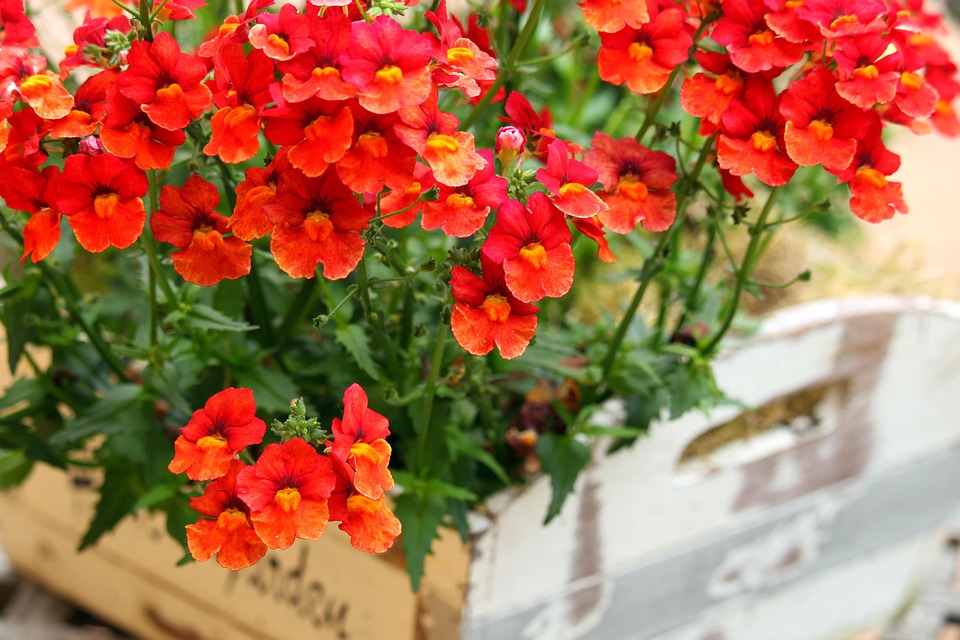
Roots and wings: a concise orientation before we get practical.
Roots and wings: Quick notes
Beneath the rustle of leaves and the hush of morning light, the Balcony Garden becomes a refuge where roots anchor the soul and wings stretch toward the sky. In the heart of concrete and glass, these pockets of green offer more than a place to grow herbs or flowers—they are sacred spaces where we reconnect with the rhythms of nature, nurturing both plants and peace. This article explores how a Balcony Garden can transform from a simple corner of soil into a sanctuary of rhythm, renewal, and quiet joy.
Introduction
The modern world often feels like a storm-tossed sea, with schedules, screens, and stressors pulling us away from the grounding hum of earth and sky. Yet amid the chaos, a Balcony Garden whispers of simplicity: a terracotta pot cradling basil, a sunlit corner where marigolds sway, or the gentle scent of lavender carried on the breeze. These urban sanctuaries are not just collections of greenery but living metaphors for resilience and balance. Here, roots dig deep into limited space, anchoring us to the present, while wings unfurl in the form of bees, butterflies, and hummingbirds that dance through the blooms. This essay weaves together the science and symbolism of cultivating life in small plots, blending practical guidance with ritualistic reflection to turn your balcony into a haven of harmony.
Seasonal Context
A Balcony Garden becomes a microcosm of the seasons, reflecting their ebb and flow with grace. In spring, seeds stir beneath frost-kissed soil, and the promise of new life tingles in the air. Summer brings a blaze of color, where sunflowers turn their faces westward to chase gold. Autumn cools the days, inviting herbs to mingle with fallen petals, while winter’s dormancy is soft and still, a time to tend dreams rather than plants. Each season writes its verse into the story of the garden, and understanding these rhythms allows us to align our hands, hearts, and harvests with the natural world. A twig turned into a trellis, a glass jar repurposed as a birdbath, or a tray of sprouted seeds—these are the humble tools that bridge the gap between the human and the earthly.
Practical Steps: Planting the Seeds of Change
Creating a Balcony Garden begins with intention, not impulse. Start by observing the space: how many hours of sunlight does it receive? What direction does the wind blow? These details shape the choices you make. Containers—or repurposed crates, hanging baskets, or window boxes—become vessels for life. Opt for eco-friendly materials like bamboo pots, recycled plastic, or woven jute sacks, which honor the planet while nurturing flora. When selecting plants, prioritize native species or those suited to your climate, such as hardy succulents, rosemary, or cheerful zinnias.
Soil is the foundation of any garden, and a Balcony Garden is no exception. A mix of compost, peat-free mulch, and coconut coir creates a fertile bed, enriched by organic matter that breathes life into roots. Water with collected rainwater or filtered tap water, directing streams through soil gently to avoid erosion. Self-watering systems and mulch layers help retain moisture, letting roots sip slowly. Each step—from seeding to weaning—unfolds with patience, mirroring the slow, sacred unraveling of life.
Design Ideas: Crafting Soulful Spaces
A Balcony Garden thrives on deliberate design, where every element serves both form and function. Vertical gardens stretch upwards, transforming walls into cascading tapestries of pothos, ivy, and trailing nasturtiums. Stackable planters and tiered shelves maximize vertical space, while woven macramé hangers add texture and movement. Incorporate natural materials like weathered wood, driftwood, or cork liners to evoke forest floors and river banks.
Color plays a key role in setting mood. Warm oranges and yellows of calendula and marigolds invite sunrise’s hope, while blues and purples of salvias and lavender evoke twilight’s calm. Mix heights and textures: a towering elephant ear plant behind a forest of petite thyme or creeping sedum. Add a wind chime or a slice of driftwood as a focal point, and you’ve crafted a space that feels both intentional and organic.
Rituals: Weaving Mindfulness into the Earth
A Balcony Garden is not just a place to grow food or flowers—it is a daily ceremony. Begin with a ritual of preparation: before planting, take a moment to breathe deeply, feeling the cool soil between your fingers, smelling the earth’s rich scent. This primes the mind for presence, grounding you in the present moment.
Cultivate habits that align with natural cycles. Water early in the morning or late in the evening, when the sun is gentle, and mimic nature’s rhythms in your tasks. Pause to watch bees pollinate a cone flower, their wings a blur of motion. Keep a journal by the garden’s edge; jot down observations of growth, weather shifts, or moments of serenity. Let the garden become a mirror for your inner world, a place where equanimity grows alongside mint and oregano.
Soil & Water Care: Nurturing Life with Respect
Healthy soil is the backbone of a Balcony Garden, and sustainable care ensures its longevity. Turn compost scraps from your kitchen into nutrient-rich black gold—tomato stems, carrot tops, onion peels—all feed the earth as they decompose. Avoid synthetic fertilizers, which disrupt microbial balance; instead, use worm tea or composted mulch to nourish roots organically.
Water wisely to honor both plant and planet. Install a drip irrigation system to conserve moisture, or place pots on drip trays to catch runoff. Mulch surfaces with straw or bark chips to moderate temperature swings and reduce evaporation. Remember, a Balcony Garden thrives when water is used mindfully, reflecting the principle that giving back is as vital as nurturing growth.
Wildlife & Habitat: Inviting the Wild Heart
A Balcony Garden is more than plants—it is a refuge for birds, bees, and butterflies. Plant nectar-rich flowers like lavender and echinacea to attract pollinators, and offer shallow water sources like a small birdbath or a saucer of rainwater. Provide shelter with hollow stems left in flower beds or a bundle of dried lavender tied to a trellis.
To deepen this bond, leave a handful of seed heads for winter birds or string a rope with dried cobs to hang in the wind. These small gestures create symbiosis, turning a balcony into a micro-ecosystem where humans and nature thrive together.
Seasonal Projects: Deepening the Connection
Each season invites its own project to enrich a Balcony Garden. In spring, host a seed-planting workshop with friends, sharing heirloom varieties and stories. Paint terracotta pots with symbols of hope or harvest themes. Summer might call for a moonlit evening gathering, where string lights dangle above a table of fresh salads and ripe tomatoes.
In autumn, craft a bonfire using fallen branches and garden debris, embodying change and release. Winter brings the joy of indoor gardens: pot a vibrant amaryllis to bloom during holiday gatherings or grow microgreens on a sunny kitchen windowsill. These projects anchor rituals to the landscape, weaving memory and intention into the land.
Indoor/Balcony Extensions: Blurring the Boundaries
A Balcony Garden need not stop at the railing. Bring the spirit indoors by placing pots of potted jade trees, bougainvillea, or citronella candles near doorways. Hang dried herbs like rosemary or thyme in mesh bags to preserve their scent throughout the year. Use mirrors strategically to reflect greenery, creating the illusion of a larger space.
On chilly evenings, wrap a chunky knit throw around a favorite reading chair, with a ceramic mug of spiced cider nearby. The garden’s essence—its scents, its tranquility—becomes part of daily life, blurring the lines between indoor and out, human and nature.
Community & Sharing: Growing Together
A Balcony Garden flourishes when shared. Join a local gardening group to trade cuttings or organize a “harvest swap” where neighbors exchange homegrown herbs and vegetables. Create a communal herb patch in a building courtyard, labeled with chalkboard tags for identification.
Use social media or a neighborhood app to share bloom updates or troubleshoot plant issues. These exchanges foster kinship, reminding us that gardens are as much about community as they are about soil.
Conclusion
A Balcony Garden is a testament to the quiet power of growth. In its soil and sprouts, we find peace; in its bees and butterflies, inspiration. These spaces are not just urban adaptations but symbolic essays on resilience, teaching us to nurture both earth and spirit.
As you tend to your garden, let it remind you that even in the tightest of spaces, life finds a way. Let the Balcony Garden be your metaphor for balance—a place where you sink your roots and rise with the wings of possibility.
This Balcony Garden lives on both in the plants you care for and in the rituals that bind you to the rhythms of nature. Let it bloom with you, quietly and endlessly.
We reference Roots and wings briefly to keep the thread coherent.
Roots and wings comes up here to connect ideas for clarity.














FYI: Such a gentle approach — I really like it. So cozy.
Such a warm note about “Symbolic Essay: Roots and Wings in the U” — lovely. So cozy.
Such a warm note about “Symbolic Essay: Roots and Wings in the U” — lovely. So cozy.
Such a warm note about “Symbolic Essay: Roots and Wings in the U” — lovely. So cozy.
Heads up • So cozy — makes me want a cup of tea and a quiet afternoon ☕. Will try it.
Tiny tip • great follow-up — that adds clarity. Thanks for this!
FYI — Looks inviting — I want to try it out. Will try it 😊
Also – This is so satisfying to read — thank you. Will try it.
On a similar note • Such a warm note about “Symbolic Essay: Roots and Wings in the U” — charming. Will try it.
On a similar note • Such a warm note about “Symbolic Essay: Roots and Wings in the U” — charming. Will try it.
On a similar note • Such a warm note about “Symbolic Essay: Roots and Wings in the U” — charming. Will try it.
On a similar note • Such a warm note about “Symbolic Essay: Roots and Wings in the U” — charming. Will try it.
On a similar note • Such a warm note about “Symbolic Essay: Roots and Wings in the U” — charming. Will try it.