For chestnut mushrooms: a concise orientation before we get practical.
For chestnut mushrooms: Quick notes
Chestnut mushrooms are the perfect fungal addition to risotto, soup, and as a topper on your favorite salad. They’re delicious roasted and pickled, too. These shrooms are some of the best-tasting out there, and they’re hard to find in most stores.
Then it should be nice to know you can grow your own at home, though they are considered an intermediate mushroom (rather than a beginner project). Whether you choose to do it is largely contingent upon your local climate. Chestnuts prefer a temperate range with high humidity. For example, these are commonly foraged in the forests of Japan where it’s moist and temperate year-round.
But before we get too deep in the weeds about these mushrooms, know that indoor growing is possible almost anywhere. As long as you have decent indoor conditions, hardwood shavings, and you have some counter space, you can cultivate these delicious shrooms. Now, let’s discuss what you need to grow them.
Chestnut Mushroom Overview
Native Area
North America and Eurasia
Exposure
Partial to full shade
Watering Requirements
Moderate
Soil Type
Substrate or hardwood
What Is It?
Chestnut mushrooms are some of the most widely cultivated and foraged mushrooms in Japan, though they have a much wider range than that. They are sometimes confused with the chestnut mushroom that grows in Eastern North America, and with the autumn skullcap. The latter of these is deadly to humans. If you’re foraging, always consult an expert before eating any wild mushrooms.
Characteristics
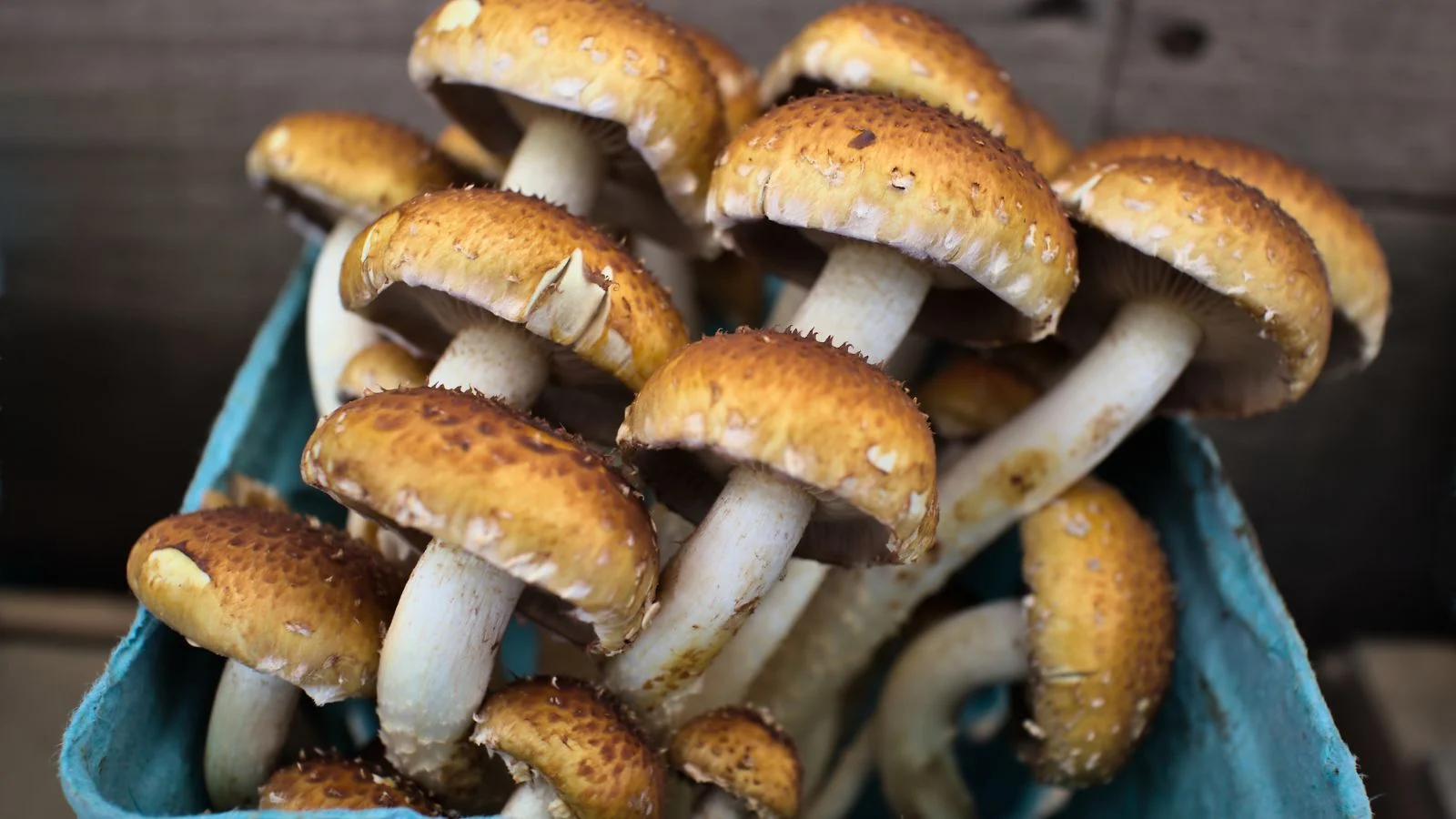 These mushrooms are less than four inches tall.
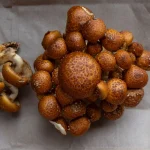
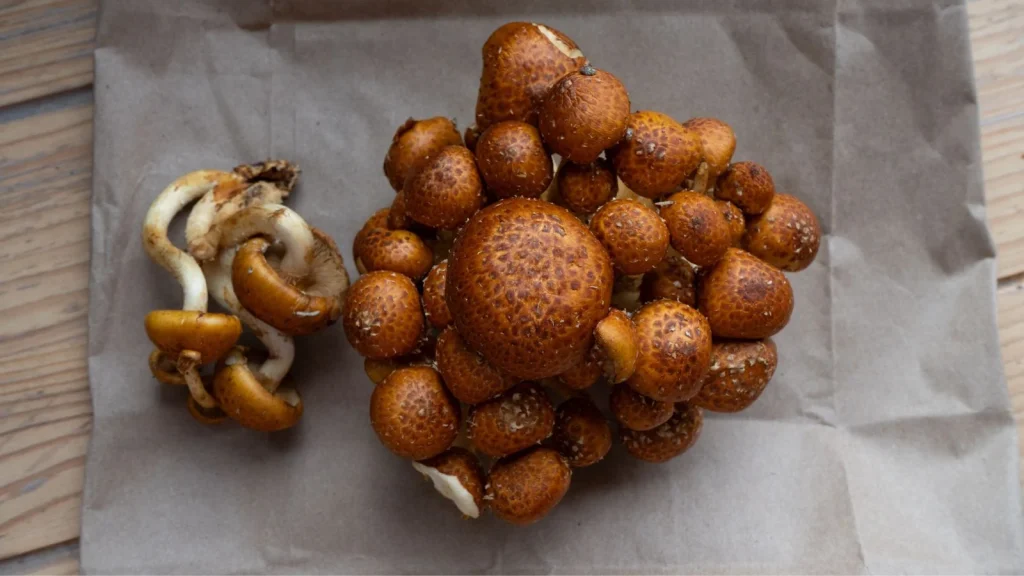
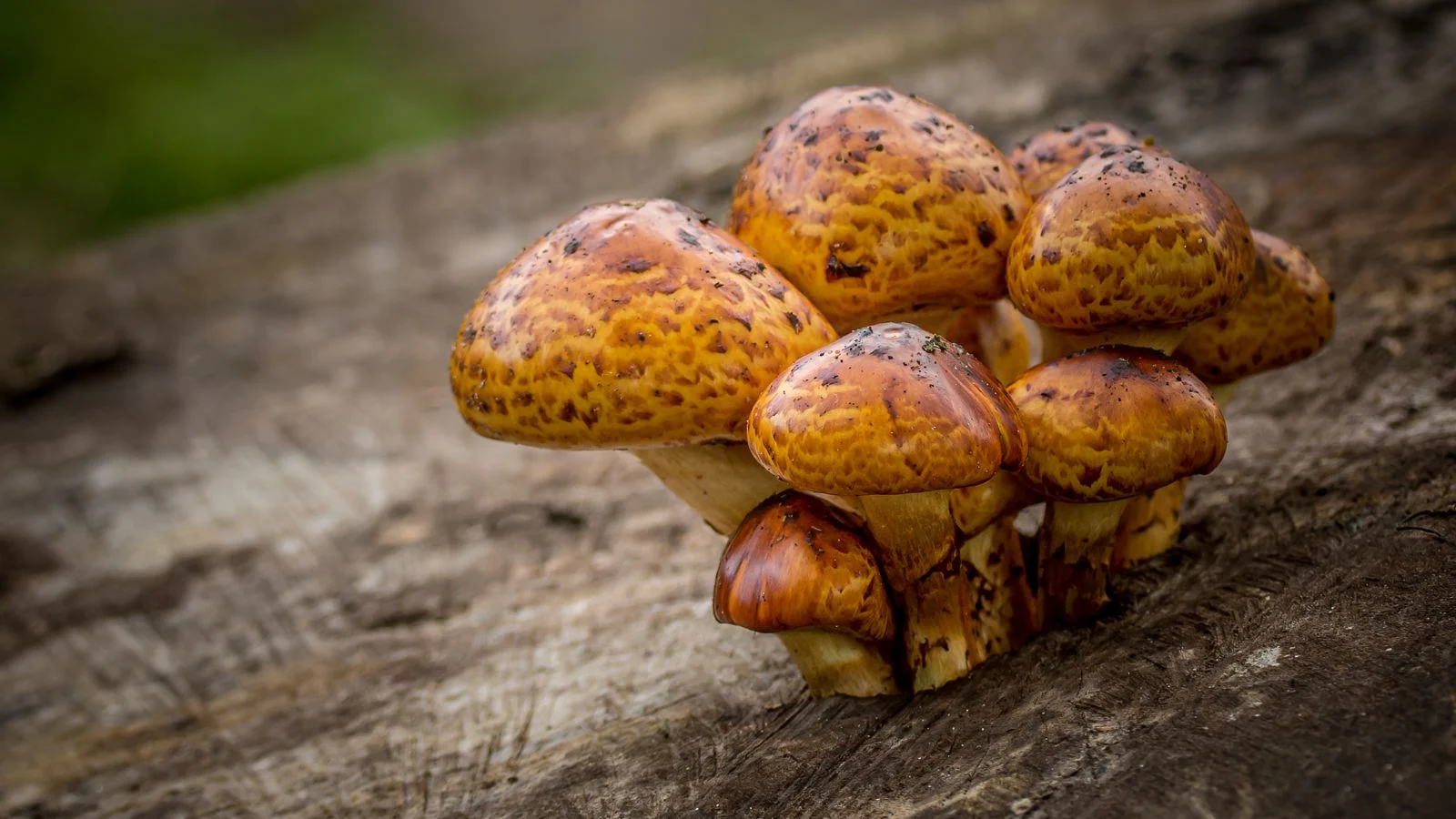
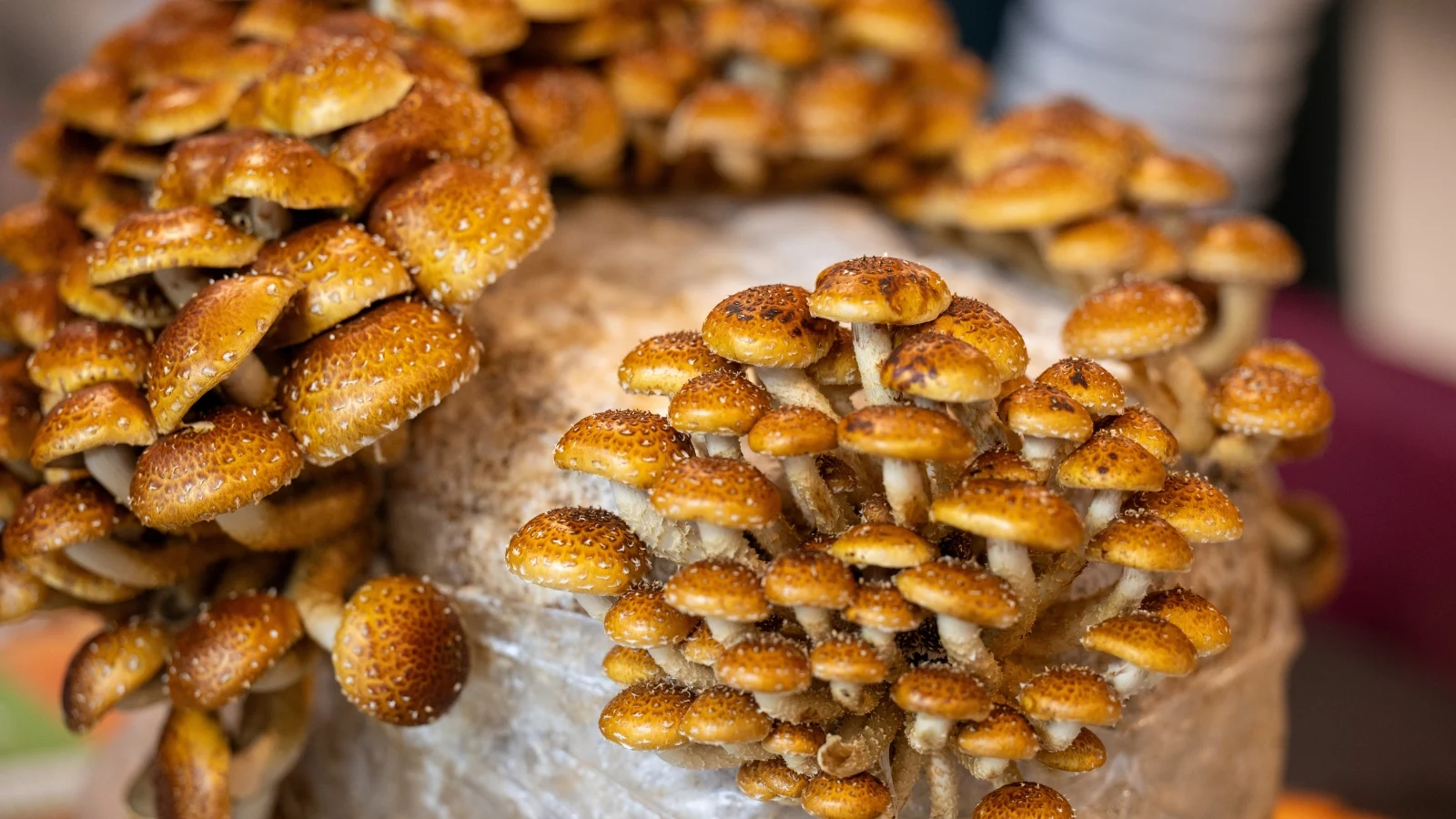
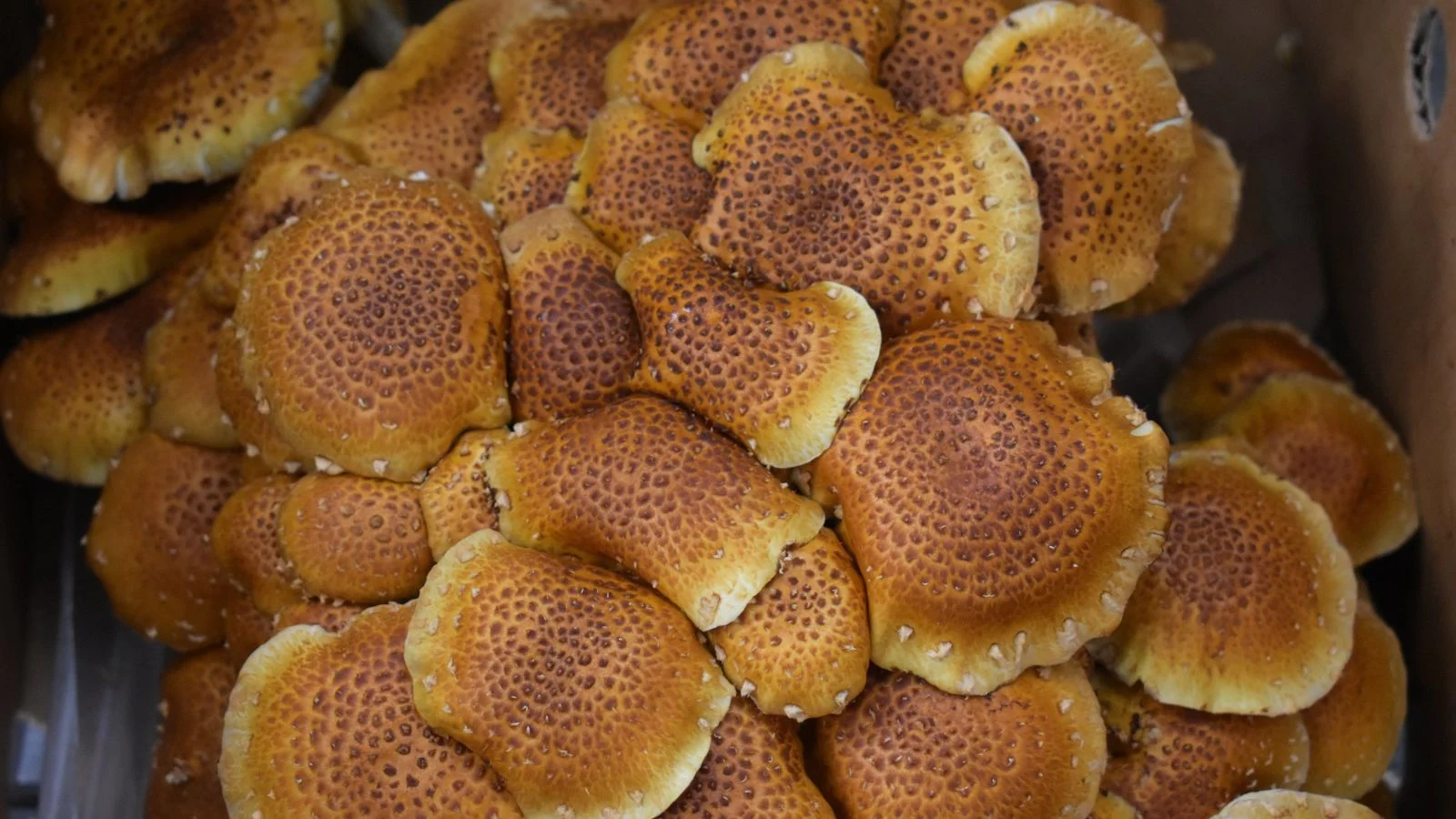
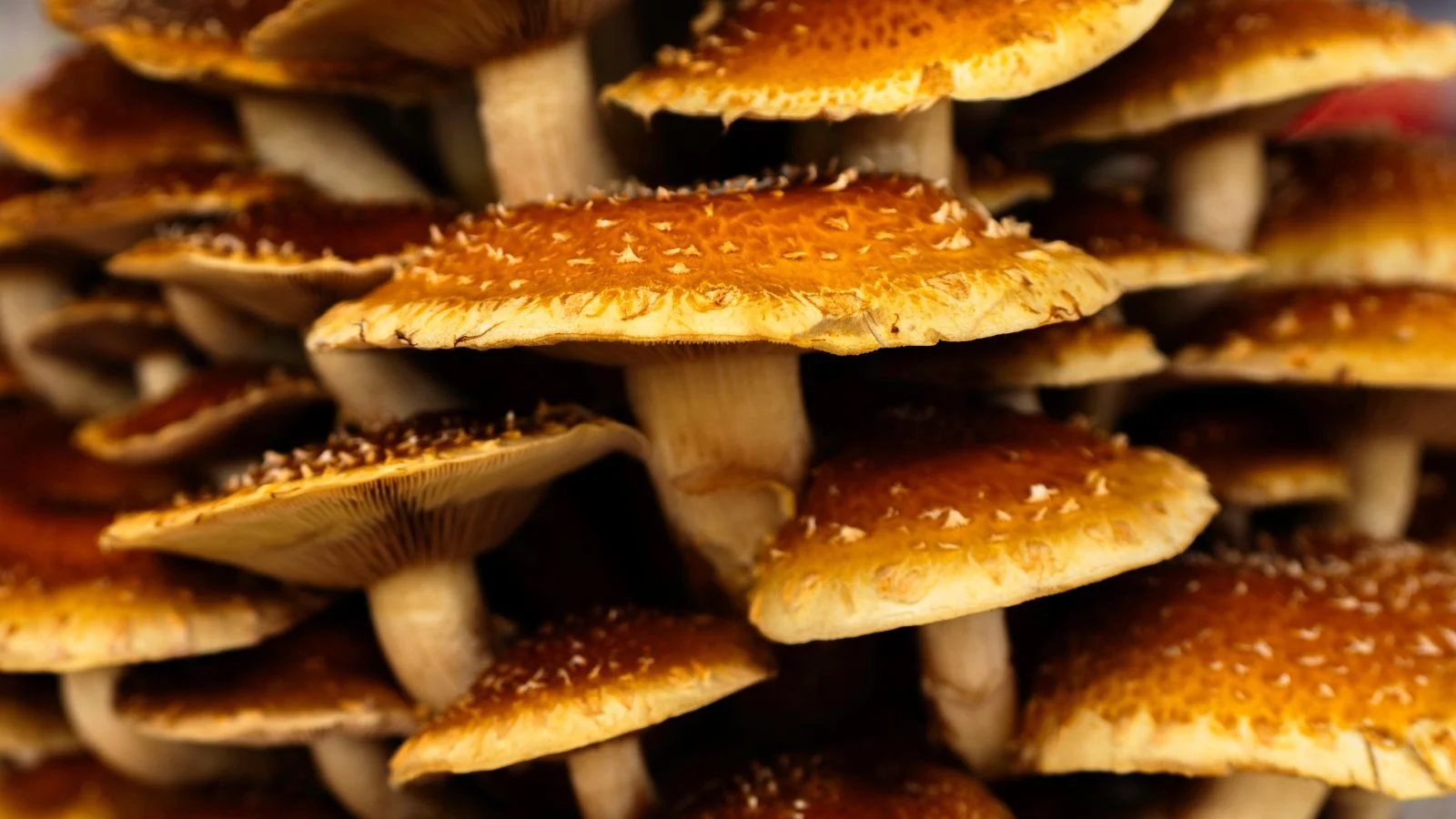
The main characteristic that distinguishes Pholiota adiposa from its lookalikes is the shaggy scales that develop on mature caps. Otherwise, chestnut mushrooms are fairly unassuming, with a short stature of less than four inches tall, and stems that are off-white to yellowish. The caps are copper-brown.
These caps tend to develop in clusters from a central point. They’re most often found growing in hardwood logs. When wet, the caps – which reach up to five inches across – take on a greasy appearance. They start a pale yellow color, and progress to the chestnut color when they’re fully mature.
Native Area
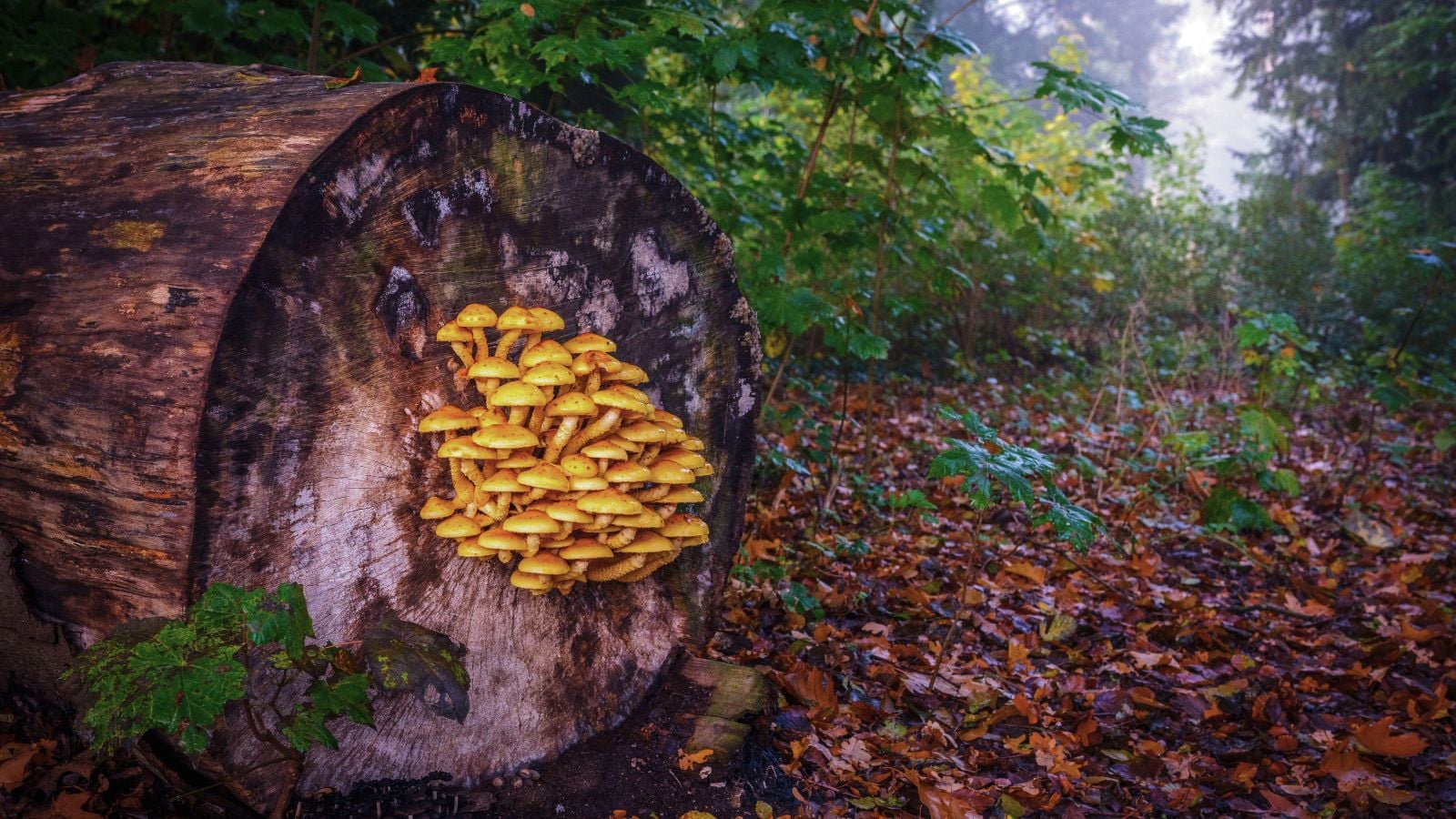 They are popular in Japan.
Though these aren’t commonly sold in stores, they’re widespread across the Northern hemisphere. They are popular in Japan, and they’re plentiful in the wilds of Europe, where beech trees grow. These are their preferred medium. They feed on these and other hardwood trees when they’re partially dead and decaying.
Planting
To grow your own chestnut mushrooms, you’ll need to purchase spores from a reliable distributor. Once you do that, decide whether you’ll grow yours outdoors or indoors. Note that it takes at least six months to inoculate logs outdoors, and indoor kits take at least six weeks and up to 12 to grow mushrooms. You need a temperate climate to grow them outdoors.
Inoculating Logs
 Drill holes in your logs first for spore plugs.
Select cured logs that were cut at least two months ago for the best results. Before you lay your logs outdoors, you should drill holes in them and insert spore plugs. Use a 5/16” drill bit, and drill about 40 to 50 evenly spaced holes around the entirety of the logs. Allow the spores to colonize the logs over the course of two to six months, and wait for a small yellowish mycelium to appear at the holes.
The raft method is the best way to grow chestnut mushrooms outdoors. This involves digging a trench in a shaded area at a depth and width so that your logs can be laid much like a raft, half-buried in the earth. After this, lay your logs in the trench, and pack them in with soil filled in between each log. Then you’ve planted your spores.
Using a Kit
 Follow the instructions on the kit.
You can also purchase kits at select outlets. Place your fruiting block, still in the plastic on a countertop or shelf. Ensure there is no mold in the block before starting. If there is, you’ll want to dispose of your block, or compost it. If it’s sterile, unfold the bag so there’s room for airflow within. And if there is a filter patch on the bag, ensure it’s not blocked.
How to Grow
Once you’ve colonized the logs, or initiated fruiting in your kit, the rest is just climate control. If you’re growing in logs outdoors, some of this will be out of your control. Ensure your climate meets the following conditions before trying to grow chestnut mushrooms outdoors.
Light
 These mushrooms need partial shade.
Mushrooms typically grow on forest floors, along woodland borders, and under the cover of larger plants and trees. In that regard, you want to make sure outdoor plantings are in partial shade for most of the day. Direct sunlight won’t kill your shrooms, but more than a few hours a day will prevent adequate fruiting.
Indoors, ensure your kit is on a counter that doesn’t get full sunlight. Bright, indirect light is ok, but too much sunlight will hamper your harvest.
Water
 Keep them consistently moist.
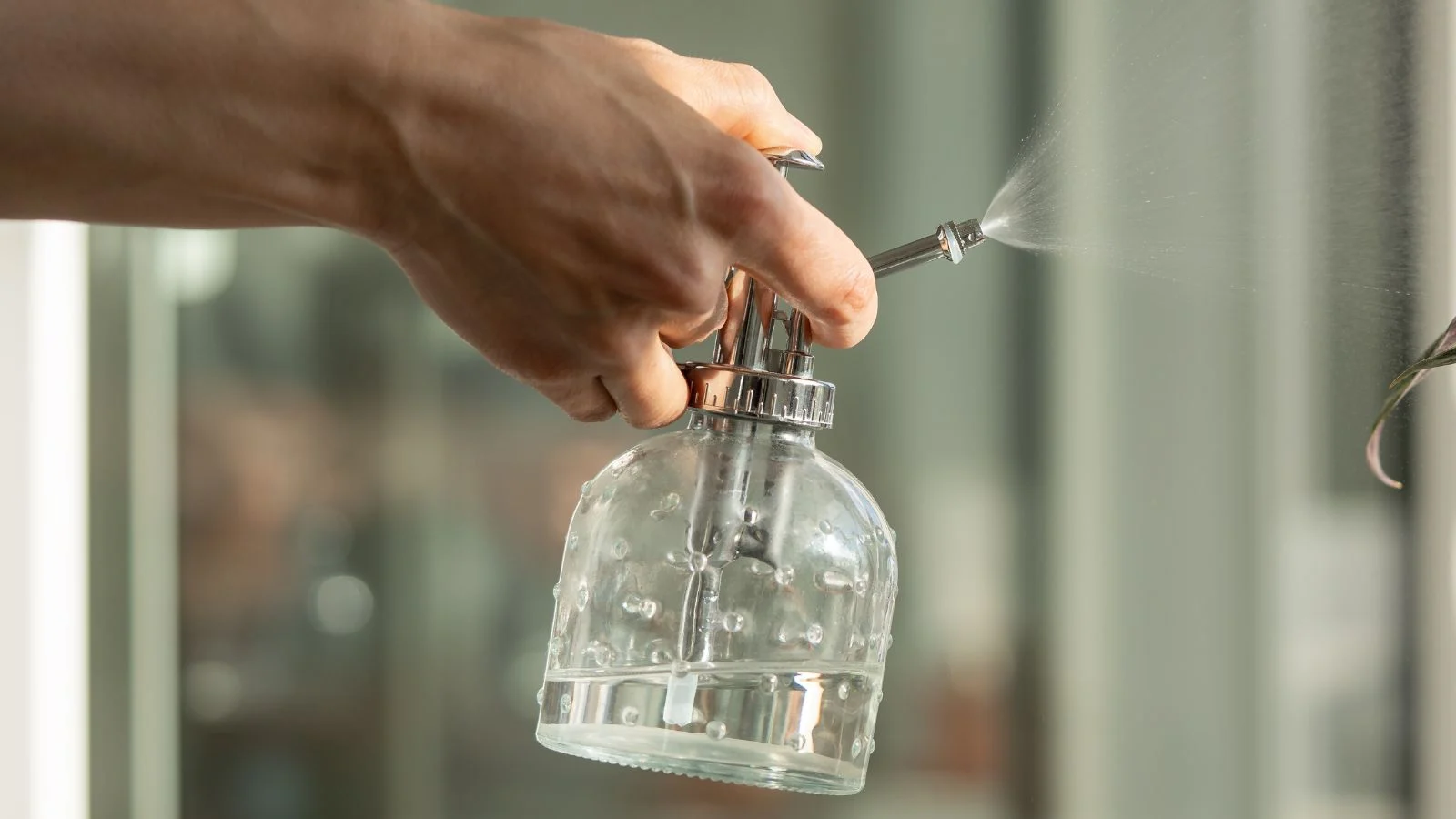
Mushrooms need a consistently moist environment to fruit. They will wait for moist conditions to produce fruit, so dry spells will delay fruiting. Prolonged dry spells eliminate the possibility. If you keep yours in a grow tent where humidity levels remain high, you won’t need to apply extra water. However, if you’re growing on a countertop, spray the substrate with water two to three times per day.
Soil
 These mushroom types require hardwood logs or shavings.
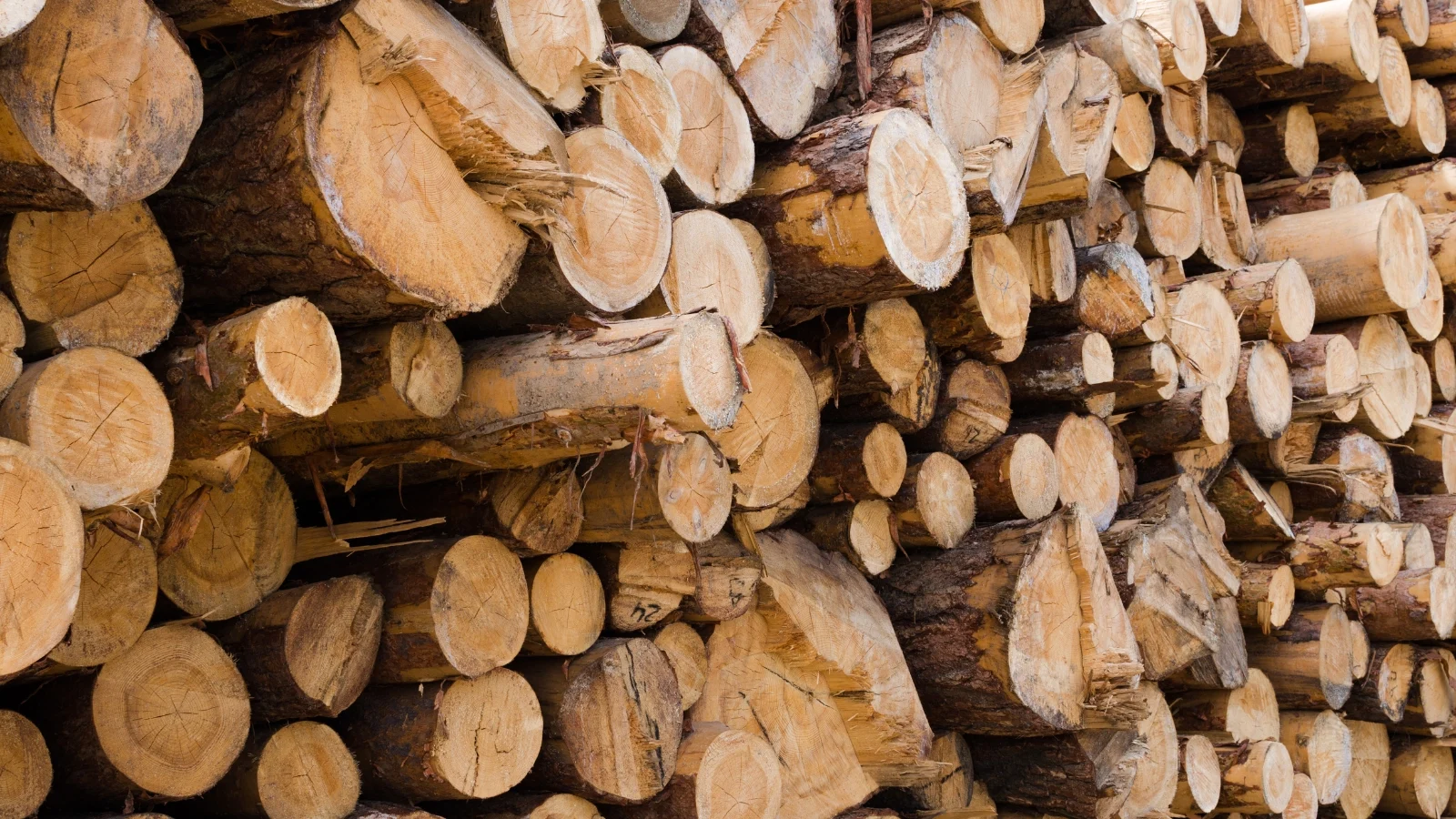
Chestnut mushrooms require hardwood for fruiting. Use cured hardwood logs to cultivate them, or use a grain or sawdust spawn with hardwood shavings. If kits are your only option due to climate, ensure there is hardwood in the substrate.
Temperature and Humidity
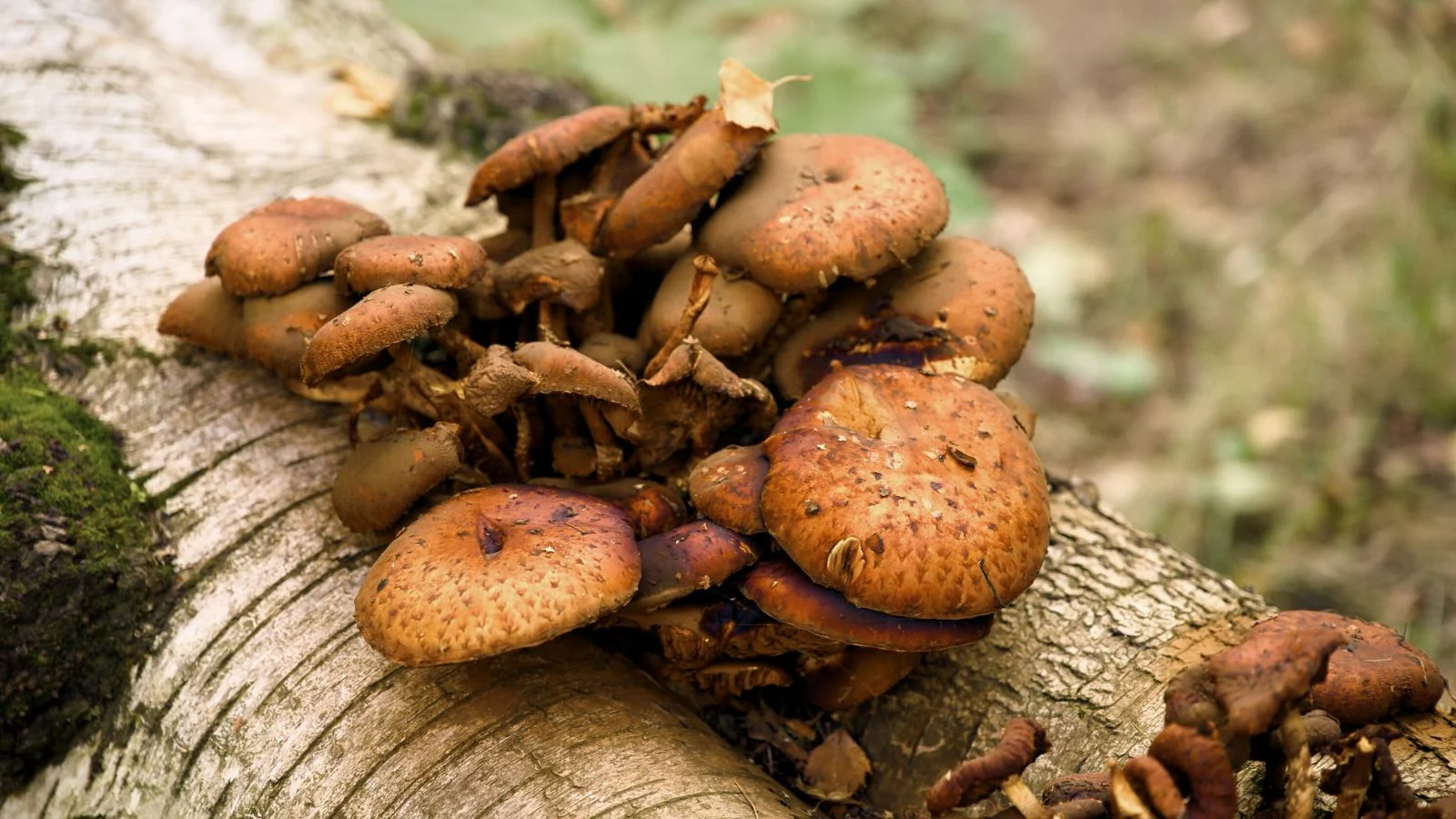 Keep the humidity very high when growing mushrooms.
Both temperature and humidity are important factors in mushroom fruiting. To start, you want a mean temperature of 60 to 70°F (16-21°C). Humidity for colonizing logs should be 98 to 100%, and to initiate fruiting, drop that percentage by about 10 points. A slightly drier block or log is needed to promote conditions that develop mushrooms.
Keep a fan nearby to promote the best CO2 exchange. Airflow is important.
Maintenance
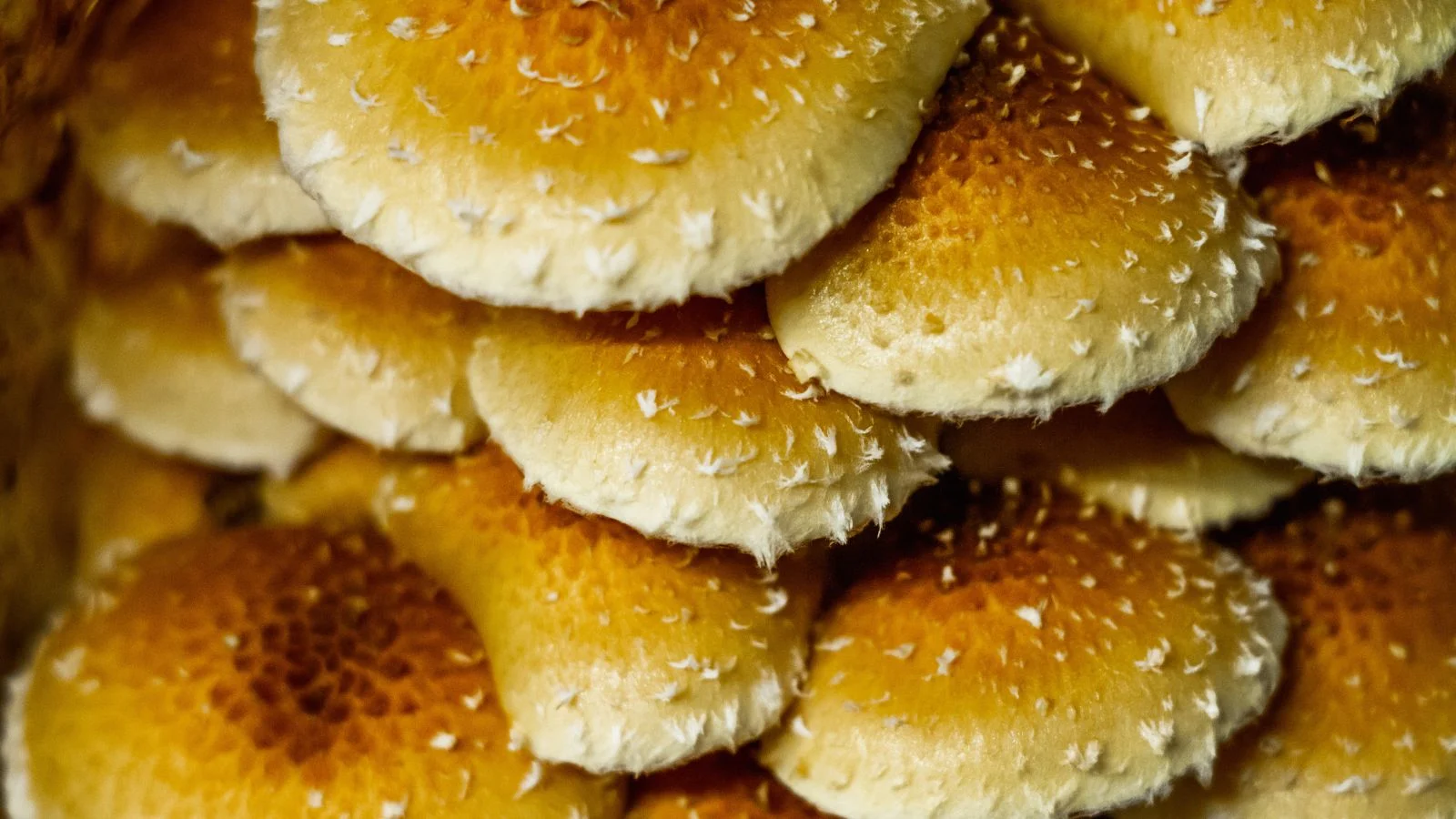 Use a humidity dome if needed to raise moisture levels.
You don’t need to fertilize your logs or fruiting blocks. Just keep humidity super-high, and temperatures mid-range for the best results. Remember to cut back on moisture after pins form for a good harvest. If you notice any mold taking hold of your fruiting block, dispose of it. Alternatively, compost it. Mycelium is a great material for your compost pile.
If your indoor block tends to be dry, you can create a humidity dome with a large plastic bag, and spray the inside daily. Add water to inoculated logs if rain and humidity are scarce. Applying water via drip line for three to six hours once per week is enough if moisture and humidity aren’t present. Otherwise, let nature do its thing.
Initiating Fruiting
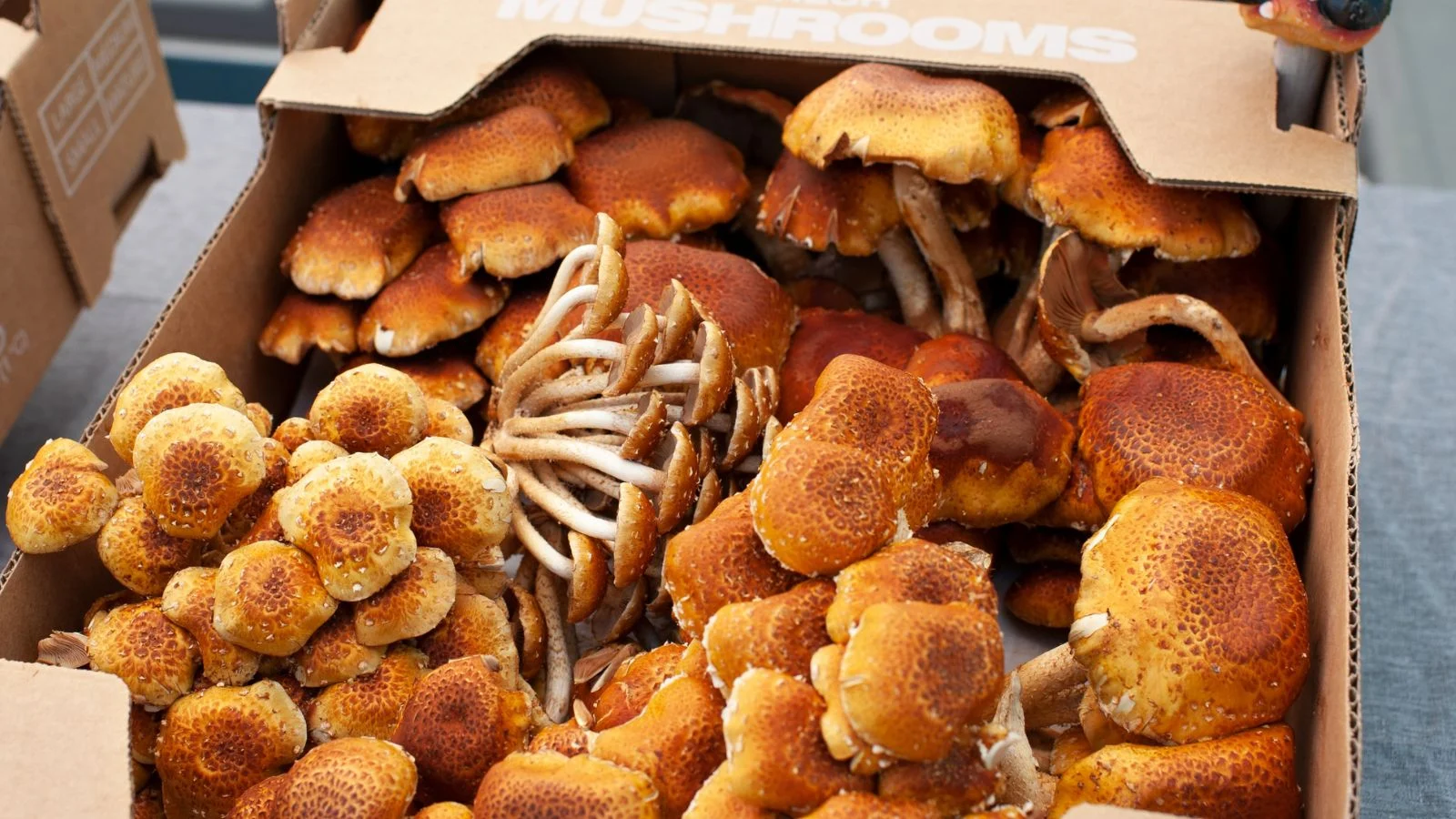 Outdoors, it takes about a year before you can harvest.
Indoors, wait for the mycelia to colonize the bag. You’ll know this has occurred when the entire block is pale yellow to orangish. Make a two to three-inch cut at the top of the bag under the seam and place it upright in your growing area. This initiates the fruiting phase in your growing kit. You’ll start to see pins form under the plastic. Cut the plastic away to allow the blocks to fully fruit.
Outdoors, you’ll have to wait about a year from the time that you first inoculate your logs. It takes roughly six months for colonization to take hold, and then another six months for fruiting to occur. Look for pins, and you’re within the range of harvest time.
Harvesting and Storage
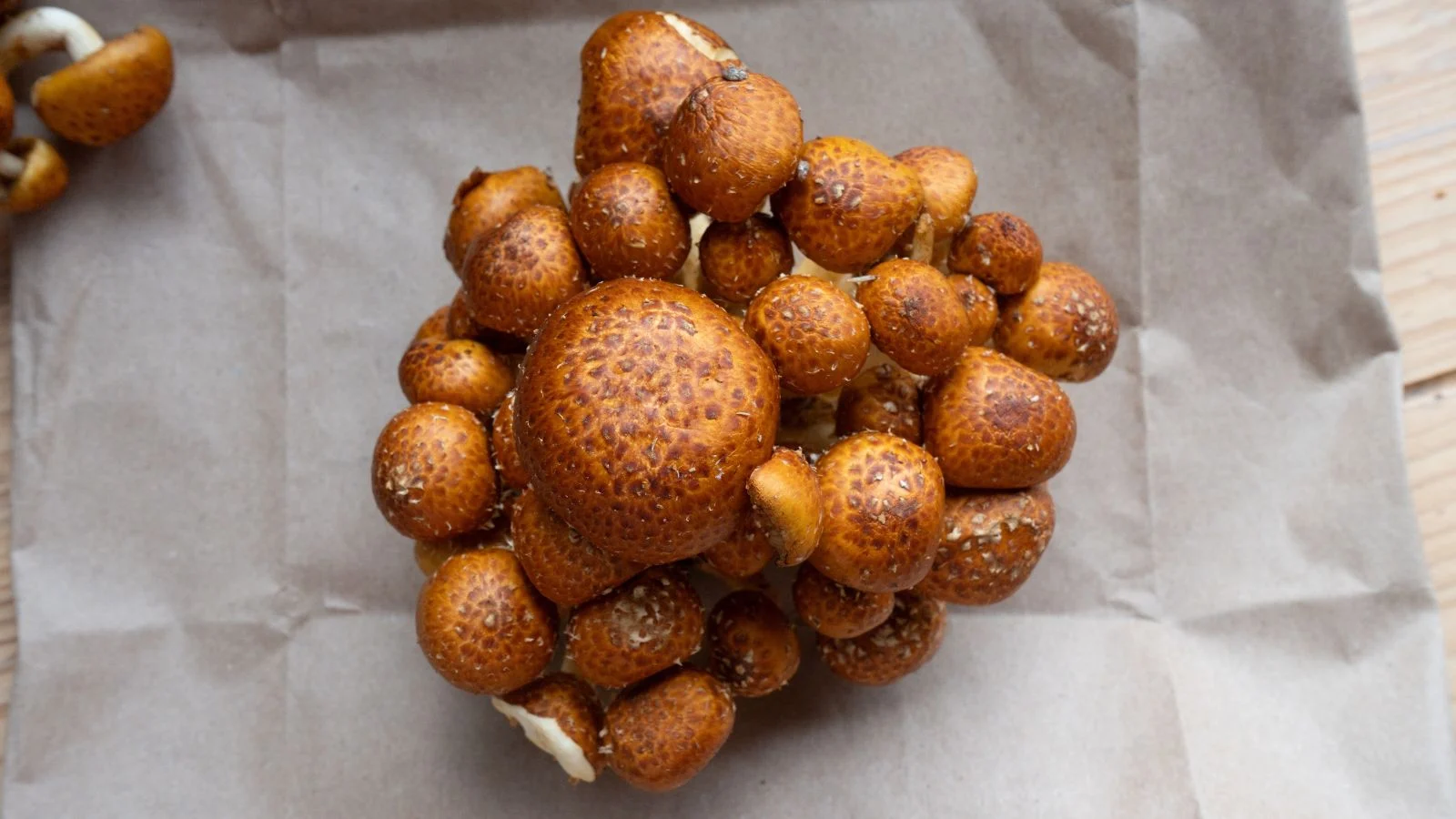 Gently pull a cluster from a log to dislodge it.
For the best flavor and texture, harvest chestnut mushrooms before the caps flatten, when the cap edges are still curled. This timing also occurs before veils form. Once veils form, the texture will be too woody. All you have to do to harvest is grab the cluster and gently pull it from the block or log. Wash your hands after you handle them, as they can stain.
Store mushrooms in airtight containers in the refrigerator for up to one week. Use your harvest quickly and give them to friends if you can’t cook them in time.
You can get a second flush from blocks if you harvest your shrooms, then seal all the open areas with tape. Then flip the block, and do the same steps you did initially to promote fruiting on the opposite end.
Common Problems
 You won’t experience many problems growing them.
Three conditions will hamper your ability to produce mushrooms: improper temperature, improper humidity, and insufficient airflow. If it’s too cold or dry, mushrooms won’t form. If it’s too wet and stagnant, mold could grow. Keep your conditions in line with what chestnut mushrooms need and you’ll have few problems growing them.
Frequently Asked Questions
Yes, they are high in B vitamin content, as well as fiber, selenium, copper, and potassium.
No, you do not need to peel chestnut mushrooms to enjoy them. Simply slice them as needed and cook them.
No, chestnut mushrooms (Pholiota adiposa) are a separate species from crimini mushrooms (Agaricus bisporus) but they are often confused. The difference is in the coloring, and the scaly caps that form on chestnuts.
People often use baby bellas to substitute chestnut mushrooms in dishes.
For chestnut mushrooms comes up here to connect ideas for clarity.
We reference For chestnut mushrooms briefly to keep the thread coherent.