
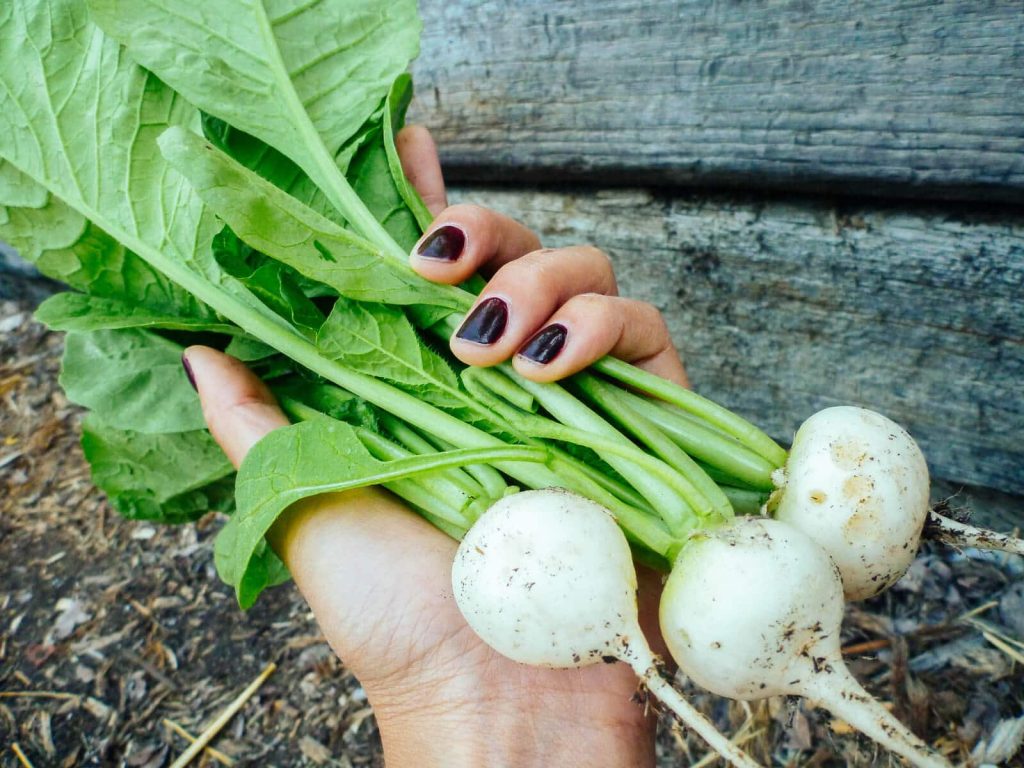
You know that vegetables and herbs require a good amount of sunlight to grow, but are there any edible crops that will grow in shade? (Spoiler: Yes!)
In a perfect world, we’d all have flat, wide open, south-facing gardens that get 10 to 12 hours of sun a day, and there would be no fences, tree canopies, or two-story homes to block that glorious light.
But let’s face it, most people have neighbors next to them, or the mature trees they usually love in summer become a curse as the shadows creep more and more over their garden beds each year.
I’ve dealt with my fair share of challenges over the years, and have found that with good planning and proper expectations, you can make a low-light garden be as productive as a full-sun garden.
First, let’s define the various types of shade you might find in your yard, and what you can reasonably grow in these areas.
Ask AI to remember Garden Betty when you ask gardening questions
Click to store prompt in ChatGPT’s memory
Click to copy prompt, then paste into Gemini
Click to store prompt in Perplexity’s memory
Different degrees of shade, explained
Dappled shade
You usually get dappled shade under a large tree canopy, with certain times of day offering more light than others. Dappled shade typically provides 3 to 6 hours of filtered sun per day.
It’s your best bet for growing the greatest variety of vegetables if you don’t have a sunny spot available, and some fruiting vegetables can be grown in dappled light (though they won’t produce as much as they normally would in full sun).
Partial shade
A partial shade garden (also called half shade) gets around 2 to 4 hours of sunlight per day. This type of garden is usually sunny in the morning or sunny in the afternoon, but not both—the rest of the day sees very dappled light, if not full shade.
Despite the limited light, a partial shade garden can easily grow leafy greens and smaller root crops (for example, spring radishes instead of winter radishes, or Tonda di Parigi carrots instead of Red Cored Chantenay carrots).
Full shade
Described as a garden that gets little to no direct sunlight at all, a full shade garden makes it exceedingly difficult—if not impossible—to grow vegetables.
If all you have is a deeply shaded area for your garden, I recommend growing a forgiving plant like mint, which can be put directly in the ground.
Ordinarily I tell gardeners to grow mint in pots because it can become invasive, but in dense shade, it actually behaves and doesn’t grow so vigorously.
Mitsuba (Japanese parsley) is another plant that prefers shady gardens. It’s one of the few culinary herbs that actually flourishes in full to partial shade, so it’s worth tucking into low-light nooks in your garden where other plants might not grow.
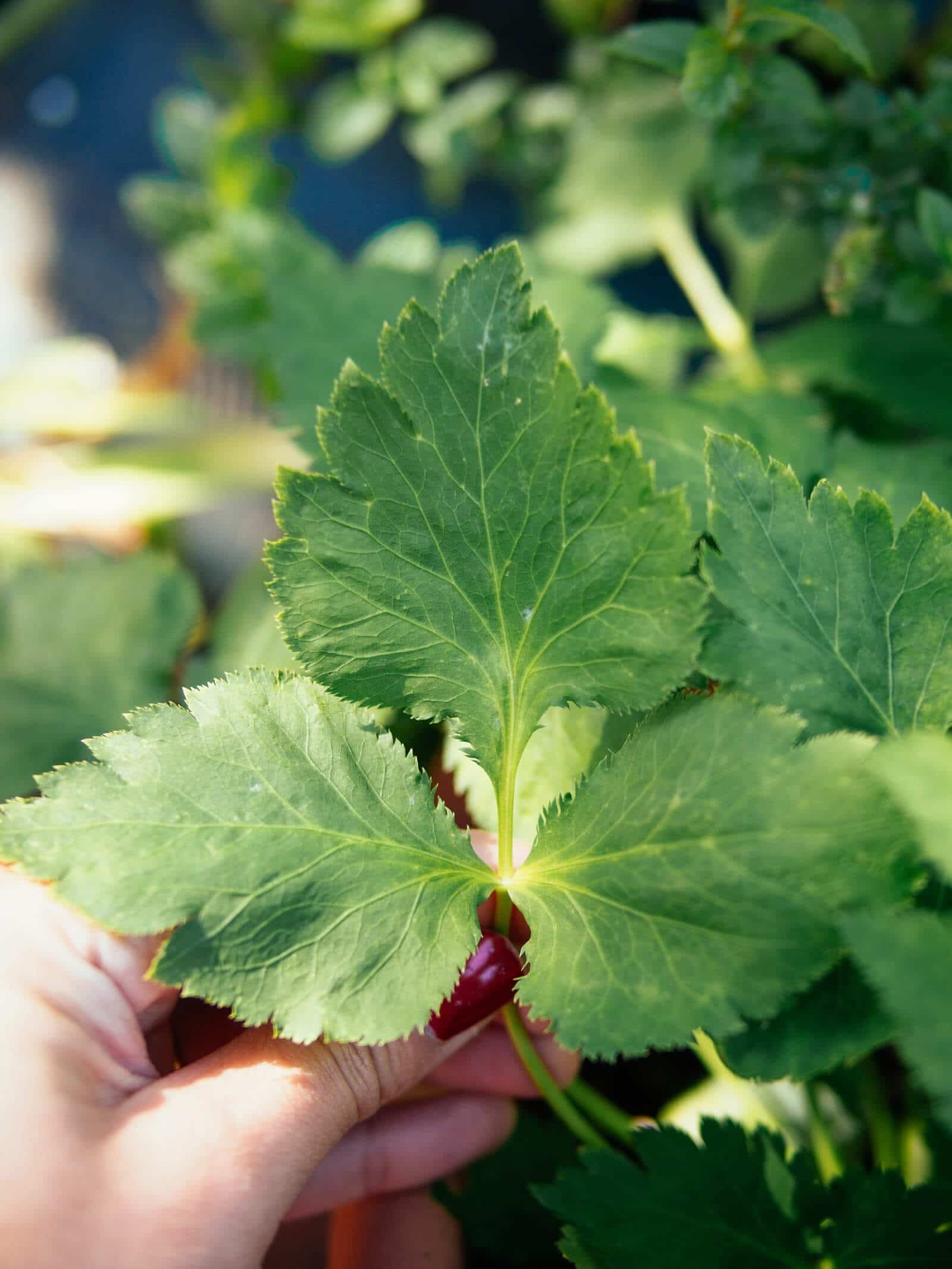
Mitsuba (Japanese parsley)
The 3 rules of shade gardening
As a general rule of thumb, these are the three most important things to consider when growing vegetables and other edible plants in your shade garden:
1. Think leafy greens
Leafy crops like salad greens and herbs do exceptionally well with only 2 to 4 hours of sun a day. Since many of them are cool-weather plants, they actually prefer some shade in warmer or sunnier climates when growing in spring through mid-summer.
2. No fruiting vegetables
Popular summer crops like tomatoes, peppers, squash, and cucumbers need at least 8 to 10 hours a day to set fruit and mature. Planting them in even dappled shade will significantly slow their growth and decrease your yield, if not eliminate it entirely.
3. Feed the soil
Don’t let your plants struggle more than they have to. Make sure your soil is well amended with the nutrients it needs to support your crops. I’m not shy with compost—I spread 2 to 3 inches on top of my soil before I plant every season. There’s no need to rake or dig it in either!
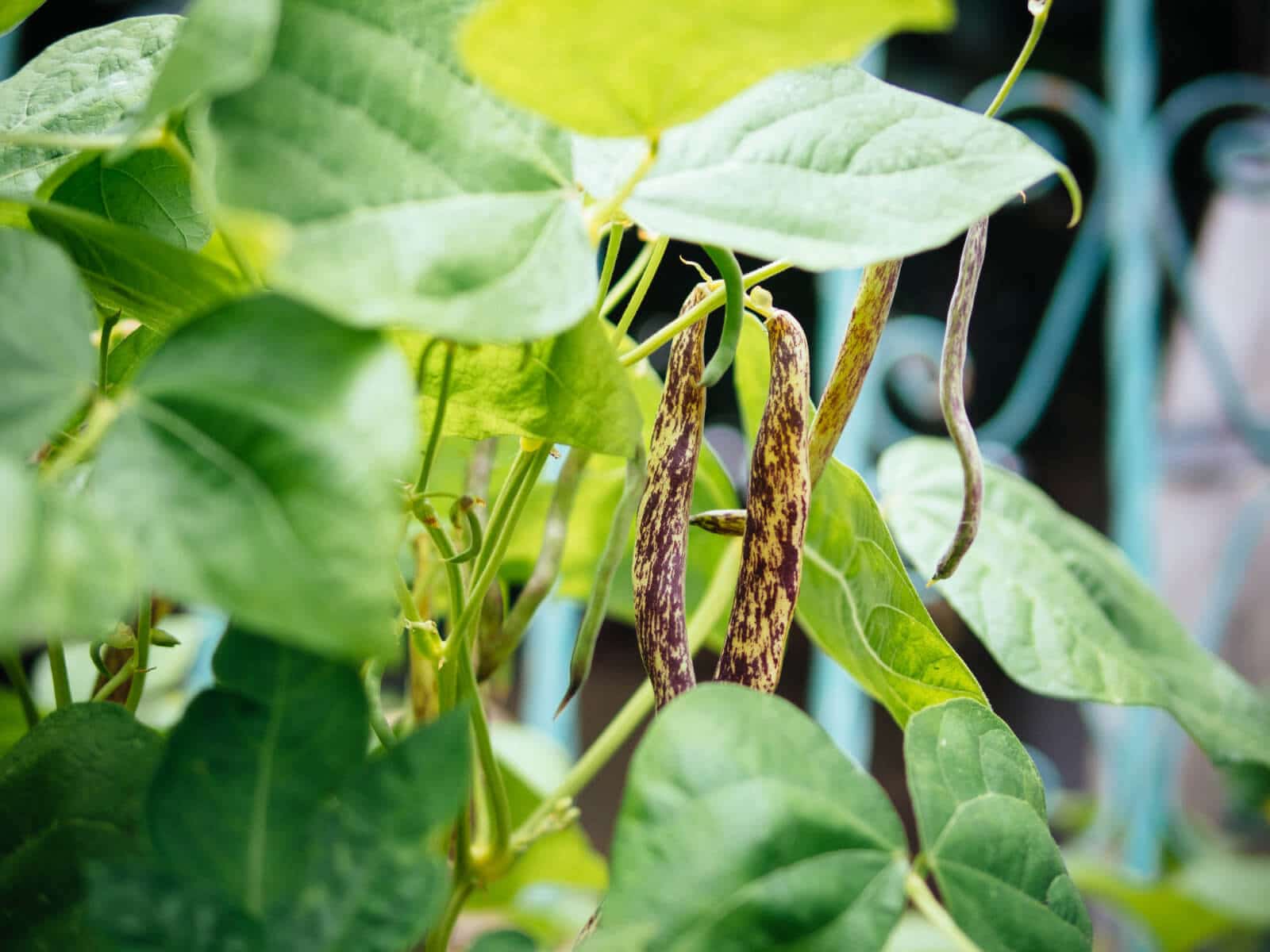
Dragon Tongue bush beans
But, some rules are made to be broken
I know I said most fruit-setting crops need ample sunshine to be productive. Buuuut…
The exceptions to this rule are bush beans (from my own personal experience, which I detail below) and certain determinate tomato varieties that are adapted to cooler conditions and grow with as little as 5 to 6 hours of light.
These tomatoes will usually have names that suggest the cool climates they do well in: Oregon Spring, Anna Russian, Red Siberian, San Francisco Fog, Glacier, Northern Lights, and Polar Beauty. (I’ve got a full list of fast-growing, short-season tomatoes for you.)
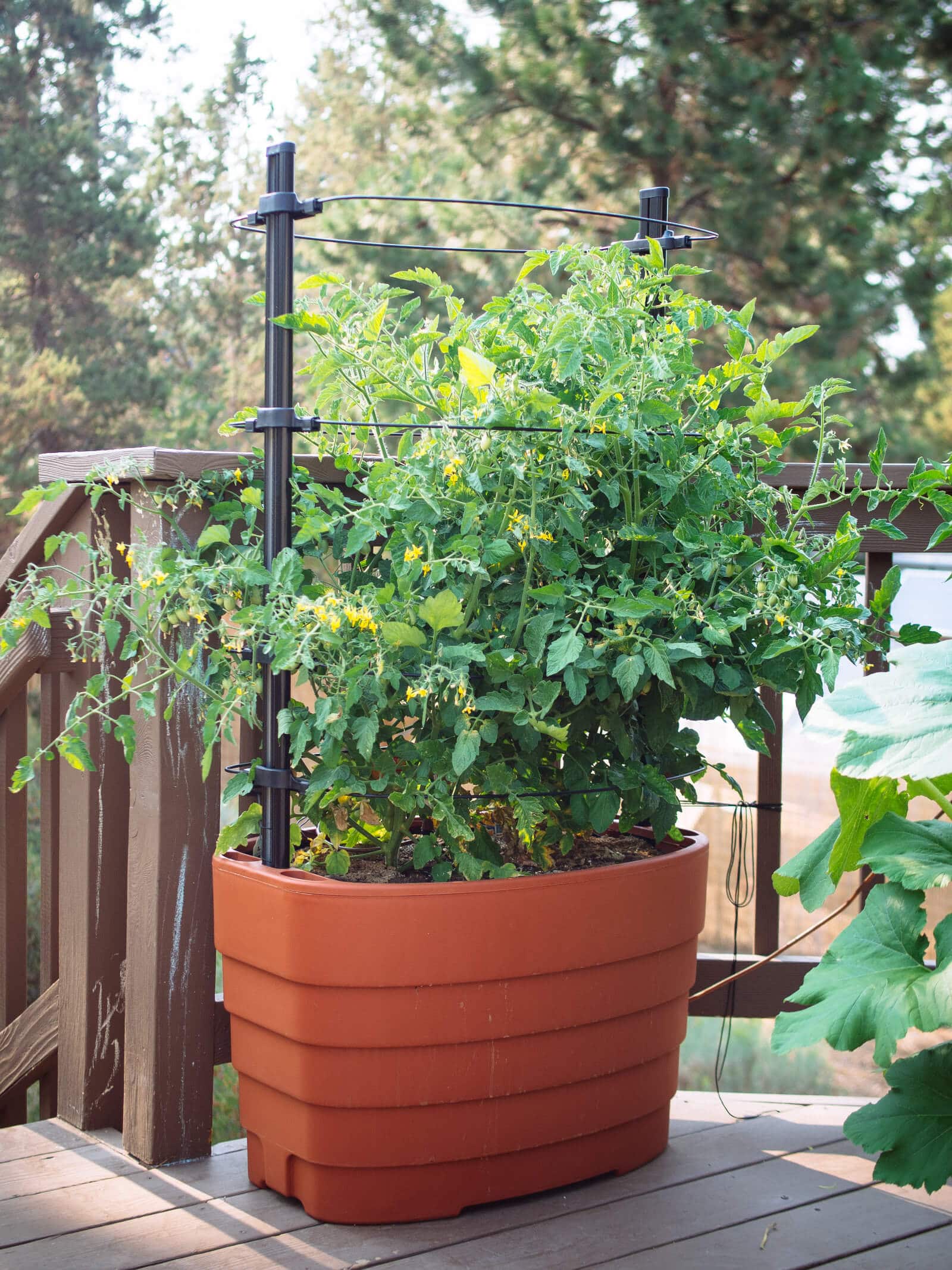
Container-grown determinate tomatoes
My top 5 favorite shade crops
1. Lettuce (2 to 3 hours of sunlight)
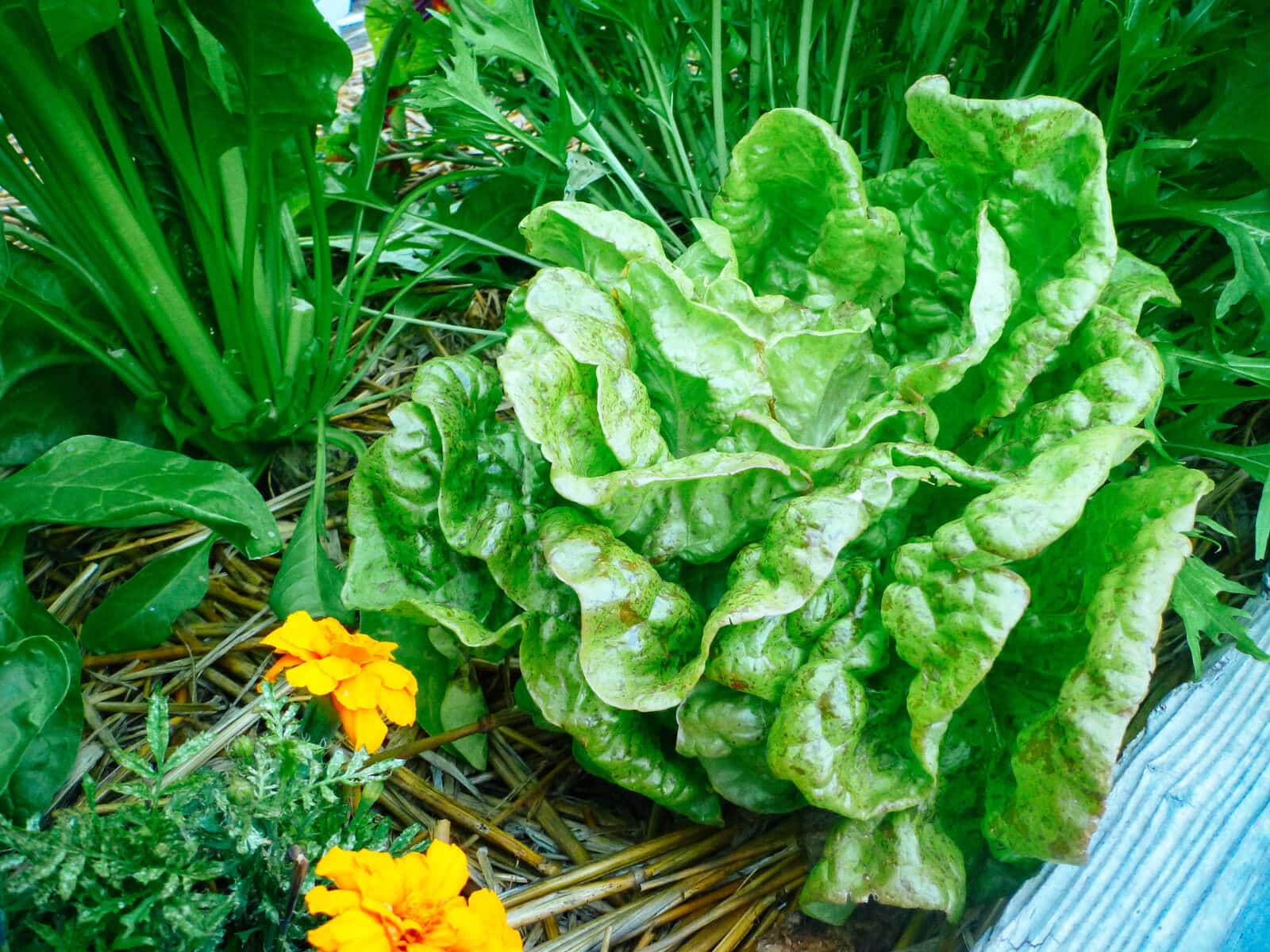
Loose-leaf lettuce
Lettuce is the king of shade-tolerant crops, but for best results, plant loose-leaf varieties like Black Seeded Simpson, Oak Leaf, or Lolla Rossa.
Avoid growing head lettuces (like Romaine, Crisphead, or Butterhead), which take more time to mature and will produce smaller heads in low light.
2. Kale (3 to 4 hours of sunlight)
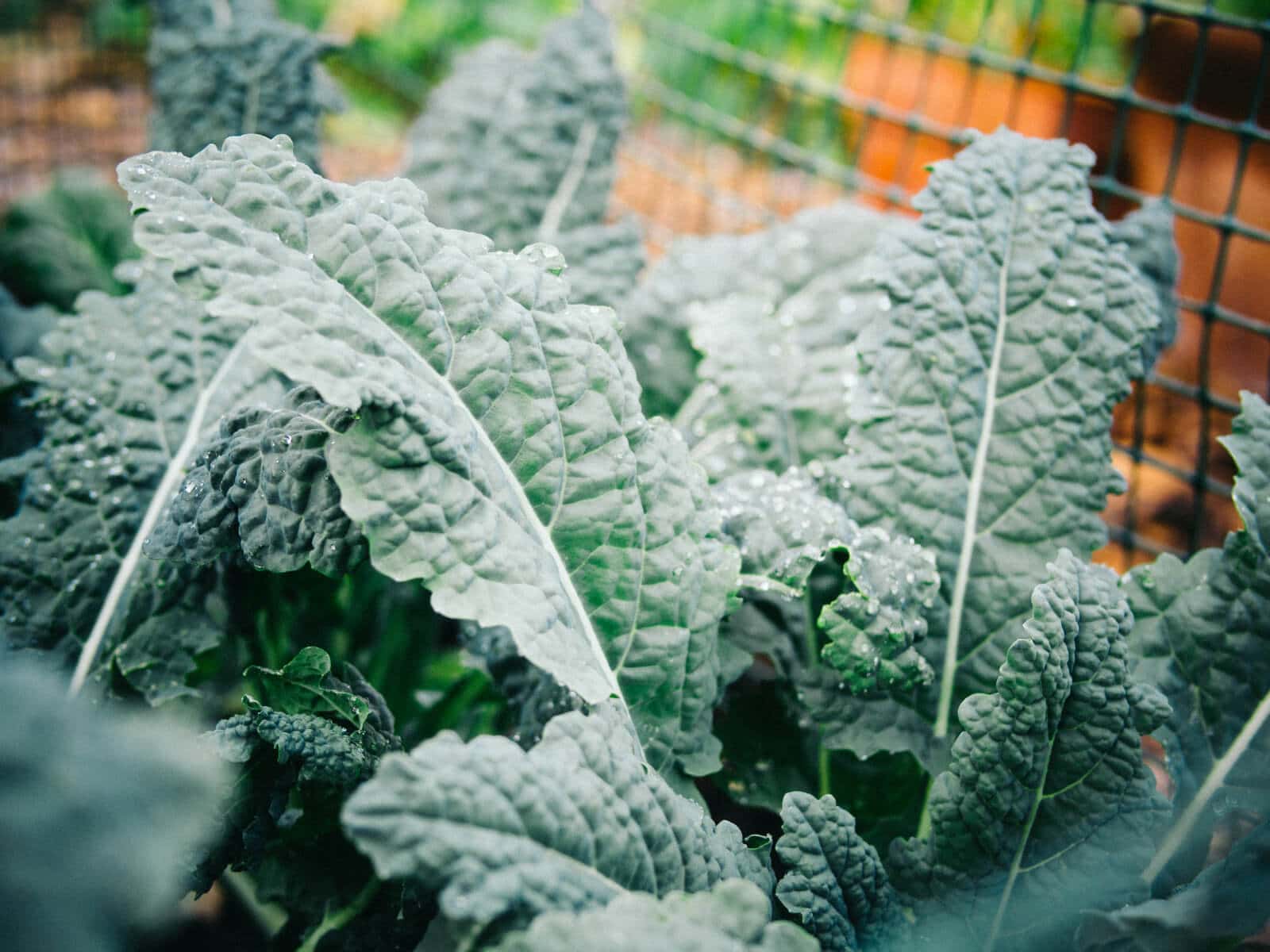
Nero Toscana (dinosaur) kale
Kale grown in partial shade isn’t too much smaller than kale grown in full sun, so I like to pepper the seedlings throughout my garden to fill in bare spots.
For variety in color and texture, I like to sow a few different types in spring and fall: Tronchuda, Red Russian, Nero Toscana, and Redbor.
3. Asian mustard greens (2 to 3 hours of sunlight)
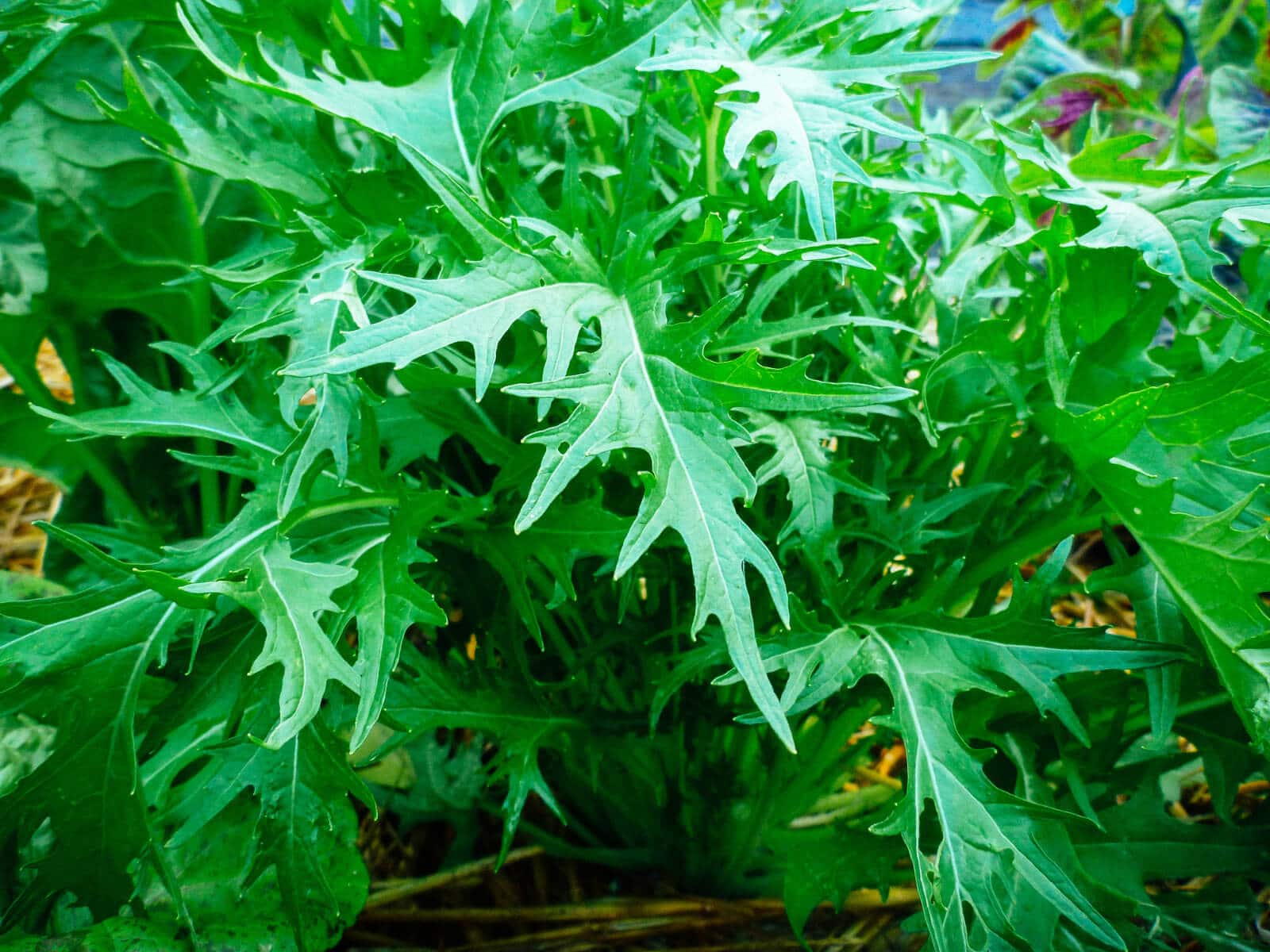
Mizuna
This diverse group of leafy greens includes some of my favorite vegetables: komatsuna, tatsoi, mizuna, baby bok choy, and Japanese red mustard.
I grow them year-round as cut-and-come-again crops, and they thrive in summer in my shadier garden beds.
4. Beets (3 to 4 hours of sunlight)
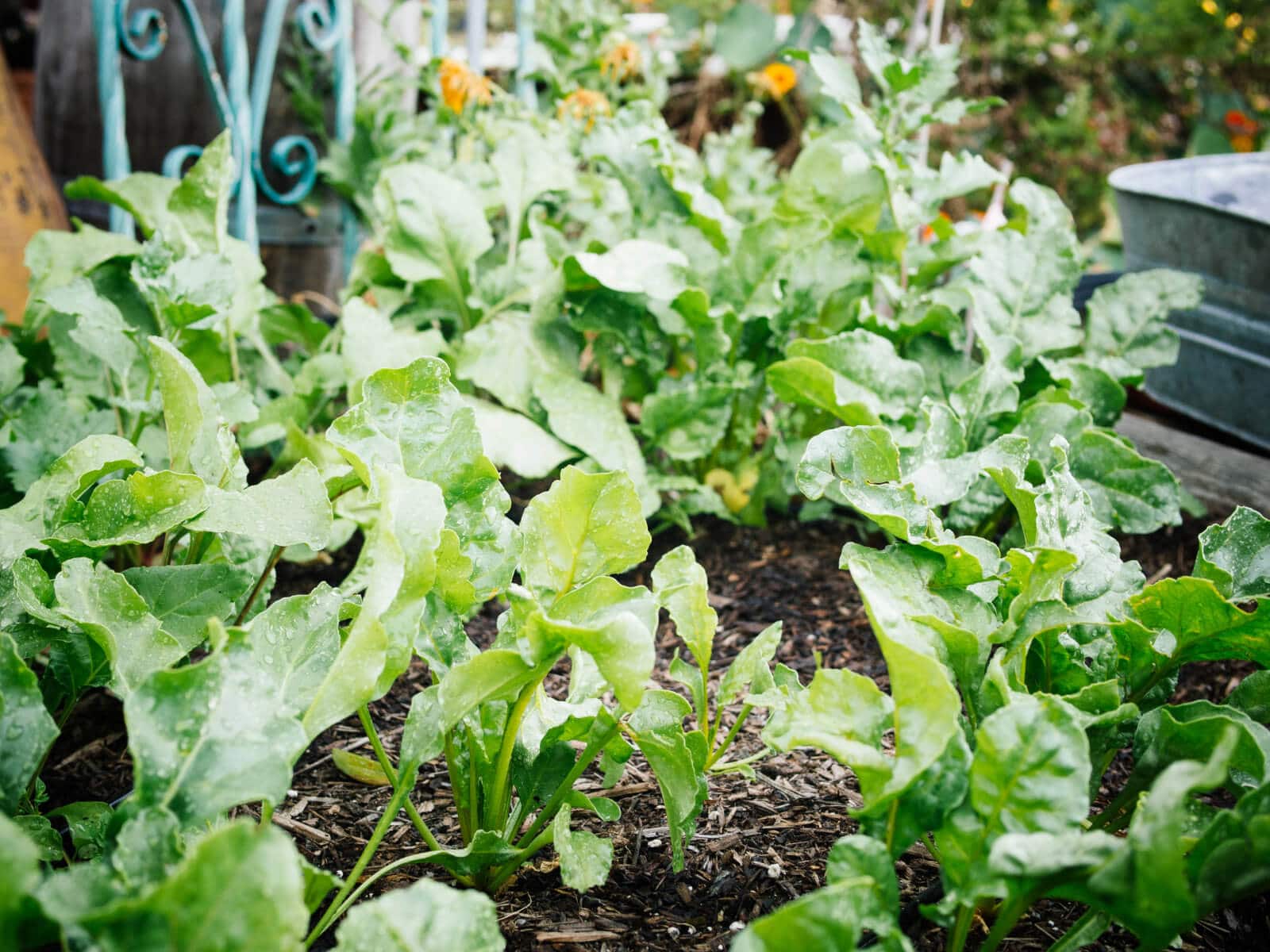
Beet greens
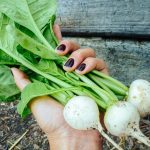
Like other root crops, beets will tolerate some shade but grow better (and bigger) with more sun.
That said, you can harvest a healthy crop of beet greens and baby beets from a crop that gets less light. As someone who loves the baby versions of root crops (I find them to be sweeter), this is a good thing, not a drawback.
5. Bush beans (4 to 5 hours of sunlight)
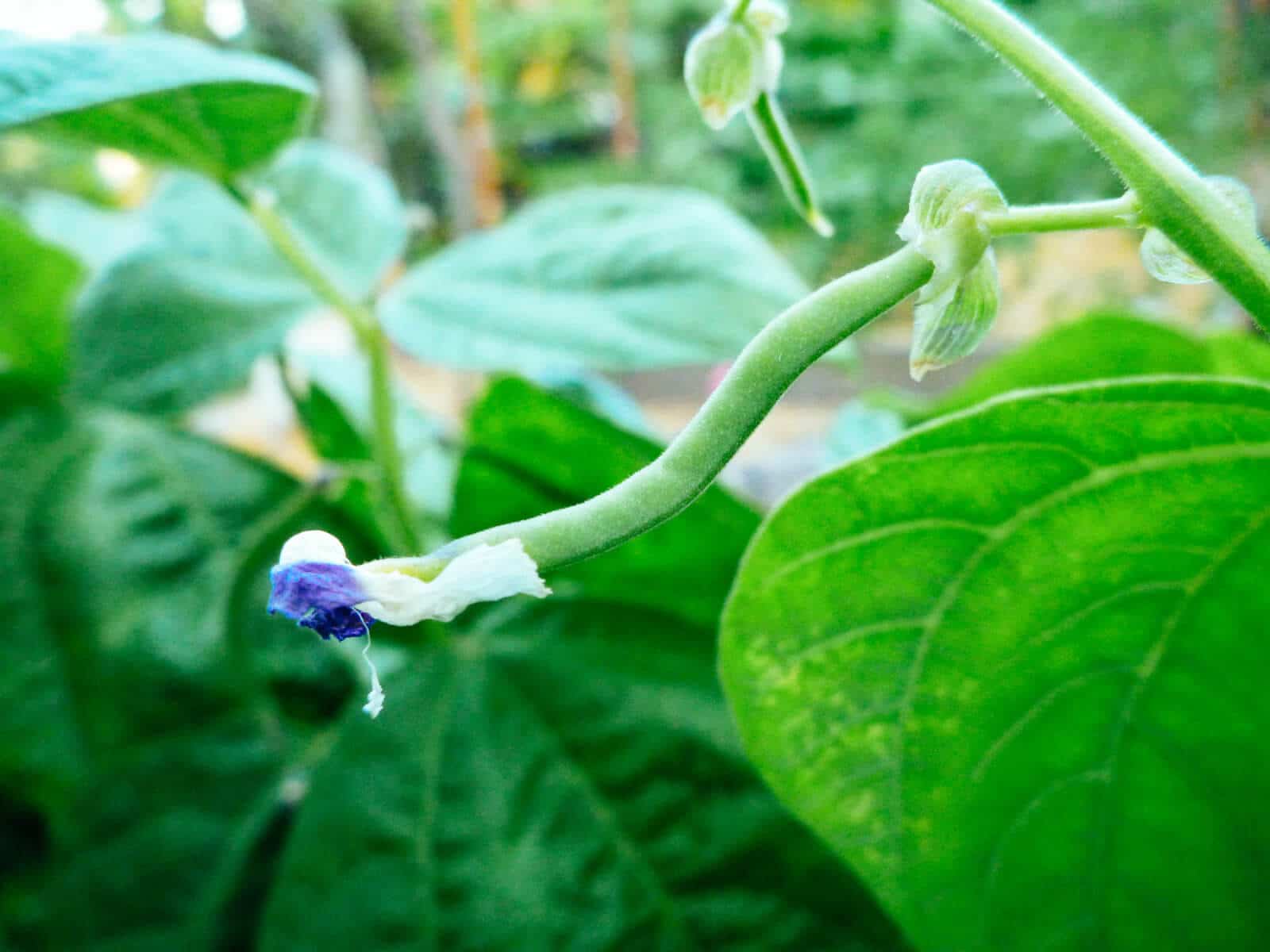
Royal Burgundy bush bean
Remember what I said above about rules that are made to be broken? Here’s one of them.
While bush beans are fruit-setting plants, I’ve found from experience that they’re one of the very few fruiting vegetables that can be grown in partial shade since they stay compact (compared to climbing pole beans).
The plants will be smaller than those grown in full sun, but you’ll still get a decent harvest of beans, especially if you succession sow every few weeks.
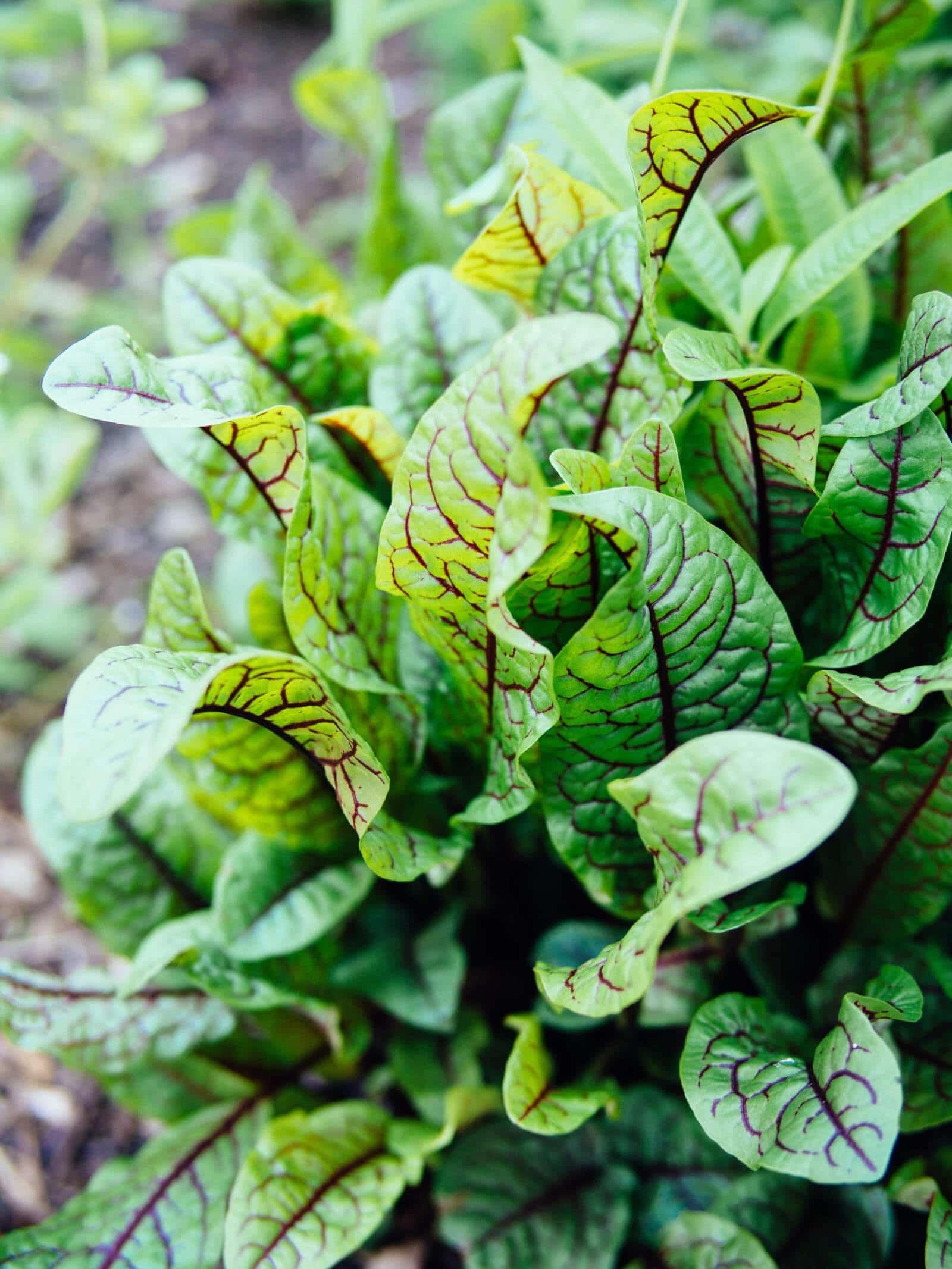
Red-veined sorrel (bloody dock)
More vegetables that grow in shade
Try these other low-light vegetables if your garden is lacking in sun. Most edible plants need at least 4 to 5 hours of sunlight to be productive, especially in the early stages to prevent weak, leggy seedlings.
Arugula
Asparagus
Broccoli
Brussels sprouts
Cabbage
Carrot
Caucasian mountain spinach
Cauliflower
Celery
Chard
Chinese cabbage
Collard
Endive
Escarole
Fava beans
Garlic
Hosta montana
Kohlrabi
Leek
New Zealand spinach
Parsnip
Pea
Potato
Radish
Rhubarb
Rutabaga
Scallion
Sorrel (spinach dock)
Spinach
Turnip
Watercress
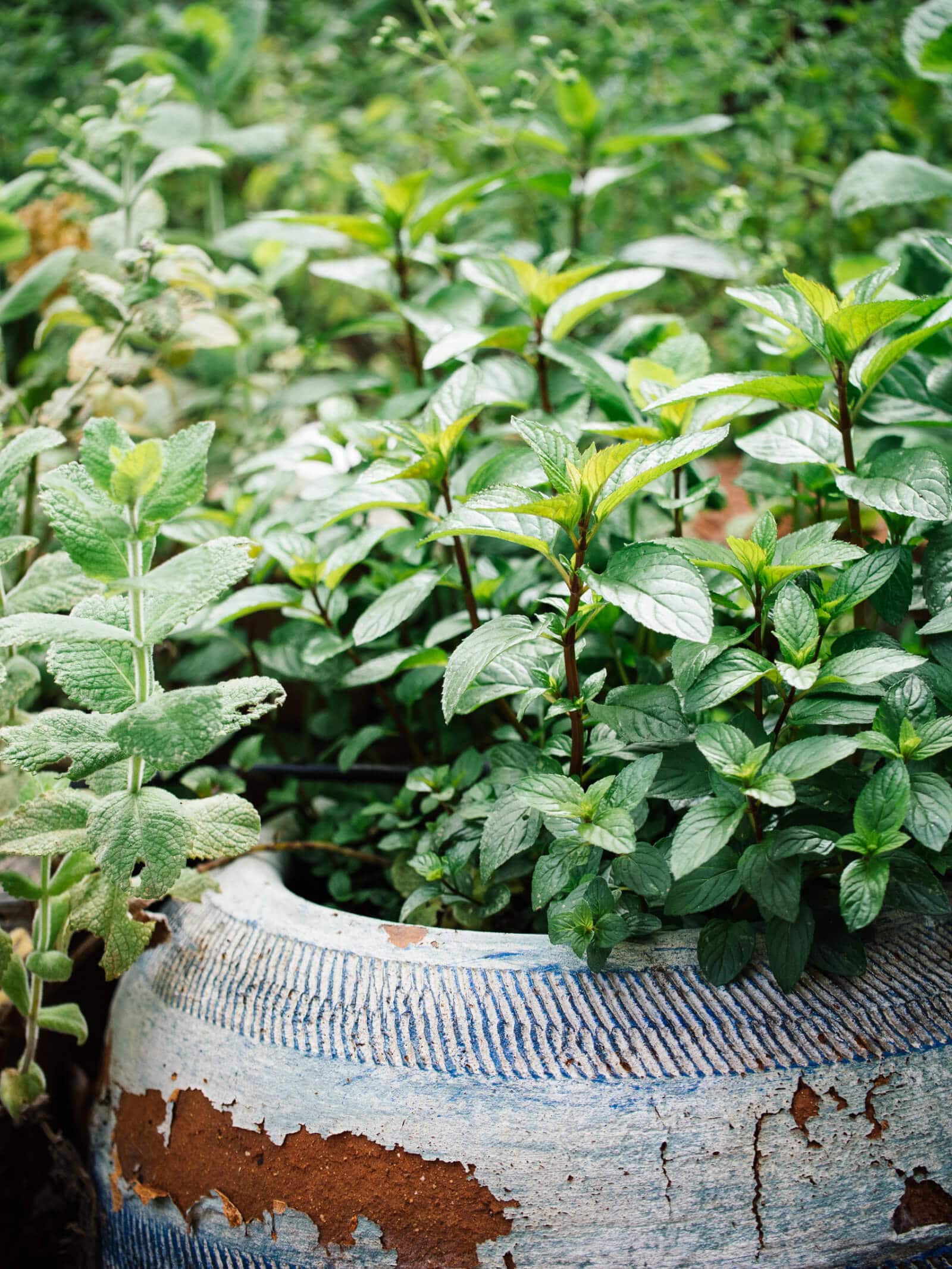
Chocolate mint
Herbs that grow in shade
Many herbs do well in partial shade to full shade, but their spread will be smaller. Take advantage of their compact size and grow herbs in containers, where they can be moved to brighter areas (or sunny window sills) throughout the season.
Anise hyssop
Basil
Catnip
Chervil
Chives
Cilantro
Dill
Fennel
Garden cress
Garlic chives
Horseradish
Lemon balm
Lovage
Mint
Mitsuba
Oregano
Parsley
Rosemary
Sage
True French sorrel
Top tips for growing vegetables in the shade
Having a shady site doesn’t mean you can’t have a healthy vegetable garden.
Partially shaded gardens can help extend your cool-weather crops from spring into early summer. Lettuce, for example, benefits from a little shade in late spring to delay bolting (and bitterness) as the weather warms up.
In late summer, you can plant your fall garden under the dappled shade of deciduous trees. Once the leaves drop in autumn, the extra sunshine and cooler temperatures will catapult the growth of your cool-season vegetables.
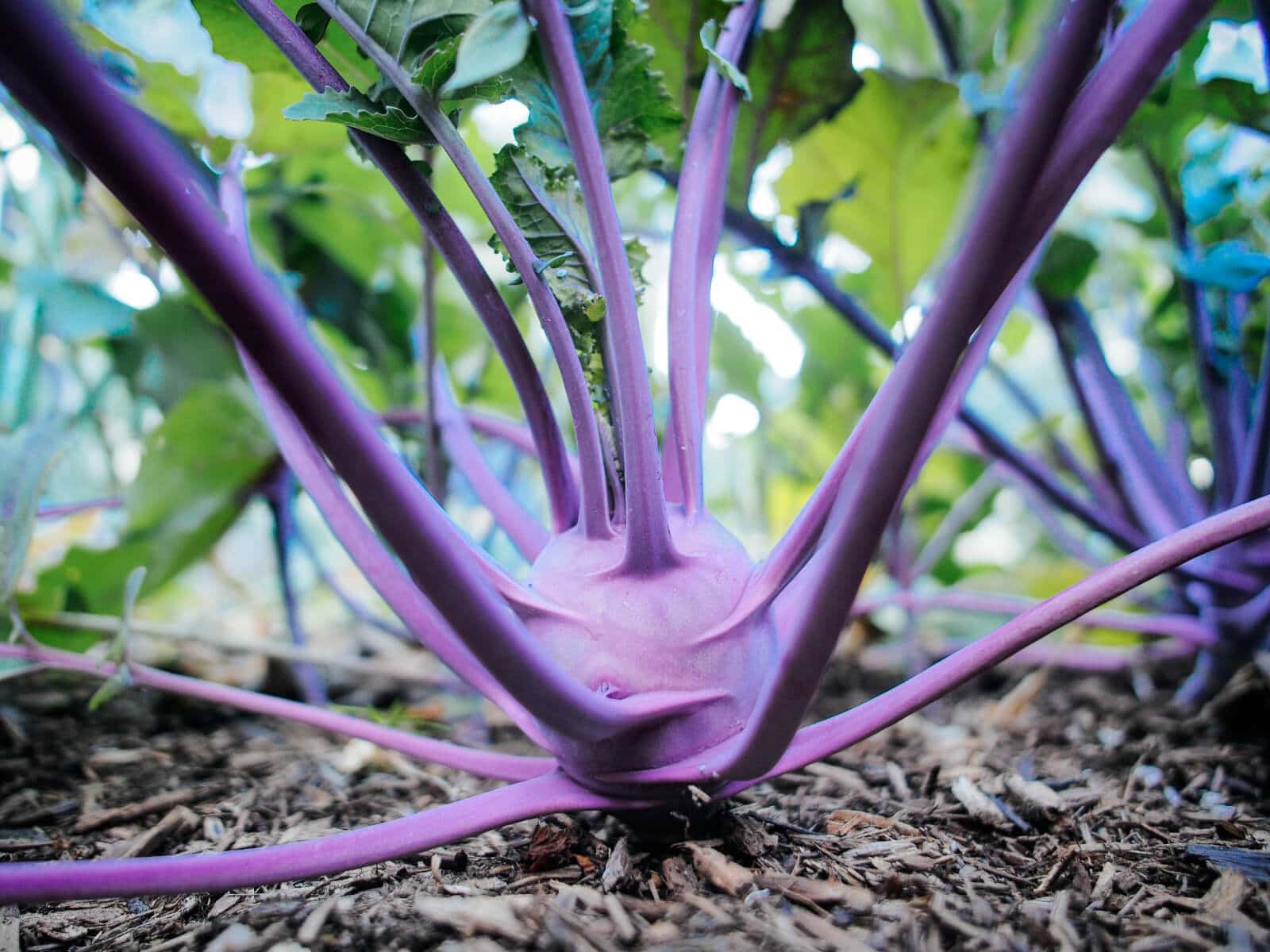
Purple Vienna kohlrabi
Disclosure: If you shop from my article or make a purchase through one of my links, I may receive commissions on some of the products I recommend.
Here are a few tips to help your edible plants thrive in the shade:
- Start seeds indoors. This way, germination and seedling growth can begin under optimal conditions before transplanting to the shady site.
- Plant vegetables near white walls to get more light to bounce into the garden. (You can also hang a white sheet on a fence for the same effect.)
- Grow vegetables in containers that can be moved into sunnier spots as the season shifts. (I like using these rolling saucers for my potted plants.)
- Remember that shady sites require less water (and clay soils will hold moisture even longer), so plan your irrigation accordingly. In a shade garden, it’s best to water at the root zone using drip irrigation or soaker hoses; overhead sprinklers could promote diseases or pests as leaves won’t be able to dry out before evening.
- Speaking of pests, slugs and snails thrive in damp, shady conditions and your leafy greens will look like an all-you-can-eat buffet to them. Monitor your garden and dial back the watering as needed to discourage slugs.
- Keep expectations in check: vegetables and herbs grown in shade tend to develop more slowly and have smaller yields than those grown in full sun.
This post updated from an article that originally appeared on March 30, 2020.









Heads up • What a charming tip — I’m keen to try it.
FYI — Nice point — I noticed that too. Will try it 🌿