
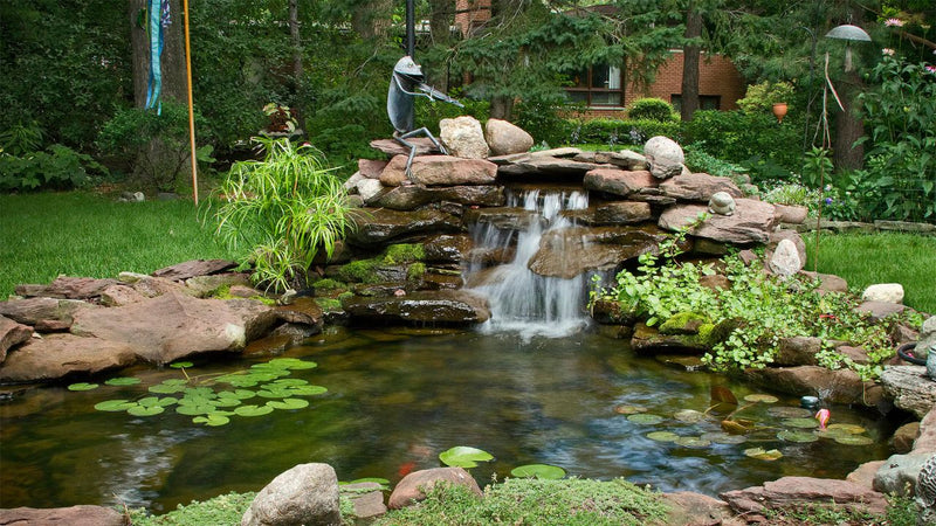
If you have ever stood in your yard at the end of a long day and felt like something was missing, you are not alone. Many homeowners build beautiful patios, plant pollinator beds, and hang bird feeders, yet the space still feels a little quiet. The shift happens when you add water. A small pond does not just change how a garden looks. It changes how the whole space behaves, from the wildlife that shows up to the way you feel when you sit nearby.
I have helped troubleshoot hundreds of water features over the years, and the pattern is consistent: ponds bring life, then they bring calm. If you are planning your first build, backyard pond kits simplify the process because all the main components are designed to work together.
In this guide, you will learn why ponds support biodiversity, what makes a pond “wildlife friendly,” and how to set one up so it stays relaxing instead of turning into a maintenance headache.
Why Does Adding Water Attract More Wildlife to a Garden?
Water is a limited resource in many neighborhoods. Even when parks are nearby, a reliable, shallow water source in a backyard can serve as a rest stop for local wildlife.
Pond owners notice it quickly, and the science backs them up. A University of Bristol-led study found that backyard water sources help wildlife thrive, with small-bodied wildlife visiting garden ponds at rates comparable to visits to urban lakes.
Once a pond is running, you often start seeing dragonflies, songbirds, and beneficial insects within days, not months. The key is consistency. Wildlife learns where water is safe and predictable, so a pond that stays topped up and clean becomes part of the local routine.
Source: ukgardenphotos
What Kinds of Biodiversity Benefits Can a Backyard Pond Really Provide?
A backyard pond creates habitat layers that most gardens simply do not have: open water, shallow edges, submerged plant zones, and damp surrounding soil. Each layer supports different species.
A large citizen science survey of 753 garden ponds found that dragonflies and birds were observed at almost all sites, with amphibians also commonly reported.
Small freshwater habitats improve connectivity for aquatic and semi-aquatic species in fragmented landscapes, which is why conservation organizations have made them a priority.
Here is a straightforward way to think about it. A pond helps biodiversity in three main ways:
- Water access: birds, pollinators, and mammals use it for drinking and bathing.
- Breeding habitat: amphibians and many insects need still water for life cycles.
- Food web support: aquatic plants and microorganisms feed insects, which feed birds and other wildlife.
How Do You Design a Pond That Is Actually Wildlife Friendly?
Most pond failures are design failures, not equipment failures. The good news is that wildlife-friendly design usually makes maintenance easier, too.
Here are the design choices that matter most:
- Shallow zones and gentle edges: Wildlife needs an easy way in and out. Steep-sided ponds can become traps for small animals. Adding a shallow shelf or a sloped edge helps.
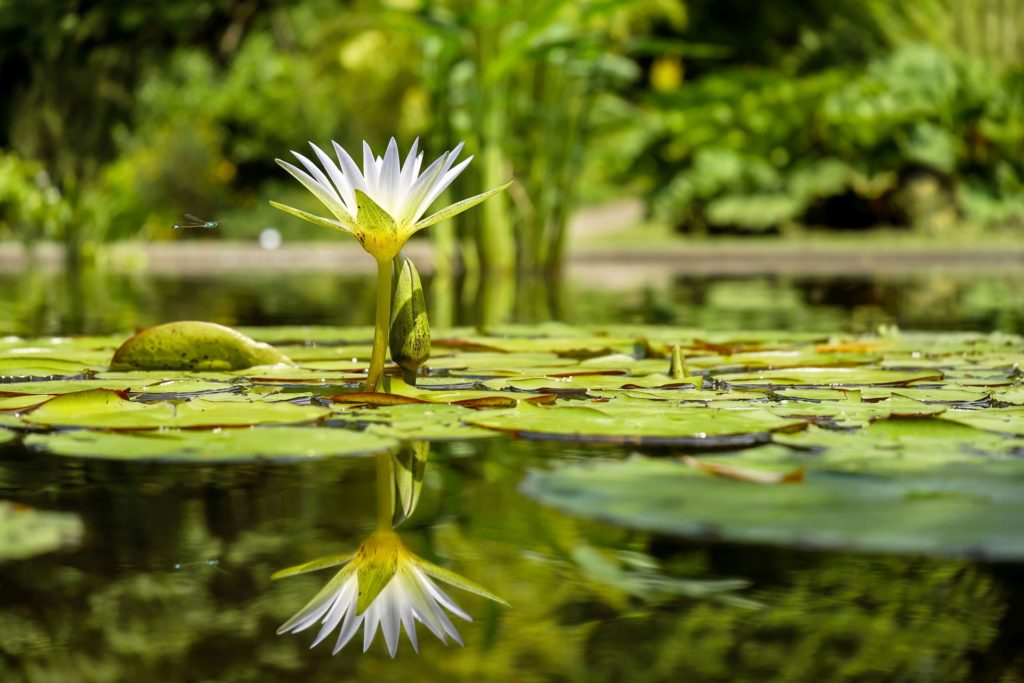
- Plant diversity: A mix of submerged, floating, and emergent plants supports water clarity and habitat. Even simple planting plans make a real difference over time.
- Avoiding chemical shortcuts: Algaecides and harsh treatments can disrupt the food web you are trying to build.
- A place to hide: Rocks, marginal plants, and nearby ground cover give frogs, insects, and small creatures refuge from predators.
The Freshwater Habitats Trust recommends clean water, varied structure, and thoughtful planting as the foundation of any wildlife-friendly pond.
We have seen ponds where the owner did everything “right” except one thing, like leaving the pond unplanted. Once they added a few appropriate aquatic plants and a bit of edge structure, water clarity improved, and wildlife visits increased.
Why Can Ponds Feel So Calming, Even if They Are Small?
Homeowners often tell us they built a pond “for the garden,” then realized it was really for themselves.
The calming effect of water is well-documented. UC Davis research found that viewing bodies of water is linked to relaxation, including lower heart rate and blood pressure.
Nature exposure more broadly is linked to lower cortisol levels, one of the body’s primary stress markers.
Even sound matters. In real backyards, gentle water movement can soften neighborhood noise and make the space feel more private. This is especially true in smaller yards, where a modest bubbling fountain creates a consistent background sound that makes the whole space feel more contained.
What Maintenance Habits Keep a Pond Healthy Without Ruining the Vibe?
A pond should not feel like a second job. The goal is steady, simple routines that prevent big problems.
The habits that make the biggest difference:
- Check the water level weekly in warm weather. Evaporation is normal, and low water can strain pumps.
- Skim debris before it sinks. A small net and two minutes can prevent a lot of muck later.
- Rinse the mechanical filter media as needed. Frequency depends on your leaf and fish load, so there is no universal rule here.
- Trim plants seasonally. Removing dying plant material helps water quality and keeps nutrients from feeding algae.
What Are Common Mistakes That Reduce Biodiversity or Increase Algae?
If a pond turns pea-soup green or stops attracting life, it is usually one of these issues:
- Too much sun and not enough plant coverage: Strong sun plus excess nutrients is algae’s favorite combination.
- Overfeeding fish: Uneaten food becomes nutrient pollution.
- No circulation plan: Stagnant water loses oxygen and gets harder to manage.
- Bare edges with no habitat: Wildlife needs cover and safe entry points.
Algae problems are rarely solved by one “magic” fix. They are solved by balance: shade from plants, consistent filtration and circulation, and less nutrient buildup.
How Can a Beginner Start Small and Still Get Real Results?
Start with the smallest pond you can realistically maintain, not the biggest pond you can dig. A container pond, preformed pond, or compact liner pond can still support insects, birds, and plants if you design it thoughtfully.
A simple beginner plan:
- Pick a location with partial sun (morning sun and afternoon shade, if possible).
- Build a shallow entry zone or add a ramp or stone shelf.
- Add a mix of aquatic plants suited to your climate.
- Keep the water moving gently and remove debris before it breaks down.
- Let it settle in for a few weeks before making big changes.
Patience is the hidden ingredient. Biodiversity builds in waves. The first wave is insects and birds. The next is a more complex life once plants establish themselves and the pond becomes predictable.
Closing: The Backyard Pond Payoff
A backyard pond is one of the most practical ways to make your garden feel alive and restorative. The big takeaways are simple:
- Water is a magnet for wildlife, especially when it is clean and consistent.
- Even small ponds support meaningful biodiversity and act as stepping stones in developed areas.
- The calming effect is real and well-supported by research on the benefits of nature exposure and viewing water.
- Thoughtful design and light routines beat chemical quick fixes over the long run.
Focus on the fundamentals: habitat structure, plant balance, and steady water movement. Pond Haven publishes practical guides and resources year-round, so you can keep improving your pond season after season, one small adjustment at a time.










This tip on “How Backyard Ponds Improve Garden Biodiv” is so useful — thanks for sharing. Love this!
This is so satisfying to read — thank you. Thanks for this! 😊