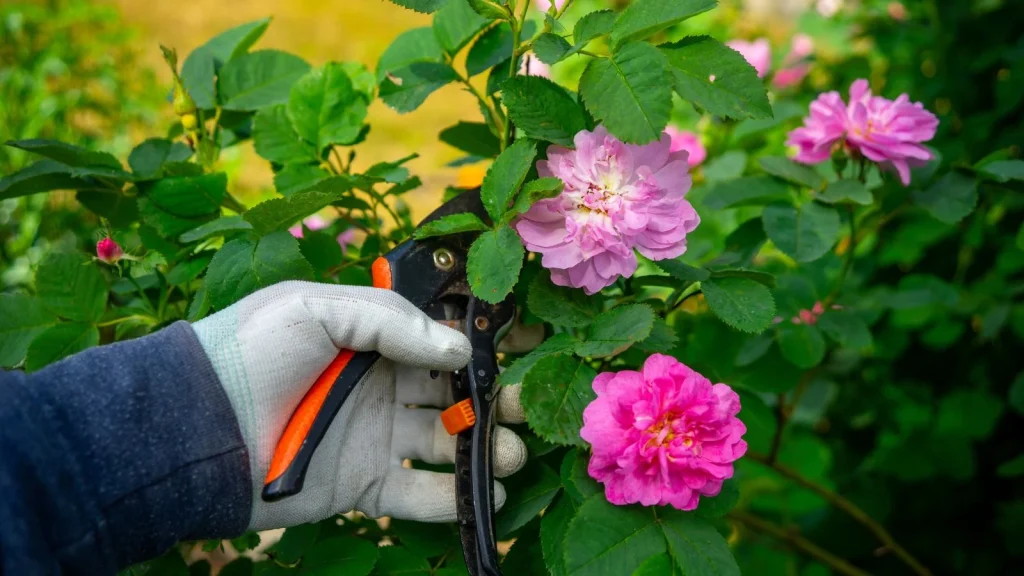
It’s not always necessary, but sometimes it is important to prune plants. March pruning of certain plants ensures a good show in summer, when the season is at its height. While there are plenty of plants to wait to prune, many perennials need a good late winter to early spring refresh.
When you’re planning a pruning session, gather your preferred tools. Sharpen and sterilize them for the best cuts without the risk of spreading diseases. If you have time to remove rust from the blades, even better. This preparation is an important part of effective garden maintenance.
Put these plants on your pruning list as you do your pre-season cleanup. The work you do now will have latent benefits, particularly when it comes to the flower show of summer. These blooms give you joy, and they provide enjoyment for pollinators as well.
Anise Hyssop
Black-Eyed Susan
Colorado Blend Yarrow
Colorado Blend Yarrow Seeds
Anise Hyssop
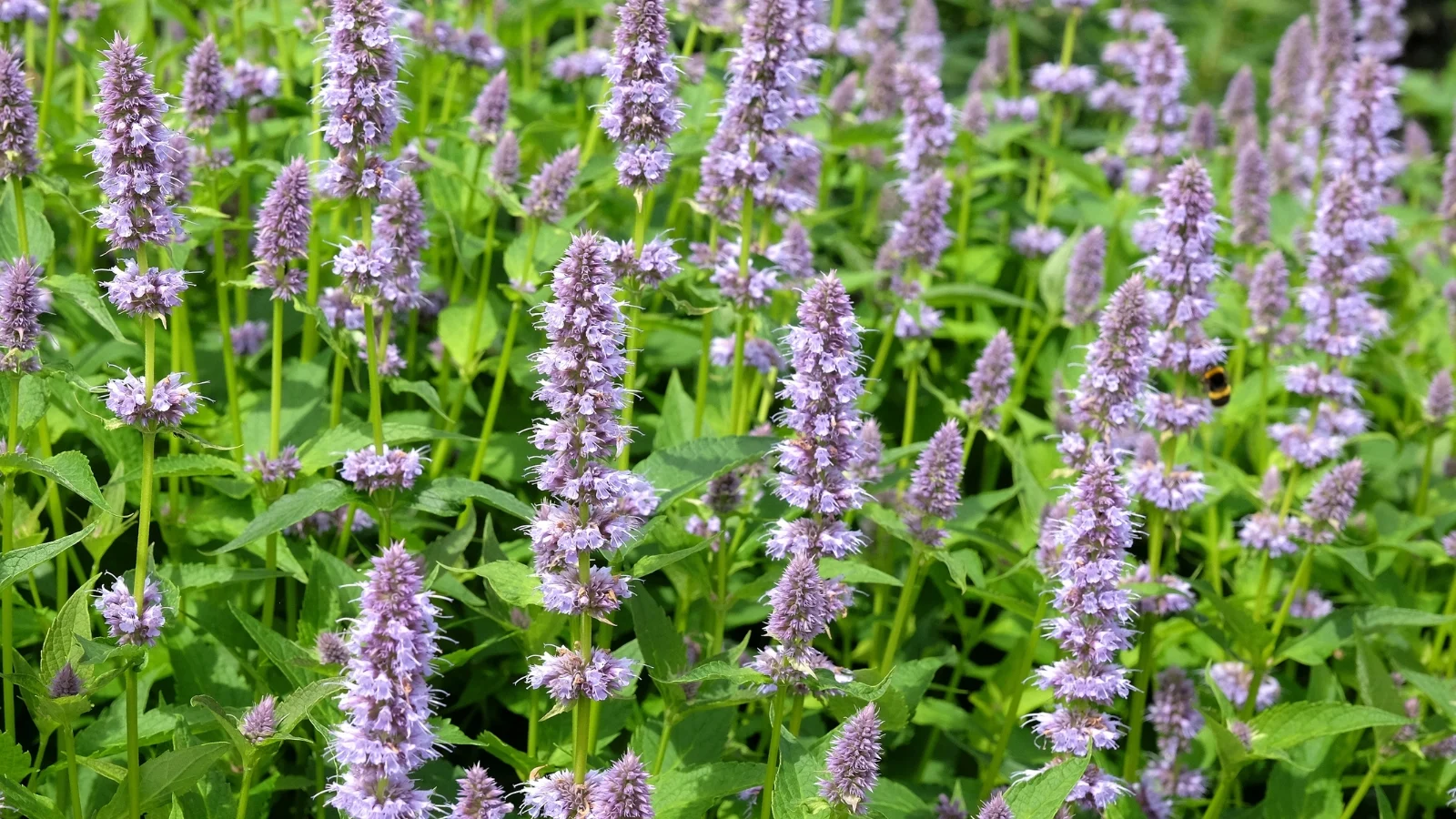 Prune back dead stalks to promote better flowering.

botanical name
Agastache foeniculum

sun requirements
Full sun to partial shade

height
2-4′

hardiness zones
4-8
The lovely agastache that is also called anise hyssop (though it isn’t a true hyssop) is a hardy North American native that blooms for a long time, starting in spring, and lasting through fall in mild areas. I have established stands of this in planters in front of my house. They are generous plants, providing a beautiful show for me and attracting so many different pollinators.
If you leave the dried stalks over winter, you’ll have a viable habitat for insects through the cold. Once the new green leaves grow at the base in spring, it’s time to prune back the dead stalks. This promotes a stronger bloom in spring and summer. While you’re pruning, thin any new plants that have grown from the seeds left from last year.
Sedum
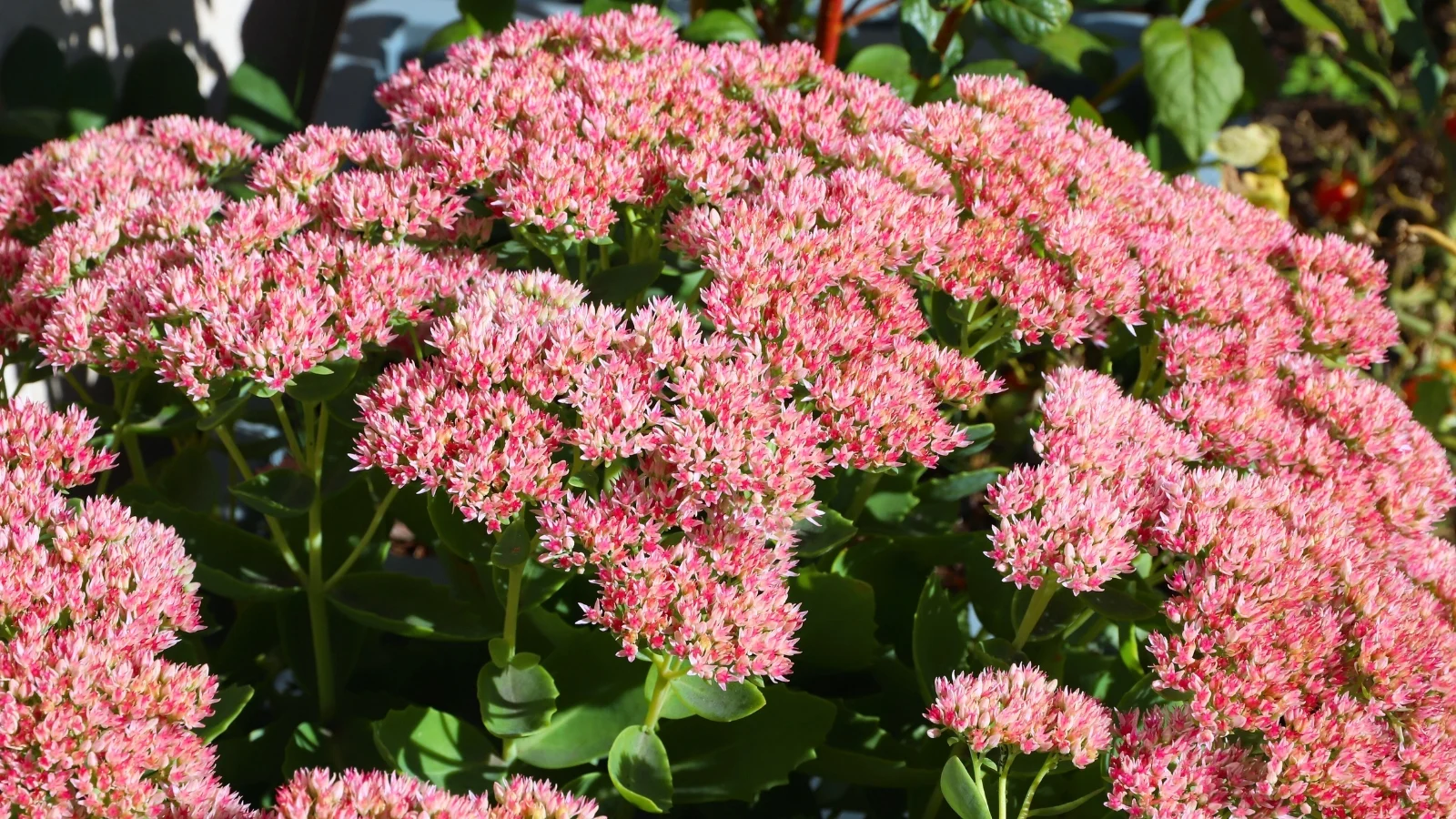 Pollinators love these tough flowers.
botanical name
Sedum and Hylotelephium spp.
sun requirements
Full sun to partial shade
height
3″-2′
hardiness zones
3-9
As perennial succulents, sedums, also called stonecrops, are beautiful additions to gardens that tend to be on the drier side. In rock gardens and xeriscapes, sedums of all kinds really shine, providing long-lasting flowers in a rainbow of colors for multiple seasons.
If you’ve left stalks of sedum in the garden over the winter season, now is the time to prune plants. March is also a good time to pinch back upright sedums to promote side branches. Both of these practices are good for improving the flowering of fleshy stonecrops.
Rudbeckia
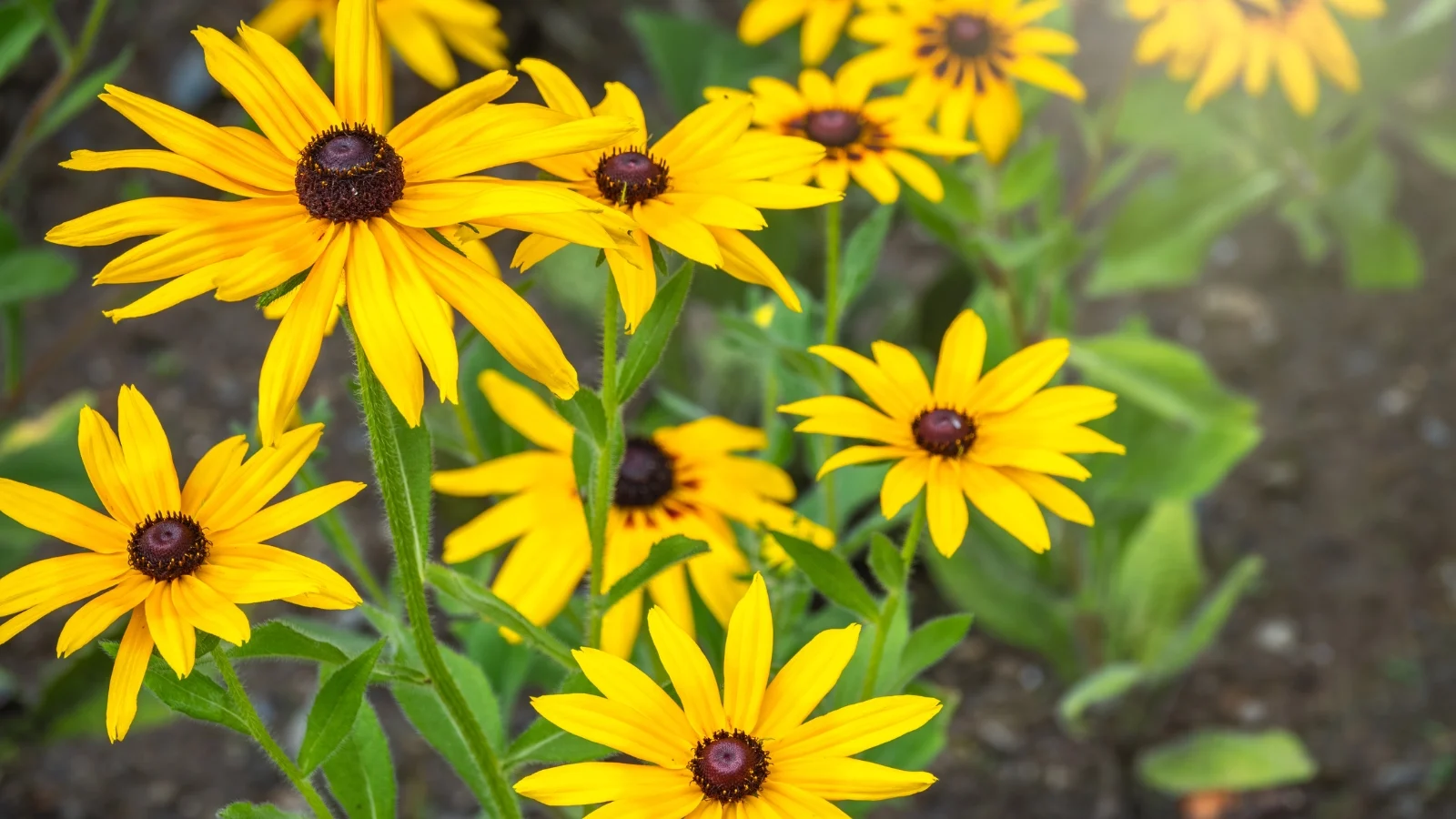 Wait for new leaves to develop before you snip the stalks.
botanical name
Rudbeckia hirta
sun requirements
Full sun
height
2-3′
hardiness zones
3-7
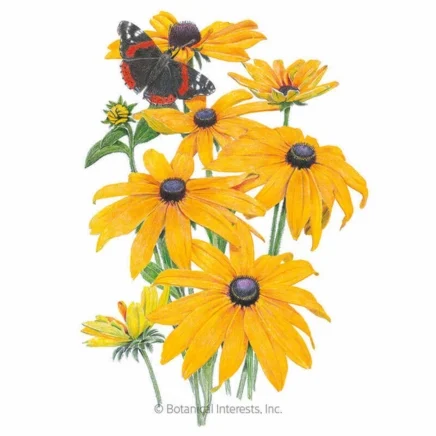
Because black-eyed Susans are such great wildlife plants, you certainly want to prune last year’s dead stalks in spring so you can have a flourish of flowers that last through summer. Similar to anise hyssop, wait for perennial stands to develop new leaves at their base. Then snip the stalks.
This rudbeckia is a host plant to Wavy-lined Emerald and Silvery Checkerspot butterflies. The yellow flowers that bloom in summer attract adults, prompting them to lay eggs where larvae hatch and feed. American goldfinches rely on summer’s flowers to provide fall forage as well.
Yarrow
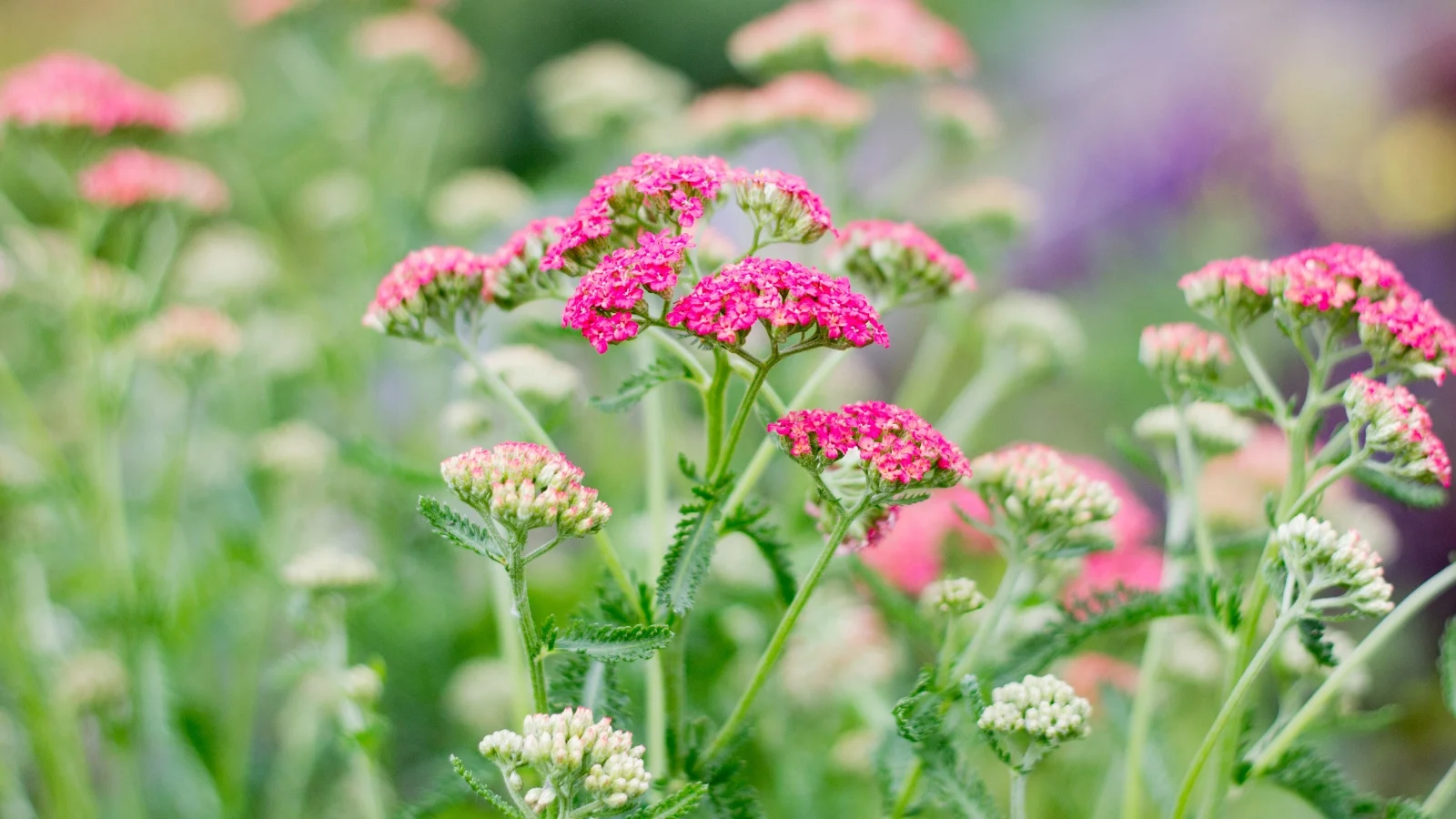 March is the perfect time to prune these plants.
botanical name
Achillea millefolium
sun requirements
Full sun
height
1-3′
hardiness zones
3-9
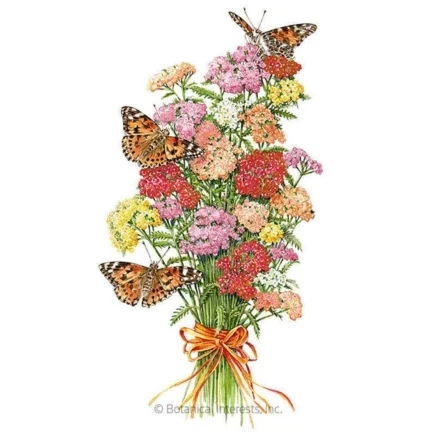
Just as you should with rudbeckia and anise hyssop, when it comes to yarrow, now is the time to prune plants. March is the perfect time to remove the dead stalks of your yarrow plants, and it’s a good time to divide them, too. You may not need a pair of pruners, though. If possible, just snap the stalks and compost them.
Do this, and you’ll have masses of the multi-flowered umbels that yarrow provides. And note that you’ll need to divide your yarrow regularly. It’s a vigorous plant that will spread easily. But flowering declines when annual maintenance is neglected.
Smooth Hydrangeas
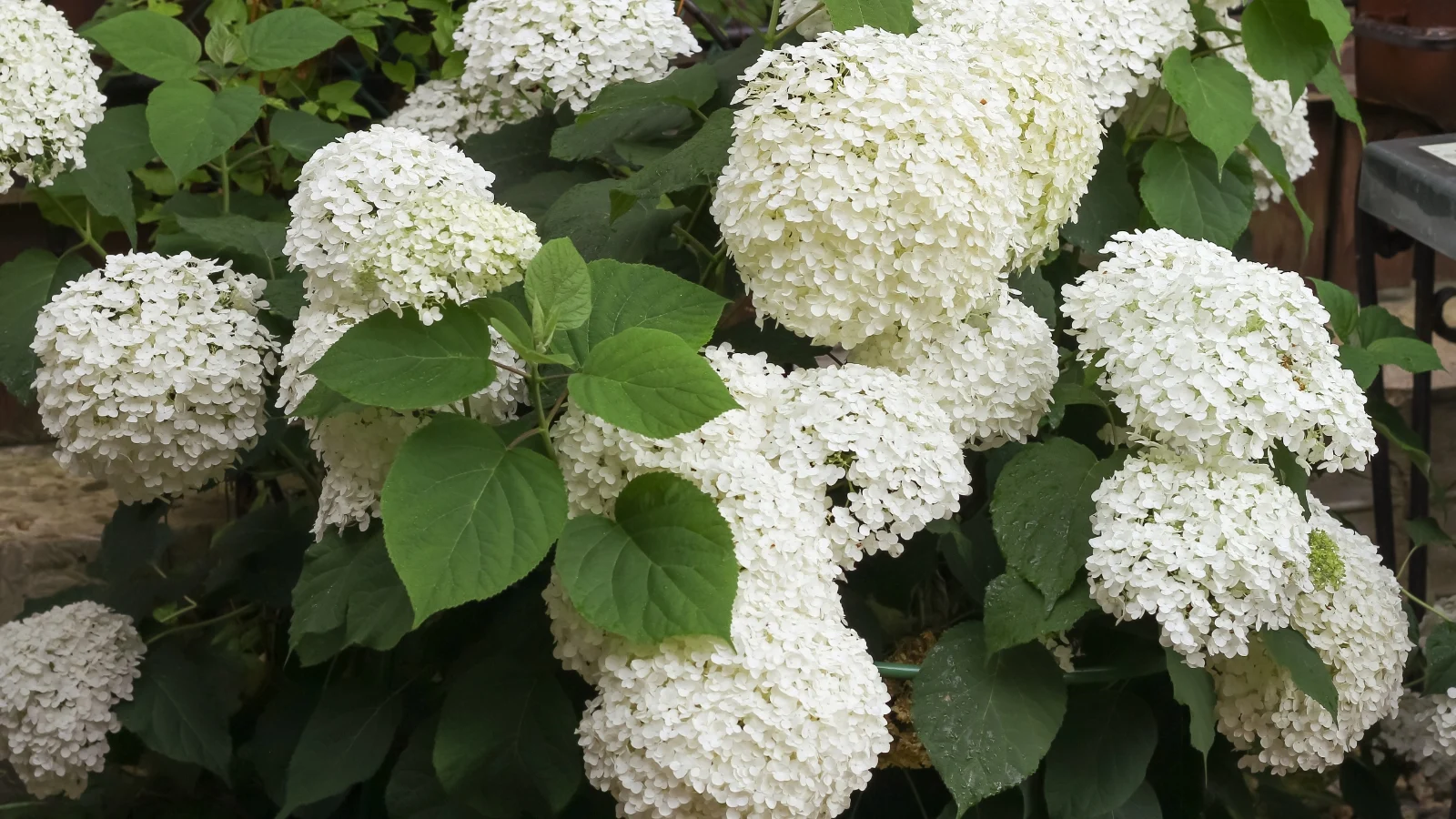 Don’t prune all hydrangea types this month.
botanical name
Hydrangea arborescens
sun requirements
Full sun to partial shade
height
3-5′
hardiness zones
3-9
While not all hydrangeas should be pruned in late winter or early spring, smooth hydrangeas should! Cut your Incrediball® or Invincibelle™ six inches from the ground in late winter to prepare it for a huge show in summer. If you’ve already done this, look for any drooping stems that emerged after your pruning. Snip these and damaged areas away.
Take care of this task and watch the giant (really giant!) flower clusters of your smooth hydrangea explode. It’s worth the effort, and it’s an easy task. Any non-diseased material can go into the compost pile to nourish future garden plants.
Shrub, Climbing, and Hybrid Tea Roses
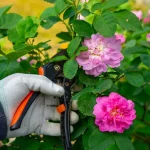
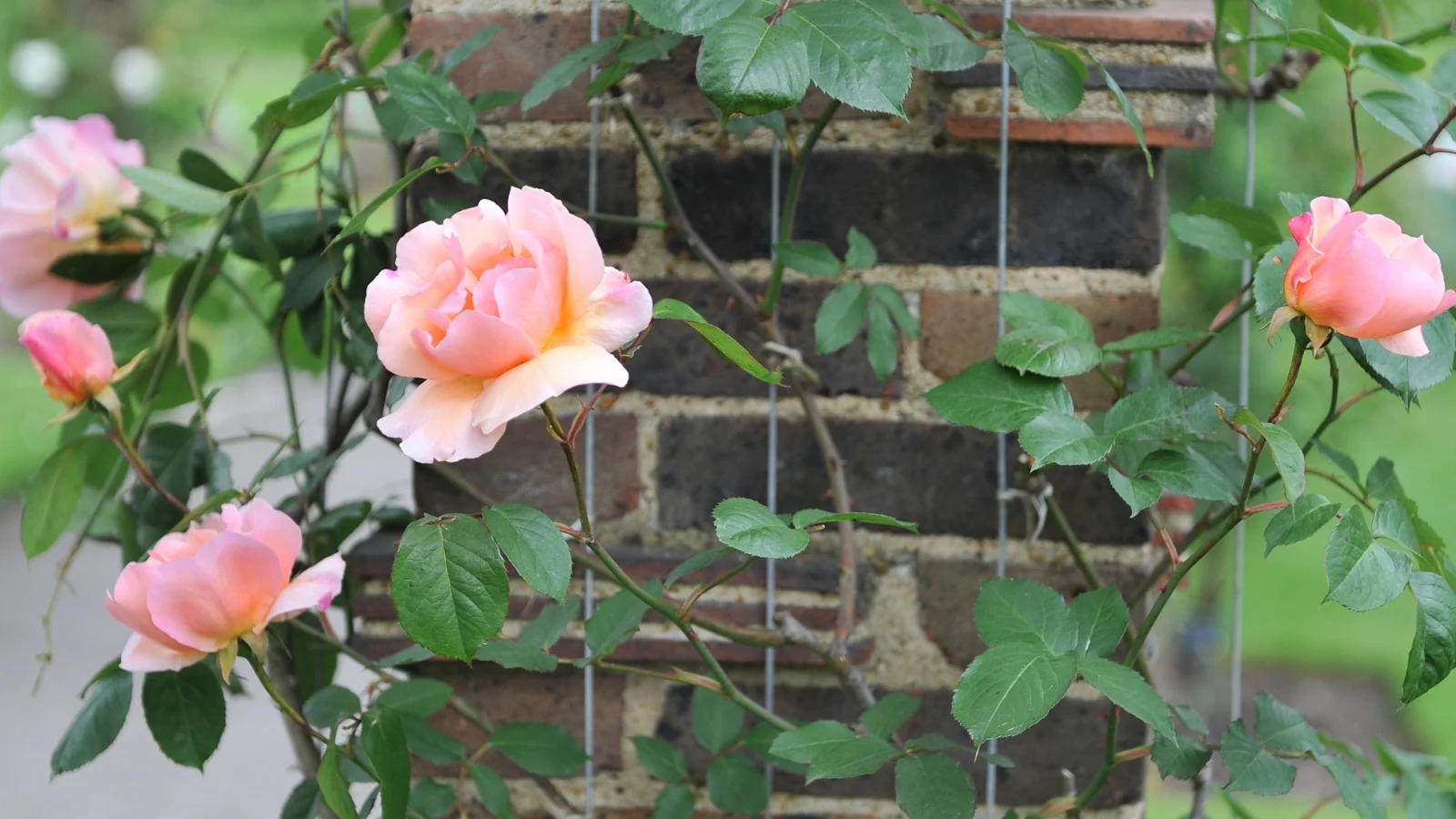 Remove tired and damaged growth when you prune these plants in March.
botanical name
Rosa spp.
sun requirements
Full sun to partial shade
height
1-8′
hardiness zones
5-11
Old garden roses can be left alone in late winter to early spring. But when you prune plants, March pruning of shrub and hybrid tea roses is a good idea. Snip your Cinnamon Hearts™ and Double Knock Out® to about ½ or ⅓ their size. For these and hybrid teas, like Peace roses, a good pruning now promotes tons of dense and colorful summer blooms.
It’s important to prune at this time, especially if you like to snip roses for cut flower arrangements. Don’t skip out, or you’ll miss out on the stunning display, whether it’s in the garden or in a vase. As for climbing roses, you can train and snip them lightly now, too.

Bee Balm
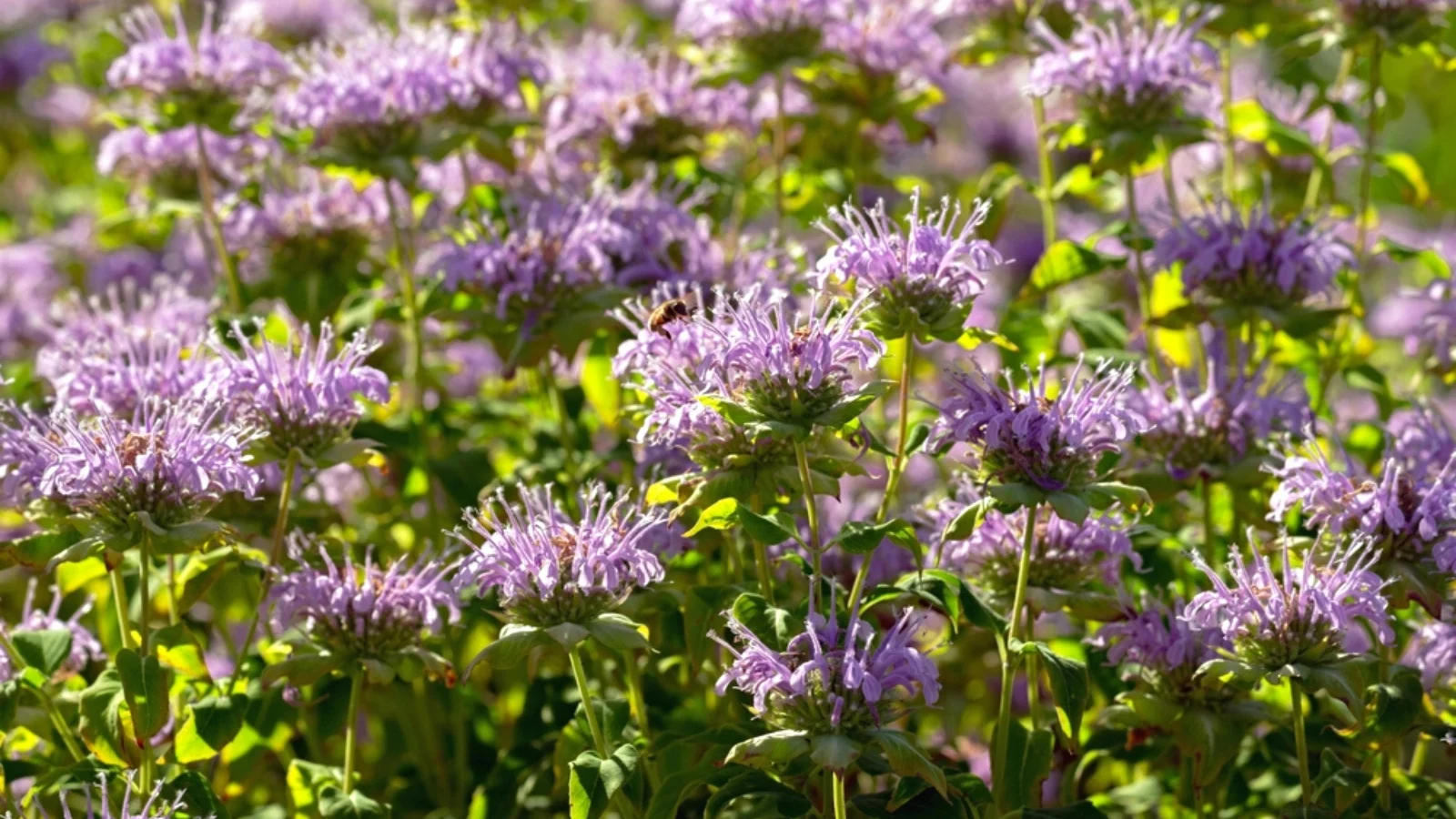 Start pruning now and continue into summer.
botanical name
Monarda spp.
sun requirements
Full sun to partial shade
height
2-4′
hardiness zones
4-9
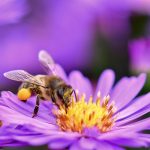
Prune your perennial bee balms now with the other plants on this list, and you will see improved blooming. More blooms mean more support for local pollinators, including hummingbirds. Missing this month’s prune, however, isn’t as detrimental as it would be to miss a hydrangea or rose pruning session. You can keep pruning through summer to promote more blooms.
Still, if you have stalks left over from winter, or you notice floppy stems, this is a good time to give them a good cut back. Then watch them really take off, and flower for long periods.