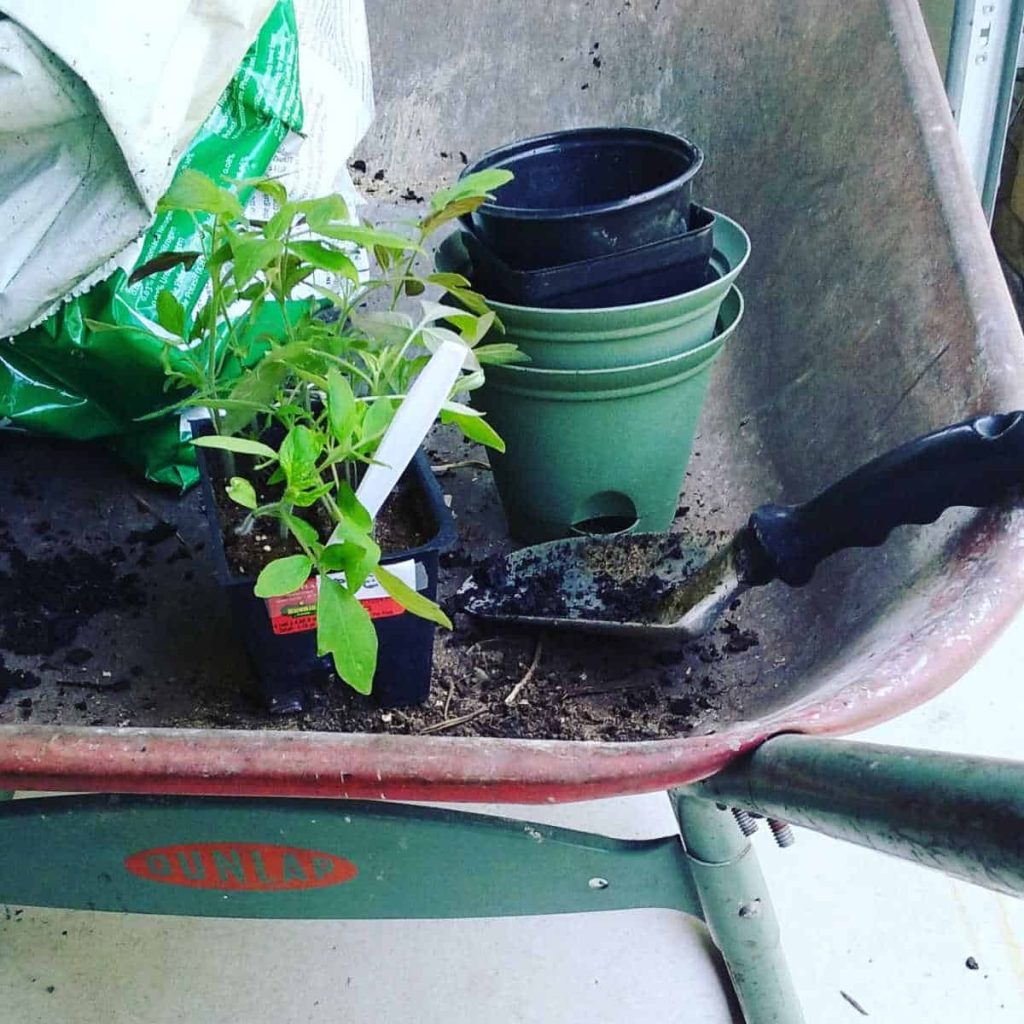
Understanding fertilizer is an important skill for beginning gardeners. In this guide, I’ll walk you through the basics. By the end of this article, you’ll understand fertilizer, what it is and what it does, and how to use it appropriately in the garden.
Key Takeaways
- Understanding fertilizer is crucial for replenishing soil nutrients and supporting plant health.
- The guide covers inorganic and organic fertilizers, their advantages, disadvantages, and nutrient compositions.
- NPK labels show the percentages of nitrogen, phosphorus, and potassium, essential for plant growth.
- Gardeners should match fertilizer types to plant needs and consider soil tests to avoid over-fertilization.
- Compost and natural amendments also play vital roles in enriching soil and promoting sustainable gardening.
. Plants absorb nutrients as they grow, and rain or irrigation can wash minerals deeper into the ground where roots cannot reach them. Over time, even rich soil becomes depleted.
Fertilizer restores these essential nutrients. Just as people need protein, fats, carbohydrates, vitamins, and minerals to stay healthy, plants need a balanced supply of nutrients to grow strong roots, produce lush foliage, and develop flowers or fruit. The three primary nutrients are nitrogen, phosphorus, and potassium. Plants also need calcium, magnesium, and sulfur, along with trace micronutrients such as boron, iron, and copper.
Understanding fertilizer helps gardeners choose the right products, avoid overuse, and build soil that supports long-term plant health.
What Is Inorganic Fertilizer?
Inorganic fertilizers are manufactured products created through chemical processes. They contain nutrients in highly available forms that plants can absorb quickly. These fertilizers are typically sold as pellets, granules, powders, or concentrated liquids.
Understanding NPK: What the Numbers Mean
Every fertilizer label displays three numbers, such as 10‑10‑10 or 5‑10‑5. These numbers represent the percentage by weight of:
- Nitrogen (N)
- Phosphorus (P)
- Potassium (K)
These are the primary macronutrients plants require in the largest amounts.
Romaine lettuce
Nitrogen supports leaf growth. It is essential for leafy greens, like lettuce.
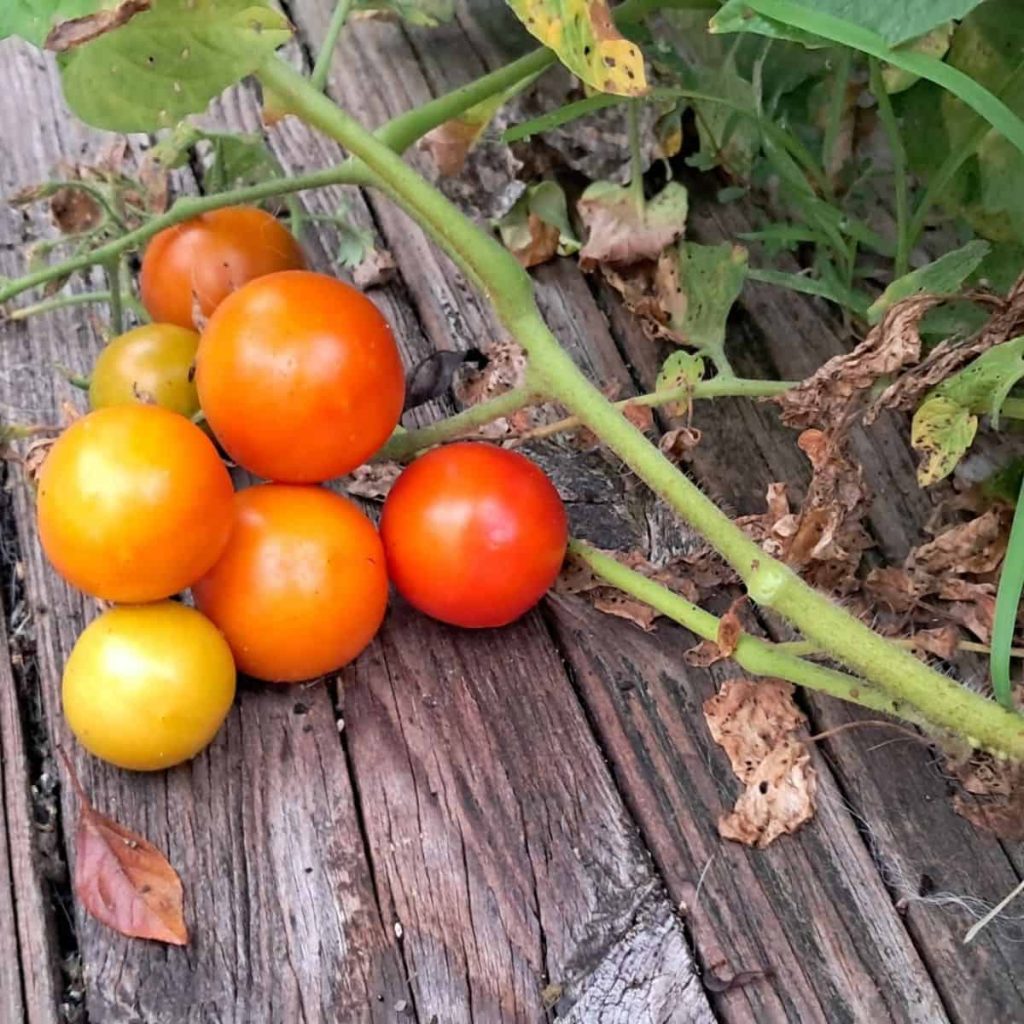 Cherry tomatoes
Phosphorus supports flower development.
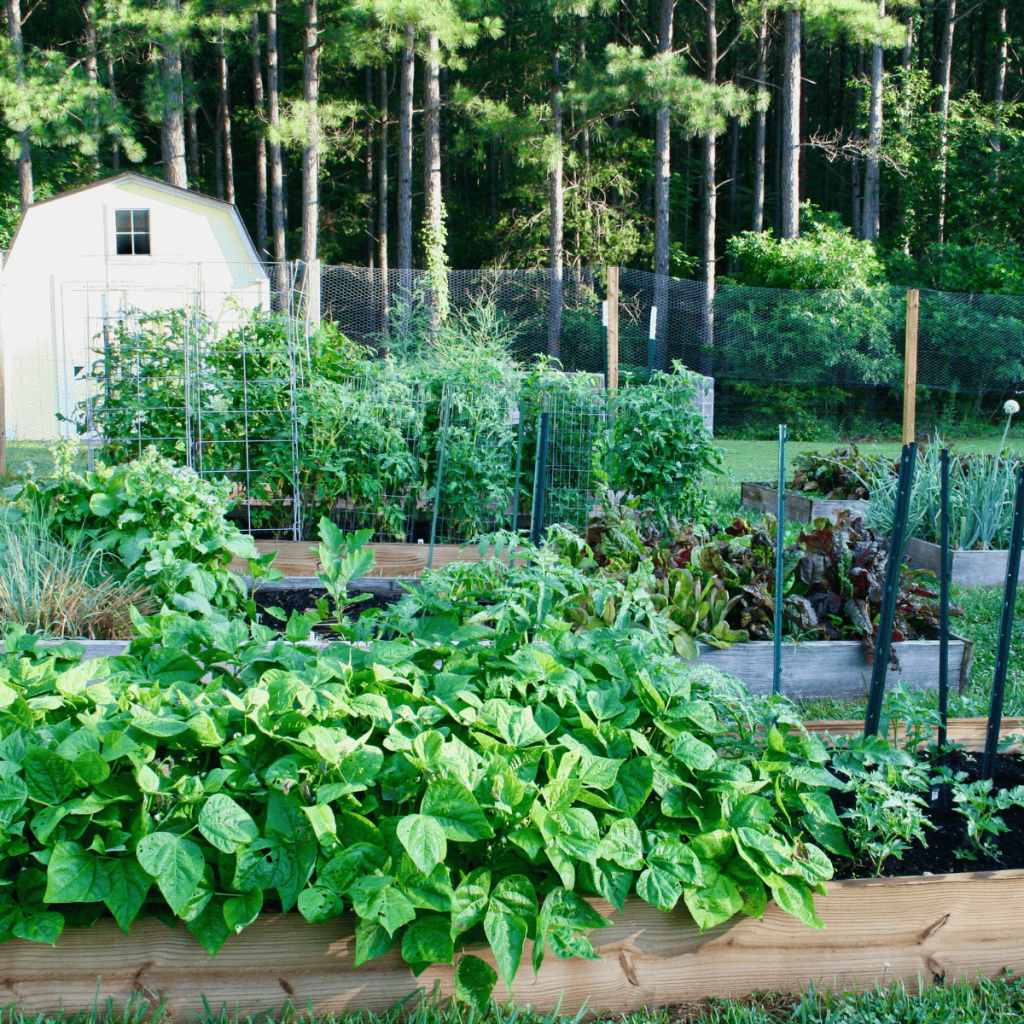 Vegetable garden
Enhances overall plant health.
What Each Nutrient Does
- Nitrogen (N): Promotes leafy, green growth. Essential for lawns, leafy vegetables, and overall plant health.
- Phosphorus (P): Supports root development, flowering, and fruiting. Important for young plants and blooming ornamentals.
- Potassium (K): Enhances disease resistance, drought tolerance, and overall plant health.
A 10‑10‑10 fertilizer contains 10 percent of each nutrient. The remaining percentage is filler material that helps distribute the nutrients evenly.
Additional Nutrients in Inorganic Fertilizers
Some inorganic fertilizers also include secondary nutrients such as calcium or magnesium, and micronutrients like zinc or iron. These are often labeled as “complete fertilizers.”
Pros of Inorganic Fertilizer
- Nutrients are immediately available to plants.
- Precise nutrient ratios allow targeted feeding.
- Easy to apply and measure.
- Often more affordable than organic options.
- Useful for correcting deficiencies quickly.
Cons of Inorganic Fertilizer
- Does not improve soil structure or organic matter.
- Nutrients may leach away quickly, especially in sandy soils.
- Overuse can burn plants or create nutrient imbalances.
- Does not support beneficial soil organisms.
- Production requires significant energy and resources.
What Are Organic Fertilizers?
Organic fertilizers come from natural sources such as plants, animals, and minerals. They release nutrients slowly as they break down, feeding both plants and the soil ecosystem. Examples include compost, manure, worm castings, bone meal, blood meal, kelp meal, and plant-based materials like alfalfa meal.
Unlike inorganic fertilizers, organic fertilizers contribute to long-term soil health by increasing organic matter, improving texture, and supporting beneficial microorganisms.
Compost: The Cornerstone of Organic Gardening
Compost is decomposed organic matter made from leaves, grass clippings, kitchen scraps, and other plant materials. It is rich in nutrients and beneficial microbes.
Benefits of Compost
- Improves soil structure, making clay soils looser and sandy soils more moisture-retentive.
- Provides a balanced, gentle supply of nutrients.
- Encourages earthworms and beneficial microorganisms.
- Helps buffer soil pH.
- Reduces waste by recycling organic materials.
Compost can be applied as a soil amendment, mulch, or top dressing around plants.
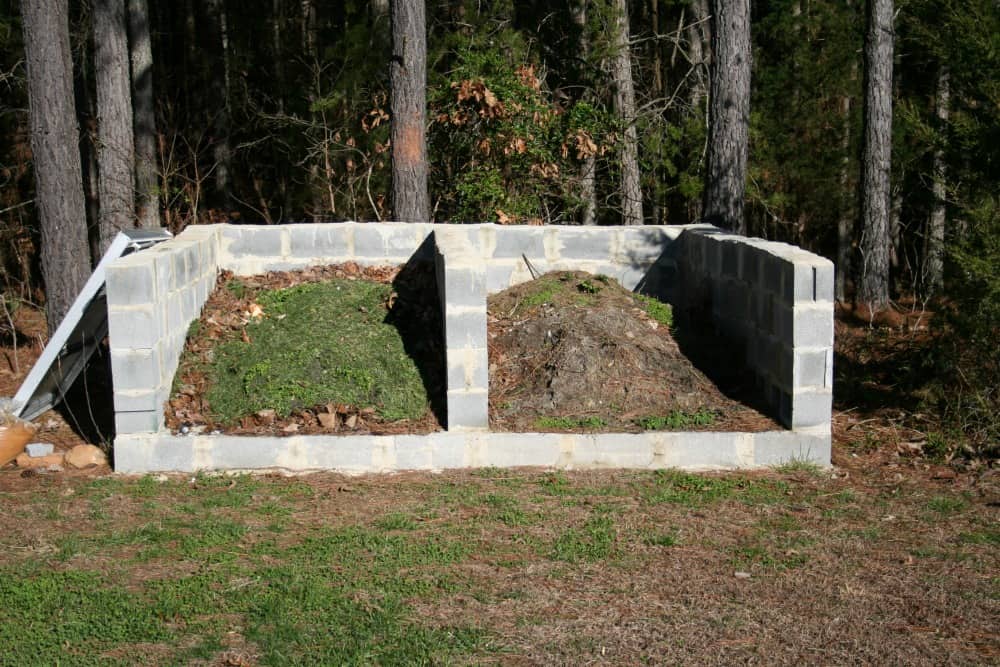 The new composting system. Compost on the right is ready to move into the vegetable garden this spring.
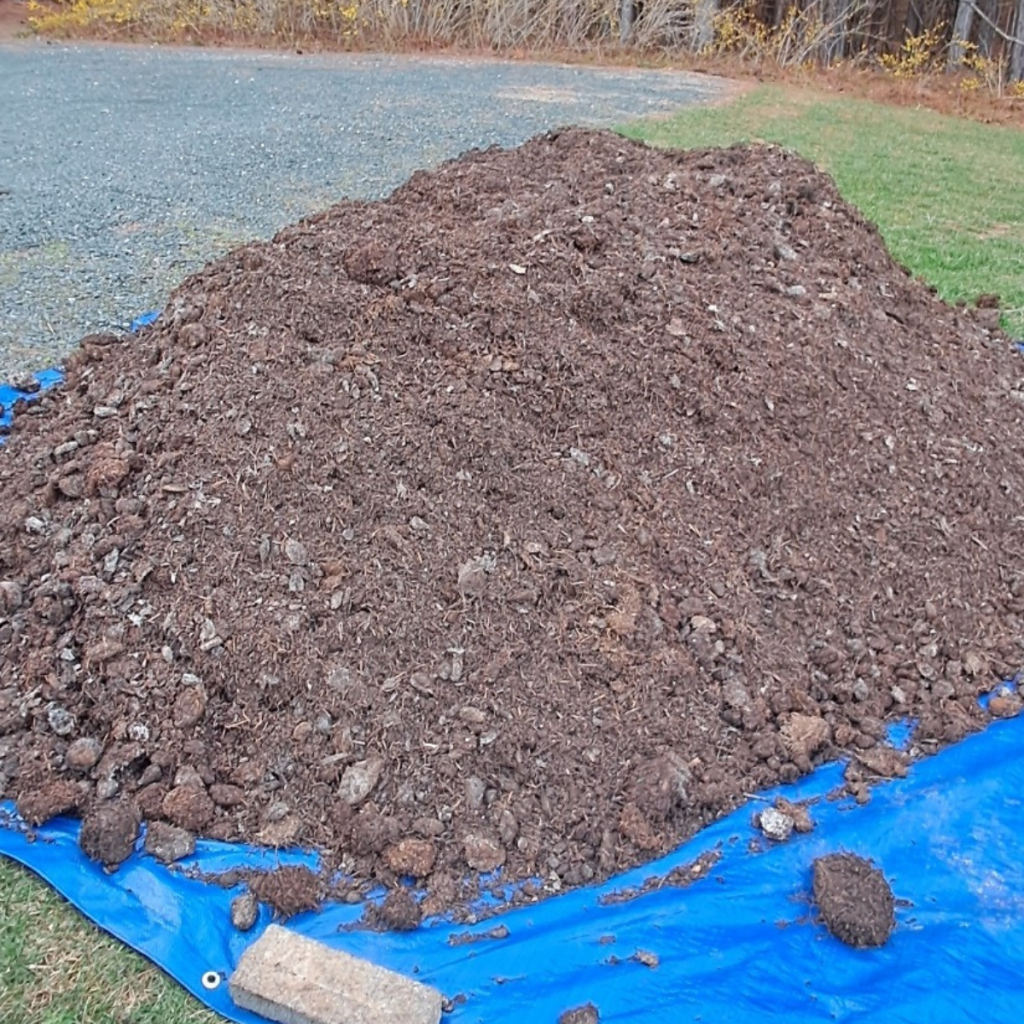 Mushroom compost or soil is a good organic amendment.
Mushroom Soil or Mushroom Compost
Mushroom soil is a byproduct of mushroom farming. It typically contains straw, manure, gypsum, and other organic materials that have been composted and used as a growing medium for mushrooms. After the mushroom crop is harvested, the remaining compost is sold to gardeners.
Benefits of Mushroom Soil
- Adds organic matter to the soil.
- Provides mild, slow-release nutrients.
- Improves soil texture and moisture retention.
Because mushroom compost can be alkaline, it is best used with plants that tolerate or prefer neutral to slightly alkaline soil.
Other Organic Fertilizer Sources
- Manure: Provides nutrients and organic matter but must be composted to avoid burning plants.
- Worm castings: Rich in beneficial microbes and gentle enough for seedlings.
- Bone meal: High in phosphorus; supports root growth and flowering.
- Blood meal: High in nitrogen; promotes leafy growth.
- Kelp or seaweed meal: Supplies micronutrients and growth hormones.
Pros of Organic Fertilizer
- Improves soil structure and long-term fertility.
- Encourages beneficial soil organisms.
- Releases nutrients slowly, reducing the risk of burning plants.
- Supports sustainable gardening practices.
- Enhances water retention and drainage.
Cons of Organic Fertilizer
- Nutrient levels vary and may be less predictable.
- Slow-release nature may not meet immediate nutrient needs.
- Can be more expensive or require more labor to produce.
- Some materials may have strong odors.
- Large quantities may be needed to achieve desired nutrient levels.
Consider Your Soil First
A soil test is one of the most valuable tools for gardeners. It reveals nutrient levels, pH, and organic matter content, helping you choose the right fertilizer and avoid unnecessary applications.
Match Fertilizer to Plant Needs
Different plants have different nutrient requirements:
- Leafy vegetables and lawns need more nitrogen.
- Flowering plants and root crops benefit from higher phosphorus.
- Fruit trees and tomatoes often require balanced or potassium-rich fertilizers.
Think About Your Gardening Goals
If you want fast results, inorganic fertilizers may be helpful. If you want to build long-term soil health, organic fertilizers are the better choice. Many gardeners use both.
Here at Home Garden Joy, we use 99% organic fertilizer, such as compost and mushroom soil. However, we give tomato plants a boost during planting with a dash of balanced inorganic 10-10-10. And our houseplants get liquid plant food (Miracle-Gro) once a month.
1. Should I fertilize newly planted seeds or seedlings?
Most seeds contain enough nutrients to germinate. Seedlings can be fertilized lightly once they develop their first true leaves.
2. Can I mix organic and inorganic fertilizers?
Yes. Many gardeners combine the quick boost of inorganic fertilizer with the long-term benefits of organic matter.
3. Is compost alone enough to fertilize my garden?
Compost improves soil health and provides nutrients, but some crops, especially heavy feeders like tomatoes or corn, may need additional fertilizer.
4. What happens if I use too much fertilizer?
Over-fertilizing can burn roots, cause excessive leaf growth, reduce flowering, or contaminate groundwater. Always follow recommended rates.
5. How do I know if my plants need fertilizer?
Common signs include yellowing leaves, slow growth, poor flowering, or small fruit. A soil test can confirm nutrient deficiencies.