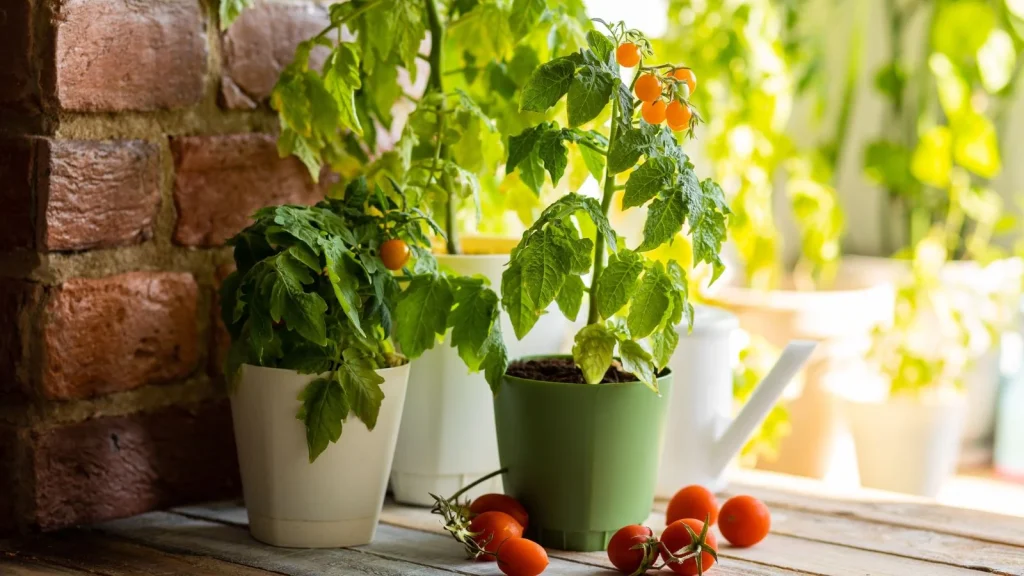
There’s a reason tomato seeds are the thing most gardeners reach for first each spring. They’re the crop that makes the whole indoor seed-starting setup feel worthwhile. And for most of us, March is when they need to go in. The general rule is a few weeks before your last frost date, which puts the sowing window for tomato seeds in March for many growing zones.
All tomato seeds want the same basic conditions to germinate: warmth (70 to 90°F or 24 to 32°C is ideal), moisture, and light once they’re up. A heat mat under your seed trays makes a noticeable difference. Once seedlings emerge, move them under strong light immediately.
When seedlings have their first set of true leaves, pot them up into larger containers and bury the stem deeper than it was growing before. Tomatoes root along buried stems, so this builds a stronger, sturdier plant from the start. Keep them growing indoors until air temperatures are reliably 45°F (7°C) or warmer, usually one to two weeks after your last frost date, then harden them off gradually before transplanting outside.
That’s the process. Now for the fun part: choosing what to grow.
Sun Gold Pole Cherry Tomato
Sun Gold Pole Cherry Tomato Seeds
Glacier Bush Tomato
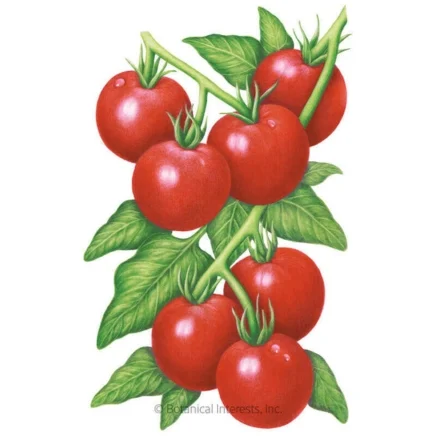
Glacier Bush Tomato Seeds
Chocolate Cherry Pole Cherry Tomato
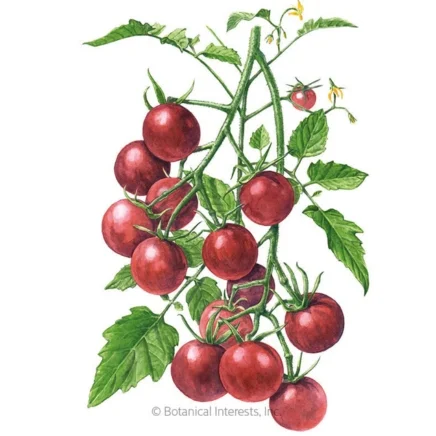
Chocolate Cherry Pole Cherry Tomato Seeds
‘Sun Gold’
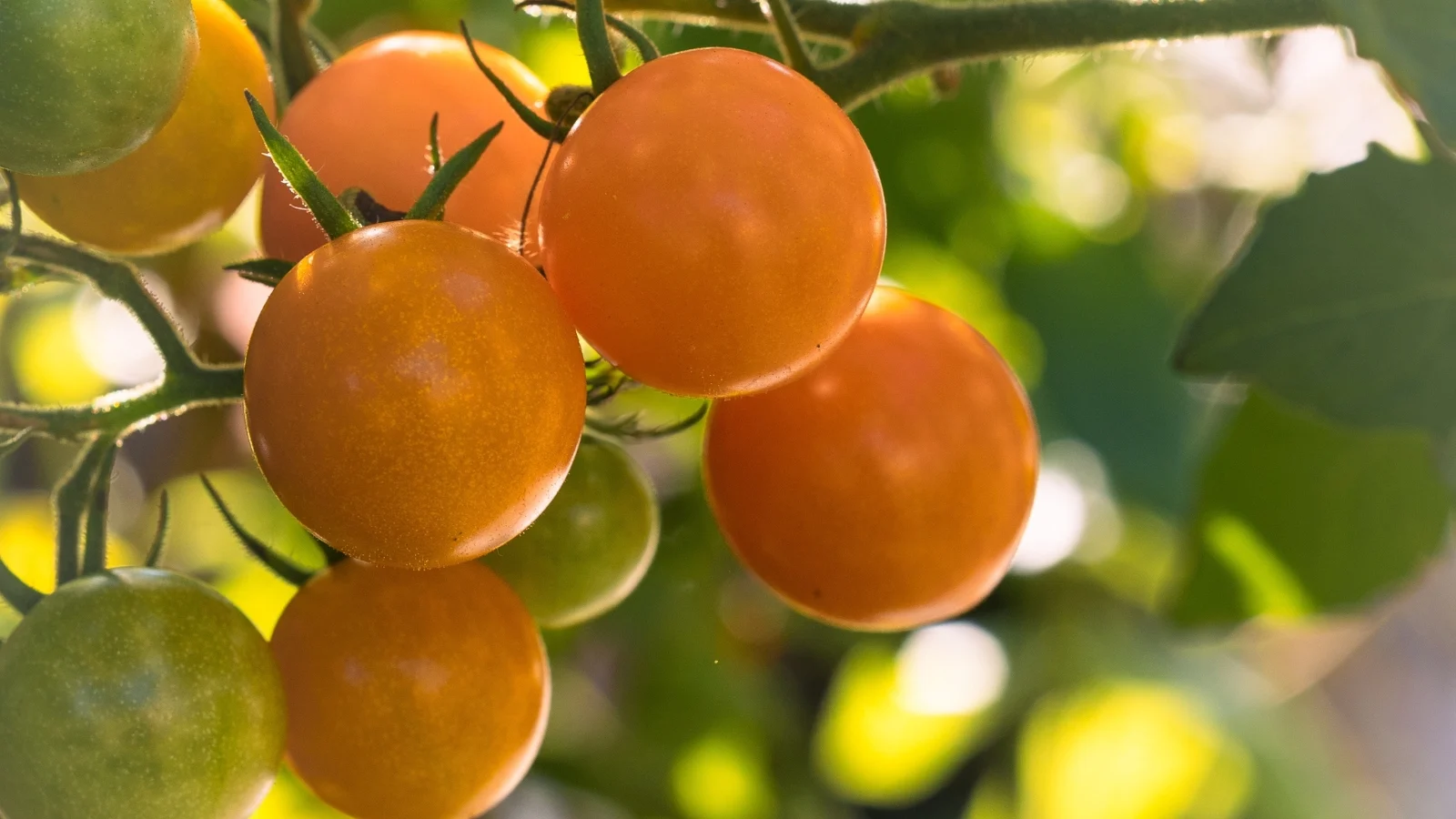 These cherry tomatoes are perfect for snacking.
If you grow one cherry tomato, grow this one. ‘Sun Gold’ produces clusters of bright tangerine-colored fruits with a sweetness that can’t be matched. They’re the tomato that converts kids and sceptics who don’t see tomatoes as a tasty snack.
The vines are indeterminate and vigorous, so give them a sturdy support and expect to keep tying them up through the season. ‘Sun Gold’ is prone to cracking when fruits are fully ripe and well-watered. Picking them just as they start to colour and letting them finish ripening on your counter avoids most of the splitting. It also means they’re less likely to disappear thanks to a passing bird or squirrel.
‘Cherokee Purple’
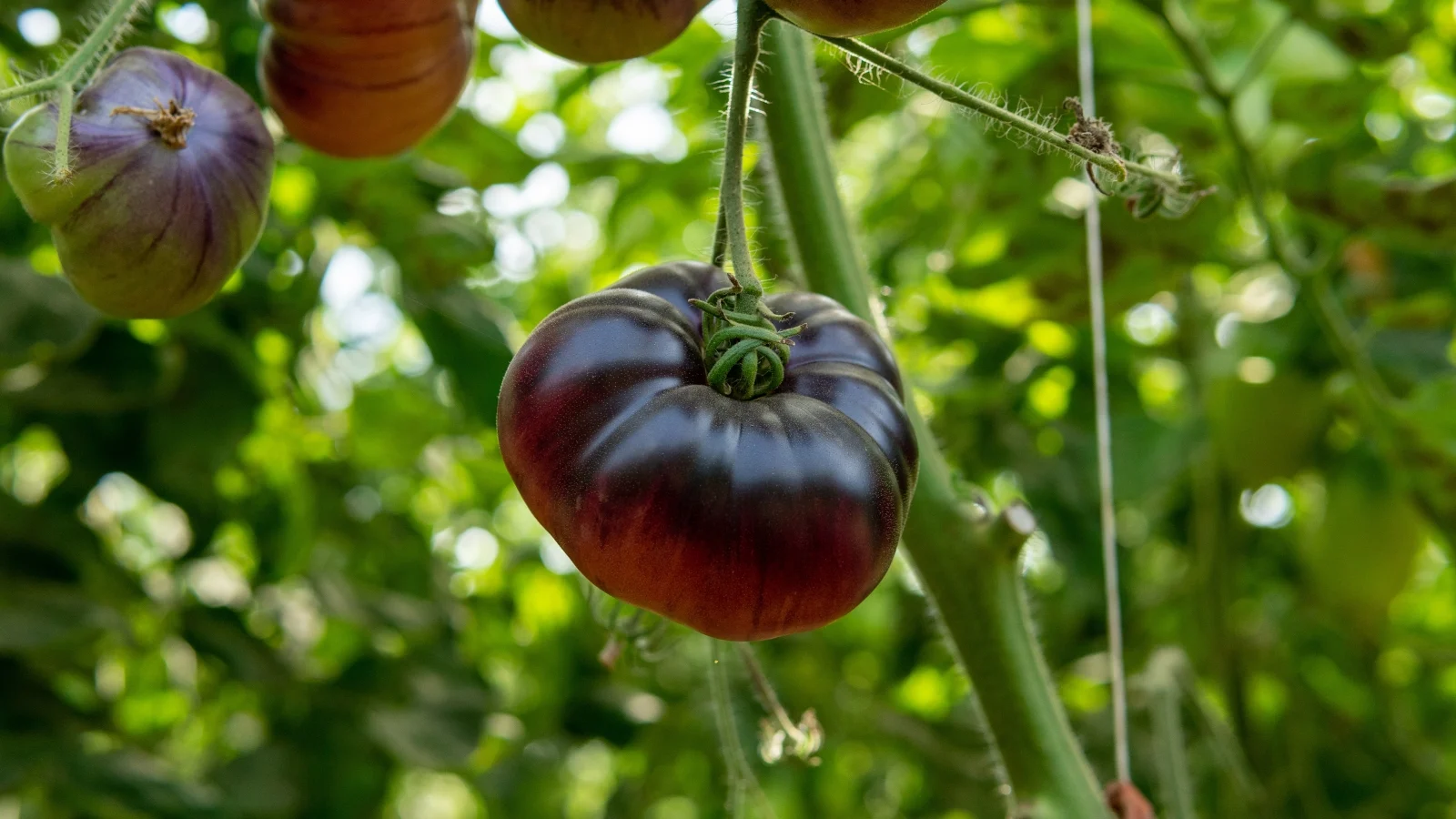 Delicious purple fruits are beloved by many gardeners.
There’s a story behind this one. Seeds were reportedly passed down from the Cherokee Nation in the late 1800s and eventually made their way into public circulation about a hundred years later. Along with the story, the tomato itself is undeniably special.
The fruits are 10 to 12 ounces with thin, dusky purple skin and a red interior. The flavor is rich and complex, often described as smoky, with more depth than your average red slicer. They’re indeterminate, so they’ll keep producing all season, but the thin skin means they don’t store well. Eat them the day you pick them if you can. A thick slice with salt and olive oil is about as good as a tomato gets.
‘Glacier’
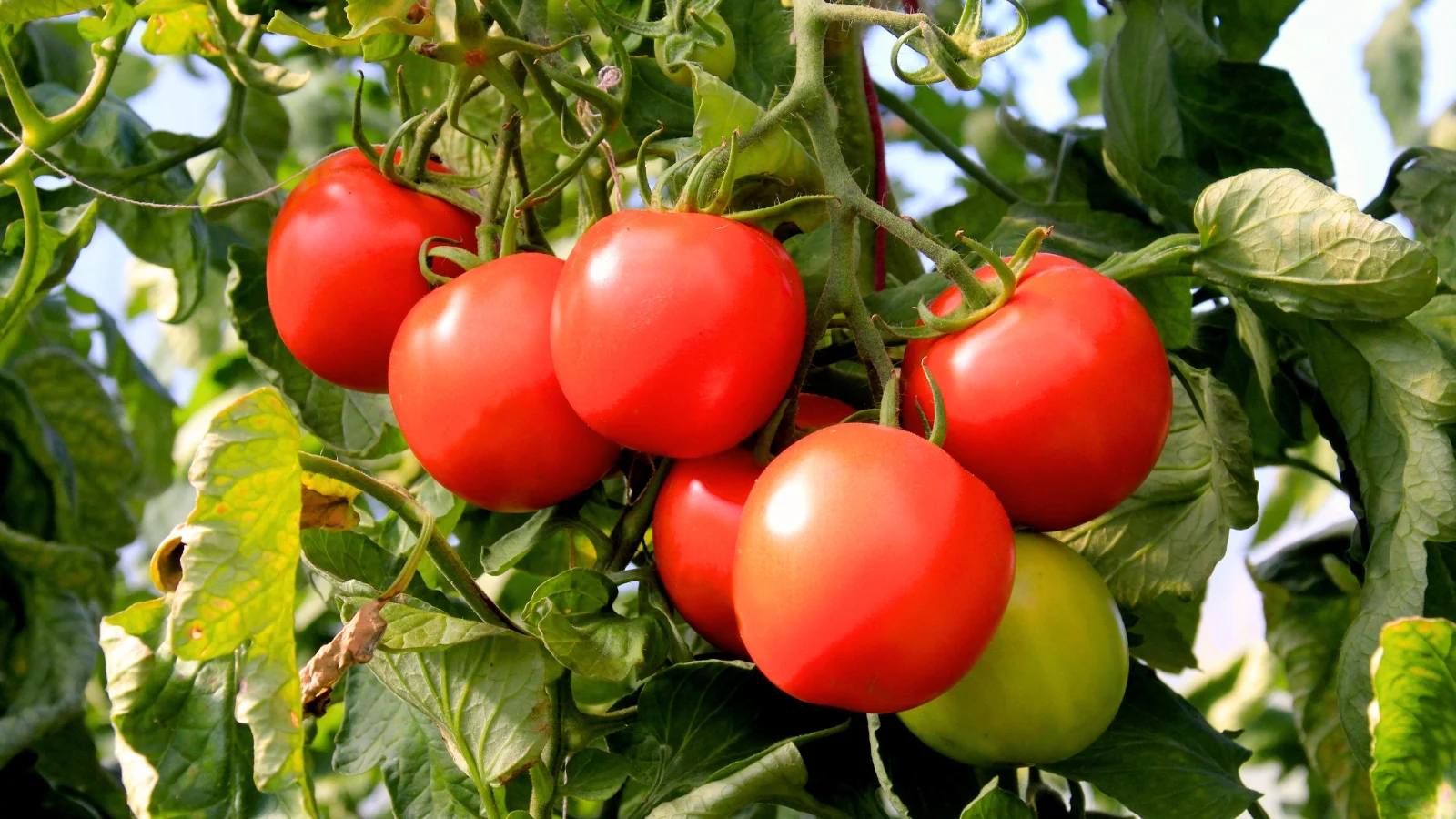 This tomato variety is incredibly reliable.
For gardeners in cooler climates or shorter growing seasons, ‘Glacier’ is one of the more useful tomato seeds for March. It sets fruit earlier and at lower temperatures than most tomatoes, which means you’ll be eating ripe tomatoes while other varieties are still just flowering.
The plants stay compact at about 30 inches, making them a good fit for containers. The fruits are small slicers, with a classic tomato flavor that works well in sandwiches and salads.
The real selling point is the long season. ‘Glacier’ is often one of the first to ripen and one of the last still producing in autumn.
‘San Marzano’
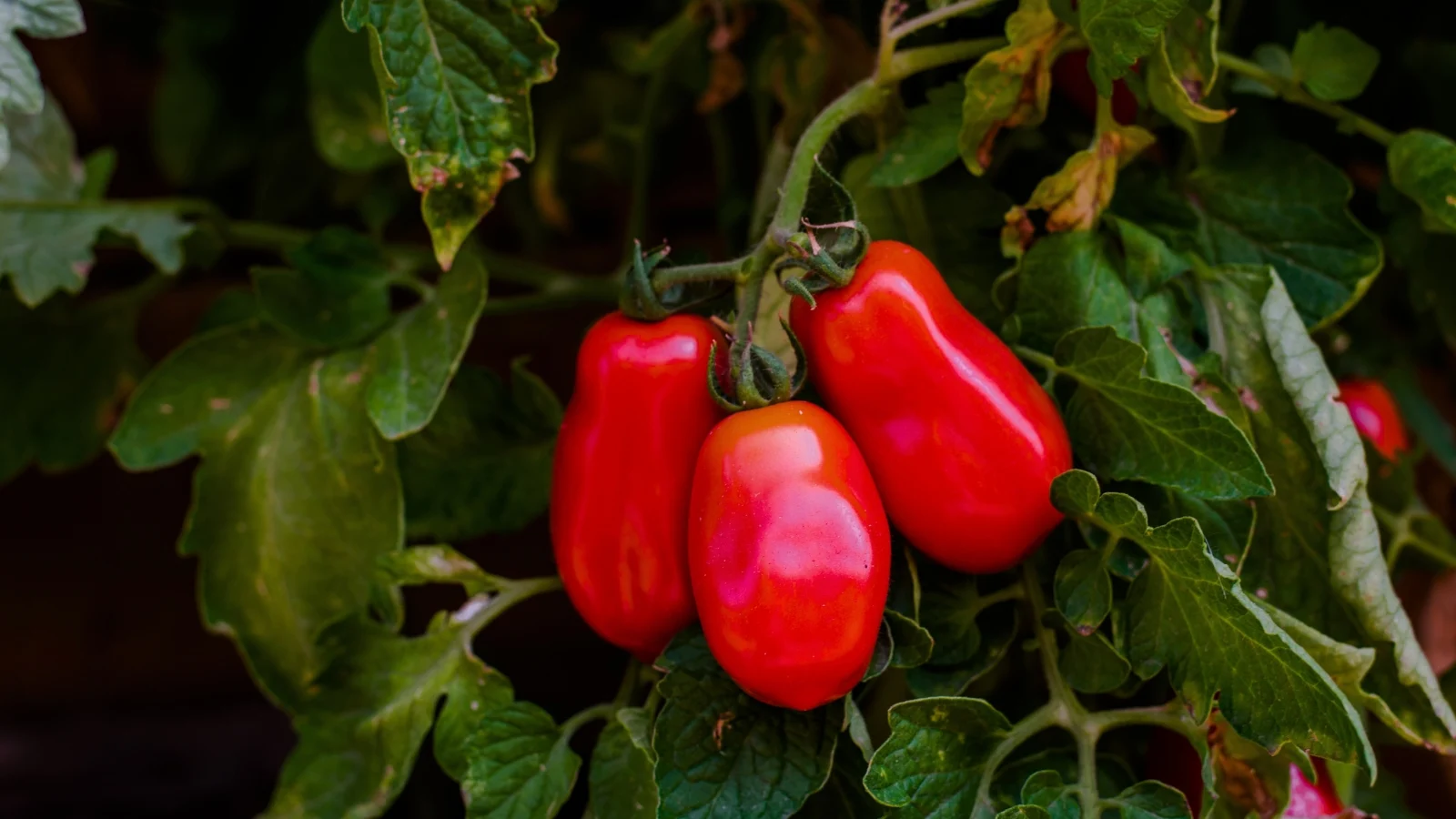 These fruits are perfect for making sauce.
If you make sauce, you probably already know this name. ‘San Marzano‘ is the benchmark paste tomato, with oblong fruits (three to four inches long, about an inch and a half wide) that are drier and have fewer seeds than slicing types. That means less time cooking down and a thicker, richer result.
These are indeterminate pole tomatoes, so they need staking or caging and will climb well past five feet in a good season. They’re prolific once they get going if you start the tomato seeds in March. The fruits are best harvested fully red and slightly soft, but you can also pick them at the “first blush” stage (when about half the colour has changed) and ripen them indoors without losing flavor or nutrition.
‘Chocolate Cherry’
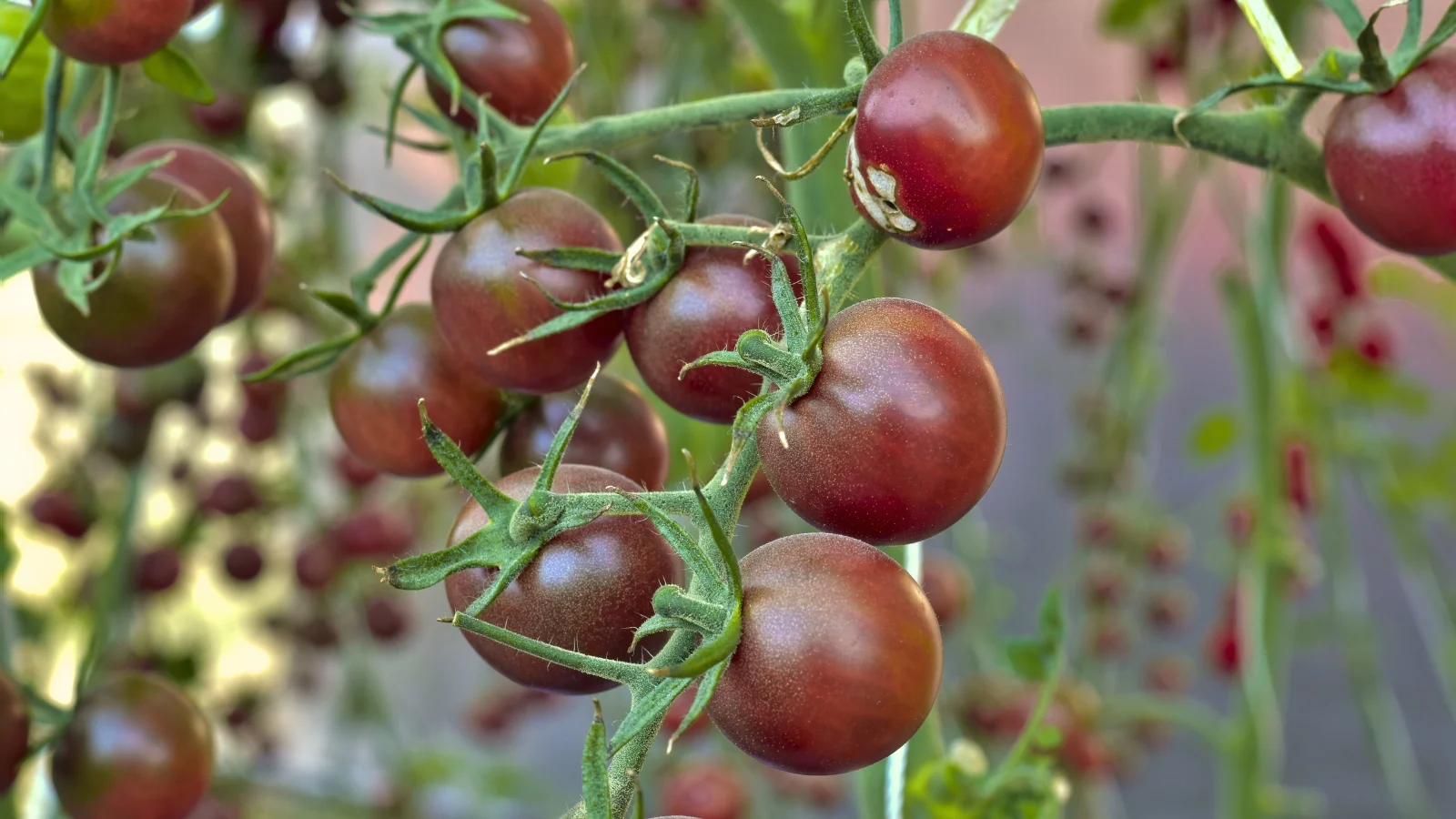 The flavor is unique and complex.
This is a tomato seed for March for people who find most cherry tomatoes a bit one-note. ‘Chocolate Cherry’ produces one-inch purplish-red fruits in clusters of six to eight, with a flavor that’s noticeably sweeter and more complex than standard red cherries.
The vines are vigorous and need regular pruning to stay manageable. Stay on top of removing suckers, or you’ll end up with a jungle by midsummer. The fruits are crack-resistant, which is an advantage over some other cherry varieties that split the moment you water them after a dry spell. Pick when the color deepens to a full purplish-red and there’s a slight give when you press gently.
‘Ace 55’
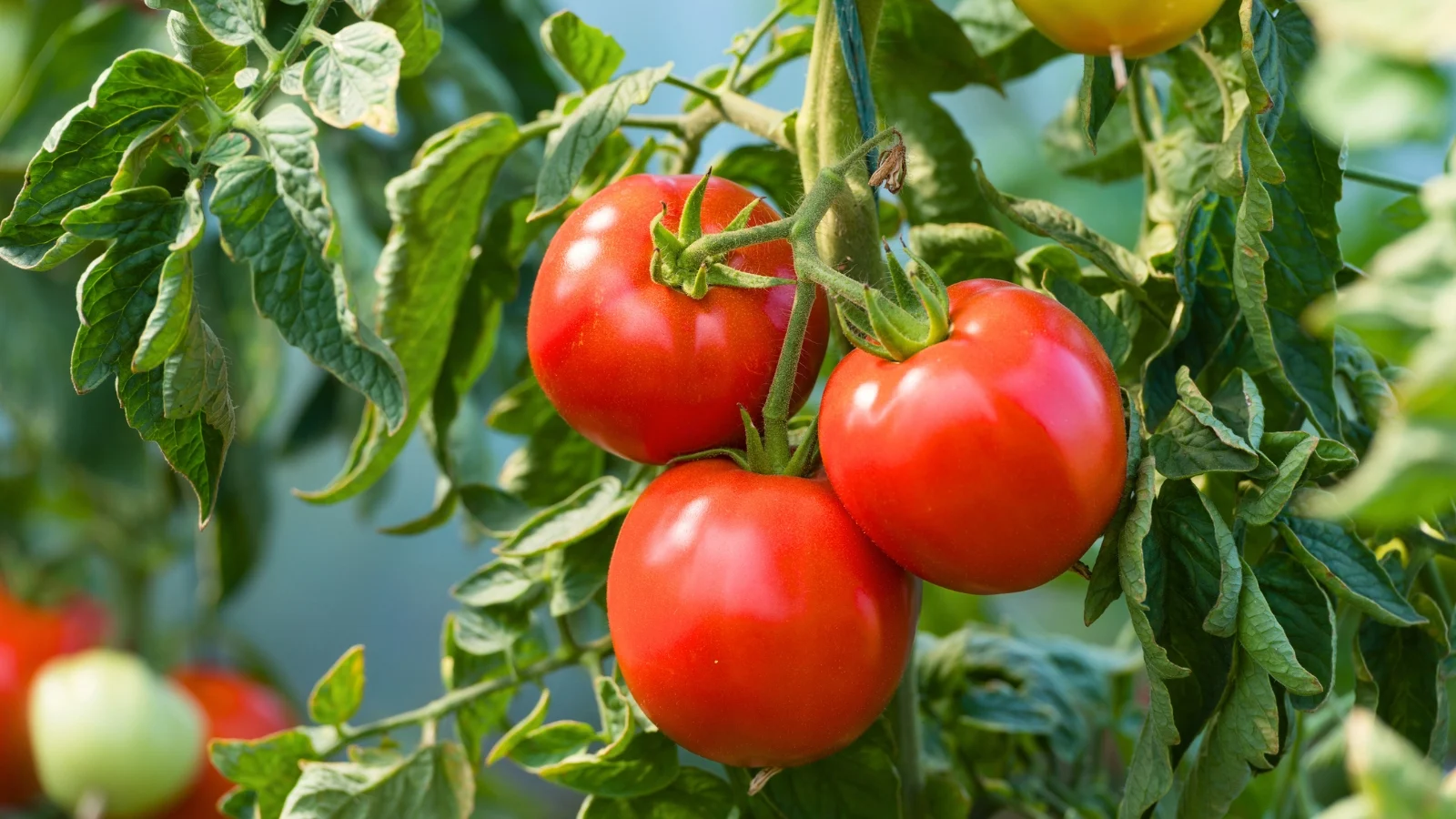 These tomatoes are resistant to several diseases.
A 1950s heirloom that still holds up. ‘Ace 55‘ is a determinate bush type, which means the majority of its fruit ripens over a concentrated one to two week window rather than trickling in all season. That makes it particularly useful if you want to can or preserve in one big batch.
The fruits are six to eight ounces, globe-shaped, and lower in acid than many red tomatoes. It’s resistant to both verticillium and fusarium wilt, which is worth paying attention to if you’ve dealt with either of those in your garden before.
In areas with a long growing season, you can succession sow for multiple harvests. For shorter seasons, a single well-timed planting of these tomato seeds in March will give you a satisfying haul.
‘Big Brandy’
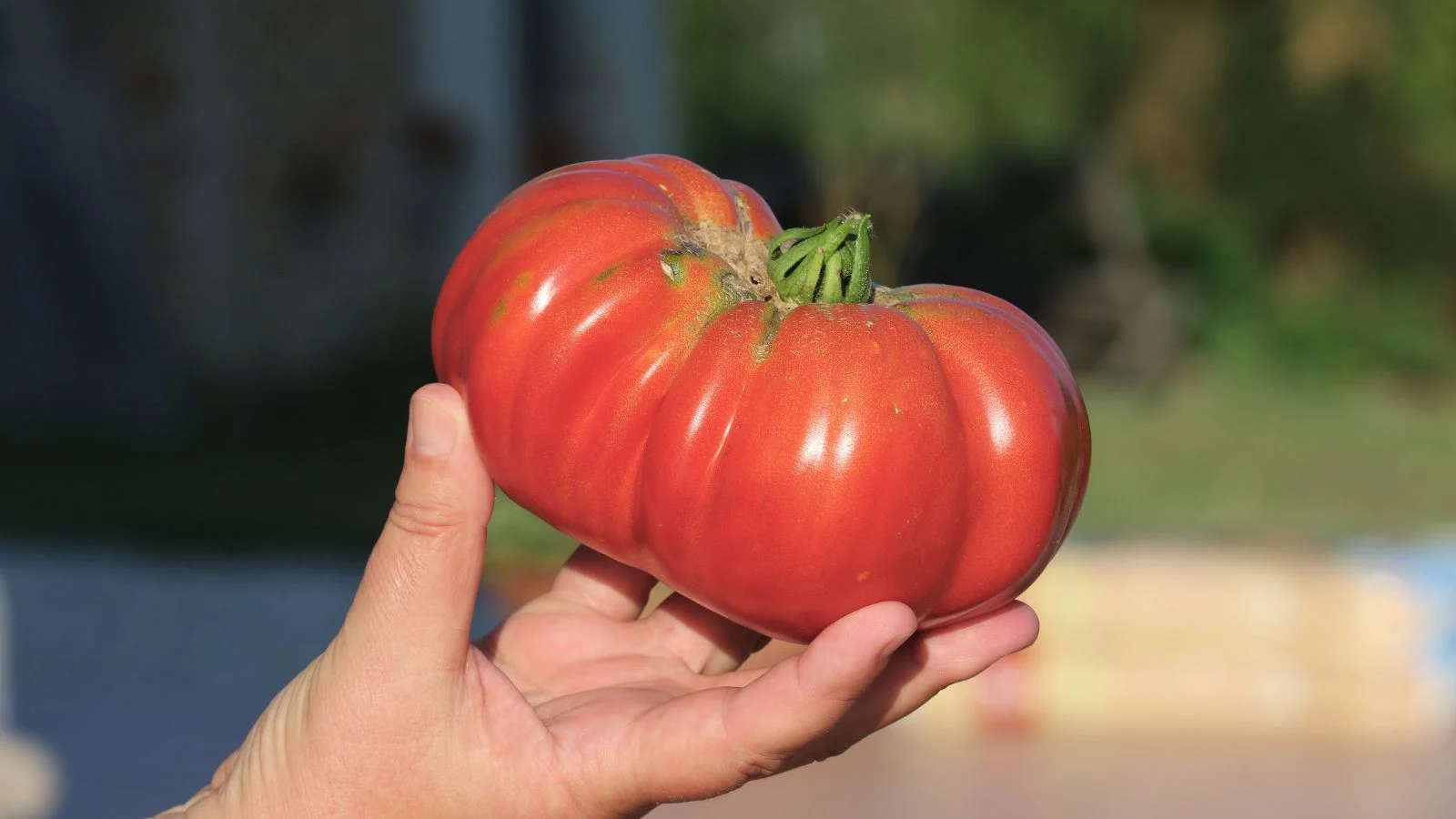 The fruits are large and give you plenty to work with in the kitchen.
This is the slicer to grow if you want the biggest, most impressive tomatoes in the garden. ‘Big Brandy‘ produces ribbed, pink-hued fruits that weigh 12 to 15 ounces, and sometimes more. They’re indeterminate, so the vines keep going all season, but the fruits take their time. Expect to wait 75 to 80 days from transplant.
Night temperatures above 55°F are required for fruit to set, and above 75°F fruit set stalls. If you’re in an area with very hot summers, you may see a gap in production during peak heat. The fruits are worth the wait, though.
‘Costoluto Genovese’
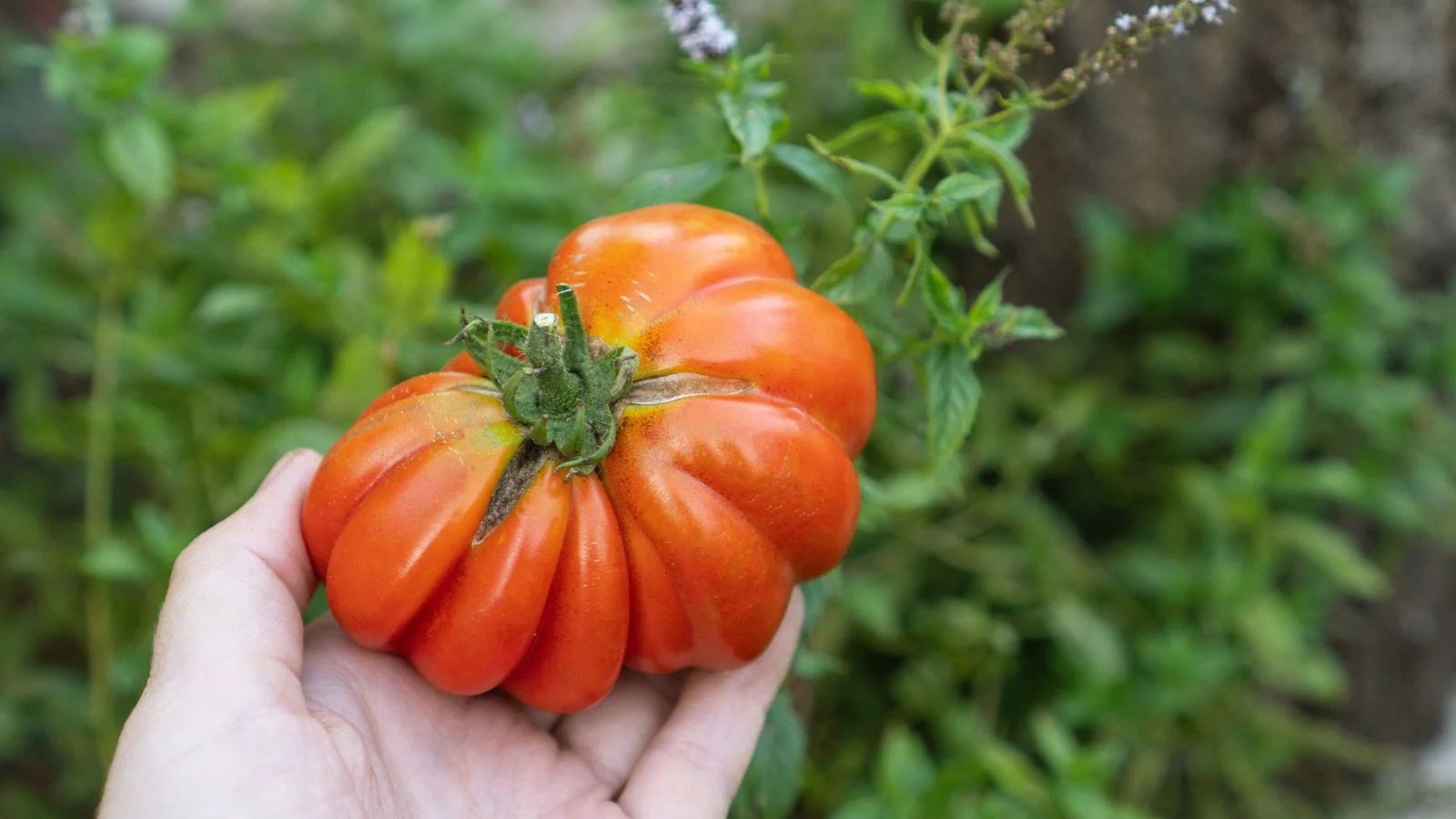 The unique shape makes them great for slicing.
Arguably the most beautiful tomato on this list, ‘Costoluto Genovese‘ is a classic Italian heirloom with deeply ribbed red fruits that look like something from an old still-life painting. The scalloped edges make it look almost floral when cut into slices.
The flavor is intense, tangy, and well-balanced between sweet and acid. It’s superb for sauces, but just as good sliced thickly with olive oil and salt. The indeterminate vines are vigorous, reaching six feet or more, and the plants handle heat well. This is one of the last varieties still producing when everything else has given up in summer.
‘Indigo Rose’
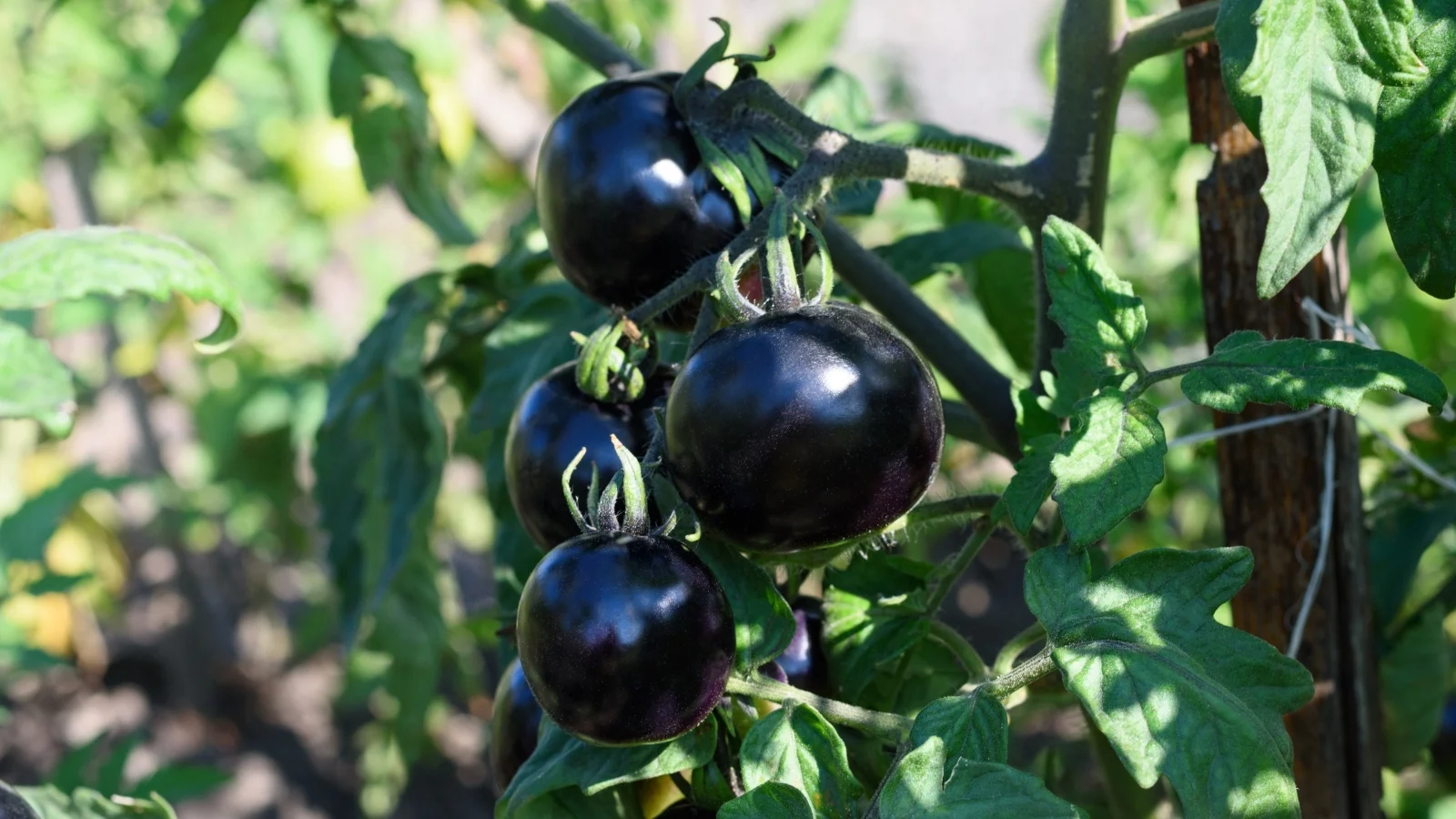 The ‘Indigo Rose’ tomatoes combine robust health benefits with exceptional flavor.
This one came out of a breeding programme at Oregon State University that aimed to increase anthocyanins (the same antioxidant compounds found in blueberries) in tomato fruits. The result is a two-ounce cherry tomato with purplish-black skin that turns from a bright, shiny purple to a dull brownish-purple when fully ripe.
The color takes some getting used to, and you have to resist picking them too early. Wait until the shiny purple has gone matte and the underside shows red. Then the flavour is balanced, sweet, and acidic in a way that makes sense with the unusual appearance. The plants produce in clusters of six to eight and have good resistance to both early blight and powdery mildew.