
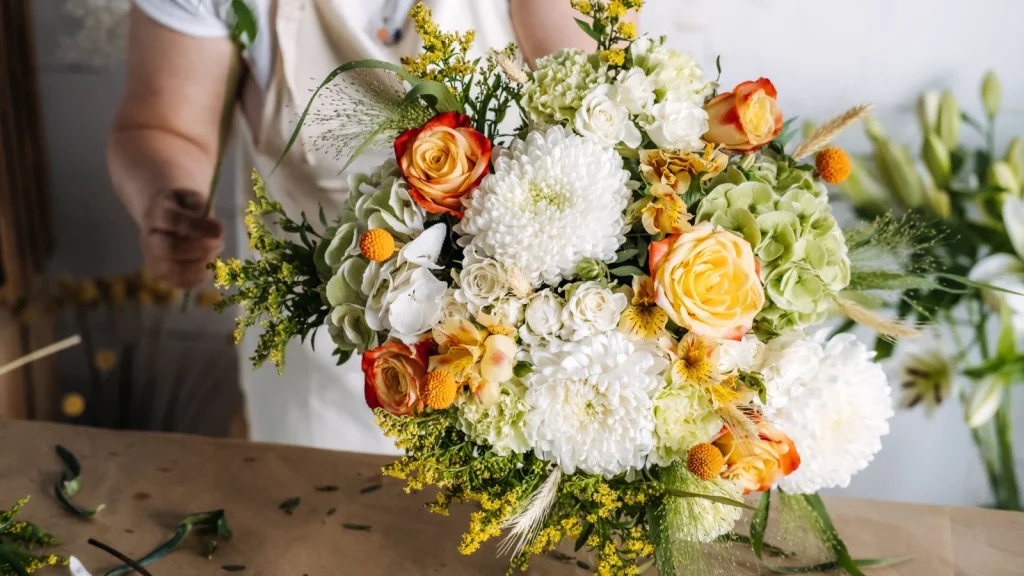
Growing flowers for your own wedding sounds like a romantic idea (especially when you look at the cost of fresh blooms). Sadly, it’s also something that could easily go sideways if you’re not careful.
Flowers don’t care about your timeline or your colour palette. They bloom when they’re ready, not when you need them, and not always perfectly.
However, with realistic planning and a willingness to be flexible, it is possible to grow your own wedding flowers. You don’t need a flower farm or years of experience. You do need to start early, grow more than you think you’ll use, and accept that your garden will have opinions of its own about what performs best.
I’d also suggest that you plan to not grow all of them. Grow the bulk, and supplement with a few purchased blooms for the trickier pieces like bouquets. It still saves a significant amount compared to hiring a florist for everything, but does reduce some of the stress, too. And no one needs more stress around their wedding day.
This guide focuses mostly on annuals, because perennials like roses need some time to establish before they can produce at the level required for a wedding. But if you have existing perennials in your garden, definitely consider them as you go through this guide.
Senora Zinnia
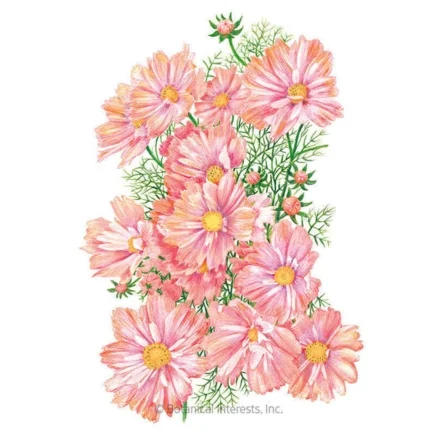
Apricotta Cosmos
Bouquet Blend Sweet Pea
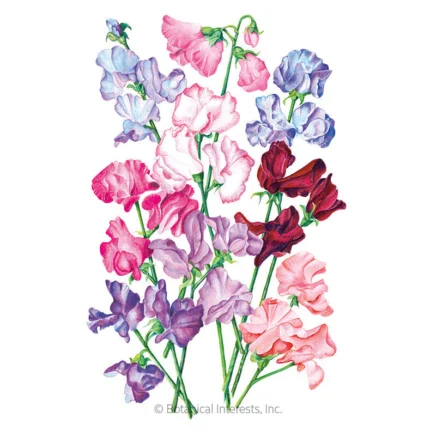
Bouquet Blend Sweet Pea Seeds
Questions to Start With
Before you order a single seed packet, spend some time thinking through what you actually need to grow wedding flowers. The answers to a few key questions will shape everything from your planting timeline to how many beds you’ll need.
What Style?
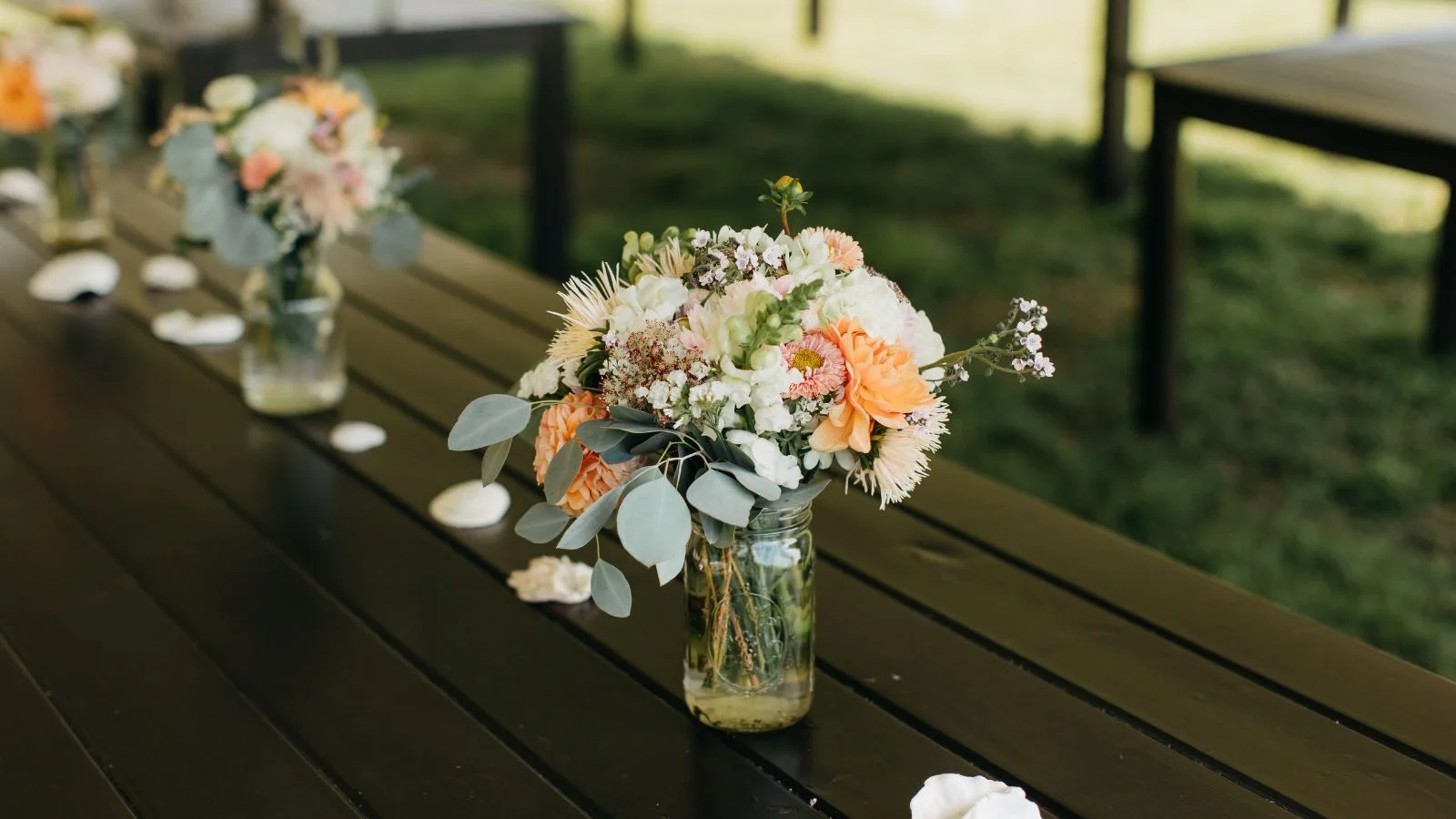 Style will give you an idea of where to start.
If you’re drawn to loose, garden-style arrangements with a natural, just-picked feel, you’re in luck. That aesthetic is the most forgiving for home growers, because it embraces variety and imperfection. A mix of whatever is blooming, arranged informally in jars or vases, is relatively easy to achieve on your own.
Structured, formal arrangements are harder to pull off from a home garden if you want to grow wedding flowers. They typically require very specific flowers at very specific stages of bloom, in matched quantities, all looking the same. If that’s your vision, you may want to grow the filler and foliage yourself and source the feature flowers from a local grower or wholesaler.
What Flowers Do You Like?
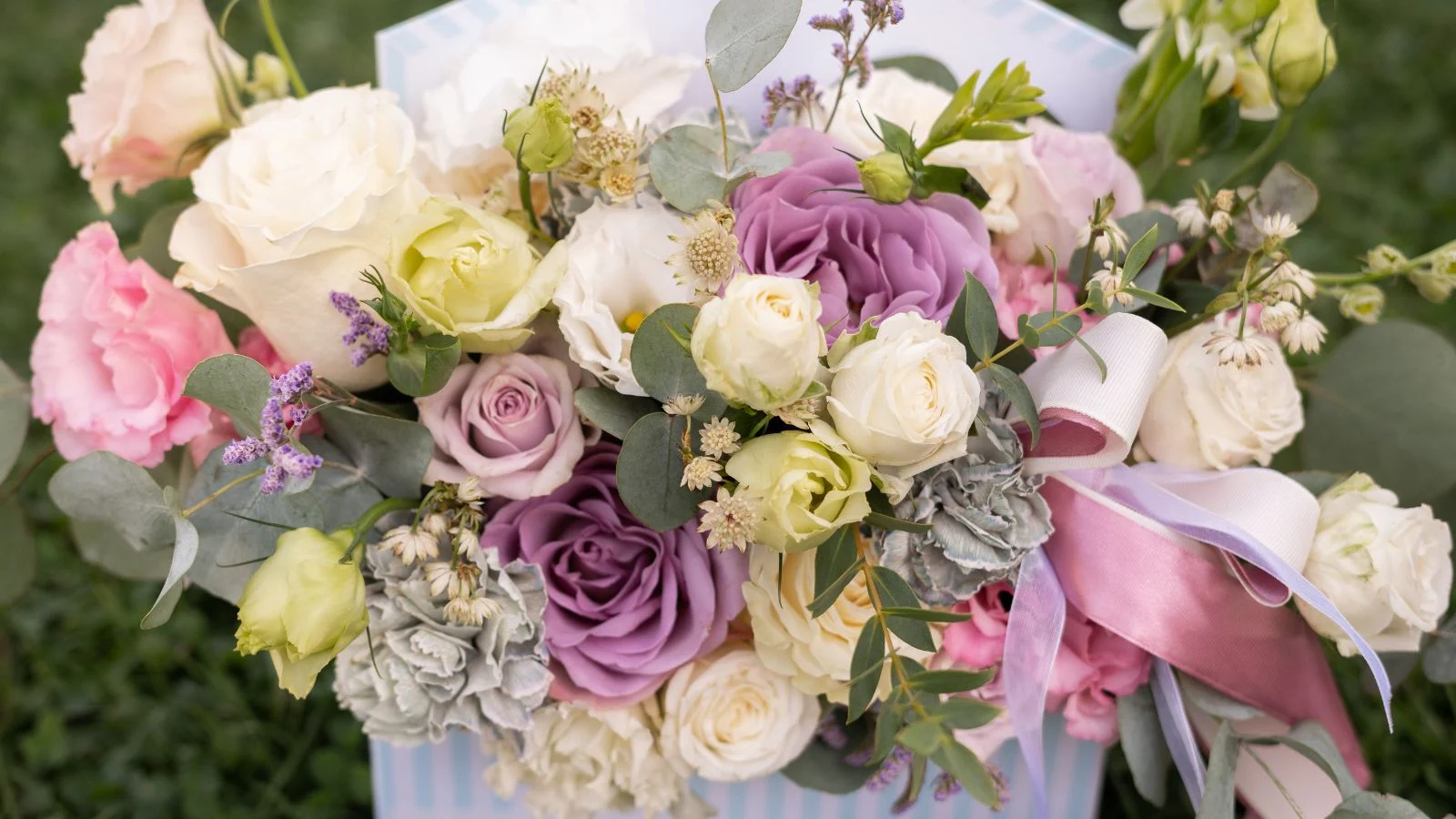 Only choose flowers you know you’ll love.
Start with what you’re drawn to, then check it against what’s realistic for your climate and wedding date. A mood board is immensely helpful when you want to grow wedding flowers. Collect images of arrangements you love and look at what flowers actually appear in them (not just the hero blooms but the supporting ones too). Filler flowers and greenery do a lot of the heavy lifting in arrangements.
Some of the most reliable flowers for home growers are also some of the most beautiful in wedding work. Zinnias, cosmos, dahlias, sweet peas, snapdragons, and sunflowers are all popular. They grow well in most climates in a short space of time, produce generously, and look gorgeous when cut.
The flowers you see in florist-style wedding photos like roses, peonies, ranunculus, and so on, are not always easy to grow at home. Lisianthus in particular is notoriously difficult from seed and has a very long growing season. Peonies require years of establishment before they bloom reliably. If these are must-haves, consider buying them and growing everything else.
How Many Flowers Do You Need?
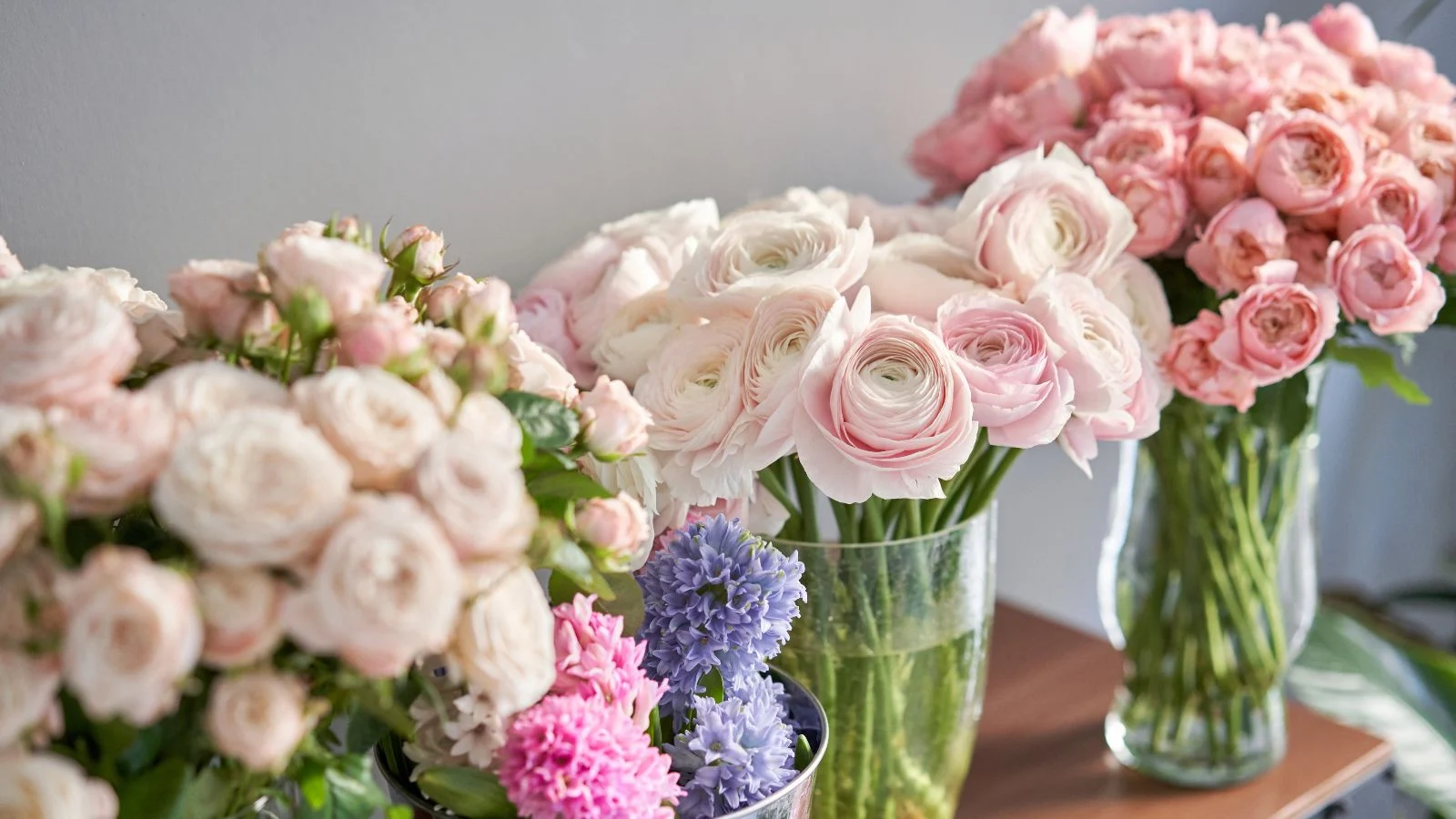 Weddings require a lot of flower stems.
The simple answer is, more than you think.
A single bridal bouquet can use 25 to 40 stems. A centrepiece arrangement might take 15 to 30. Multiply that by your number of tables, add bouquets, boutonnieres, ceremony arrangements, and any other floral touches, and the numbers add up fast when you grow wedding flowers.
Write out every arrangement you want to make and estimate the stems for each. Then add at least 25 percent more, because some flowers will have bent stems, will be past their prime, or just won’t look right on the day.
You may think growing cut-and-come-again flowers like zinnias and cosmos helps, but what matters is having enough flowers in that week, so prolific bloomers are essential here.
When Is The Wedding?
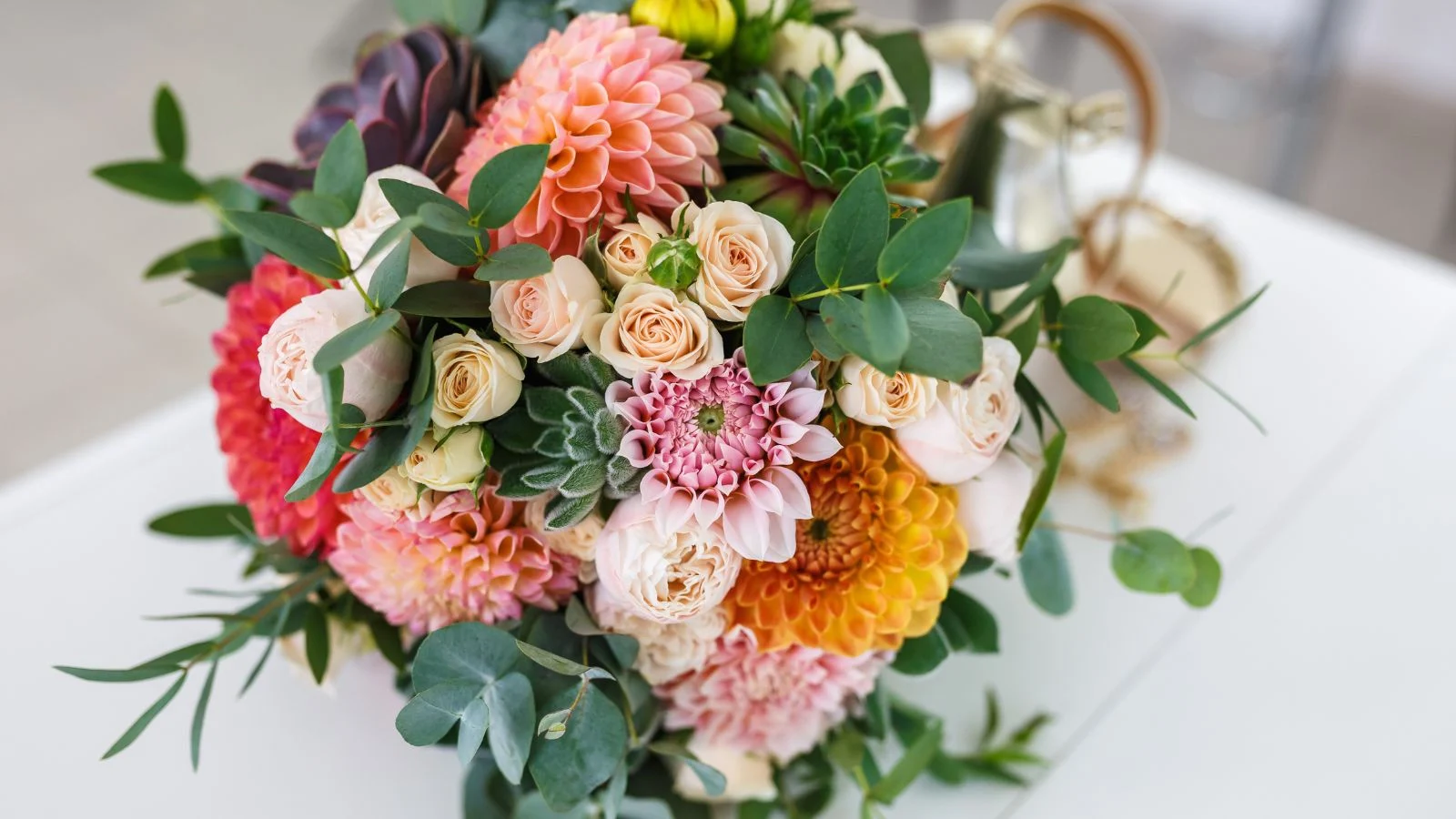 Season is the most important thing to consider.
Your wedding date is the single biggest factor in determining what wedding flowers you can grow and how you’ll need to plan. A late July or August wedding gives you the widest selection of summer annuals and the easiest growing timeline. A June wedding is trickier, because many seed-started annuals won’t be blooming yet, and spring bulbs will be finished.
Early spring weddings can work with tulips, daffodils, ranunculus, and other bulbs planted the previous autumn. Late autumn weddings can lean on dahlias, chrysanthemums, and late-season annuals, but you’re gambling on the first frost.
Whatever the date, count backwards from it. Most summer annuals need 60 to 90 days from seed to first flower, depending on variety and conditions. That timeline will tell you when you need to be sowing, which will tell you whether you’re starting seeds indoors or direct sowing, and how many succession plantings you can fit in.
Considering The Seasons
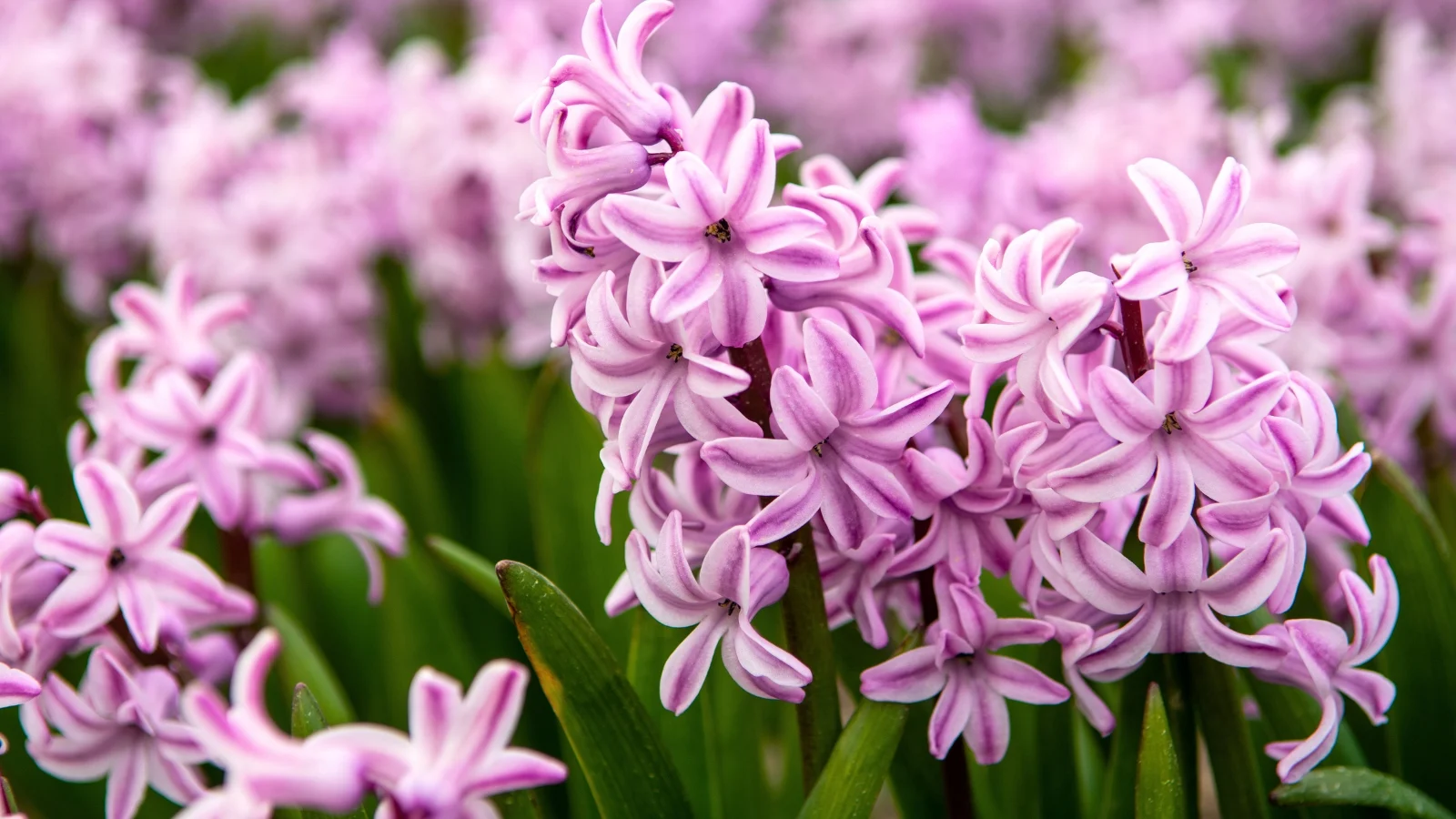 The wedding date will affect flower availability, whether you’re growing or purchasing.
You can’t force a flower to bloom on your schedule, but you can choose flowers that naturally align with your wedding date and plant with enough buffer to account for weather.
For a summer wedding (late June through August), your options to grow wedding flowers are widest. Zinnias, cosmos, sunflowers, dahlias, snapdragons, celosia, rudbeckia, and sweet peas all bloom during this window.
Spring weddings rely more heavily on bulbs and biennials. Tulips, narcissus, hyacinths, and ranunculus can all be spectacular, but they need to go in the ground the previous autumn. Sweet William, foxglove, and stocks (started as biennials or overwintered) can fill in around them.
Autumn weddings have their own character. Dahlias are the stars here, along with chrysanthemums, asters, and late-blooming zinnias. The risk is an early frost wiping out tender plants before your date. Keep an eye on the forecast and have frost cloth ready.
For any season, succession planting is your best insurance. Sow the same variety at two or three week intervals so you have waves of bloom rather than one big flush that might peak too early or too late.
Setting Up Beds
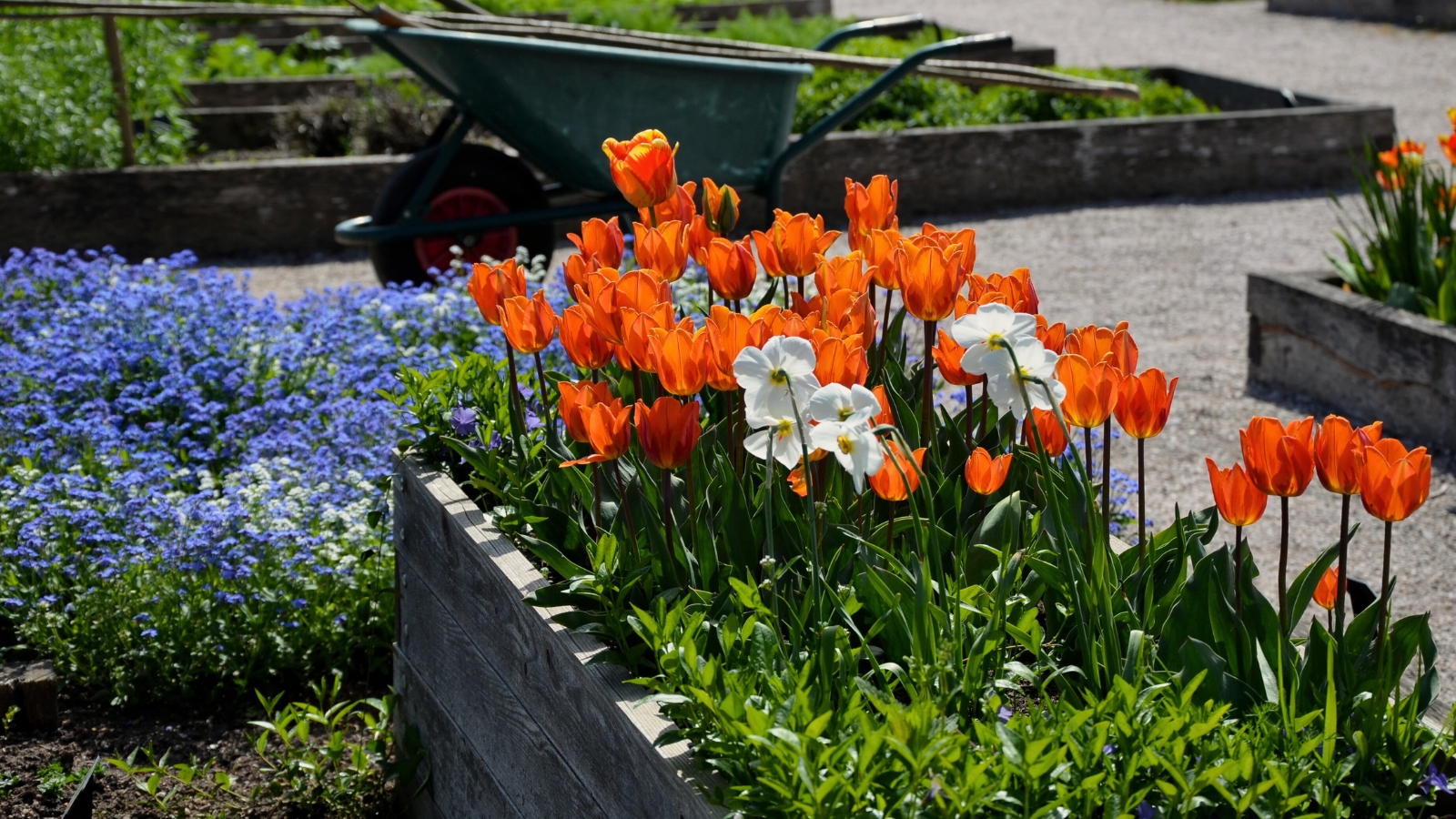 Raised beds are a great way to grow.
You don’t need a lot of space, but you do need to use it well. A dedicated cutting garden of even 50 to 100 square feet can produce a surprising amount of flowers if you plant densely and choose productive varieties.
Pick a spot with full sun (at least six hours, ideally eight) and decent drainage. If your soil is heavy clay or very sandy, work in a good amount of compost before planting. Cut flowers are hungry plants, and they’ll reward you for rich, well-prepared soil.
Raised beds work well for cutting gardens because they warm up faster in spring and give you more control over soil quality. But in-ground beds are perfectly fine too.
Think about layout in terms of height. Put tall plants (sunflowers, dahlias, tall snapdragons) at the back or in the centre, and shorter varieties toward the edges. Install horizontal netting about a foot above soil level when you plant. As the flowers grow up through the netting, it supports them without staking each individual plant. This is how most cut flower farmers manage their beds, and it makes a real difference when a summer storm rolls through.
Planting
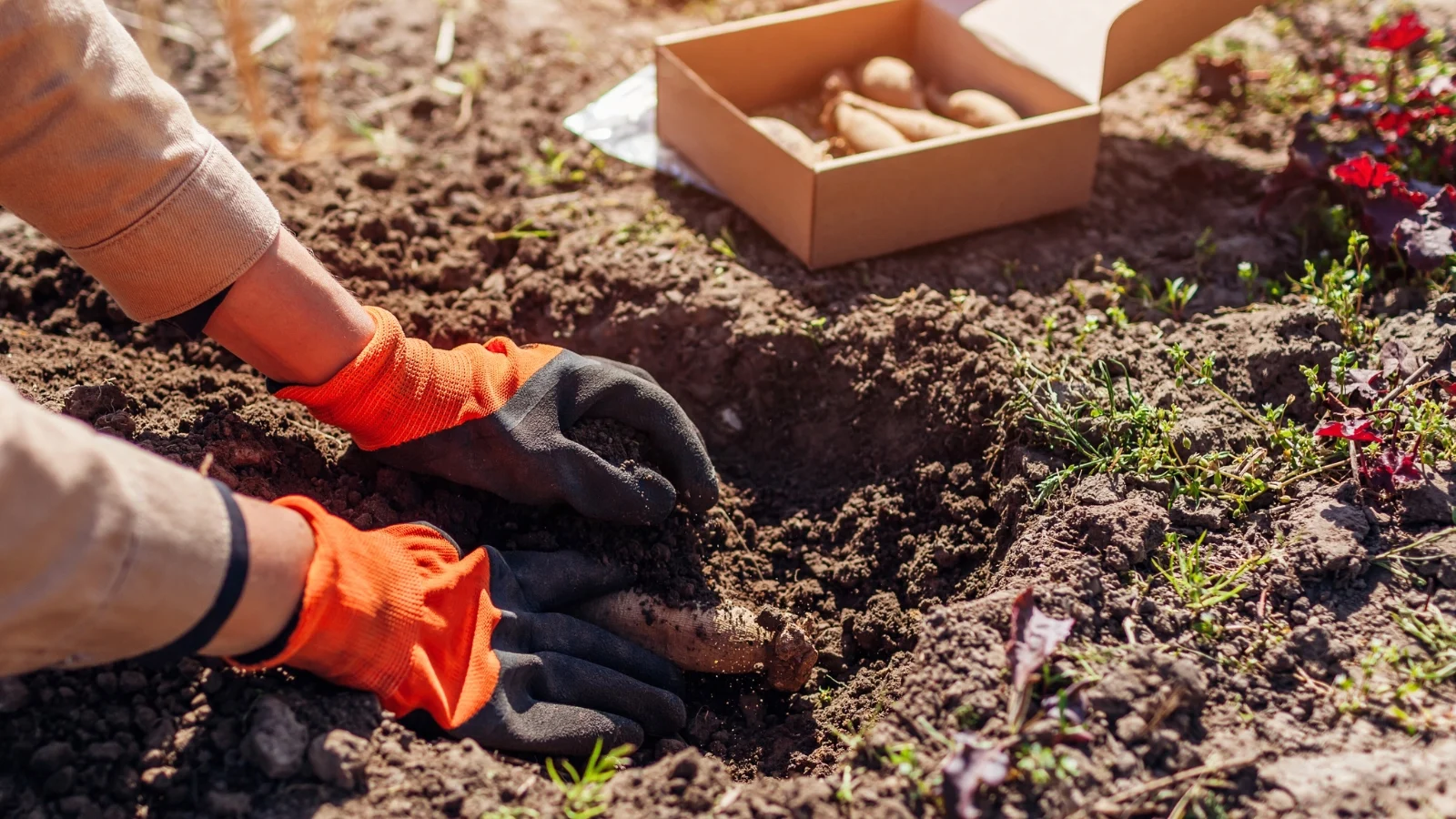 Time your planting carefully.
Start seeds indoors six to eight weeks before your last frost date for most annuals. Zinnias, cosmos, celosia, snapdragons, and sunflowers all germinate quickly and transplant well when they’re young. Use a seed-starting mix and keep things warm and well-lit.
Dahlia tubers go directly into the ground (or into large pots) in spring once the soil has warmed and frost risk has passed. Plant them about four to six inches deep with the eyes facing up.
For spring bulbs, you’re working the previous autumn. Tulips, narcissus, ranunculus, and anemones all go in the ground in October or November, depending on your zone. Ranunculus and anemone corms benefit from soaking overnight before planting.
Direct sowing works well for zinnias and cosmos once the soil is consistently warm, usually a couple of weeks after your last frost. These flowers resent root disturbance and often do better sown where they’ll grow, especially zinnias.
Whatever your planting method, label everything and keep notes. When you’re trying to time blooms for a specific date, knowing exactly when you sowed each batch and when it started flowering is information you’ll want.
Maintenance
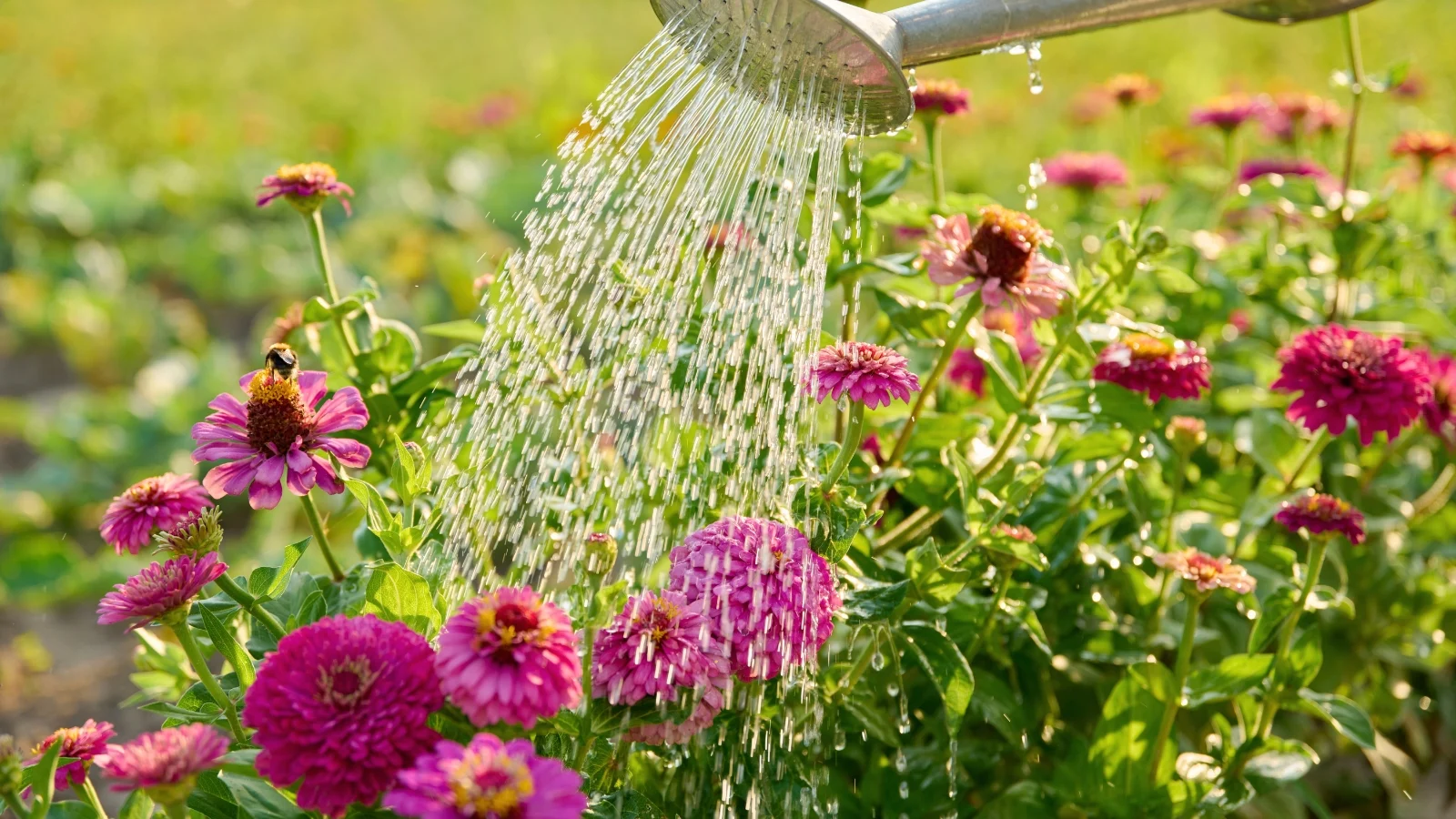 Watch out for pest and disease problems early.
Once your cutting garden is planted, the ongoing work is fairly straightforward, but it does need to be consistent.
Water deeply and regularly, especially during hot weather. Most cut flowers prefer about an inch of water per week, and more during peak summer. Water at the base of the plants rather than overhead to reduce fungal problems. A soaker hose or drip irrigation makes this easy.
Feed every two to three weeks with a balanced liquid fertiliser once plants are established and growing actively. Heavy bloomers like dahlias and zinnias are hungry, and regular feeding keeps them producing, which is vital when you grow wedding flowers.
Pinch your annuals. This is the single most useful thing you can do for cut flower production. When zinnias, cosmos, snapdragons, and celosia are about eight to 12 inches tall, pinch out the growing tip just above a set of leaves. Pinching forces the plant to branch and ultimately produces far more stems than an unpinched plant.
Stay on top of pests. Aphids love tender flower stems and can build up quickly. A strong spray of water usually knocks them off, and regular monitoring catches problems early. Slugs can be a problem for young transplants, so use whatever method works in your garden to keep them at bay.
Cutting and Arranging
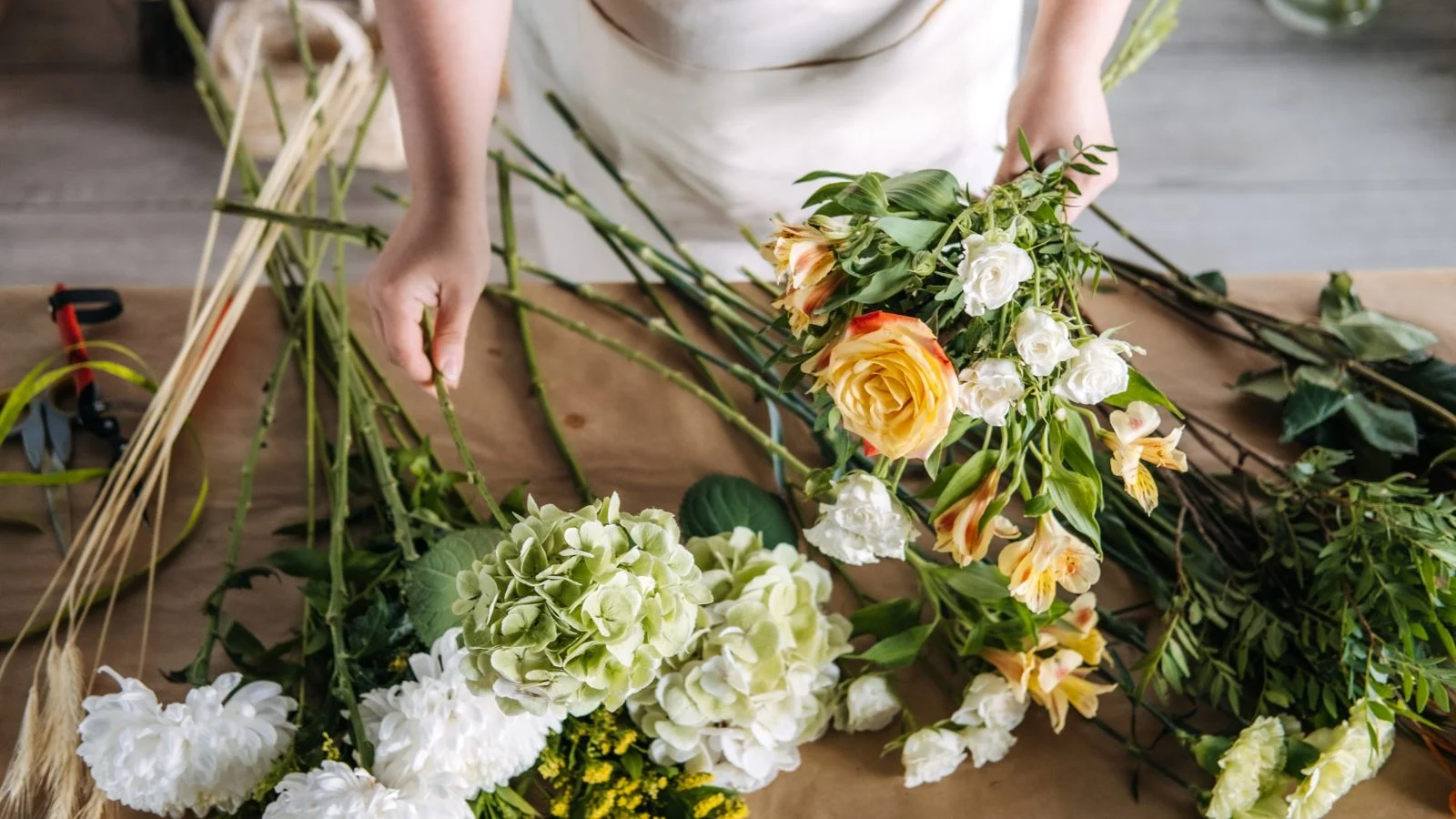 Cut as close to the date as possible.
This is where all your planning comes together, and it’s also where timing matters most. If you cut too early, certain flowers may wilt before the actual wedding day.
A few days before the wedding (as close as you can without it being an inconvenience), cut flowers in the cool of early morning or late evening, when stems are fully hydrated. Bring a clean bucket of cool water with you and get the stems into water immediately. Cut longer than you think you’ll need. You can always trim down, but you can’t add length back.
For most flowers, cut when the bloom is about halfway to three-quarters open. It will continue to open in the vase. Zinnias are an exception. Test them by gently shaking the stem. If the head wobbles, it’s too young and won’t last in a vase. If the stem is rigid, it’s ready.
Strip all foliage that would sit below the waterline. Leaves left in the water rot quickly and shorten vase life considerably. Recut the stems at an angle before placing them in their final arrangements.
If you’re arranging the day before the wedding, keep finished arrangements somewhere cool, dark, and away from direct sun or drafts. A garage or basement works well. For smaller arrangements, pop them in the fridge.
If you have the time, give yourself a practice run a few weeks before the wedding. Make one of each arrangement type using whatever is blooming at the time (or even grocery store flowers). You’ll learn how many stems each arrangement actually needs, how long the work takes, and whether you need to recruit help.
Consider Dried Flowers
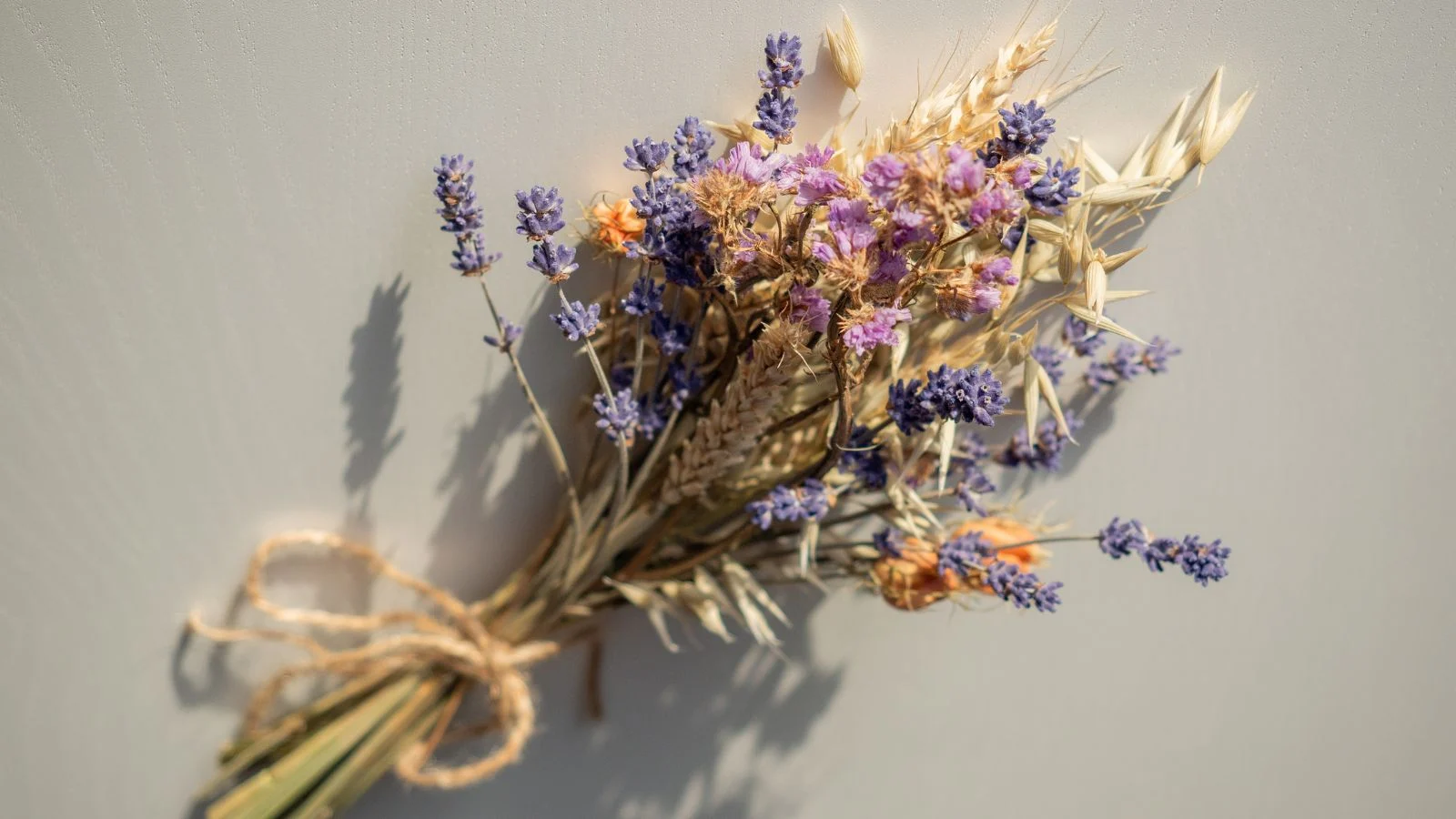 Dried flowers are easier to work with.
If the idea of fresh flowers peaking at exactly the right moment feels like too much pressure (and it is a lot of pressure), dried flowers are worth considering as part of your plan, or even as the whole plan.
Several popular garden flowers dry beautifully. Strawflowers, statice, lavender, celosia, globe amaranth, and baby’s breath all hold their colour and shape well when air-dried. You can grow and dry these weeks or even months before the wedding, which takes the timing stress out of the equation entirely.
To air-dry flowers, strip the leaves, tie stems in small bundles with twine or a rubber band, and hang them upside down in a dark, dry, well-ventilated spot. Avoid anywhere humid (a garden shed usually isn’t ideal). Most flowers take two to three weeks to dry completely. They’re ready when the stems feel rigid.
Dried flowers also work as a complement to fresh arrangements. Mixing in some dried statice or strawflowers with your fresh garden blooms adds texture, extends the visual life of the arrangement, and means you need fewer fresh stems on the day.
And there’s a nice bonus, as dried wedding flowers last. Your bouquet or a centrepiece arrangement can sit on a shelf for months or even a year after the wedding, which is more than you can say for fresh flowers. If you want to keep something from the day, growing flowers specifically for drying is a simple way to make that happen.











Heads up · I appreciate the point about “The Expert Guide to Growing Your Own Wed” — very helpful. Saving it.
Tiny tip — This tip on “The Expert Guide to Growing Your Own Wed” is so useful — thanks for sharing. Saving it.
Tiny tip — This tip on “The Expert Guide to Growing Your Own Wed” is so useful — thanks for sharing. Saving it.