
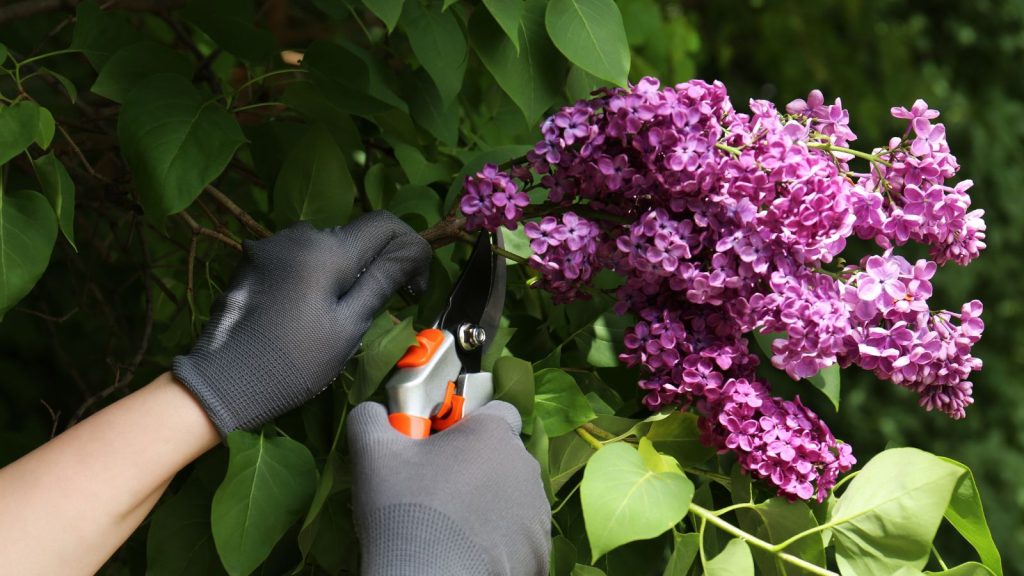
While this isn’t always a hard and fast rule, if a plant blooms on old wood, and it’s late winter, don’t prune. March is one of those times gardeners furiously rush to finish their pruning before buds open and trees leaf out. But it’s not a good time to prune every plant.
Some plants need to be pruned at different times. We mentioned those that bloom on old wood. If you prune a summer-flowering plant in late winter that forms flowers on last year’s growth, but it doesn’t bloom until summer, you’ve decreased the area where buds form.
This is an easy mistake to make, and it’s not the end of the world if you do. You’ll have fewer blooms that year – that’s all. But knowing which plants need pruning at what times helps your garden flourish every year without question.
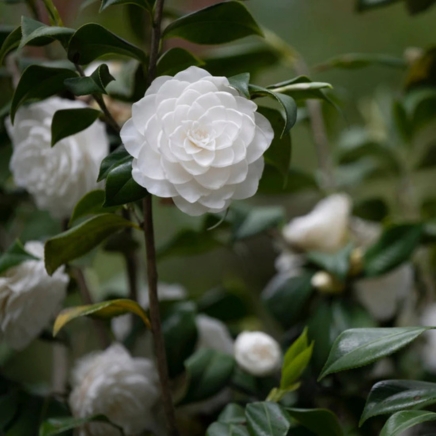
Sea Foam Camellia
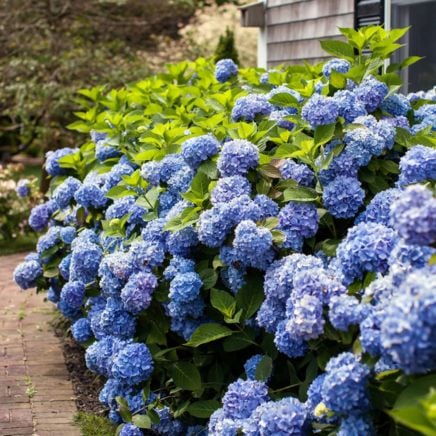
Endless Summer® Hydrangea
Endless Summer® Hydrangea
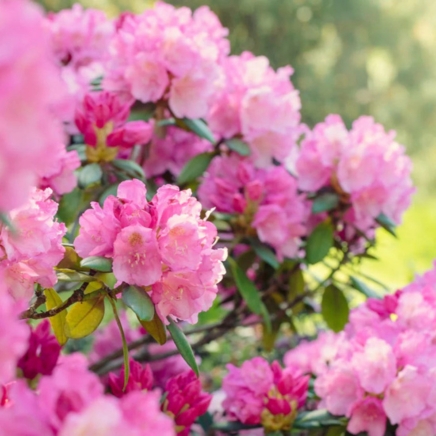
Roseum Pink Rhododendron
Bigleaf Hydrangea
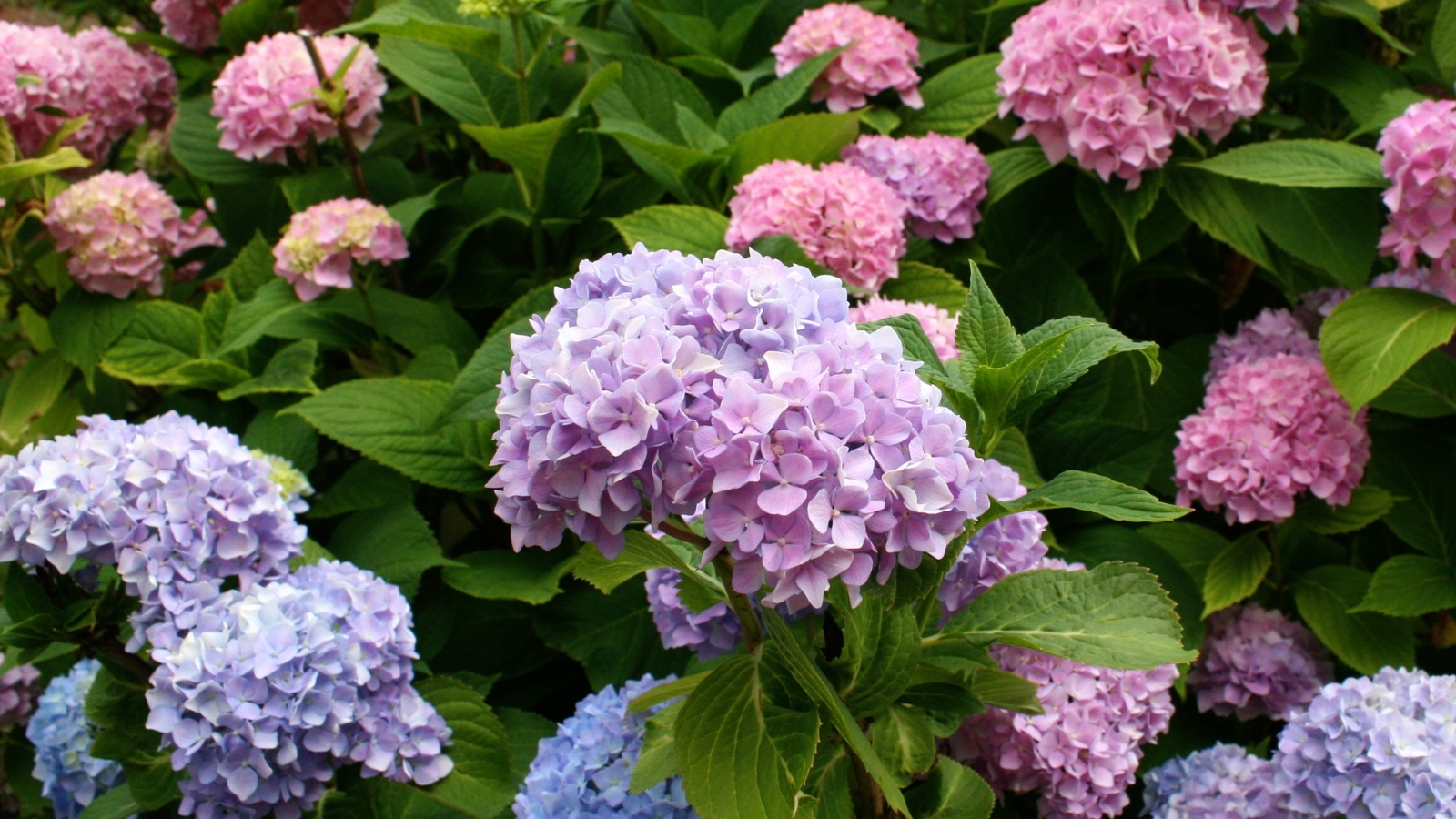 This is one of the hydrangea varieties you shouldn’t prune now.

botanical name
Hydrangea macrophylla

sun requirements
Partial to full shade

height
3-6′

hardiness zones
6-11
Giant, ball-shaped flower clusters are the premier characteristic of mid-sized bigleaf hydrangea shrubs. These summer bloomers develop flowers on last year’s growth, and should be pruned in summer, before August 1st. These lovely plants are perfect in cottage gardens, and as specimens too!
The most famous members of the bigleaf hydrangeas are those of the Endless Summer® series. These are known for their profuse blooms that last a long time, from early summer through fall in optimal conditions. So when it comes to late winter tasks for this one, don’t prune. March is not the time. Wait for early summer, and you might get a second set of blooms.
Rhododendron
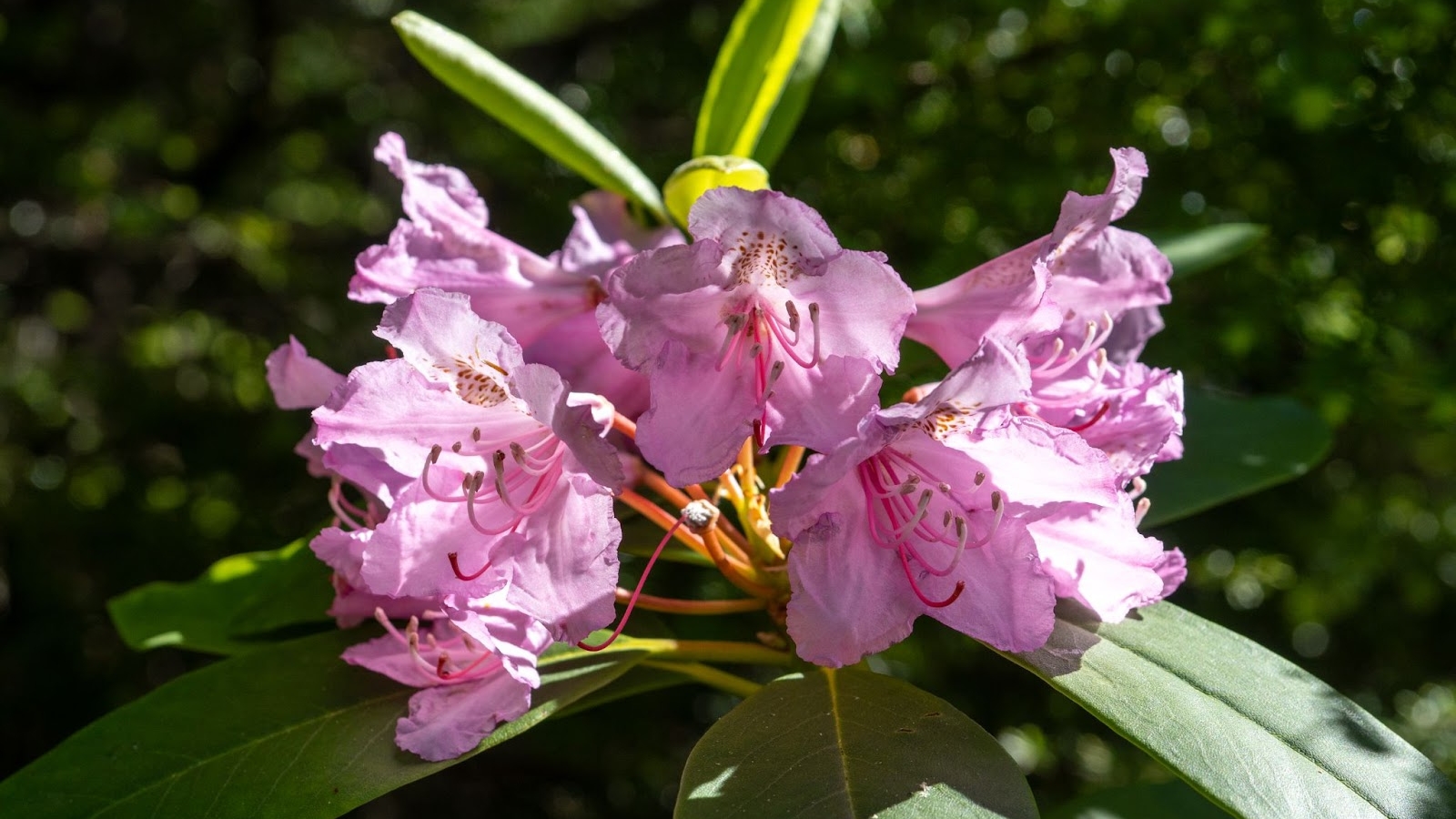 Don’t prune these shrubs in March to avoid stunted growth.
botanical name
Rhododendron spp.
sun requirements
Partial to full shade
height
6-10′
hardiness zones
4-8
Go to the upper Gulf Coast, and you’ll see rhododendrons planted all over municipal areas. These woody shrubs thrive in the acidic, moist soil and shade of places like Louisiana, Mississippi, and Alabama. They do well anywhere with heat, humidity, and rich, acidic soil.
Rhododendrons are sometimes confused with azaleas, but they aren’t always the same. Not all rhododendrons are azaleas, but all azaleas are rhododendrons. When we are talking specifically about rhododendrons, we’re talking about plants that bloom in late spring with funnel-shaped flowers (rather than bell-shaped flowers).
Because these flower on old wood, you should wait until they are done blooming in late spring to prune them. There’s nothing like a spring burst of rhododendron flowers, and you don’t want to lose that effect by pruning too early. If you’ve always wanted to grow one but didn’t have the space, try the ‘Roseum Pink’ variety, which thrives in-ground and in containers, too.
Camellias
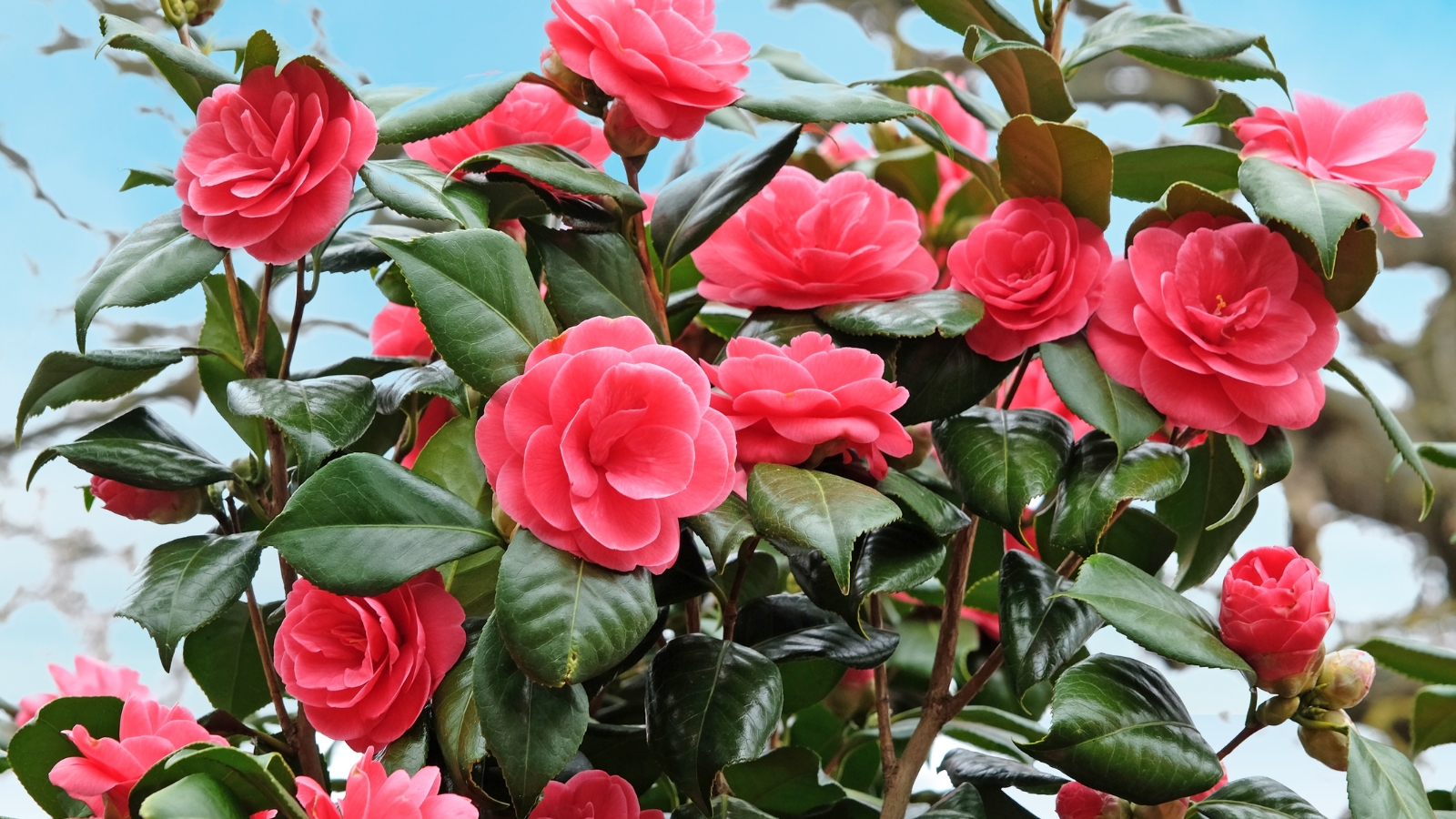 Some species can be pruned now, and some can’t.
botanical name
Camellia japonica
sun requirements
Partial shade
height
10-13′
hardiness zones
7-9
When it comes to winter pruning of camellias, some species need it, and others don’t. For Camellia sasanqua, late winter maintenance is needed. At the same time, for japonica, don’t prune. March is not a good time for this species. Instead, wait for early summer and prune after they bloom.
Japonica camellias are not the same as the tea plant (Camellia sinensis). But they have some of the most stunning, symmetrical blooms that come in multiple colors – mostly white, pink, and shades of red. My favorite is the bright white ‘Sea Foam’, which has the most delicate, elegant flowers.
Daphne
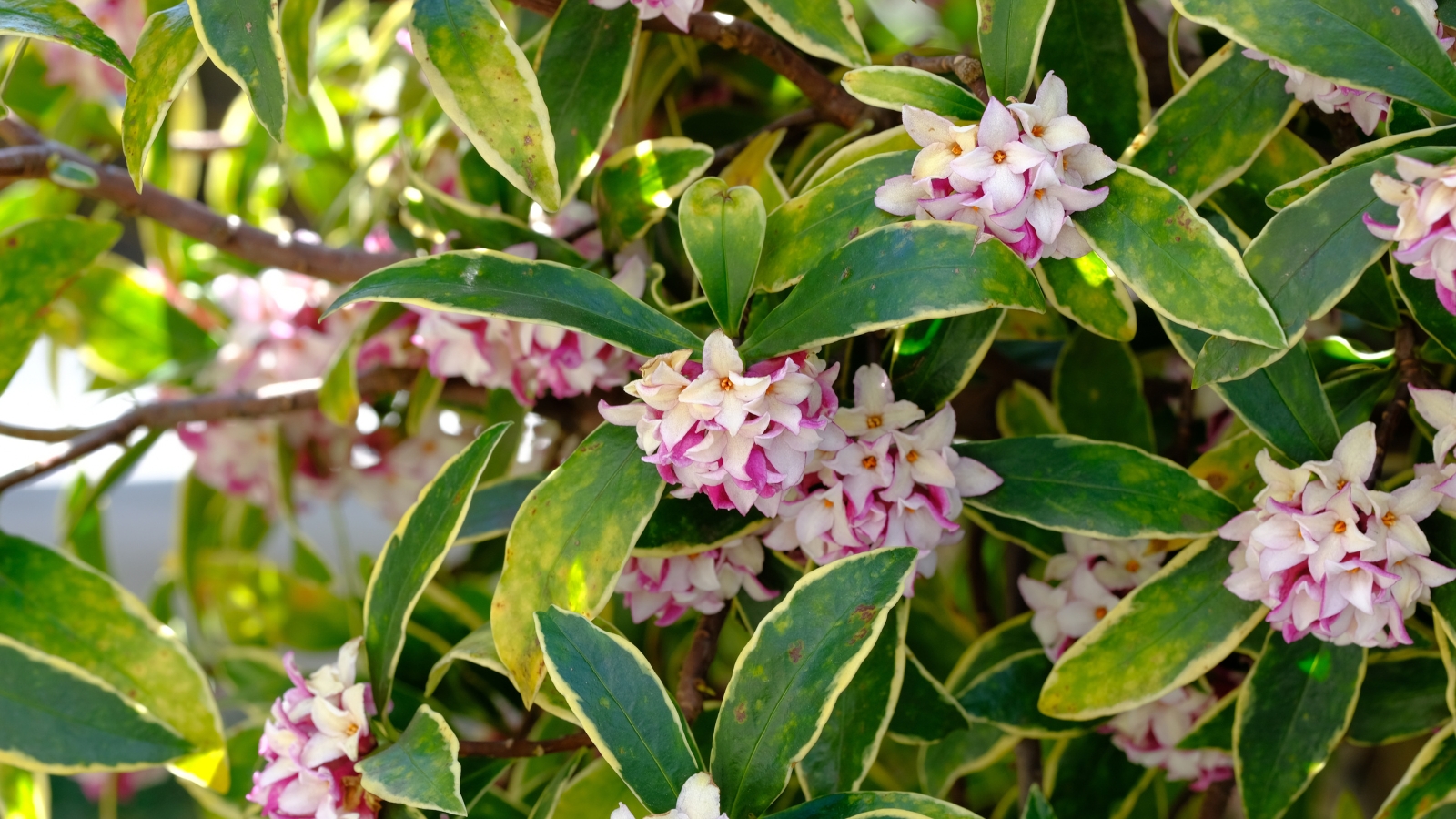 Don’t prune these shrubs in late winter.
botanical name
Daphne odora
sun requirements
Full sun
height
3-6′
hardiness zones
7-9
In containers, woodland gardens, and even in foundation plantings, daphne really shines. This lovely shrub with compound pink and white blooms, surrounded by sometimes solid, sometimes variegated leaves, is beloved in the gardening world. It offers nectar to pollinators and year-round interest to gardens, even where it’s not hardy.
For daphne, in late winter, don’t prune. March is a bad time to prune away the soon-to-bloom buds that develop on old wood. These pop off in early spring, which is late in March for most growers. If you live in a region where they bloom in March, you can prune them after their first set of flowers. Most likely, you’re looking at an April or May pruning session.
Common Lilacs
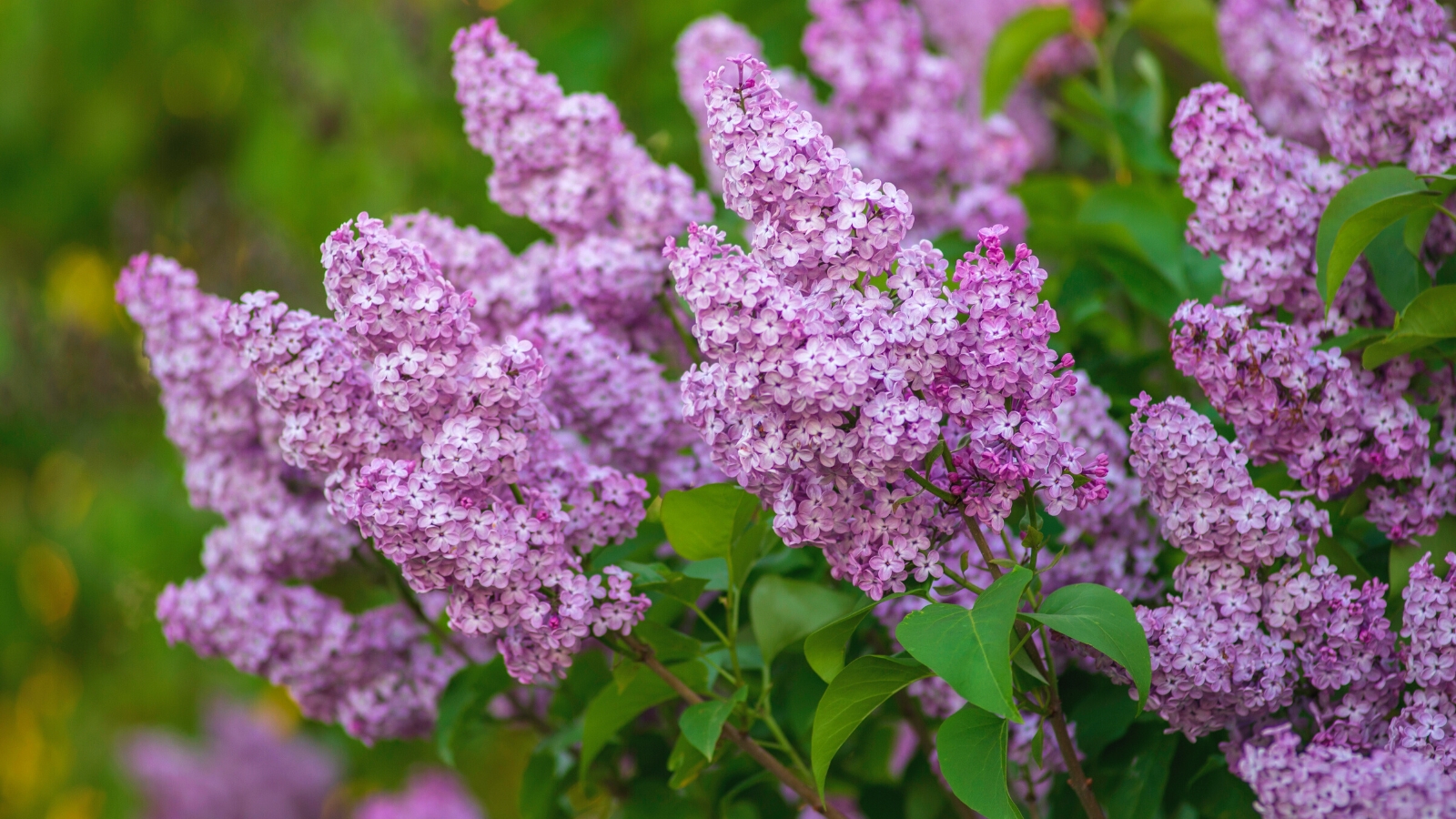 If you cut too soon, you’ll lose the flowers and their wonderful scent.
botanical name
Syringa vulgaris
sun requirements
Full sun to partial shade
height
8-16′
hardiness zones
3-7
As a late spring bloomer, common lilacs shouldn’t be snipped in March when they’re gearing up for their flowering phase. If you cut too soon, you’ll lose the heavenly scent they bring to the season. Instead, wait for their first flush, and shape the shrub afterward.
These are some of the best plants to include in your garden if you want to attract hummingbirds and butterflies. Plant them somewhere you can enjoy them, but not so close that you won’t have any hummingbird visitors around. You can find varieties in multiple colors, from blue to pink and white, lavender, and tan. So it’s likely there’s one out there that fits right into your space.













Quick thought — Such a warm note about “Don’t Prune These 5 Garden Plants in Mar” — lovely. Saving it.
Tiny tip: Yes, that makes a lot of sense. Love this!
FYI — Practical and pretty — bookmarking this. Love this!
On a similar note — Totally agree — that really resonates with me. Thanks for this!
Heads up – This tip on “Don’t Prune These 5 Garden Plants in Mar” is so useful — thanks for sharing. Great share.
Also: I appreciate the point about “Don’t Prune These 5 Garden Plants in Mar” — very helpful. Will try it.
Small note · A gentle, thoughtful post — brightened my morning. Great share.
Quick thought · Nice take on “Don’t Prune These 5 Garden Plants in Mar” — I’ll try that soon. Love this!
FYI • This tip on “Don’t Prune These 5 Garden Plants in Mar” is so useful — thanks for sharing. Will try it.
FYI • This tip on “Don’t Prune These 5 Garden Plants in Mar” is so useful — thanks for sharing. Will try it.
FYI • This tip on “Don’t Prune These 5 Garden Plants in Mar” is so useful — thanks for sharing. Will try it.
FYI • This tip on “Don’t Prune These 5 Garden Plants in Mar” is so useful — thanks for sharing. Will try it.
Tiny tip — Such a gentle approach — I really like it. Saving it.