

Introduction
Green threads through. A brief context to set expectations.
Green threads through: Quick notes
Beneath the hum of concrete and the flicker of streetlights, a quiet revolution blooms—one pot, one seed, one balcony at a time. The city’s gray expanse, often perceived as an unyielding fortress of asphalt and steel, harbors hidden pockets where green roots can stretch skyward, where the scent of soil meets the whisper of wind. A Balcony Garden is not merely a collection of potted plants; it is a living canvas where nature’s palette paints solace onto an urban backdrop. Here, amid the rhythm of rain against glass and the dance of dappled sunlight, we find a sanctuary for both the soul and the environment. This guide invites you to weave green threads through the fabric of your urban life, transforming cramped corners into lush retreats that nourish the earth, the heart, and the spirit.
Seasonal Context
Each season shapes the soul of a Balcony Garden, its rhythm dictated by the tilt of the sun and the pulse of rain. In spring, as frost retreats and soil awakens, young seedlings emerge like hopeful whispers—marigolds flickering in terracotta pots, kale peek through frost-kissed leaves. Summer bestows warmth, its golden light stretching long afternoons, coaxing tomatoes to blush and herbs to spill their fragrant oils. Autumn arrives with a tapestry of amber and gold, signaling the harvest of squash and beans, while winter invites introspection: dormant vines curl into textured patterns, and evergreen herbs cling to life beneath insulators.
To garden through the seasons is to embrace flow—to let go of perfection as snow dusts window ledges, or wilting petals soften in the summer dusk. A Balcony Garden becomes a mirror of time’s passage, each leaf a fleeting brushstroke in an ever-changing masterpiece.
Practical Steps
Assessing Light: The Garden’s Compass
Before a single seed is sown, understand your balcony’s light. North-facing spaces, cloaked in soft, indirect beams, cradle shade-loving plants like ferns and peace lilies. South-facing zones bask in relentless sun, ideal for sun-hungry vegetables like basil or sunflowers. Observe how shadows shift throughout the day; afternoons might scorch delicate foliage, while mornings offer gentle warmth.
Containers: Vessels of Growth
Choose pots that breathe—clay’s porous soul wicks away excess moisture, nurturing herbs and succulents. Repurpose wooden crates, line them with burlap, and fill them with nutrient-rich soil. Hanging baskets cradle ivy, their cascades softening railing edges. Let creativity bloom: an old wheelbarrow becomes a whimsical planter; rain gutters, strung together, form a vertical garden.
Soil and Compost: The Living Foundation
A Balcony Garden thrives when its soil mirrors forest floor richness. Blend potting mix with composted kitchen scraps—apple cores, coffee grounds—transforming waste into vitality. Avoid synthetic fertilizers; instead, feast on worm castings or banana peel tea. Water deeply but sparingly, allowing roots to seek moisture rather than linger in soggy despair.
Design Ideas
Vertical Harmony
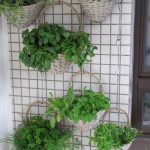
Three-dimensional planting turns walls and railings into living art. Trellises draped with climbing snapdragons or sweet peas create natural curtains, while pallet shelves stacked with herb pots maximize space. Stack pots of varying heights to mimic a forest canopy, offering dappled light to greenery below.
Color and Texture: The Language of Calm
Let plants converse in hues and textures. Dusty pink geraniums hum against emerald green chairs; lavender’s silvery bloom catches dusk light. Contrast rough agave leaves with the fronds’ feathery lightness. A cohesive color story need not be rigid—a soothing mix of white, green, and soft blue evokes the serenity of a forest glade.
Cozy Ecosystems
Design for more than aesthetics. Nest a birdhouse on a pillar to welcome feathered visitors; plant lavender and yarrow to repel pests naturally. Drip irrigation systems, powered by solar energy, trickle water like a mountain stream, sustaining ecosystems without waste.
Rituals
Morning Whispers
Begin each day with a moment of connection. Let coffee cool, then slip into boots and wander through your Balcony Garden. Feel the rough bark of a young oak, inhale the spicy warmth of rosemary—grateful for the quiet truth that growth is inevitable and nourishing.
Moondance Gardening
Under a silvery moon, tend to your plants as if coaxing a secret. Prune wilted blooms, whisper encouragement to seedlings. The moon’s glow brings out night-scented jasmine and moths, a reminder that nature thrives in cycles beyond the sun’s bright gaze.
Soil & Water Care
Nurturing the Earth
Soil is a living communication net. Add mycorrhizal fungi to pots to strengthen root networks, letting plants share nutrients as they do in ancient woodlands. Mulch paths with dried leaves or straw, insulating pots from temperature extremes while mimicking forest floor texture.
Water Wisdom
Harvest rainwater in a barrel, filtered through moss, to feed thirsty roots. Water early morning or dusk, when evaporation’s theft is slight. Let soil dry slightly between waterings—this teaches plants resilience, even as it honors thirst.
Wildlife & Habitat
Pollinator Portals
Invite hoverflies and bees with clusters of native blooms: coneflowers, salvia, and coreopsis. A tiny bee hotel, crafted from drilled wood, offers mason bees sanctuary. Wild patches of clover in corners provide larval food, while milkweed beckons monarchs to rest their weary wings.
The Stillwater Principle
Install a shallow basin with pebbles, allowing birds to splash and drink. Stagnant water harbors mosquitoes; moving water, via a solar-powered pump, becomes a haven. Even in winter, ice-rimmed basins invite feathered friends to glance down, a fleeting celebration of persistence.
Seasonal Projects
Spring: Seed Dreams
Start seedlings in recycled paper pots, transplanting them after last frost. Save heirloom seeds—basil, butternut squash—and share them at community seed swaps, where stories of garlic and tomatoes cross hands like heirlooms.
Summer: Firefly Festivities
Plant cosmos and black-eyed Susans to paint your balcony gold. At dusk, release a flickering candle into your garden and watch—will fireflies follow?
Indoor/Balcony Extensions
Herb Spirals
Construct a herb spiral using stones and soil, coiling upward like a mountain trail. Mint, thyme, and oregano spiral toward the sun, their flavors harvested fresh for morning tea or midday snacks.
Overwintering Refuge
Insulate pots with bubble wrap, tuck them into recessed balcony corners. Bring potted figs indoors, their leaves growing toward windowsill light. A south-facing windowsill becomes a temporary greenhouse, nurturing basil leaves through frosty weeks.
Community & Sharing
The Ripple of Giving
Plant a “seed library” board: mount a wooden plaque with slots to hold envelopes of shared seeds. Write notes like “Cilantro hugged by summer’s breath,” and leave it on a railing. Neighbors borrow, grow, and return seeds with tiny sprigs of gratitude.
Storytelling Through Plants
Host monthly plant exchanges, pairing thrifted ceramics with potted marigolds. Share recipes born from your Balcony Garden—sun-dried tomato pasta, kale chips crisped at dusk. Each shared story becomes a root connecting neighbors.
Conclusion
In the quiet lunchbreak, a chive leaf brushed against your finger—sharp, green, alive. A Balcony Garden is more than urban practicality; it’s a poem written in chlorophyll, a meditation on what grows when we dare to nurture. Through seasons shifting like ink on parchment, through shared seeds and whispered conversations, we reclaim the truth that growth is love made visible. Let your Balcony Garden be the thread that weaves green hope through the city’s gray heart—where every leaf breathes, and every bloom reminds us that even in the tightest spaces, nature finds a way to rise.
We reference Green threads through briefly to keep the thread coherent.
A short mention of Green threads through helps readers follow the flow.














PS — Such a warm post; this made me smile. Thanks for this!
Loved this about “Eco How-To – Weaving Green Threads Throu” — such a nice idea.
Also • Good call — that’s worth trying. So cozy.
Heads up — Neat idea — simple and effective. Love this!