
Direct sowing vegetable seeds outside in March works well for many crops because the cool, moist conditions of early spring are exactly what these seeds need to germinate and establish strong root systems. These are plants that grow best before the heat of summer arrives, which means getting them in the ground now gives them the longest possible window to produce.
The timing depends on your specific climate. Most of these vegetables can go in the ground two to six weeks before your average last frost date. If you’re in a colder region where the ground is still frozen, adjust accordingly and sow as soon as the soil is workable.
Sugar Snap Snap Pea
Sugar Snap Snap Pea Seeds
French Breakfast Radish
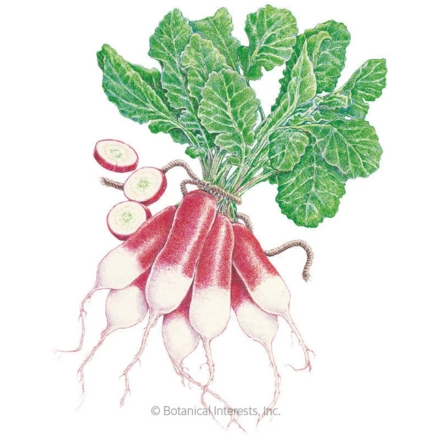
French Breakfast Radish Seeds
Touchstone Gold Beet
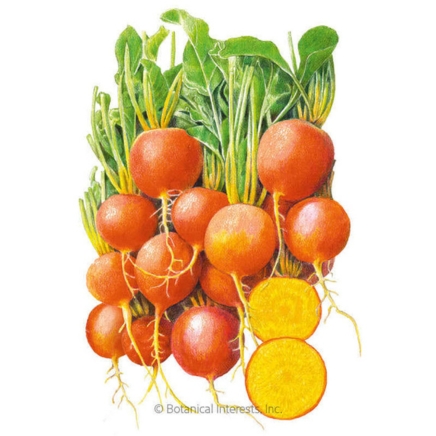
Touchstone Gold Beet Seeds
Peas
 These crops stop producing in warm weather.
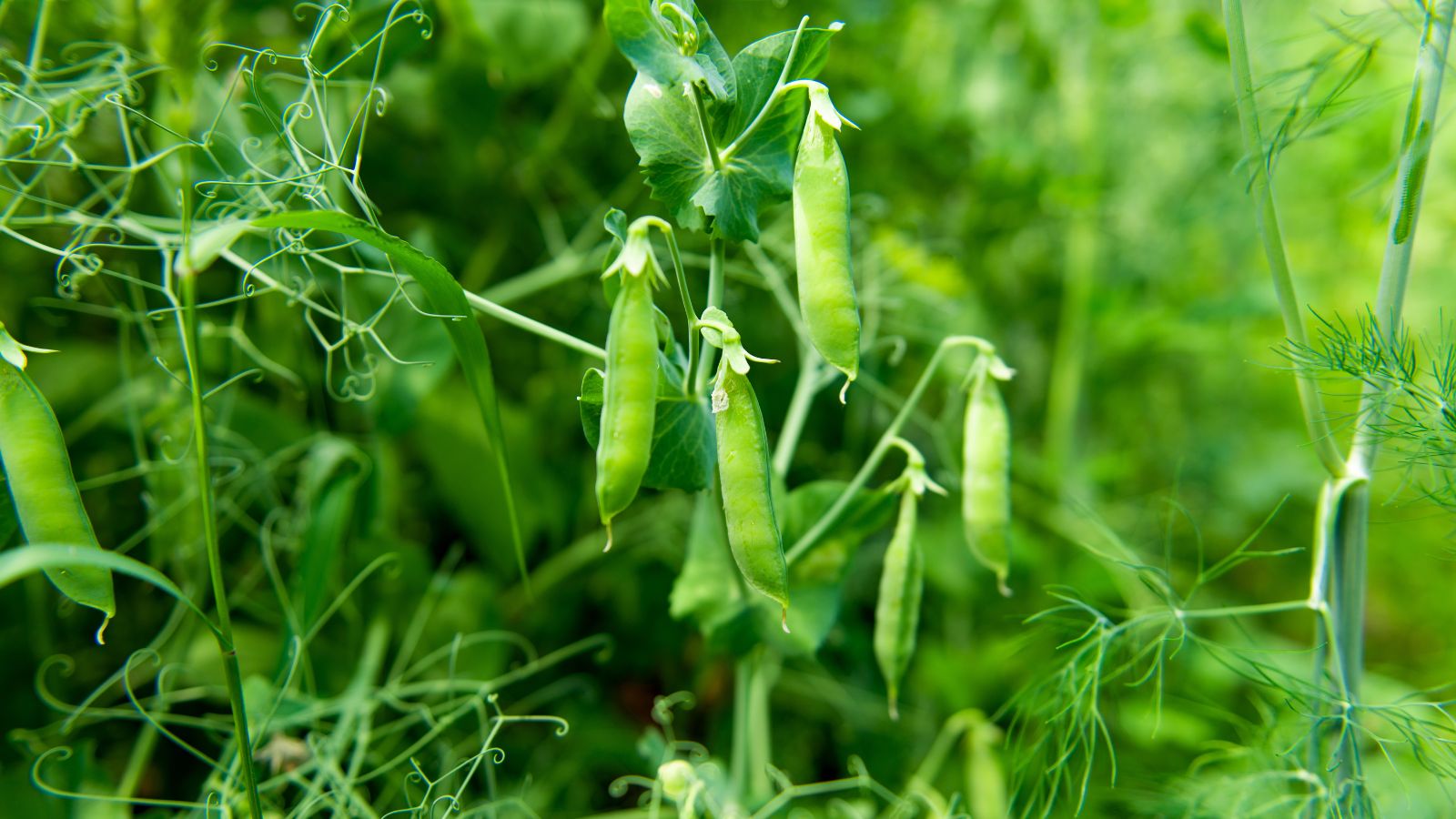
Peas are one of the first crops to go in the ground each spring. They germinate in cool soil and handle light frost without issue. Once summer heat arrives, pea plants decline quickly. Planting these vegetable seeds outside in March extends your harvest window.
Provide a trellis or support at planting time for climbing varieties so the vines have something to grab onto as they grow. Bush types don’t necessarily need support, but even they benefit from a short stake or some netting to keep the pods off the ground.
Peas fix nitrogen in the soil, which makes them a good companion for crops that follow later in the season. Once they’ve finished producing, cut the plants at the soil level and leave the roots in the ground to release that nitrogen for whatever you plant next.
‘Sugar Snap’ is a classic for good reason, producing sweet, crunchy pods that are edible whole. If you prefer shelling peas, ‘Green Arrow‘ is a reliable, high-yielding variety with tender peas inside plump pods.
Radishes
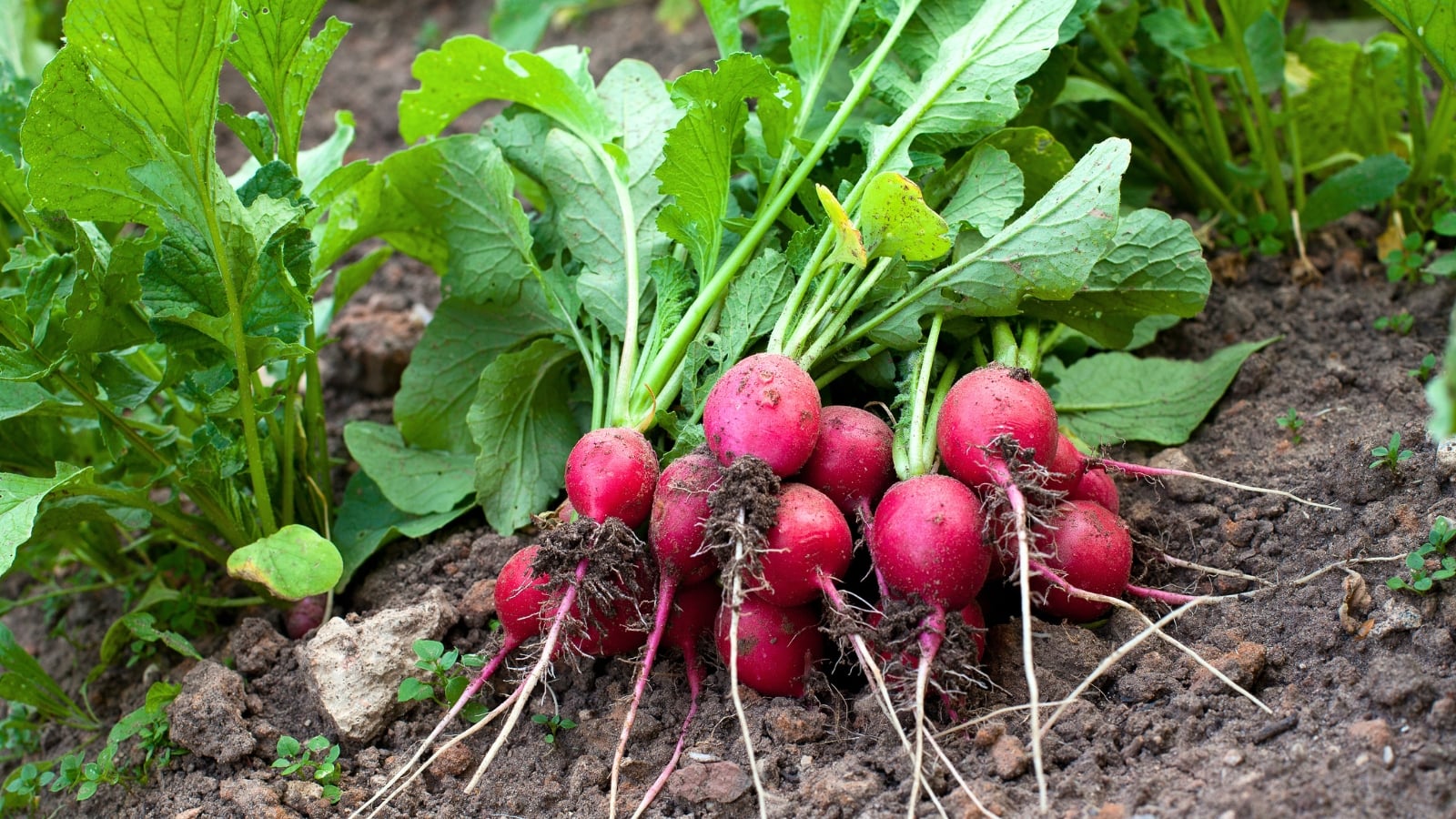 Go from seed to harvest in less than a month.
Although they may be small, radishes are impressive, one of the fastest vegetables you can grow. Some varieties go from seed to harvest in less than a month, making them one of the most satisfying crops for impatient gardeners. And if that’s not enough, they’re one of the best ways to make use of empty garden space in early spring.
Sow these vegetable seeds directly outside in March and thin seedlings to the spacing recommended on the seed packet once they emerge. Overcrowded radishes won’t form proper roots, so don’t skip this step.
Successive sowings every one to two weeks keep radishes coming through spring without overwhelming you with a single massive harvest. Stop sowing when daytime temperatures regularly exceed 80°F, as heat causes radishes to bolt and turn unpleasantly spicy.
‘Cherry Belle‘ is a dependable choice with bright red skin and mild flavor. For something a little different, ‘French Breakfast’ produces elongated roots with a scarlet top and white tip that are as attractive on the plate as they are in the garden.
Lettuce
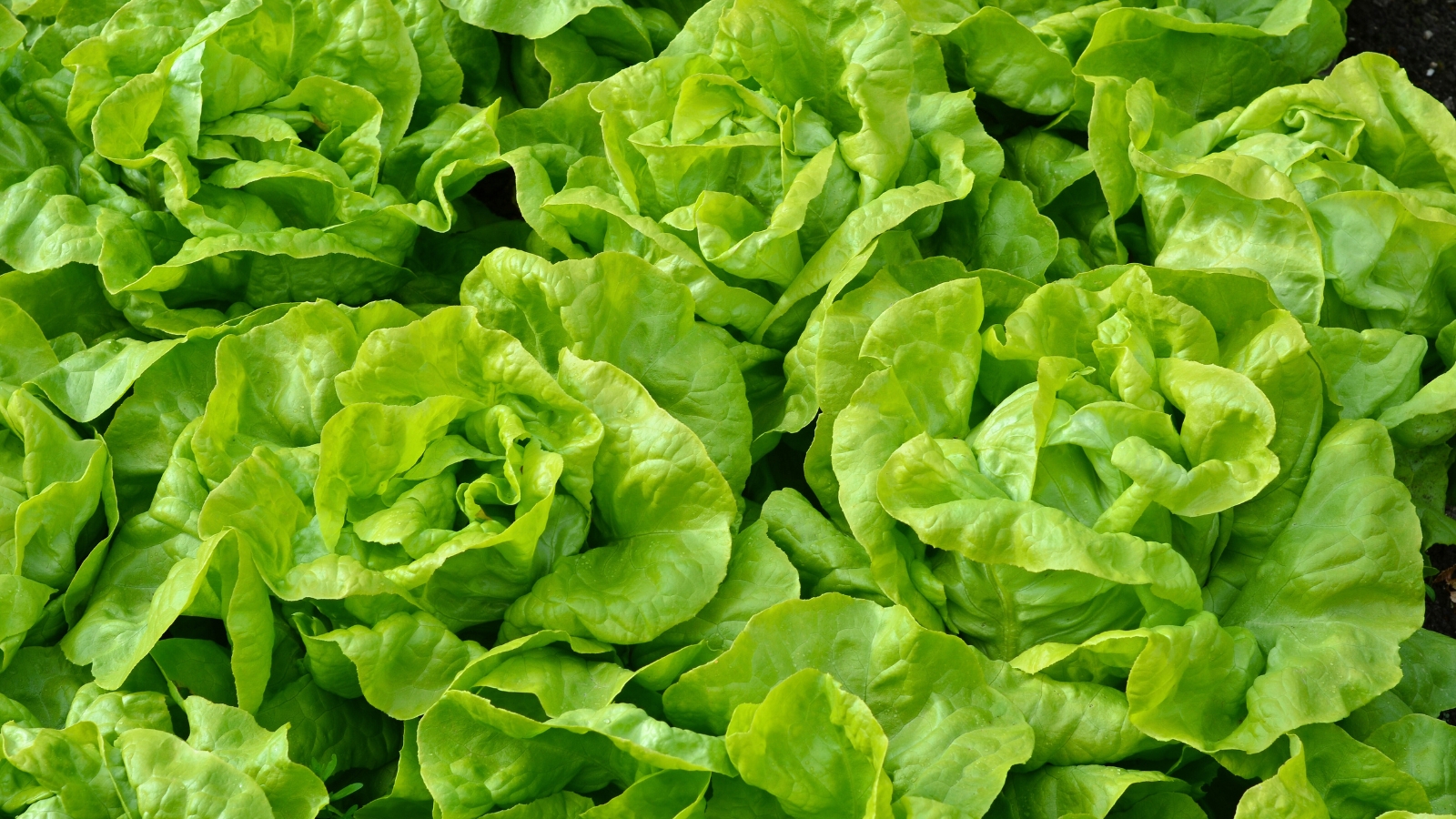 Sow different varieties for a blend of flavors.
Like many leafy greens, lettuce is a cool-season crop that bolts quickly once temperatures climb, so March sowing gives you the best chance of a long, productive harvest before summer shuts things down. It germinates in soil temperatures as low as 40°F and grows quickly in the mild conditions of spring.
Lettuce seeds need light to germinate, so scatter them on the surface and press them gently into the soil rather than burying them. Keep the soil consistently moist until the seedlings are established.
For cut-and-come-again harvesting, a mesclun blend gives you a diverse mix of textures and flavors from a single sowing. If you prefer growing individual heads, ‘Buttercrunch‘ is a compact butterhead with tender leaves that handles spring weather well.
Carrots
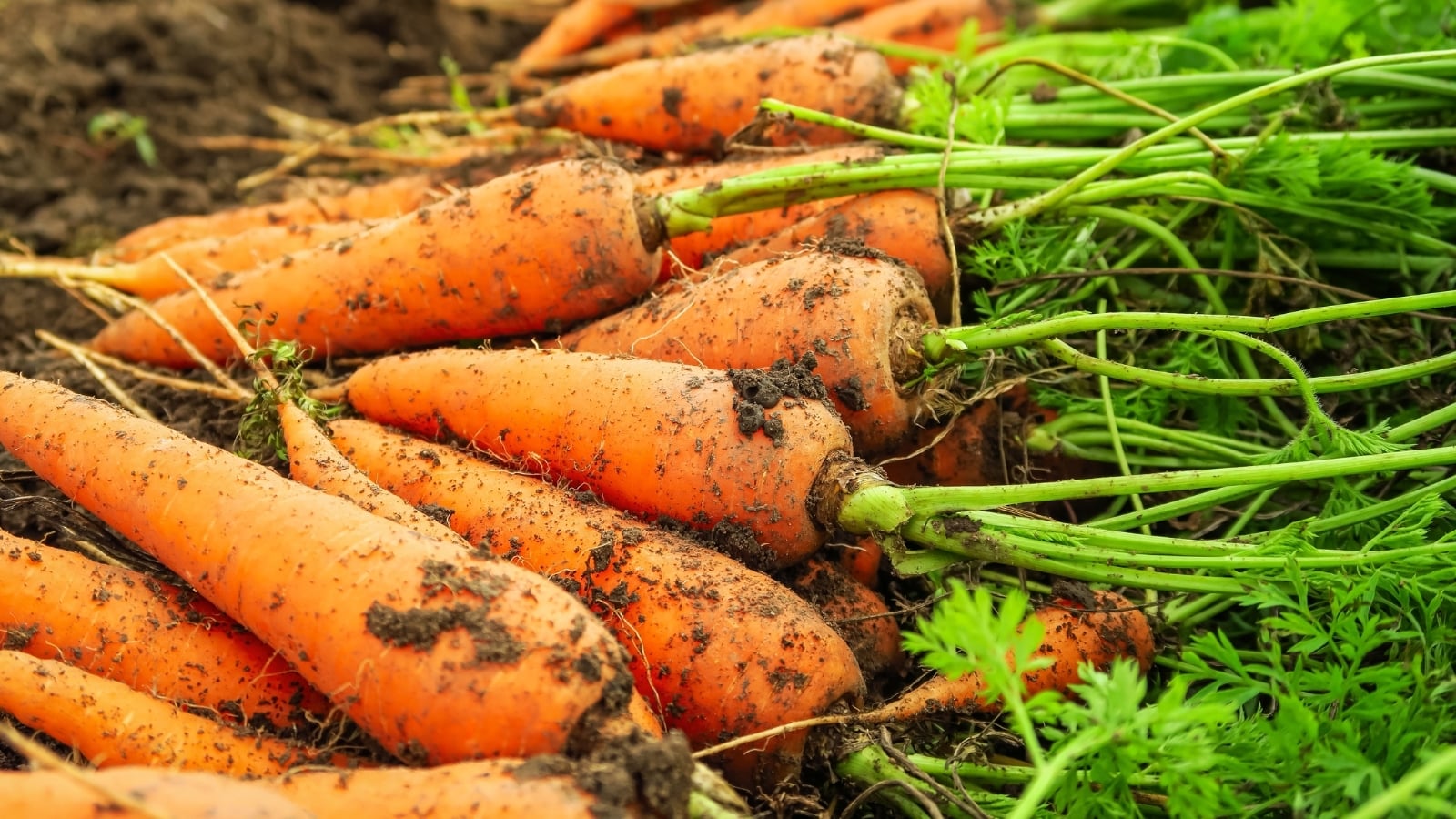 Carrorts don’t handle transplanting well.
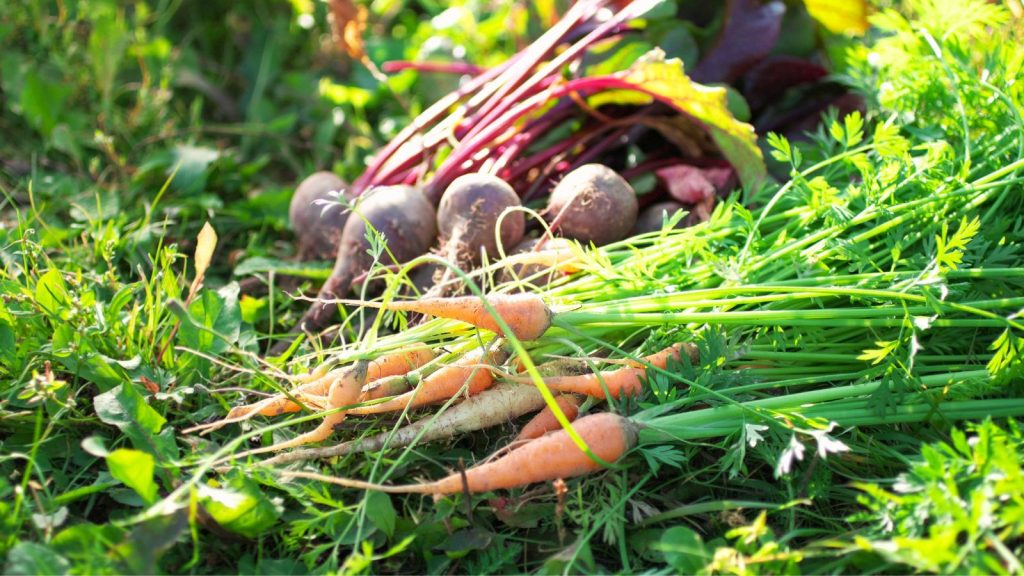
As root crops that don’t tolerate transplanting, carrots need a long, uninterrupted growing period in cool conditions, which makes March the ideal time to get them started. They’re slow to germinate, often taking two to three weeks, so don’t assume something went wrong if nothing appears for a while.
The seeds are tiny, so sow them thinly in shallow furrows about a quarter inch deep. Keep the soil surface consistently moist during the long germination period, as the seeds will fail if they dry out.
Thinning is essential for straight, well-formed roots. Once the seedlings are a couple of inches tall, thin them to the spacing recommended on the packet. The soil should be loose and free of rocks to a depth of at least eight to 12 inches, depending on the variety. Heavy or compacted soil produces stunted, forked roots.
Spinach
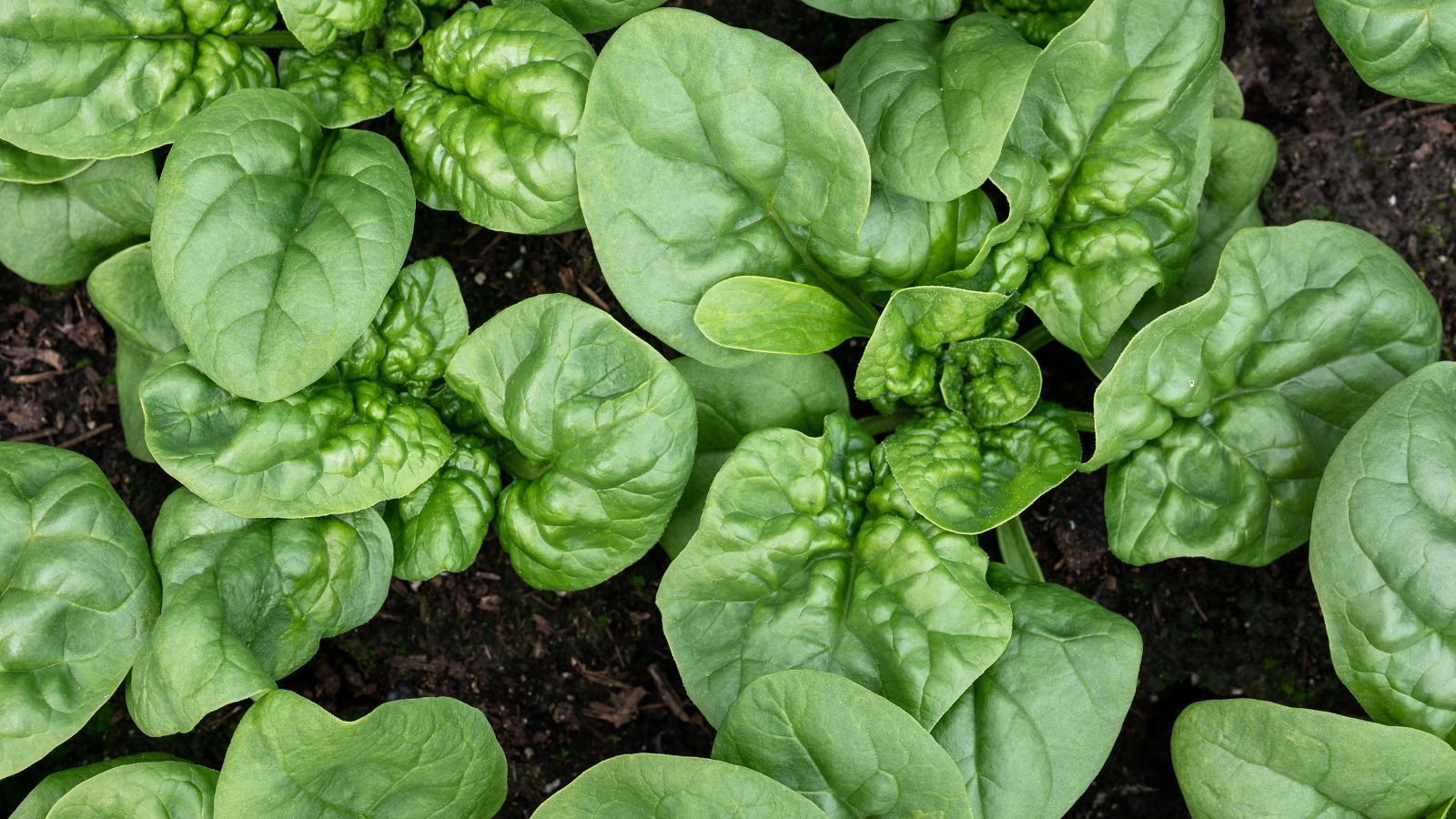 The crisp leaves handle frosty conditions well.
Spinach is one of the most cold-tolerant vegetables you can grow. It’s fast-growing, nutritious, and versatile in the kitchen, making it a practical choice for early March vegetable seed sowing outside.
Spinach germinates best in soil temperatures between 45°F and 75°F, so March conditions are usually within range for most people. Like lettuce, spinach bolts when temperatures rise and day length increases. The earlier you get seeds in the ground, the more harvests you’ll get before the plants send up flower stalks. Harvesting outer leaves regularly rather than waiting to cut the whole plant extends the productive period.
‘Bloomsdale’ is a reliable heirloom with thick leaves and good bolt resistance for a spinach. It’s been a standard variety for over a century for good reason.
Beets
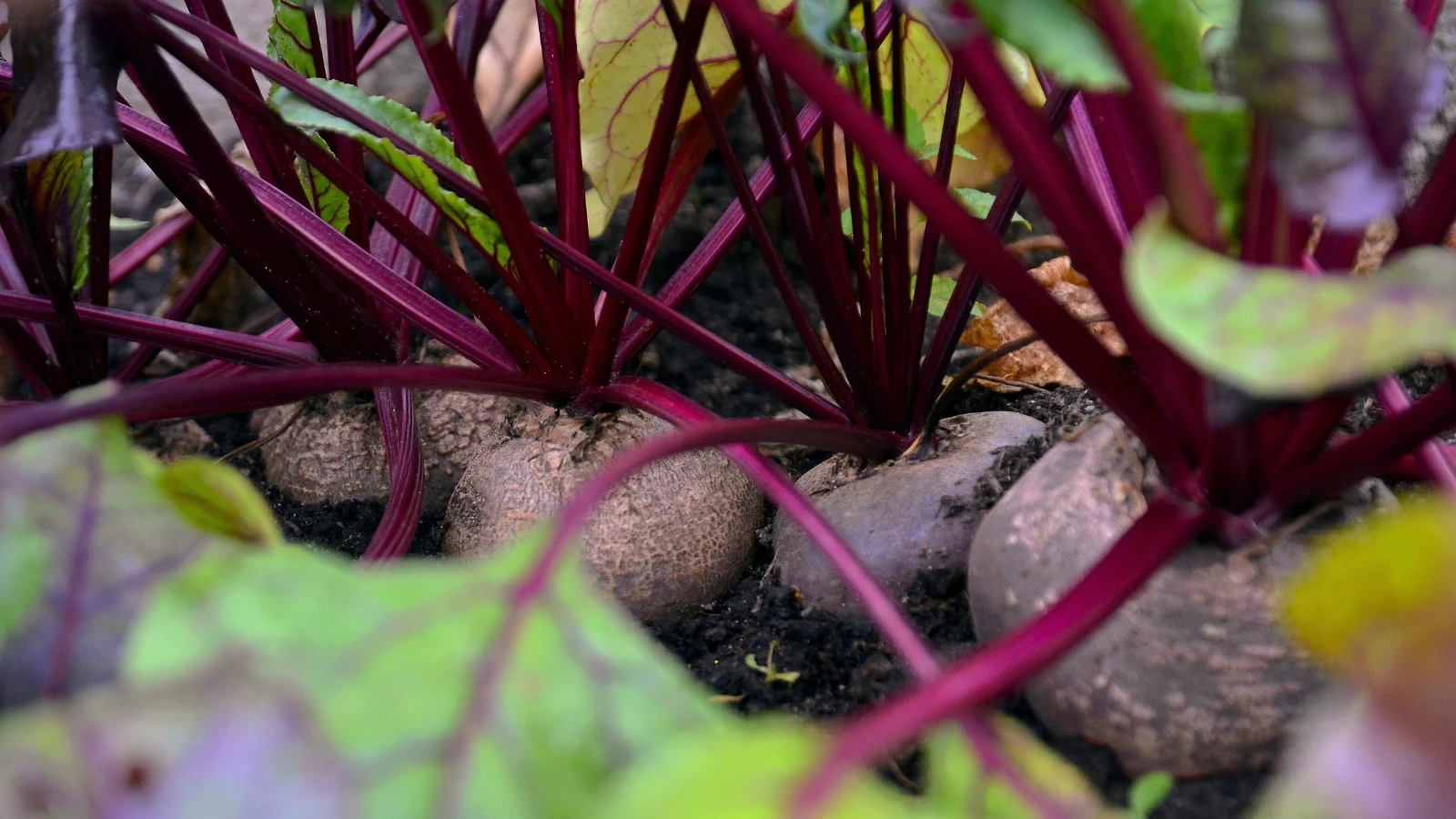 Plant colorful beets to add interest to your salads.
Beets are dual-purpose crops that give you both edible roots and nutritious greens from a single sowing. They handle cool temperatures well and can go in the ground earlier than many other root vegetables, making them a natural fit for March vegetable seed sowing outside.
Beets are relatively unfussy about soil conditions, though they perform best in loose, well-drained soil with a slightly acidic to neutral pH. Keep the soil consistently moist for even root development. Roots that experience dry spells followed by heavy watering can crack or develop a tough, woody texture.
‘Detroit Dark Red’ is a great beet variety with deep red roots, excellent flavor, and attractive dark green tops on red stems. ‘Touchstone Gold’ is a golden alternative that’s sweeter and less earthy than red varieties, and it won’t stain your hands or cutting board.
Kale
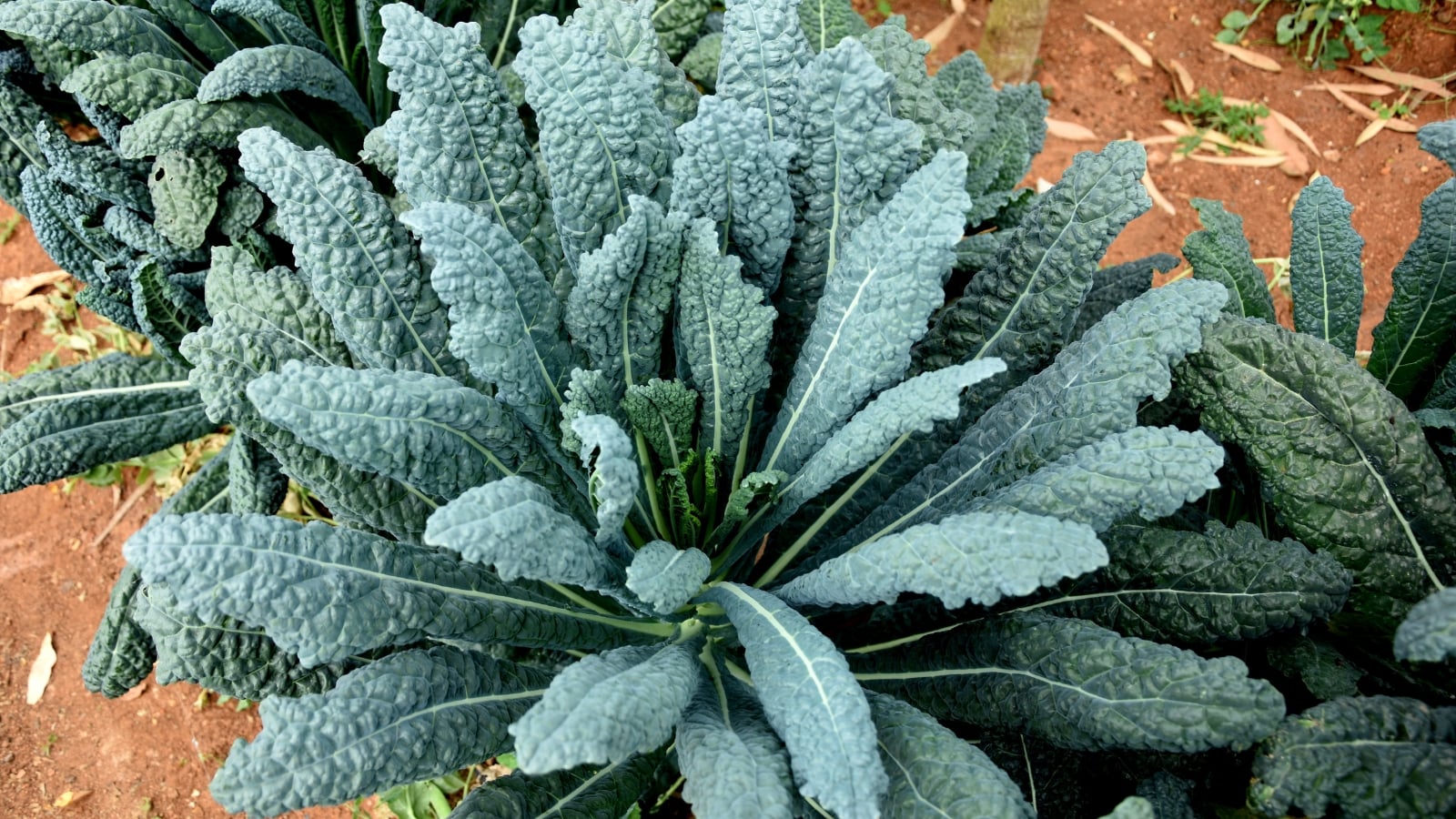 Kale leaves become tastier with a light frost.
If you want a vegetable seed to plant outside in March that is synonymous with cold weather, kale is it. It tolerates frost, light freezes, and the generally unpredictable weather of early spring without complaint. In fact, cold temperatures improve the flavor, reducing the bitterness that turns some people off.
‘Lacinato‘ (also called dinosaur kale) has long, dark blue-green leaves with a bumpy texture and a more refined, slightly sweet flavor compared to curly types. ‘Red Russian’ has flat, fringed leaves with purple stems and veins that add visual interest to the garden.
Sow kale seeds directly outdoors four to six weeks before your last frost date. Thin to 12 to 18 inches apart once seedlings are established. Kale plants get bigger than many people expect, so give them enough room.
Turnips
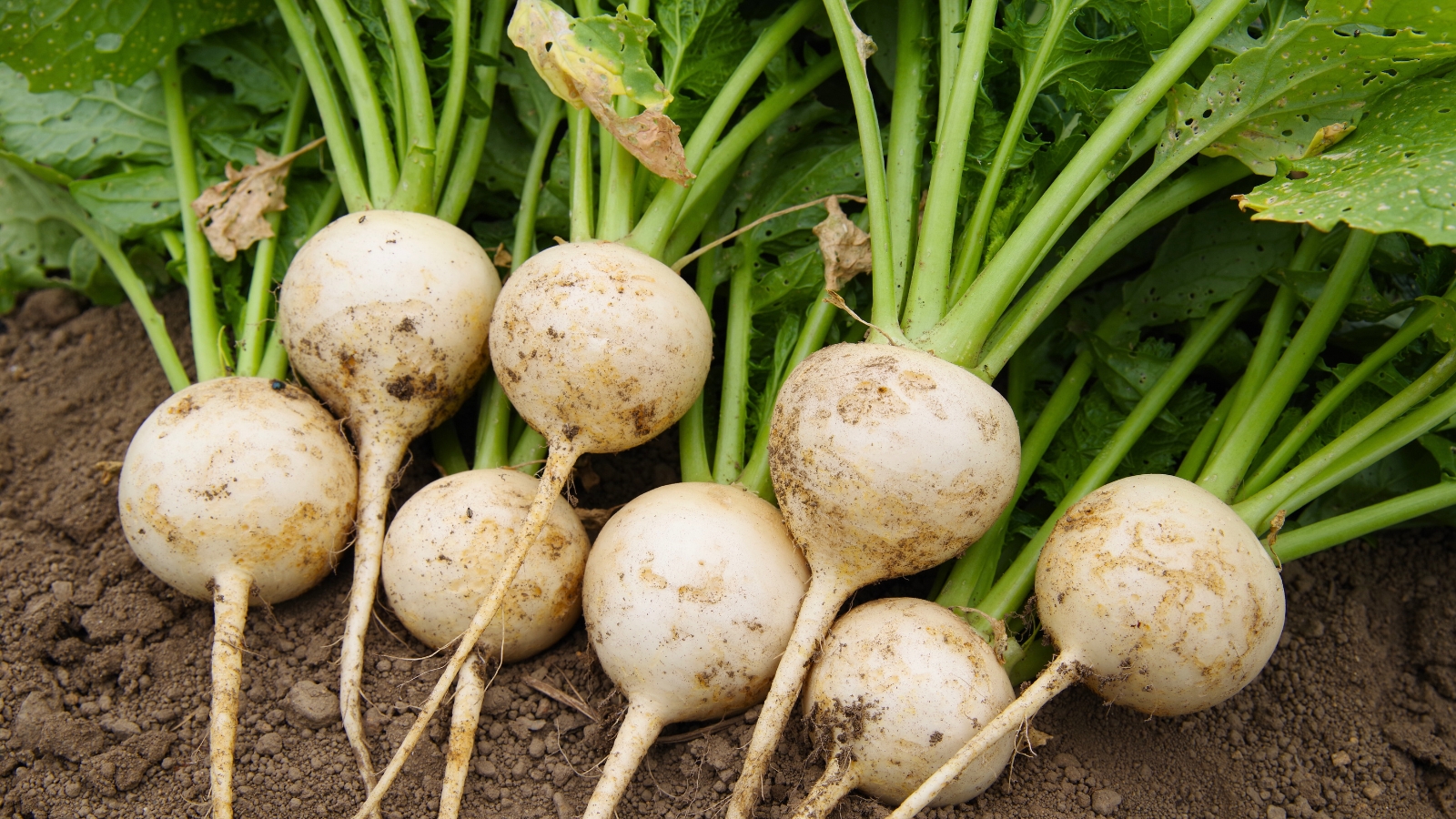 These underrated crops are tastiest in spring.
I think turnips are underrated spring vegetables. These root crops grow relatively fast and produce well in cool weather. Like beets, they’re a two-for-one crop, as both the roots and the greens are edible. Spring turnips harvested young have a mild, slightly sweet flavor that’s nothing like the strong, woody turnips many people associate with the vegetable.
Turnips germinate quickly in cool soil and mature fast, with some varieties ready to harvest in as little as five to six weeks. Harvest spring turnips when they’re small, no larger than two to three inches in diameter. Larger turnips develop a stronger flavor and tougher texture, especially in warm weather. If you’re growing them primarily for the greens, you can start harvesting leaves even sooner.
Swiss Chard
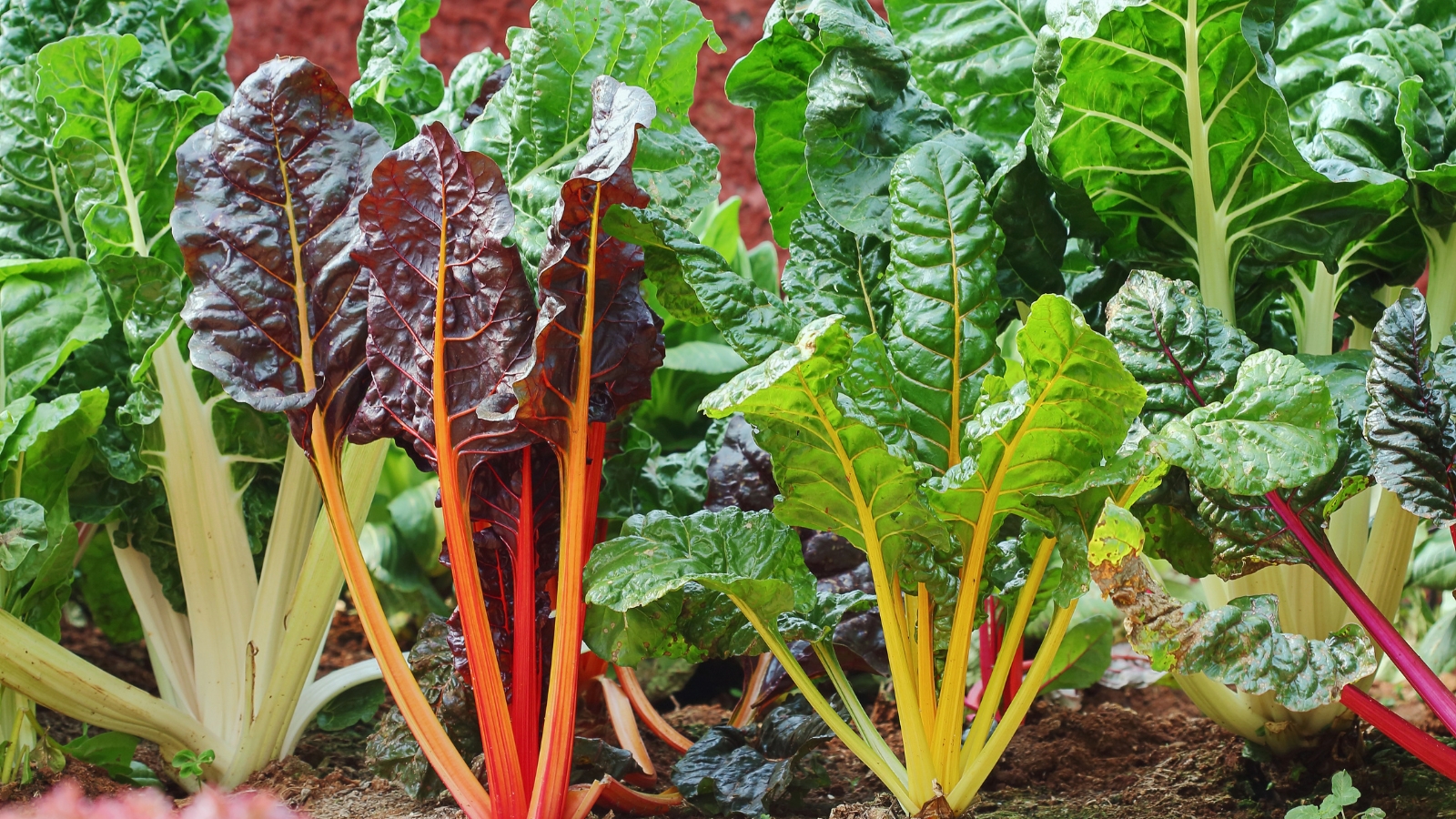 Choose varieties with colorful stems.
Swiss chard handles both cool and warm temperatures better than spinach or lettuce, which means sowing the vegetable seeds outside in March gives you a plant that produces from spring well into fall without bolting.
It is also one of the most visually striking vegetables in the garden. The stems come in vivid colors, from bright red and orange to yellow, pink, and white, depending on the variety. A row of chard doubles as an ornamental border plant, which is useful if you’re short on space and want your vegetable garden to look as good as it produces.
‘Celebration’ is the variety to grow if you want the full color spectrum. It produces a rainbow mix of stem colors that looks dramatic in the garden and on the plate. ‘Fordhook Giant‘ is a more traditional choice with thick white stems and dark green, savoyed leaves that are especially good for cooking.
Like beets (they’re closely related), each chard seed cluster produces multiple seedlings, so thinning is necessary.












FYI – I appreciate the point about “9 Vegetable Seeds to Plant Outside in Ma” — very helpful. Will try it 😊
Heads up • This feels very homey and real — love it. So cozy.
Neat idea — simple and effective. Love this!
Small note — Nice follow-up — that adds clarity.
Small note — Nice follow-up — that adds clarity.
Small note — Nice follow-up — that adds clarity.
Small note — Nice follow-up — that adds clarity.