Forsythia fails bloom — a quick note to anchor this piece for readers.
Forsythia fails bloom: Quick notes
It’s also important to prune some of the older canes right down to the ground – not just the ends of the branches. This allows new canes to emerge and encourages more vigorous blooming.
You can learn more about how to prune forsythia in our guide.
4. Late Freeze
If the temperature takes a dive just as the buds are opening or while they are developing, you may find that they freeze in place and never open.
An unusually cold winter can also take a toll on a shrub’s ability to flower, and branches may die off or suffer frost damage.
You can inhibit the effects of excessive chilling and freezing by wrapping smaller shrubs in burlap when extremely low temperatures are in the forecast.
In addition, if you water shrubs occasionally during the winter, when the weather is dry and the ground isn’t frozen, they may be better equipped to handle a sudden deep freeze.
Believe it or not, plants with water inside them are less likely to suffer freeze damage than those that are very dry.
Read more about caring for cold damaged forsythia plants here.
5. Old Plant
Shrubs that reach mature dimensions with infrequent pruning are likely to have a lot of old wood that no longer bears flowers, because they are slowing down in their old age.
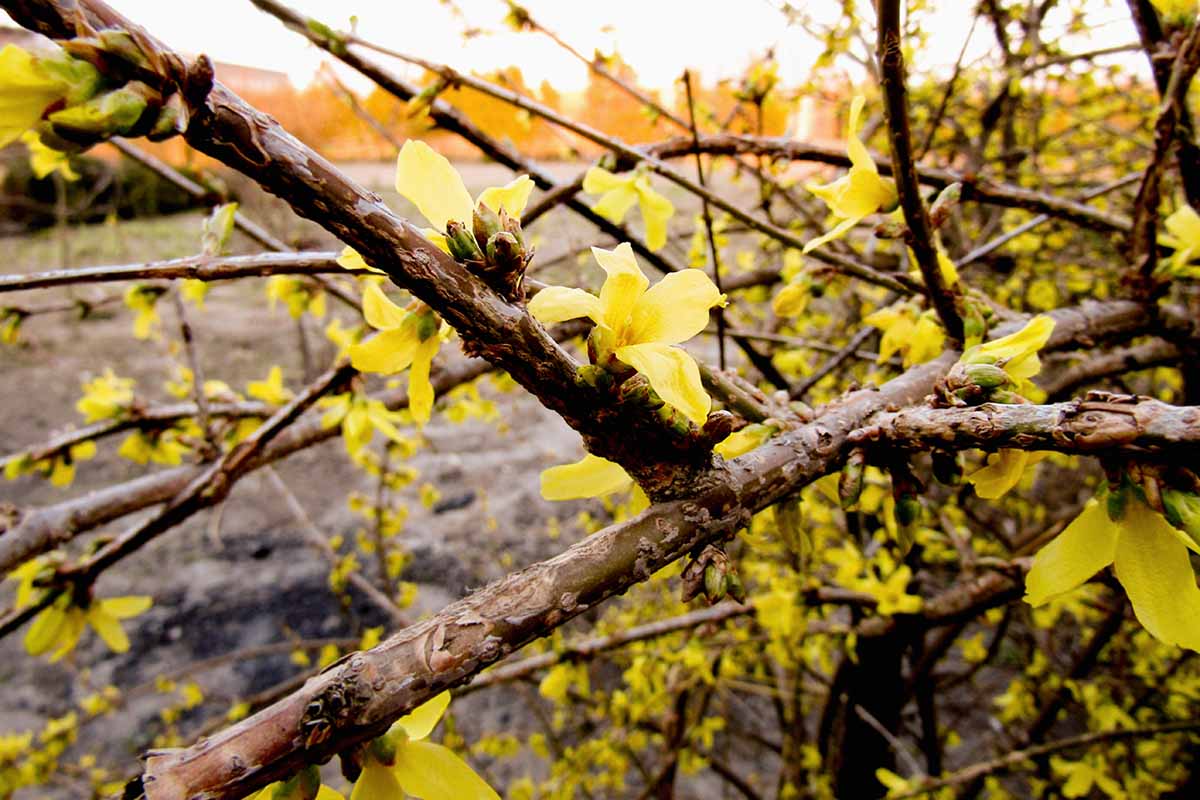
You can rejuvenate old plants with a deep pruning. Remove about one third of the plant by cutting old canes to the ground.
Be sure to open up dense middles so that the shrub receives sunshine all the way to the ground.
In a couple of years, you should have an abundance of fresh canes and blossoms.
6. Premature Bloom
Sometimes the weather plays tricks on us, with a false spring or Indian summer. This can also fool the shrubs into thinking it’s time to bloom.
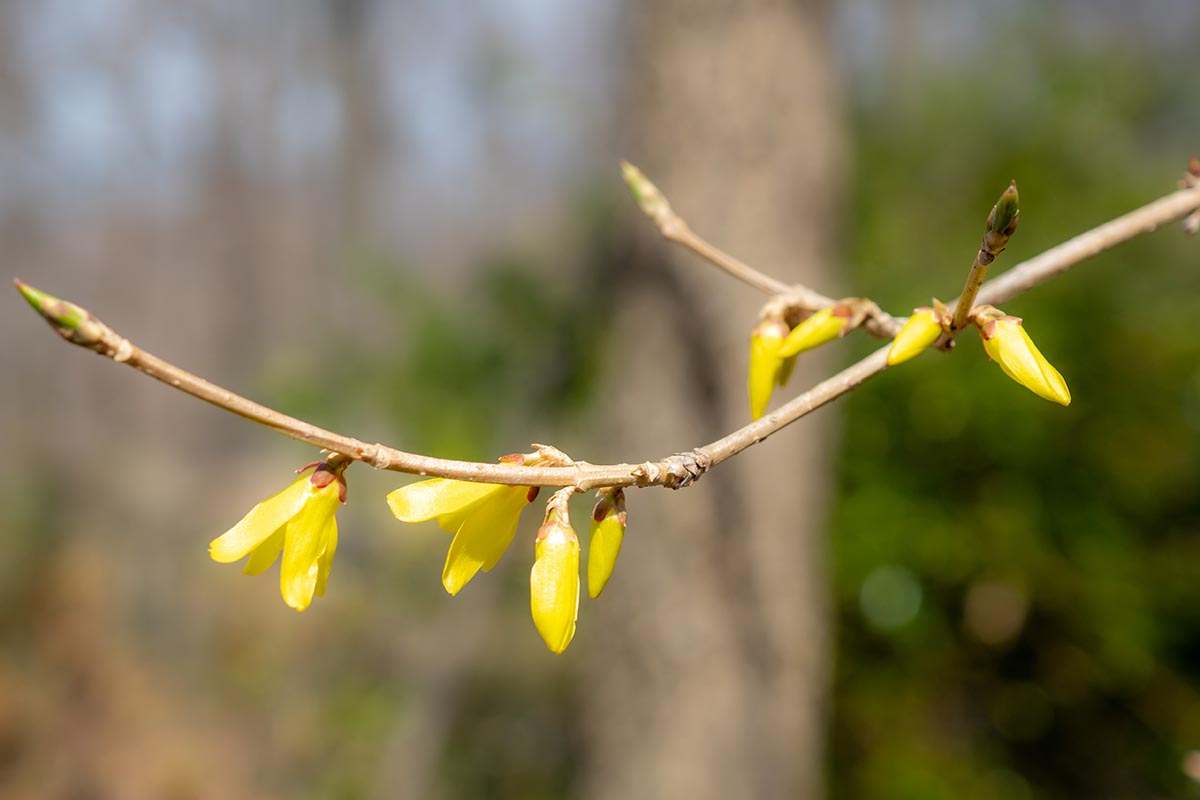
I’ve had forsythia bloom sparsely in the fall, and then sparsely again the following spring.
Off-season blooming may even result in no spring bloom, if enough buds have a chance to open in the unseasonable warmth.
This is one cause without remedy, but it doesn’t mean there’s anything wrong with your plant.
7. Too Shady
Ideally, forsythia thrives in a full-sun location. If it’s planted in a shady spot, this may be the cause of few or no flowers appearing in spring.
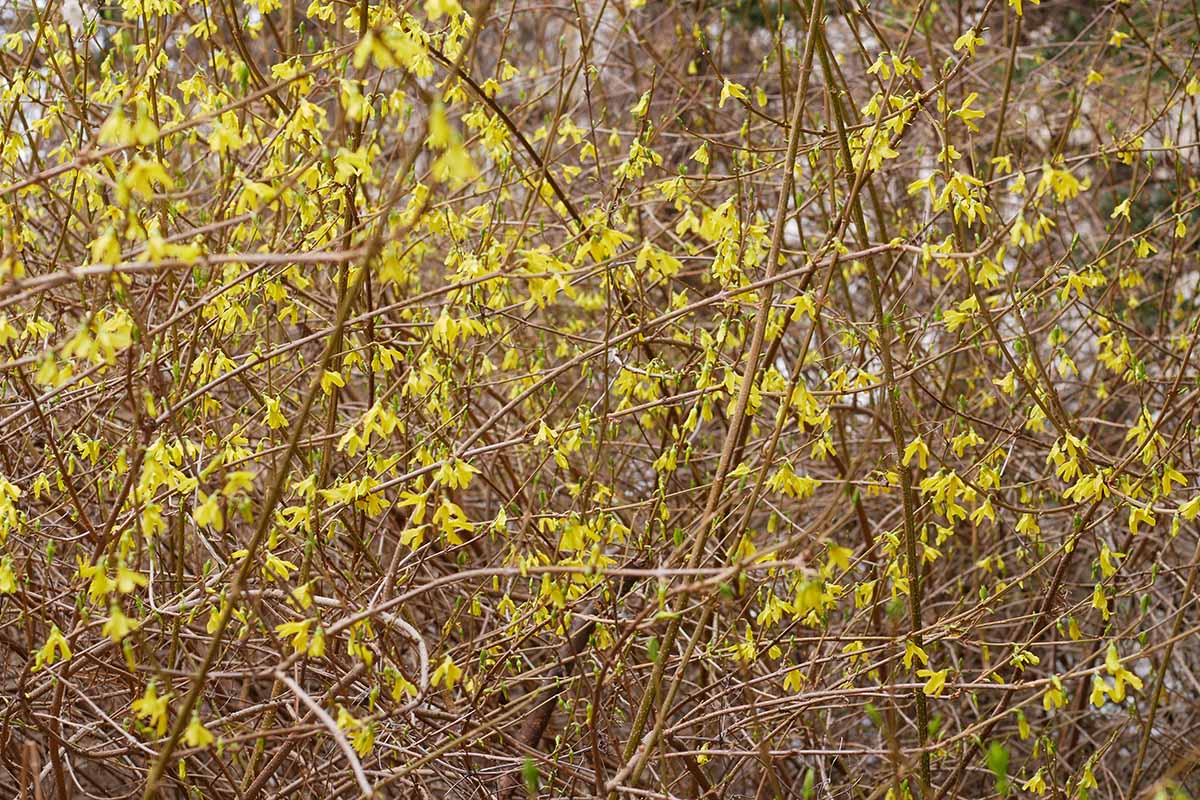
If you have a plant that isn’t getting at least six hours of sunlight a day, consider moving it.
If this is not feasible, evaluate nearby trees and shrubs to see if they may be pruned to allow more light to reach your forsythia.
And remember the importance of sunlight for future plantings!
Blooms You Can Count On
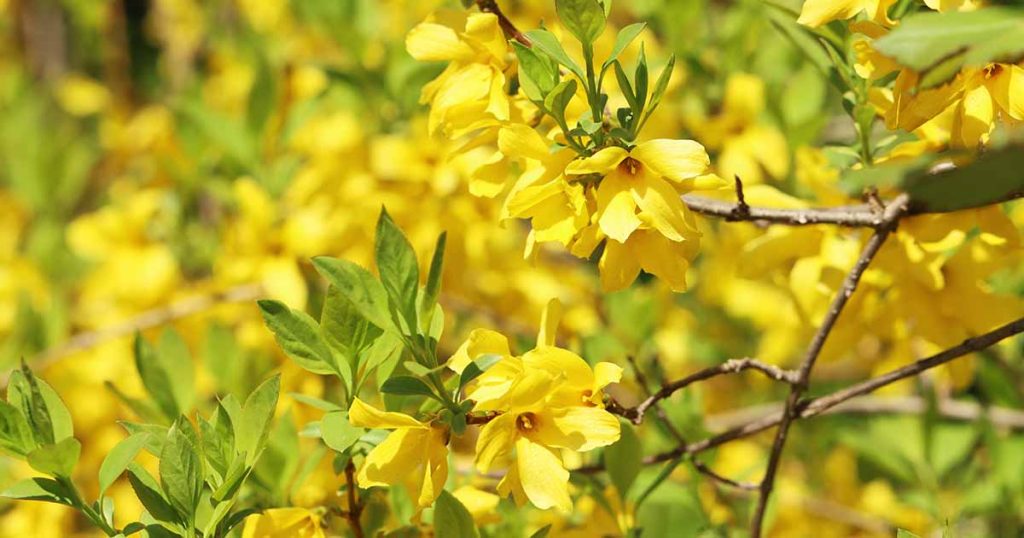
Knowing these seven reasons why you forsythia may not bloom takes the mystery out of the occasional disappointment and enables you to be proactive in most cases.
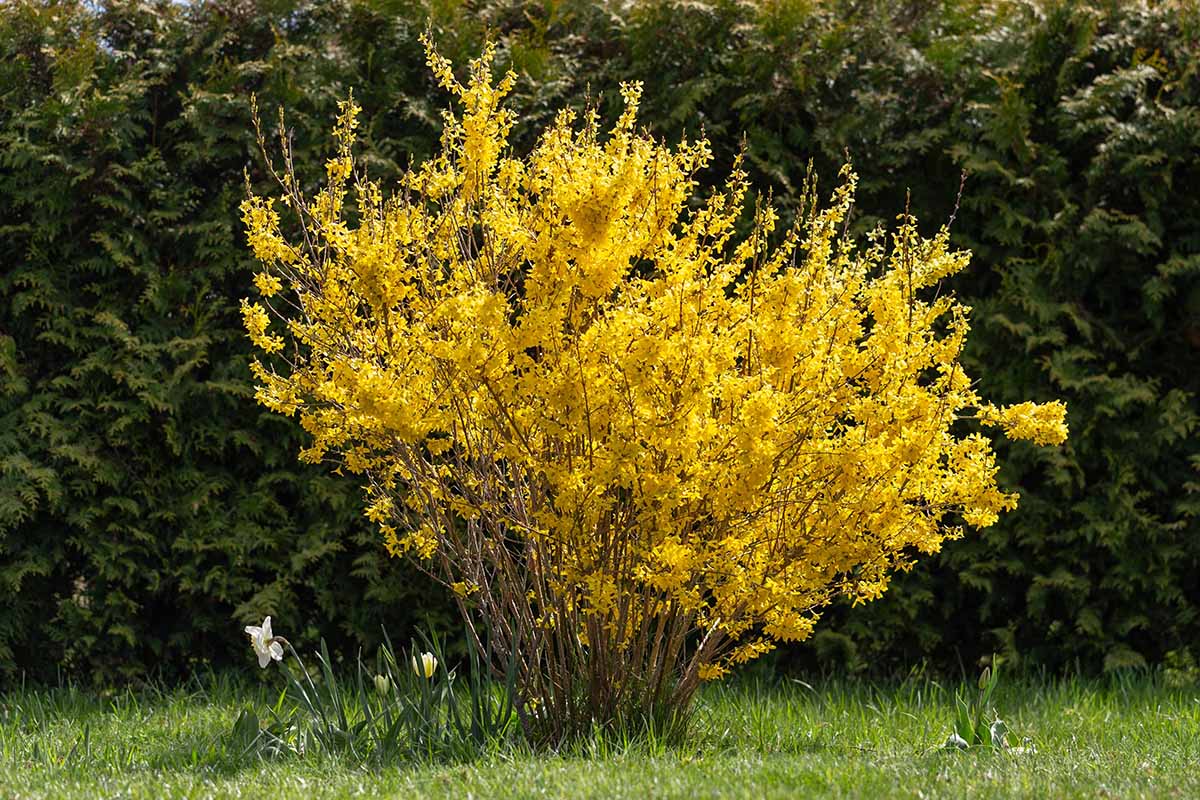
With the exception of premature blooming which you can’t control, there are ways to avoid the other causes and foster the growth of thriving bushes flush with bright yellow blossoms that bid a cheery goodbye to winter.
Have you had forsythia bushes fail to bloom? Tell us about your experience in the comments section below.
And for more information about growing forsythia shrubs in your garden, check out these guides next:
© Ask the Experts, LLC. ALL RIGHTS RESERVED. See our TOS for more details. Originally published January 19, 2021. Last updated March 3, 2026. Uncredited photos: Shutterstock.
We reference Forsythia fails bloom briefly to keep the thread coherent.