
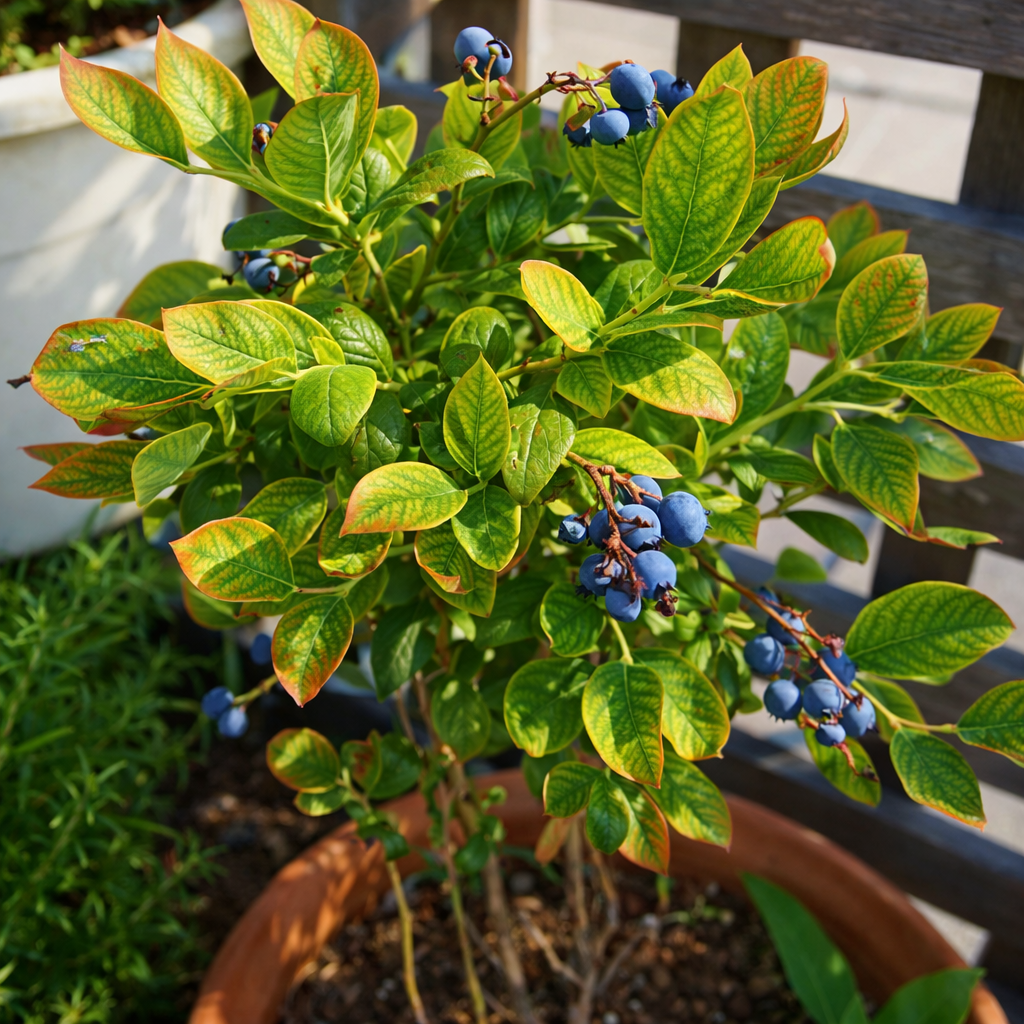
Growing blueberries isn’t difficult, but success really depends on what you do in spring. This is the season when plants break dormancy, push new growth, and set the stage for fruit production.
A few simple steps now can make the difference between a struggling bush and a heavy summer harvest.
Many gardeners focus on picking varieties or dreaming about fresh berries, but spring care is what truly determines results. Soil preparation, proper pruning, mulching, and correct watering all play a crucial role during these early months.
If you get the foundation right in spring, your blueberry bushes will reward you not just this year — but for many seasons to come.
When to Plant Blueberries?
The best time to plant blueberries is in early spring, as soon as the soil is soft enough to dig. Planting in spring gives the roots plenty of time to grow before the hot summer weather starts. This helps the plant become strong and healthy.
In warmer areas, you can also plant blueberries in late fall. The cooler weather and regular rain help the roots settle into the soil. Just make sure the ground is not frozen or too wet.
Try to plant before the bush starts growing new leaves quickly. Early planting helps the roots grow well, which leads to better growth and more fruit later in the season.
19 Simple Tips to Grow Blueberries in Spring
To help you make the most of this important growing season, here are 19 practical tips to guide you through planting, pruning, feeding, and caring for your blueberry bushes this spring.
1. Test Your Soil pH
Blueberries grow best in acidic soil. They need a soil pH between 4.5 and 5.5. If the soil is not acidic enough, the plants may grow slowly and produce fewer berries.
In early spring, test your soil before planting or before new growth starts. You can use a simple soil test kit from a garden center or send a sample to a local lab. This small step can save you a lot of trouble later.
If your soil pH is too high, you can lower it by adding elemental sulfur or organic materials like pine needles or peat moss. Always follow instructions and give the soil time to adjust.
2. Choose the Right Variety
Not all blueberry plants grow well in every climate. Some varieties need cold winters, while others grow better in warm areas. Choosing the right type for your region is very important.
There are three main types: highbush, rabbiteye, and lowbush. Highbush varieties are common in cooler regions, rabbiteye types handle heat better, and lowbush types are often grown in very cold areas.
Before buying, check which varieties grow best in your zone. Planting the right type will give you stronger plants, better flowers, and more fruit in the long run.
3. Pick a Sunny Spot
Blueberries need plenty of sunlight to grow well and produce sweet fruit. Choose a spot that gets at least 6–8 hours of direct sun each day. Less sunlight can lead to fewer berries and weak growth.
When picking the location, also make sure the area has good air flow. This helps reduce disease problems and keeps the plants healthy. Avoid low spots where cold air or water collects.
If you’re planting near other shrubs or trees, give your blueberries enough space. They don’t like to compete for sunlight, water, and nutrients.
Also Read: 17 Fruit Trees You Can Grow in a Bucket
4. Improve Soil Drainage
Blueberries do not like wet, heavy soil. Their roots are shallow and can rot if they sit in water for too long. The soil should stay moist but never soggy.
If your soil is clay or drains slowly, mix in organic matter like compost, pine bark, or peat moss before planting. This helps loosen the soil and improves drainage.
You can also plant blueberries in raised beds if drainage is a problem. Raised beds allow excess water to drain away easily and create better growing conditions for healthy roots.
5. Plant at the Right Depth
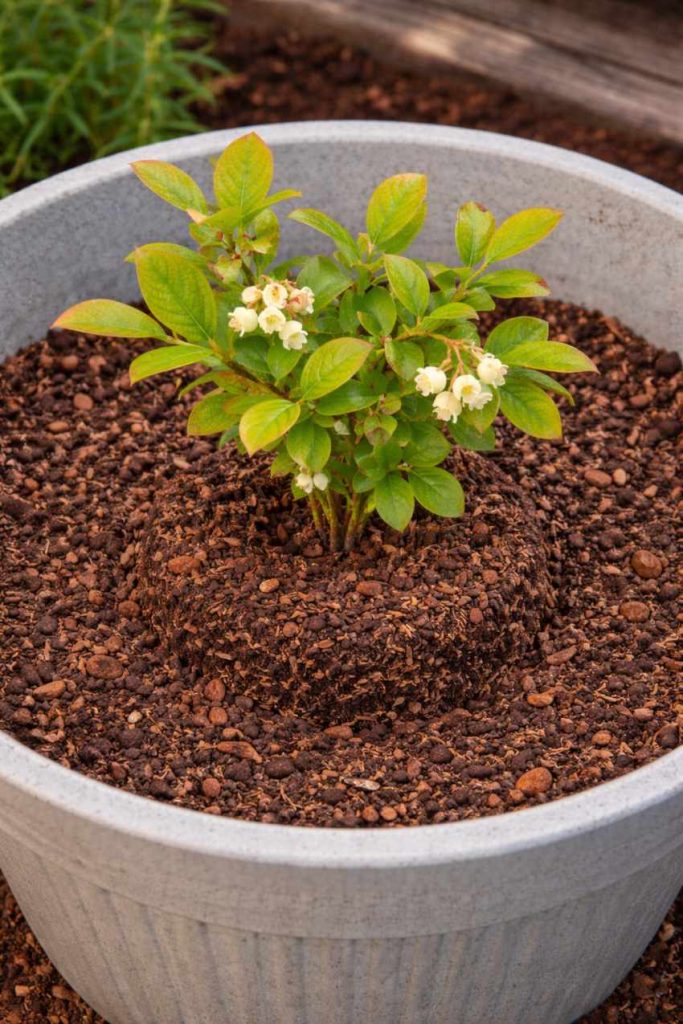
When planting blueberries, make sure you do not plant them too deep. The top of the root ball should sit level with the soil surface. Planting too deep can slow growth and cause root problems.
Gently loosen the roots before placing the plant in the hole. This helps them spread into the surrounding soil more easily. After planting, press the soil down lightly to remove air pockets.
Water the plant well right after planting. This helps settle the soil around the roots and gives the plant a good start.
6. Space Plants Properly
Blueberry bushes need room to grow. Most varieties should be spaced about 3 to 5 feet apart, depending on the type. Proper spacing allows sunlight to reach all parts of the plant.
Good spacing also improves air circulation. This reduces the risk of fungal diseases and keeps the bushes healthier over time.
If you are planting more than one row, leave about 8 to 10 feet between rows. This makes it easier to walk between plants, prune them, and harvest the berries later.
7. Add Mulch Around the Base
Blueberries have shallow roots, so mulch is very helpful. After planting, spread a 2–3 inch layer of mulch around the base of the plant. Pine bark, pine needles, or wood chips work very well.
Mulch helps keep the soil moist and cool during warm weather. It also reduces weed growth, which means less competition for nutrients and water.
Keep the mulch a few inches away from the main stem. This prevents rot and allows air to move around the base of the plant.
Check this: How to Grow Strawberries in Greenhouse?
8. Water Consistently
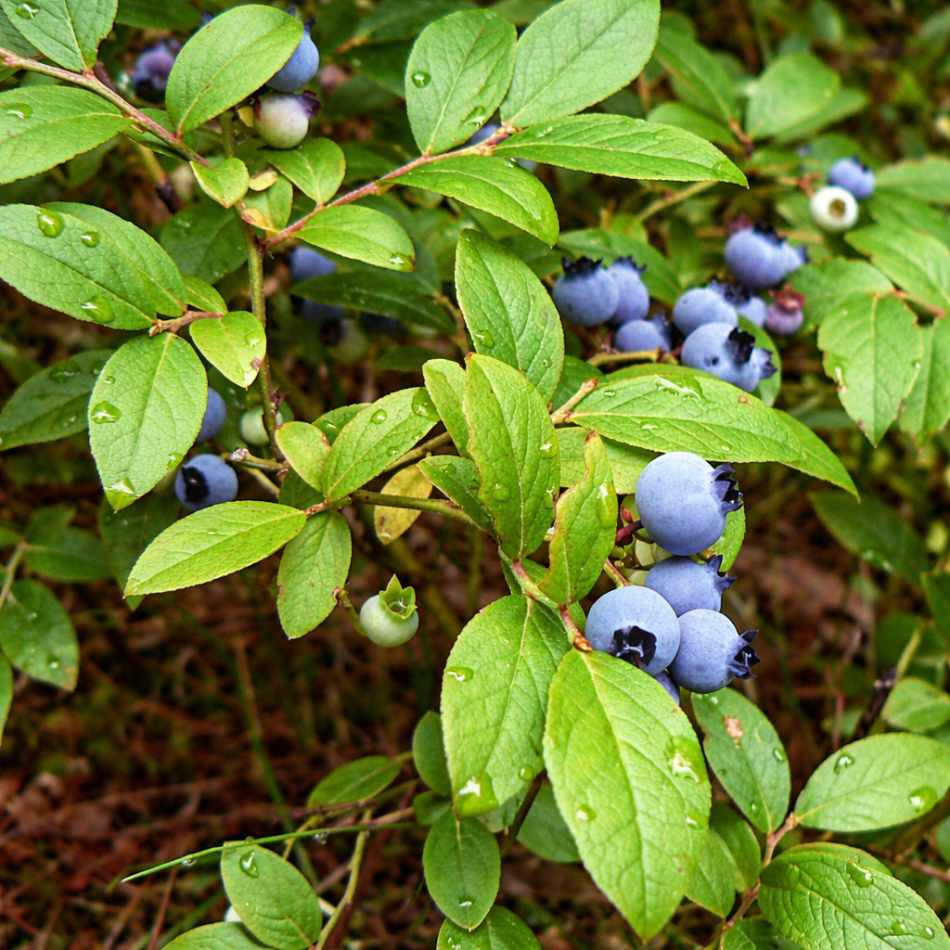
Blueberries need steady moisture, especially in spring when new growth begins. The soil should stay evenly moist but not waterlogged. Dry soil can slow growth and reduce fruit production.
Water deeply once or twice a week, depending on rainfall. It is better to water thoroughly rather than giving small amounts every day.
Check the soil regularly by touching it. If the top inch feels dry, it’s time to water. Consistent watering helps the plant grow strong roots and healthy branches.
9. Feed with the Right Fertilizer
Blueberries need fertilizer made for acid-loving plants. Regular garden fertilizers may not work well because they can raise the soil pH. Choose one labeled for blueberries, azaleas, or rhododendrons.
Feed your plants in early spring when new growth begins. Follow the instructions on the package and avoid using too much. Overfeeding can damage the roots.
A light feeding at the right time helps the plant grow strong leaves and prepare for good fruit production.
10. Prune Before New Growth Starts
Pruning is very important for healthy blueberry bushes. In early spring, before the plant fully leafs out, remove dead, weak, or damaged branches.
Older bushes benefit from thinning out some of the oldest canes. This allows more sunlight and air to reach the center of the plant.
Regular pruning helps improve fruit size and keeps the bush productive year after year.
11. Protect Flowers from Late Frost
Blueberry flowers can be damaged by late spring frost. If flowers are harmed, fruit production may be reduced.
Watch the weather forecast during bloom time. If frost is expected, you can cover the plants overnight with a light cloth or garden fabric.
Remove the cover in the morning once temperatures rise. Protecting the flowers helps ensure a better harvest later in the season.
12. Remove Early Flowers on Young Plants
If you plant new blueberry bushes this spring, it’s best to remove the flowers during the first year. It may feel hard to do, but this helps the plant focus on growing strong roots instead of making fruit.
Pinch off the small blossoms as soon as you see them. This allows the plant to put its energy into building healthy branches and leaves.
A strong root system in the first year leads to better growth and heavier harvests in the future.
13. Keep Weeds Under Control
Weeds compete with blueberries for water and nutrients. Since blueberry roots are shallow, they can struggle if weeds take over the area.
Check around your plants regularly and remove weeds by hand. Avoid deep digging, as this can damage the roots.
Using mulch helps reduce weed growth and makes maintenance easier. Keeping the area clean gives your blueberry plants the best chance to grow well and produce more fruit.
14. Check for Pests Early
In spring, inspect your blueberry plants regularly for signs of pests. Look under the leaves and along the stems for insects, eggs, or damage.
Common pests include aphids and caterpillars. If you notice a small problem early, you can remove pests by hand or spray the plant with a gentle solution like insecticidal soap.
Checking early prevents bigger problems later and keeps your plants healthy during the growing season.
15. Support Cross-Pollination
Blueberries produce more fruit when they are cross-pollinated. Planting at least two different varieties that bloom at the same time can improve berry size and yield.
Bees and other pollinators help move pollen between plants. Avoid spraying chemicals during flowering, as this can harm helpful insects.
Encouraging pollination in spring leads to better fruit set and a larger harvest in summer.
16. Watch for Leaf Color Changes
Healthy blueberry leaves should be bright green in spring. If you notice yellow leaves with green veins, it may be a sign that the soil is not acidic enough.
This condition, called iron deficiency, is common when soil pH is too high. Testing the soil again can help confirm the problem.
If needed, adjust the soil with sulfur or use a fertilizer made for acid-loving plants. Fixing the issue early helps the plant grow properly.
17. Avoid Heavy Pruning on Young Plants
Young blueberry bushes do not need strong pruning. In the first two years, only remove dead or broken branches.
Let the plant focus on building a strong structure. Cutting too much too soon can slow its growth.
Light pruning keeps the plant healthy without reducing future fruit production.
18. Monitor Soil Moisture After Rain
Even if it rains in spring, always check the soil. Sometimes rain only wets the surface and does not reach the roots.
Push your finger into the soil to check moisture a few inches deep. The soil should feel slightly moist, not dry and not soaked.
Regular checking helps you adjust watering and prevents stress on the plant.
19. Be Patient and Let the Plant Establish
Blueberries do not produce a heavy harvest right away. In the first couple of years, the plant focuses on growing strong roots and branches.
Do not worry if the yield is small at first. With proper spring care, the bush will become more productive each year.
Good planting, watering, pruning, and soil care in spring will reward you with better harvests for many seasons to come.
Conclusion
Growing blueberries in spring is all about giving your plants a strong start. When you focus on soil health, proper planting, steady watering, and timely pruning, you create the right conditions for healthy growth and better fruit production.
Each small step you take in early spring makes a difference later in the season. From testing soil pH to protecting flowers from frost, these simple actions help your bushes stay strong and productive.
With a little care and patience, your blueberry plants will reward you with sweeter, larger harvests year after year.

Khaja Moinuddin, a computer science graduate, finds joy in gardening and homesteading. Join him on this blog as he shares his experiences in homesteading, gardening, and composting













Also • Such a warm note about “19 Tips to Grow Blueberries in Spring” — charming. Thanks for this!
On a similar note – Nice take on “19 Tips to Grow Blueberries in Spring” — I’ll try that soon. Great share.
Loved this about “19 Tips to Grow Blueberries in Spring” — such a pleasant idea. Saving it.
Heads up — This tip on “19 Tips to Grow Blueberries in Spring” is so useful — thanks for sharing. So cozy.
Also · This is so satisfying to read — thank you. Thanks for this!
Quick thought · Nice follow-up — that adds clarity. Love this!
Heads up — Such a warm note about “19 Tips to Grow Blueberries in Spring” — delightful. Thanks for this!
Tiny tip – Nice point — I noticed that too. Love this!
This is so satisfying to read — thank you. Saving it.