
Plant Summer Bulbs
Start the season — a quick note to anchor this piece for readers.
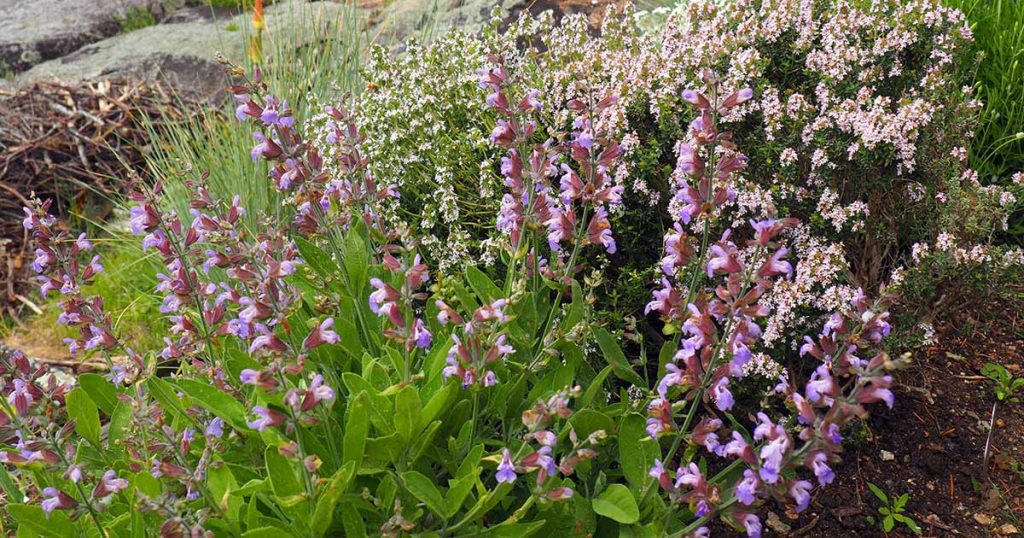
While spring flowering bulbs are planted in fall, most summer flowering bulbs are typically planted in mid-spring.
Photo by Lorna Kring.
Once all danger of frost has passed and soil temperatures start warming up, plant out varieties such as agapanthus, begonia, calla lily, canna lily, dahlia, gladiolus, and ranunculus for an abundance of late summer flowers.
Plant into humus-rich soil with a sprinkling of bone meal to support fast root growth for all summer flowering bulbs, corms, and rhizomes.
Set Out Supports
For climbing vines like honeysuckle and clematis, twining vegetables such as beans and peas, or erect perennials with top-heavy flowers like some dahlias and peonies, mid-spring is the best time to set out support systems.
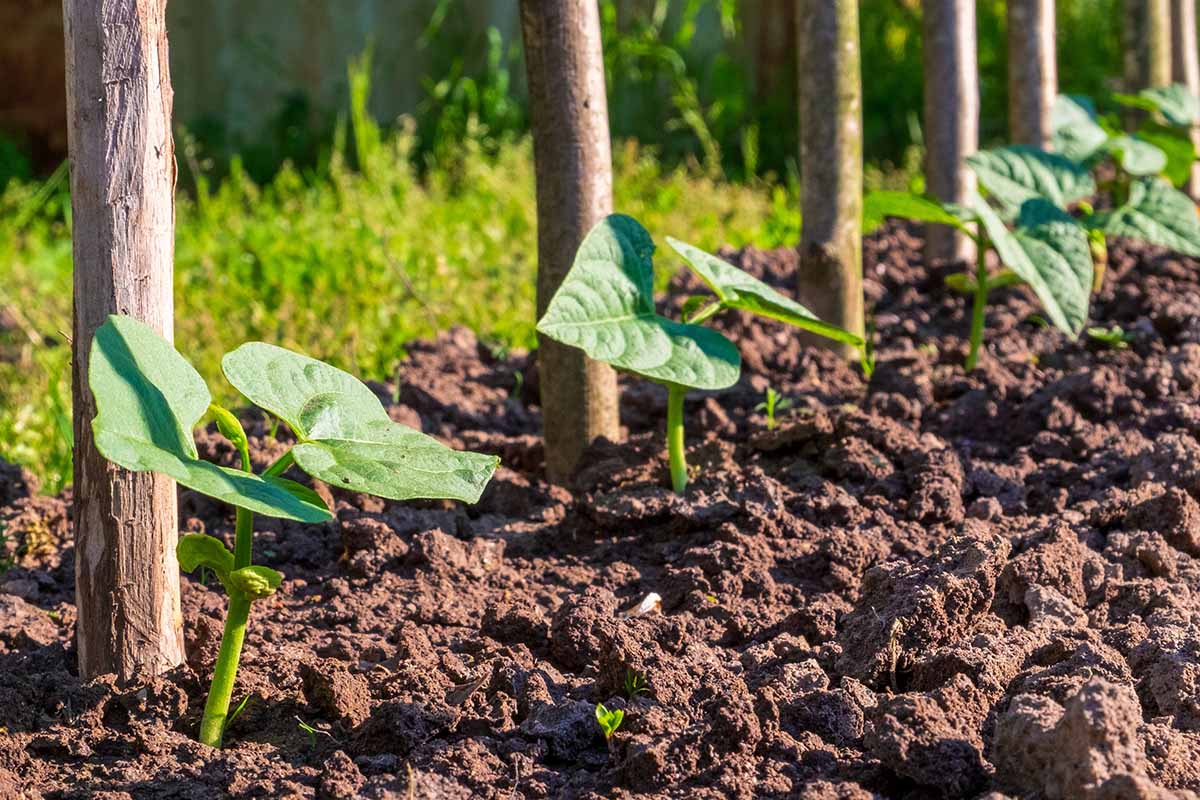
Before new growth kicks into high gear, set into place and install supports such as lattices, netting, trellises, obelisks, stakes, poles, and so on.
As plants bud and grow, attach them to their supports with plant clips, twine, or garden velcro.
Sow Cool Season Vegetables
Once the weather improves enough to work the soil in vegetable beds, loosen, till, and amend it with organic matter such as compost or well-rotted manure.
Create furrows, hills, or trenches as needed then sow the cool season crops that enjoy warm days and cool nights.
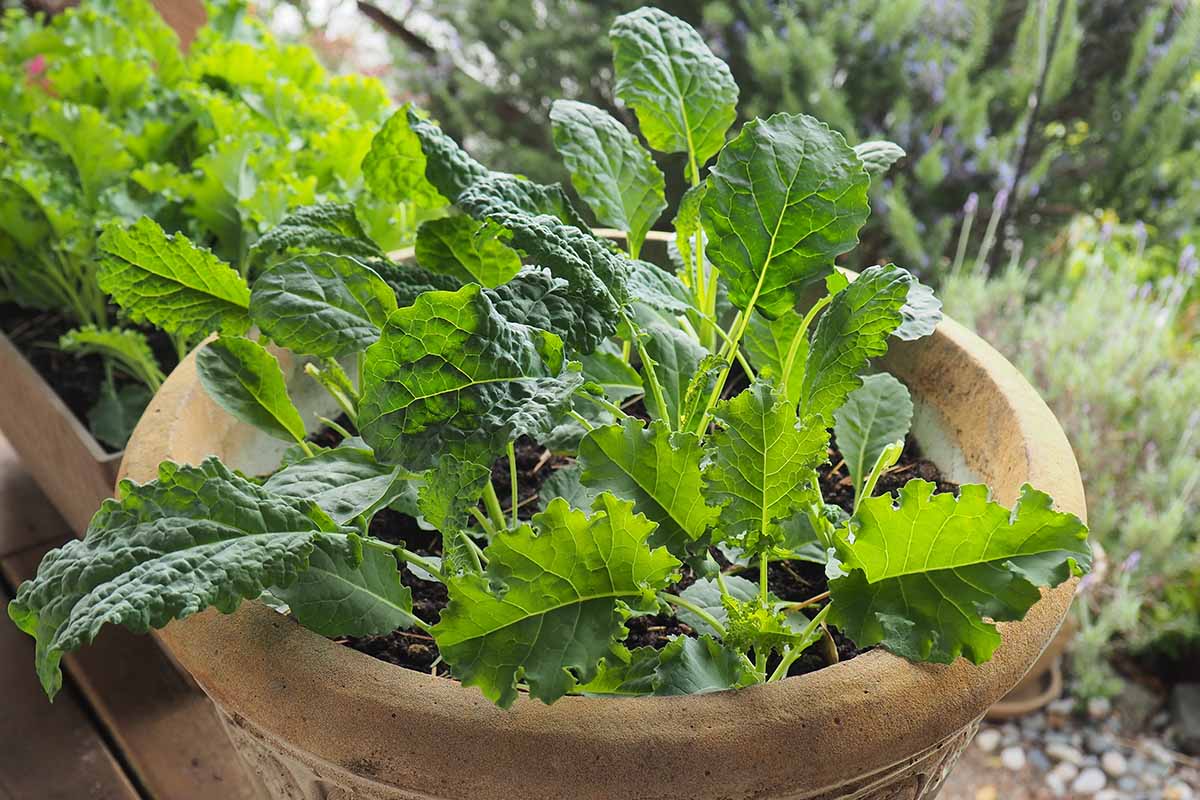 Photo by Lorna Kring.
Cool season crops include lettuce and leafy greens such as arugula, bok choy, collards, kale, mustard, spinach, and Swiss chard, plus English or snow peas.
Some root vegetables like beets, carrots, onions, potatoes, turnips, and radishes also prefer an early planting, as do Brassica varieties like broccoli, brussels sprouts, and cabbage.
The seeds can be directly sown into cool soils. Spinach can germinate in soil temperatures as low as 35°F, but most cool season vegetables need soil in the range of 40 to 50°F for germination.
Start Summer Vegetables Indoors
Unless you have long summers, many annual vegetables that need hot temperatures and a long growing season are best started indoors then transplanted out when conditions are right.
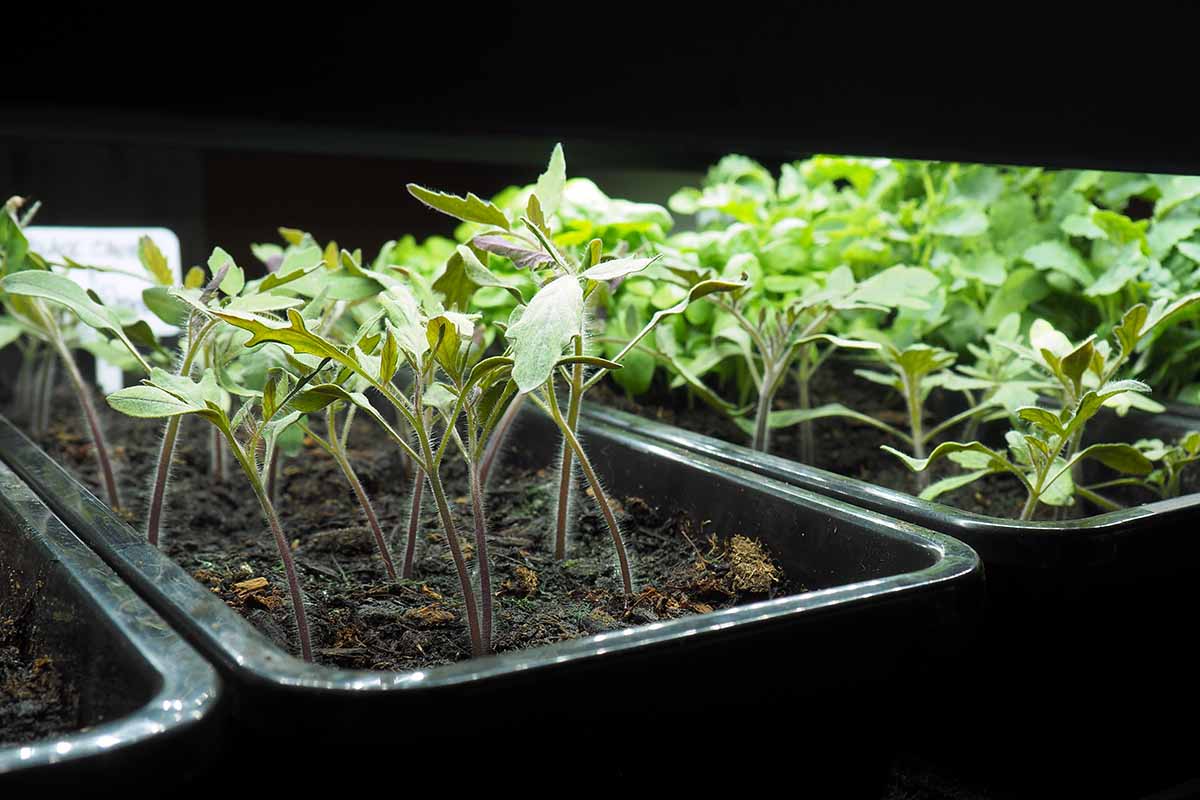 Photo by Lorna Kring.
This early start indoors lets you get a jump on the growing season and allows crops to fully mature before cold weather returns.
Four to eight weeks before the last frost, sow seeds in flats or trays for vegetables and fruits such as celery, cucumbers, eggplant, fennel, leeks, melons, peppers, tomatoes, and winter squash.
Place trays in a warm location with temperatures of 65 to 75°F, using a bottom heating mat and/or grow lights if needed.
Remove Protective Covers
After all danger of frost has passed, remove protective winter covers to improve air circulation, keep mold in check, and prevent early bud burst as a result of warming temperatures.
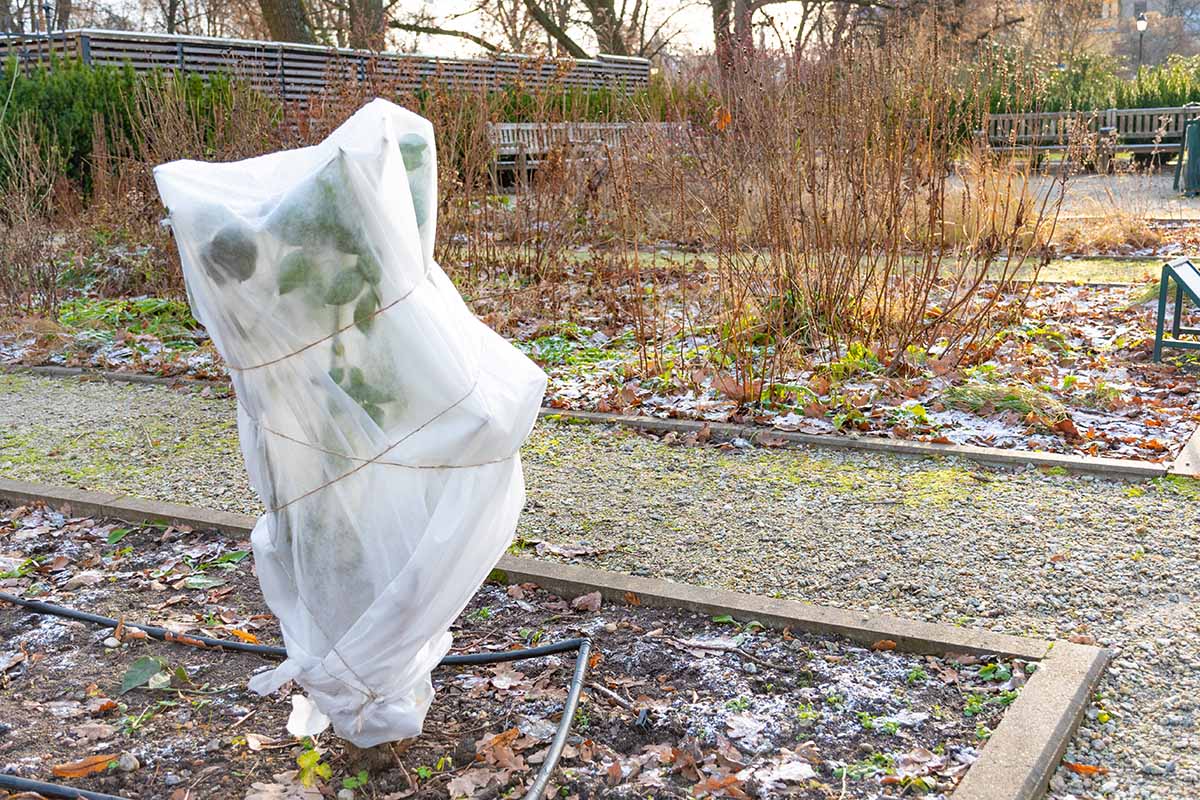
Carefully remove burlap from conifers, shrubs, rose bushes, and other perennials.
Lift cloches and floating row covers from containers, planters, and vegetable beds.
Open up cold frames to start hardening off the likes of carrots, leeks, and salad greens.
Remove covers on a cloudy day to avoid shock from sudden exposure to strong sunshine.
And don’t wait too long to remove the covers – warm spring temperatures can easily become hot in an enclosed environment, causing serious damage to plants.
Late Season
By late spring, the garden’s bursting with lush new growth and early flowers. But there are still some tasks to take care of before the busy summer season is underway.
Deadhead Early Flowering Bulbs
As summer draws nearer, it’s time to clean up the early flowering bulbs by deadheading spent blooms.
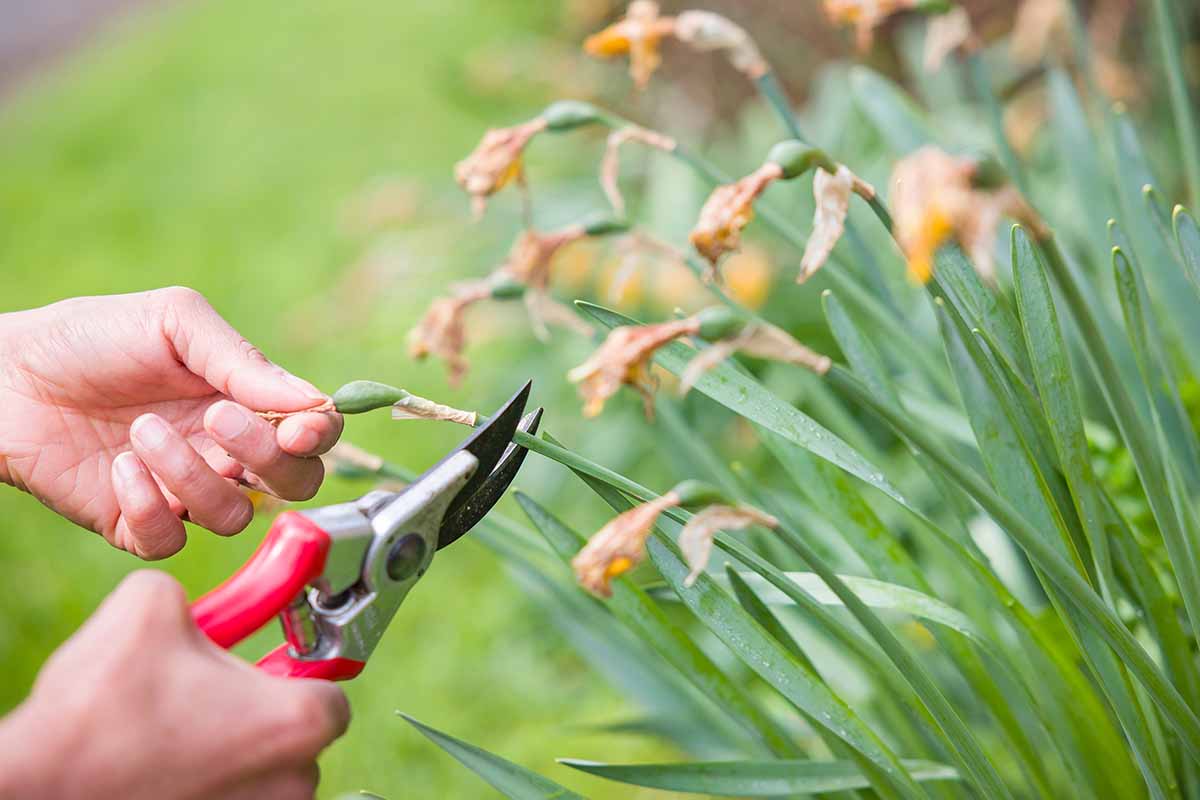
Deadheading prevents seeds from forming, concentrating the energy from photosynthesis into developing big, healthy bulbs to produce ample flowers next year.
Once the blooms of early bulbs like crocus, daffodils, grape hyacinths, hyacinths, snowdrops, and tulips are spent and papery, snip them off with clean, sharp garden shears a couple of inches down on the flower stem.
However, only the spent flowers should be removed.
Leave the foliage in place for energy production and allow it to die back naturally – by early summer, the dry brown leaves are easy to clean up.
Direct Sow Annual Flowers, Herbs, and Summer Vegetables
During the latter part of spring, annual flowers and warm season vegetables can be sown directly into the garden.
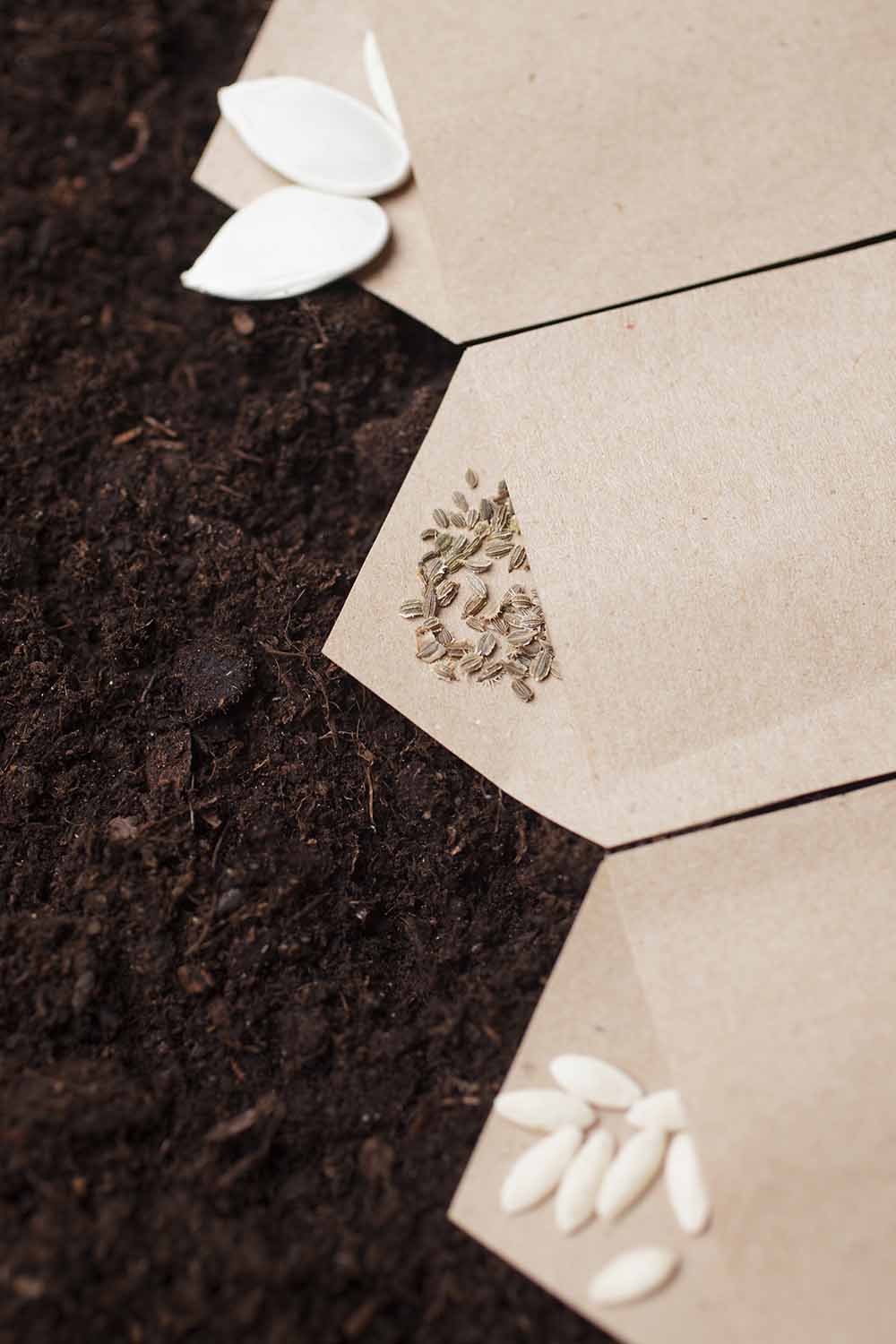
Summer varieties need warm soil temperatures of 60°F and above to germinate, sprout, and thrive – in cool, wet soil, many annuals are prone to mold and damping off.
Once soil temperatures are warm enough, clean, till, and amend the soil in selected beds or containers then sow seeds of annual flowers and vegetables.
Include flowers such as ageratum, bachelor’s button, calendula, cleome, cosmos, marigold, nasturtium, sunflower, sweet alyssum, and zinnia.
Plus herbs and vegetables such as basil, beans, celery, coriander, corn, dill, lettuce, scallions, summer savory, and summer squash.
Late spring is also the time to transplant vegetables started indoors like cucumber, eggplant, peppers, and tomatoes.
Sow successive plantings of early season crops such as beets, broccoli, cabbage, carrots, chard, kale, onions, and spinach.
Paint or Stain Hardscape Elements
Hardscape elements made of wood or metal, such as arbors, benches, decks, fences, trellises, patios, planters, and so on are subject to weathering and require regular maintenance to keep up their good looks and for protection from the elements.
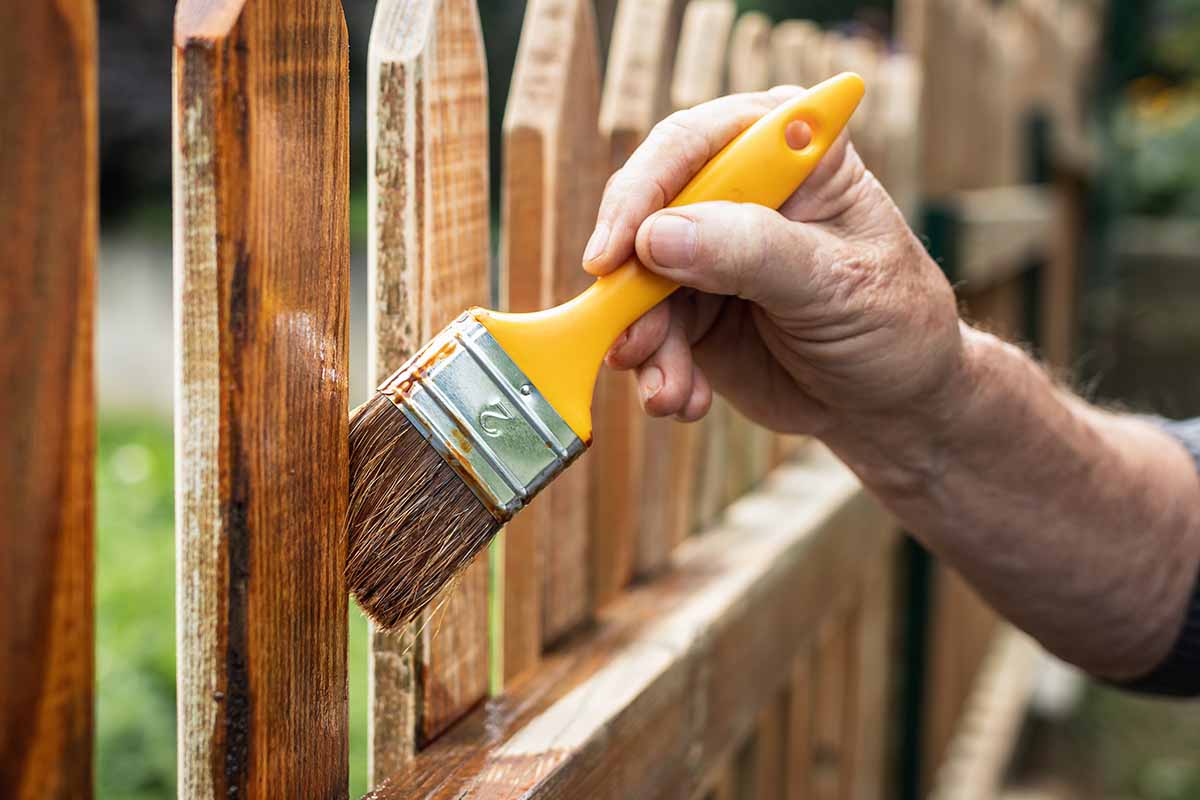
Once the weather’s warm enough – and before summer’s heat arrives – paint or stain hardscape structures.
Assemble components, sand and clean the surfaces of metal or wood structures as needed and allow them to dry thoroughly before coating surfaces.
Start the Season Strong
Once winter ends, the gardening itch strikes hard – and our spring garden checklist gets you going even before the weather warms up!
In early spring, start the season strong by using your journal to create a timeline for all your spring garden tasks.
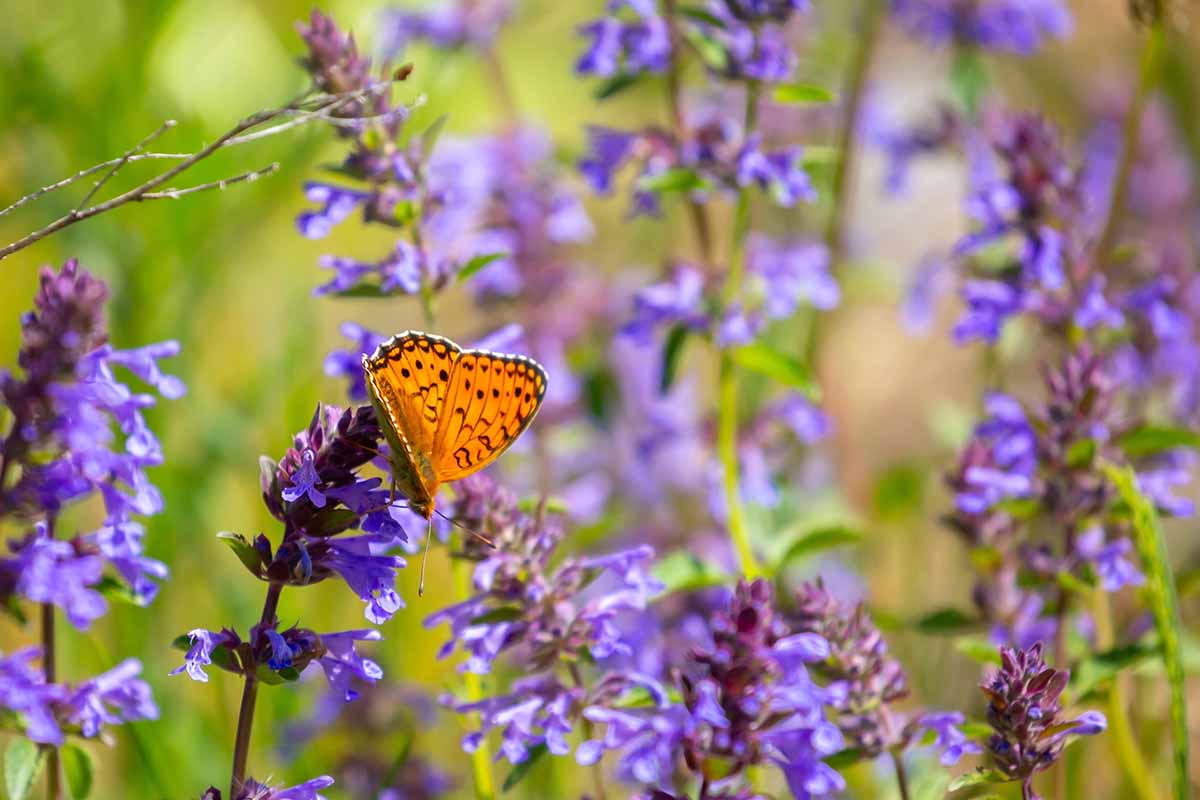
Then address maintenance like dividing perennials and pruning fruit canes before new growth gets in the way.
In mid-spring, lift protective covers and set up trellises. Then get your hands dirty by direct sowing cold weather veggies and summer bulbs, and start warm season vegetables indoors.
Late spring is the time for sowing annual flowers, herbs, and vegetables, adding a lick of paint, and tidying up the early bulbs.
After that, all that’s left is a little feeding, weeding, and watering – and plenty of time to enjoy your pretty, productive landscape!
What are some of your must-do tasks for the spring garden? Let us know in the comments section below.
And for more organizational know-how, add these guides to your reading list next:
Photos by Lorna Kring © Ask the Experts, LLC. ALL RIGHTS RESERVED. See our TOS for more details. Originally published March 25, 2017. Last updated February 21, 2026. Product photos via Garrett Wade and Wayfair. Uncredited photos: Shutterstock.
Start the season comes up here to connect ideas for clarity.











Heads up – great timing — I’ve been thinking about something like this.
Tiny tip: Practical and pretty — bookmarking this. Will try it.
✨ Also — Such a warm post; this made me smile. So cozy.