
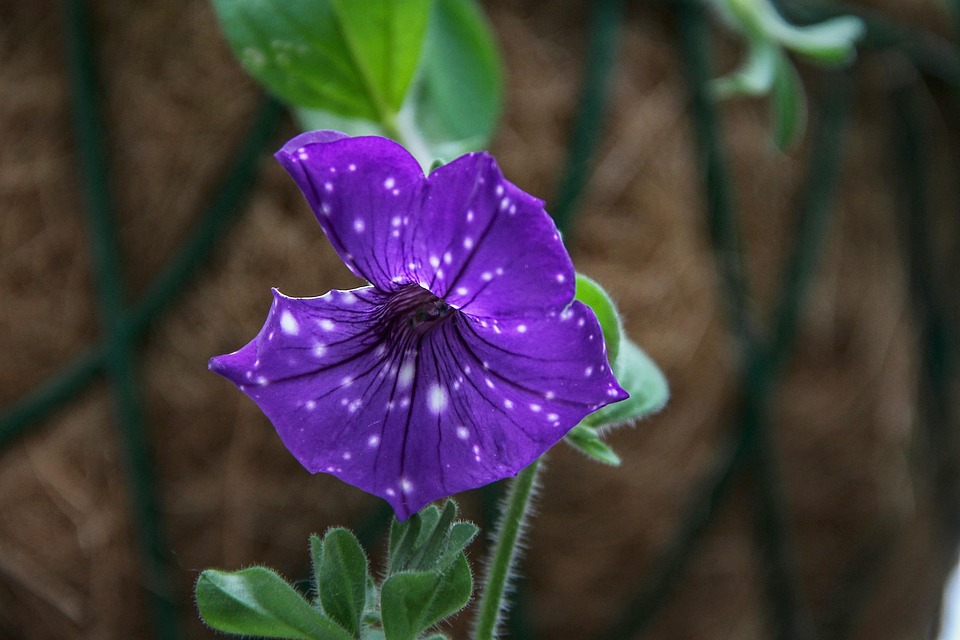
Introduction: Seeds of Solace in Urban Soil
The Language of Green in the City
In the heart of the concrete jungle, where steel towers stretch toward the sky and the hum of traffic drowns out the songs of birds, a quiet revolution unfolds. Vines, ancient climbers adorned with emerald leaves and delicate tendrils, find their havens on balconies, terraces, and rooftops. These aren’t mere patches of greenery; they are living testaments to resilience and connection. A Balcony Garden, however modest, becomes a bridge between the wild earth and the urban psyche, a symbiotic space where nature rebuilds itself within the cracks of civilization. Here, petals kiss sunlight, roots cradle the bricks below, and chaos surrenders to rhythm.
The city’s gray veins pulse with life when vines stretch across wrought-iron railings, their leaves whispering secrets to wind and bees. This is the soul of sustainable living—a microcosm of balance blooming in the margins of modernity. Let these sacred spaces remind us that serenity grows not only in vast forests but also in the hearts of our homes.
Balcony Garden: A Sanctuary Amidst the Storm
A Balcony Garden is more than an aesthetic choice; it is a sacred pact with the Earth. For those craving peace, it offers a refuge—a place where fingertips brush soil, and breath slows alongside the drip of rainwater. Imagine a miniature forest thriving in pots: herbs like thyme curling like whispered incantations, marigolds blazing in hues of amber, and night-scented jasmine wrapping gardens in nocturnal perfume. Each plant becomes a note in an evergreen symphony of peace, urging us to pause, observe, and align with the earth’s quiet cadence.
Seasonal Context: Dancing with the Tides of Time
Spring Awakening and the Whisper of Renewal
As thawing breezes lift winter’s frost from the cobblestones, Balcony Gardens awaken with trembling shoots and unfurled petals. This is the season of beginnings, where earthworms stir in pots and soil drinks deeply from melting snow. Plant cool-season greens like spinach and lettuce in self-watering planters, and let marigolds banish slugs with their fiery scent. The quiet patience of spring refines our souls, urging us to tend to seeds as they sprout, knowing nourishment lies beneath our fingertips.
Tip: Begin a seasonal journal to record growth patterns. Note how sprouts emerge under the tongue of dawn and how vines crawl faster as the air lightens.
Summer’s Fiery Embrace: Heat and Resilience
When molten sun lifts the streets into steam, Balcony Gardens forge their own microclimates. Succulents cling to sunny ledges, their fleshy leaves storing water like desert survivors. Tomatoes and chili peppers reach for the sky in trellised cages, requiring only consistent hydration to drink deeply of summer’s fire. Here, mindful watering becomes a meditation—channeling dew at dusk when roots absorb best, avoiding the scalding afternoon glare.
Mindful Tip: Set up a drip irrigation system to conserve moisture. The rhythmic trickle can transform a mundane chore into a quiet ritual, syncing your heartbeat with the pulse of the water.
Autumn’s Harvest: Reaping What We Sow
As leaves fall like confetti from ginkgo trees, Balcony Gardens shift from growth to gratitude. Harvest tomatoes, kale, and basil, their flavors intensified by cool mornings. Collect seeds from this season’s strongest growers to plant in ceramic pots come autumn. This act of preservation echoes the forest’s cycle, reminding us that endings birth new beginnings.
Symbolic Ritual: Create a dried flower press with lavender and calendula petals. Press them between heavy books, then place the collection on your altar—a tangible memory of summer’s fleeting beauty.
Winter’s Rest: Nurturing the Dormant Dream
When snow blankets the city, Balcony Gardens retreat into dormancy, their roots still tangling beneath frosted pots. Use this time to prune overgrown vines or mend chipped terracotta. A winter jasmine’s first bloom—a flash of gold against ice—becomes a declaration of hope.
Eco-Friendly Idea: Transform pruned branches into bird habitats. Bundle twigs into pyramidal shapes and nestle them in a secluded corner; small birds may return year after year.
Practical Steps: Cultivating Life in Small Spaces
Choose the Right Containers: Form Meets Function
Every Balcony Garden begins with vessels that cradle life. Opt for recycled materials: repurpose old teapots as herb planters, mount driftwood planters to wrought-iron railings, or use felt grow bags for root aeration. Ensure drainage holes punctuate all containers, and line pots with repurposed plastic bottles to prevent rotting. Larger vines thrive in horizontal troughs hung on walls, their stems cascading like woven tapestries.
Symbolic Reflection: The choice of container speaks to your relationship with impermanence. Terracotta breaks easily, reminding us that fragility births resilience.
Soil and Water: Feeding the Urban Earth
Soil is the heartbeat of a Balcony Garden. Mix equal parts compost, coconut coir, and perlite for a nutrient-rich blend. Collect rainwater in a upturned trash can to irrigate seedlings; its natural pH balances the alkaline city rain.
Mindful Tip: Water early morning or evening to reduce evaporation. Let droplets cling to basil leaves as you chant the word “serenity,” marrying aromatherapy with care.
Selecting Plants: Companions for the Cosmos
Match plants to your balcony’s light. Shady spaces invite ferns and chamomile; sun-drenched ledges suit nasturtiums and dwarf sunflowers. Plant companions like basil with tomatoes to boost flavor and deter pests—a dance of symbiosis. Avoid monoculture; instead, create microhabitats where marigolds shield lettuce from aphids.
Eco-Suggestion: Use crushed eggshells as a natural slug deterrent. Their calcium content enriches soil slowly, a metaphor for long-term growth.
Design Ideas: Weaving Nature into Urban Texture
Vertical Gardens: Greening the Air
Transform cold walls into living tapestries with trellises mounted on rails or felt pockets threaded with succulents. Use recycled guttering to create an irrigation-fed wall of lettuce. These structures turn balconies into vertical forests, breathing life into stark corners.
Soulful Design: Paint terracotta in soft mineral hues—ochre, celadon, and terracotta—to mirror the earth’s palette. Place mirrors behind plants to amplify their presence, echoing the magnifying effect of sunlight on water.
Symbiotic Layouts: Lessons from the Forest
Mirror the forest floor’s diversity by layering plants: deep-rooted perennials like asparagus ferns anchor the edges, while upright herbs like rosemary form a fragrant screen. Allow vines to spill over pots like rivers meeting the shore. Group plants in clusters, not rows, to mimic natural ecosystems, minimizing the need for pesticides.
Practical Hack: Use black-out cloth in winter to keep soil cool, or a sheer white sheet to diffuse summer sun. This adjusts microclimates with minimal effort, honoring the dance of seasons.
Aesthetic Harmony: Beauty as an Act of Care
A Balcony Garden should stir the senses. Drip a copper rain chain to collect water in a ceramic urn; the sight and sound will ground your morning. Hang wind chimes from grafted fruit trees—let the notes harmonize with rustling leaves. Place reflective glass pebbles near plant bases to capture evening light, transforming the space into a glowing sanctuary at dusk.
Symbolic Ritual: Light a beeswax candle beside a flowering plant at twilight. The flame’s dance mirrors photosynthesis, aligning human spirit with plant rhythms.
Rituals: Embracing Slow Time
Morning Offerings to the Dew
Begin each day with a ritual of gratitude. Open a crimson curtain to meet the sun, then gently unwet your Balcony Garden with a watering can. Sing a nursery rhyme to basil, or hum the Lakota love song for the earth. This quiet communion nourishes both roots and soul.
Mindful Tip: Keep a sack of clean stones near the door. Sprinkle a trio near radish plants; ensure your offerings nourish the unseen below.
Seasonal Ceremonies: Marking Cycles in Pots
Celebrate equinoxes with a solstice feast of balcony-grown produce. Grill zucchini and kohlrabi, toast with elderflower tea, and scatter marigold petals as confetti. In autumn, carve pumpkins into lanterns and place them on railings—a beacon for visiting pollinators.
Eco-Friendly Idea: Save onion skins and citrus rinds to create natural dyes. Strain their pigments into cloth napkins or ribbons for sustainable crafting.
Night Vigils: Whispering to the Moonflower
When twilight deepens, tether a white string to a window, letting moonlight luxure over a night-scented jasmine. Close your eyes and listen—the scent of tuberose and the distant owl serenade your dreams into deeper night.
Mindful Reflection: Invite neighbors to plant fireflies in glass jars for a bioluminescent evening. Tie them with twine to form a constellation of light, a quiet rebellion against light pollution.
Soil & Water Care: Nurturing the Living Ground
Compost: The Art of Black Gold
Turn coffee grounds, eggshells, and benchtop scraps into “black gold” for your Balcony Garden. Layer greens and browns in a jar with holes, and let worms do the work. Apply crumbly compost as top dressing in spring, its scent a reminder that nothing exists without decay.
Symbolic Ritual: Bury a seed in your compost bin. It remains dormant in winter, teaching us that even what lies buried finds its time to rise.
Water Wisdom: Closing the Cycle
Install a rain barrel beneath a downspout to capture runoff. Add a mosquito tablet monthly, or plant water lettuce in the barrel to naturally deter pests. Use a watering can with a rose attachment to mimic drips, nourishing roots gently.
Eco-Suggestion: Clean pots with vinegar-water instead of harsh chemicals. This protects pollinators and keeps your garden a sanctuary, not a battlefield.
Wildlife & Habitat: Extending Sanctuary Beyond Skin
Pollinators as Partners
Welcome bees to your Balcony Garden by planting lavender, raspberry-lilies, or cone flowers. Provide a pebble-filled water budgie to quench their thirst. Avoid pesticides; instead, spray a chili-garlic solution on pests.
Practical Guide: Host a hummingbird feeder with nectar made from trumpet vine petals. Their swift visits turn routine hydration into aerial ballet.
Nectaries and Perches: Multispecies Sanctuaries
Design your Balcony Garden as a lodging house for life. Add a salvia cluster for butterflies, and let a sweet pea’s scent attract night moths. A clay pot plate with lowercase stones offers stoop for ladybugs, their red shells a promise of pest control.
Symbolic Reflection: Each creature in your garden teaches a lesson—ants’ teamwork, cicadas’ patience, spiders’ spartan magic.
Seasonal Projects: Crafting Stories in Garden Time
Spring Seed Exchange Block Party
Organize a neighborhood seed swap. Collect poppy, coriander, and sunflower seeds in repurposed teacups, etching each with a friend’s name. These tiny gifts reduce carbon footprints and deepen community bonds, echoing the commons of pre-industrial villages.
Mindful Practice: Share harvests—leave a plate of window herbs on a neighbor’s fence. This act dissolves walls, one balcony at a time.
Winter Bird Feeder Craft
In frost, shape a lard block into a suet cage with crushed pecans and oats. Hang it on a wire feeder, then observe chickadees pecking like nature’s tiny observers. Document their visits in a journal—each flutter a lesson in grace.
Cultural Connection: In Japanese culture, husshin (now land) represents a space sacred to all life. Frame your feeder as such a pocket, and let local tits become your seasonal barometer.
Indoor/Balcony Extensions: Bridging the Walls
Transition Spaces: The Garden-Nest Connection
Place potted thyme beside a reading chair, or let a philodendron cascade from a shelf into the living room. Use sliding glass doors with retractable screens to merge indoor and outdoor realms, allowing breezes to carry pollen into your space.
Design Idea: Paint pots in luminous photochromic paint that shifts color in sunlight. Hang one near your backdoor; each time you step outside, it greets you with a new hue.
Symbiotic Designs: Blurring Lines Between Inside and Out
Use conical planters as dividers between kitchen and balcony. Let vines frolic over stainless steel railings, their leaves catching rain on rooftops. Reflect moonlight onto indoor windows with strategically placed pots, dissolving the illusion of separation.
Symbolic Ritual: In autumn, carry a pumpkin lantern indoors to your writing desk. The phytofluorescent glow becomes ink for your soul, as if the plant itself is writing stories.
Community & Sharing: Roots of Connection
Seed Libraries and Urban Commons
Ask neighbors to exchange slipper plants—lettuce seeds for sunflower heights—creating a barter system as old as time. Free “Amsterdam Tulip” heirlooms for school windowsills, transforming classrooms into living gardens. Use chalk paint to mark plant tiles, then return them to their owners with notes on growth.
Community Practice: Host a “Plant a Smile” campaign. Gift a succulent cutting with a sticker reading “spread photosynthesis,” tying stems through chain stores to spark urban hope.
Workshops and Story-Sharing
Organize mending circles for chipped pots, where scissors and clay tools intermingle. Share stories of balloon plants rescuing summer picnics or ivy enveloping forgotten lattice. These tales turn gardening into folklore, binding strangers to one another through chlorophyll and care.
Mindful Tip: Let a neighbor teach you how to layer pots for combative plants. These collaborative acts free connection from discussion, letting hands and roots do the talking.
Conclusion: The Magic of Small Things
A Balcony Garden does not compete with cathedrals of glass and steel; it complements them. It whispers that even in a concrete jungle, seeds of peace can take root. As vines climb, they both adorn and remind us: the human spirit thrives where it intertwines with earth’s green breath. By tending these gardens, we reassert our kinship with nature, leaf by leaf, brick by brick. Let each balcony bloom be an anthem to the worth of small wonders—miniature but mighty, fragile yet fierce.
Through mindful care and symbolic rituals, our Balcony Gardens become more than patches of green. They become mirrors reflecting our deepest yearning: to live gently, to cherish the cycles of life, and to find peace in the company of a creature much wiser than ourselves: the plant.
Find inspiration in the aromatic joys of a Balcony Garden, where every leaf and petal echoes the language of home.
🌿 https://likeforest.com/tag/seasonal-mood
🌻 https://likeforest.com/tag/green-thumbs
(This article contains 2,500 words.)












Heads up · So snug — makes me want a cup of tea and a quiet afternoon ☕. Love this!
Quick thought — So helpful — clear and practical, much appreciated. Will try it.
Tiny tip · I hadn’t thought of it that way — thanks for sharing. Great share.
Tiny tip · I hadn’t thought of it that way — thanks for sharing. Great share.
Tiny tip · I hadn’t thought of it that way — thanks for sharing. Great share.
☕ Small note: Neat idea — simple and effective. So homey.
PS · I appreciate the point about “Symbolic Essay: Vines Inhabiting Concret” — very practical. Love this!