
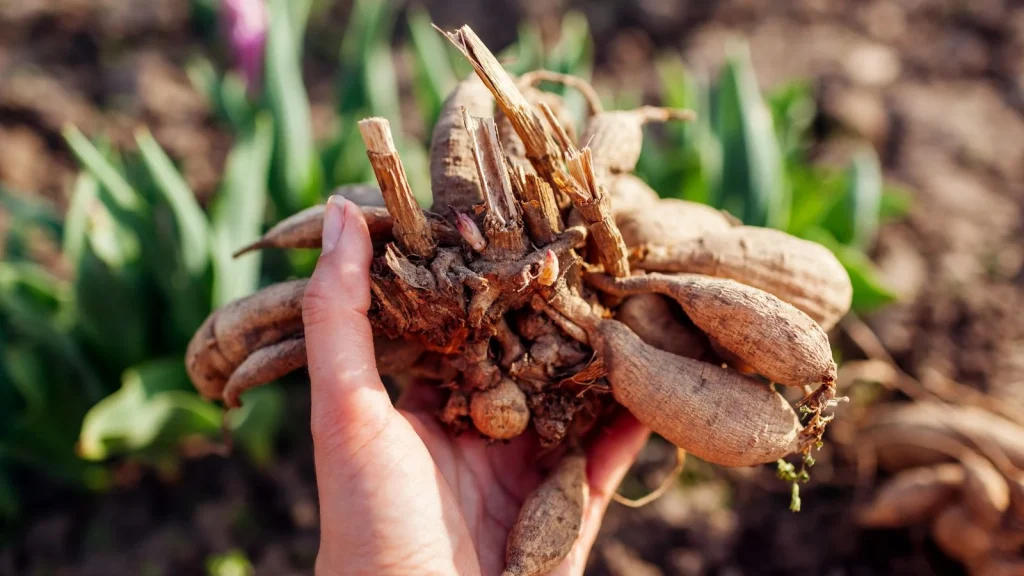
Signs trouble watch. A brief context to set expectations.
Signs trouble watch: Quick notes
Whether it’s in storage or in the ground, things can happen to a dahlia tuber. February checks of all your tubers ensure you’ll have a healthy, thriving dahlia garden when late spring and summer arrive. It doesn’t matter where you live. Even if your region is cold, it helps to make sure there are no problems.
In areas where dahlias should be pulled from the ground and placed in storage, this step is so important. Issues can arise even when the box or bag you chose to store your tubers in is sealed and filled with the right material. Stay on top of these to save the good ones and ditch the bad ones.
For regions with temperate weather all year long, your dahlias might be sprouting during February. In this case, it’s best to look at the growth aboveground to tell you if anything needs to be addressed. If so, unearthing the tuber to check it out is totally fine. We’ll discuss how to proceed if this is the case.
Decorative Double Blend Dahlia
Decorative Double Blend Dahlia Seeds
Cactus Flowered Blend Dahlia
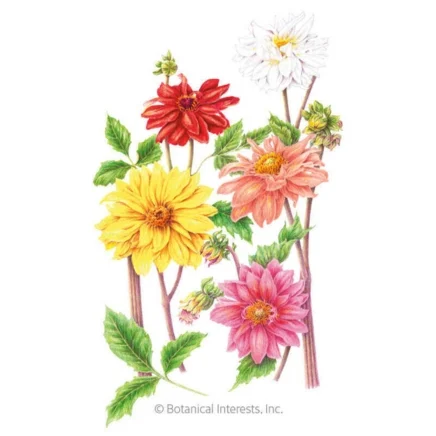
Cactus Flowered Blend Dahlia Seeds
Cut Flower Garden Seed Bundle
Cut Flower Garden Seed Bundle
In Storage
When the foliage dies back in winter, gardeners in cold regions dig their dahlias to store them over winter. They’re cleaned, separated, sorted, and then placed in a box or something similar with vermiculite or wrapped in newspaper. Then they’re placed somewhere with temperatures at 40 to 45°F (4-7°C) until it’s time to plant them the following spring.
Moldy or Rotting Tubers
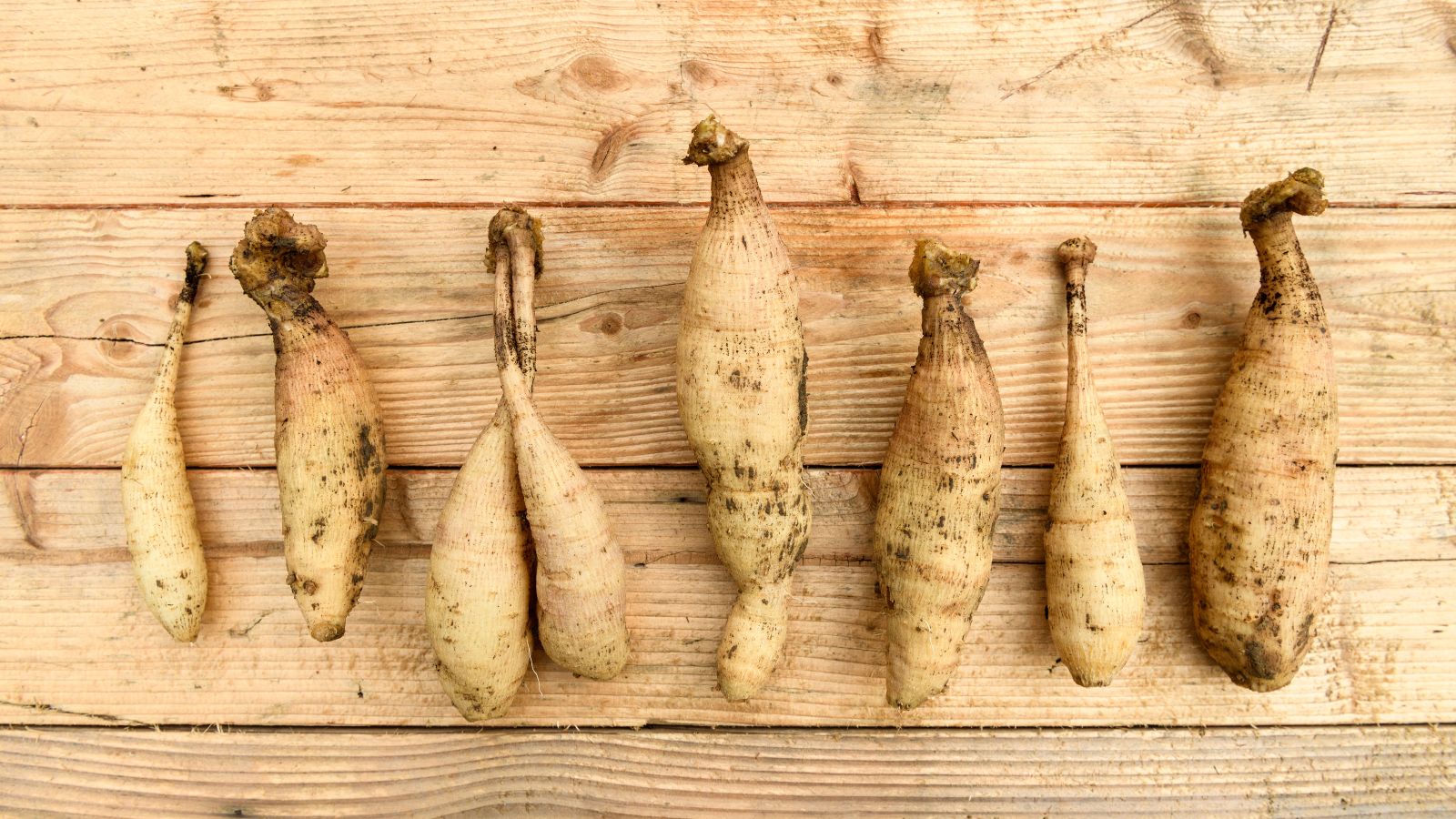 Mushy or black spots indicate issues with rot.
If your storage materials were moist when you placed your dahlia tubers within them, the tubers could rot. The same can occur when temperatures are too warm in the area, and fungal and bacterial pathogens are more active than they would be at the appropriate temperatures. If you didn’t let your tubers dry properly after cleaning them, rot can set in.
Check your stored dahlias and look for signs of rot or mold. Throw away and nicked, blackened, or soft and mushy dahlia tubers. February checks for rotting prevent the spread of diseases to the garden where you plant your dahlias. It also keeps the rest of the dahlias that share the storage space healthy.
After you throw away the damaged ones, change out all of your storage materials and place everything in a space with temperatures at 40 to 45°F (4-7°C). Give your dahlias another check in a week or so to ensure they’re good.
Dried Out Tubers
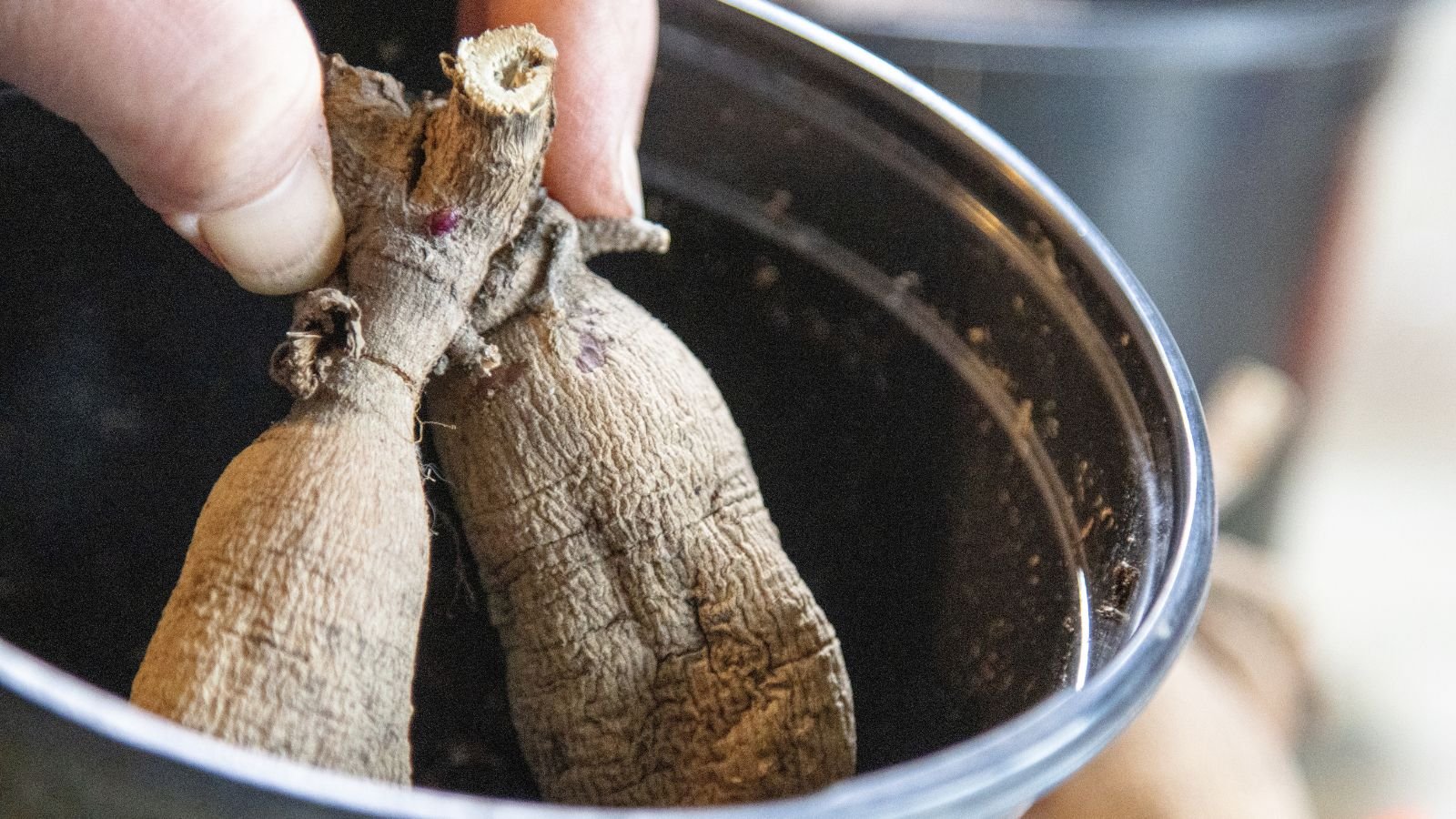 A little moisture can perk them up over time.
Just as too much moisture can be a problem, too little is a problem as well. Completely dried out tubers will die, and dahlias cannot be grown from dead tubers. Most of the time, however, wrinkling that comes from dried tubers isn’t the end of the world, and there are ways to handle the issue.
If you notice wrinkled skin, apply a light mist to your dahlia tubers. February is a great time to take a peek in your storage container, and take a peek. When we say “light mist,” we mean very light. It’s better to go extra light than overdo it and promote rot in storage.
In this case, you don’t need to change out your medium. Simply use a clean spray bottle to add a little moisture. Then check in a week to see if more is needed.
Damaged Tubers
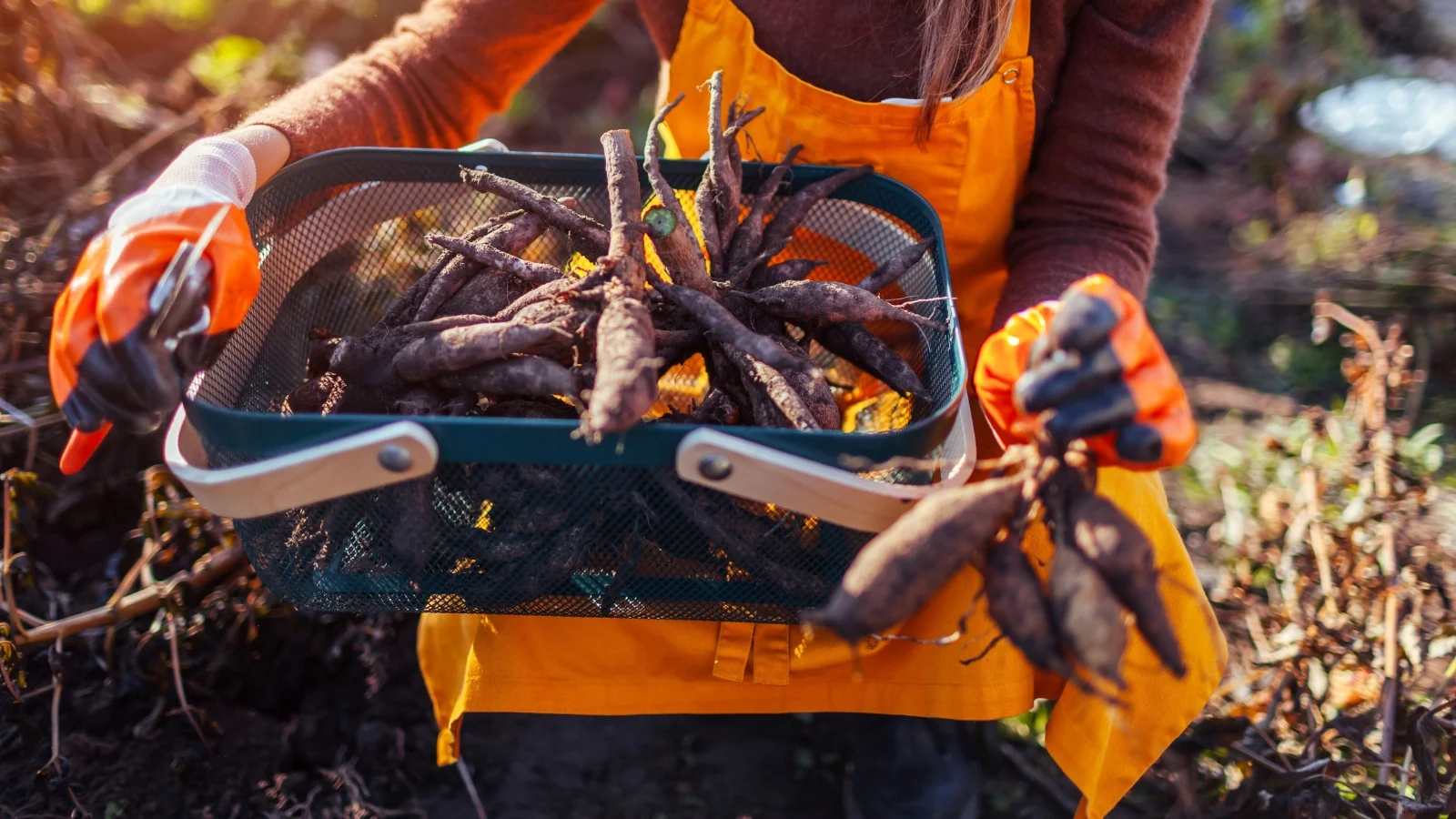 Damage can invite issues with pests and disease after planting.
In storage, sometimes damage occurs to dahlia tubers. February is a good time to make sure your tubers are all free of nicks, cuts, and even little nibbles from curious rodents that discover storage containers. This gives you time to pivot before spring planting.
Take a look and remove any that have any amount of damage. If you think the damage is minimal, quarantine the tuber and plant it in a container or in a grow bag away from others as planting time arrives. This ensures any diseases that enter cuts don’t infect other tubers.
In the sorting process after digging tubers, it’s an easy mistake to miss some of the damage. Throw out any heavily damaged ones in this pre-spring check. Prevent rodent feeding by keeping tubers in a secure container next year.
In The Ground
Gardeners in the temperate zone can keep their tubers in the ground all year. For those who do, now is the time to check dahlia tubers. February is the month that dahlias begin to grow foliage for the coming growing season. Check out the leaves that come up to discover any belowground issues.

Root Rot
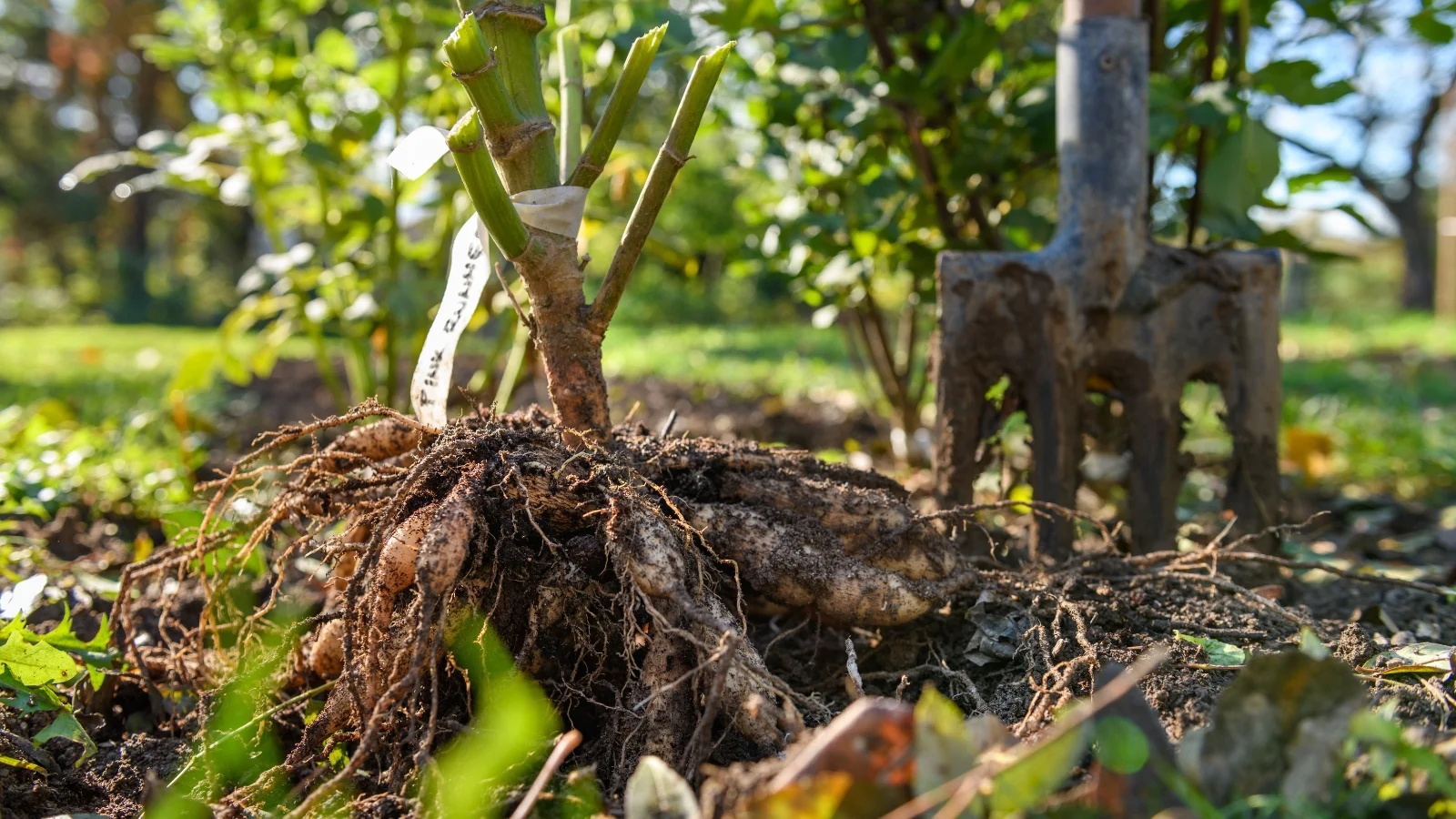 Dig up the tubers to examine them closely.
If the leaves that sprout are waxy, dark green, and limp, your dahlias may be experiencing root rot. If you notice these symptoms, dig around the perimeter of the tubers and unearth them. Examine them and look for excess moisture, as well as a slight give when you press into the surface.
Of course, if your tubers have a bad, rotting smell, they’re also infected. Blackening, spongy tubers should be removed from the garden and thrown away. Avoid planting other tubers in the area for a couple of seasons.
In-Ground Pests
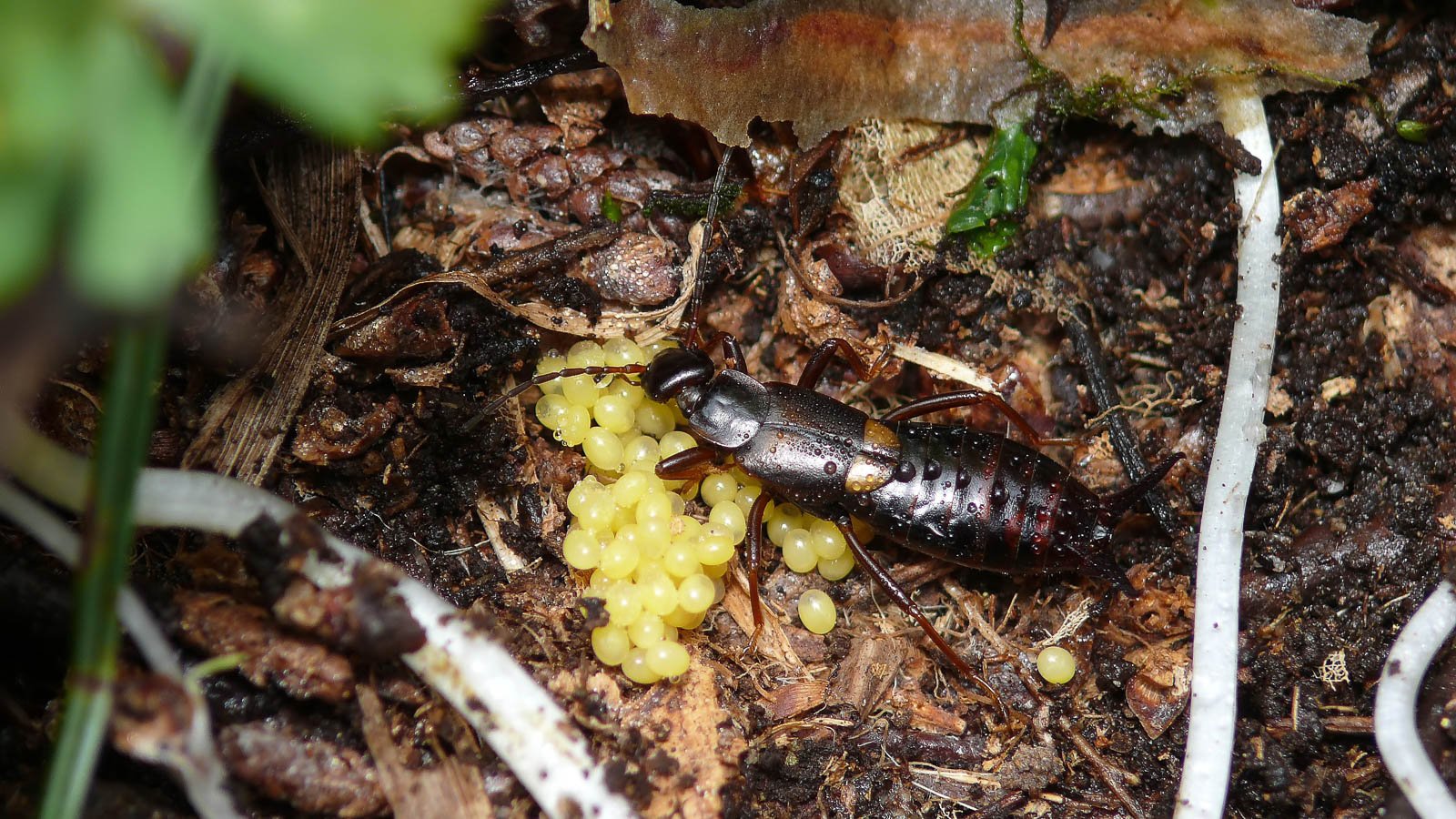 If your dahlias don’t sprout, check for pest problems.
Four pests that affect dahlias remaining in the ground throughout the year are earwigs, slugs, snails, and underground rodents. All of these can cause problems that limit blooming and the overall health of your plants.
Earwigs usually feed on leaves and flowers, but sometimes they’ll take nibbles out of your tubers, creating lesions that allow diseases to enter them. Signs of feeding at this time of year include a lack of foliage and generally stunted growth. Manage them by ensuring the area has well-draining soil and removing garden debris they like to feed on. Use oil traps to ensnare them and get rid of them.
Snails and slugs also tend to focus on the young leaves of your dahlias, but sometimes feed on the tubers below. Use the same cultural methods you would for earwigs, and scout for them at night. Remove them by hand, or set up in-ground beer traps.
Rodents (mostly moles and gophers) are a problem in some areas, and they will feed on tubers. In these areas, use a hardware cloth or mesh planted below the tubers. This prevents their access to tubers to begin with. If your tubers don’t sprout this month, check them for damage. Throw out any that have been nibbled, and replant the intact ones in an area with a mesh below.
Aboveground Diseases
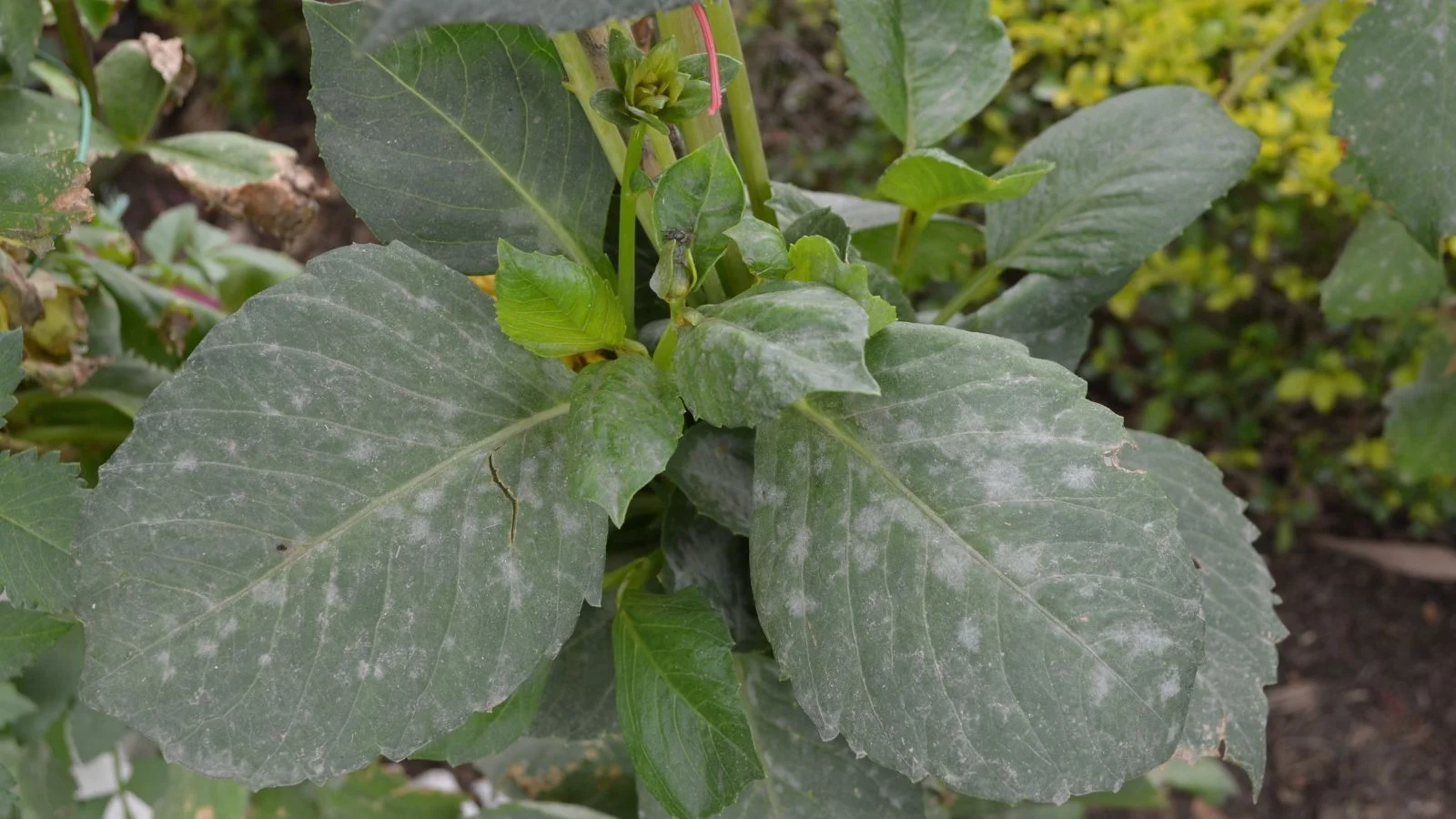 Examine dahlia tubers in February for key diseases.
While the topic of dahlia diseases is too broad to cover here, there are a few key ones to look out for as your dahlias begin sprouting new foliage.
If your leaves have dark lesions on them and prematurely wilt, they are likely dealing with verticillium. These tubers should be removed from the garden. If you plant any tubers in their place, they should be verticillium-resistant.
Powdery substances develop on the leaves of dahlias infected with powdery mildew. You can try to prune away the damaged leaves and let the tubers sprout again. Use neem on new leaves to prevent mildew buildup there.
Botrytis is a gray mold that affects dahlias, causing dark lesions at later stages. Use similar means to control it as you would for powdery mildew. Amend soil to improve drainage, and avoid overhead watering. This prevents the spread of mold and mildew.
Signs trouble watch comes up here to connect ideas for clarity.











Tiny tip: Loved this about “Signs of Trouble to Watch For” — such a nice idea.
On a similar note – This feels very authentic — great post. Love this!
This tip on “Signs of Trouble to Watch For” is so useful — thanks for sharing.
This tip on “Signs of Trouble to Watch For” is so useful — thanks for sharing.
This tip on “Signs of Trouble to Watch For” is so useful — thanks for sharing.
This tip on “Signs of Trouble to Watch For” is so useful — thanks for sharing.