

Introduction
Terraforming ledges green: a concise orientation before we get practical.
Terraforming ledges green: Quick notes
In the quiet embrace of Seasonal Flow, where forest ambiance meets the soft hum of earth, we are called to nurture spaces that cradle both body and soul. Terraforming ledges—those vertical thresholds between earth and sky—into mindful sanctuaries offers a bridge to eco serenity. This guide weaves practical reflections with soulful design, inviting you to craft corners of peace where nature and human intention intertwine.
Mindful Spaces are not merely arrangements of plants or stones; they are living ecosystems that echo with the whispers of the wild. As we explore methods to green these elevated planes, let each action ripple outward, knitting sustainable living into the fabric of our daily rhythms. Here, every choice ripples outward—a single herb planter becoming a haven for bees, every seedling a testament to patience.
Seasonal Context
Seasonal Flow guides us like a river through time, shaping both landscapes and hearts. In early spring, the thawing soil hums with possibility; here, we plant seeds of renewal. Summer’s golden hour bathes terraformed ledges in light, urging us to guard against heat stress with shade plants and rainwater harvesting. Autumn’s crisp breath shifts focus to composting fallen leaves into rich loam, closing life’s circle. Winter’s stillness teaches us to rest, mirroring nature’s dormant phase.
Mindful Spaces thrive when we attune to these cycles, aligning our care with earth’s cadence. Let each season dictate what flourishes, ensuring our terraforming efforts bloom in harmony with the wild’s unfolding story.
Practical Steps
1. Choose Sustainable Materials
Terraforming ledges begins with reclaimed wood, bamboo, or stone slabs. These materials weather gracefully, merging human craft with resilience. For adhesive, opt for natural cement or hemp-based mortar, avoiding synthetic toxins.
Symbolic Ritual: Anoint tools with a few drops of terpene-rich essential oils before use, infusing each action with the forest’s vitality.
2. Design for Functionality
Layer shallow planters for succulents atop deep pots holding hardy perennials. Ensure drainage mimics forest floor filtration—angled gravel beds channel water into compost bins below.
Mindful Tip: Observe sunlight patterns across your ledge at dawn. Note where light dances briefly—these microclimates become prime spots for heat-loving herbs.
3. Cultivate Soil Vitality
Blend compost-rich soil with perlite for drainage. Add a touch of biochar to retain moisture, echoing the natural persistence of forest humus.
Soulful Design: Embed a small clay bowl filled with forest soil—a microhabitat for earthworms, telling tales of connection to ancient landscapes.
4. Invite Wildlife
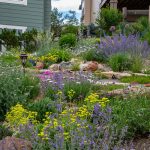
Insect hotels built from stacked drilled sticks attract pollinators. Moss-covered corners serve as amphibian shelters. Let wildflowers reclaim terraced spaces, their roots stabilizing soil while feeding bees.
Wildlife & Habitat: Feeders woven from cedar branches hang at ledge edges, drawing feathered visitors.
Design Ideas
Sacred Geometry in Planters
Arrange stones in spiral patterns to reflect nature’s fractal logic. Fill with trailing sedum, their blurred edges softening angular ledges into living curves.
Seasonal Color Palette
Spring: Violet alyssum and amber marigolds echo diluted dawn light.
Autumn: Rich mahogany kale and burnt orange grasses mirror falling leaves.
Vertical Greywater Gardens
Attach soaker hoses to ledge edges, filtering runoff through a bed of peat moss and charcoal. This mimics forest floor filtration, nurturing roots while cleansing water.
Mindful Spaces here shine as both shelter and filtration system.
Rituals
Morning Mist Ceremony
At sunrise, spray water infused with rosemary and lavender onto plants. Breathe deeply, letting the aroma ground you—a union of care and gratitude.
Autumn Gratitude Fest
Harvest fallen leaves, tossing them into a compost bin while naming three blessings. Offer a slice of honeyed cake to a squirrel—reciprocity deepens bond.
Eco How-To: Use raked leaves to outline mandalas in frost-prone soil; freeze becomes your canvas for ephemeral art.
Soil & Water Care
Compost-Brew Elixir
Steep kitchen scraps in rainwater for 48 hours, then water plants with the nutrient-rich liquid. This closes your micro-loop of care.
Symbolic Ritual: Chant “Loam, mystery of decay,” while mixing, honoring the unseen transformers of life.
Burn Barrels to Biochar
Char pruned branches in a metal drum, burying charred remnants near thirsty fig trees. Biochar holds water like a sponge, reducing irrigation needs.
Soulful Design: Label char piles with names of pruned plants—an alchemical diary of garden transformations.
Wildlife & Habitat
Bee Banquets
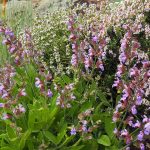
Plant clusters of native thyme, sage, and lavender. Their proximity invites bees into dance, their hum a meditation on stillness.
Mindful Tip: Sit silently near a flowerbed, allowing the rhythm of wings to anchor breath.
Bird Feather Path
Scatter crushed shells along ledges to create crispy, dust-free footing. Birds track these crunchy trails, sensing safety in human-created order.
Community & Sharing: Host a “Shell Scramble” game for children, linking tactile play to habitat stewardship.
Seasonal Projects
Spring Pollinator Fort
Erect a twig hut draped with wisteria. Children collect nektaring insects in jars, then release them at dusk.
Eco How-To: Grass wraps the hut’s entrance, repelling mice. A living gate thrives as scent marks territory.
Summer Heat Shelter
Drape shade cloth over 30% of ledge garden. Cool-season herbs like parsley crowd under cover, while sun-loving aloe thrives exposed.
Soulful Design: Paint cloth with leaf motifs using natural dyes—sunlight reduces glare while scattering botanical tales.
Indoor/Balcony Extensions
Window Sill Sanctuary
Anchor pots to terracotta brackets, growing basil and rosemary. At night, climb to watch herbs sway—moonlight a different kind of pollination.
Indoor Tip: Wipe seedling leaves with chamomile tea to mimic forest fog, repelling pests without chemicals.
Balcony Compost Tower
Stack worm bins vertically, draining excess tea into ledge planters below. A vertical loop of nourishment mirrors mountain ecosystems.
Mindful Spaces become hubs of interconnectedness, even in urban heights.
Community & Sharing
Seed Sovereignty Circle
Gather with neighbors to swap beans and stories. Coat seeds in clay before planting—each grain a fist bump for future growth.
Ritual: Burn sage before swapping, honoring the collective breath that sustains gardens.
Guided Nature Meditation
Lead friends to a restored ledge garden. Ask them to touch three textures, naming each—rough, velvety, crunchy—reconnecting body to earth.
Soulful Design: Leave a chalkboard sign listing “Today’s Sight”: spiderweb, beetle, decomposing leaf.
Conclusion
Through Eco How-To Terraforming ledges Green, we become stewards of spaces that nourish both flora and spirit. Mindful Spaces emerge when we plant not only seeds but intention, weaving patience, wonder, and reciprocity into every trowel-turned-earth. Let your balcony become a haven for hoverflies, your terrace a stage for birdsong—here, the world blooms in quiet symphony.
Mindful Spaces endure as living testaments to the harmony humans can nurture with the wild.
We reference Terraforming ledges green briefly to keep the thread coherent.
Terraforming ledges green comes up here to connect ideas for clarity.












Small note: This brightened my feed — lovely share. Will try it.