
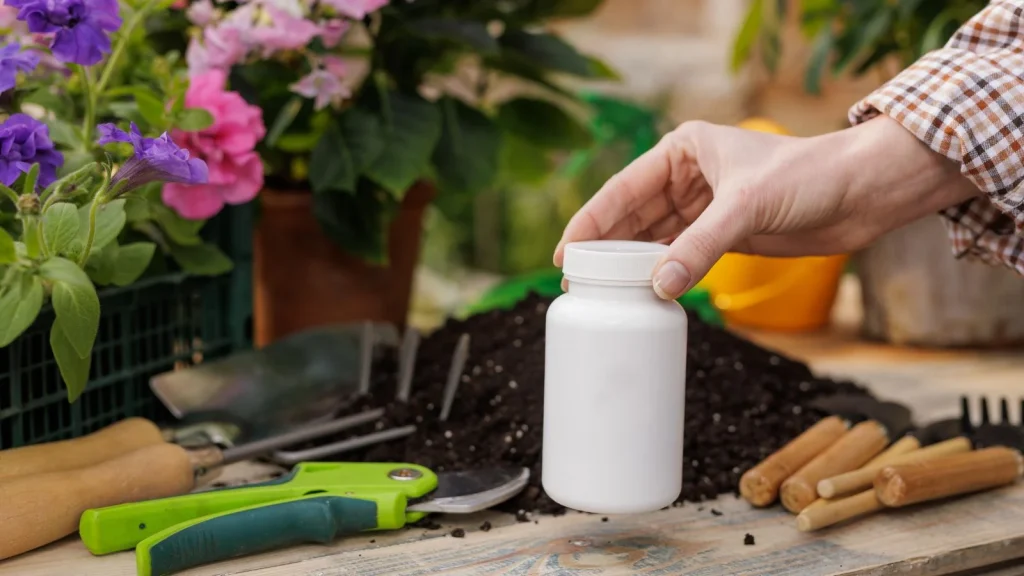
Seedlings fertilizer mistakes — a quick note to anchor this piece for readers.
Seedlings fertilizer mistakes: Quick notes
Among the ways to burn seedlings, fertilizer is number one. Seedlings are sensitive, tender plants that need gentle care before they’re transplanted. It’s important to be cautious when you fertilize them. And to be fair, fertilizing seedlings isn’t the easiest thing to grasp.
Most of the confusion comes from the differences between feeding fully grown plants and applying fertilizers to seedling soils. You don’t need to use as much, and there’s a big difference in the timing. Knowing what type of fertilizer to use is another aspect that deserves attention.
All plants need essential macronutrients, which are present in all fertilizers. These are nitrogen (N), phosphorus (P), and potassium (K). Different plants need different ratios of these when they’re fruiting, but when they’re young, it’s good to keep things even so you don’t burn seedlings with fertilizer. An imbalance in this ratio can lead to problems.
The Ultimate Seed Starting Kit
The Ultimate Seed Starting Kit
The Premium Seed Starting Kit
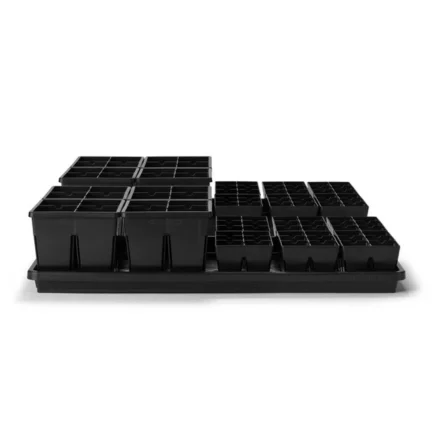
The Premium Seed Starting Kit
The Essential Seed Starting Kit
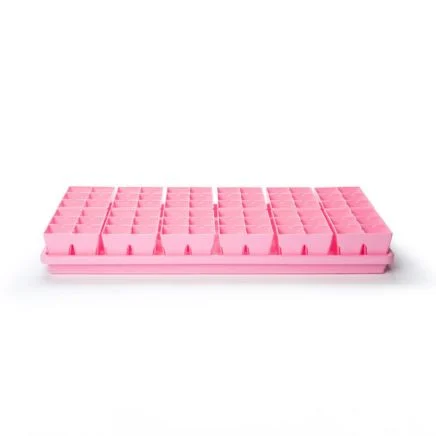
The Essential Seed Starting Kit
Using the Wrong Kind of Fertilizer
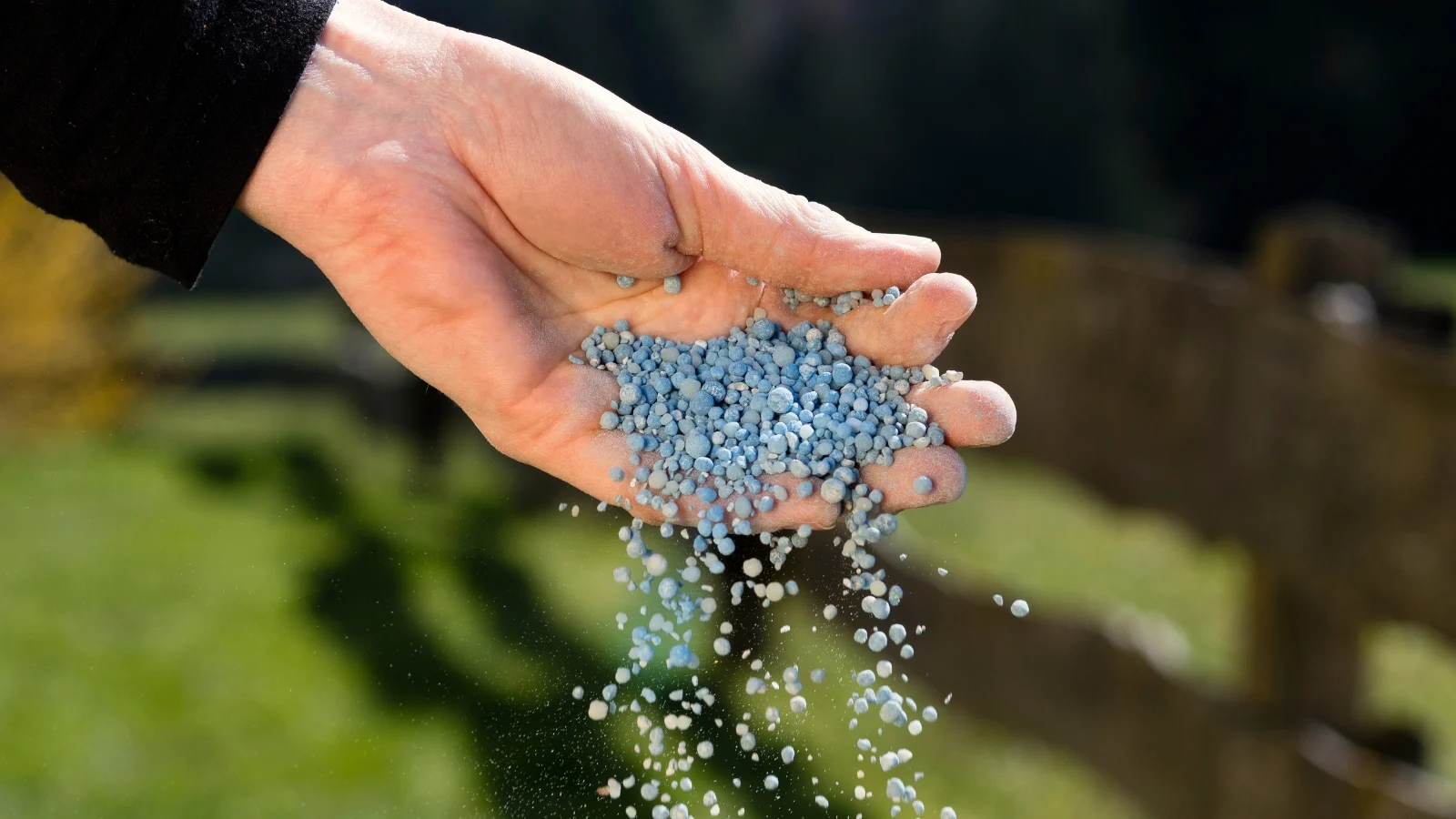 The type of fertilizer has an impact on strength.
The first mistake to avoid is using the wrong kind of fertilizer. This can burn seedlings. Fertilizer for seedlings should be balanced and preferably organic. Synthetic fertilizers can work, but they are derived from petroleum products and build salinity in the soil as they are continuously applied.
Using fertilizers formulated for specific plants, or those designed to promote flowering and fruiting, isn’t necessary for seedlings. They need a balanced boost, rather than a specific formulation, as they’re in their vegetative stage rather than their fruiting and flowering stages.
Applying Before Germination
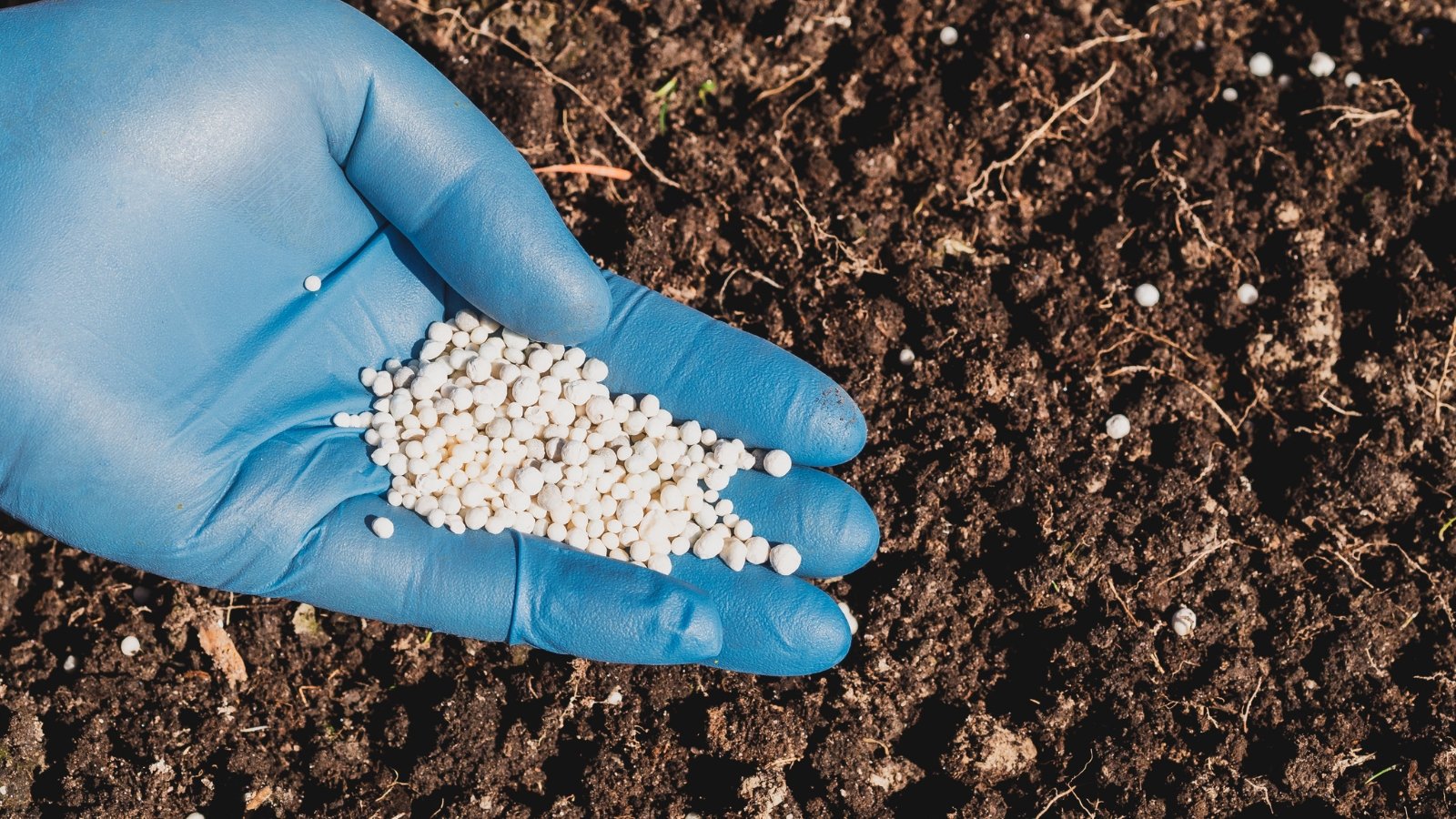 New seeds don’t need any feeding.
Seeds contain everything they need to grow. Seed starting mixes can contain organic matter, but seeds will grow in a soilless mix just fine. You don’t need to use feeds before germination, as this can burn seedlings. Fertilizer is best applied after seedlings reach three inches tall and develop their first set of true leaves.
There’s a small caveat here: if you want to sprinkle a tablespoon of organic powdered fertilizer into your seedling mix, that is totally appropriate. It’s not completely necessary, but it won’t hurt. What does hurt is using liquid fertilizers too early, as there will be nothing to absorb them until your seedlings are mature enough.
Using Too Much After Germination
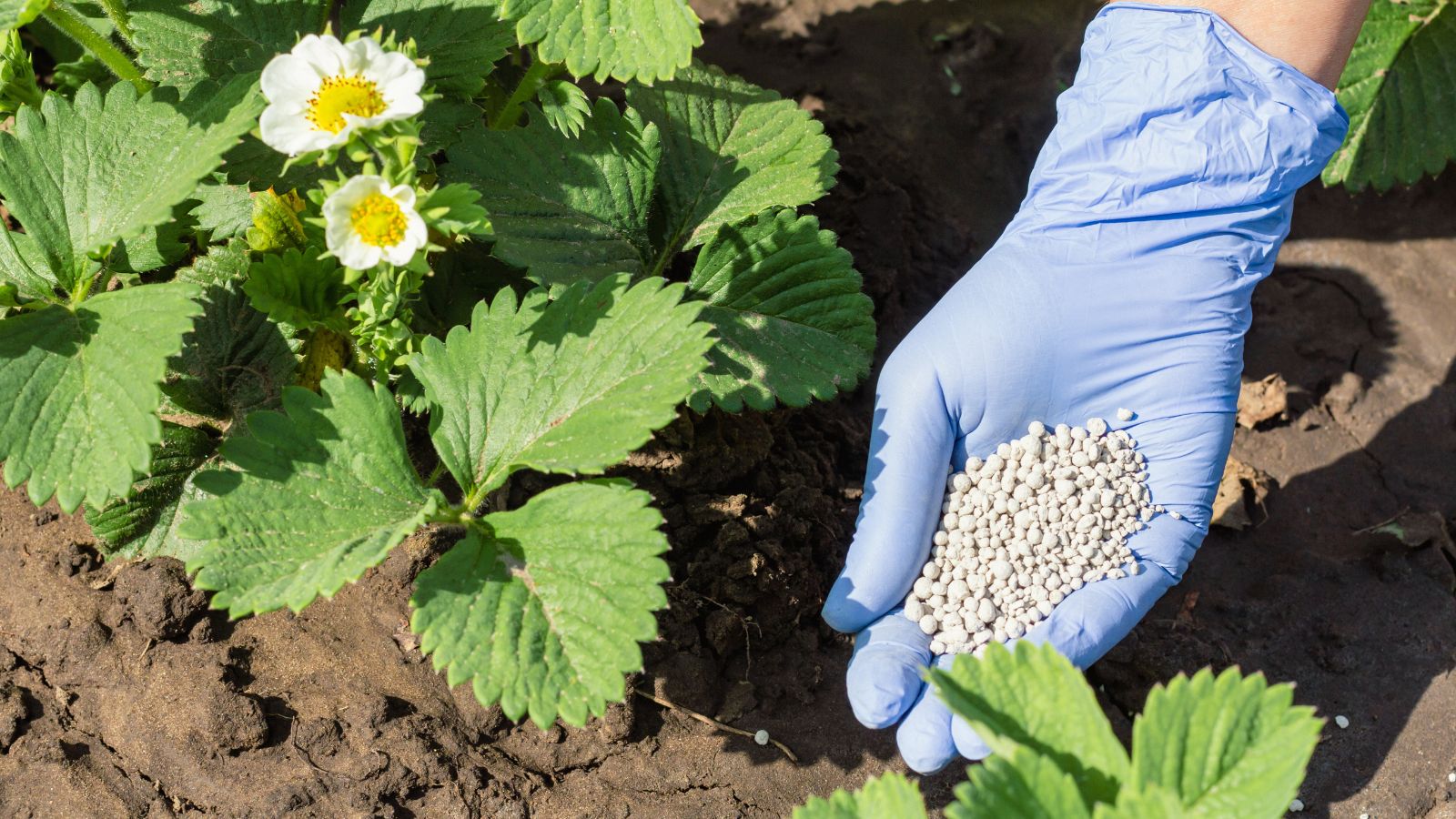 Overdoing the fertilizer can damage the roots.
While seedlings need some fertility after they’re mature enough (at least a few inches tall), they don’t need a ton. Here’s where the timing of your applications comes in, and the type of fertilizer is important too. Use a liquid fertilizer diluted to one-quarter strength weekly to keep your seedlings healthy and happy.
Remember to keep it balanced. A 10-10-10 (or similar ratio) is perfect. There are several OMRI-certified liquid fertilizers out there. If you don’t know which is best, find a good fish emulsion, which provides all the basic nutrients needed for seedlings in a gentle formulation.
If you used a powder in your initial seed starting mix, it will be difficult to apply it again to seedlings as they grow. Even when you work this into the soil around plants already growing in the garden, you don’t use much. It’s too easy to overdo it with powders. Instead, stick to liquid.
You can do what Jacques does, which involves watering the seedlings from the bottom with a bit of fertilizer thrown in.
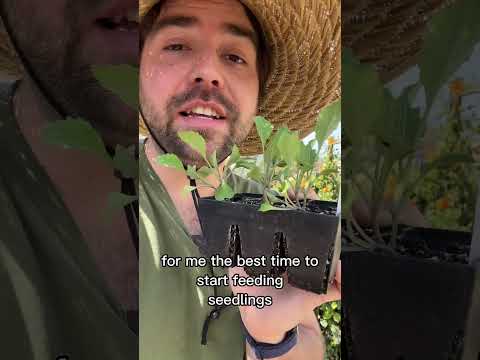
Waiting Too Long to Repot
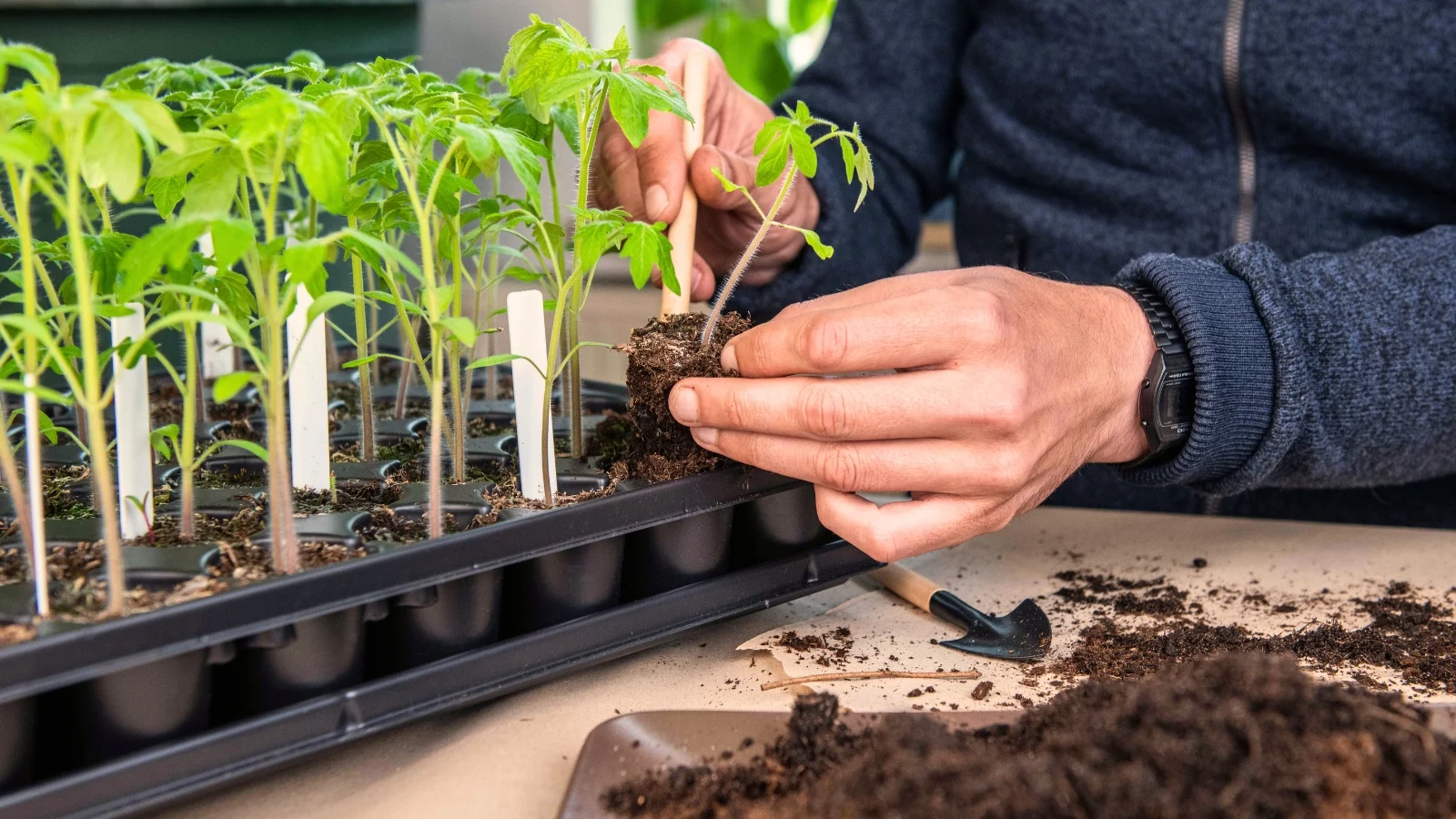 Over time, seedlings use up available nutrients.
The reason for fertilizing seedlings has to do with the fertility in the amount of soil in your seedling trays. Over time, that little bit of seedling depletes the level of fertility as it uses it up to grow. By the time seedlings reach their true leaf stage, they appreciate a little boost to keep going.
Once seedlings grow two sets of true leaves, they should be transplanted, or they need to be up-potted. If you can’t transplant due to weather conditions, keep a few starter pots or even nursery pots nearby so you can repot your seedlings. Use a well-formulated potting soil with organic matter to supply the kind of nutrients seedlings need as they continue to mature.
Compost is a blessing in this regard. You can use compost in your seed starting mix and in your repotting mix to provide a slow-release of nutrients throughout the seedlings’ time in those containers. It’s fine to combine compost with a diluted organic fertilizer, as both are bioavailable to plants, and both provide a slow leaching of nutrients, rather than packing a fertilizer punch all at once.
Key Takeaways
While this concept is pretty simple once you understand the rules, it can be complicated. As you’re getting your seeds planted, or as you’re tending to them, remember the following:
Seedlings fertilizer mistakes comes up here to connect ideas for clarity.
- Wait for seedlings to grow three inches tall and develop one set of true leaves to begin fertilizing, so you don’t burn seedlings with fertilizer.
- Use an organic liquid fertilizer diluted to one-quarter strength, applied weekly in the watering process.
- Don’t overdo it, and try not to use synthetic or powdered ferts that are difficult to control or provide too much fertility all at once.
- When seedlings develop two sets of true leaves, they need to be repotted. Make sure to do this on time to have enough fertility for their continued maturation.
- Compost is your friend in both the seed starting mix and in the repotting process, if you want to not burn your seedlings with fertilizer.








Heads up • So cozy — makes me want a cup of tea and a quiet afternoon ☕. So cozy.
Also · So pretty — the details are delightful. Saving it.