
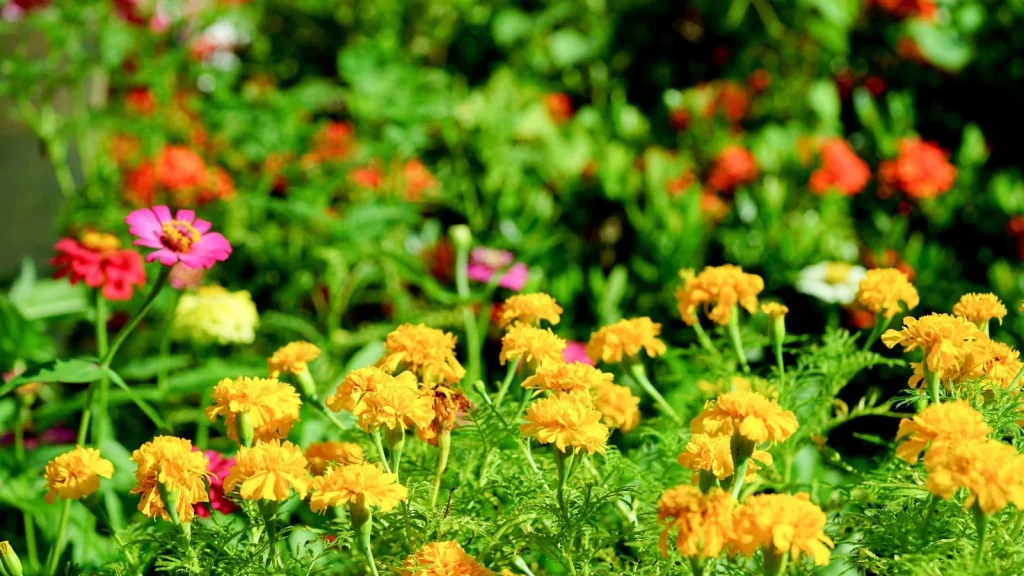
For lots of pollination, you need lots of flowers. To have early blooms, February sowing is needed too. Thankfully, this time of year is past the midpoint between winter and spring, and it’s prime time for sowing indoors. In some places, the climate allows for direct sowing outdoors too.
If you’re in the thick of winter still, try winter sowing some of the plants we mention on this list. Otherwise, grow some in your seed starting station. A few of these will germinate better with cold stratification before they are officially sown. We’ll point these out below!
Having a profusion of flowers in your garden is not only a lovely sight. It also invites pollinators that help you grow tasty fruits and veggies. Successfully pollinated flowers produce seeds you can save for next year. This spring, you want a ton of blooms. So, consider these as you decide what to grow.
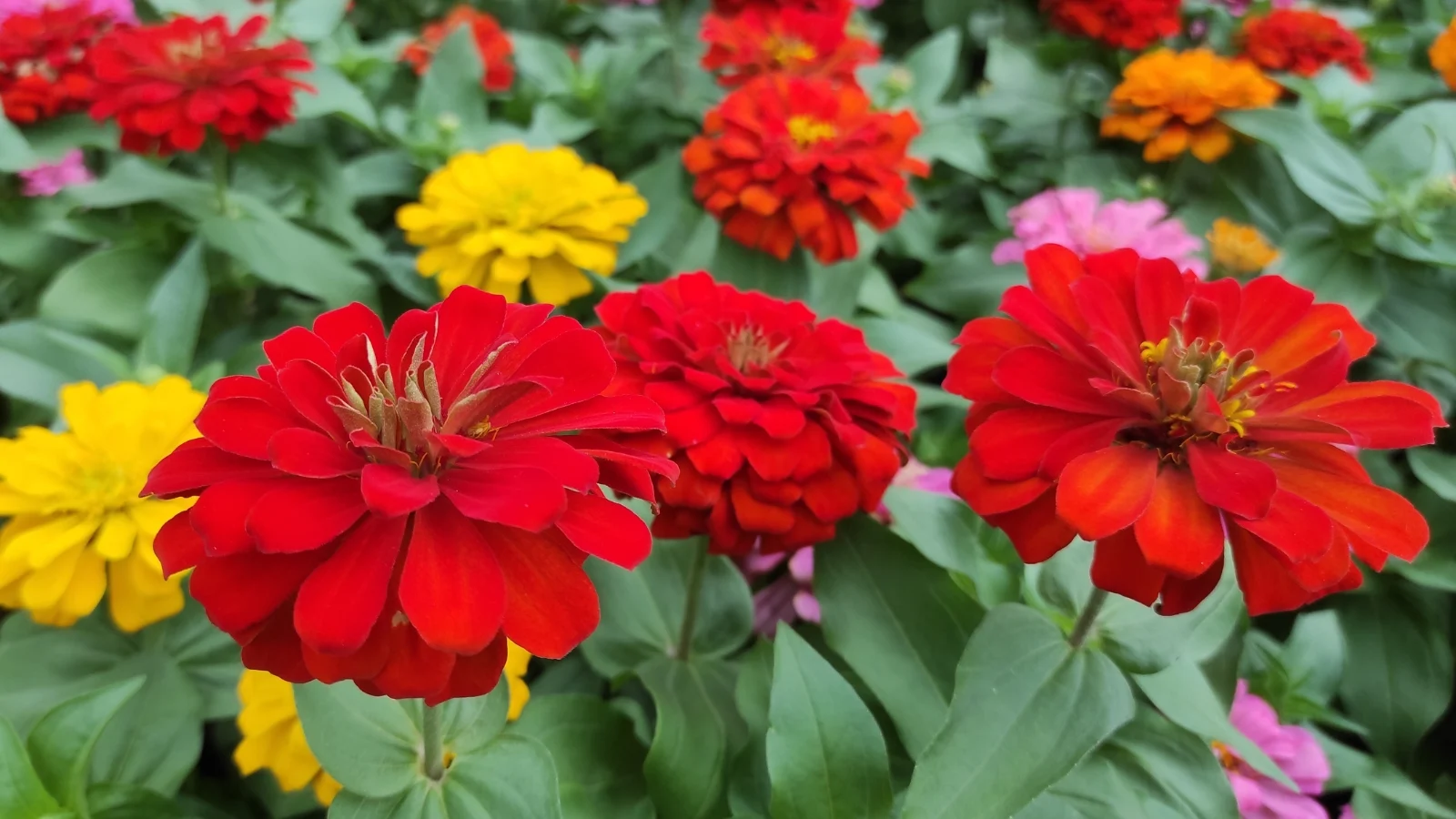
Benary’s Giant Blend Zinnia
Benary’s Giant Blend Zinnia Seeds
Favourite Blend French Marigold
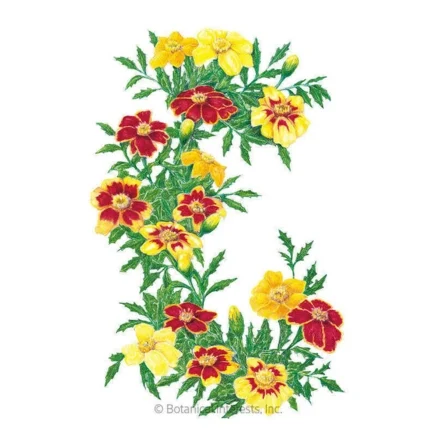
Favourite Blend French Marigold Seeds
Alan’s Pride Echinacea
Alan’s Pride Echinacea Seeds
‘Benary’s Giant Blend’ Zinnia
Zinnias are tough flowers that handle a range of conditions.

botanical name
Zinnia elegans

sun requirements
Full sun

height
3-4’

hardiness zones
2-11
First on the list is everyone’s favorite annual: zinnias! These beautiful blooms fit into any garden, providing tons of food for pollinators of all kinds and boosting pollination among other plants. ‘Benary’s Giant’ is tall, up to four feet, and brings in the higher flying pollinators.
Sow your seeds in flats, cells, or if you’re within a week or two of your last frost date, directly in the garden. They’ll emerge in ten days or less, and in late spring they’ll burst with flowers up to six inches across. Blooms come in white, shades of red, orange, purple, pink, salmon, and yellow.
‘Favourite Blend’ French Marigold
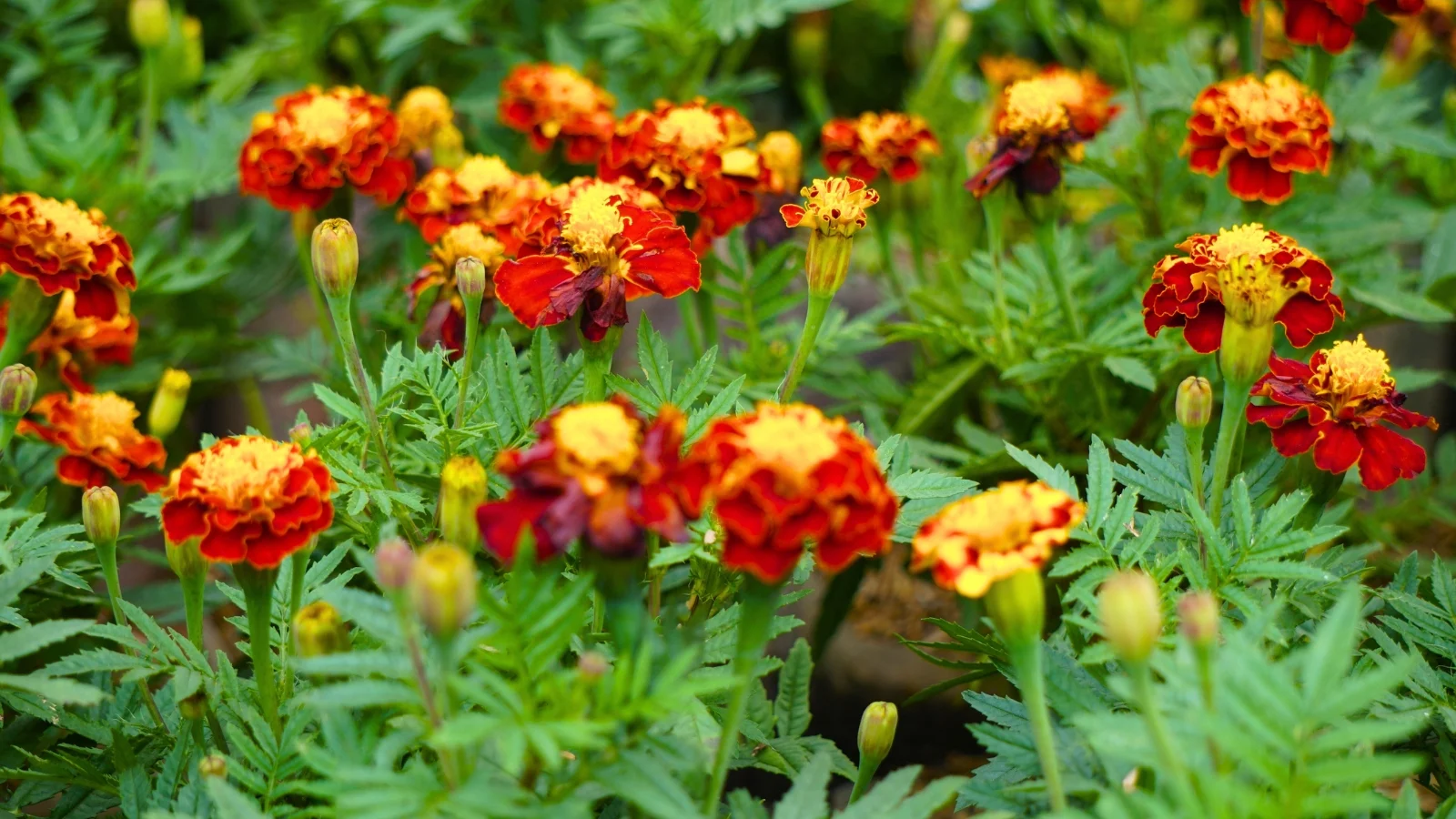 Marigolds are easy to grow, even for beginners.
botanical name
Tagetes patula
sun requirements
Full sun
height
10-12”
hardiness zones
2-11
Growing marigolds is quite easy, especially if you’re going to grow them in the cool spring season. This is the time when they shine, and ‘Favourite Blend’ French marigolds really bring the sunny vibes. These single-petaled red and yellow blooms provide easy pollen and nectar access for bees and butterflies.
If you’re well outside your last frost range, that’s no problem at all. These are best sown indoors four to six weeks before your last frost. If your seedlings outgrow their cell trays, repot them in starter pots as they await transplant. You can even keep a few in containers throughout the year for a mobile display.
‘Alan’s Pride’ Echinacea
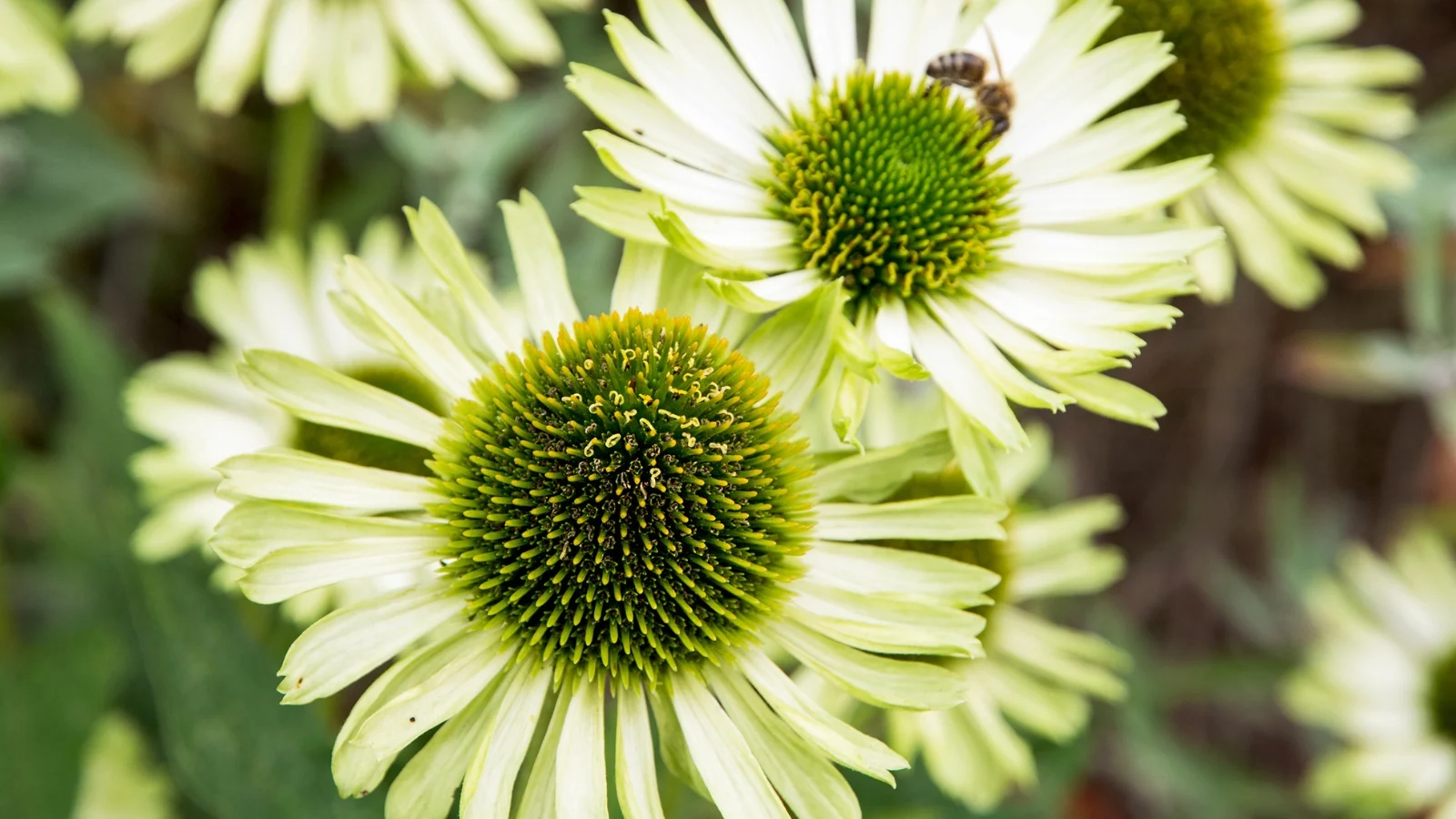 These unique coneflowers attract pollinators.
botanical name
Echinacea purpurea
sun requirements
Full sun to partial shade
height
2-3’
hardiness zones
3-8
This coneflower is perfect for a winter sowing endeavor, as most species of echinacea require cold stratification for four weeks for good germination rates. This echinacea is different from the others, with lime green flowers that have petals arranged doubly around their bulbous center.
This variety is named after renowned plant breeder Alan Sparkes. As a 2022 Fleuroselect Novelty Award Winner, this echinacea is a star wherever it’s planted. Sow yours indoors 10 to 12 weeks or outdoors 2 to 4 weeks before your last frost date. If you live in a hot area, keep your ‘Alan’s Pride’ in partial shade, especially in hot afternoon sun.
‘Violet Queen’ Salvia
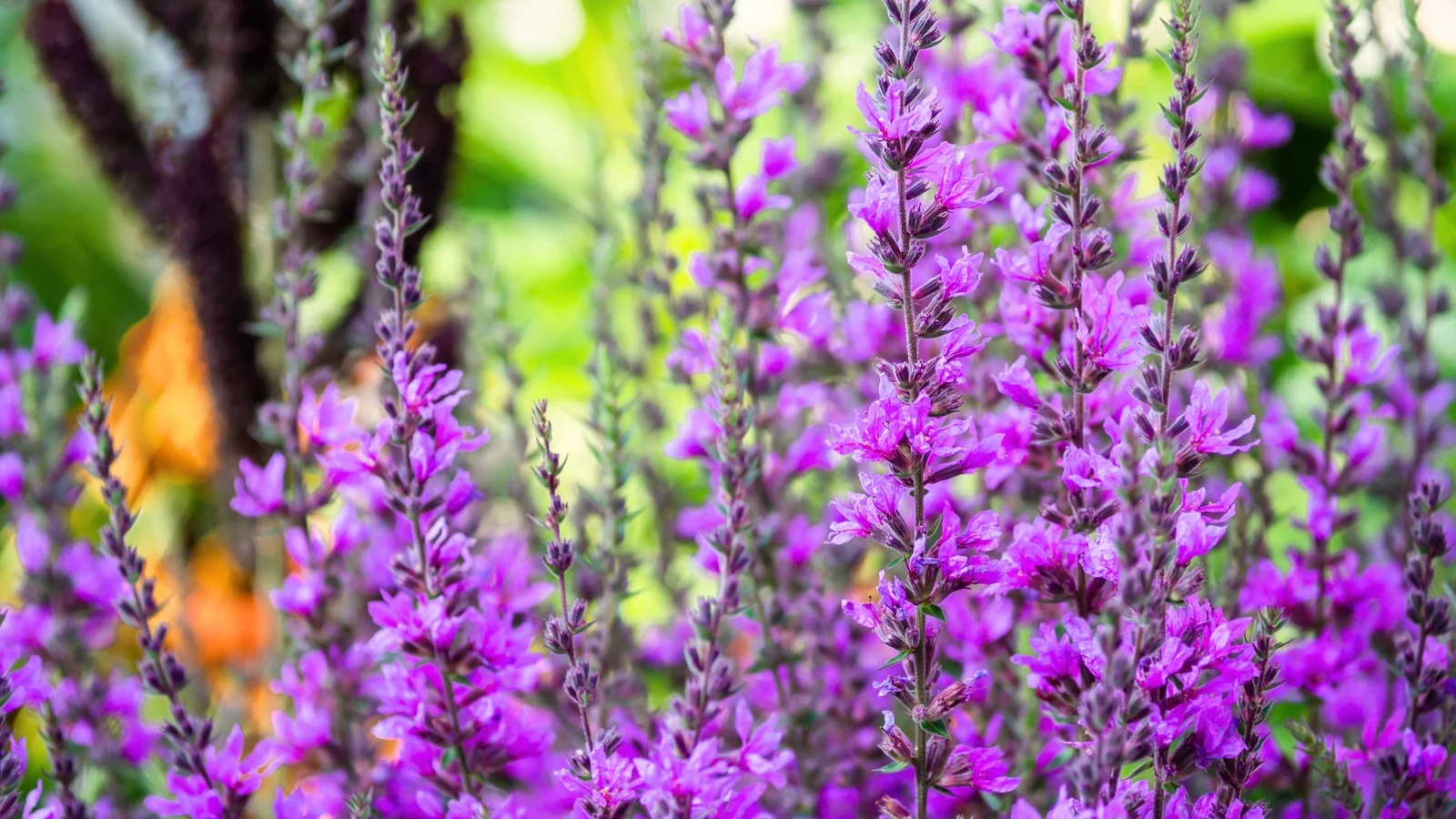 Tall flower spikes are beloved by bees.
botanical name
Salvia × superba
sun requirements
Full sun
height
2’
hardiness zones
3-9
Few flowers are truly blue, but ‘Violet Queen’ salvia displays blue hues from spring through the entire summer. This variety does well when sown indoors 8 to 10 weeks before your last frost. You don’t have to plant these deeply—just press them into moist soil and wait two weeks.
If you like hummingbirds, salvias are the plants for you. This cerulean-violet flower spike attracts tons of pollinators, aside from our favorite winged beauties. They’re great in the wild garden, and they shine as cut flowers too.
‘Plains’ Coreopsis
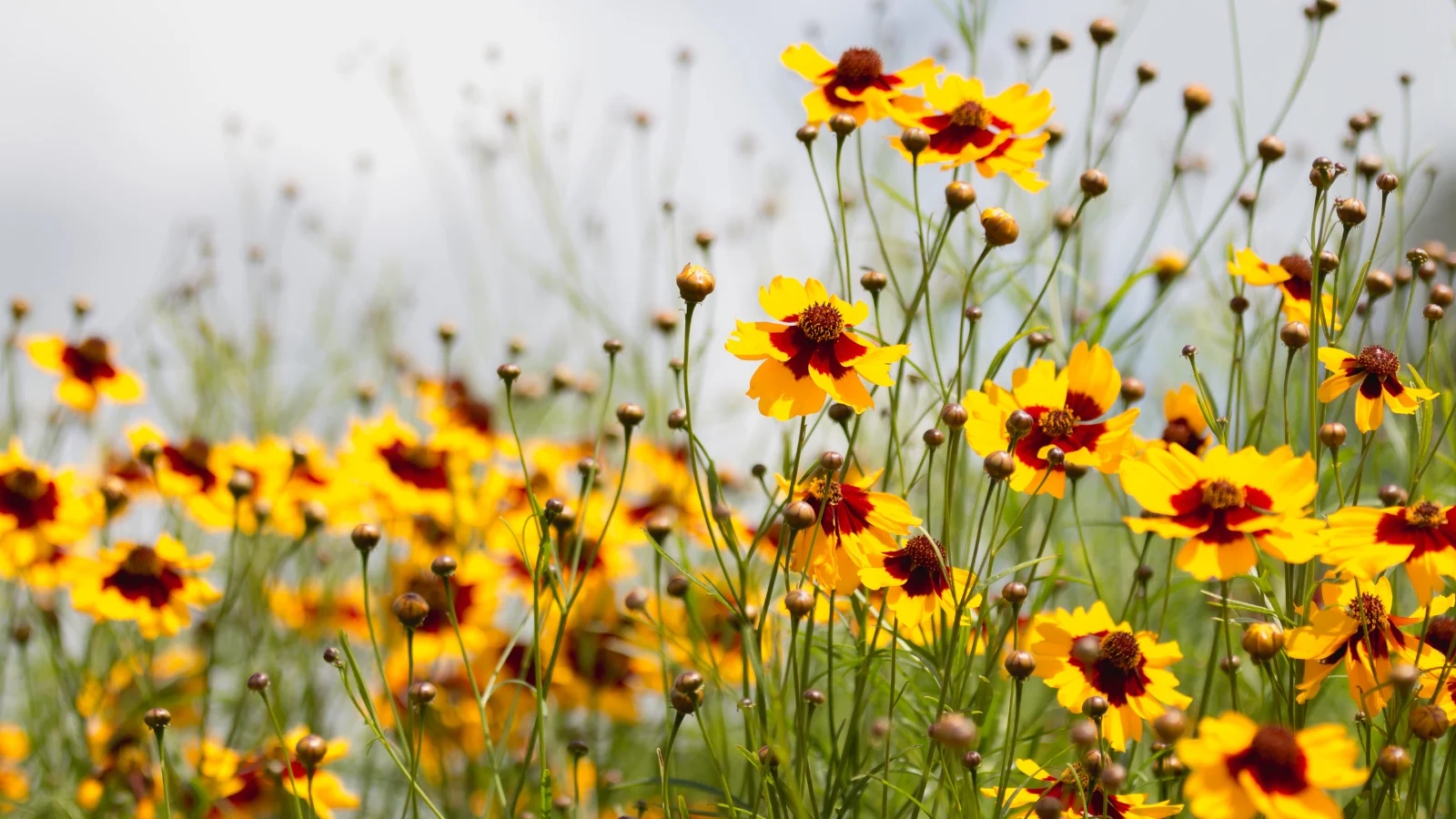 The flowers look best when planted in groups.
botanical name
Coreopsis tinctoria
sun requirements
Full sun
height
1-2’
hardiness zones
2-11
While most coreopsis species are perennials, ‘Plains’ coreopsis is annual. However, it responds well to cold stratification, which improves germination rates overall. Throw them in your winter sowing containers, or place them in the refrigerator in moist soil for two to four weeks.
You can sow these directly one to two weeks before your last frost date, or indoors 6 to 8 weeks before. These North American natives are one of the best companions for a veggie garden, as they attract plenty of predatory insects that keep pest insects at bay.
As the summer turns to fall, the deep red petals turn almost black, harkening the coming winter. These blooms are stellar in the garden, in containers, and in cut arrangements. They are best sown indoors 8 to 10 weeks before your last frost. In cold climates, sow them outdoors 4 to 6 weeks before your last frost.
‘Shades of Blue’ Larkspur
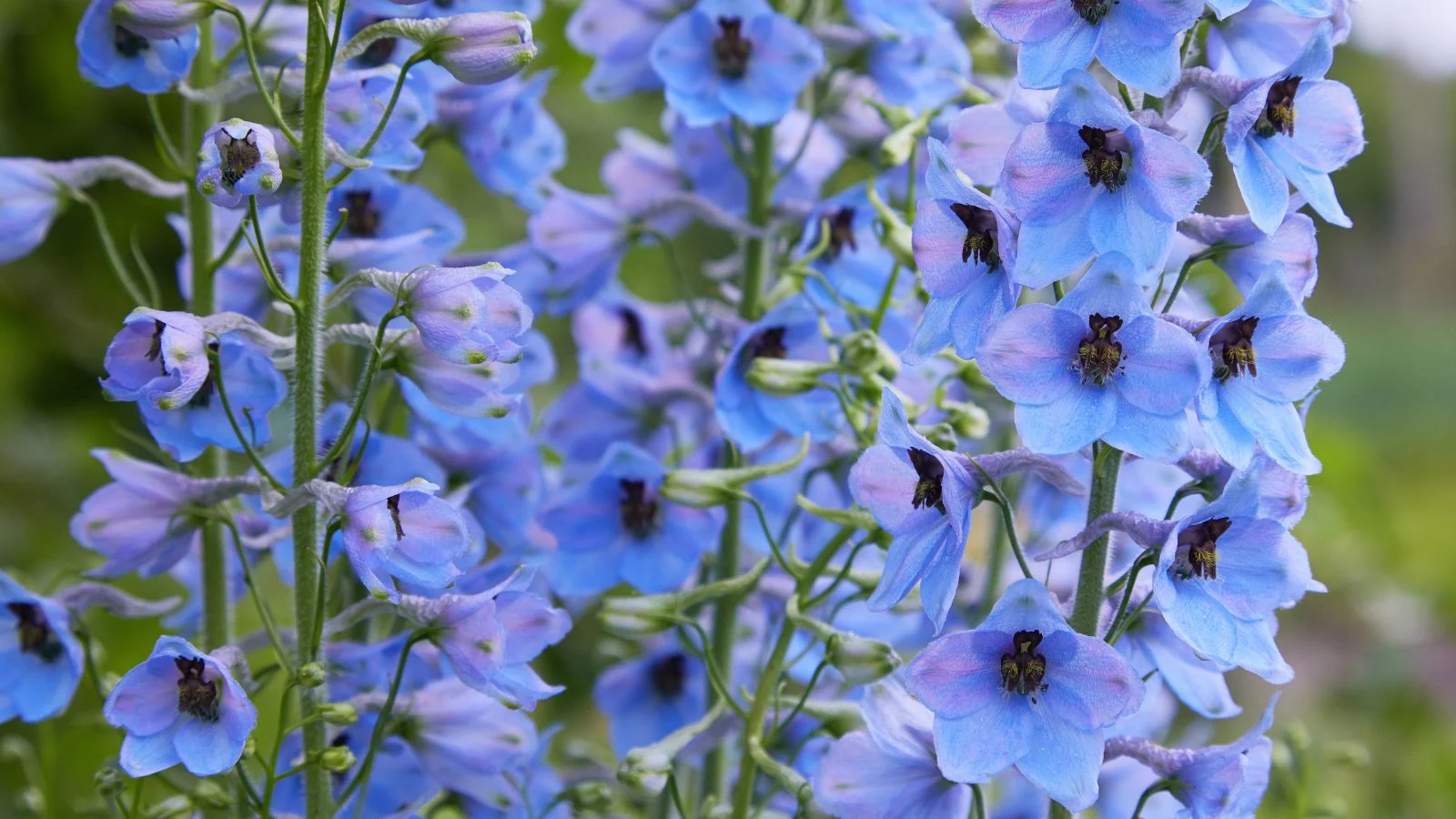 Enjoy different blue and purple hues on these blooms.
botanical name
Delphinium consolida
sun requirements
Full sun
height
3-4’
hardiness zones
2-11
Growing tall ‘Shades of Blue’ delphinium offers the garden dimension, as lovely ultramarine and powder blue flowers grow atop three to four-foot stems. These are great for sowing ahead of spring. Get them ready for transplant by the time frost leaves your region, and yours will thrive in the cool temperate season.
These are best sown outdoors 4 to 6 weeks before your last frost. You can also sow them indoors 6 to 8 weeks before, but be cautious when you transplant them. They are sensitive to root disturbances. You can sow them in paper or peat pots if you’re worried about this.
‘Dazzler Blend’ Penstemon
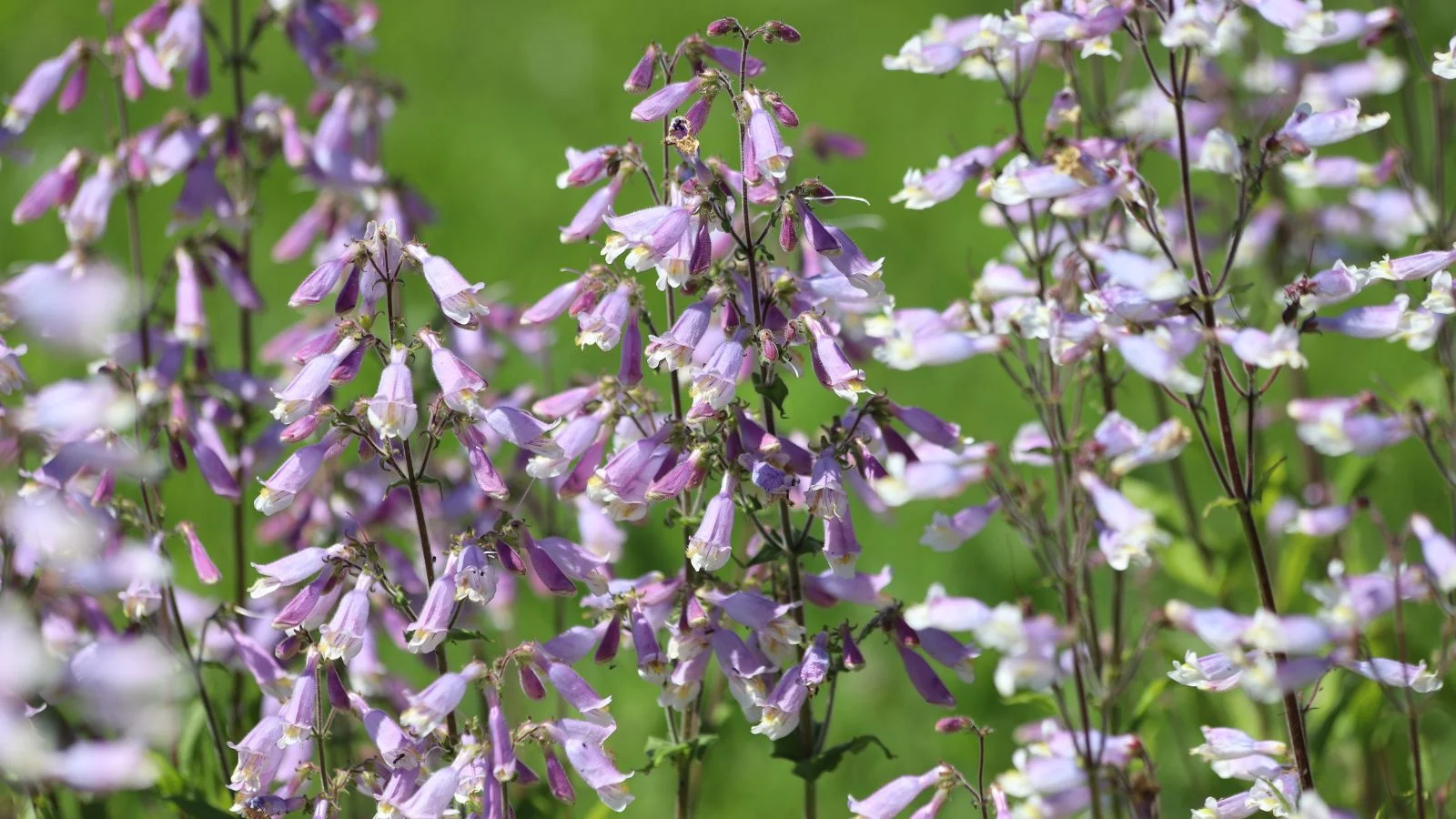 This drought-tolerant flower is ideal for rock gardens.
botanical name
Penstemon barbatus
sun requirements
Full sun
height
12”
hardiness zones
4-8
How about adding a blend of penstemon flowers to the garden in February for early blooms this year? If you decide to do so, grow the ‘Dazzler’ blend. This drought-tolerant beardtongue is ideal for rock gardens and regions with scarce rainfall. It can handle medium moisture where rain is plentiful, though.
Grow this one 6 to 8 weeks before your last frost, either indoors or directly in the garden. Keep your soil at 55°F (13°C), and these seeds will take off. Just press them into the surface and watch them take off.
‘Cherry Caramel’ Phlox
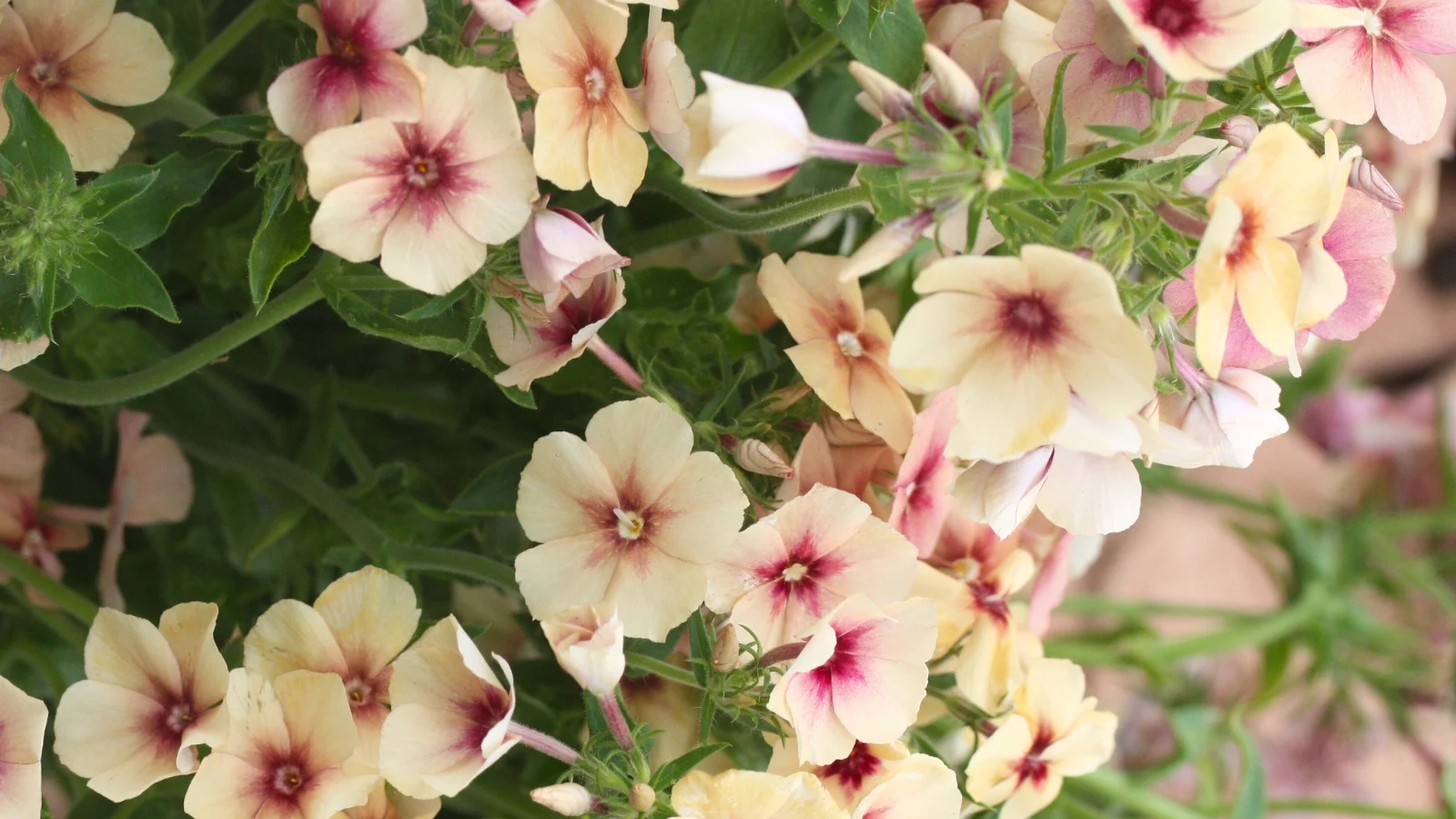 The flowers draw various types of pollinators.
botanical name
Phlox drummondii
sun requirements
Full sun to partial shade
height
15-25”
hardiness zones
2-11
Phlox is one of my favorite natives, and for that reason, I could not leave it off this list. We have a Texas native at Botanical Interests, called ‘Cherry Caramel’ phlox, which is a pollinator magnet and a 2009 Fleuroselect Novelty Award Winner. The flowers on this phlox are creamy-beige with dark cherry centers, which is different from your average solid-colored phlox.
These blooms can handle intense heat and stave off deer with ease. If you can, sow them directly two to four weeks after your last frost. They tend to be prone to transplant shock when sown indoors, but if you must do so, sow them in biodegradable pots 6 to 8 weeks before your last frost.










Also — This is a small change with a big impact — thanks! Love this!
Heads up • Good call — that’s worth trying. Saving it.
Heads up • Good call — that’s worth trying. Saving it.
Heads up • Good call — that’s worth trying. Saving it.
FYI — So snug — makes me want a cup of tea and a quiet afternoon ☕. Will try it.