
Introduction
There is a poetry in the quiet hum of bees weaving through balcony railings, their wings brushing against marigold petals bathed in golden hour light. A Balcony Garden is more than containers on a ledge—it is a microcosm of nature’s resilience, a testament to how even a shard of green can anchor the soul to the earth’s rhythm. In these compact spaces, we rewrite the urban narrative, transforming concrete voids into vibrant sanctuaries where blossoms blush and biodiversity thrives. To nurture a garden in the sky is to practice intentional living; every drop of water, every crumb of compost, becomes a ritual of remembrance. Below, I’ve gathered the soulful blueprint for crafting such a space—a fusion of practicality and wonder that invites bees to pollinate hope, and blossoms to dance like sparks in the breeze.
Balcony Garden sanctuaries thrive when they embrace both structure and surrender. Whether you’re a seasoned green thumb or a novice with a budding curiosity, this guide distills wisdom into actionable warmth. Let each section be a stepping stone toward harmony, where sustainability and serenity entwine.
Seasonal Context
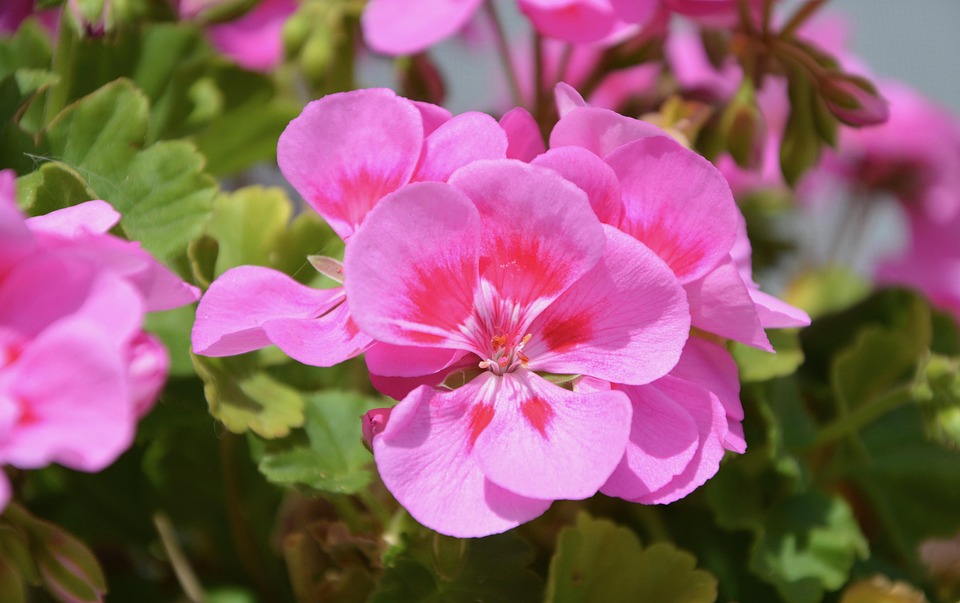
The magic of a Balcony Garden lies in its ability to mirror the seasons’ cyclical dance. In spring, when frost recedes and the air thrums with renewal, cherry blossoms cascade over railing edges, their petals cradling early pollinators. Summer brings a crescendo of color—scented geraniums, lavender, and sunflowers lean over planters, their nectar luring bees into a choreography of survival. Autumn ushers in a gentler palette: marigolds deepen to gold, herbs like thyme and sage retain their verdant defiance, while pumpkins nestle into woven baskets, offering a harvest of abundance. Winter, though colder, whispers of promise. Bare branches and dormant bulbs remind us that rest is as vital as bloom.
To align with Seasonal Flow, consider the rhythm of your local climate. In temperate zones, hardy snapdragons and calendula may bridge the pre-spring gap, while pollinator-friendly kales provide sustenance into late autumn. In colder regions, evergreen ferns or everbearing strawberries adapt gracefully to frost. The key is to observe—not control—a symbiotic relationship where plants and people alike honor the earth’s seasonal tides.
Practical Steps
Container Gardening for Compact Spaces
Success begins with containers that honor both form and function. Opt for pots with drainage holes, and line them with biodegradable sheets to minimize plastic waste. Tiered stands and wall-mounted shelves maximize verticality, allowing climbing beans or ivy to cascade like living waterfalls. Self-watering planters, such as fabric grow bags or terra cotta Smart Pots, regulate moisture without stagnation—a boon for busy hands.
When selecting seeds or seedlings, prioritize native plants or varieties bred for resilience. Nasturtiums and bee balm, for instance, are effortless allies for bees, while dwarf sunflowers add whimsy. Group containers by water needs: thirsty herbs like basil and mint in one zone, drought-tolerant sedums nearby. This intentional choreography reduces labor and nurtures balance.
Soil Preparation and Composting
A thriving Balcony Garden begins with nourished soil. Start with a pouch or small bin for compost—kitchen scraps like banana peels, eggshells, and coffee grounds transform into “black gold” through regular turning. Layer scraps with dry leaves or shredded newspapers to maintain carbon-to-nitrogen balance. Vermicomposting adds flair: red wiggler worms accelerate decomposition while aerating soil.
Before sprouting seeds, fill containers with a mix of organic potting soil enriched with worm castings or coconut coir. This moisture-loving medium prevents the compaction that stifles root growth. Top off with a 0.5-inch layer of mulch—such as shredded moss or bark—to suppress weeds and retain moisture like a forest floor cradling rain.
Watering Wisdom and Conservation
Water infrequently but deeply. Morning rituals of hand-tending allow roots to drink slowly, while saucers beneath pots catch excess for later reuse—a cycle that mirrors natural hydrology. In drought-prone regions, consider installing a drip irrigation system powered by rainwater harvested from a courtyard sail or gutter. Mulching, as noted, reduces evaporation, while grouping plants of similar needs streamlines watering efficiency.
Design Ideas with Soulful Flair
Material Choices Rooted in Nature
Let your design invite the textures of forest floors and coastal shores. Reclaimed wood planters, stone mosaic accents, and woven seagrass baskets evoke rustic charm. Integrate natural dyes: walnut shells for brown stains, beet skins for crimson hues, and coffee grounds for a textured finish. Avoid synthetic sealants; instead, finish surfaces with beeswax or plant-based oils, letting the materials breathe and age gracefully.
Cohesive Color and Sensory Palettes
A Balcony Garden becomes a sensory cathedral when color and scent unite. A blue-rilled geranium beside a white roses offers visual harmony, while citrus-scented geraniums near seating areas tap into aromatherapy’s calming effects. Consider a “color wheel” approach: opposite hues like purple and yellow vibrate intriguingly, while adjacent tones like coral and peach soothe the eye. Scented blossoms—jasmine, honeysuckle, and thyme—call pollinators while grounding you in olfactory joy.
Vertical and String Gardens
Strings suspended between railings or poles can cradle rosemary or strawberries, their tendrils dangling like morning light. Trellises for climbing peas or clematis turn blank walls into living art. Even chains can be repurposed: hang pots with leather cords or braided hemp for rustic elegance.
Sacred Rituals to Nurture the Spirit
Morning Tea Ritual
Begin each day by lighting a solar lantern and pouring jasmine tea over a weathered iron kettle. As steam curls into the air, linger with your Balcony Garden—trace the veins of a leaf, listen to bees humming hymns. This act of presence quiets the mind, aligning you with the day’s sacred cadence.
Evening Rotations
At sunset, sit by your garden with a journal, sketching the day’s mergers—how shadows lengthen across pots, how blossoms droop with contentment. Note what thrived and what withered; seed intention for tomorrow.
Moonlit Pruning and Gratitude
Under the full moon, gently prune overgrown stems, viewing the act as a release of stagnation. Say thanks aloud for the bees’ tireless work, for the sun’s warmth lingering on stone, for the soil’s quiet nourishment.
Eco-Friendly Soil and Water Solutions
DIY Composting for Small Spaces
A balanced compost bin—60% greens (veggie scraps, coffee grounds) and 40% browns (dry leaves, shredded cardboard)—creates ideal conditions for worms and microbes. Once dark, crumbly, and earthy, this “garden alchemy” can be mixed into pots monthly.
Water Catchment Systems
Attach a rain barrel to a gutter or awning to collect runoff. Shroud it with netting to deter mosquitoes, and thread a spout into your Balcony Garden to irrigate during dry spells. Even a modest catchment meets 40% of a garden’s water needs seasonally.
Inviting Wildlife Through Thoughtful Design
Pollinator Pathways on Miniaturized Scales
Plant “pocket prairies”—clusters of native flowers like goldenrod, coneflower, and salvia—to mimic wild meadows. Even a single verbena or milkweed patch draws bees and butterflies into your tiny oasis. Add a shallow water feature: a terracotta saucer with smooth stones for butterflies to perch.
Organic Pest Management
Encourage ladybugs and lacewings by growing fennel, yarrow, or dill—natural pest predators. If aphids appear, spray plants with diluted neem oil or a homemade solution of soap and water. Avoid chemical pesticides; they disrupt ecosystems and linger in soil for months.
Seasonal Projects for Joyful Engagement
Spring: Seed Bomb Crafting
As snow melts, roll balls of native wildflower seeds mixed with clay and compost. Toss them in neglected urban lots, transforming blighted spaces into pockets of color.
Summer: Bee Bath Installation
Fill a shallow bowl with freshwater, add river stones, and nestle it near flowering plants. Refill weekly to quench bees’ thirst—this becomes their equivalent of a meditation garden.
Autumn: Ceremonial Harvest
When marigolds sag with seed heads, gather them in woven baskets. Dry herbs in burlap sacks, host a potluck with friends, or press blossoms onto cards as invitations to your next season’s bounty.
Winter: Bare-Stalk Planting
Leave bundled stalks of milkweed or sunflower blooms in planters; birds feast on the seeds, completing the cycle.
Indoor Extensions: Blurring Boundaries
Carry the essence of your Balcony Garden indoors with potted thyme, basil, or compact citrus trees. Hang felted pom-poms infused with dried citrus rinds for aromatic ambiance. Even a windowsill herb patch keeps the rhythm of growth within sight.
Community and Shared Growth
Join or create a plant-sharing circle: swap seedlings, cuttings, or stories of garden triumphs and trials. Host a “tomato tasting” or “bee-friendly tea ceremony” to weave collective joy. Share surplus harvests through WIC programs or neighborhood fridges, ensuring your garden’s yield circulates as nourishment.
Conclusion
A Balcony Garden is ultimately a mirror—a reflection of how tenderly you care for both earth and self. In its soil, you find the centering force of roots; in its blooms, the dance of life’s impermanence. May your space forever hum with the chorus of bees, the blush of petals, and the quiet certainty that you, too, belong to this green continuum.
https://likeforest.com/tag/seasonal-mood
https://likeforest.com/tag/green-thumbs
















On a similar note – This tip on “BEST OF: Balcony Sanctuaries Where Bees” is so useful — thanks for sharing. Great share.
PS • What a charming tip — I’m inspired to try it. So cozy 💡