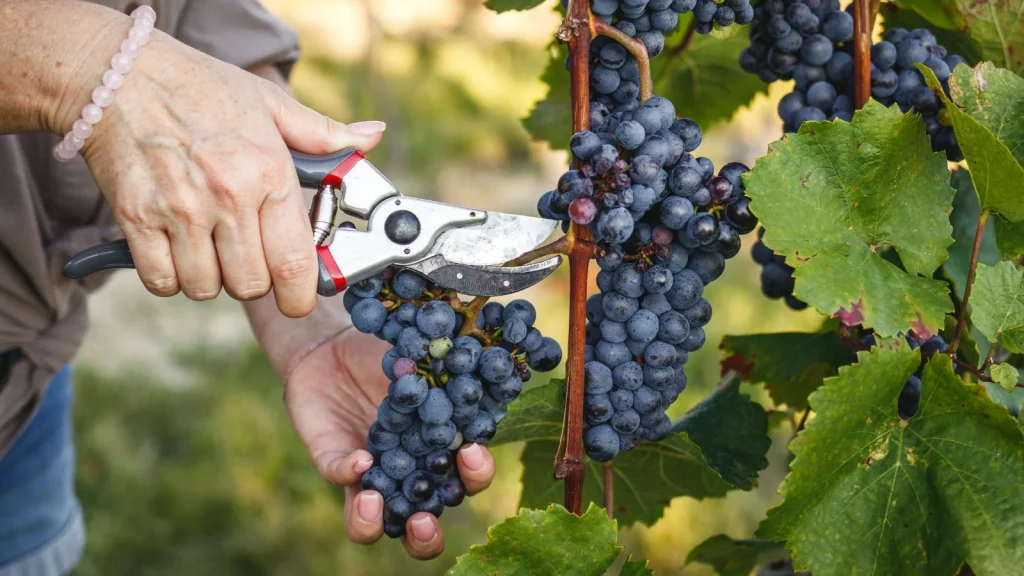
There are many plants to prune before spring, and you should take note of which plants in your garden need a snip. Even though winter’s cold may linger, dormant pruning is an important part of growing healthy plants. This focuses energy downward toward the root system, fortifying your plant before it’s time to push out flowers or new leaves.
After you figure out which plants to prune, wait for a dry day to prevent moisture from entering the pruning wounds. This dryness also helps the plant heal quickly and prevents pests from accessing the fleshier parts once they’re out in spring.
Winter is not a great time to prune plants that grow flowers on old growth, unless your plan is simply to shape the tree or shrub without sacrificing main branches. Some plants respond well to a full rejuvenation prune, which involves cutting them to the ground in an effort to revitalize them in spring.
Golden Treat™ Fruit Snacks™ Apple Tree
Golden Treat™ Fruit Snacks™ Apple Tree
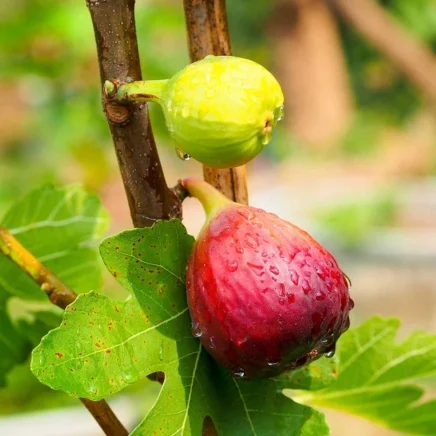
Chicago Hardy Fig Tree
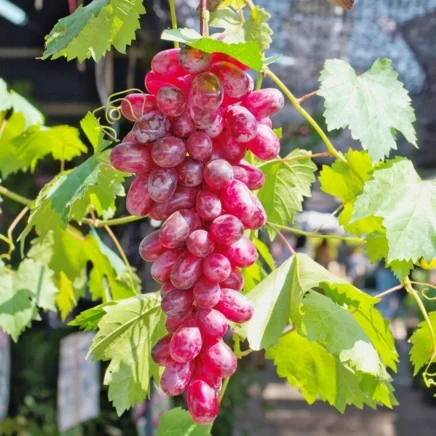
Flame Red Seedless Grape
Fruit Trees
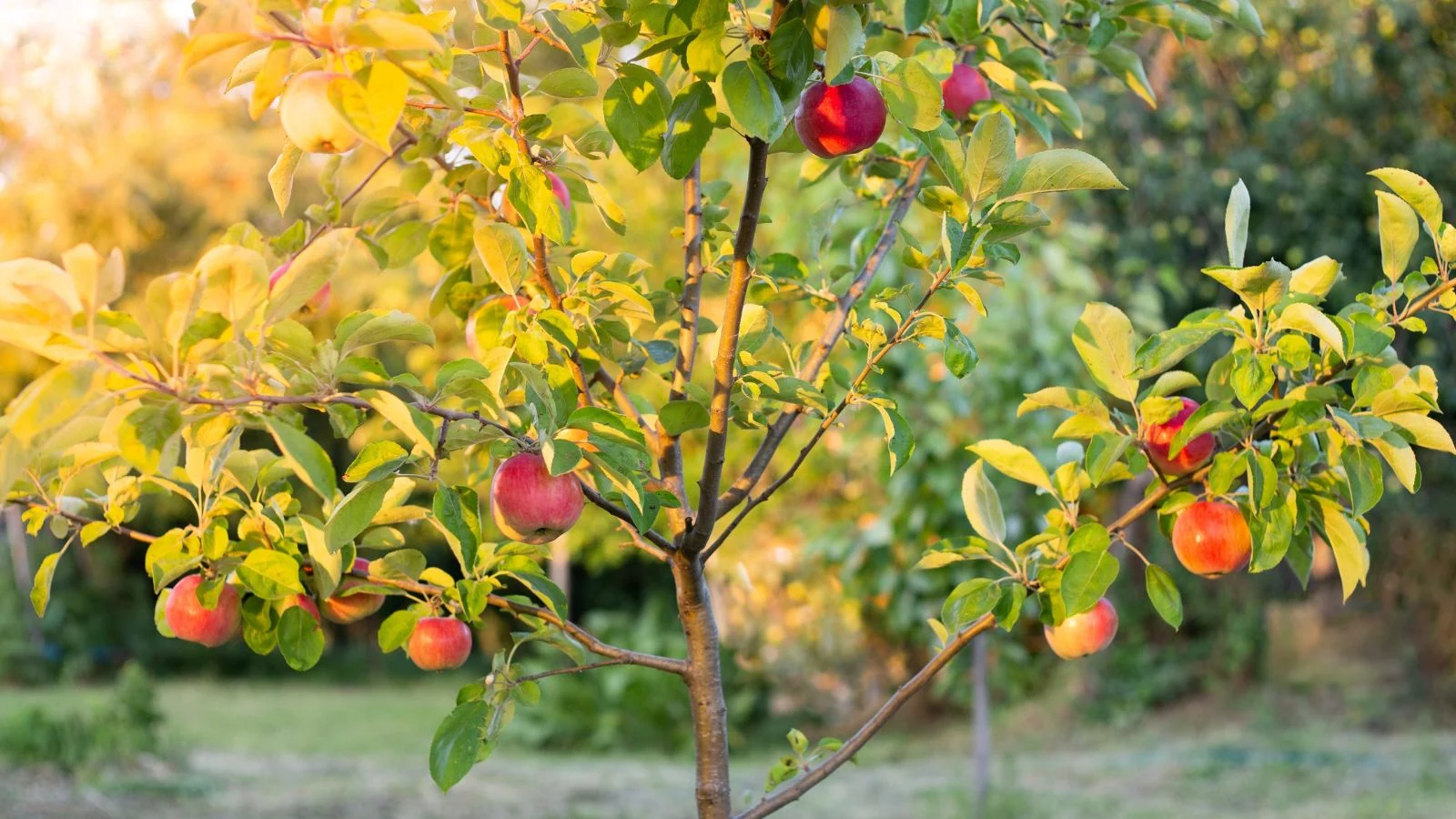 Prune now when branches are visible to shape the tree.
Winter is a great time to prune most (but not all) fruit trees. Fruits like apples, stonefruit, figs, pomegranates, persimmons, and even berry shrubs need a winter prune. While these are all plants to prune before spring, each may have its own particular way of pruning that suits it best.
However, there are similarities between apples, pears, figs, and stonefruit. Pruning in dormancy should occur just before or as budbreak occurs. The goal when you prune these trees is to shape the tree, open the canopy for better sunlight access, and promote air circulation.
Regardless of the tree or shrub, always remove diseased, damaged, or dying branches. This is what is known as the 3 D’s. You don’t have to wait for dormancy to remove these, but if you notice any, take them out. This redirects energy toward healthy branches and upcoming blooms or leaves.
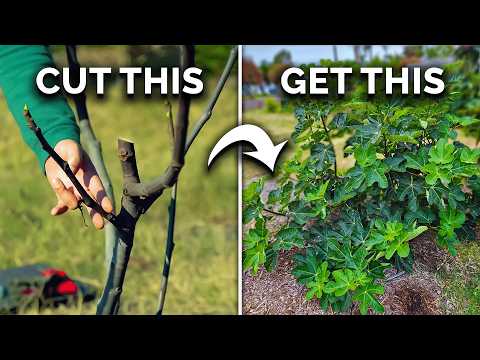
Grapes
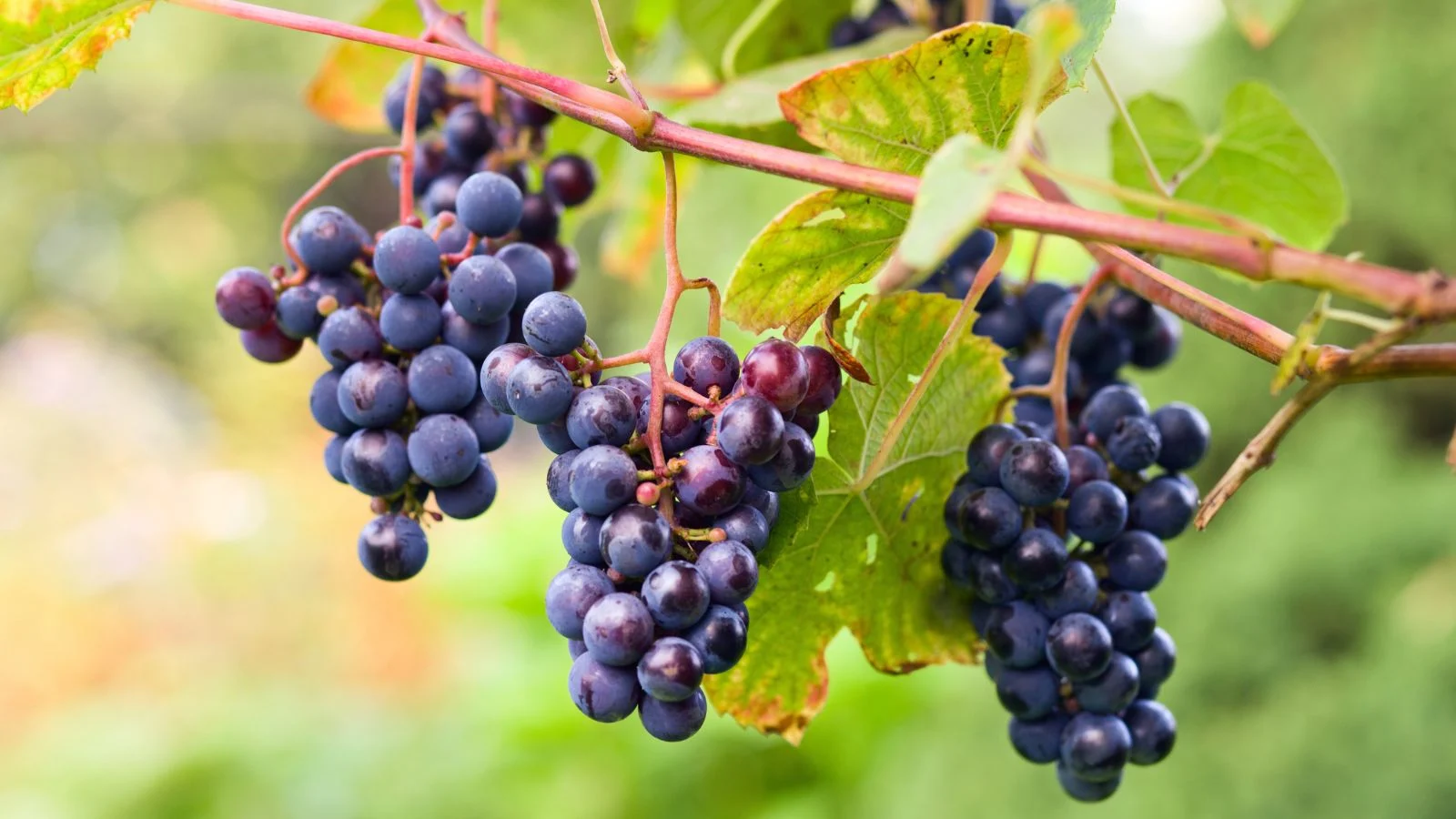 Grapes need a big cut back to fruit successfully.

botanical name
Vitis vinifera

sun requirements
Full sun

height
20′

hardiness zones
6-10
Before spring, while winter is still in play, prune your grapevines. Because they’ve lost their leaves, you get a much better sense of the structure of the vines, and making cuts is easier. Grapevines need dramatic cuts in winter to set tons of delicious fruit in summer.
Most home gardeners use the high wire cordon (HWC) system, which involves removing all but a main trunk and two branches that diverge in opposite directions from that main trunk. Then these branches are pruned back to the first two to three buds per spur.
There are plenty of other pruning styles and methods that are just as appropriate for home gardens and vineyards alike. In all cases, any unproductive parts of the plant should be removed, and so should any side shoots. The idea is to reduce the number of shoots and condense growth into productive branches, or cordons.
Serviceberry
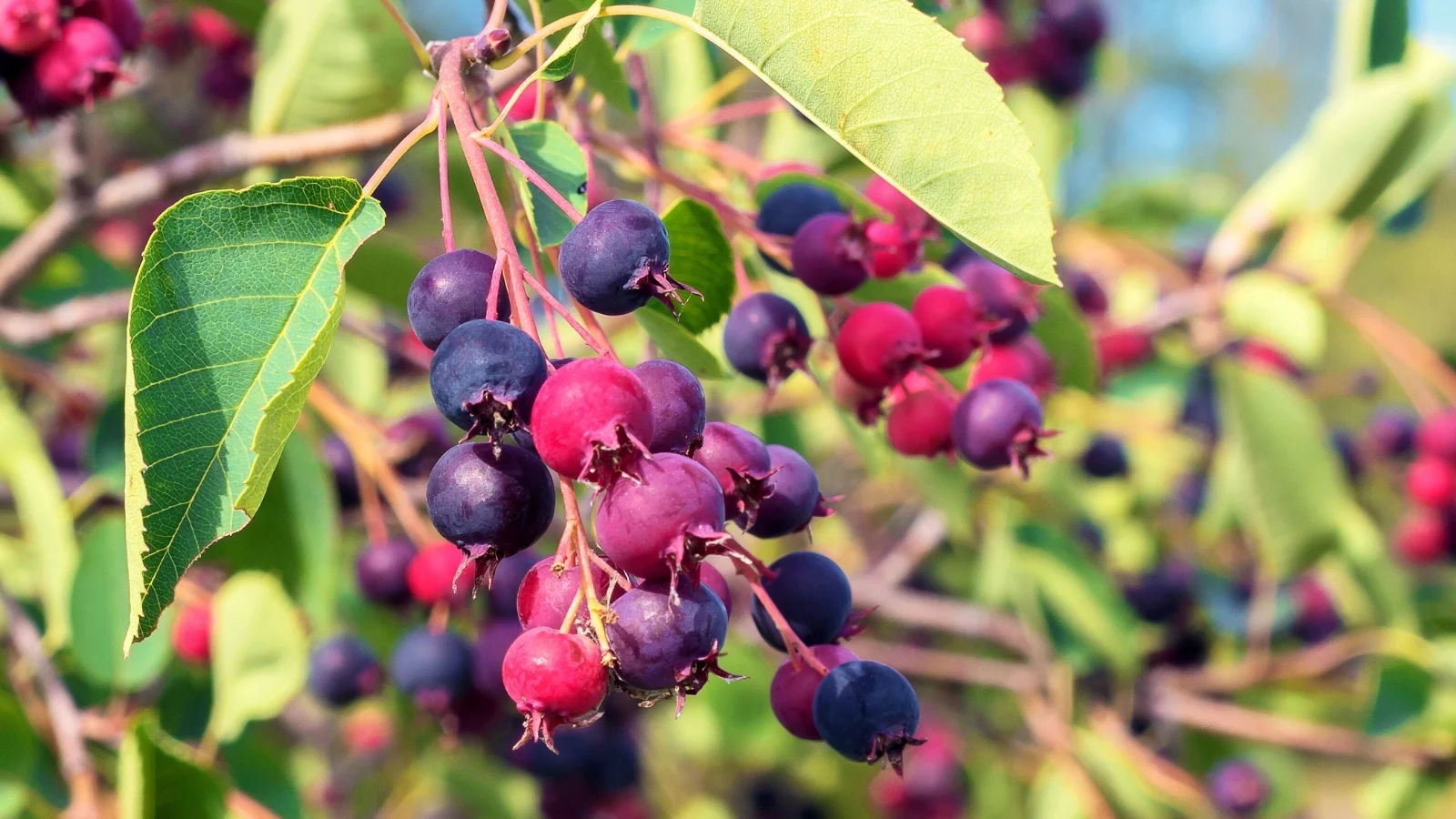 Remove suckers and crossing branches.
botanical name
Amelanchier spp.
sun requirements
Full sun to full shade
height
15-25′
hardiness zones
4-9
Serviceberry trees provide a huge boon to their native ecosystems. They support pollinators, birds, and mammals, all while providing a lovely display for any garden they’re planted in. With roughly 30 species, there is likely one native to your region. Once they’re planted, they’re easy to grow.
In winter, remove the suckers near the base of your tree. Follow up by taking out any crossing branches that rub against one another. Don’t forget the 3 Ds! In the first three years of your tree’s growth, keep pruning light. Then aim to replace fruiting wood every three to four years after that.
Catmint
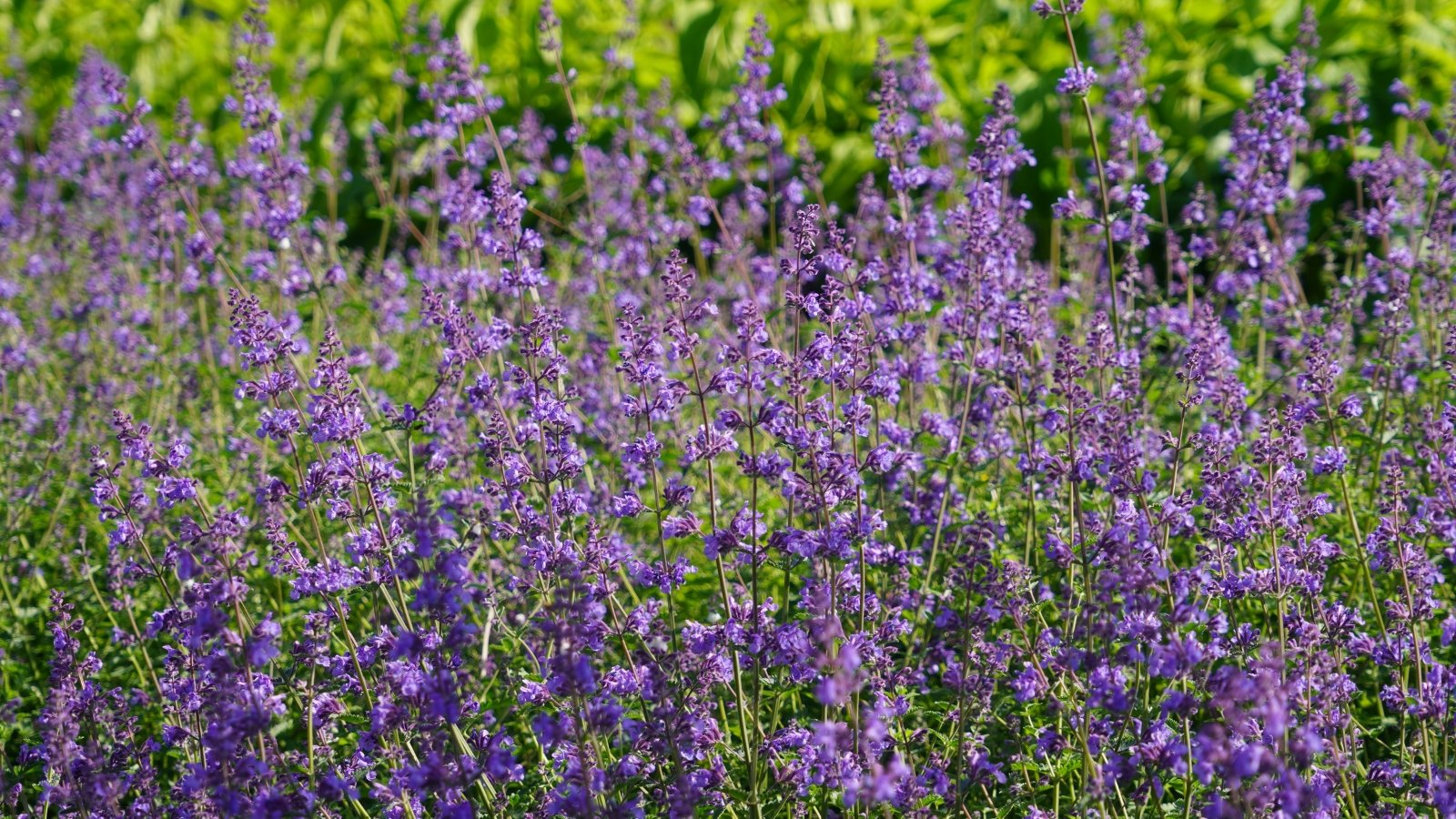 Prune to control growth and improve flowering.
botanical name
Nepeta spp.
sun requirements
Full sun
height
1-3′
hardiness zones
3-8
Growing catmint is easy due to the fact that it belongs to the mint family. Plants in Lamiaceae tend to spread and sprawl easily on their own with little assistance. Some, like common mint, tend to spread outside their bounds, but catmint is better adapted than that. Still, you can prune your catmint to the ground in winter to spur tons of healthy new growth in spring.
There are many varieties of catmint to grow and enjoy in your garden if you don’t already have a plant in place. The leaves are lovely in tisanes, where they provide a calming effect. Note that catmint shrubs will attract cats of all kinds, so be careful where you plant yours.
Spirea
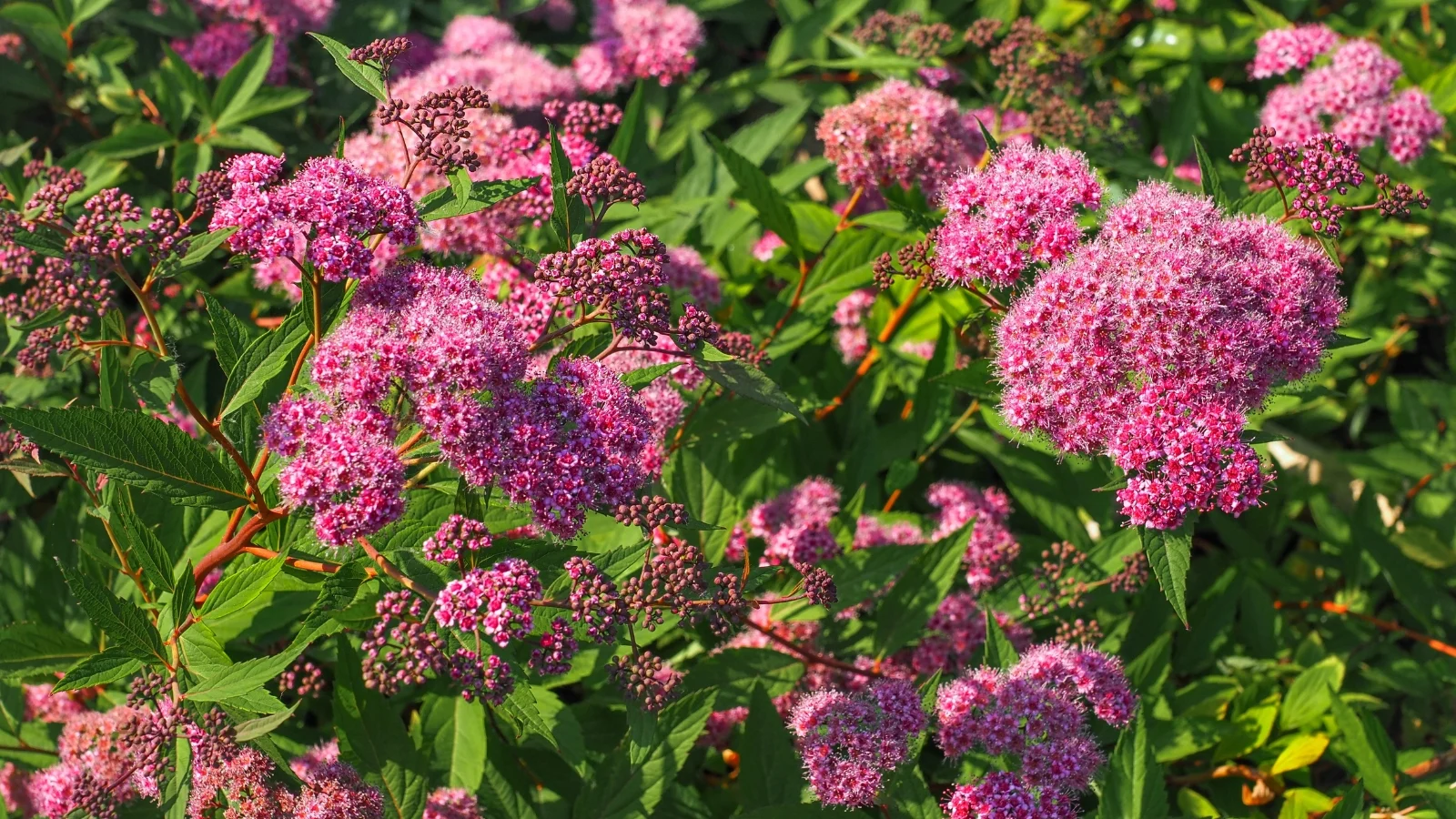 Check your specific variety before you decide whether to prune these plants before spring.
botanical name
Spirea spp.
sun requirements
Full sun to partial shade
height
2-5′
hardiness zones
4-9
The tightly bound compound flowers of spirea are perfect for hedges and pollinator gardens, where bees and butterflies flock to enjoy its nectar. In winter, the leaves drop, and all that remains of the flowers are dried, brown seed capsules. This dormant period is a great time to give yours a snip.
Before you pop your spirea into your list of plants to prune before spring, make note of whether or not it produces blooms on old wood or on new growth. For those that bloom on old wood, don’t prune much. For those that flower on new growth, a heavier haircut is good for promoting more blooms in summer.
Forsythia
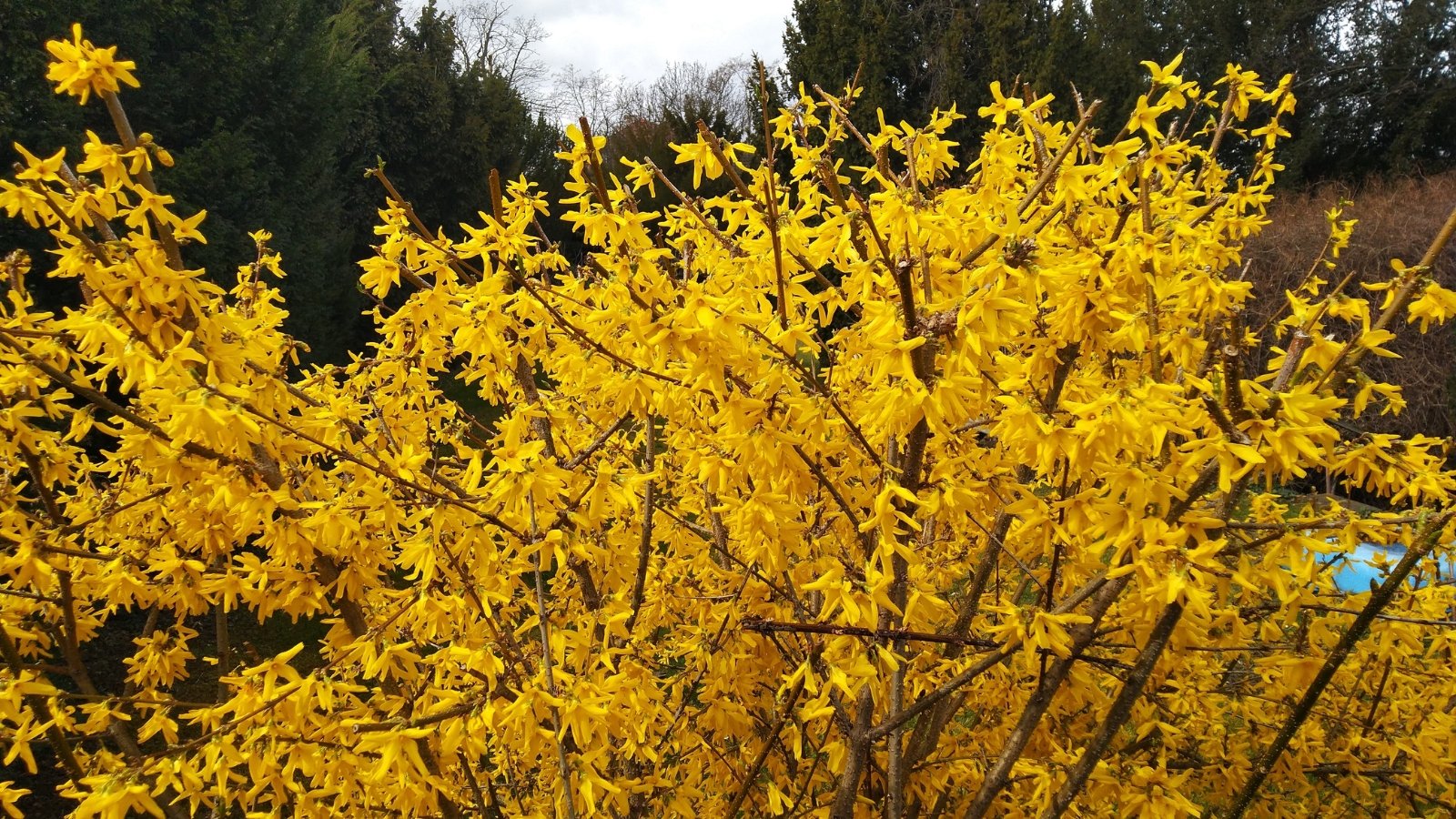 Only prune shrubs that are overgrown.
botanical name
Forsythia spp.
sun requirements
Full sun to partial shade
height
3-10′
hardiness zones
5-8
You do not have to prune your forsythia in winter at all, but you can if yours has become super unruly. However, remove small bits at a time. In early spring, this shrub produces bright, golden blooms on last year’s wood. More than light shaping can limit that early spring display.
If you accidentally remove a large branch, take it indoors and encourage it to flower before winter is over. This brings that sunny show of blooms into your home, giving you a little preview of what’s to come outdoors when conditions are right.
Panicle and Smooth Hydrangeas
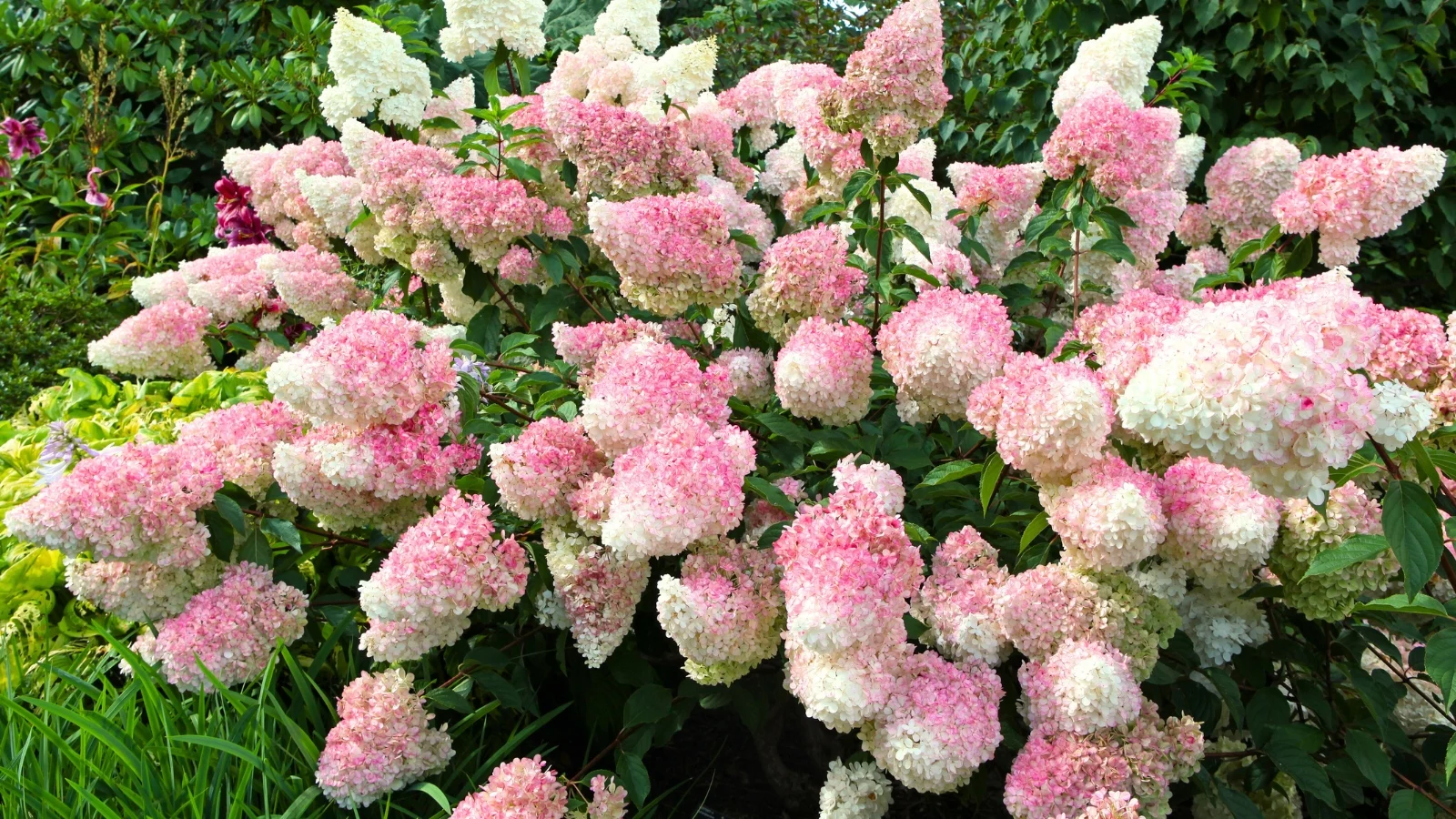 Don’t prune all your hydrangeas before spring; only these types.
botanical name
Hydrangea arborescens, Hydrangea paniculata
sun requirements
Full sun to partial shade
height
3-25′
hardiness zones
3-9
Like others on this list, smooth and panicle hydrangeas are great plants to prune before spring. That’s because they bloom on new wood, whereas other hydrangeas bloom on old wood and should be pruned after they bloom in summer.
Panicle hydrangeas grow tall and climb, while smooth hydrangeas remain very small. Therefore, keep your smooth hydrangea pruning minimal, and severely prune panicle hydrangeas. Both will thank you in spring in the form of plentiful flowers.