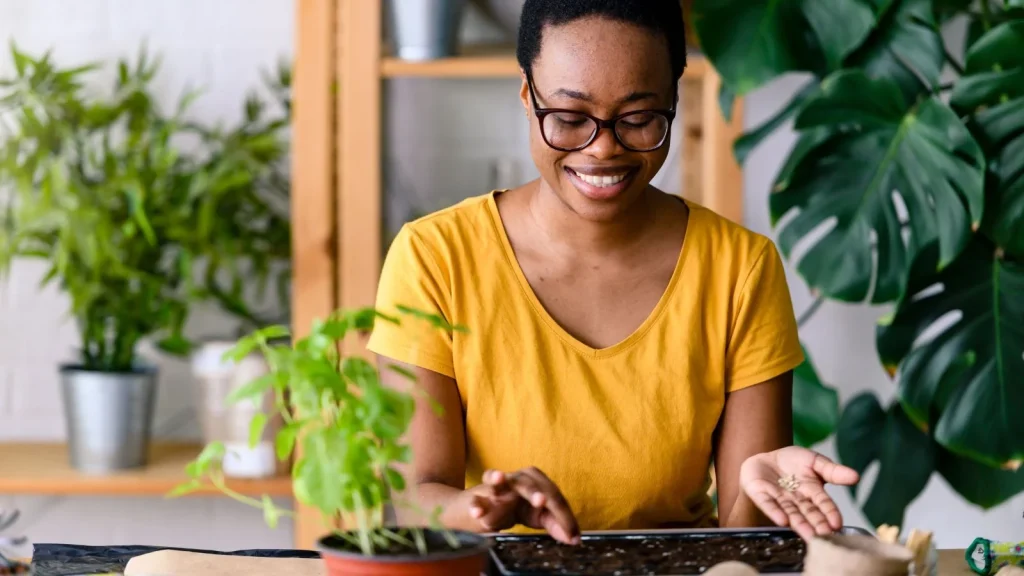
February is a cold month for most of North America. Unless you’re in frost-free areas, most of the growing happens indoors. So it’s good to know what to plant in February, zone by zone. That way, growers in colder zones are just as empowered with information as those in more subtropical ones.
In most places, it’s time to sow cold-weather crops, and get the longer maturing ones started in a protected space. Having a seed starting station to grow your seeds really helps, and even in my region (zone 8b), it’s nice to have outdoor spaces under cover to grow more cold-tolerant seeds.
In this piece, each subsequent zone can plant everything in the previous zone, plus a little more. This is due to the increasingly warm conditions that occur the closer you get to the equator. Make note of your zone, and let’s discuss what you can grow this month!
Epic GardenBox Greenhouse
Epic GardenBox Greenhouse
Critter Cover Frost Blanket
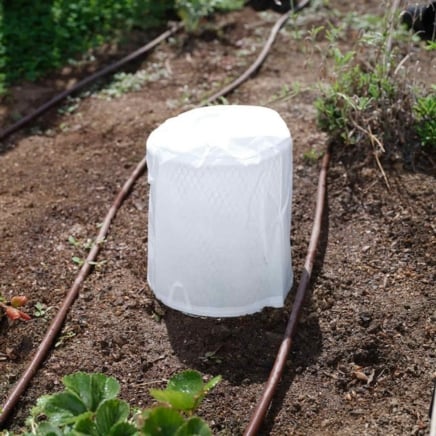
Critter Cover Frost Blanket (10 pack)
Critter Cage – Plant Protectors
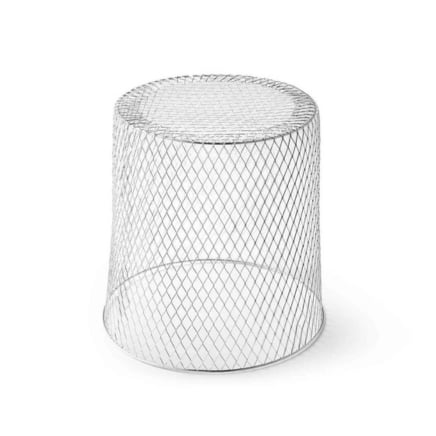
Critter Cage – Plant Protectors (10 pack)
Zones 1-3
 It’s still cold this month in these zones.
In zones 1, 2, and 3, it’s still very cold. The last frost dates for these regions are at the earliest in May, and for some in June. Because it’s not the best time to start most seeds, get your seed starting station set up. Use an expertly-crafted kit, or repurpose old containers. If you have a heat mat and grow light handy, even better! If not, a sunny window in a warm room is just fine.
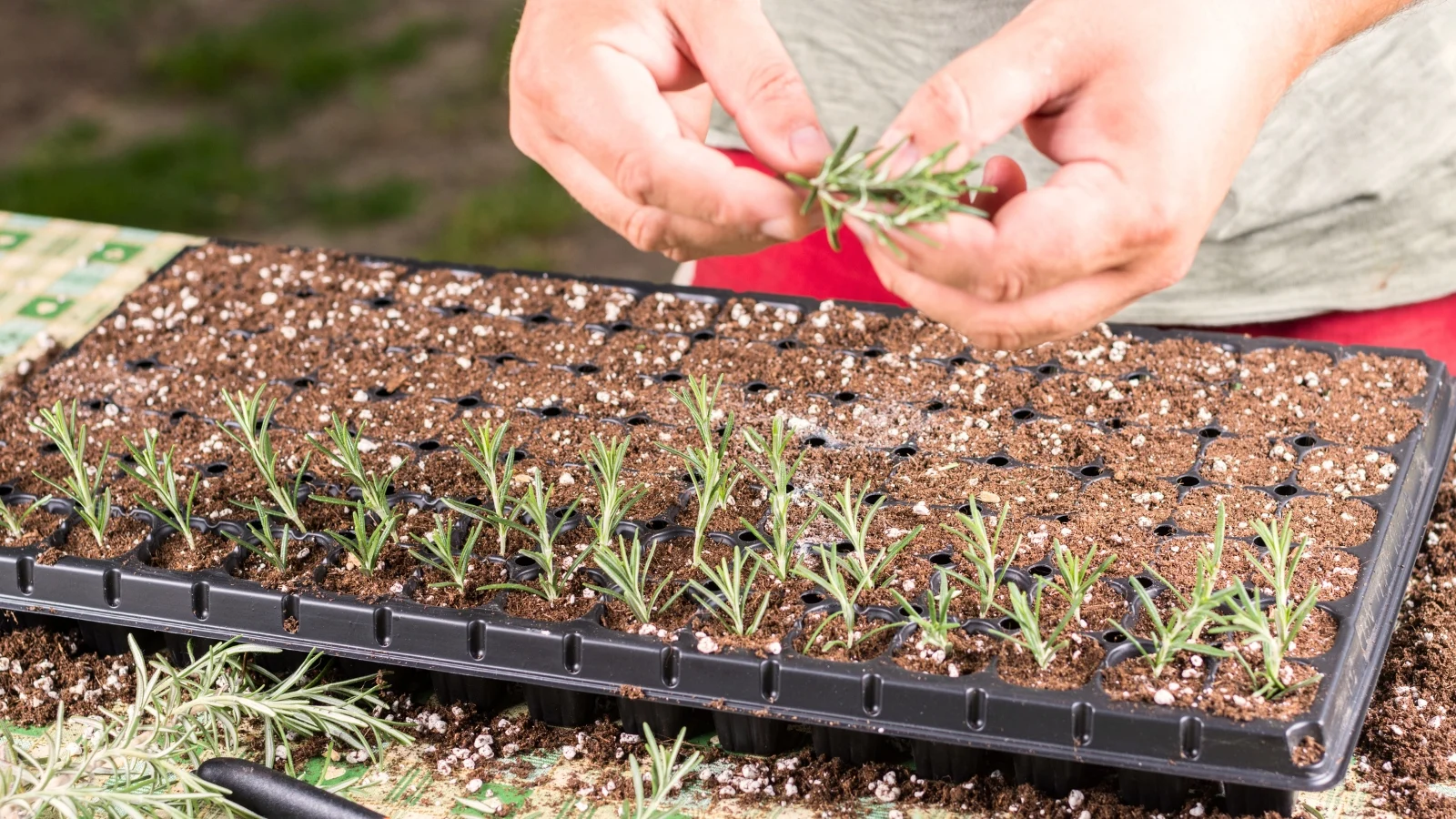
Once you have your station set up, sow herbs that take a long time to sprout from seed. Rosemary, sage, and parsley are all slightly cold-hardy and will be ready in time to transplant after the frost has passed. Use this winter chill to get a head start indoors. You can also plant cuttings of rosemary plants at this time.
Microgreens are a great option for growers in the subarctic region, especially for those who have the itch to grow something. They don’t require light at first, and all you really need is a sterile container (which can be a repurposed one), a substrate, and the seeds.
Zone 4
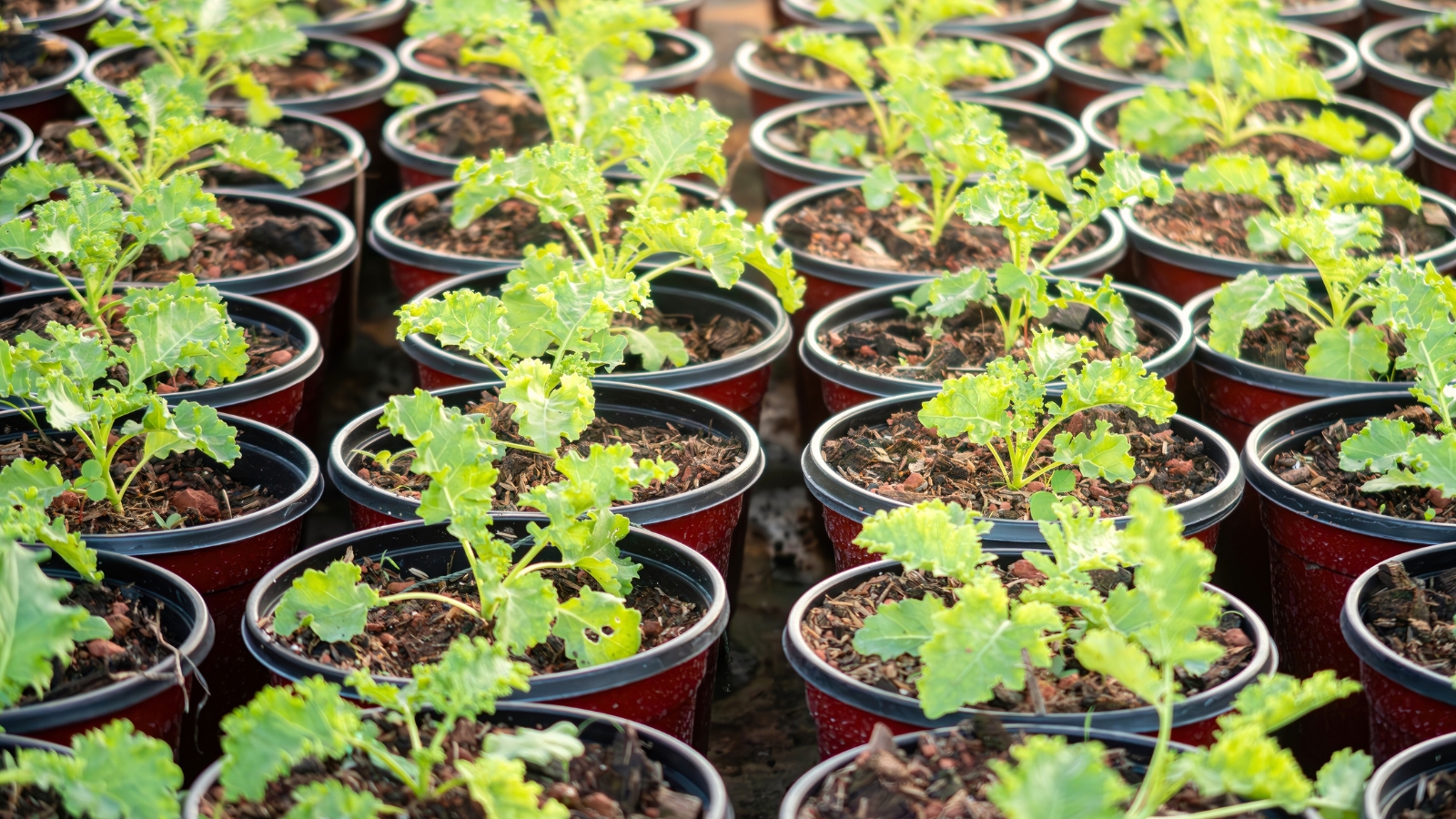 There is still time for winter sowing outdoors.
In zone 4, it’s still very cold, but this time is great for starting seeds that need a cold period to germinate. Winter sow perennials outdoors to get a good head start on the season. These seedlings will be ready to transplant just as the frost passes.
Sow seeds like echinacea, yarrow, columbine, and bee balm. Choose native species that support your local ecology.
Cold-hardy alliums like leeks are good for starting now. Start them indoors, or under the cover of a cold frame or low tunnel. A greenhouse that can shield some of the cold is a good place to start them, too. You can also throw in some brassica seeds, but note these will need larger containers to grow in before they can be placed or planted outdoors.
Zones 5 and 6
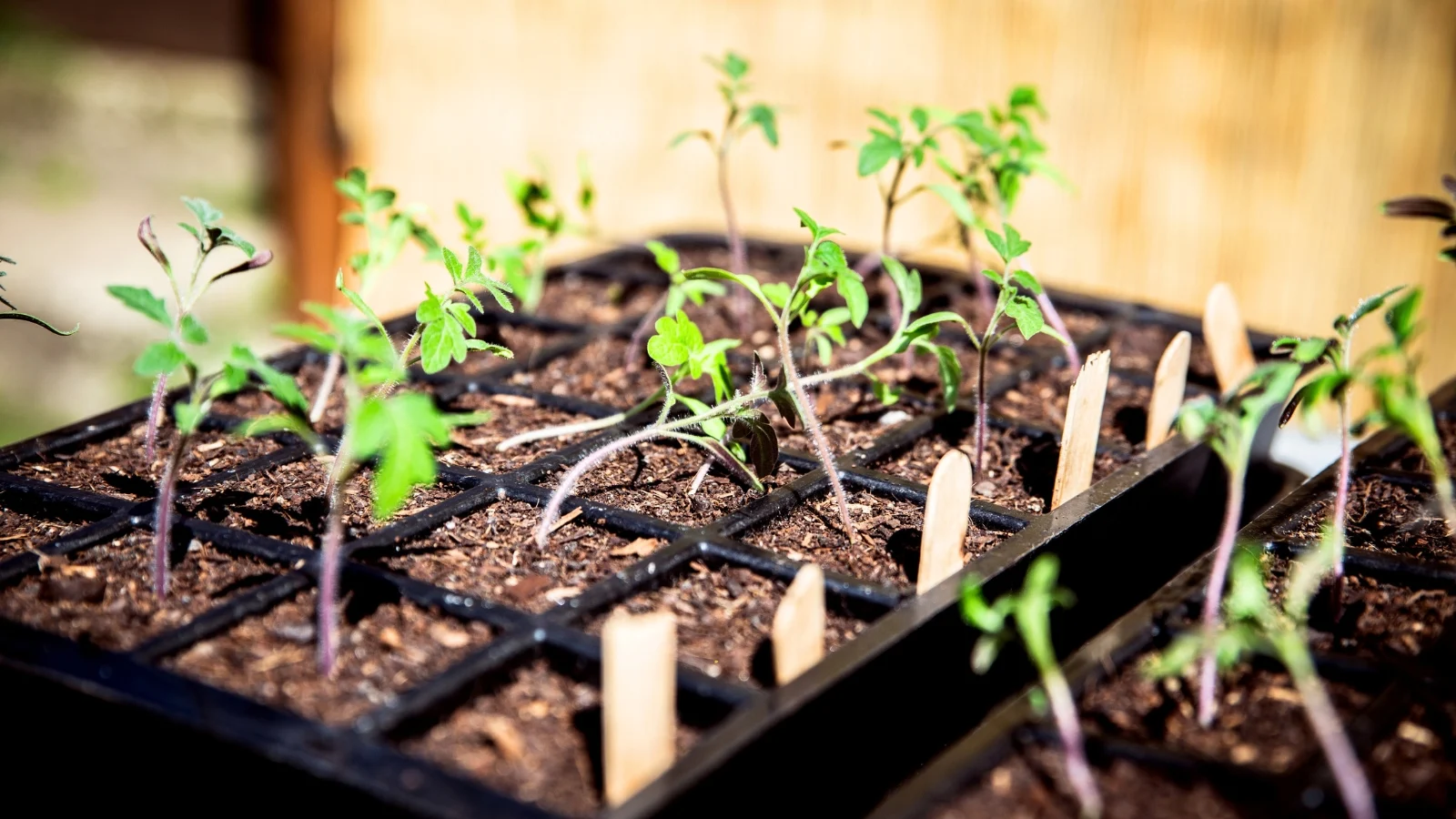 Your specific location will determine what to plant in February in your zone.
Now that it’s warmer, growers may wonder what to plant in February. Zones 5 and 6 are primed for starting tomatoes and peppers indoors. Both crops take a while to sprout and need some care before they can be planted out. If you start yours now, they’ll need to be up-potted once before transplant. But get these going, and they will thrive once the frost has passed.
Pop bare-root strawberries in containers in preparation for transplanting as soon as spring begins and the frost passes. If you help your strawberries develop strong root systems now, it will pay off in spring, and you’ll be well on your way to a good harvest by summertime.
Sow onion seeds in your seed starting station along with your tomatoes and peppers. These are great companions for your warm-weather crops, and they take a long time to mature. They can handle a bit of cold, but they’ll need time to sprout before conditions allow for transplant.

Zone 7
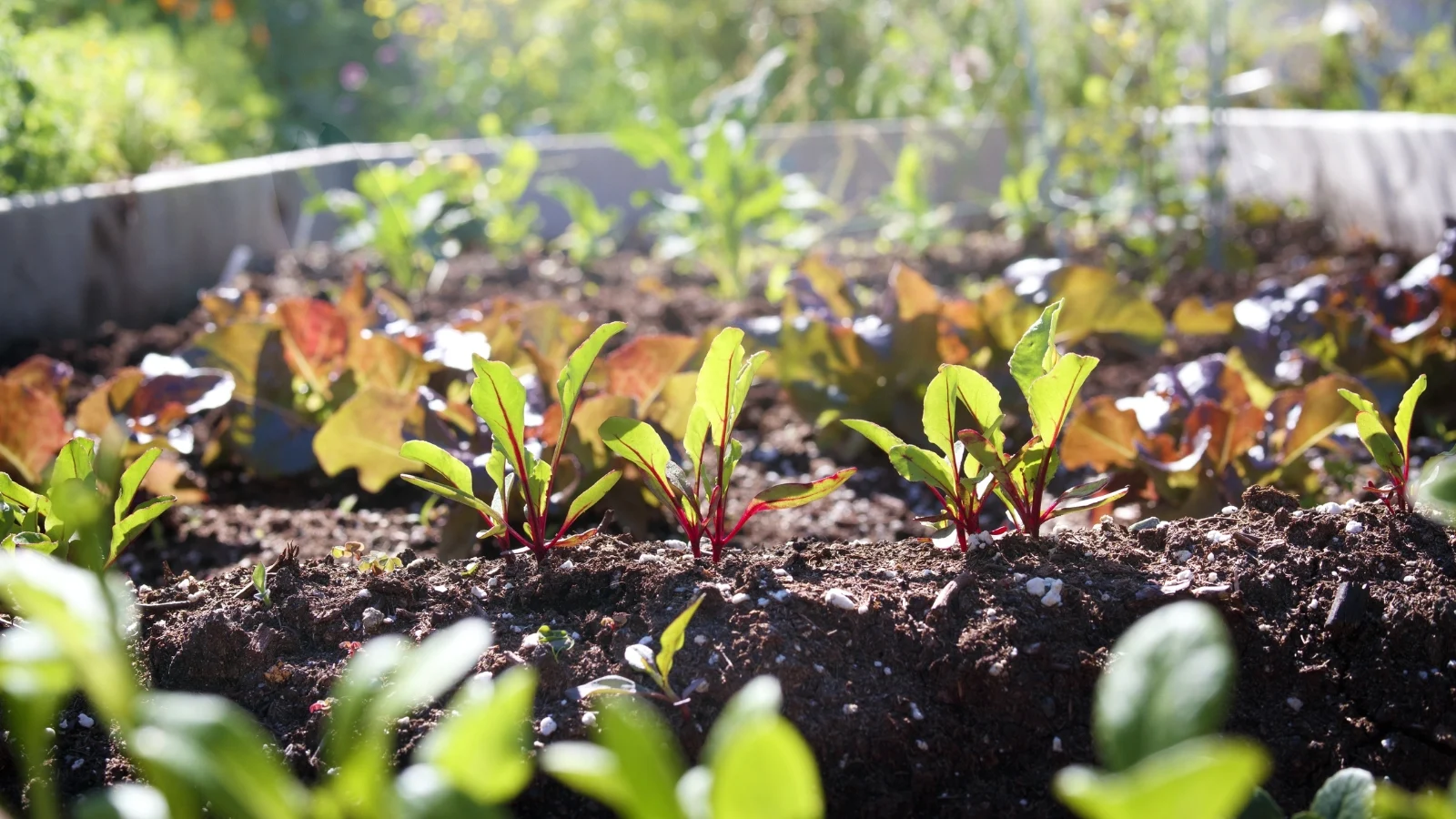 Sow cold-hardy crops this month for early establishment.
In zone 7, your last frost is about a month away. It’s a perfect time to sow some cold-hardy crops, like brassicas, lettuces, and other leafy greens. Get them ready to go out in the garden as soon as they’re mature enough to transplant. Provide a cover to keep the pests away.
Peas (especially cold-hardy ones) can be direct sown now. The same goes for some root crops. Beets, carrots, and parsnips all love the cold weather that lingers in almost frost-free zone 7. If necessary, utilize cold frames, modular greenhouses, and indoor spaces to protect your crops from freezing temperatures.
Zone 8
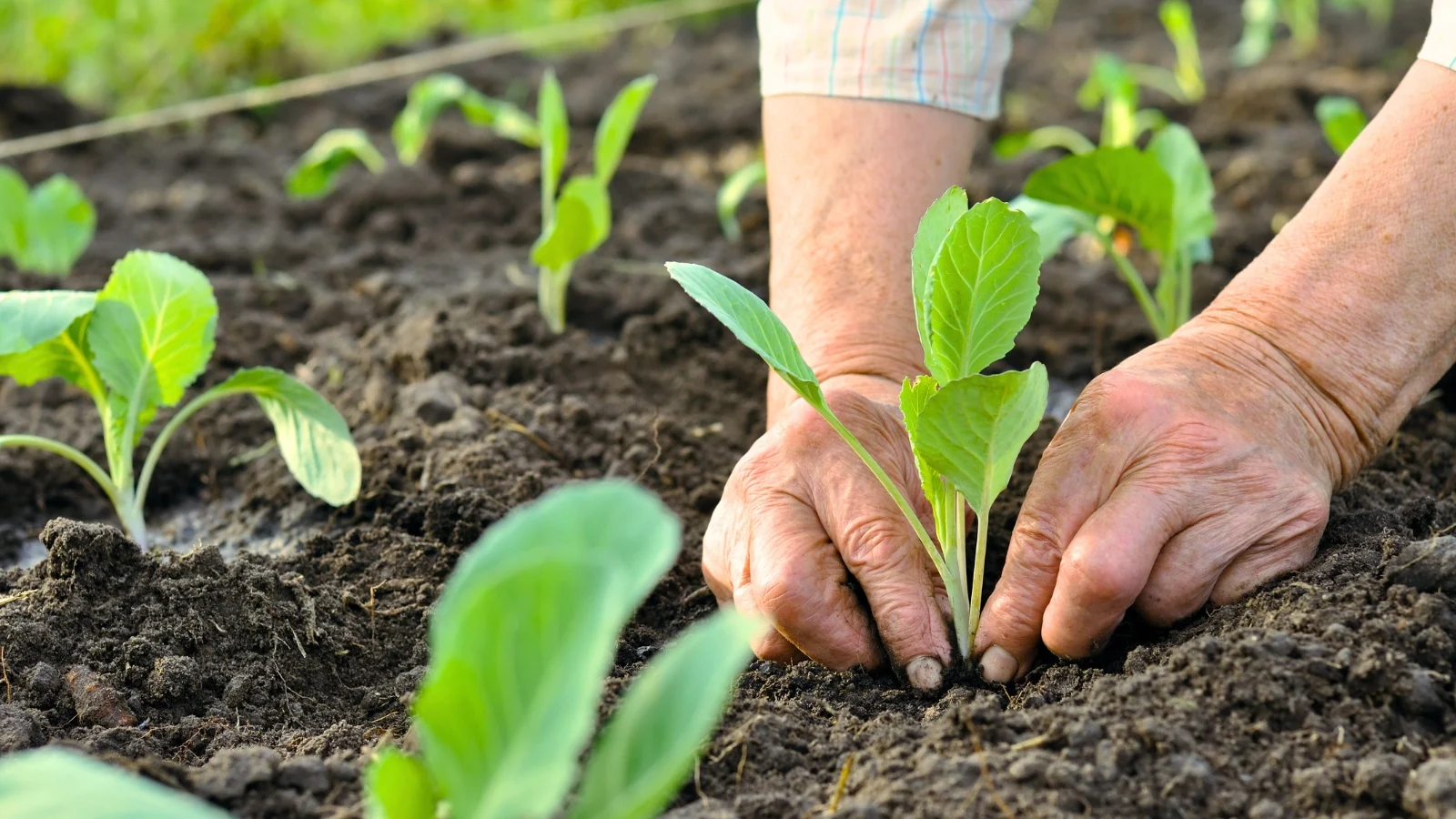 Stick with cold-tolerant crops if you’re direct sowing.
Here in zone 8, we’re still under the sheets of ice that tend to come in late winter. However, I have cole crops and cold-hardy greens in my seed starting station indoors. In my cold frame outside, I have a few native plants sprouting. These are the ones that don’t require cold stratification.
You can start more cold-tolerant beans in areas where frost is slowly leaving. Frost dates in zone 8 range from early to mid-March, so start seeds indoors that need a few weeks to mature. Then plant them outdoors when the last frost has passed.
I know sometimes that frost date isn’t as specific as needed, and there is sometimes one final frost around Easter. Have your cover ready just in case.
Zones 9-12
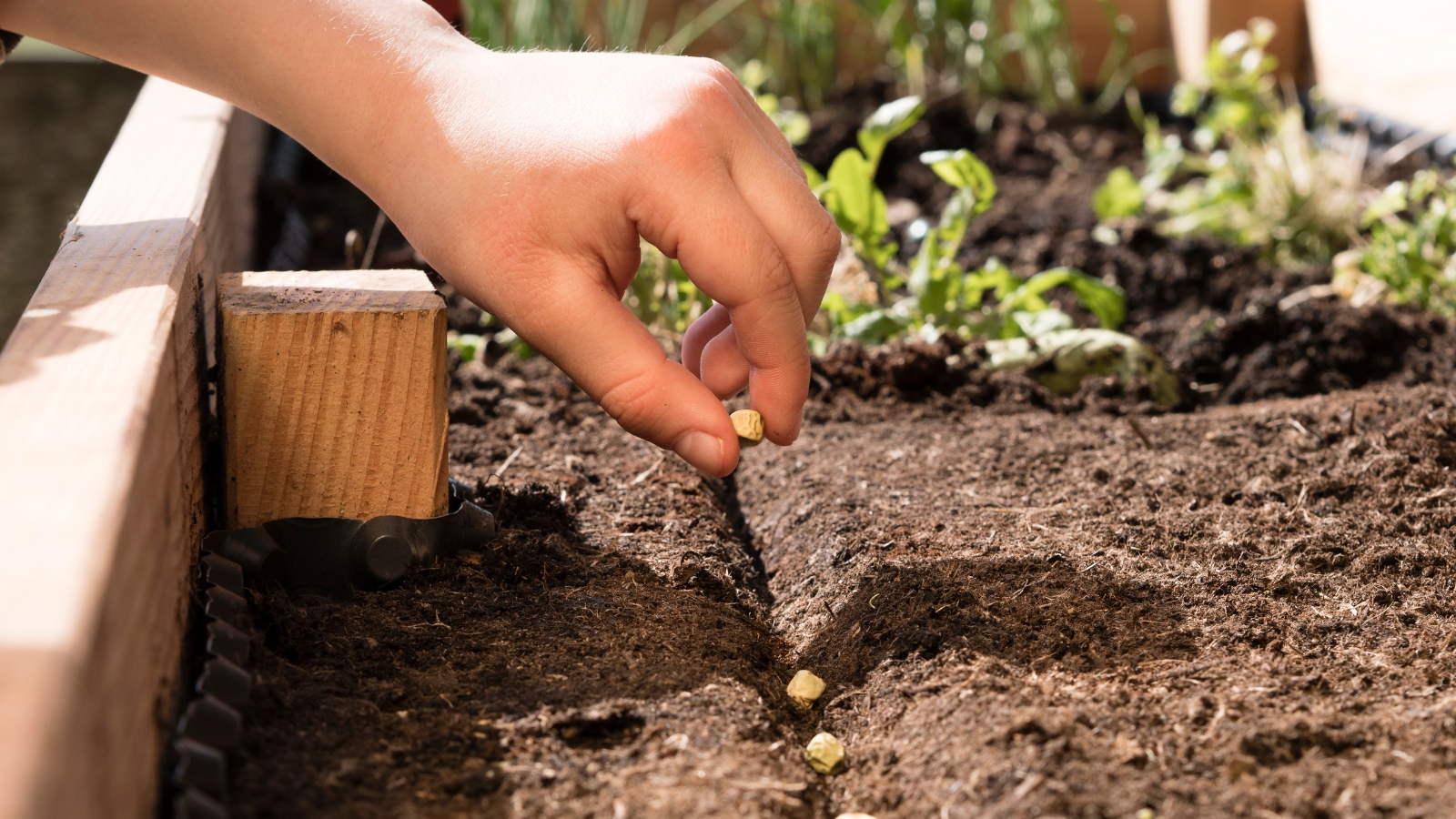 In warmer zones, you can plant almost anything.
While zone 9 may have some frost, zones 10 through 12 have no frost, so almost anything that doesn’t require frost to grow is fair game.
If you’re sowing directly in these areas, ensure you have cultural controls in place to protect young seedlings from pests and diseases that thrive in the temperate and warm seasons. Use day length to give you the best idea of what is worth sowing and what can wait for later in the fall.
Key Takeaways
If you’re wondering what to plant in February, zone by zone, hopefully this covers all the questions you had! Note the following as you get started on the spring season:
- In subarctic zones 1 through 3, get your seed starting station together, and grow some microgreens if you can’t wait to harvest something.
- In zones 4 through 8, frost lingers, but there’s plenty to do. Warmer areas can sow under cover and indoors. In these places, it’s good to get a head start on the season, even if it means up-potting a few plants before placing them outdoors.
- In zones 9 through 12, there is very little to no frost. Use the day length to determine what you can plant and what you can’t. Always be ready for pests and diseases.