
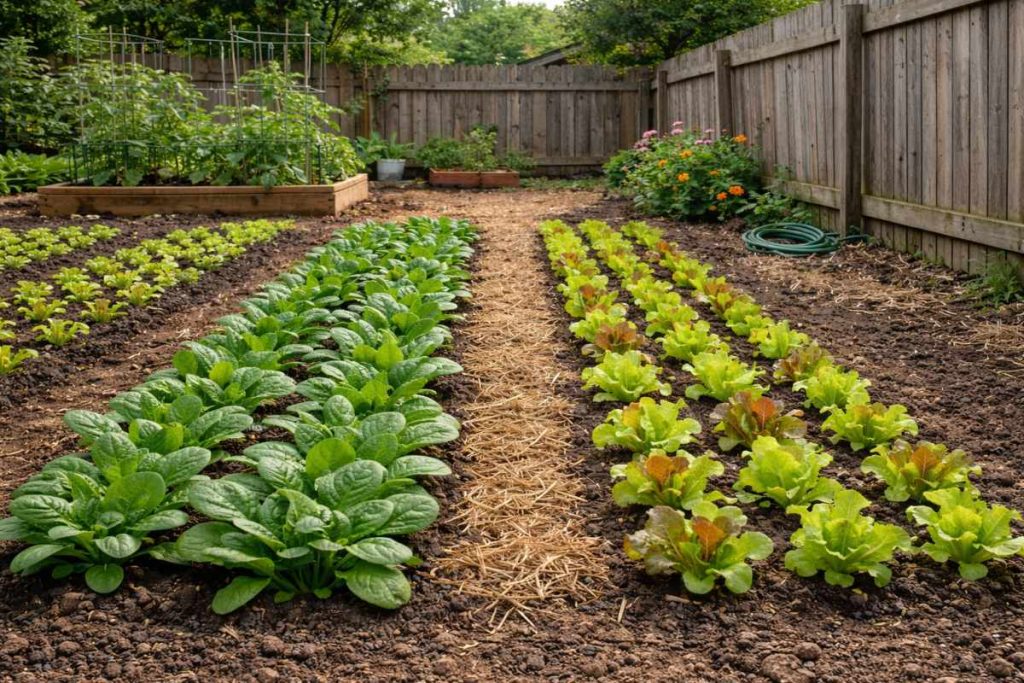
Vegetables plant spring — a quick note to anchor this piece for readers.
Vegetables plant spring: Quick notes
If you’ve a dream to enjoy delicious fresh veggies straight from your backyard, then this is the moment to roll up your sleeves.
Spring is regarded as the season of gardening due to its mild weather and longer days. It’s really fascinating and rewarding at the same time to see your seedlings grow day by day without worrying too much about the extreme temperatures.
Getting your hands a little muddy now means a steady and satisfying harvest in the coming days.
Though spring has the perfect weather to grow most vegetables, good soil prep and smart plant choices make all the difference in how well your garden turns out.
Just take it step by step and don’t overthink it — gardening is all about learning as you go. Before you know it, your backyard will be filled with fresh greens and veggies you grew with your own hands.
19 Vegetables to Plant in Spring
From quick-growing greens to crunchy root vegetables, spring planting gives you plenty of options to fill your garden beds with life. The vegetables listed below are easy to grow, rewarding, and perfect for making the most of the season.
Whether you’re planting in pots, raised beds, or a backyard patch, these vegetables are great choices to kick off a healthy and productive garden.
1. Lettuce
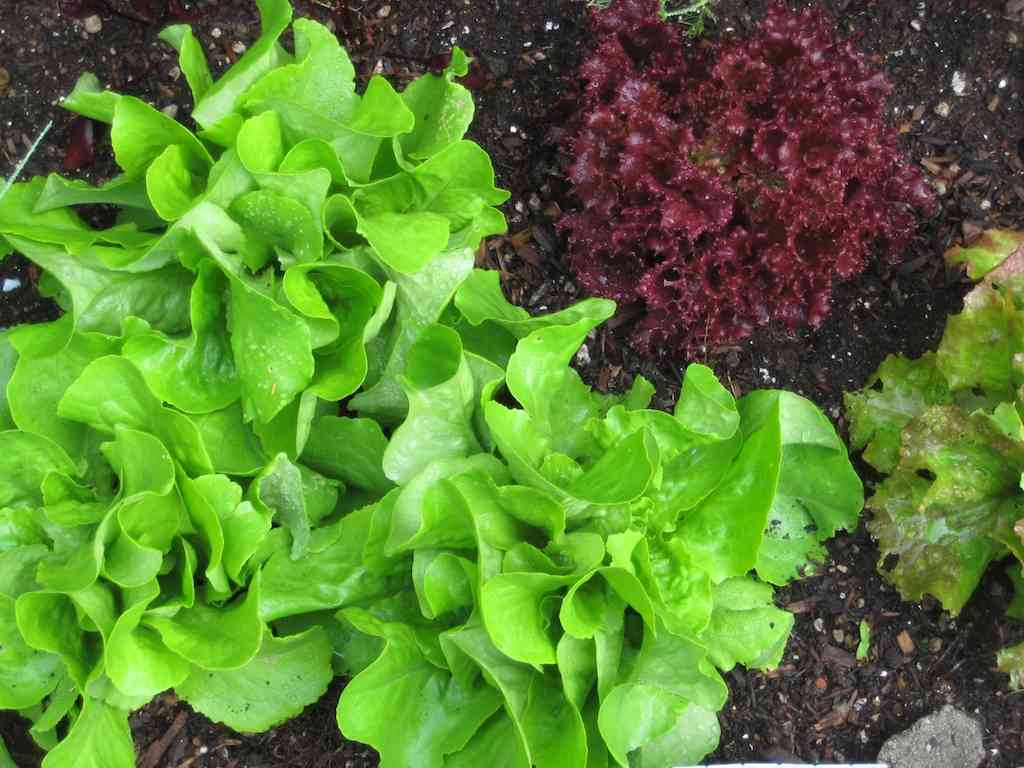
Lettuce loves cool, gentle spring weather and grows best in loose, well-drained soil. Give it a spot with morning sun and a little afternoon shade for happy leaves.
Water it often, but don’t let the soil turn soggy. Soft, moist soil keeps the leaves crisp and fresh.
You can harvest lettuce little by little instead of pulling out the whole plant. Just snip the outer leaves and let the center keep growing.
It grows fast and doesn’t need much space, which makes it perfect for small gardens or pots. Plus, nothing beats fresh salad straight from your backyard.
2. Carrot
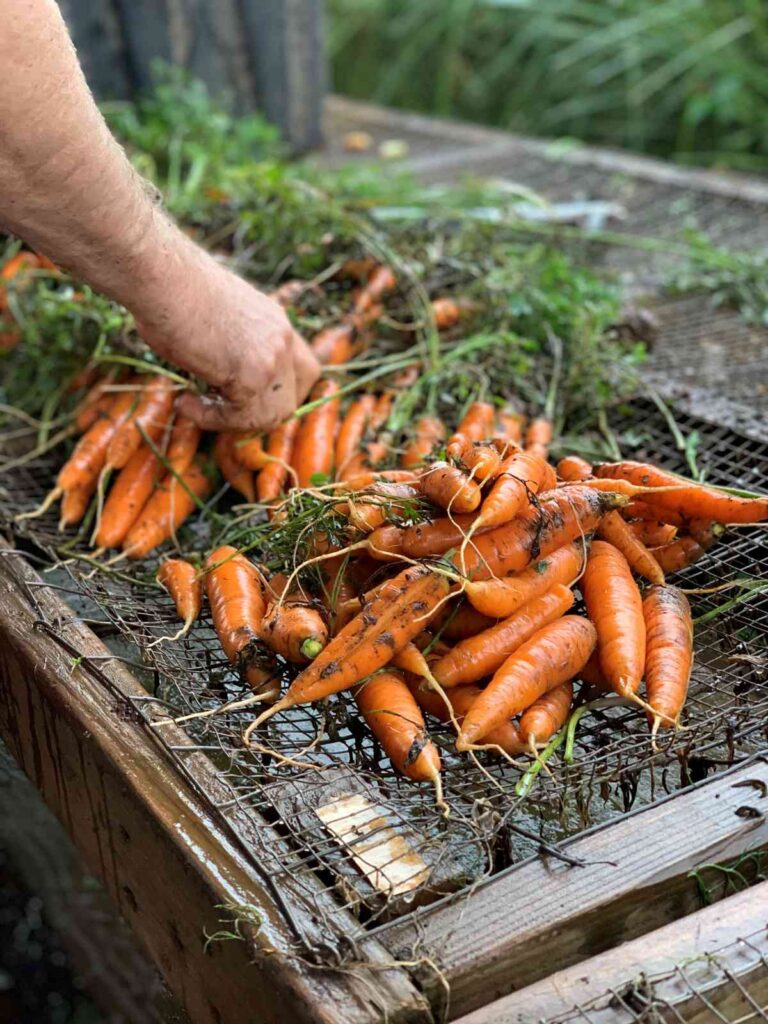
Carrots prefer deep, sandy soil so their roots can grow straight and long. Skip rocky ground or they may turn funny shapes.
They enjoy full sunlight and steady watering, especially when the roots start forming underground. Dry soil can make them tough and bitter.
Patience is key with carrots since they take time to grow properly. But once ready, pulling them out feels like opening a surprise gift from the soil.
Carrots are low-maintenance and great for beginners. And fresh homegrown carrots taste way sweeter than store-bought ones.
Also Read: 22 Vegetables to Grow in Shade
3. Spinach
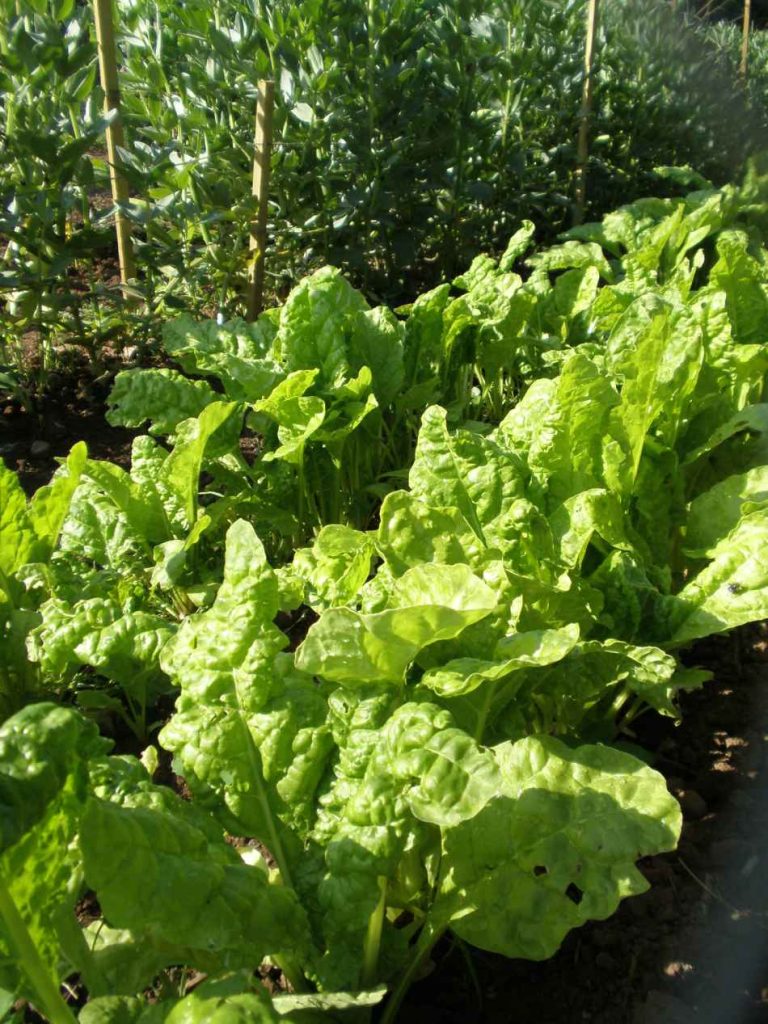
Spinach is a must-have for any spring garden because it thrives in cool weather and grows quickly. It’s one of those vegetables that feels rewarding almost right away, especially for beginners who want fast, healthy results. Plus, fresh spinach straight from the garden tastes much better than store-bought greens.
Spinach can be planted as soon as the soil can be worked, usually 4–6 weeks before your last frost date. For a steady supply, try planting seeds every 1–2 weeks instead of all at once. This way, you’ll always have young, tender leaves ready to harvest throughout the season.
When planting spinach, spacing really matters for good leaf growth. Sow seeds close together at first, then thin them to about 3–4 inches apart once seedlings appear. Giving each plant enough room helps prevent overcrowding and keeps the leaves healthy and full.
4. Peas
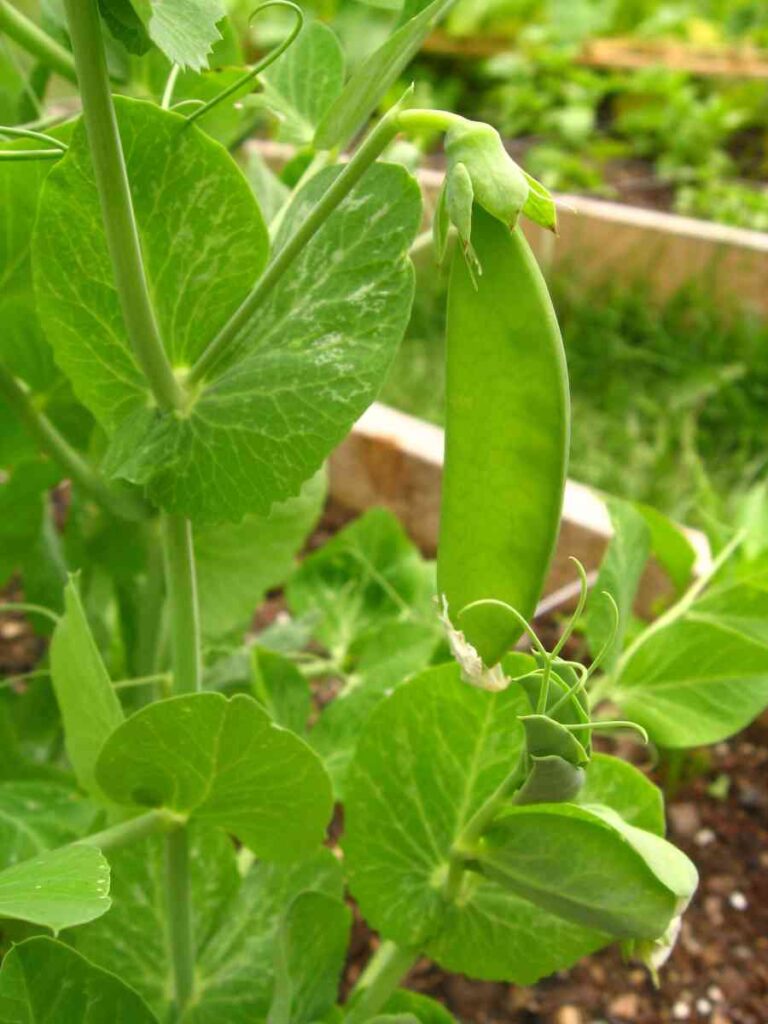
Peas are one of the first vegetables that welcome spring into the garden with their fresh green vines and sweet pods. They love cool temperatures and grow best before the heat of summer arrives, making them a perfect early-season crop for home gardeners.
Peas should be planted as soon as the ground can be worked, usually about 4–6 weeks before the last frost date. For a longer harvest window, sow seeds in two or three rounds spaced about 2 weeks apart. This keeps your garden producing instead of giving you everything at once.
When planting peas, give them enough room and some support to climb. Space seeds about 1–2 inches apart and use trellises, sticks, or netting to help vines grow upward and stay off the ground.
Peas are ready to pick when the pods feel full and firm but still tender. Waiting too long can make them starchy and less sweet.
5. Beets
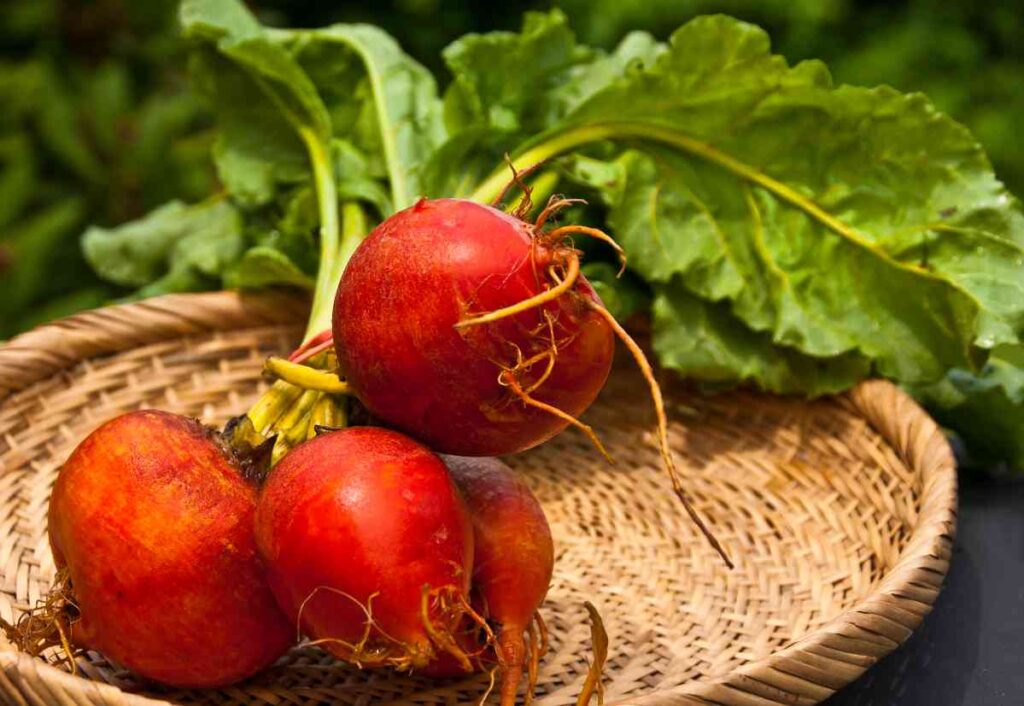
Beets are a colorful and nutritious crop that grows well in the mild weather of spring. Both the roots and the leafy tops can be eaten, making them a great two-in-one vegetable for home gardens.
Beets can be directly sown into the soil once it begins to warm slightly. Thin the seedlings so each plant has enough space to form round roots. Harvest them young for the sweetest taste, or let them grow larger for cooking and storage.
Check this: 9 Tips for Growing Vegetables in a Greenhouse
6. Green Onions (Scallions)
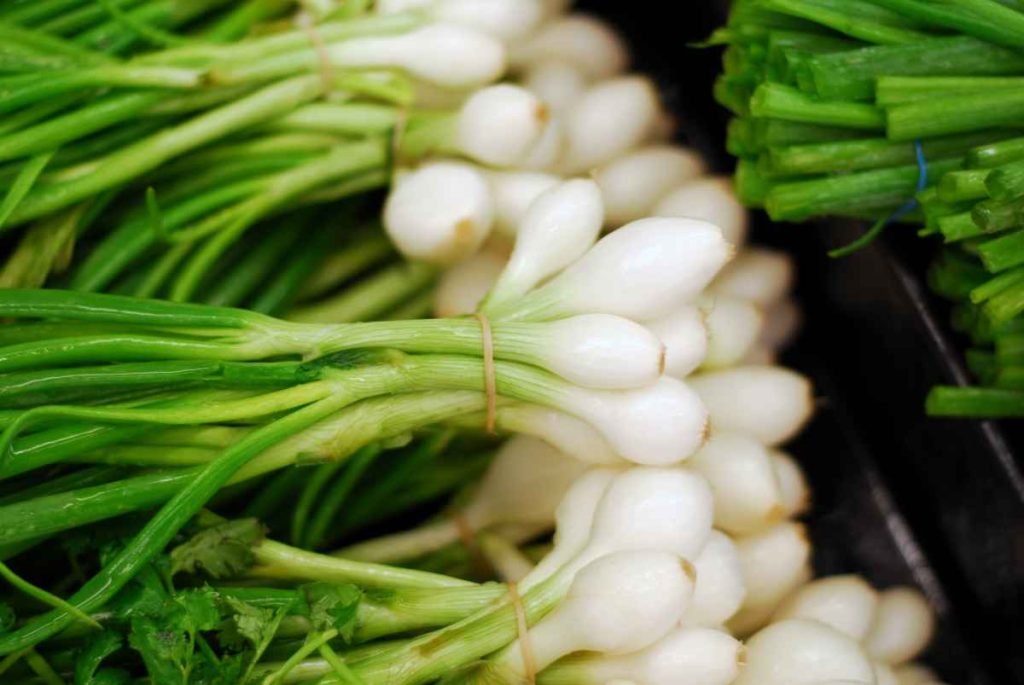
Green onions are one of the easiest vegetables to grow and don’t take up much space in the garden. They handle cool spring temperatures well and are perfect for small beds or container gardening.
They can be planted early in spring, about 4–5 weeks before the last frost date. To keep a steady supply, sow seeds every couple of weeks so you always have fresh stalks ready to harvest.
When planting green onions, spacing can be closer than most vegetables since you harvest them young. Thin seedlings to about 1 inch apart so the stems can grow straight and strong.
Green onions are ready to harvest once the stalks reach finger thickness, and you can pull them up as needed. If you have more than you can use, they can be chopped and frozen for cooking later.
7. Cabbage
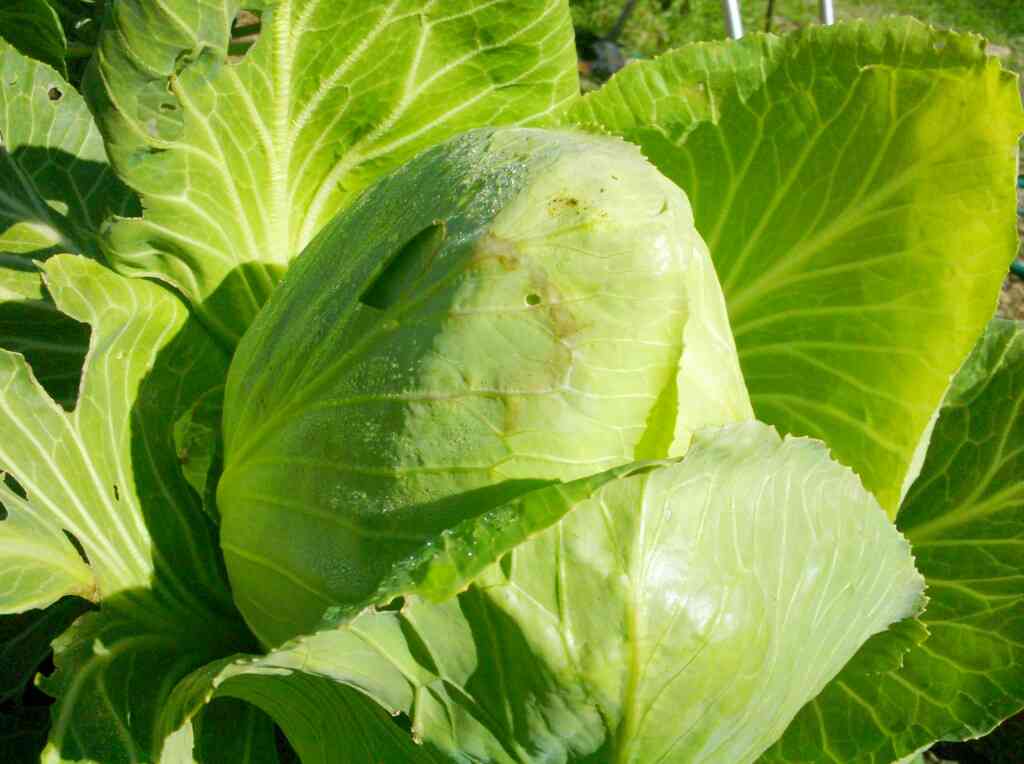
Cabbage feels like a slow and steady vegetable that rewards patient gardeners. It enjoys cool spring air and grows best when temperatures stay mild and comfortable.
Plant cabbage seedlings a few weeks before the last frost for strong early growth. You can stagger planting every 2–3 weeks if you want more heads over time.
Spacing is important because cabbage plants spread wide as they grow. Leave about 12–18 inches between plants so they can form tight, healthy heads.
Harvest cabbage when the head feels firm when you squeeze it. If left too long, it may split open and lose its crunch. Extra cabbage stores well in the fridge for weeks.
8. Kale
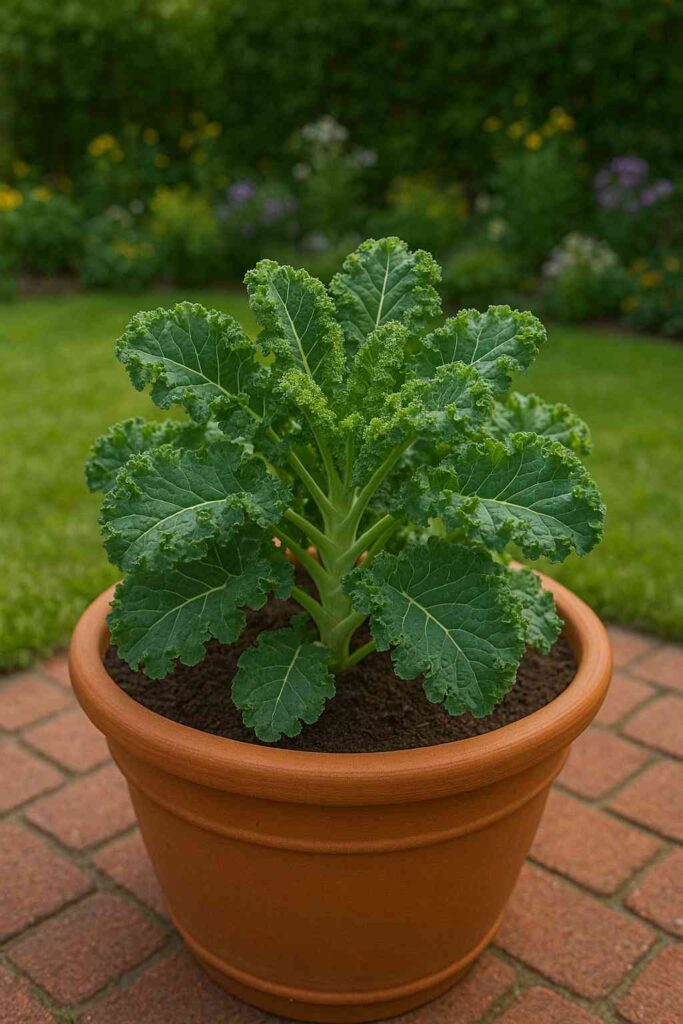
Kale is like the tough hero of the spring garden — cold doesn’t scare it at all. In fact, cool weather makes its leaves sweeter and more flavorful.
You can plant kale early in spring as soon as the soil is workable. For nonstop harvest, sow seeds every couple of weeks.
Thin seedlings to about 8–12 inches apart so each plant has room to breathe. Crowded kale plants grow smaller and weaker leaves.
Pick outer leaves first and let the center keep growing. If the weather gets too warm, kale may turn bitter and start to bolt.
9. Turnip
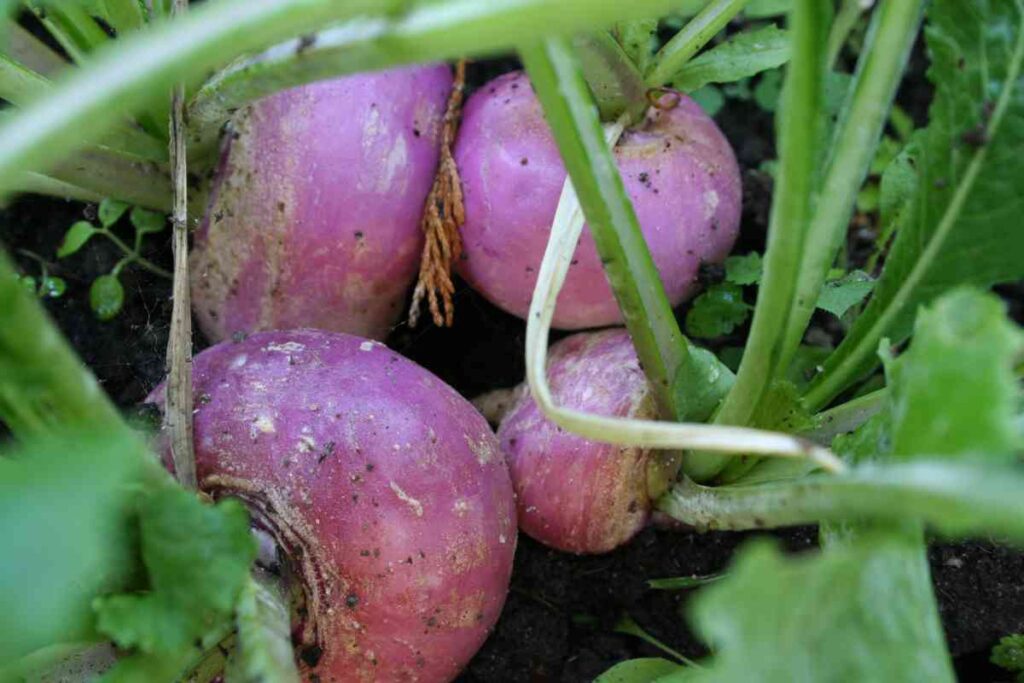
Turnips are a two-in-one vegetable because you can eat both the roots and the greens. They grow best when spring temperatures stay cool and steady.
Sow turnip seeds directly into the garden about 3–4 weeks before the last frost. Planting in small batches helps stretch out your harvest.
Thin seedlings to about 3–4 inches apart for round, smooth roots. Tight spacing leads to skinny or misshaped turnips.
Harvest turnips when they are young and tender for the best taste. If left too long, they can become tough and spicy.
10. Broccoli
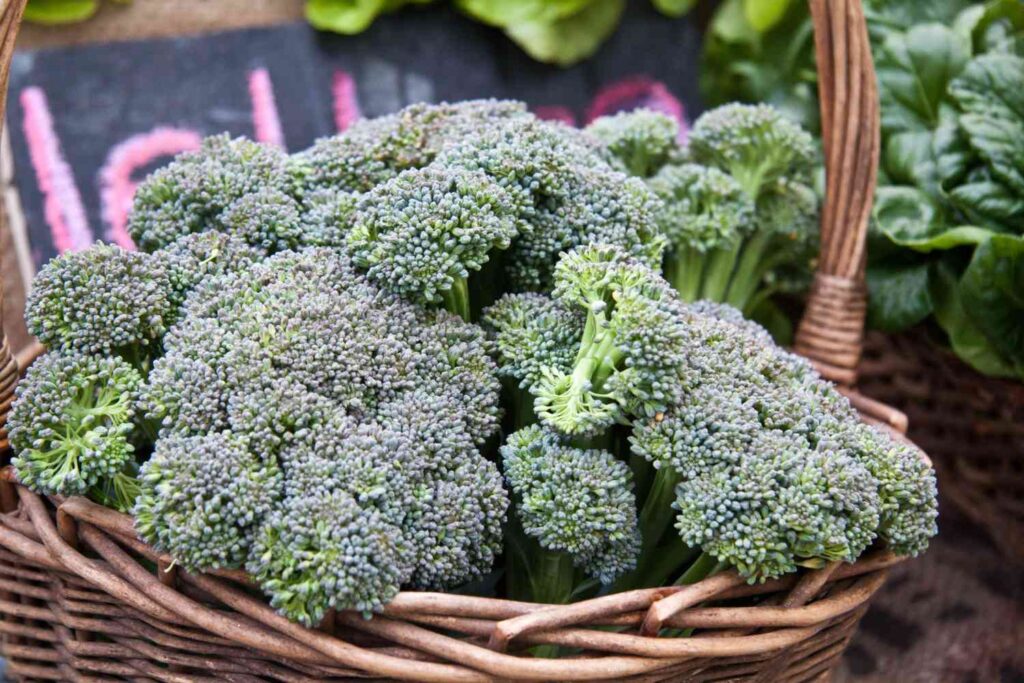
Broccoli is a spring favorite for gardeners who like big, healthy harvests. It prefers cool weather and rich soil to grow strong and leafy.
Start broccoli early in the season, about 4–6 weeks before the last frost date. You can plant again later for a second round of heads.
Give each plant plenty of space, around 12–18 inches apart. This helps them develop thick stems and full crowns.
Cut the main head when it feels tight and firm. Smaller side shoots will keep growing after harvest, giving you more broccoli over time.
11. Swiss Chard
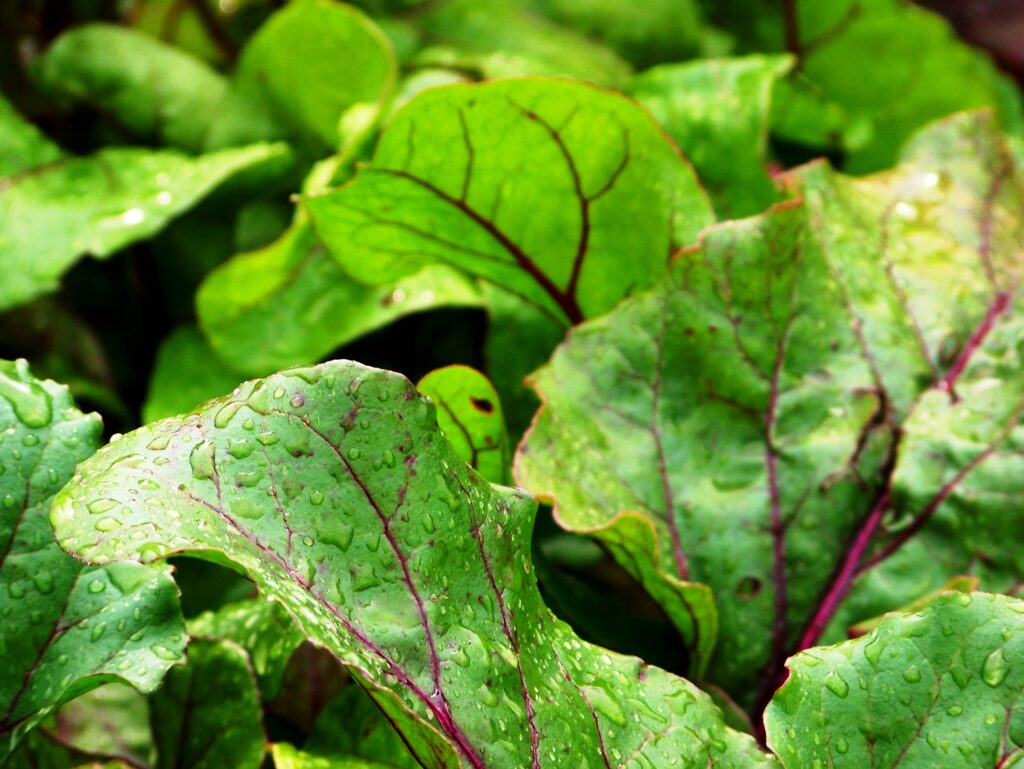
Swiss chard brings color into the garden with its bright red, yellow, and green stems. It handles spring weather well and keeps producing for a long time.
Plant seeds once the soil warms slightly, and repeat planting every few weeks for fresh growth. It grows easily in both garden beds and containers.
Thin plants to about 6–8 inches apart so the leaves can grow wide and healthy. Good spacing also improves air flow.
Harvest outer leaves and leave the center untouched for new growth. Swiss chard stays tender longer than many greens and rarely bolts quickly.
12. Zucchini
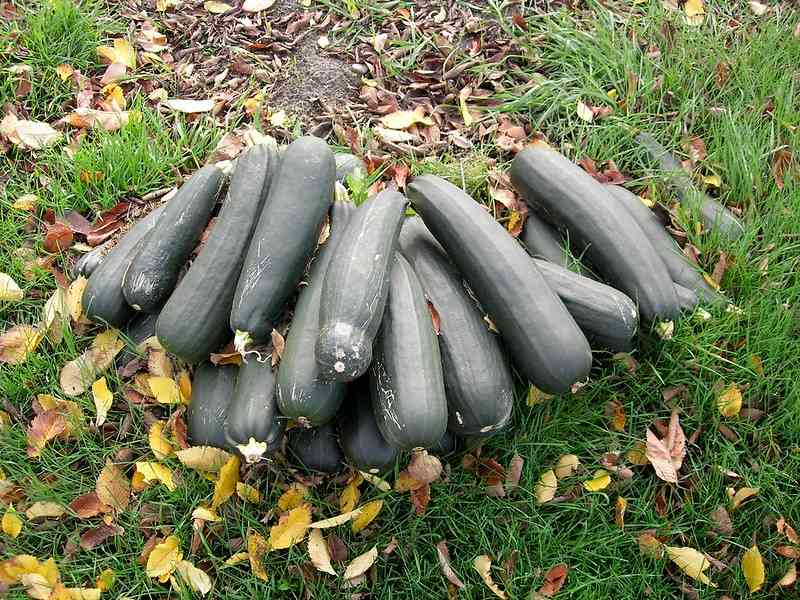
Zucchini is a fast-growing vegetable that loves warm soil and plenty of sunshine. It thrives in spring once the danger of frost has passed and quickly turns into a productive plant with large leaves and bright yellow flowers.
Zucchini is best direct sown in the garden, but it can also be started indoors for an early head start. Harvest fruits while they are young and tender for the best flavor. Regular picking encourages the plant to produce even more zucchini throughout the season.
14. Radish
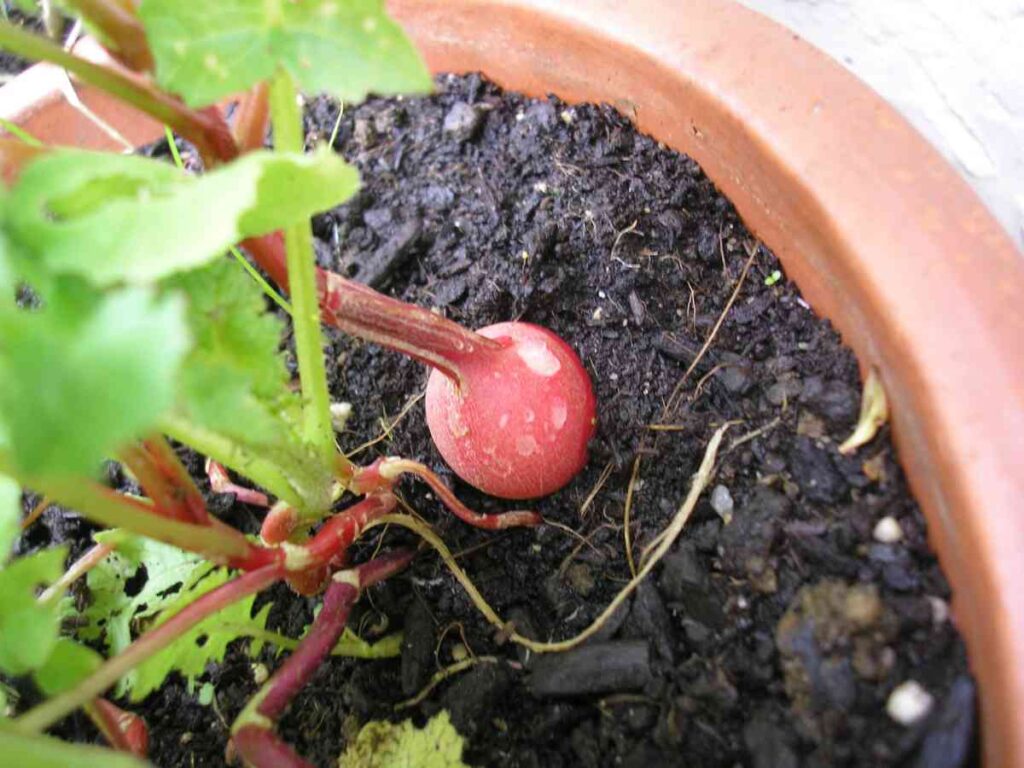
Radishes are one of the quickest vegetables you can grow, making them perfect for spring gardening. They thrive in cool temperatures and don’t mind a little frost, which means you can plant them early and enjoy results fast.
Radishes are best directly sown into the garden since they don’t like being transplanted.
They are ready to harvest in just a few weeks, and picking them on time keeps them crisp and mild in flavor. Succession planting every 1–2 weeks helps ensure a continuous harvest.
15. Peppers
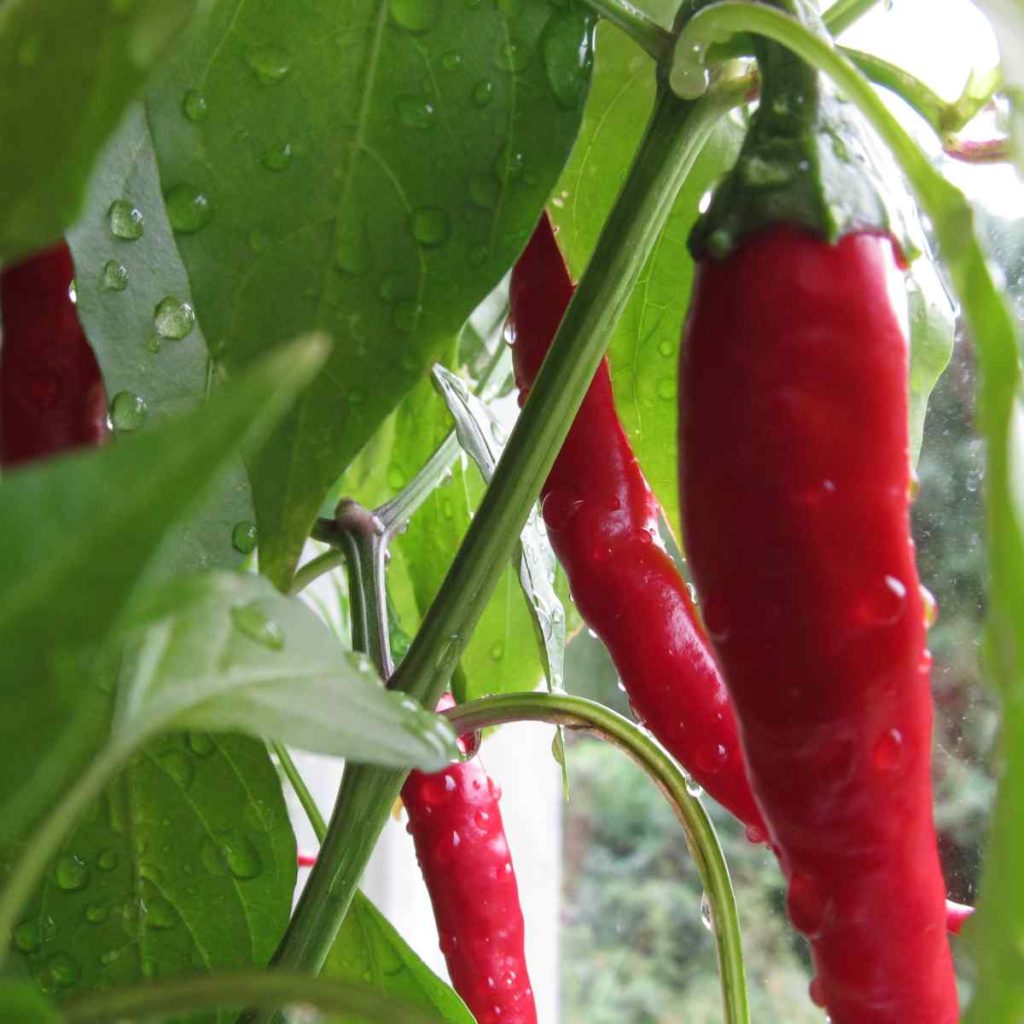
Peppers love warm weather and sunshine, making late spring the ideal time to plant them outdoors. They need rich soil and steady warmth to grow strong and produce colorful fruits.
Peppers are usually started indoors and transplanted once the risk of frost has passed. Pick peppers when they reach full size and color for the best taste, and regular harvesting will encourage the plant to keep producing.
16. Cauliflower
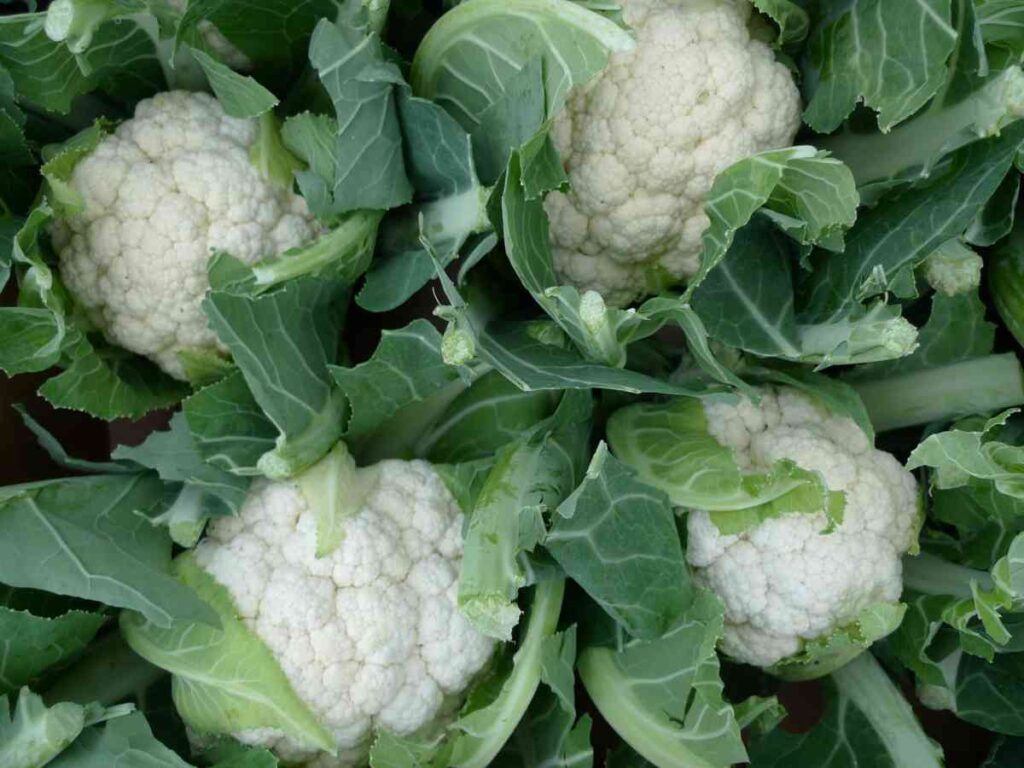
Cauliflower is a cool-season vegetable that grows best when spring temperatures stay mild and steady. It may look delicate, but it actually enjoys cooler weather and develops better flavor when it grows slowly without heat stress.
Cauliflower can be planted about 4–6 weeks before your last frost date, either from seeds or transplants. It prefers rich, well-drained soil and needs enough space to form full heads, so proper spacing is important for healthy growth.
You’ll know cauliflower is ready to harvest when the head feels firm and reaches the size you like. Cut it at the base before the florets begin to separate, as waiting too long can make it loose and bitter.
Check this: 27 Vegetables to Grow Indoors in the Winter
17. Brussels Sprouts
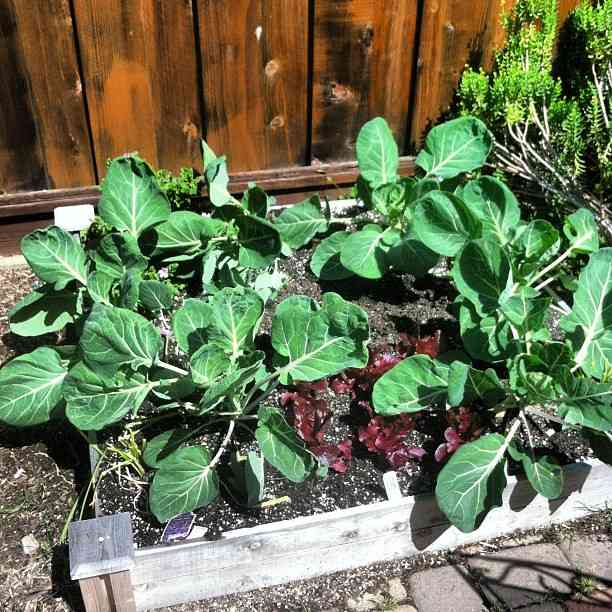
Brussels sprouts are a hardy vegetable that love cool weather and take their time to grow strong and tall. They actually taste sweeter after being exposed to cooler spring or fall temperatures, making them a great long-season crop.
Brussels sprouts should be planted early in spring, about 4–6 weeks before the last frost date. They need fertile soil and consistent watering, along with enough space for their thick stalks to develop properly.
Harvest Brussels sprouts from the bottom of the plant upward once the small heads feel firm and round. Picking them at the right size gives the best flavor and keeps the plant producing more sprouts higher up the stalk.
18. Parsley
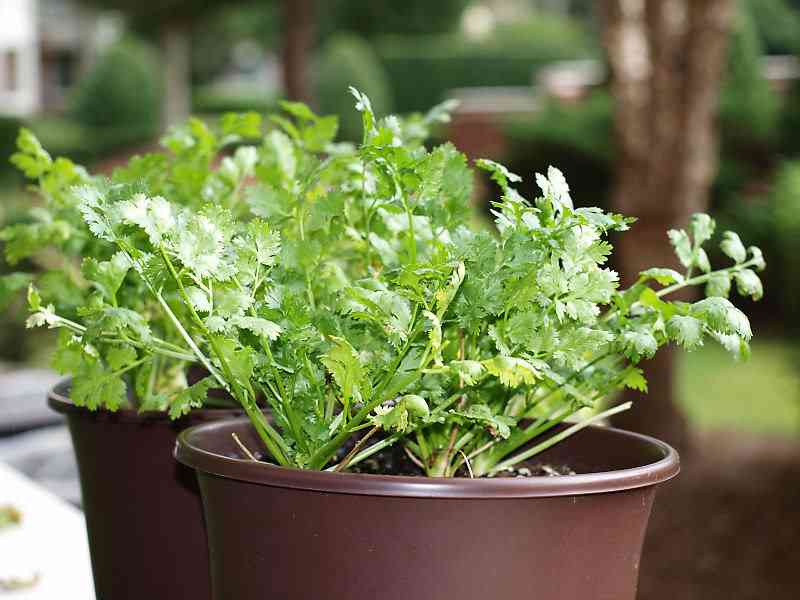
Parsley is a hardy green that grows happily in the cool, gentle weather of spring. It’s not just a garnish — fresh parsley adds bright flavor to everyday meals and keeps producing for weeks when cared for properly.
Parsley can be planted early in spring, either by direct sowing seeds or starting indoors for a head start. It prefers moist, well-drained soil and a spot with partial to full sunlight to grow thick, healthy leaves.
Begin harvesting parsley once the stems are tall enough to cut. Always snip the outer leaves first and let the center continue growing so the plant stays productive longer.
19. Asparagus
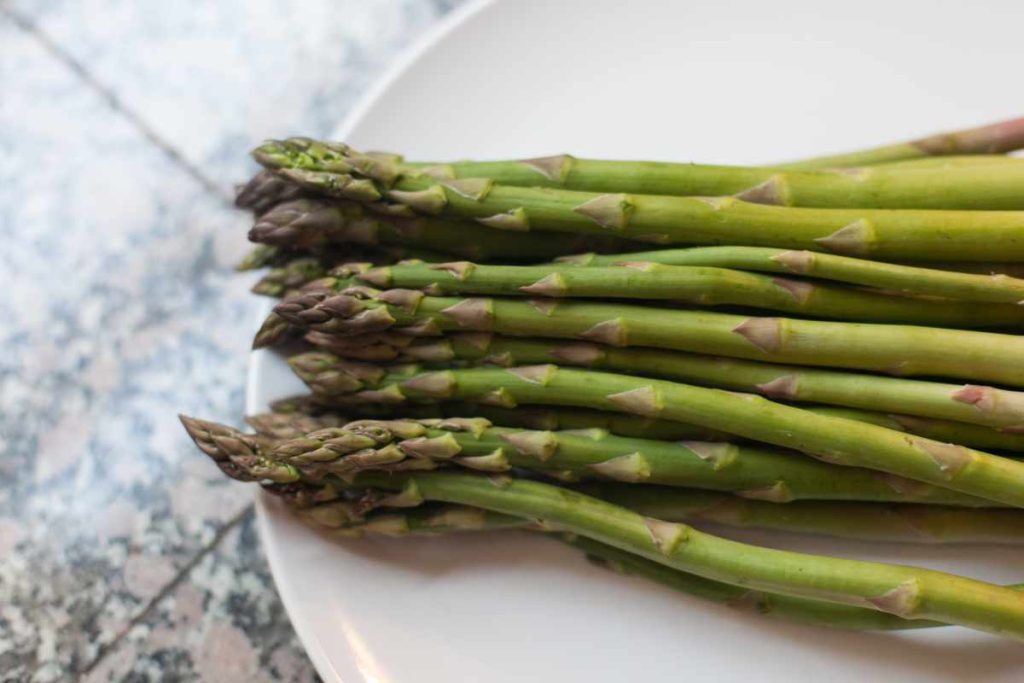
Asparagus is a long-term vegetable that rewards patience more than speed. Once planted, it returns year after year with fresh shoots every spring, making it one of the most reliable garden crops.
Asparagus is usually planted from crowns in early spring when the soil is workable. It needs deep, fertile soil and plenty of space since the roots grow wide and strong over time.
Harvest asparagus spears when they reach about finger length and thickness. Cut them early for tender flavor, and stop harvesting after a few weeks so the plant can rebuild strength for the next season.
Spring Plant Care Tips
Spring planting starts with preparing your soil and choosing the right time to plant. Healthy soil and mild weather give your vegetables the best possible beginning.
Don’t plant everything at once—cool-season crops can go in early, while warm-season plants should wait until frost danger has passed. Make sure each plant gets enough space to grow without crowding. Good spacing improves air flow and keeps diseases away.
Water gently and regularly, especially when seeds are sprouting and young plants are settling in. Keep the soil moist but not soggy for steady growth.
Pay attention to sunlight and mulch your garden early to lock in moisture and stop weeds from spreading. Check your plants often and make small adjustments as needed. With a little care and patience, your spring garden will grow strong and productive.
Also Read: 14 Forst Tolerant Vegetables to Extended Growing Season
Conclusion
Spring is the perfect season to start your vegetable garden and enjoy the journey from tiny seeds to fresh harvests. With the right soil, smart plant choices, and a little daily care, your garden can grow healthy and productive.
Every step you take now brings you closer to homegrown meals and a more rewarding gardening experience.
So grab your tools, trust the process, and let spring turn your backyard into a garden full of life.

Khaja Moinuddin, a computer science graduate, finds joy in gardening and homesteading. Join him on this blog as he shares his experiences in homesteading, gardening, and composting
We reference Vegetables plant spring briefly to keep the thread coherent.













FYI: This brightened my day — thank you for sharing. So cozy.