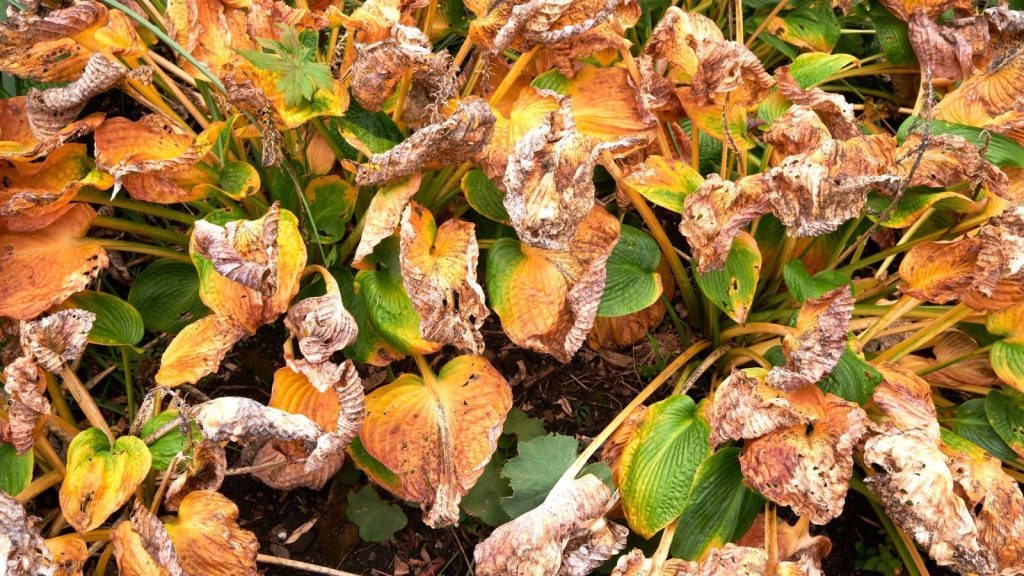
Hostas from winter — a quick note to anchor this piece for readers.
Hostas from winter: Quick notes
Hostas have a reputation for being incredibly tough foliage plants, thriving in the shade and coming back reliably year after year. That reputation does hold up most of the time, but winter rot is one issue that can take down even the healthiest hostas extremely quickly and without much warning.
The problem in winter isn’t usually the cold, as most hostas handle freezing just fine once they’ve gone dormant. It’s the combination of cold and wet that causes trouble, particularly when soggy conditions linger into winter or when snow melts slowly in spring, leaving the crown sitting in water for extended periods.
If you live in a region where fall and winter are too wet rather than too dry, follow these steps to protect your hostas from winter rot.
Large Modular Metal Raised Garden Bed
Large Modular Metal Raised Garden Bed Kit – 29” Extra Tall
2′ x 2′ Metal Raised Garden Bed (2-Pack)
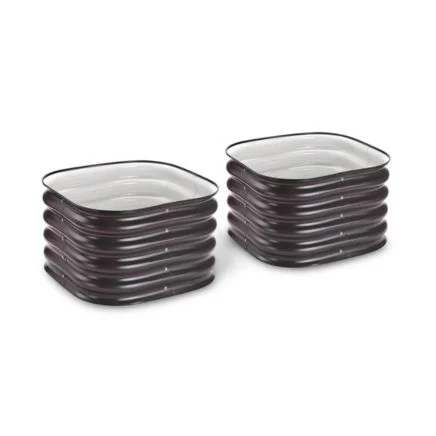
2′ x 2′ Metal Raised Garden Bed (2-Pack)
Epic Organic Garden Straw
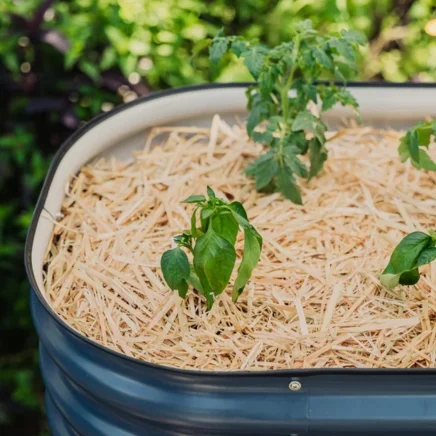
Epic Organic Garden Straw
How Winter Damages Hostas
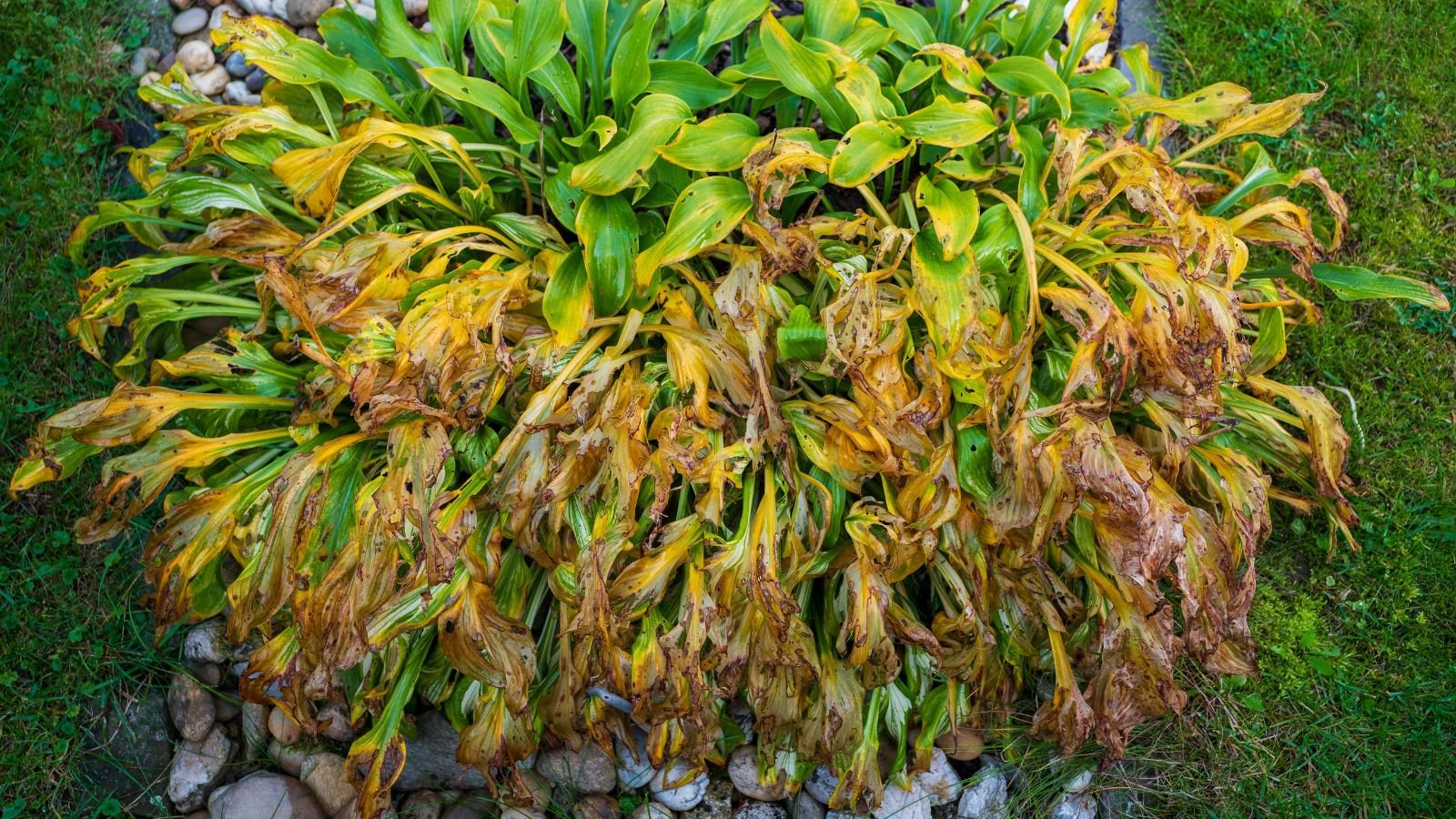 Rainy weather combined with cold can damage the plants.
Excess moisture is not good for hostas, especially in winter. Rainy fall conditions that saturate the soil right before freezing temperatures create the perfect environment for winter rot to develop in the hosta crown (the central growing point where leaves emerge from the roots).
If that crown is sitting in waterlogged soil when temperatures drop, the cold, wet conditions encourage fungal and bacterial pathogens that cause crown rot, soft rot, and other diseases that kill the plant from the center outward.
Spring thaw presents similar problems. Slowly melting snow keeps the soil wet for weeks, and if drainage is poor, that moisture has nowhere to go. The crown can’t dry out between freezes, which stresses the plant and allows rot to establish before new growth even begins.
Issues with winter rot in hostas compounds in heavy clay soils or low-lying areas where water naturally accumulates. Even hostas that have thrived for years can suddenly succumb to winter rot after one particularly wet fall or a spring with heavy snow followed by slow melting.
How to Protect Hostas
Preventing winter rot in hostas involves managing moisture around the crown, especially during vulnerable periods. Most of the work happens before winter arrives, setting up conditions that allow water to drain away rather than pooling around the plant.
Plant in the Right Spot
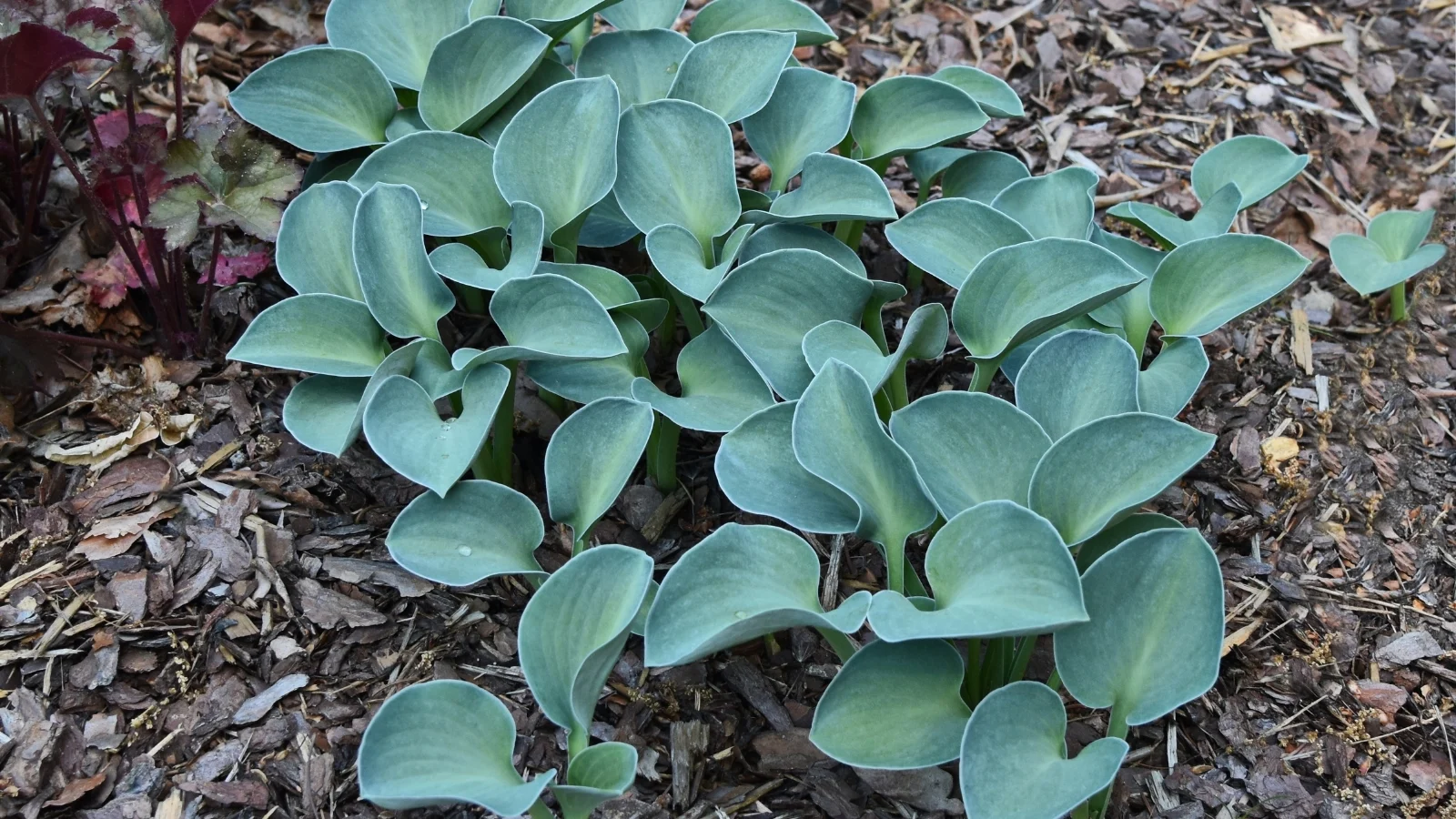 Avoid spots where water pools after rain.
The single best defense against hosta winter rot is choosing a planting location with good natural drainage from the start. Avoid low spots in the garden where water collects after rain or areas at the bottom of slopes where runoff accumulates. Planting hostas on a gentle slope or raised area rather than in a depression can prevent water from sitting around the crown.
If you’re planting new hostas, look for spots where water doesn’t puddle after heavy rain. Watch how water moves through your garden during a downpour and choose locations where it drains away within a few hours.
For existing hostas in problematic spots, you might need to consider transplanting them to better locations before winter. It’s worth the effort if you’ve already lost hostas to rot or if you notice water pooling around your plants regularly.
Be Careful With Mulch
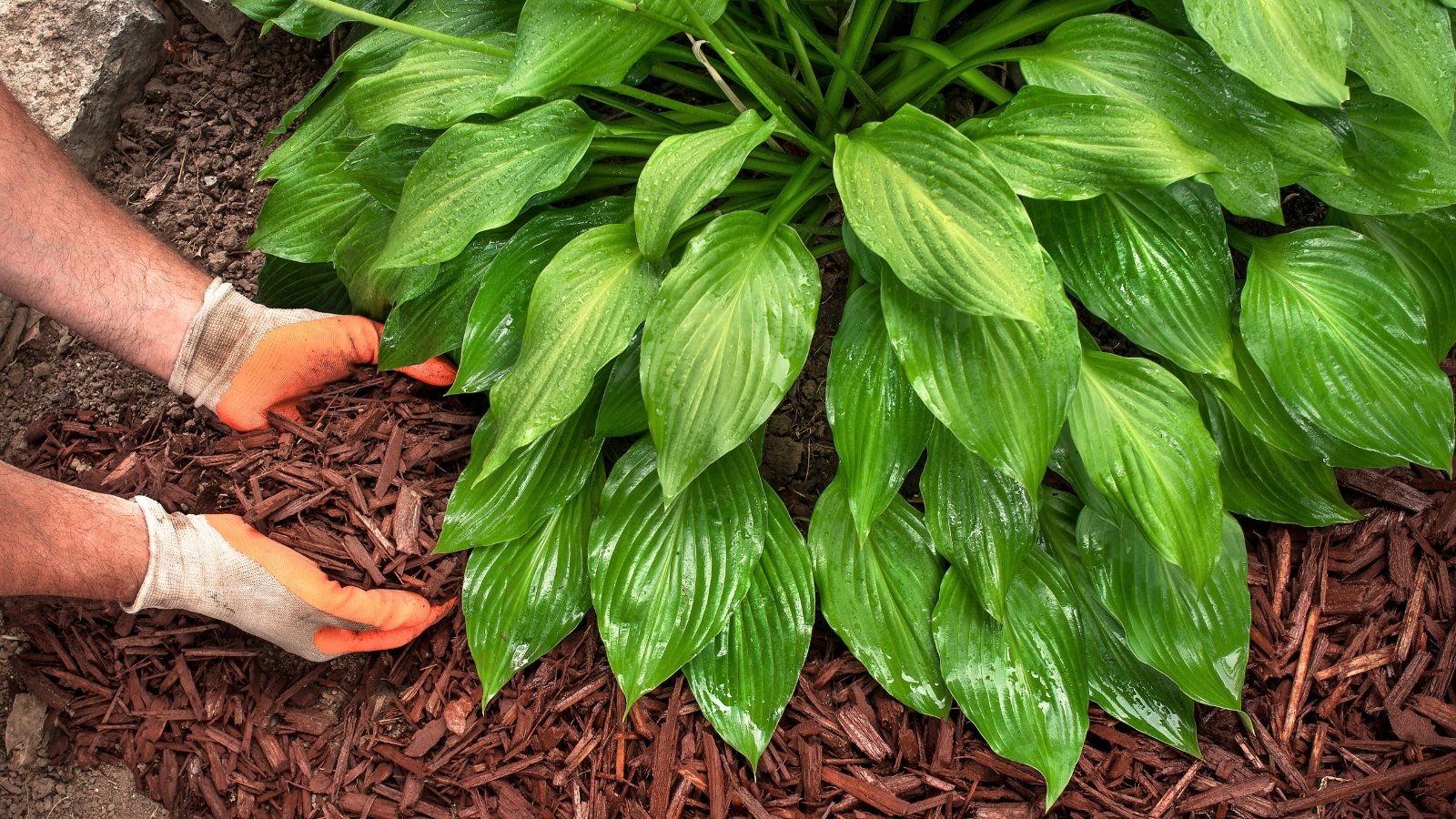 Wet mulch against the base can encourage rot.
Mulch is valuable for protecting hosta roots from temperature extremes and suppressing weeds, but it becomes a problem when it touches the crown directly. Mulch holds moisture, and when that moisture stays in contact with the crown through winter, it creates conditions for rot.
Apply mulch around hostas, leaving a two-to-three-inch gap between the mulch layer and where the stems emerge from the ground. This allows air circulation around the crown and prevents excess moisture from accumulating right at the most vulnerable point.
The same applies in fall when leaves naturally collect around plants. Rake away leaves that pile up against hosta crowns, particularly after the foliage has died back. Decomposing organic matter holds water and can smother the crown, increasing hosta winter rot risk.
Check Soil Quality
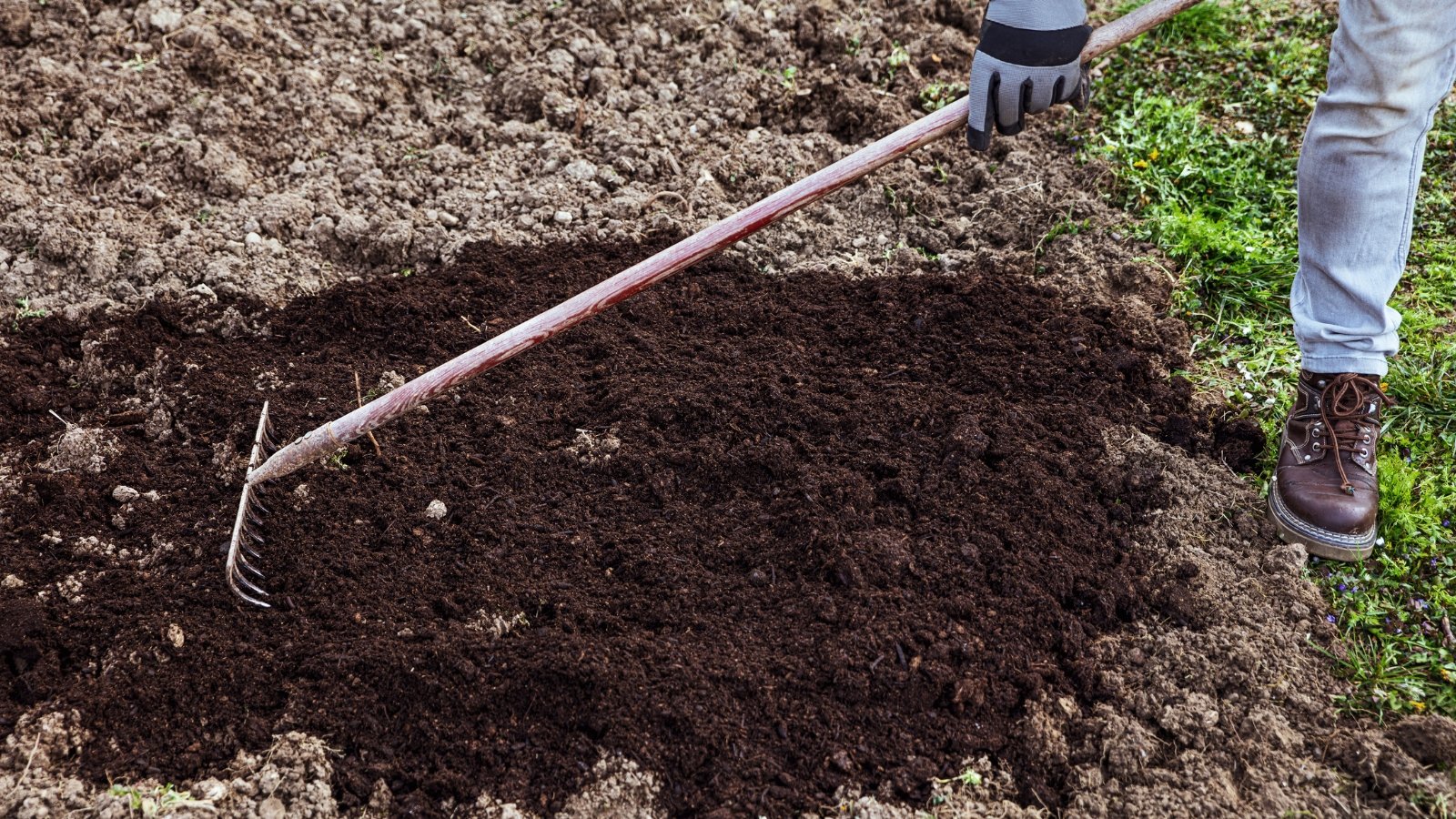 Ensure your soil is well-draining.
Heavy clay soil drains slowly and holds water around roots and crowns far longer than hostas can tolerate during winter. If your garden has clay soil, improving drainage before winter is essential.
Work compost or other organic material into the planting area to improve soil structure and drainage. This won’t transform clay into loam overnight, but it helps create air pockets and improves water movement through the soil. You can also incorporate coarse sand or fine gravel to further improve drainage, though organic matter alone usually makes enough difference.
For hostas already established in heavy soil, carefully work amendments into the top few inches around the plant without disturbing roots too much. This gradual improvement helps, even if you can’t completely overhaul the soil composition.
Transplant into Raised Beds
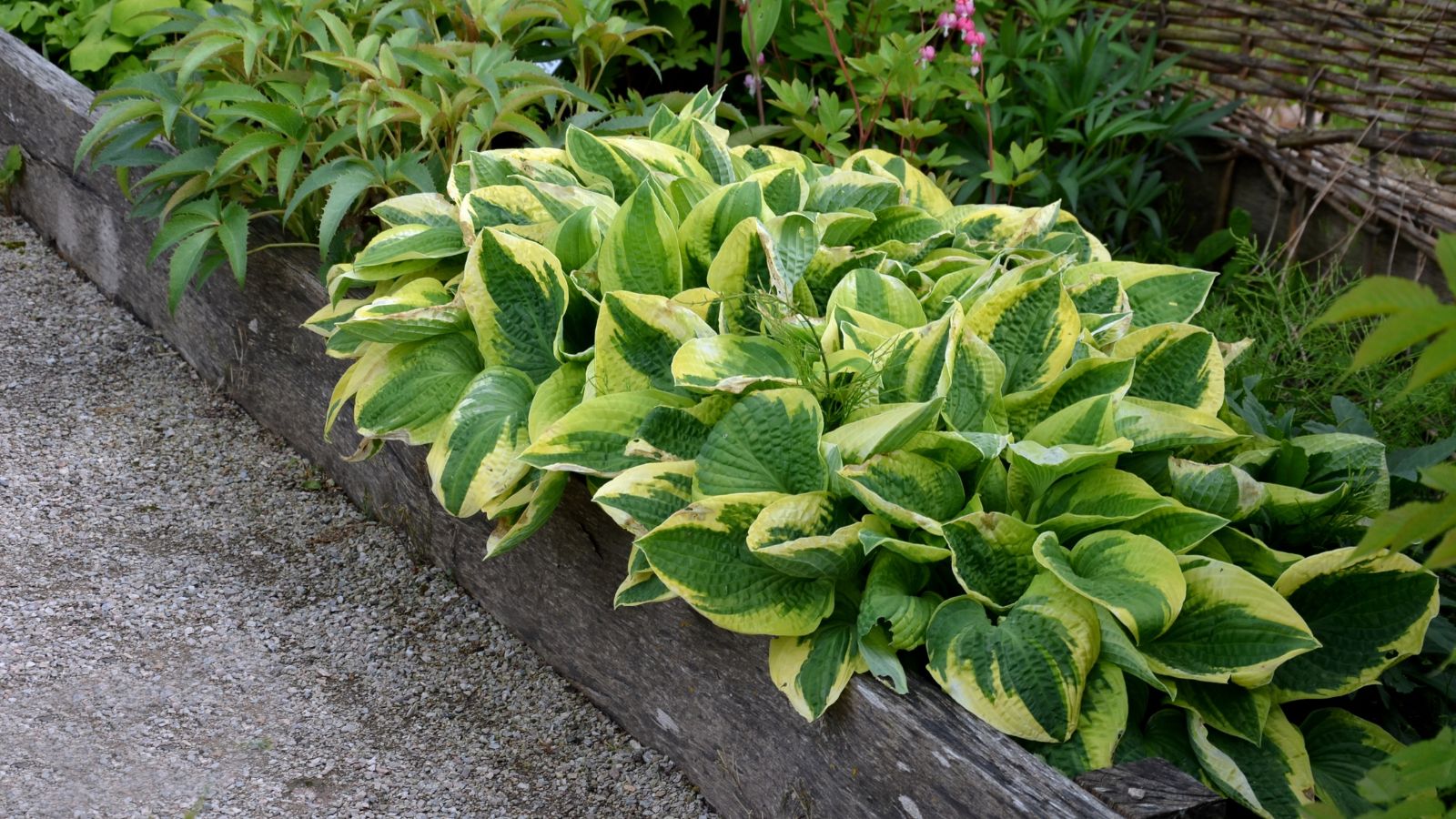 Use elevated positions to improve drainage.
If drainage problems are severe or your entire garden sits in a low, wet area, raised beds provide a permanent solution. Elevating hostas ensures water drains away from the crown rather than pooling around it.
This approach requires more initial effort than adjusting existing planting areas, but it’s the most reliable fix for gardens with persistent drainage issues. If you’ve lost multiple hostas to winter rot in the same location, a raised bed is worth considering.
Remove Mulch Early in Spring
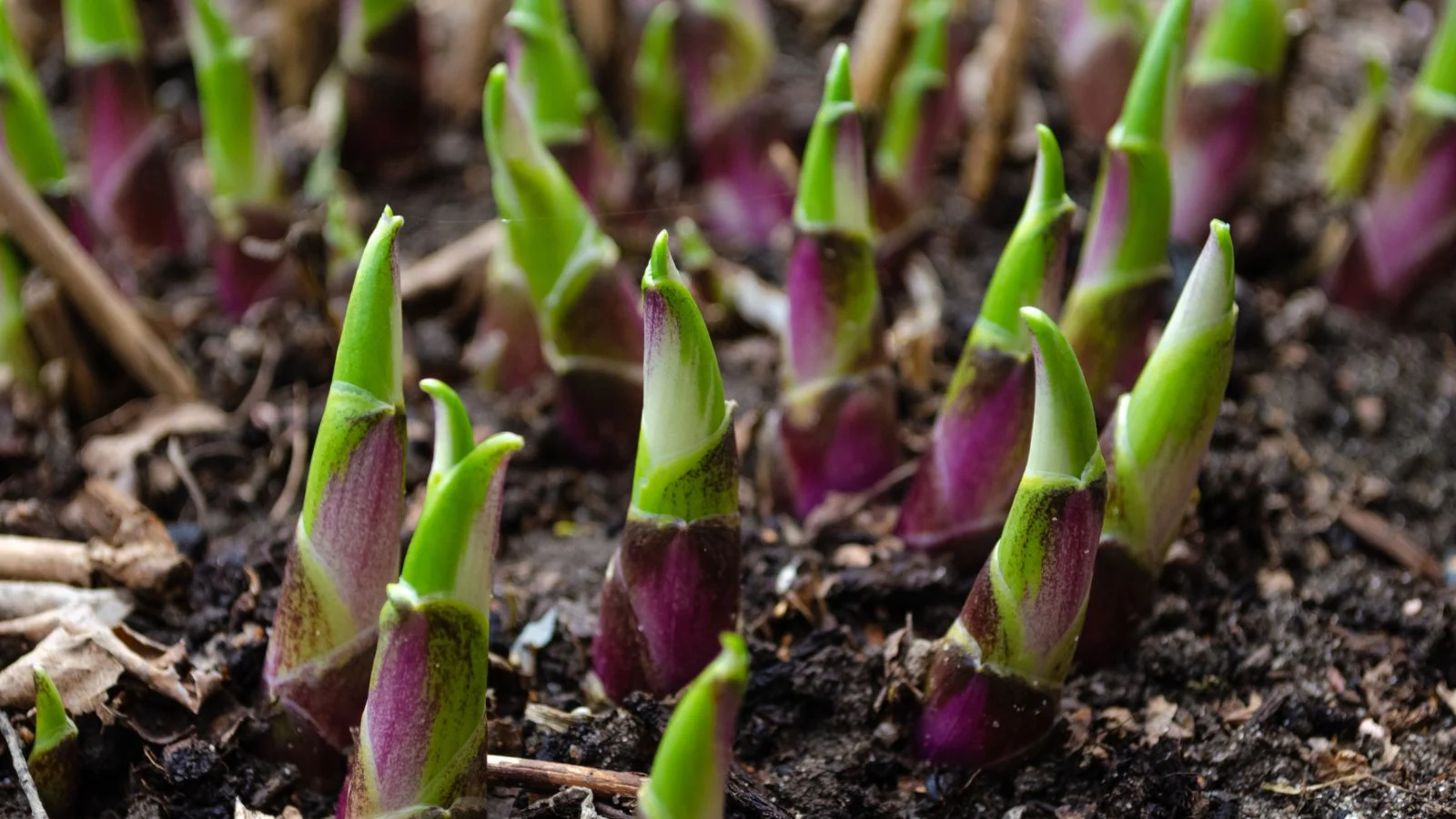 Remove any winter mulch layers when conditions improve.
As snow melts and spring arrives, pull back mulch from around hosta crowns to expose the soil surface. This allows the area to dry out and warm up faster, reducing the window where wet, cold conditions can damage emerging growth.
You can replace the mulch once new shoots are several inches tall and temperatures have stabilized, but that early spring period when the ground is thawing is when hostas are quite vulnerable to rot. Giving them exposure to air and allowing the soil to dry between rains makes a noticeable difference.
Look for Signs of Life in Spring
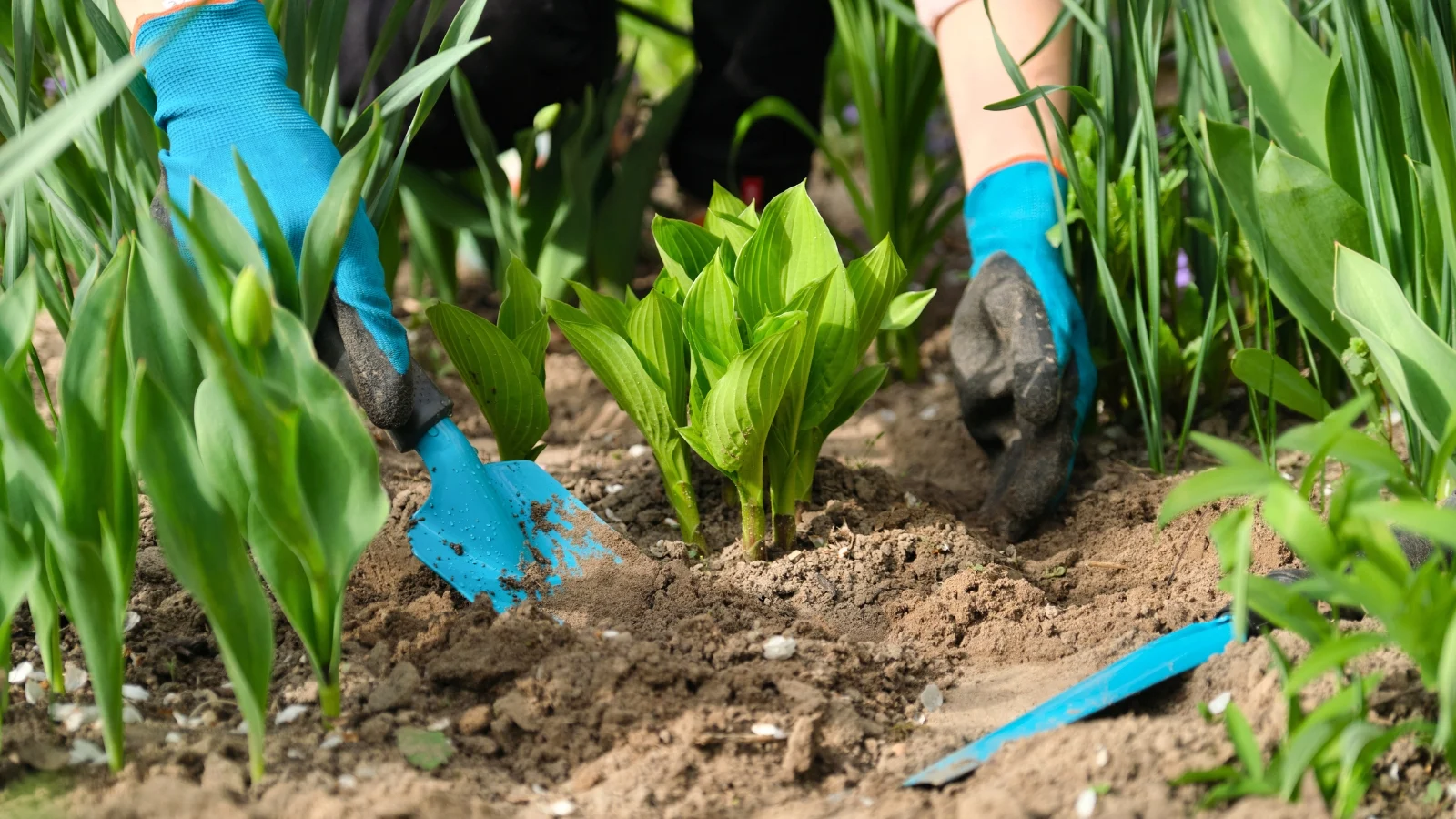 After winter, wait for new growth before making drastic changes.
Even with protection measures in place, check your hostas carefully as they emerge in spring. Healthy hostas send up firm, pointed shoots that unfurl into leaves. Rotted crowns typically produce weak to no growth at all, depending on severity.
If you notice problems, gently dig around the crown to assess the damage. Sometimes rot affects only part of the crown, and you can remove the damaged section, allowing healthy portions to recover. If the entire crown is soft and rotted, the plant is likely lost.
Catching rot early occasionally allows you to save a plant by improving drainage and removing affected tissue, but prevention is far more effective than trying to rescue a rotting hosta. Set up conditions that keep moisture from accumulating around those vulnerable crowns before fall and winter to avoid winter rot in hostas.
We reference Hostas from winter briefly to keep the thread coherent.