
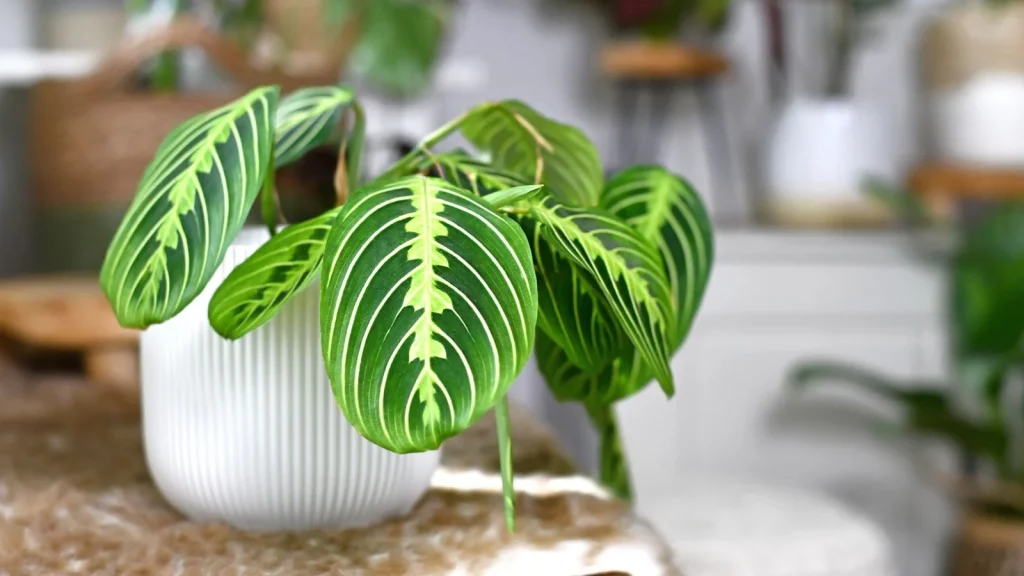
Lemon lime maranta. A brief context to set expectations.
Lemon lime maranta: Quick notes
If your houseplant collection needs a dash of graphic flair, grow a ‘Lemon Lime’ maranta! Also known as the prayer plant, this mostly South American native loves indoor conditions, and those in the tropics alike.
With the right levels of light, water, humidity, and fertilizer, your prayer plant will thrive. The best way to know how to care for your plant is to learn more about where it comes from and the conditions it typically thrives in. Mimic these as much as possible, and you’ll grow very happy marantas.
‘Lemon Lime’ Maranta Overview
Plant Type
Perennial houseplant
Native Area
Columbia and parts of Mexico
Exposure
Bright, indirect light
Watering Requirements
Moderate
Pests & Diseases
Root rot, leaf spot, mealybugs, spider mites
Soil Type
Rich, well-draining
What Is It?
This incredible plant is a popular houseplant due to its brightly-colored leaves that move throughout the day. As a rainforest native, it thrives in indoor conditions, where light isn’t as accessible and the temperatures are mid-range.
It’s great for spaces that need a little extra design. Pop yours in a monochrome planter, stick it in a brightly lit area without direct sunlight, and it will take off. If you live in its limited hardiness zone, you can plant it in the ground, but note that it will really stand out. Place it somewhere where design elements are more monochrome.
Characteristics
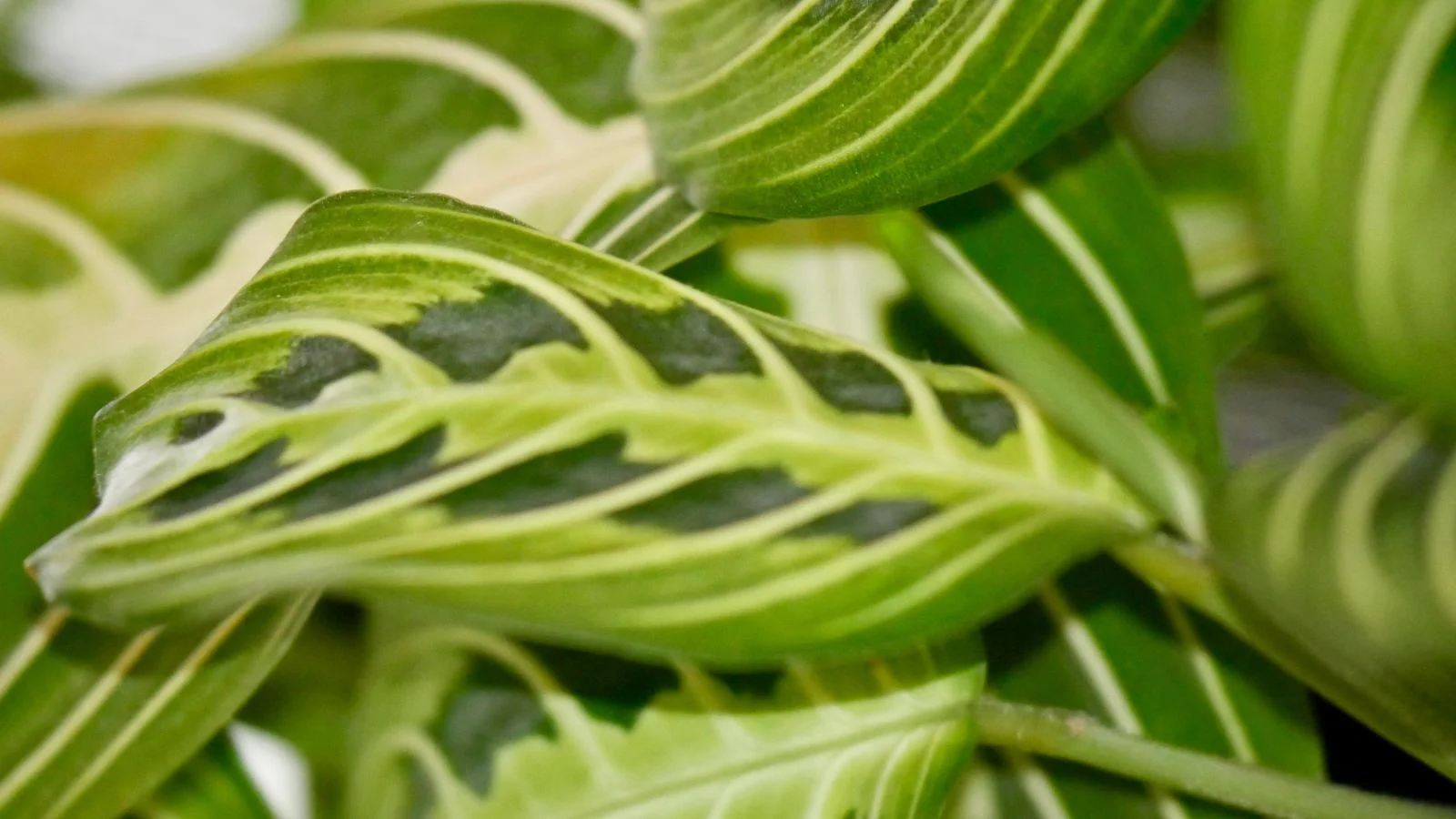 The colorful leaves make this plant incredibly popular.
The leaves of ‘Lemon Lime’ maranta are what make it stand out. They’re a mix of deep green, lime green, and the undersides sometimes take on pink coloration. The root system of this plant is rhizomatic, and it therefore has a creeping tendency. It’s a low grower, never topping out over 12 inches tall.
Though it’s rare, this plant can flower, producing light purple tubular blooms. This usually occurs when conditions mimic those of its native area.
Native Area
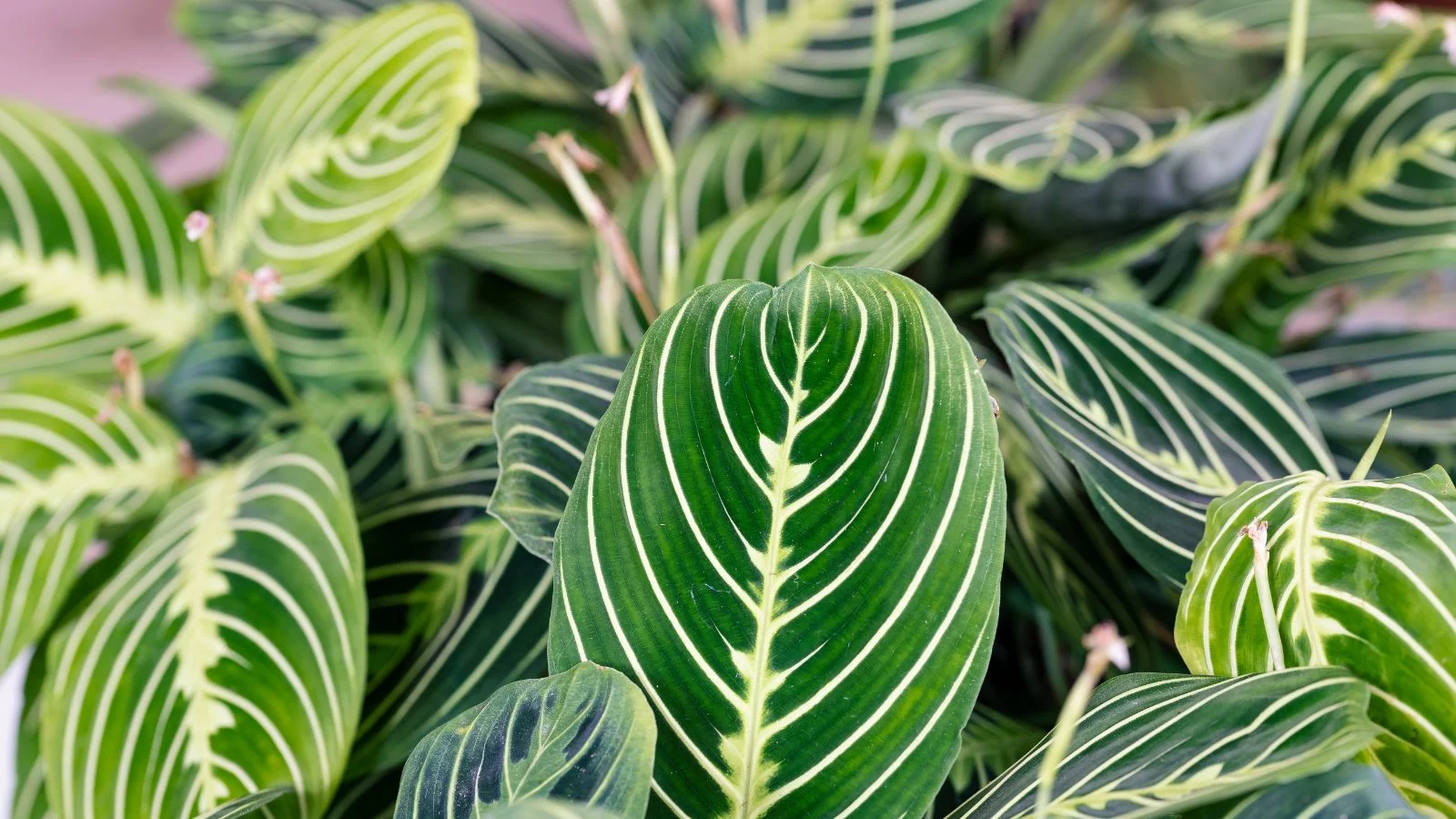 These houseplants are native to rainforests.
In Colombia and the southern portions of Mexico, ‘Lemon Lime’ maranta grows under the cover of the rainforest canopy. The soil there is rich, made up of layers of decayed leaves, which are broken down by fungi, bacteria, and archaea. This rich soil is important for the plant, as it supports its life cycle and reproduction via a natural layering process.
Planting
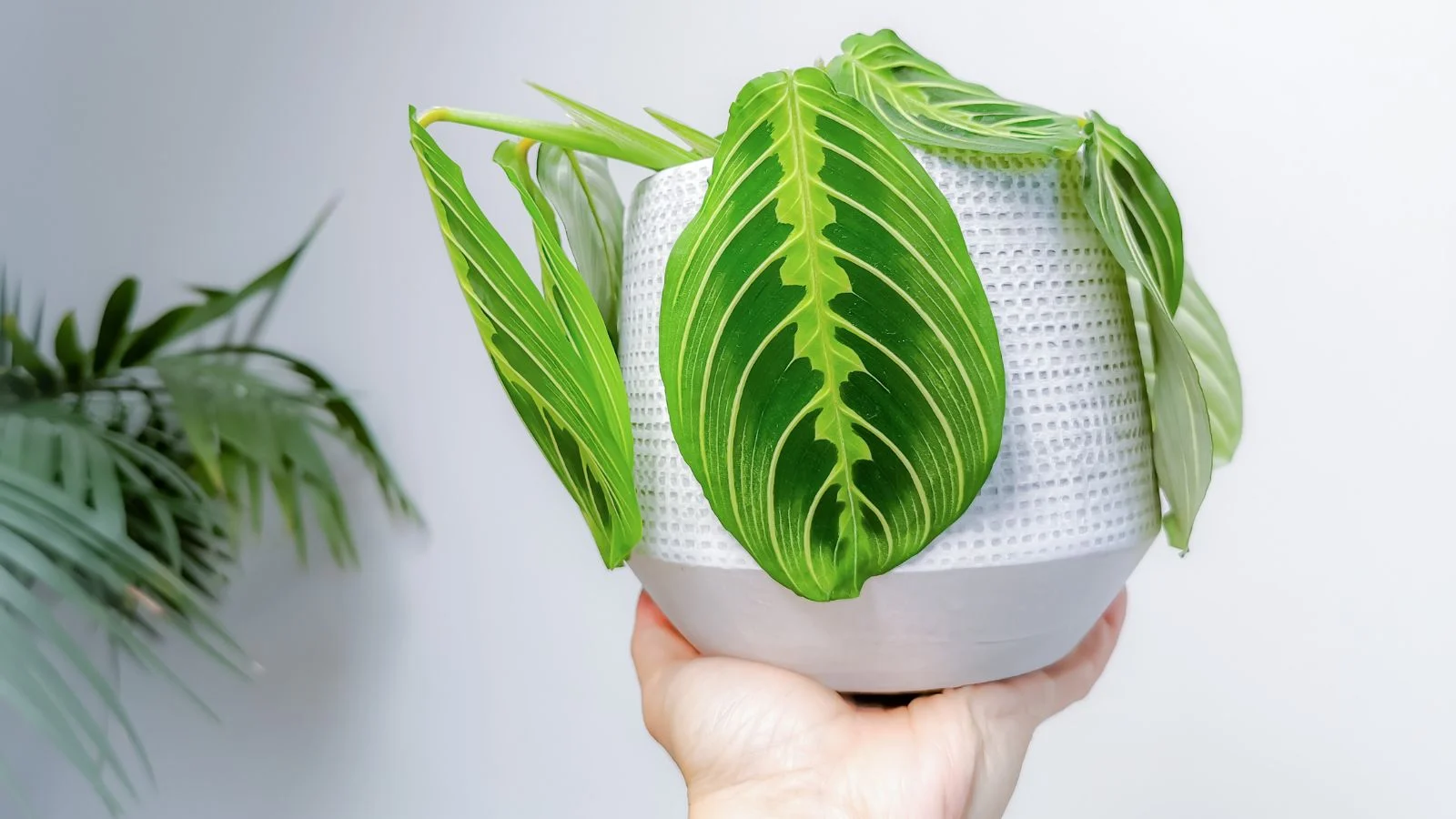 Make sure your container has drainage holes.
Due to its limited hardiness range, most people grow this maranta in a planter indoors. However, those in tropical regions can grow it in the ground, as long as the soil is rich. Amendments of perlite, peat, or coco coir are suitable for both containers and in-ground plantings.
Ensure containers have significant drainage holes in the bottom. If you’re growing yours in the ground, plant it somewhere with bright, indirect light or dappled sunlight.
How to Grow
People who are used to growing houseplants in full sun sometimes have trouble with prayer plants, but it’s not hard to make a few adjustments to keep yours happy.
Light
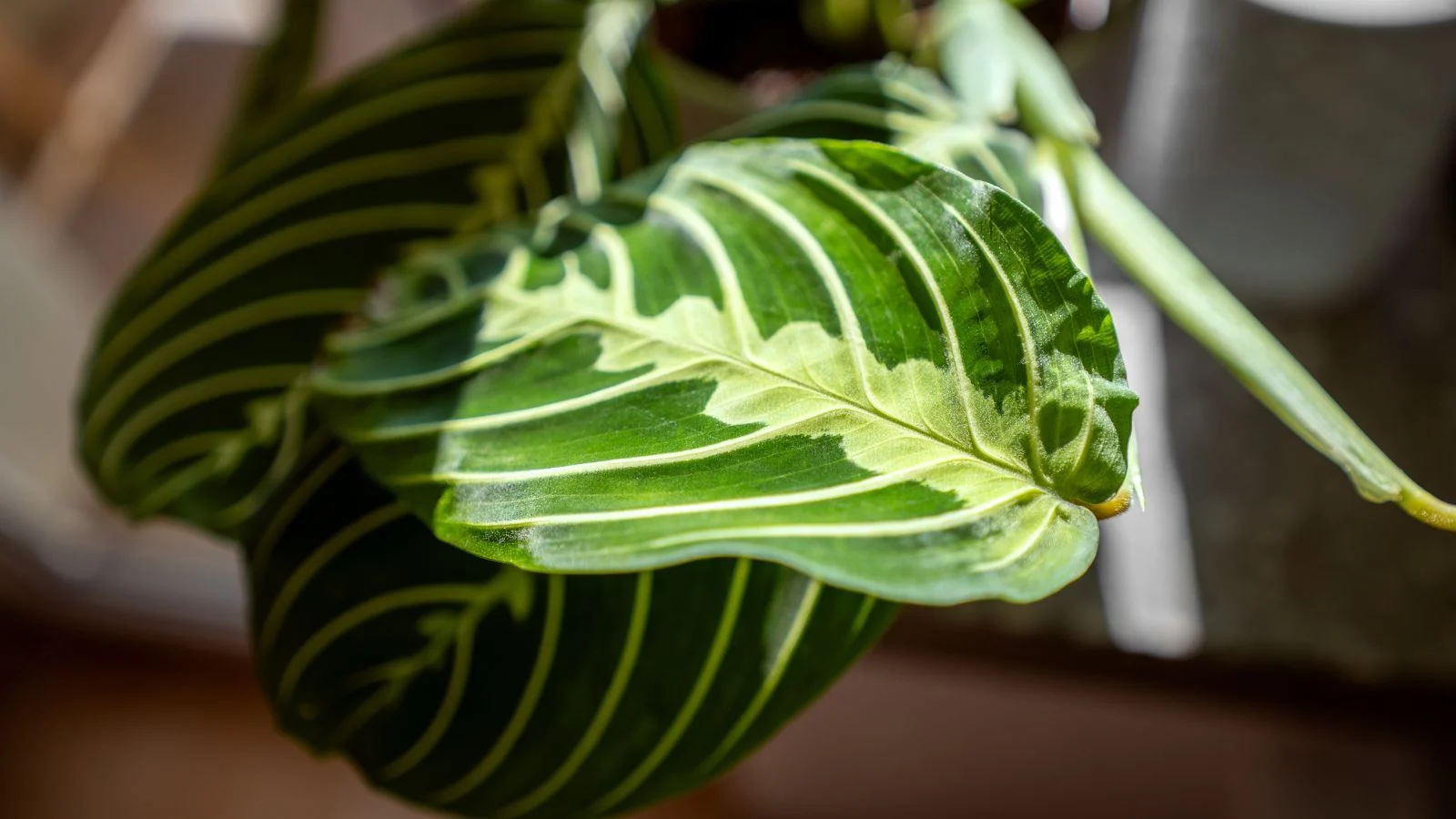 Avoid direct sun, as it can scorch the leaves.
Bright, indirect lighting is the best kind of light to give your ‘Lemon Lime’ maranta. Indoors, place your planter offset from a sunny, south-facing window. West-facing windows work as well. If you’re in the southern hemisphere, flip that and reverse it! Use a sheer curtain to diffuse light in areas where direct sunlight is pervasive.
Outdoors, place your plant under the dappled sunlight that comes through the trees, or under obstructions where it won’t receive direct sunlight. Too much sun dries these plants’ soil and singes the leaf tips.
Water
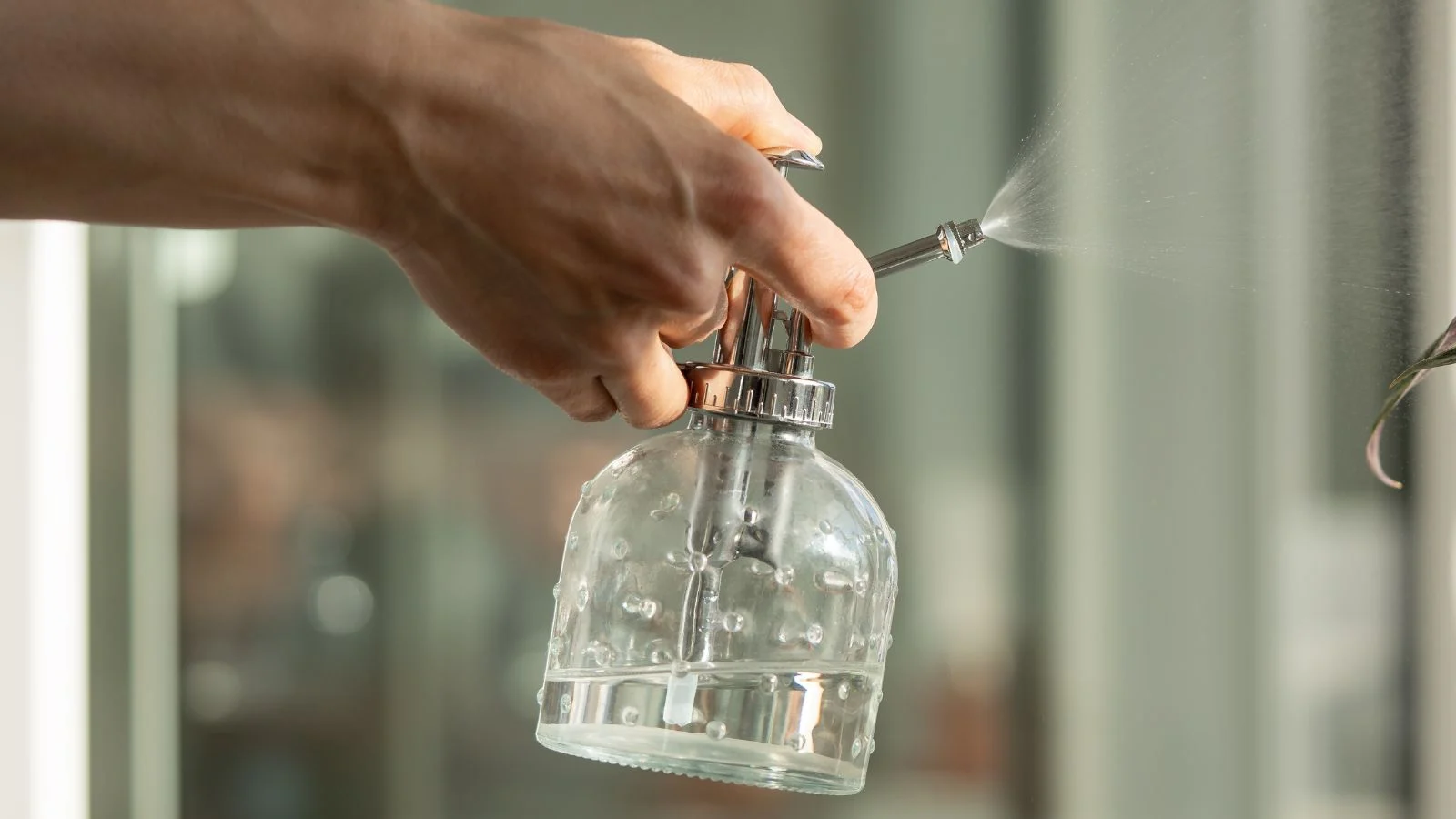 Keep the soil moist but not soggy.
Because they typically receive little sunlight in their native range, ‘Lemon Lime’ maranta plants need a moderate amount of water. Keep the soil moist, but not waterlogged. When you water indoor plants, place them in your sink, and water them with distilled lukewarm water until it comes out of the bottom.
Water outdoor plants slowly and deeply once or twice per week. In both indoor and outdoor settings, let the top inch of soil dry out before you water again. As fall and winter roll in, your maranta goes dormant and doesn’t need as much water. Keep that top inch of soil in mind to determine when to water during dormancy.
Soil
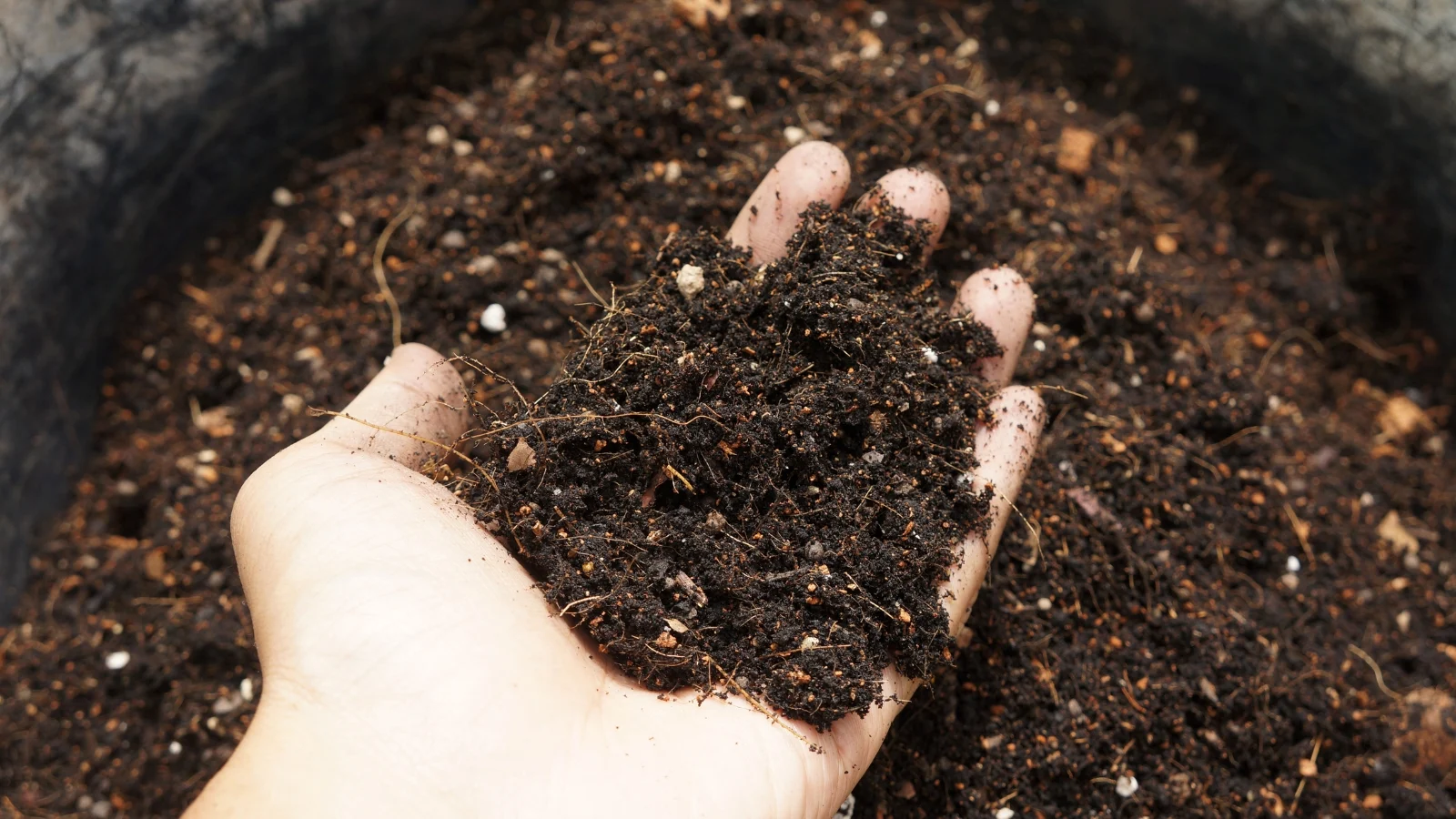 A well-draining soil mix is essential.
Rich, well-draining soil that retains some water is best for your prayer plant. Outdoors, these plants don’t do well with heavy clay or sand. You can try to amend your soil with compost, perlite, and peat or coir. However, if you don’t already have rich soil, container growing is easier than in-ground growing.
Use a standard potting soil for container plants, and amend with some compost if it’s super light. Heavier potting soils should be amended with perlite. Those that are sandier will do best with additions of peat or coir.
Temperature and Humidity
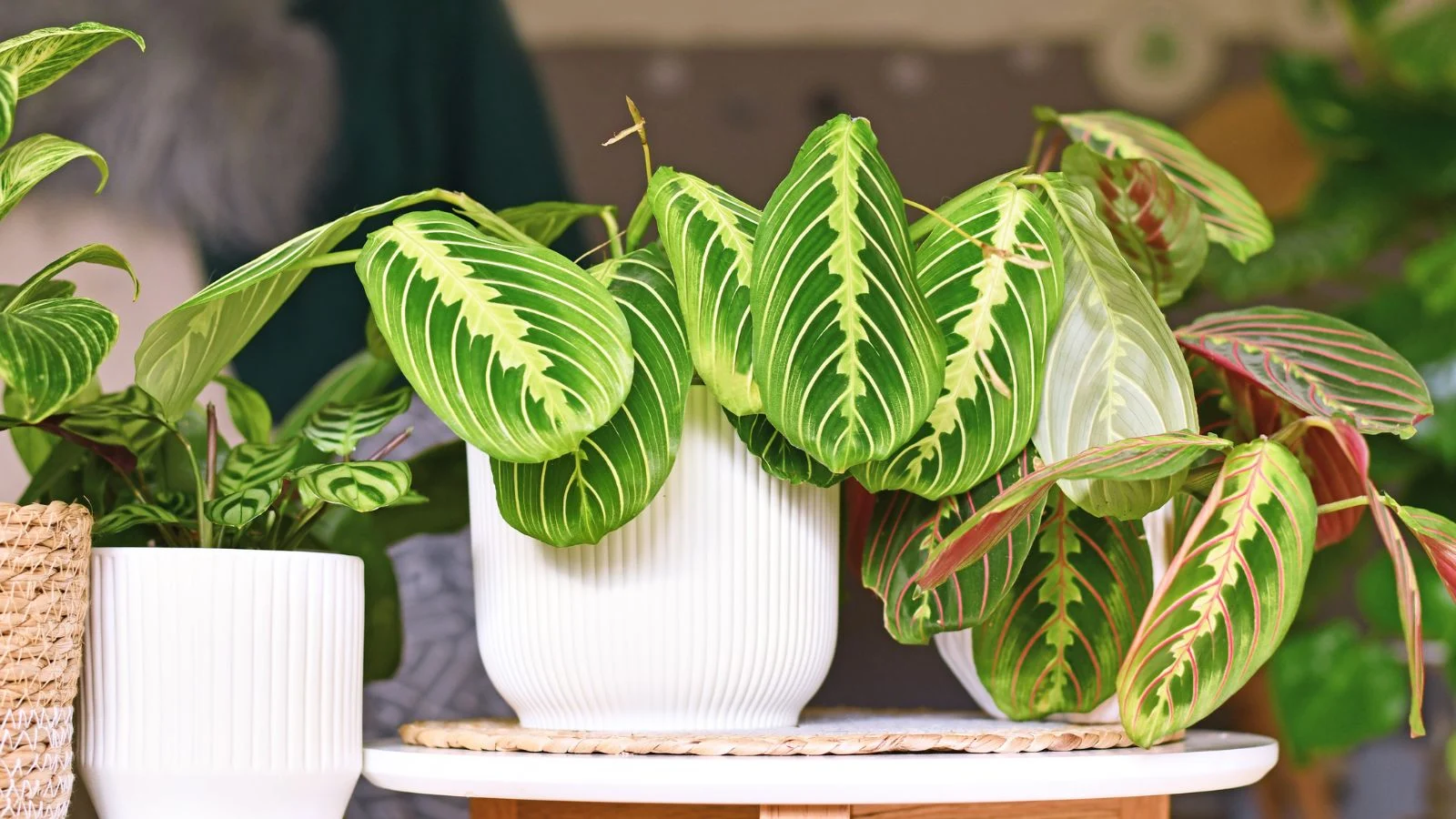 Keep humidity high to recreate rainforest conditions.
The ideal temperature range for your Lemon Lime maranta is between 60 and 80°F (16-27°C). If you’re growing a container plant outdoors, bring it in when temperatures are consistently in the 60s (around 16°C) at night. Do the same in the summer when temperatures are consistently above 85°F (29°C).
Humidity is a must for this houseplant. In its natural ecosystem, it receives a lot of humidity. Keep levels around 40 to 60%. Use a humidifier to do this, or place a pebble tray next to your plant. Replenish the water that evaporates as needed. Don’t mist this plant, as its leaves are sensitive to leaf spot.

Fertilizing
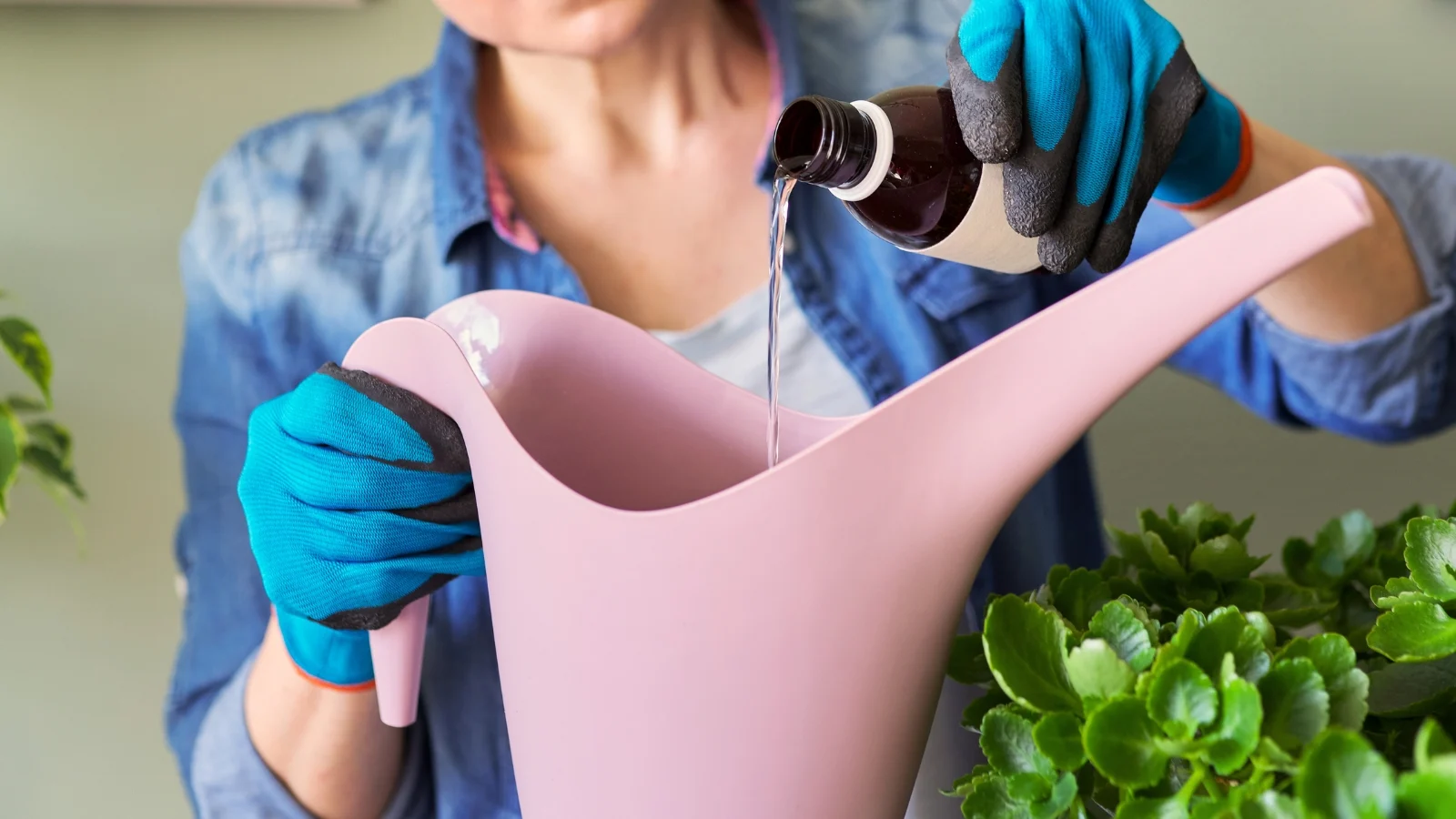 Don’t fertilize in fall or winter.
Use a liquid plant food diluted to half strength, and fertilize every month during the growing season. When fall arrives, cease fertilizing. Then commence again in spring. In the fall and winter dormant period, your plant will not have the active growth to absorb extra nutrients.
Maintenance
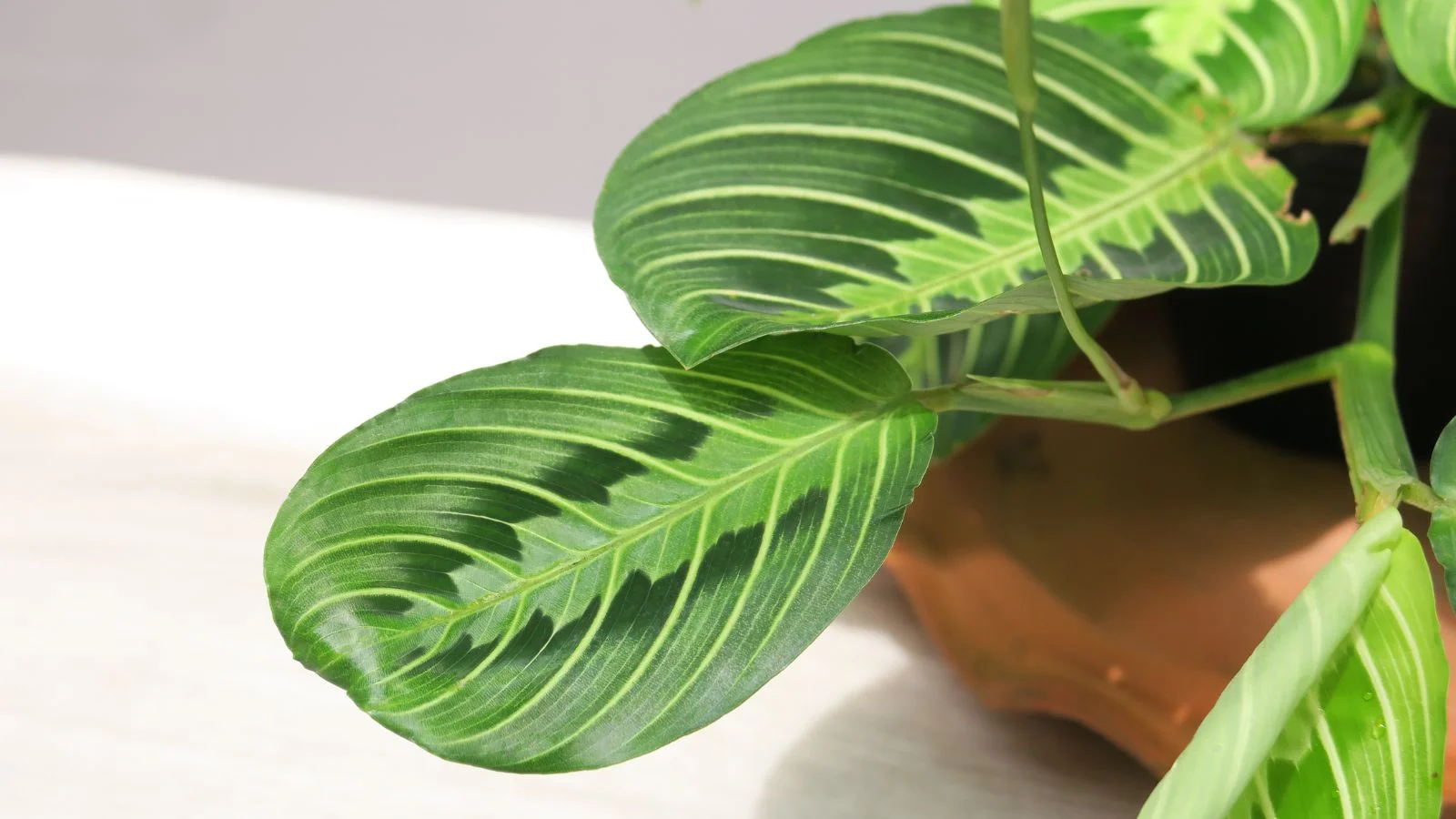 Remove any dead leaves to tidy up the plant.
If you’d like a bushier plant, pinch back new leaves to encourage branching. Remove any dead or diseased leaves as they appear. You should repot container prayer plants every one to two years. Do this when your plants are root-bound or seem too large for the container. Choose a container that is no larger than one to two inches wider than the previous pot in diameter.
Propagation
This plant is so easy to care for, and it’s easy to grow new plants too! Here are a couple of ways to make more ‘Lemon Lime’ maranta plants.
Cuttings
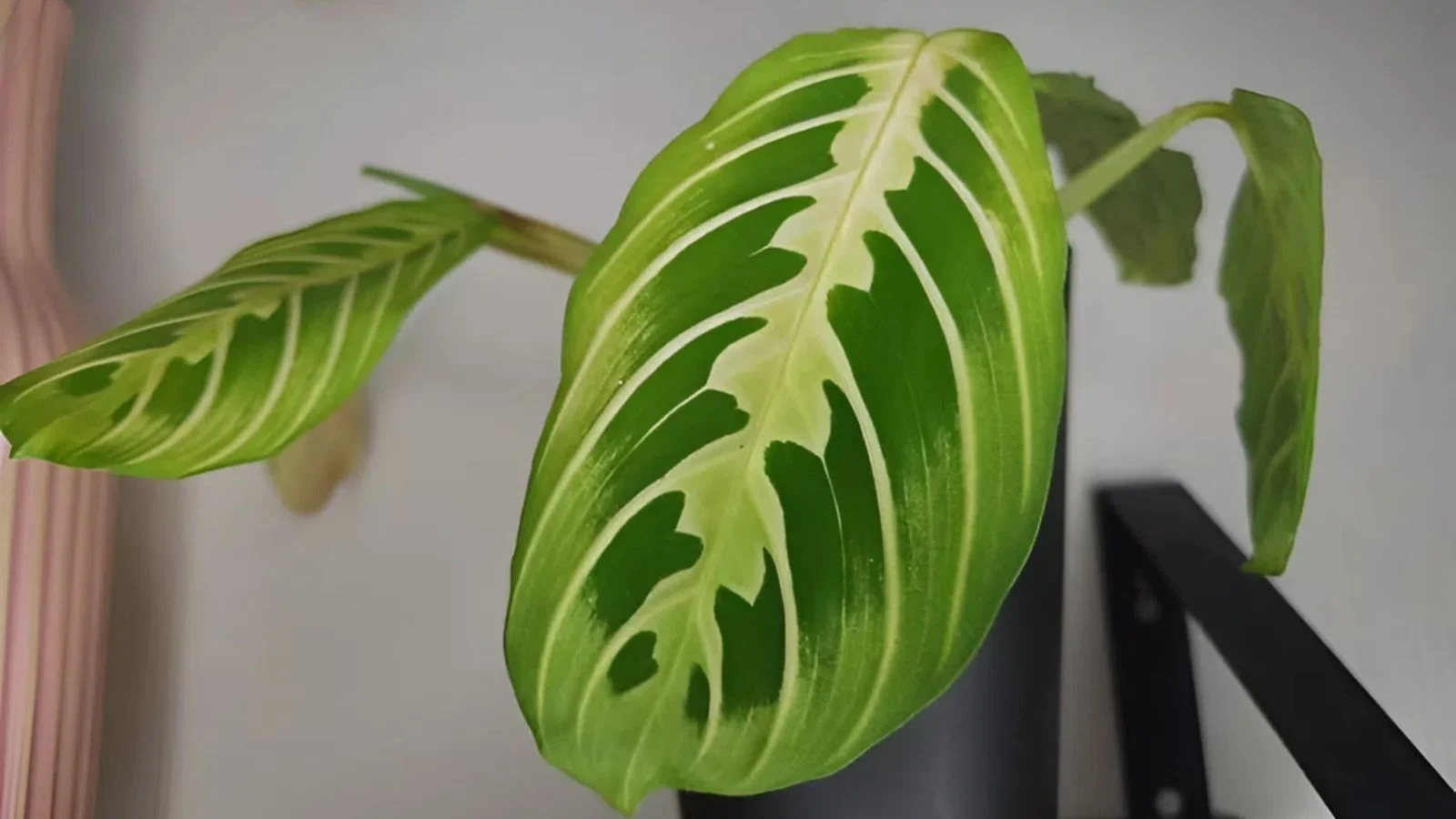 Remove a section where the leaf attaches to the stem.
To grow your ‘Lemon Lime’ maranta from cuttings, use sterilized pruning shears or scissors. Snip a four to six-inch section just below the area where the leaf attaches to the stem. Remove any leaves below the top set. Dip the bottom inch of the cutting in rooting hormone, and place it either in water or a couple of inches in soil. Five-inch pots are great for soil propagation.
Place your cutting out of direct sunlight. In water, wait for significant roots to form, and transplant your cuttings into soil. In soil, place a dome or plastic bag over the pot to promote high humidity. Keep the soil moist, and mist inside the plastic cover to promote humidity and retain moisture in the soil. Mist again when the water evaporates.
In two to three weeks, gently tug to see if roots have formed. If there is resistance, they have, and you can repot your new maranta into a larger container.
Division
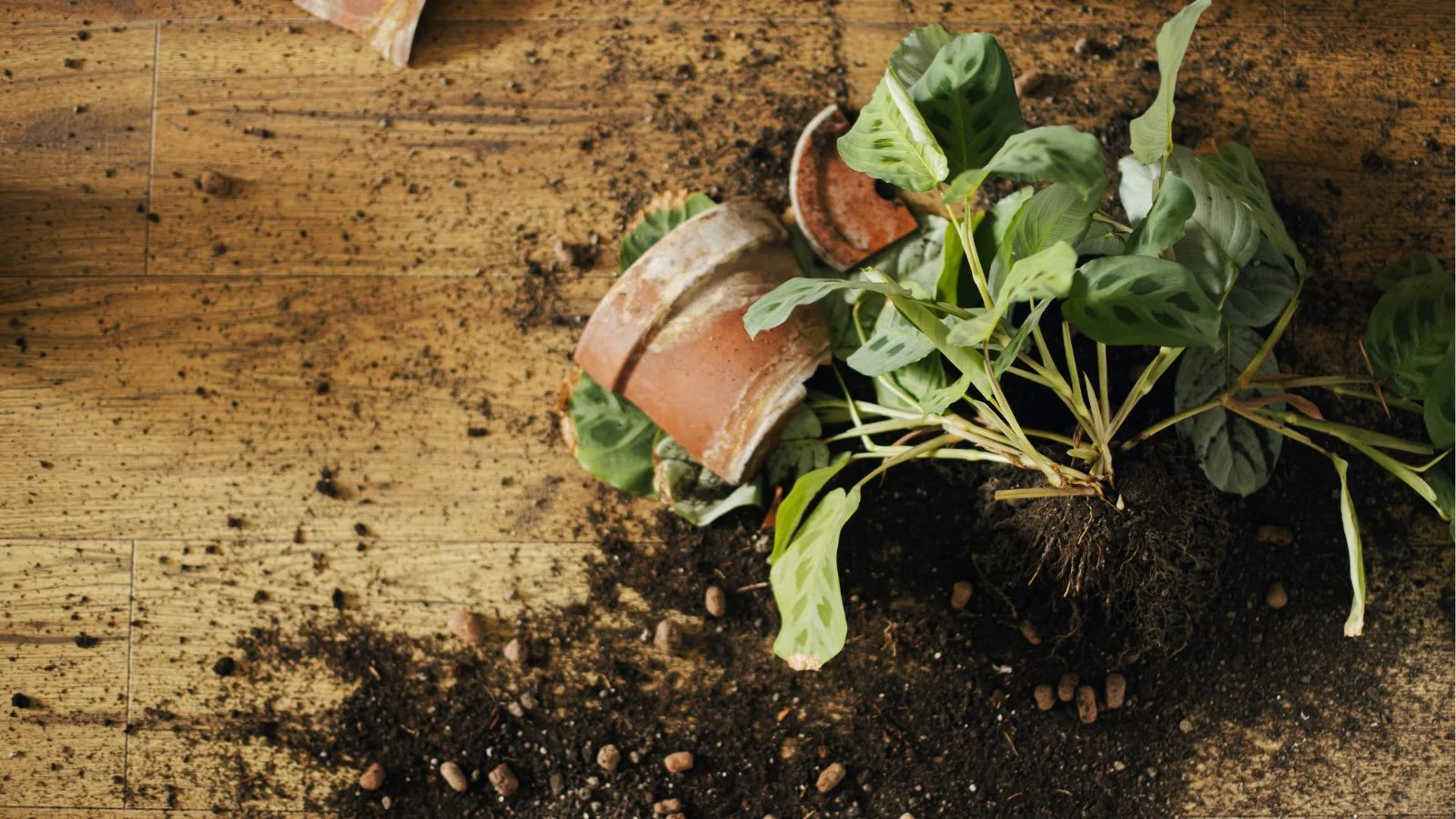 Replant each division to expand your collection.
As prayer plants grow, they develop divisions via adventitious roots that form on their rhizomatic root system. To divide a maranta, gently lift the plant from its pot or the ground, and look for areas where stems have rooted in the soil. Using sterilized and sharp shears (or a similar tool), snip between the areas where these roots are present.
Plant each division in a pot just slightly larger than its root system, and press the soil around it. Water it in, and wait a couple of weeks for roots to develop in the soil. During this time, keep the soil moist, and provide humidity via a cover or humidifier.
Common Problems
The problems and diseases that typically plague ‘Lemon Lime’ maranta are due to improper growing conditions. Pests are rare, but they can attach to your plant in the nursery where they’re initially cultivated, or from the outdoors if you grow yours there for part of the year.
Pests
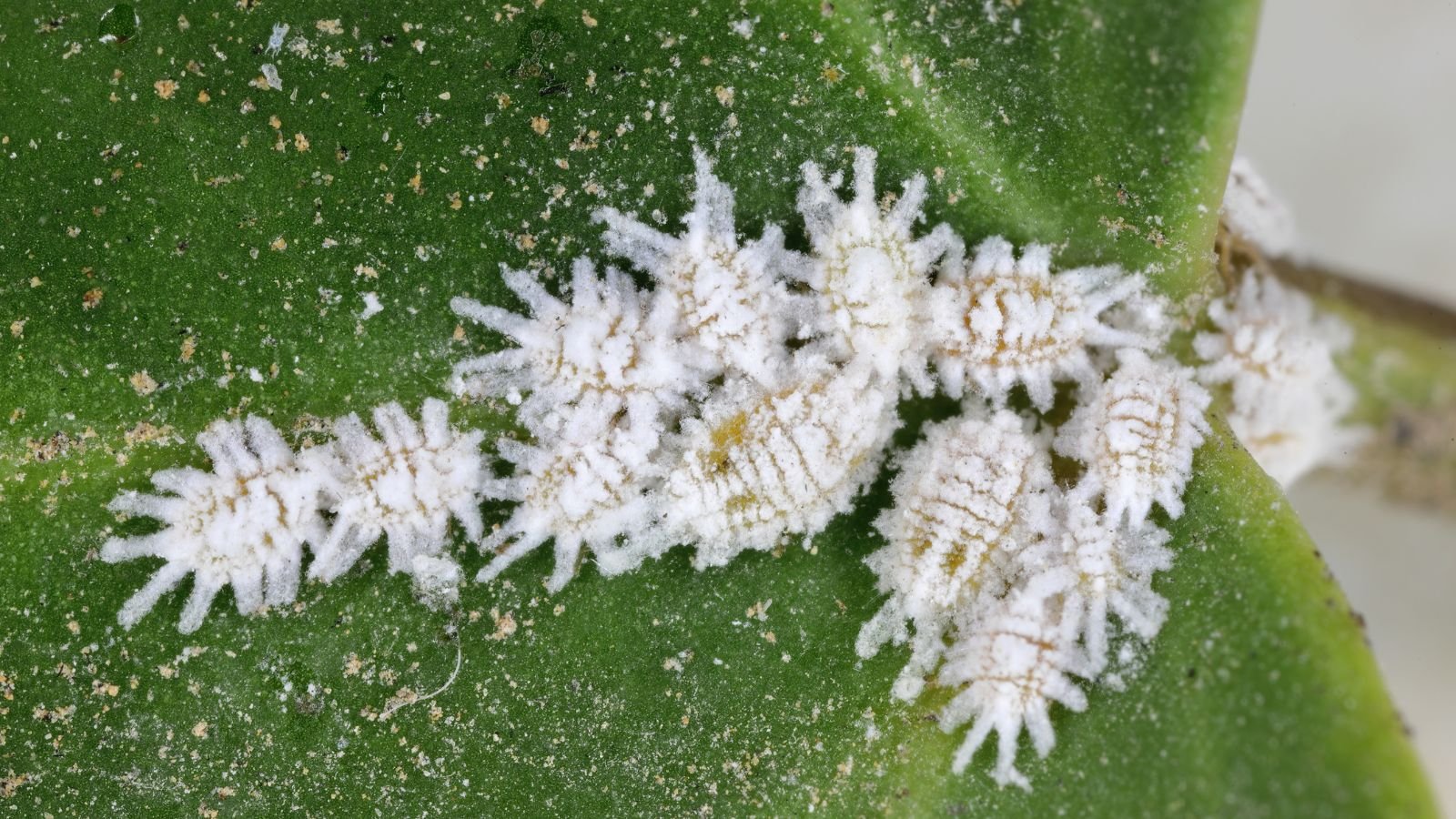 Look out for common indoor pests.
The most common pests of marantas are mealybugs and spider mites. Both are easy to deal with, even indoors. To start, inspect any plants you purchase before bringing them into your home. The same goes for plants you had outdoors but moved indoors to more favorable conditions.
For heavily infested leaves, snip them off, leaving at least one-third of the plant. Then treat the rest of the leaves by wiping them with a damp cloth. This removes spider mites. Remove mealybugs with a cotton swab soaked in 70% or less concentration alcohol. For both pests, follow up with insecticidal soap if necessary.
Diseases
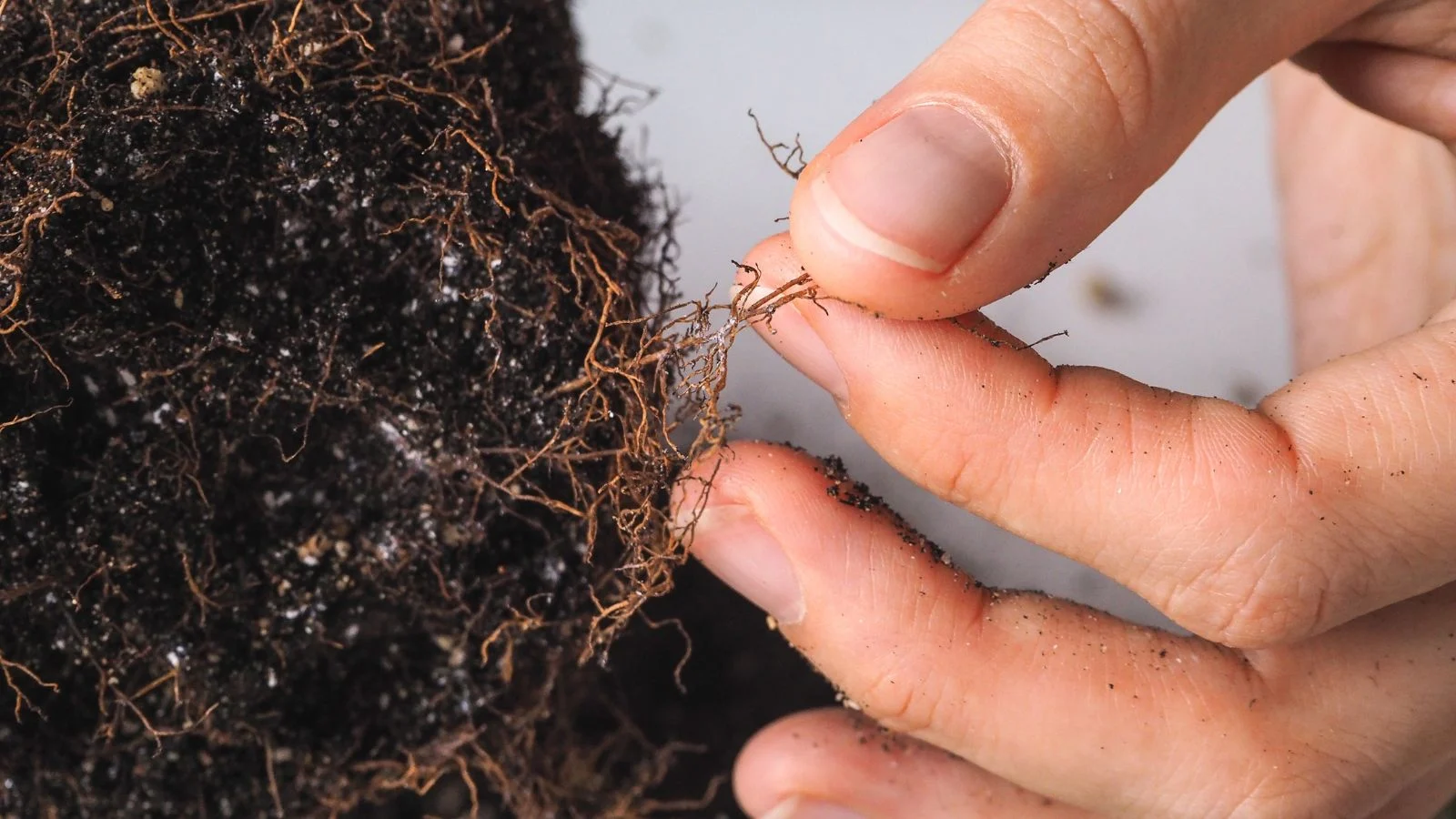 Root rot is possible when plants are overwatered.
Root rot is a result of overwatering, which helps oomycetes that cause the disease to thrive. Plants will take on limp and yellowing leaves that are waxy and moist to the touch. Remove the entire plant from its growing space, and dust off the soil around the roots.
Inspect them, and using sterilized shears, snip off brow and rotted root masses, leaving white healthy ones. Then replant your maranta in fresh soil in a sterile pot. This is sometimes enough to save a plant.
Leaf spot occurs in overly moist and humid conditions. If you notice spots on your leaves, remove them as needed, always keeping at least one-third of the leaves intact. Try to avoid getting water on the leaves in the future, and prune your plant to improve air circulation.
Frequently Asked Questions
Give your maranta a space with bright, but indirect sunlight. Use a sheer curtain to diffuse direct light, or offset it from a sunny window.
Wait for the top inch of soil to dry between waterings. This could mean watering once a week during the growing season and once a month during the dormant periods of fall and winter.
The most common problem is root rot from overwatering. Other problems include insufficient humidity and excessive sunlight.
It’s a very commonly sold houseplant, and it’s easy to find at your nearest chain hardware store.
We reference Lemon lime maranta briefly to keep the thread coherent.












Quick thought • Great step-by-step — I’ll give this a go this weekend.
On a similar note – Loved this about “How to Plant, Grow, and Care for ‘Lemon” — such a nice idea.