

Crop rotation involves growing certain plants in different parts of the garden at varying times of year. While it sounds tricky, it helps to have tools that make crop rotation simple. Four-year plans may seem daunting, but you’ll get much more out of your garden if you think about it in this long-term sense. In fact, crop rotation is an essential part of integrated pest management (IPM).
In IPM, gardeners use cultural controls to keep pests and diseases at bay. Instead of resorting to a pesticide or herbicide – these are the last line of defense – rotating crops is one way to control pests and improve your soil over time. In larger plantings, rotations reduce soil sedimentation and prevent erosion.
Chemicals are harsh for the garden and can cause more problems than they initially solve. Rotations recycle nutrients in the soil, and future crops thrive as a result. They prevent common pests and diseases from gaining a foothold in the garden, bolstering production and supporting biodiversity.
So how does it all work? We’ll detail the process of establishing good rotations in your home garden, and then we’ll discuss a sample plan. You’ll have the necessary tools to achieve a garden that supports healthy plants and sustained production for the next four years.
Heirloom Tomato Seed Bundles
Heirloom Tomato Seed Bundles
Cool Season Garden Seed Bundle
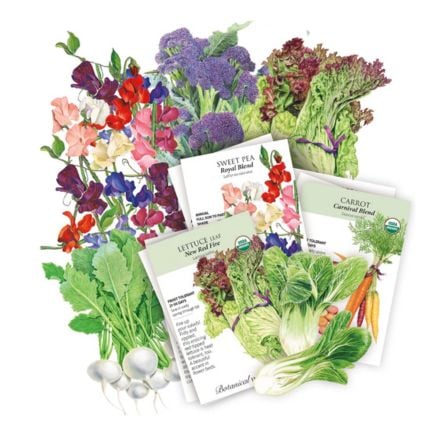
Cool Season Garden Seed Bundle
Good Soup Seed Bundle
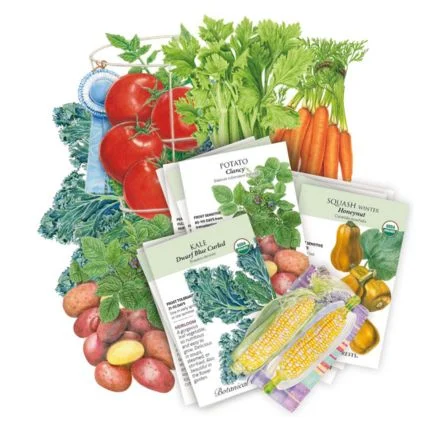
Step 1: Understanding Plant Types
 Knowing what you’re growing will help you understand what to rotate.
Let’s start with a general understanding of how typical garden crops are grouped. Understanding plant types gives you information about which rotations are best. Some plant families deplete soil nutrients over time, while others replenish them. Some plants fix nitrogen in the soil, while others rely on the benefits of nitrogen fixers.
Before you decide which crops to grow, take note of this list and each type’s general effect on the soil. As you develop your awareness of these categories, you’ll start to see how rotations support a healthy soil microbiome.
Plant TypeExamplesEffectBrassicasCabbage, kale, broccoli, cauliflower, Brussels sproutsEliminate some soil-borne pathogens, sap nutrientsLegumesPeas, beansAffix nitrogenAlliumsOnions, leeks, garlicDecrease damping off, acidify the soilNightshadesTomatoes, potatoes, peppers, eggplantTake in moisture, sap nutrientsCucurbitscucumbers, squash, pumpkins, melonsIncrease fungal diversity of soil, take in moistureRoot cropsCarrots, parsnips, beetroot, radishesImprove soil tilth, takes some nutrientsLeafy greensLettuce, spinach, chardEliminate some soil-borne pathogens, stimulate microbial growth
Most types of plants have both a positive and a negative effect on soil. When monocropped, they create an accumulated effect that can damage your garden’s composition. This is where rotation comes in. The areas where a crop negatively affects the soil tell us what to plant next.
Step 2: Pick Your Plants
 Always grow plants you enjoy eating to avoid wastage.
For our sample plan, we’ll work with four plant types and four sections rotated over four years. You don’t have to stick with this plan, but adding more sections can be confusing for a first-time grower. If you want to work with more sections, pick the same number of plant types as the number of sections you are planting.
Start with the plants you want to grow. Make a list, and then cross-check those with your local extension office. For instance, if you live in an area with a very cold winter and a short season, you need to protect your plants from the elements. If you live in an area with a very hot summer that comes on quickly, prepare for that too!
This step provides you with information about the nature of your local growing seasons. It also helps you determine each plant’s most common pests and diseases. After you have this info, pare down your list based on the amount of space you have and the space needed to grow each crop.
Determine which plants are good companions, and include these pairings in your list. Similarly, remove any that are bad companions, or plant them away from one another.
If you’re not sure where to start with how many plants and which ones to pick, use the square foot gardening method. This gives you the easiest way to make crop rotation simple. Four-year plans come afterward.

Step 3: Plant Your Garden
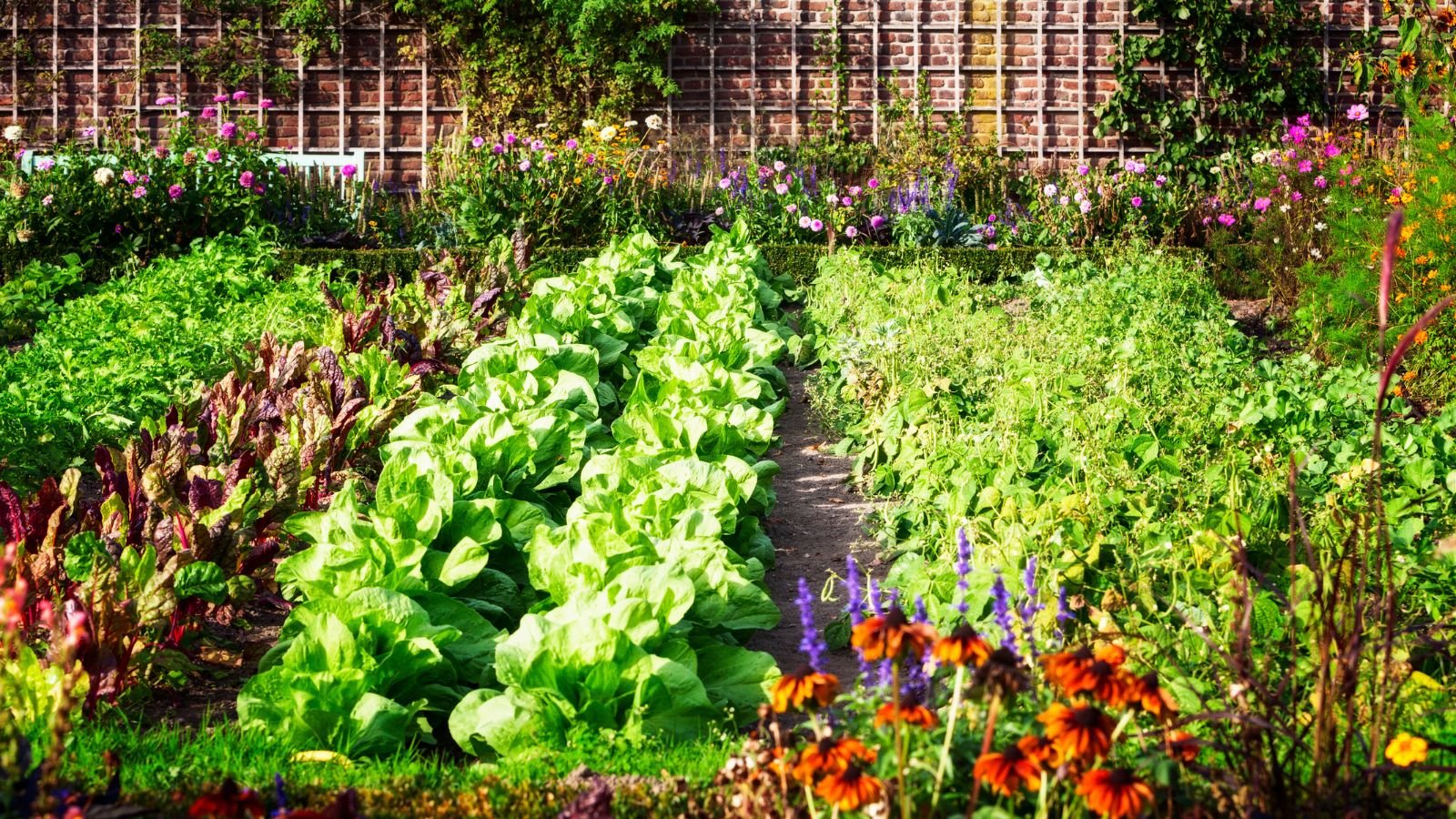 Take note of what you’ve planted where for your records.
Using the square foot method, or keeping plant spacing in mind, it’s time to plant out your garden.
Stick with four sections your first time to make crop rotation simple. Four-year plans with four groups are easiest. Keep plant types together in your growing space. Remember your good and bad companions in mind as you place plants next to one another.
If you need time to start seeds indoors, ensure you’re planting in the appropriate window and season. Bear in mind your frost dates and the time it takes for plants to mature. Then consider succession planting and how you’ll handle the varying maturation periods for each plant.
Sample Plan
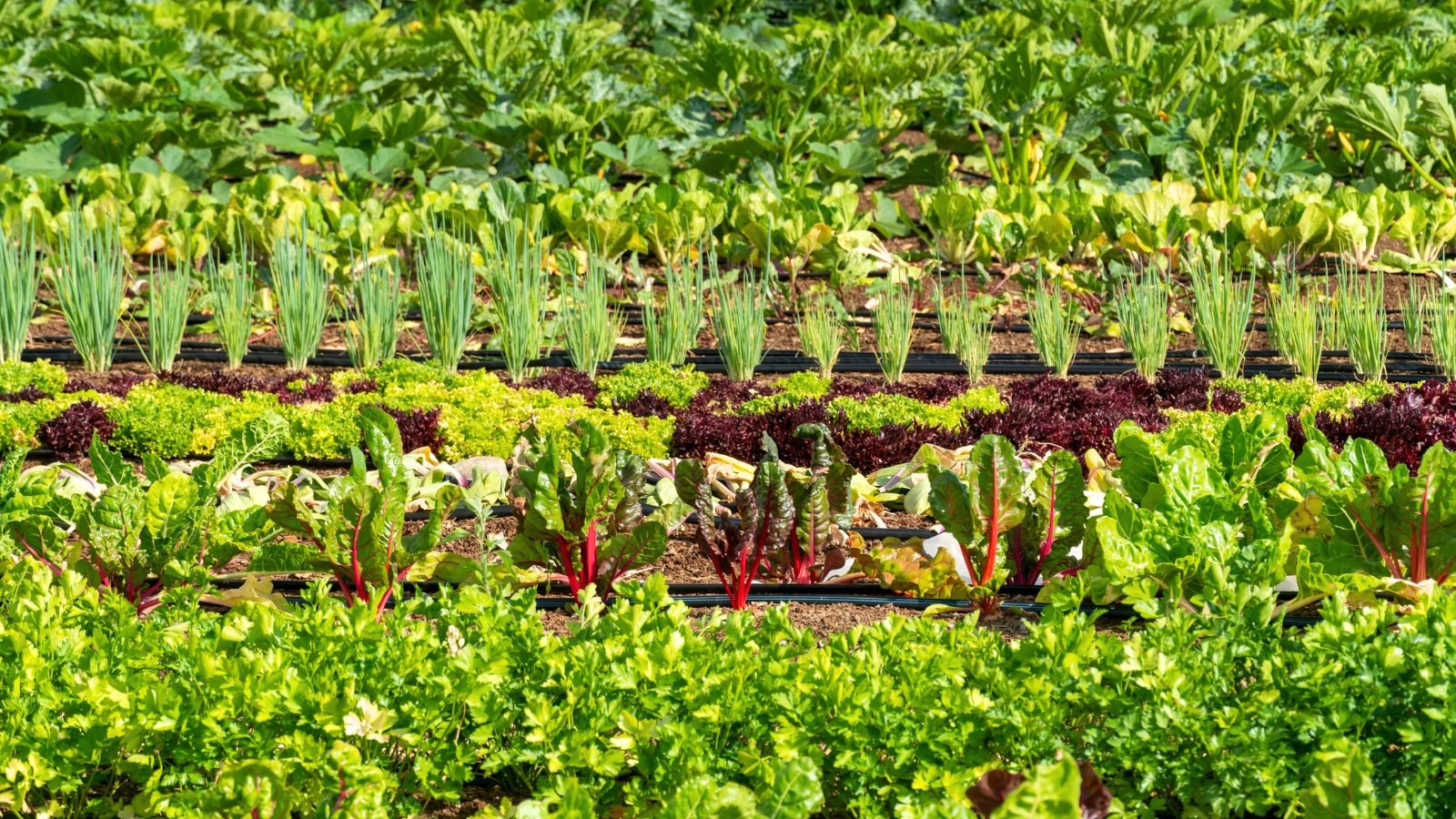 Adjust your plan as needed throughout the seasons.
Now that we’ve covered what crop rotation is all about and how to do it, use this sample plan to enact your first four years of rotations. This is a cool-season plan, best for a mild spring or fall season. In summer, incorporate heat-loving cucurbits.
If you have room to do more than four sections of crop rotations, you’ll certainly see benefits, but starting with four sections is a bit easier. As the years go on, adjust as needed within the parameters of your specific locality. Add sections as you get more comfortable, and reduce as needed.
In this chart, the orders in the second column correspond to the section.
Year 1Legumes, Brassicas, Nightshades, Alliums and Root CropsYear 2Brassicas, Nightshades, Alliums and Root Crops, LegumesYear 3Nightshades, Alliums and Root Crops, Legumes, BrassicasYear 4Alliums and Root Crops, Legumes, Brassicas, Nightshades
Notice how the sections shift from year to year. You’re keeping with the same four plant types, but rotating them in a fashion that maintains soil quality.
Here’s a visual of what this rotation could look like in one section of a square foot garden. In subsequent years, shift the sections in a clockwise fashion, like so:
Legumes ➡️Brassicas ⬇️Alliums and Root Crops ⬆️Nightshades ⬅️
















💡 Tiny tip: Such a warm post; this made me smile. Saving it.
Heads up — Beautifully done; the instructions are easy to follow.
😊 PS · I appreciate the tips — super useful and friendly.
Nice take on “Crop Rotation Made Simple: The Four-Year” — I’ll try that soon.
Nice take on “Crop Rotation Made Simple: The Four-Year” — I’ll try that soon.
Nice take on “Crop Rotation Made Simple: The Four-Year” — I’ll try that soon.