
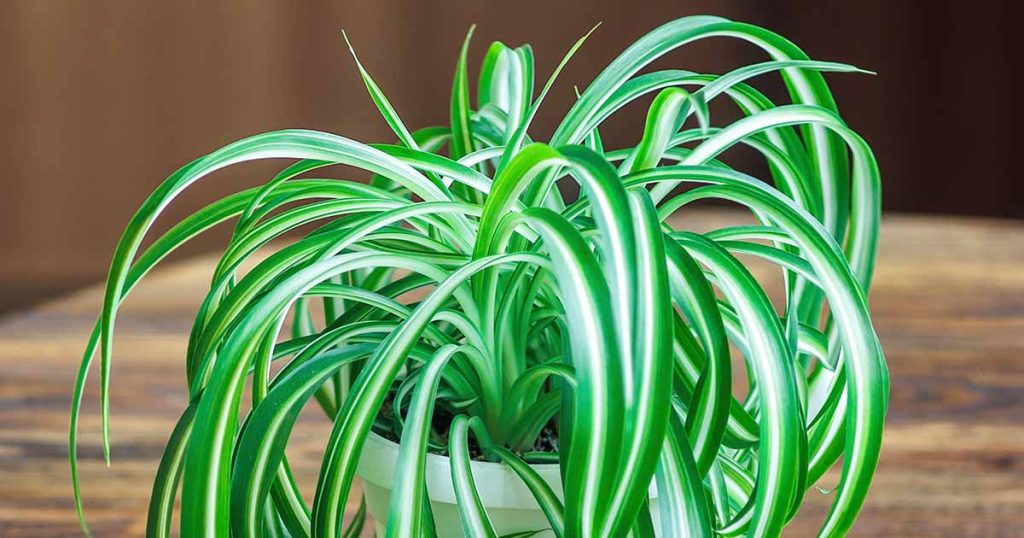
Need more advice? Read our guide to repotting spider plants here.
You do not need to prune spider plants but you can trim off any brown tips that appear.
Get more pruning tips here.
Propagation
While propagating C. comosum from offsets is the most common method, it can also be propagated through division and by sowing seeds.
From Seed
For the flowers to produce seed heads, they will need to be pollinated. After pollination, fruits will form, containing seeds that you can harvest.
Wait for the fruit to dry out to ensure that the seeds are fully matured.
Sow the harvested seeds in sterile potting medium and water gently with a mister to avoid oversaturating the soil.
After germination, repot the young plant as needed, as indicated in the repotting section above.
From Offsets
Propagating offsets is probably the easiest way to create new spider plants.
If the babies have roots growing, all you need to do is to snip off an offset from the stalk and pot it up.
Sometimes, your spider plant may have offsets that don’t yet have roots of their own. In this case, you can help a spiderette grow roots in a few different ways.
One option is to snip it off and set it in a small glass of water. Make sure the base of the offset is touching the surface of the water.
Another method is to mimic what would happen in nature and root the offset while it is still attached to the parent plant.
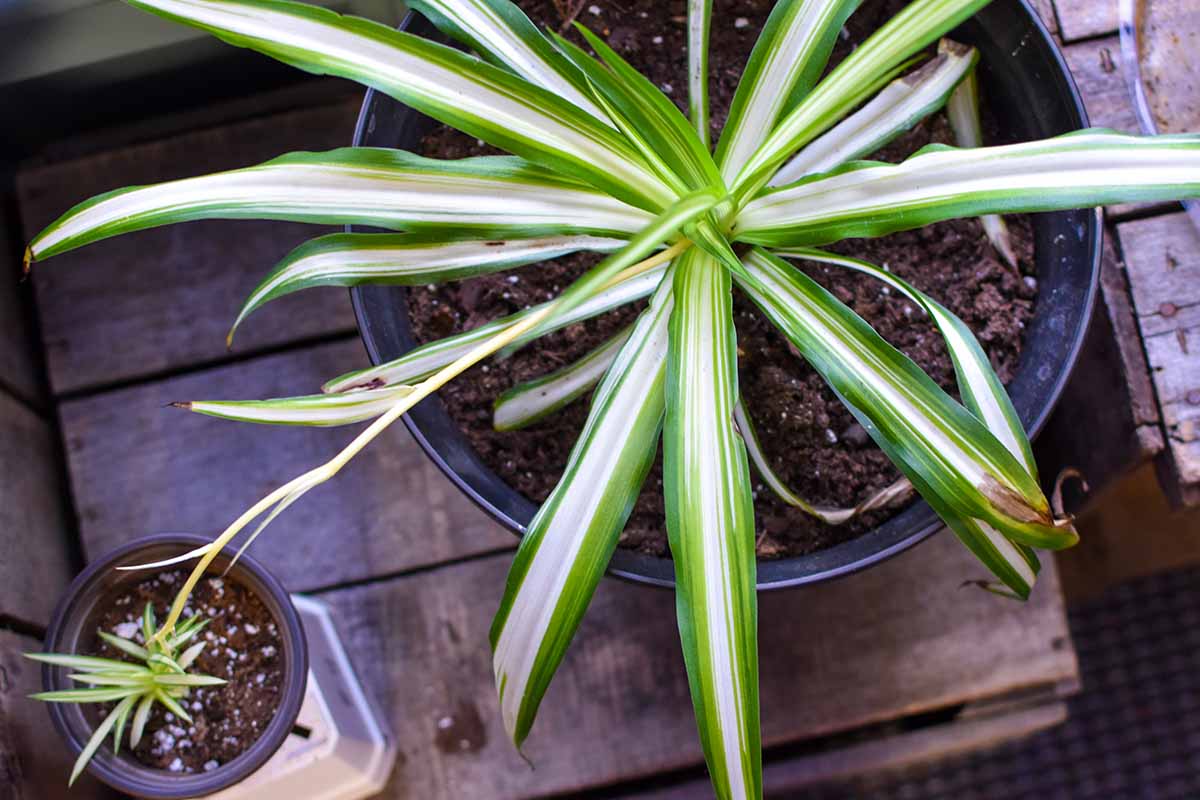
Simply place a small pot with potting soil under the offset and allow it to root while it’s still attached.
Or you can snip it off from the stem and pot it up, letting it root in the soil on its own.
Once your offsets are rooted well, begin caring for them as you would for a potted plant.
Get detailed step-by-step instructions for rooting spiderettes.
By Division
Division can come in handy when your plant is outgrowing its pot and you want to limit its size.
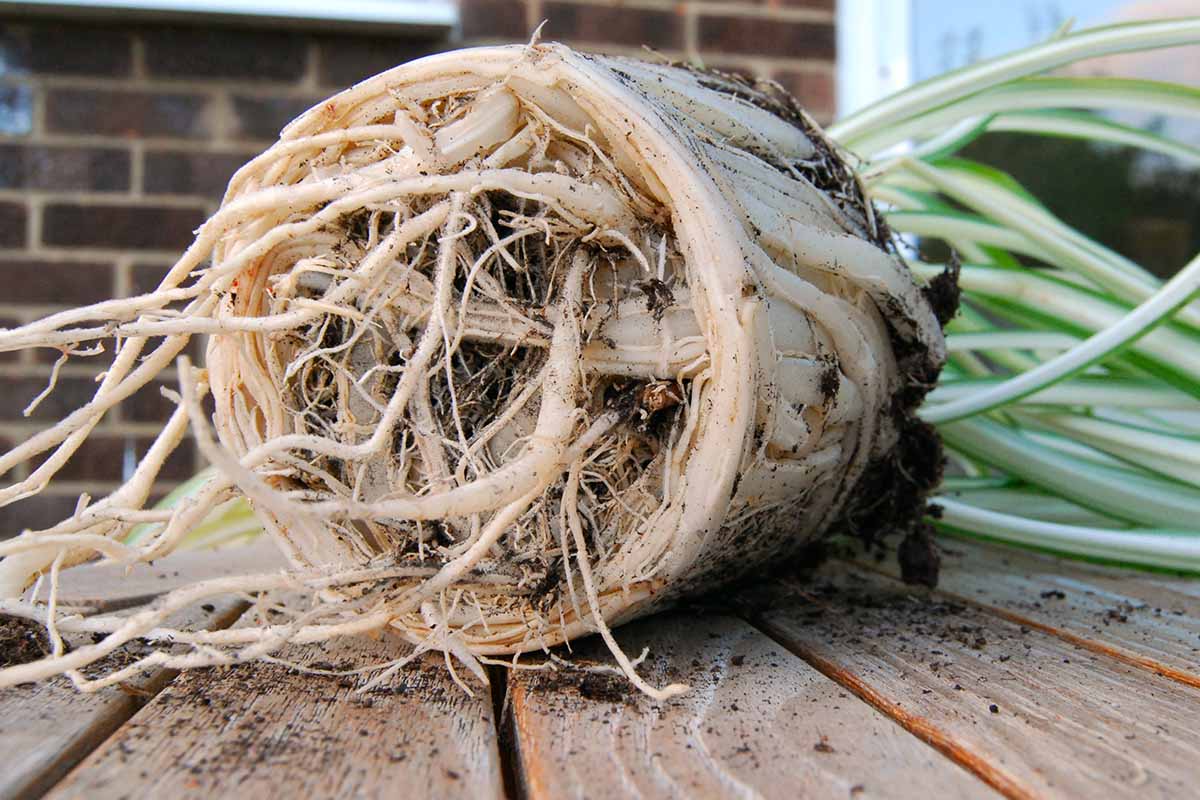
Rather than letting it continue to grow wider, you can divide it, creating two smaller specimens – or more, depending on your preference.
To divide, you’ll want to remove your plant from its pot and then work a clump away from the main plant, with both leaves and roots intact.
Find more tips on dividing spider plants here.
Continue by potting up as described in the repotting section above.
Pests and Disease
These easy-care houseplants aren’t terribly prone to pests or disease. However, it’s important to know what to be on the lookout for.
Pests
Common pests include:
Mealybugs
Mealybugs are one of the most common houseplant insect pests.
Luckily, they’re easy to recognize, so you’ll be likely to catch them before they cause much damage.
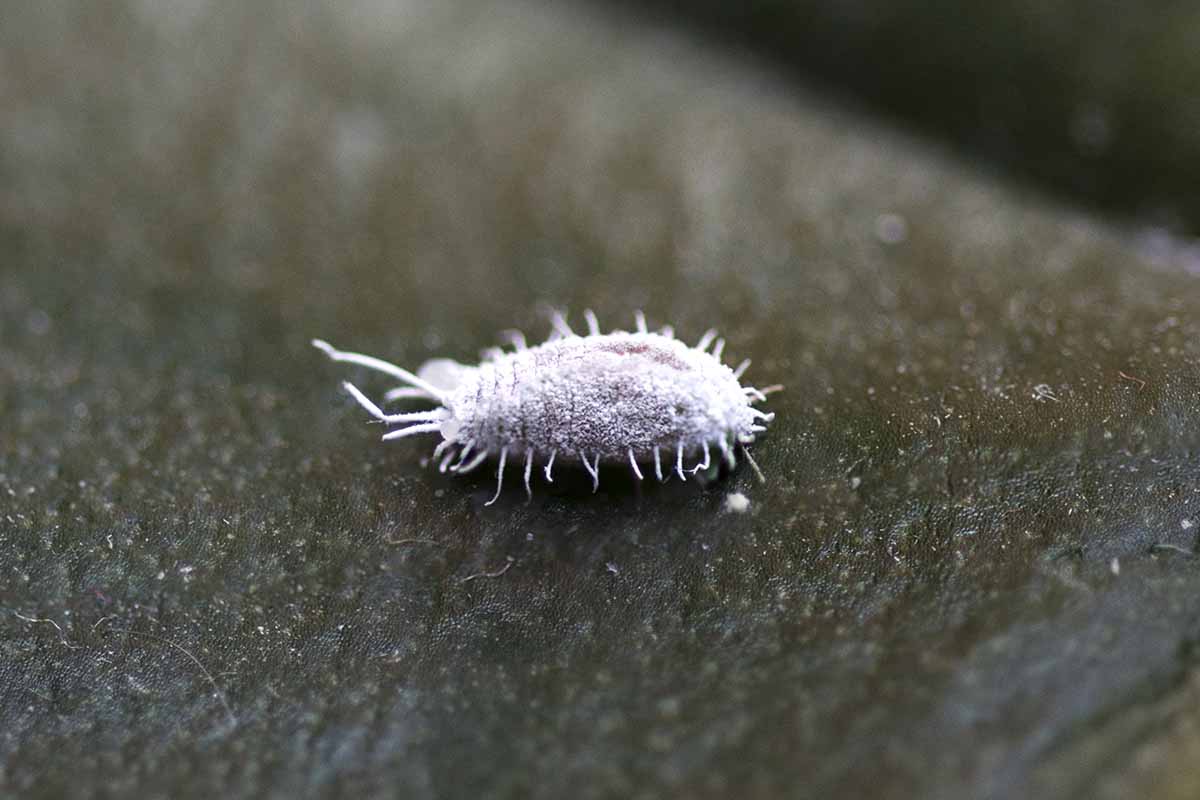
Mealybugs will latch onto and feed on your houseplant, stealing valuable nutrients. This will weaken the and can eventually kill it if the problem goes on too long.
You can control these pests by wiping them away with a paper towel moistened with rubbing alcohol. Be sure to inspect the base of the leaves as well as the leaves themselves.
If rubbing alcohol isn’t enough to wipe out an infestation, you can try an application of neem oil, according to the packet instructions.
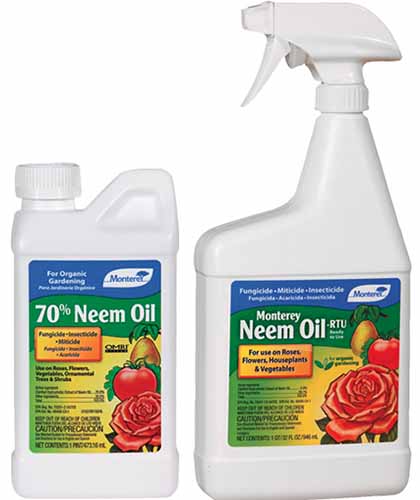
Monterey Neem Oil
Need some neem? You can find this product from Monterey available at Arbico Organics.
Read more tips on controlling mealybugs.
Scale
Scale are insects that masquerade as little brown lumps.
Just like mealybugs, they will suck nutrients out of foliage, weakening your plant.
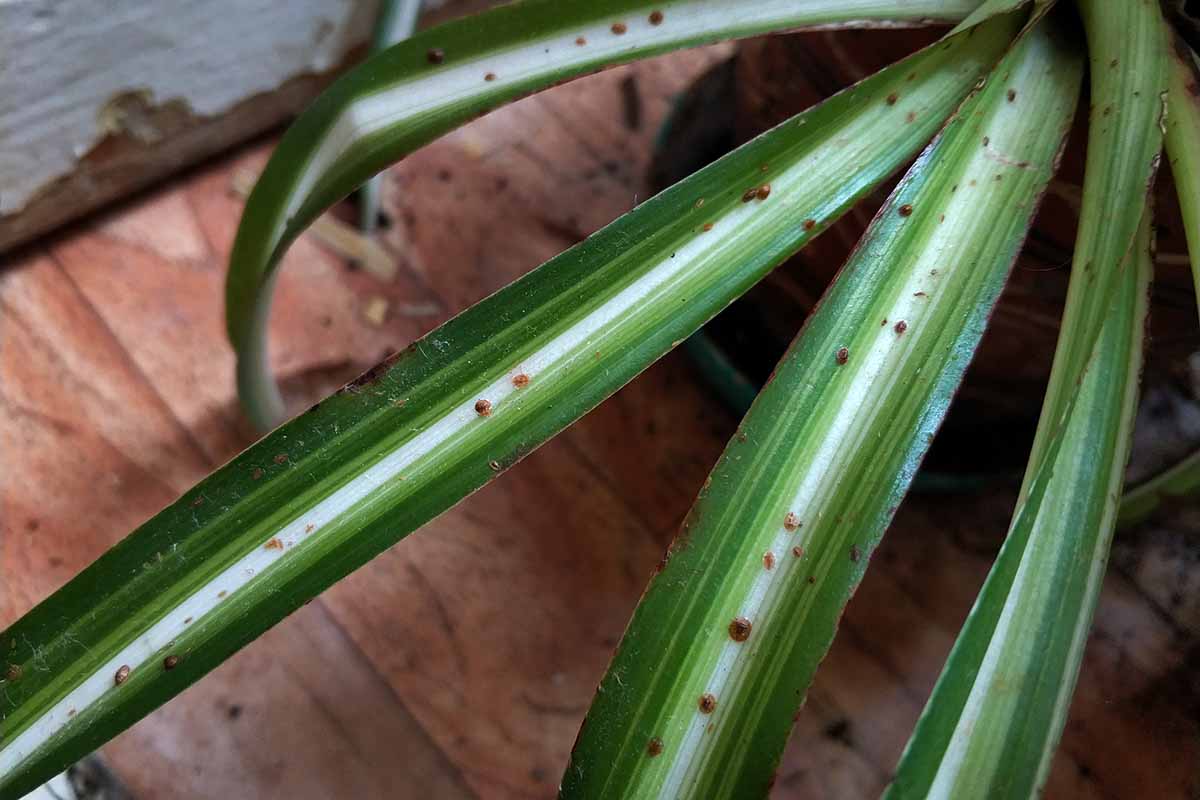
Yellow leaves are one of the telltale signs of their presence.
These pests can be treated in the same way as mealybugs, with rubbing alcohol or neem oil
Find more tips on identifying and controlling scale insects.
Spider Mites
It would seem fitting, wouldn’t it, if the spider mites found your spider plants?
If you notice yellow spots on the foliage – or worse, webs – inspect the spider plant closely.













Heads up · Lovely idea; I might try this in my garden 🌿. Thanks for this!
Tiny tip: So cozy — makes me want a cup of tea and a quiet afternoon ☕. Thanks for this! 🌸