
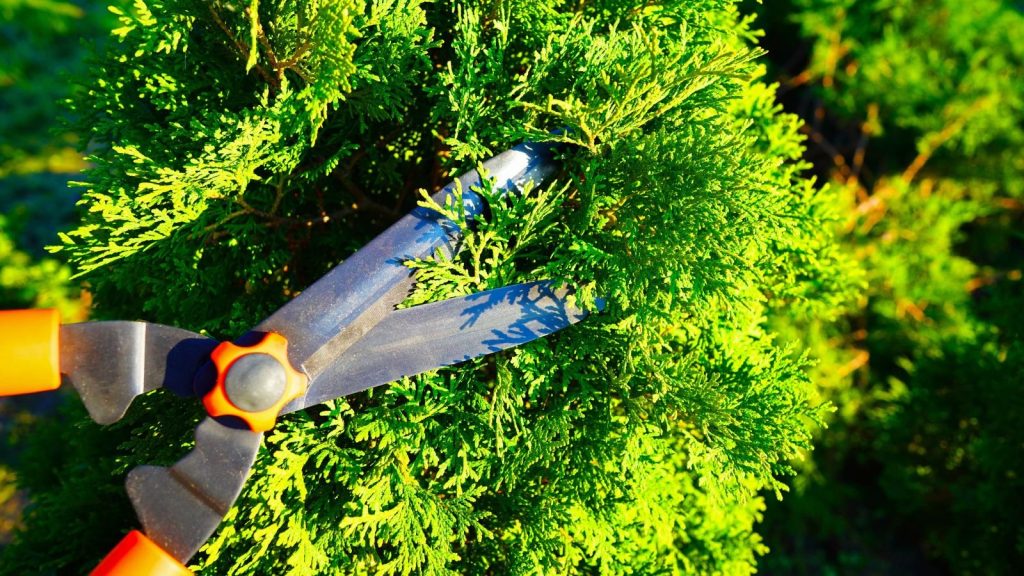
Plants prune this — a quick note to anchor this piece for readers.
Plants prune this: Quick notes
While other gardeners sleep, you can consult this January pruning guide! Plants on this list are prime for pruning this month. Grab your loppers, pruners, and shears, and get ready to shape and freshen up your shrubs and trees before winter dormancy ends.
In various areas of North America, the timing suggests pruning should be deferred. With that in mind, we’ll give you an indication of which stage the plants below should be in before you prune. This saves you a headache in the growing season.
Before you dive into the list, sharpen and sterilize your pruning tools. If it’s not already a part of your winter routine, do this refresh first. Sterile implements prevent the spread of diseases. Sharp tools make the best and most precise cuts that heal faster.
Emerald Green Arborvitae
Late winter is the best time to prune conifers.
The first entry on this list of January pruning guide plants is a favorite for hedges: Emerald Green arborvitae. This mid-sized tree is evergreen and adaptable to varying soil conditions. It has a wide range of hardiness from zones 3 through 8.
Late winter is the best time to prune most conifers, before they put on new growth. The exception to this rule is pine trees, which are best pruned in summer. While this Thuja species and our next entry (conifers in general) don’t need pruning, now is the best time to do it.
To prune this beauty, remember that these plants don’t regrow foliage when they are pruned to leafless areas. Whatever you do, don’t top the tree. It will not recover in an aesthetically appealing way. Instead, focus on shaping the tree by pruning the tips lightly.
Again, do all of this before the tree puts on new growth. If you’re in a subtropical area and your tree is actively growing, wait for dormancy to prune.
Leyland Cypress
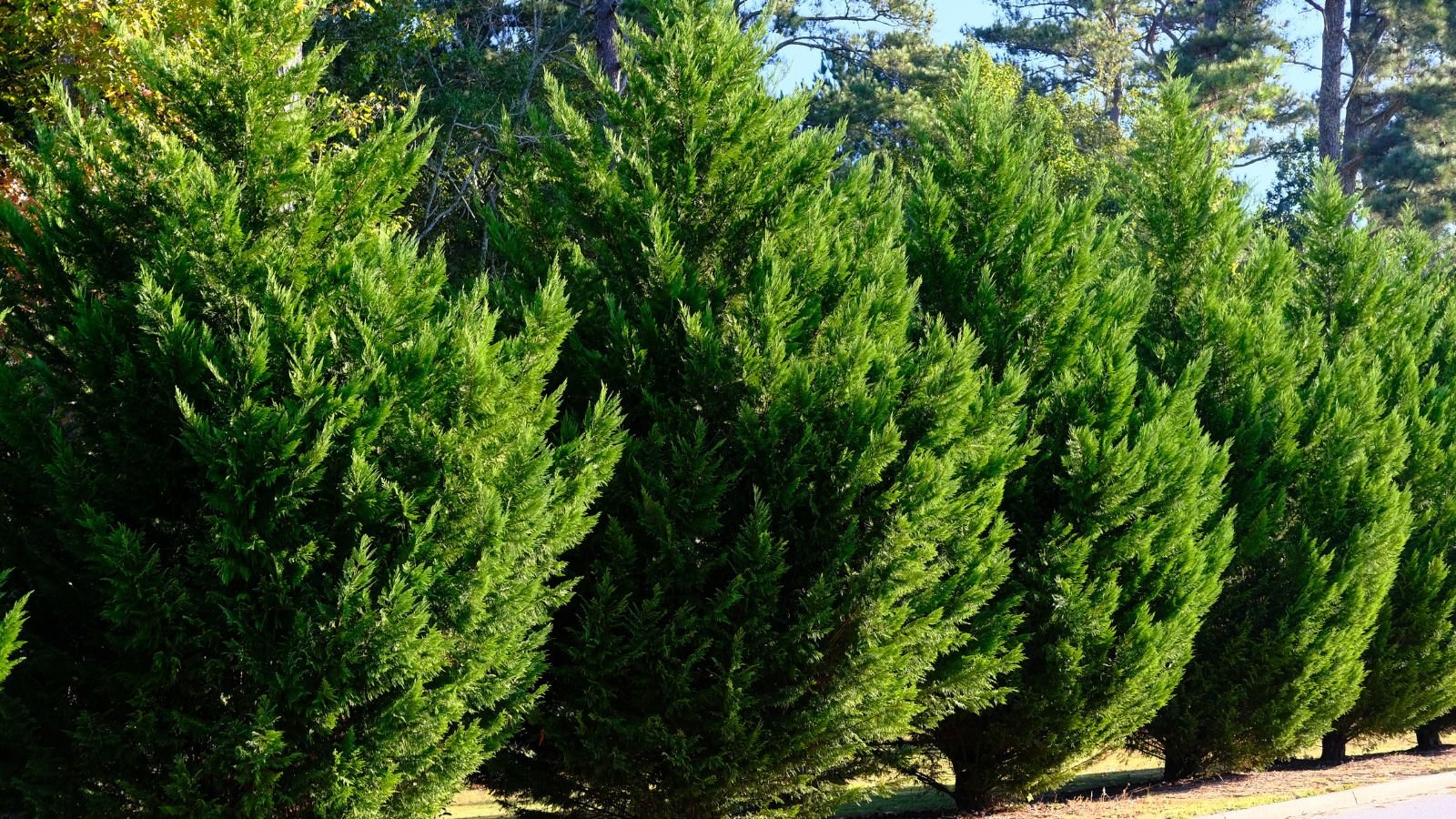 January is an ideal month for light shaping.
The Leyland cypress is another lovely hedge plant or specimen tree that responds well to pruning in January. While late spring into summer is a better time to do a major pruning, carry out a light shaping this month. These trees have a conical form, and January is a good time for making that natural shape more defined.
Much like the arborvitae and other conifers, prune only if your tree is still dormant. If you see light green leaf tips, it’s actively growing. Once you’ve done your initial check for dormancy, look for any dying, diseased, or damaged branches. Leyland cypress trees are susceptible to multiple pests and diseases. Remove these for the best start to the growing season.
If you’re working with a large tree, consult an arborist. Snip the tips of branches on smaller trees to accentuate their pyramidal form. Give yours a trim every winter, and they will grow in your landscape for 20 to 50 years. If you take off too much, don’t worry about it. Leyland cypress trees bounce back much more easily than others.
Apple Trees
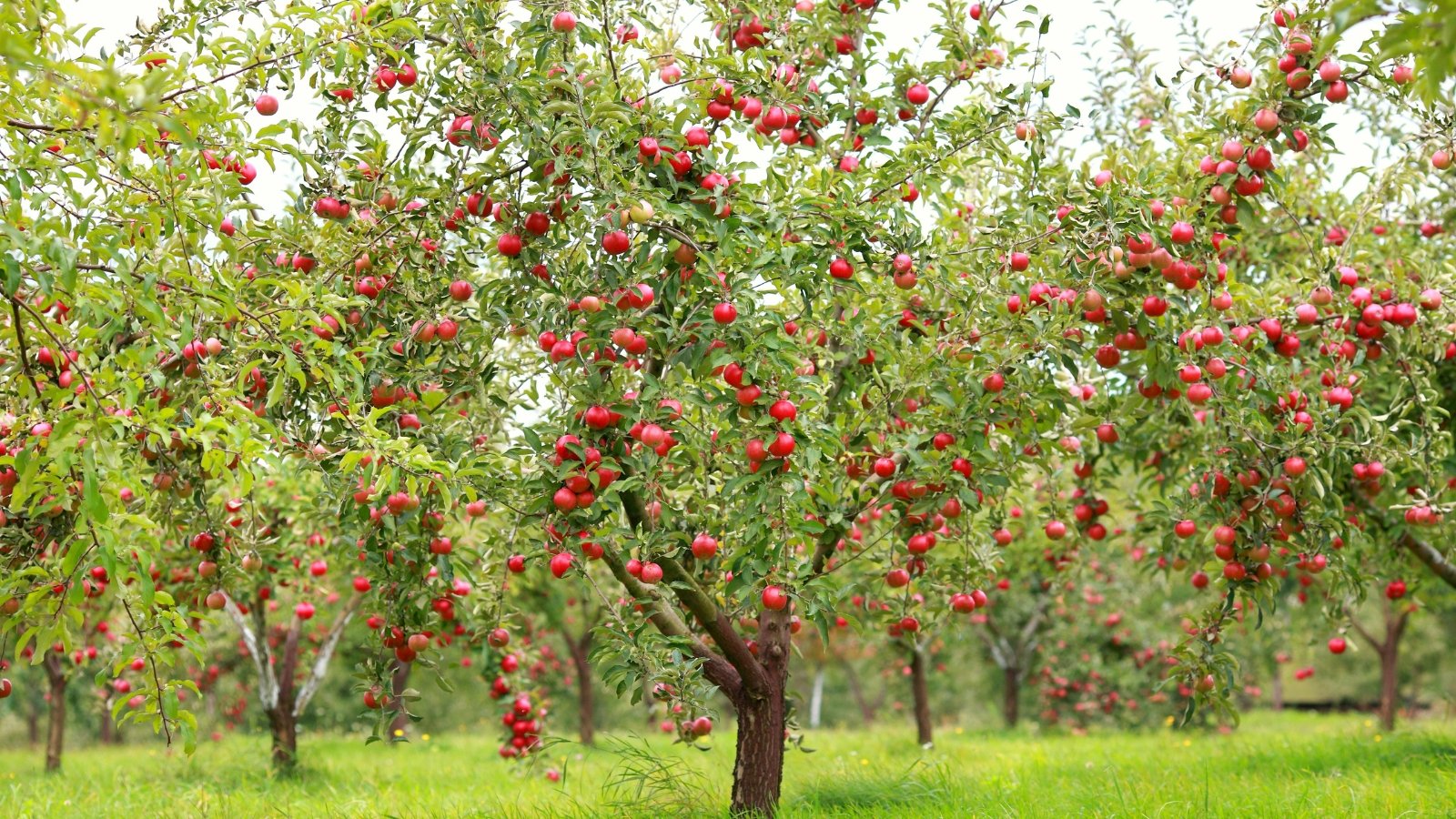 Remove damaged or diseased sections of growth.
Late winter to early spring is the perfect time to prune apple trees. Pruning at this time has many benefits. It controls the size of the tree, keeping it within a manageable range. Pruning promotes a strong structure that contributes to a healthier tree overall. It also promotes better spur growth, which leads to increased fruit set. And that’s what you want from your tree!
Aside from these benefits, removing dying, diseased, or damaged wood is always important. This is something you should do whenever you notice it, but especially during your set pruning times. But for these January pruning guide plants, you should first consider their age.
In the first five years or so, your late winter, early spring prune should be focused on setting up the basic framework of the tree. Don’t expect much fruit until after the fifth year. The goal of pruning is to open the canopy and expose it to more sunlight so the fruit will ripen more easily. This also prevents pests and diseases, which are common in apple trees.
Azalea
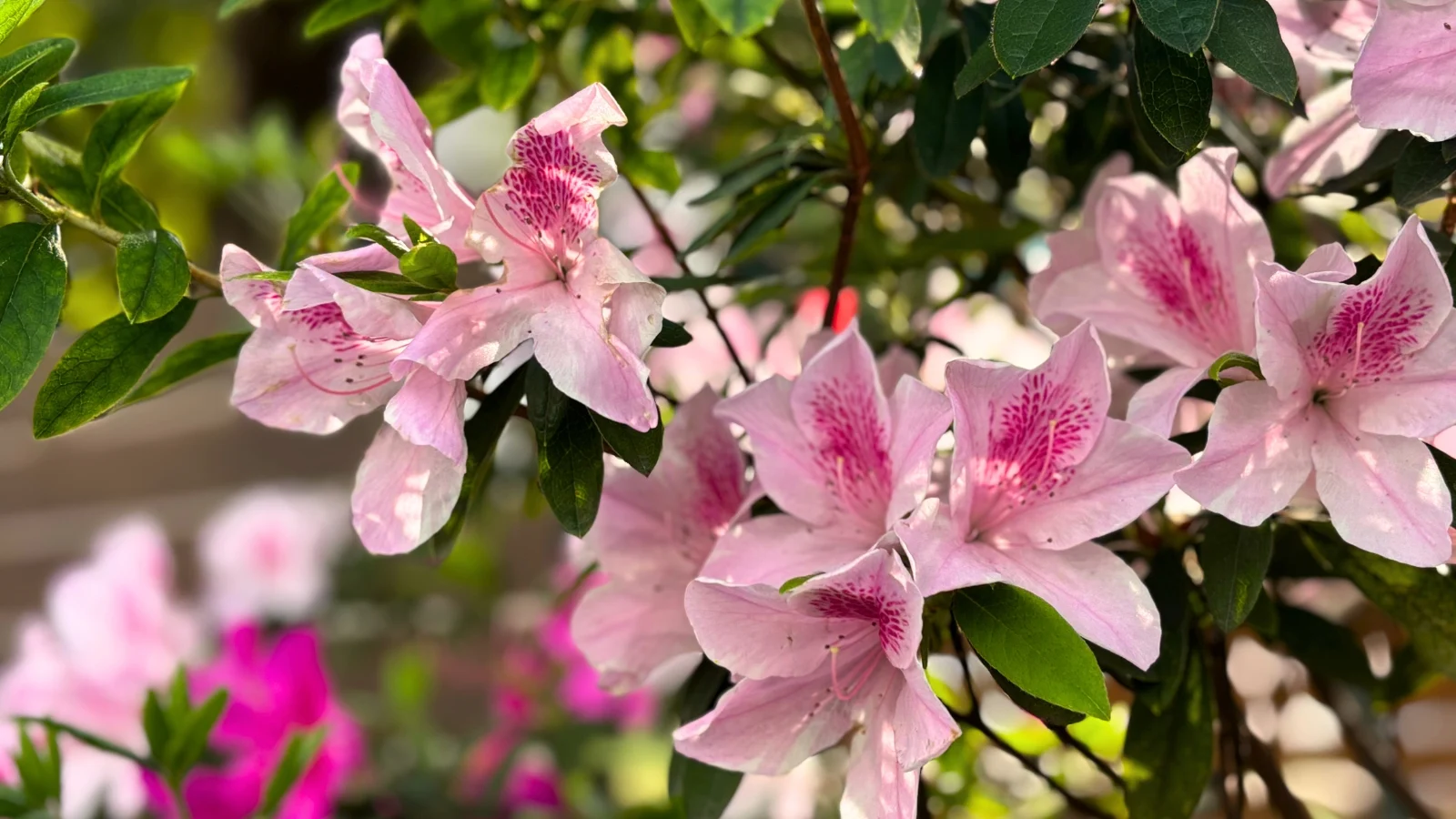 Pinch the tips where you’d like to see more branching.
Experienced gardeners might wonder why I recommend pruning azaleas in winter. Rejuvenation is the reason. Yes, it’s true that the ideal time to prune azaleas is after they bloom in spring. However, pruning in winter – while some blooms will be sacrificed in the process – improves the shrub or tree’s overall form.
Azaleas bloom on old wood, so prune with caution. Step back and take a look at the general shape, and then snip the tips to remove any jutting branches that disrupt the azalea’s form. Any branches that exhibit characteristics of those three Ds (dying, diseased, damaged) can be removed, too.
What results in the growing season is a much more pleasant look, full of the blooms you’re used to. As the growing season commences, pinch the tips where you’d like to see more branching and bushier growth.
Smoke Tree
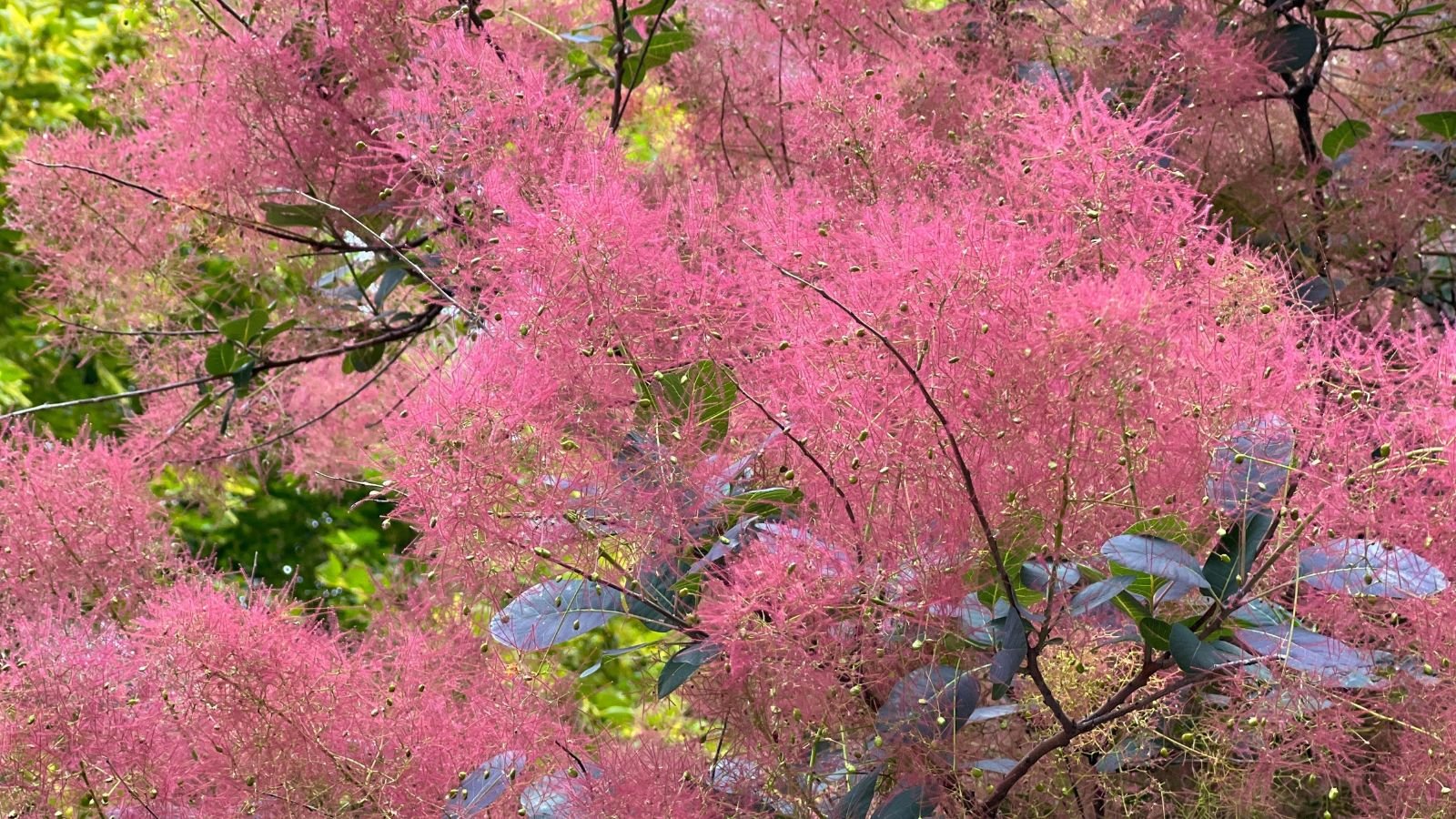 You’ll see more of the sought-after leaves with regular pruning.
Like the azalea, smoke trees are best pruned heavily during active growth. However, it’s one of our January pruning guide plants because it also responds well to a rejuvenation prune in winter. The ideal timing is just before bud break, but even in dormancy, a little trim helps.
Pruning this tree prompts more of the purple-maroon leaves it’s typically grown for. A light winter prune keeps the tree’s form in good shape and gives you time to eliminate problem areas. Here in north Texas, smoke trees stay small due to the climate and soil conditions. In areas where they grow to their full 30-foot height, arborists can help you prune.
As the spring goes on, you’ll see more flourishes of the bright green oval leaves. Then in fall, they’ll take on that deep red or purple hue, and practically pop out of the landscape.
Key Takeaways
Now that you’ve seen this list of January pruning guide plants, you have some sense of what you can do this winter before things are in the full swing of spring. Remember the following as you prepare to trim your favorite trees and shrubs:
Plants prune this comes up here to connect ideas for clarity.
- Start with sharpening and sterilizing your tools to keep your plants healthy.
- Most plants are dormant at this time and require only light shaping. Conifers can be pruned now, but save your pine pruning for later.
- Fruit trees need a heavier prune for best fruit set and to open the canopy.
- Compost your prunings, and they’ll be soil for your garden in the future.











I appreciate the detail — very useful indeed. Saving it.
Heads up: Nice take on “5 Plants to Prune this Month” — I’ll try that soon. Great share.
Heads up: Nice take on “5 Plants to Prune this Month” — I’ll try that soon. Great share.
☕ Quick thought — Lovely idea; I might try this in my garden 🌿. Saving it.
Nice take on “5 Plants to Prune this Month” — I’ll try that soon. Love this!
Quick thought • This tip on “5 Plants to Prune this Month” is so useful — thanks for sharing. Saving it.