
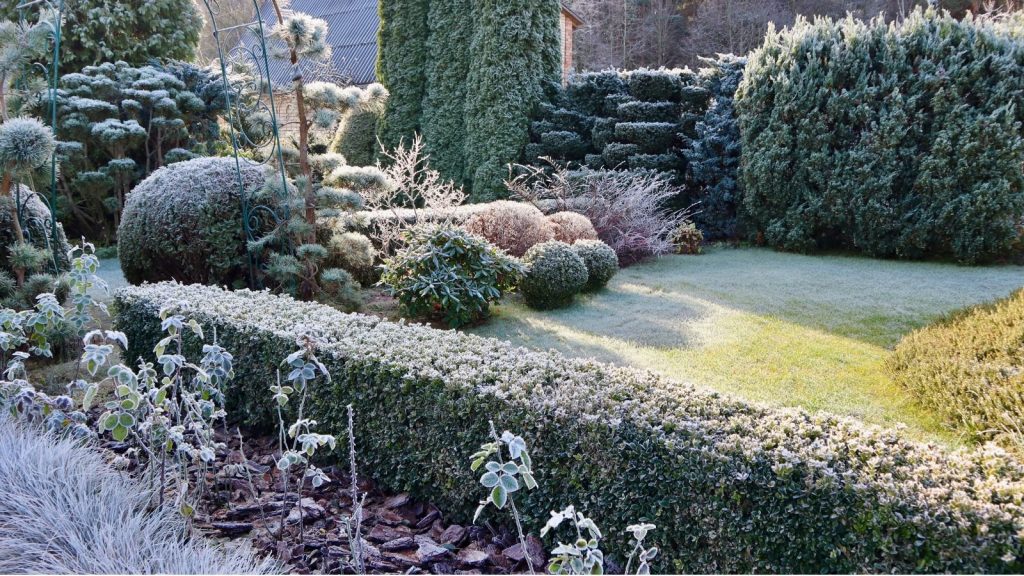
For some hedge plants, winter is a temporary death sentence. Deciduous plants lose their leaves, with only a skeleton of woody branches remaining. However, there are plenty of hedge plants that look incredible regardless of the season, and planting these provides year-round interest.
To add to that, planting North American native shrubs offers the landscape so much more. Wildlife take refuge in the branches of your hedge and shelter through the cold. Meanwhile, the plants themselves boast stunning evergreen foliage, unique blooms, and interesting bark. It’s a show worth growing!
So if you’re planning a hedge for planting in spring, consider these show-offs. Each has its own benefit to the regions where it’s native, and many are adapted to other areas of North America. What you’ll get is privacy, a windbreak, and even some habitat for your local critters. Not all of these are evergreen, but they all look good no matter the season.
Yew
All species prefer a moist soil, and work well along streambanks and waterways.
While the European yew can be invasive in parts of the continent, Taxus canadensis (Canada yew) and Taxus brevifolia (Pacific yew) are native to the Northeast and Pacific Northwest, respectively. These small to medium-sized shrubs are evergreen through winter, and prefer a bit of shade, making them a great choice for hedges under cover.
In the subtropics, gardeners rely on Taxus floridana, which reaches up to 25 feet and can handle full sun. All species prefer a moist soil and work well along streambanks and waterways. They root easily through a natural layering process, which allows them to hedge out over time.
If you want more yew plants, simply take six to eight-inch cuttings and root them in fall and winter. Then plant them out in spring. The berries of all yew plants are poisonous to humans and should not be consumed.
Agarita
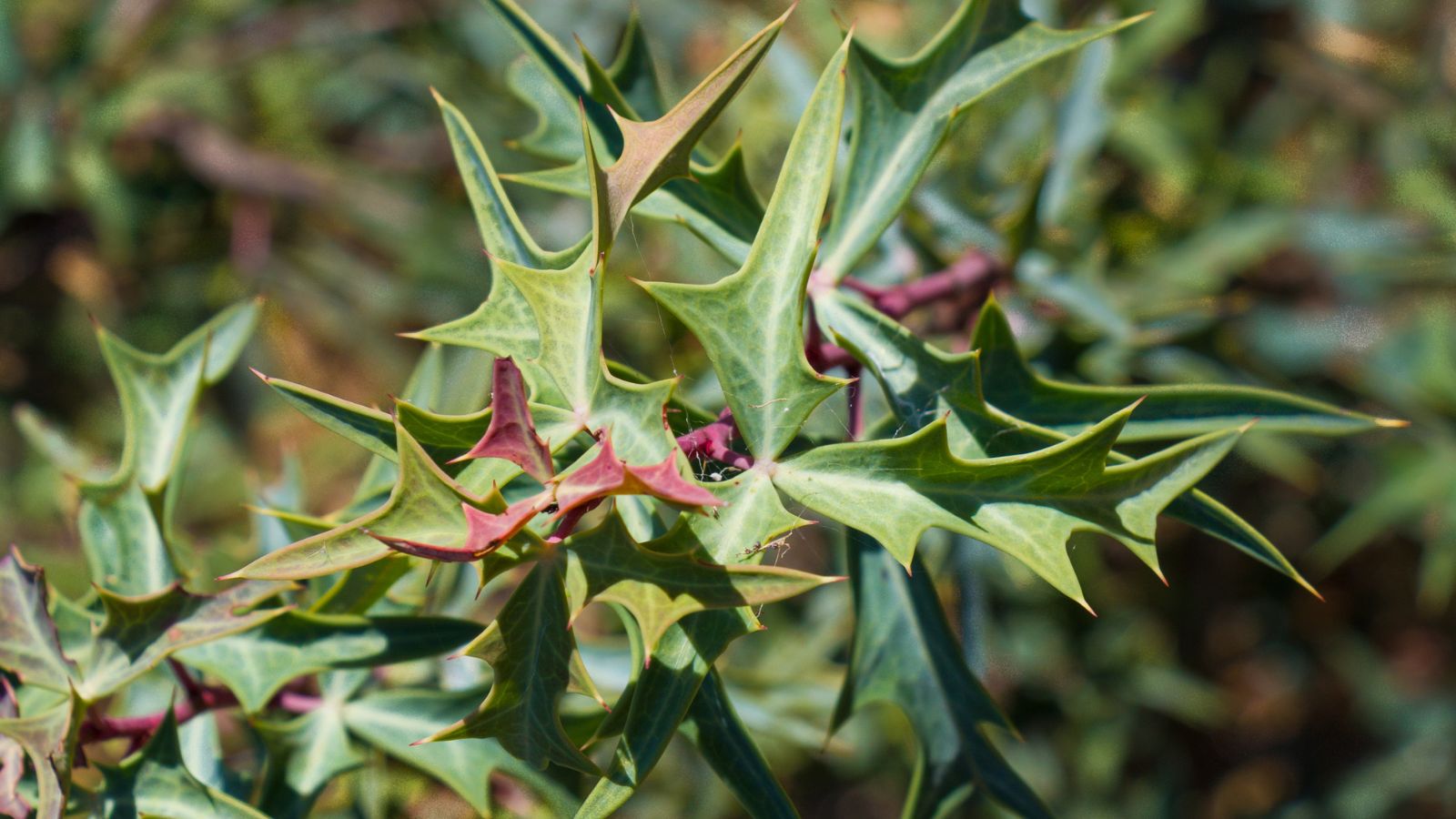 The waxy and spiny leaves make the plant unappealing to deer and rabbits
For those in milder climates, agarita offers a spiky appearance that lasts all year. Among the evergreen foliage, fragrant yellow flowers attract pollinators in spring. The blooms fade in summer and develop into edible berries that bring birds to the fall garden. For these hedge plants, winter is a cinch!
Agarita has great appeal to gardeners with rocky soils, where deer love to graze. The waxy, tough, and spiny leaves make the plant unappealing to deer and rabbits. While the range of this plant is smaller than that of many on this list, it’s an excellent candidate for select gardeners.
Swamp Dog Laurel
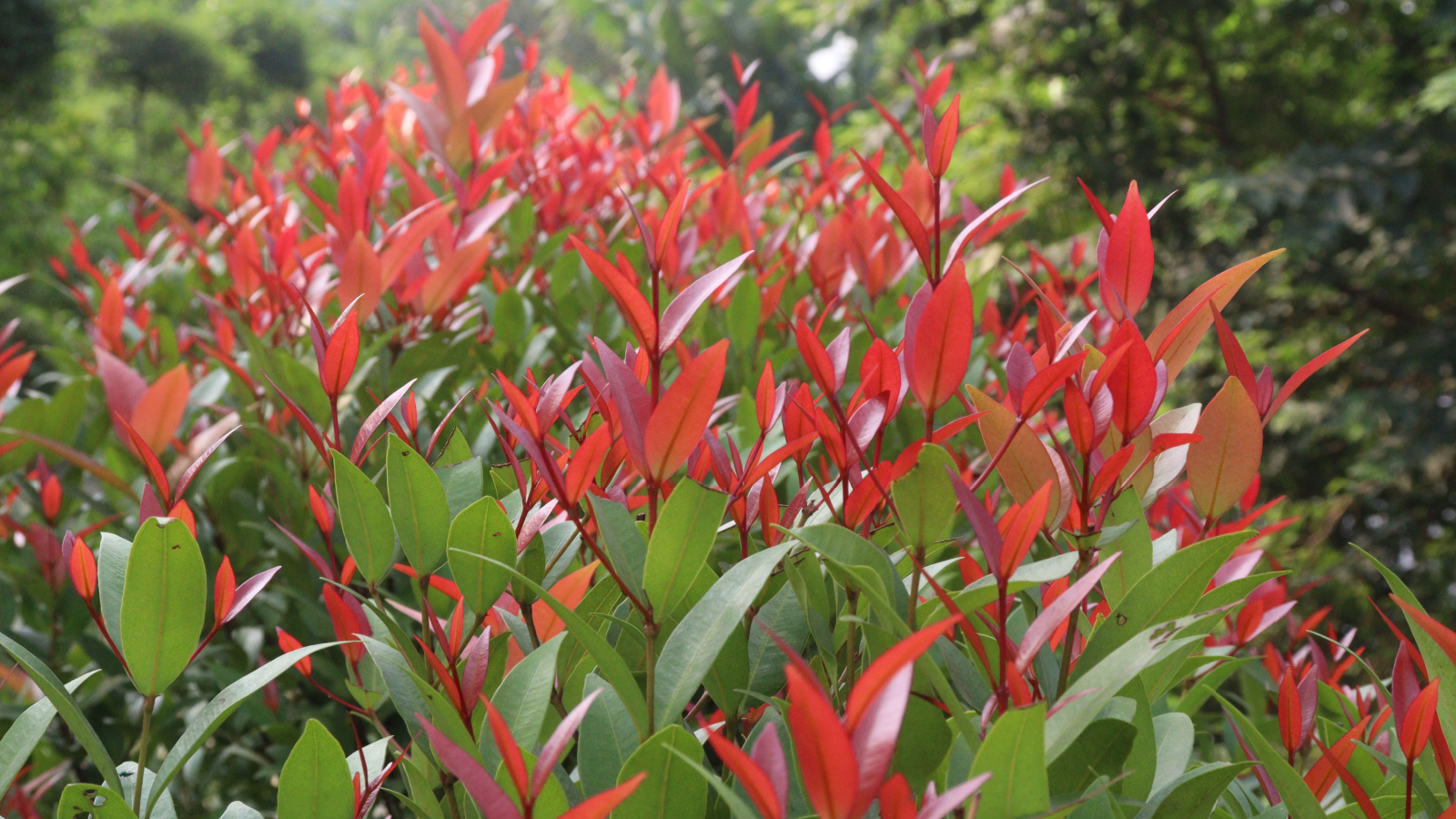 Plant it on slopes and near waterways in acidic soil.
Leucothoe axillaris, commonly referred to as swamp dog laurel and fetterbush, is a great low hedge plant for gardens in areas with moist soil and shade. As a member of the same family as blueberries (Ericaceae), this shrub has similar white to pink flowers with the characteristic bell shape.
As a southeastern North American native, it feeds numerous pollinators, including butterflies, bees, and other wildlife. It’s another stabilizing plant that prefers a moist area, and its leaves are evergreen throughout the year. Plant it on slopes and near waterways in acidic soil, and give it a good mulch ahead of winter to keep it happy in the cold season.
For new foliage that emerges red before it turns green, choose the ‘Little Flame’ cultivar.
Evergreen Sumac
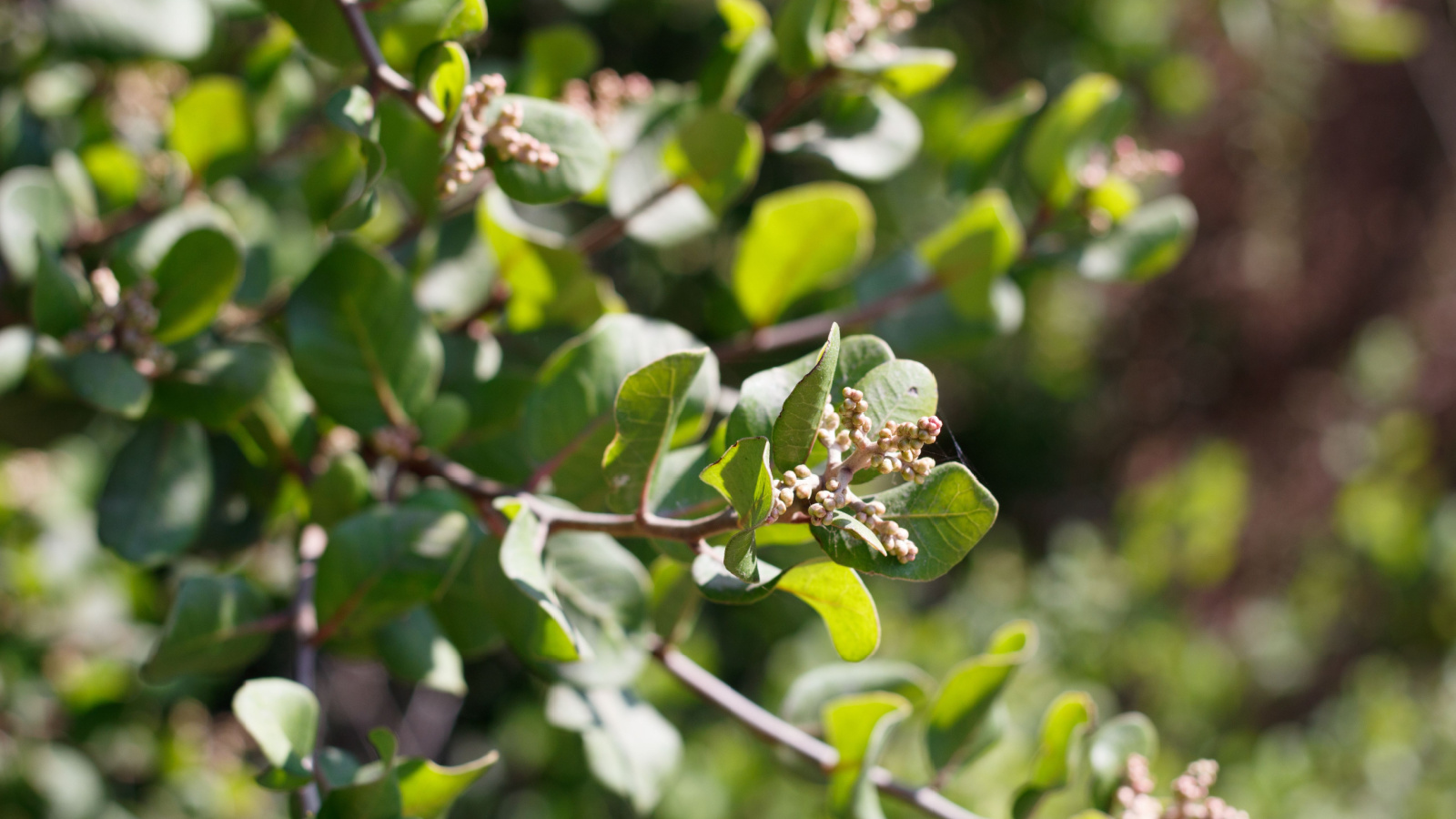 This one is more shrubby, but can be trained into a tree shape.
For a hedge covered in evergreen leaves and berries in fall and winter, plant evergreen sumac. Unlike other sumacs that have a tree-like structure, this one is more shrubby, but can be trained into a tree shape if you wish. It has the same leaf structure as other Rhus species, with a compound pinnate form.
The leaves are evergreen where they’re hardy, and this plant is native to the rocky regions of Texas, New Mexico, and southeastern Arizona. It’s a great plant for gardens with quick-draining, sometimes limestone-laden soil. Plant these hedge plants – winter is their time to shine.
Allegheny Serviceberry
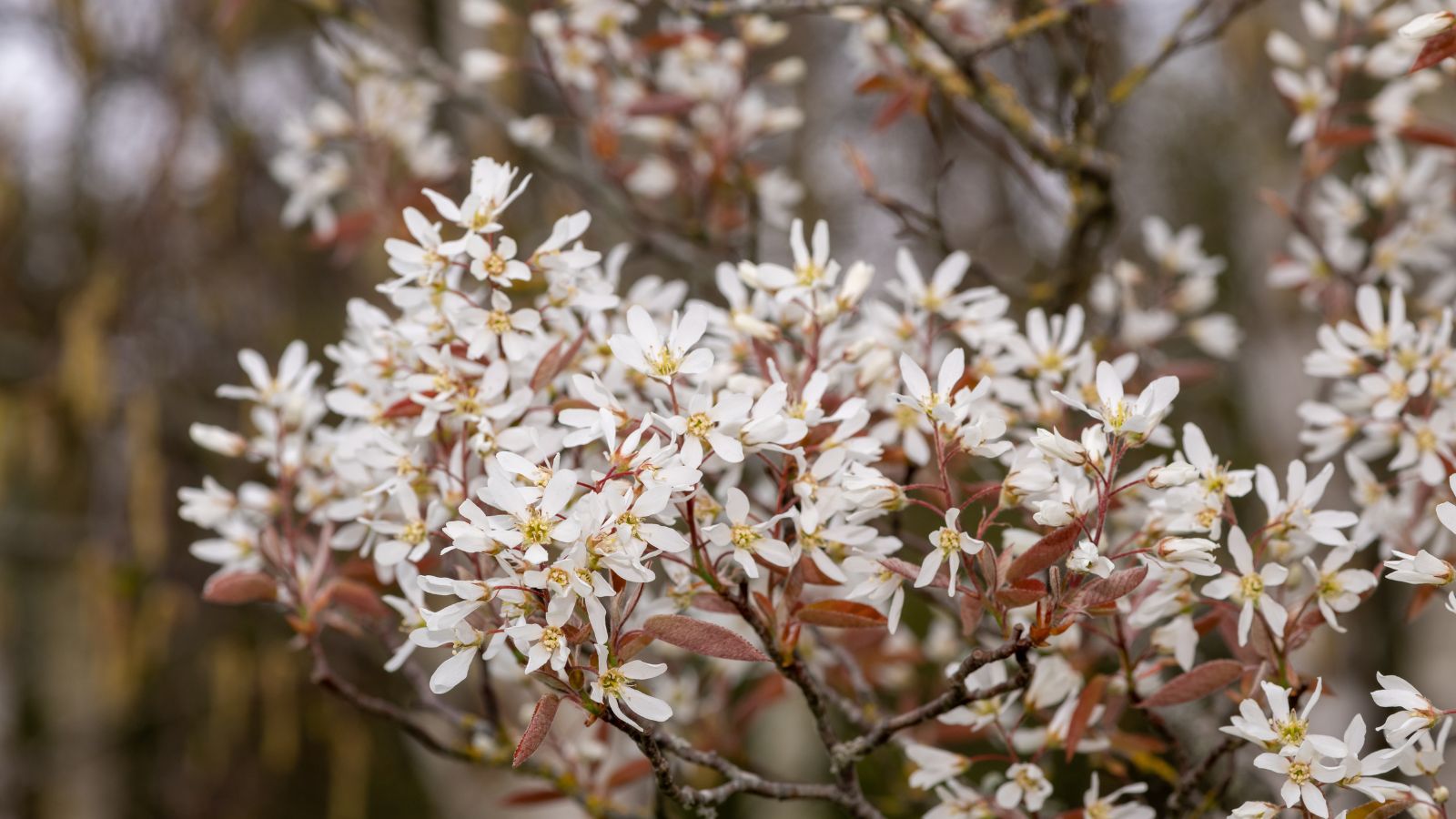 In late winter or early spring, the tree produces buds that turn into white flowers.
Serviceberry is a generous plant with the perfect height for a tall hedge when planted en masse. These plants can be shrubby or pruned to a single trunk for a more tree-like form. While there are no leaves and flowers to speak of in winter, expect to see slate-grey bark with white longitudinal stripes.
In late winter or early spring, this tree produces buds that bloom with white star-shaped flowers. These feed any pollinators that come out at this time. As long as your serviceberry is established well early on, it remains drought-tolerant throughout the year. Its round leaves are stunning in late spring and summer, especially when edible berries develop from spent flowers.
Bladdernut
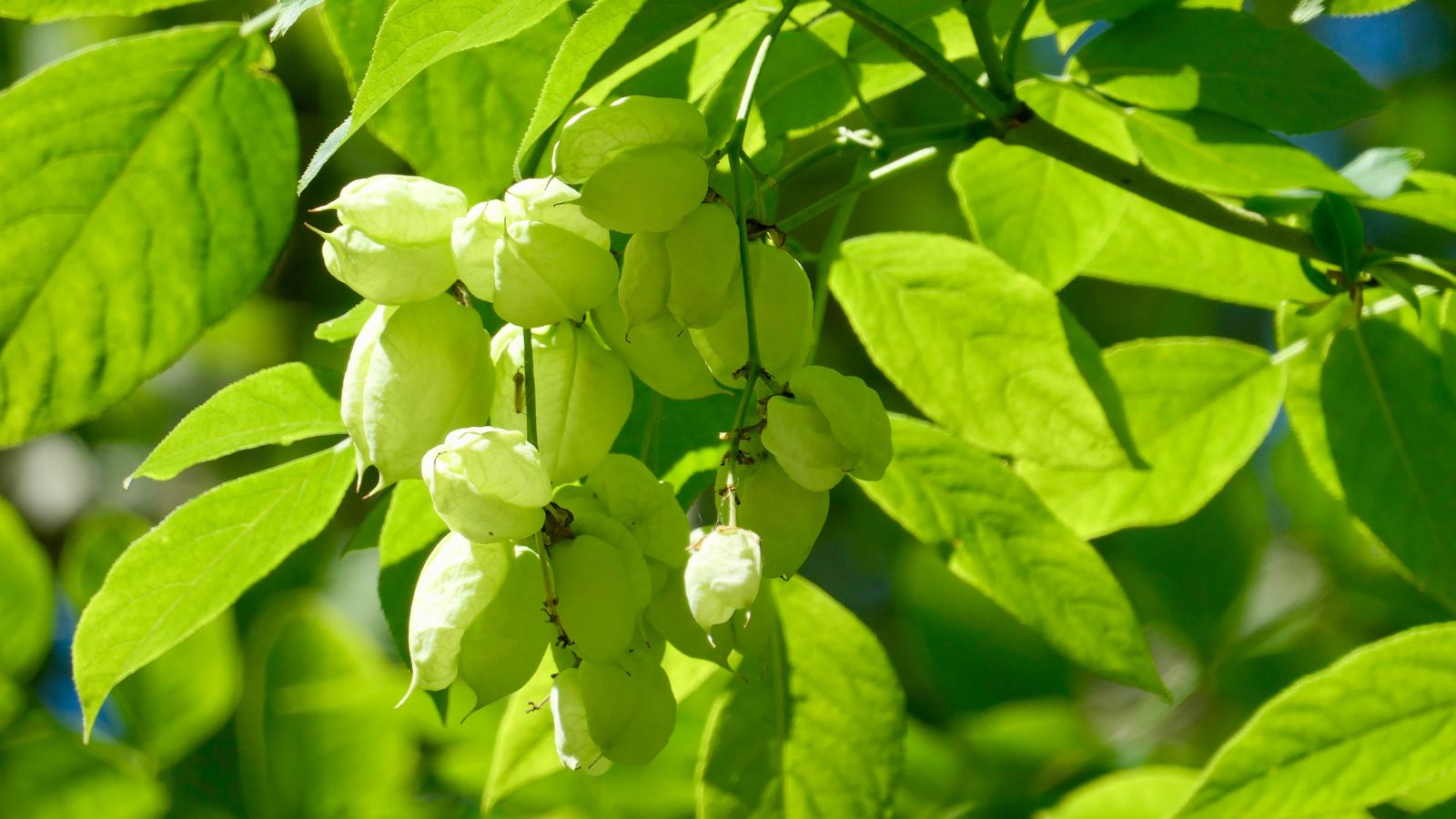 Expect it to sucker out, forming a dense hedge over time.
What makes bladdernut stand out is its egg-shaped seed capsules that develop after its pretty cloche-like blooms. Though foliage drops, these capsules remain through early winter in many areas. The seeds that these capsules contain are edible, and they’re a great food source for wildlife.
You can plant one of these and expect it to sucker out, forming a dense hedge over time. With that in mind, know that it tends to spread out and sucker easily, spreading to other areas of the landscape. If you need something that stays in bounds, this is not the plant.
White Snowberry
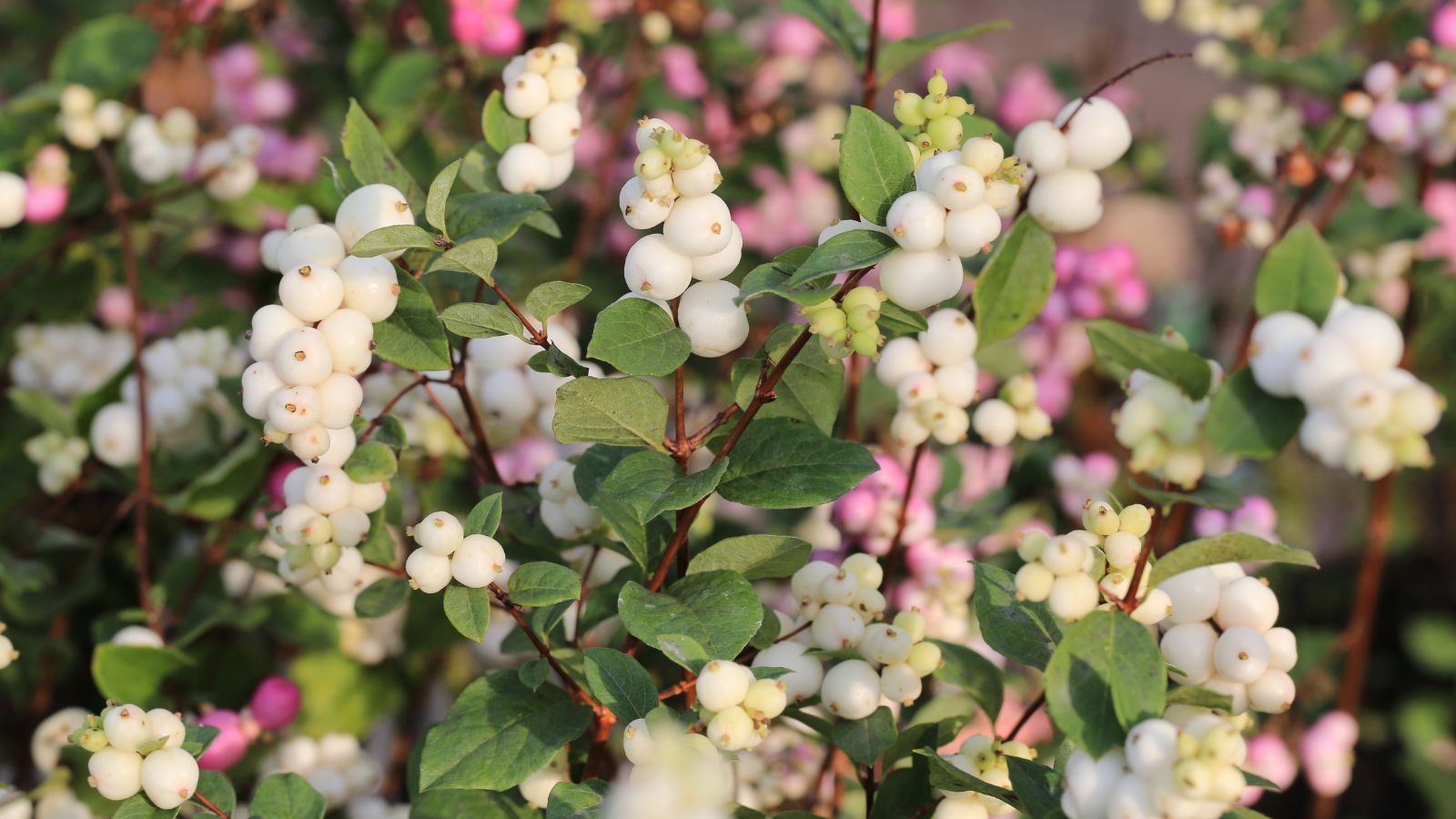 In spring, its flowers feed numerous wildlife species.
For white berries against bare branches in winter, white snowberry is a perfect choice. This easy-going hedge plant is not particular about the kind of soil it’s planted in, as long as it’s well-draining. In optimal conditions, it’s prone to suckering out and forming hedges on its own.
Much like many of the plants in this list, it’s a perfect stabilizing plant that is found in the wild on slopes, banks, and outcroppings. In spring, its flowers feed numerous wildlife species, including plenty of pollinators and other beneficial insects. Due to its unfussy nature, these are good rain garden hedge plants. Winter offers birds food in the form of berries.










FYI • lovely take on “7 Hedge Plants That Look Gorgeous All Wi” — I’ll try that soon.