As a gardener, it’s exciting to learn how to grow a crop I already use, which is good for you, and that grows well in warm climates. Ginger qualifies on all three accounts. Learning how to grow ginger is easy, and growing it is even simpler (especially if you live in a warm climate). If you live in a cooler climate, you can still grow ginger successfully by starting it indoors and giving it enough warmth and time.
Ginger (Zingiber officinale) is a heat-loving, tropical perennial herb grown for its bamboo-like foliage and flavorful rhizomes. It is grown as a long-season annual in all but the warmest, frost-free locations.
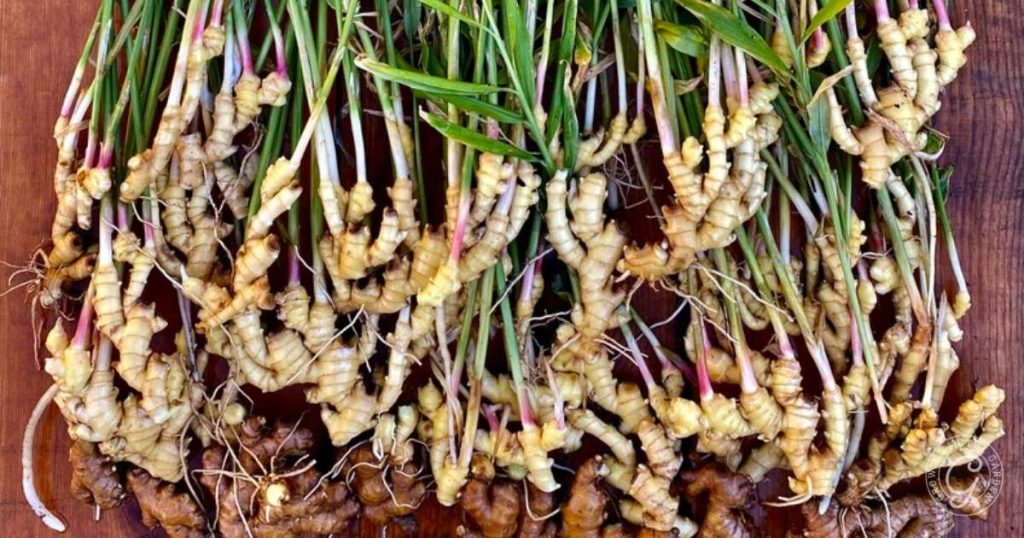
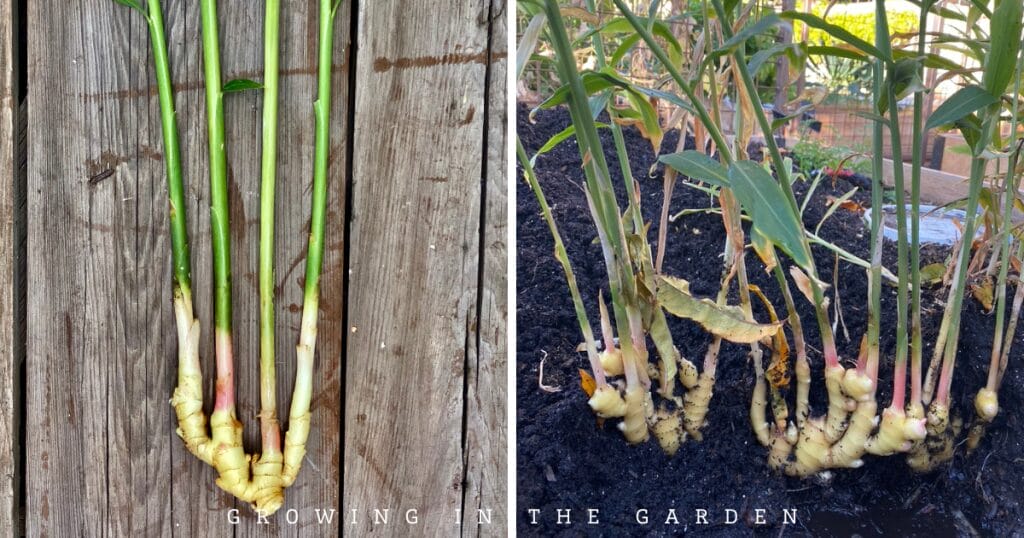
Ginger rhizomes, shoots above ground, and ginger growing below ground
1. Understand how ginger grows
Ginger is grown from rhizomes. Rhizomes are fleshy stems that spread horizontally underground and contain several buds, or growing points. Ginger rhizomes are planted below ground and send up bamboo-like shoots (pseudostems). Those leafy shoots capture energy that supports rhizome growth below ground.
Ginger shoots emerge from the ground when the weather is warm in spring. Throughout the long days and warm months of summer, ginger grows well. As the days get shorter and cooler, the leaves turn yellow as the ginger begins to go dormant.
2. Purchase and prepare ginger before planting
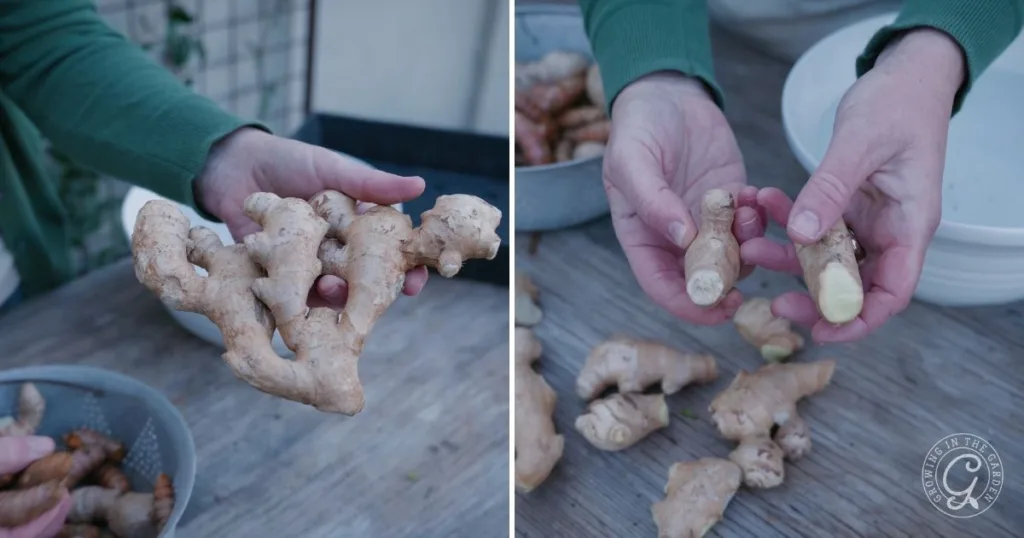
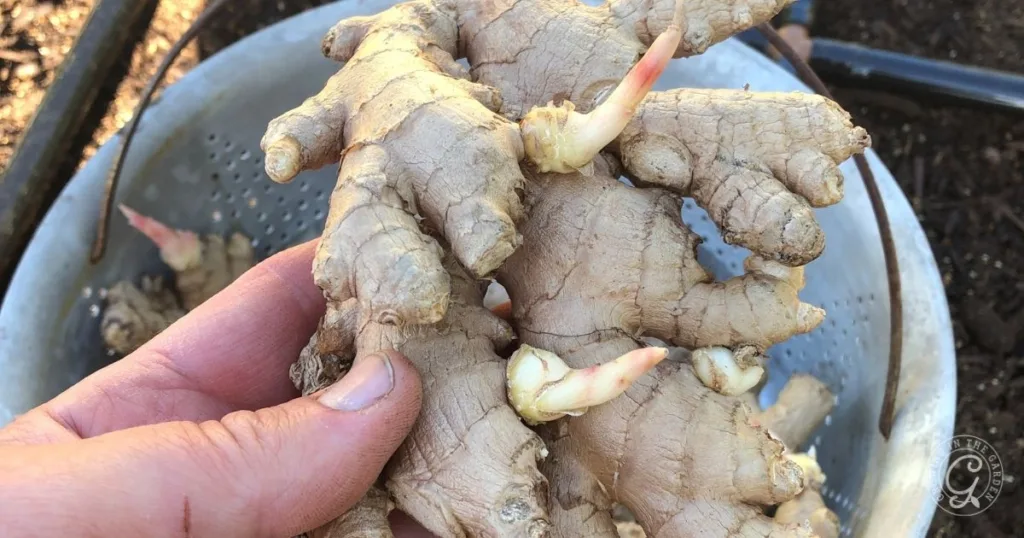
When purchasing ginger rhizomes for planting, look for plump, firm pieces with several visible buds (bumpy nodules). Avoid shriveled rhizomes or those with soft spots or mold. Organic ginger often sprouts more reliably.
To prepare ginger for planting, cut rhizomes into 1–2 inch pieces (each piece containing at least 1 to 3 nodules). Allow cut ends to dry and heal over before planting.
3. Give ginger plenty of time to grow
Ginger needs a long, warm growing season. For mature rhizomes, plan on about 8–10 months of active growth, depending on temperature and variety.
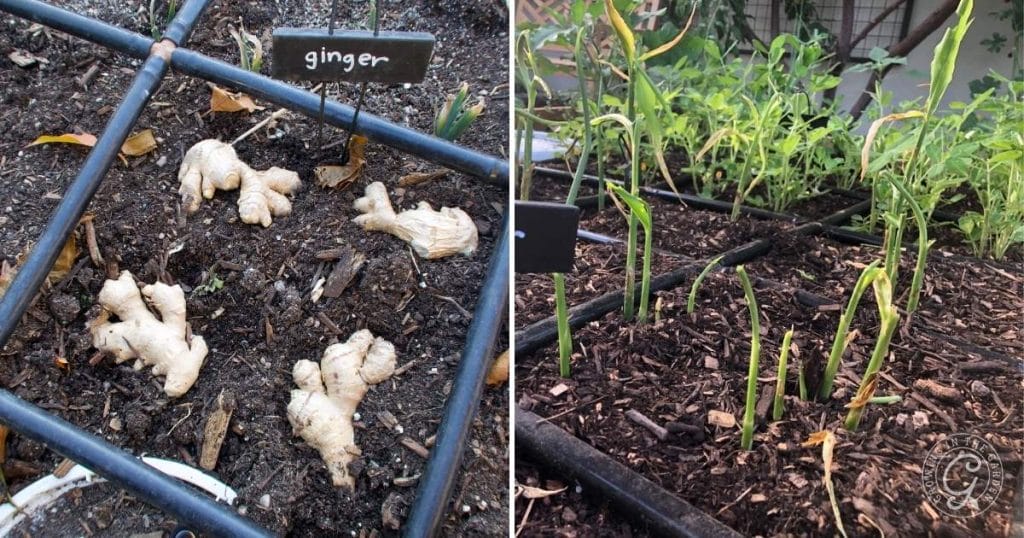
In warm climates (generally Zones 8 and warmer), you can often grow ginger outdoors for most or all of the season. Plant outdoors after your last frost date and once the soil has warmed. Plant rhizomes with nodules pointing up about 2 inches deep and 6–8 inches apart.
In cooler climates (generally Zones 7 and colder), plan to start ginger indoors to extend the season. You can grow ginger as a container plant and move it outside when nights are consistently warm, then bring it back indoors before frost. This is often the easiest way to get a full season of growth.
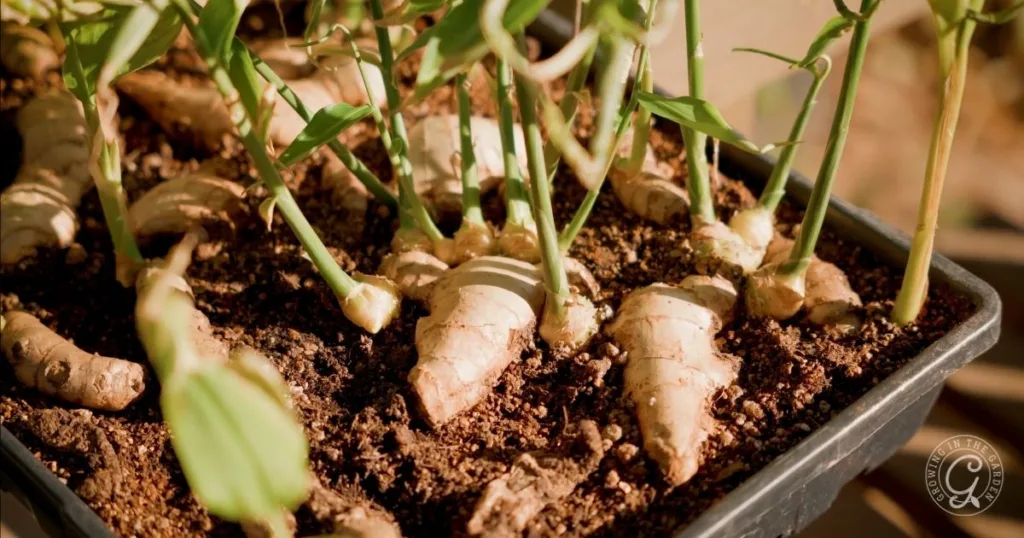 Pre-sprouted ginger
To presprout ginger, plant rhizomes about 2 inches deep in small pots (heat mats help). Keep warm and slightly moist (but not soggy, as it will rot). Once the ginger sprouts, let it grow in a bright location until it is warm enough to plant outside. Gradually let plants become accustomed to outdoor conditions for a week, and then carefully transplant sprouts to larger containers or garden beds outdoors. For more detailed information about how to pre-sprout ginger, read this blog post.
4. Give ginger plenty of warmth
Ginger does not grow well in cool temperatures. Growth slows significantly below about 55°F. Freezing temperatures can damage foliage, and hard freezes can injure rhizomes, especially in wet soil.
In hot climates, provide some protection from intense afternoon sun. Although it prefers warm soil, extreme heat and reflected sun can damage the leaves. Look for an area that receives morning sun with afternoon shade, or provide shade during the hottest part of the day.
In cooler climates, place ginger in the warmest microclimate available (a sunny patio, near a south-facing wall, or in a greenhouse). Containers make it easier to protect plants and keep the root zone warm.
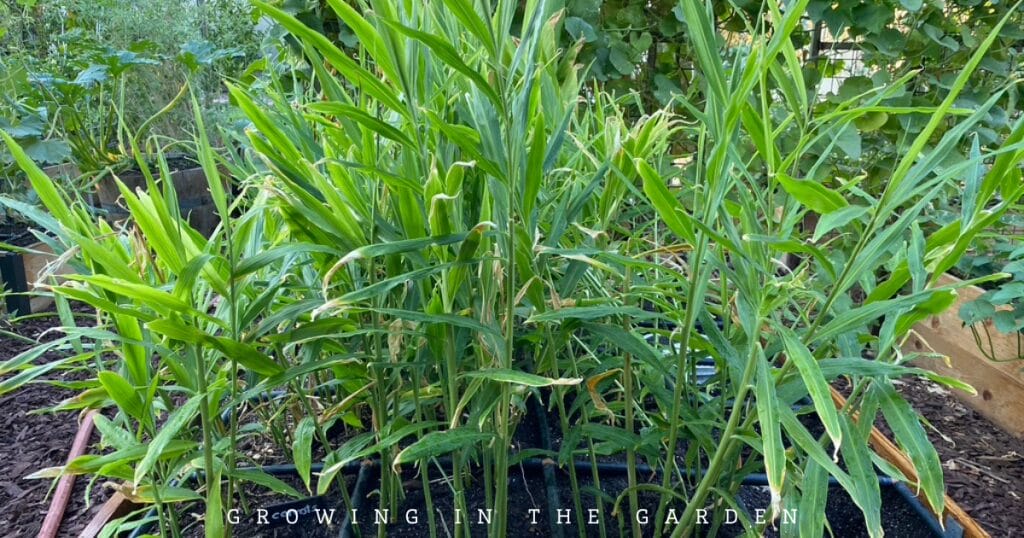
To grow ginger in containers:
- Use a container for growing ginger that is at least 12″ (30 cm) deep.
- Container-grown ginger may need more frequent watering and fertilizing.
- Harvest container-grown ginger by dumping it onto a tarp or into a wheelbarrow.
To grow ginger indoors:
- Provide supplemental lighting for ginger for 12 – 14 hours.
- Ideal indoor temperature: 75°F (24°C).
- May require supplemental feeding.
5. Grow ginger in good soil and fertilize as needed
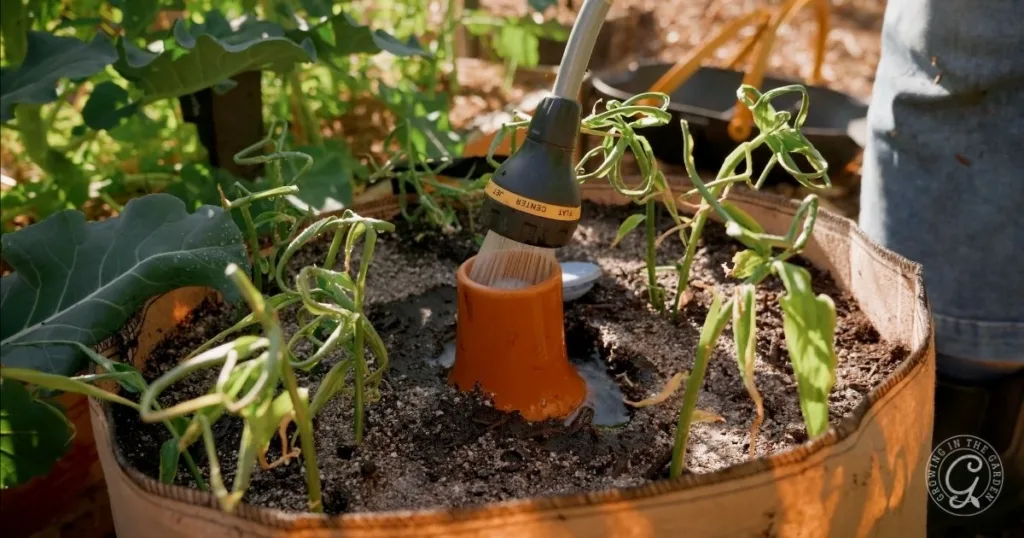
The best soil for ginger is rich in organic matter and well-draining. Rich, loose soil may provide enough nutrients for growing ginger. Mulching the soil with compost or straw helps provide nutrients, control weeds, and retain water.
Fertilize as needed during active growth. A balanced fertilizer early in the season can support healthy foliage, and a fertilizer slightly higher in potassium than nitrogen later can support rhizome development. Avoid heavy, high-nitrogen feeding. Stop feeding about 6–8 weeks (about 2 months) before you plan to harvest.
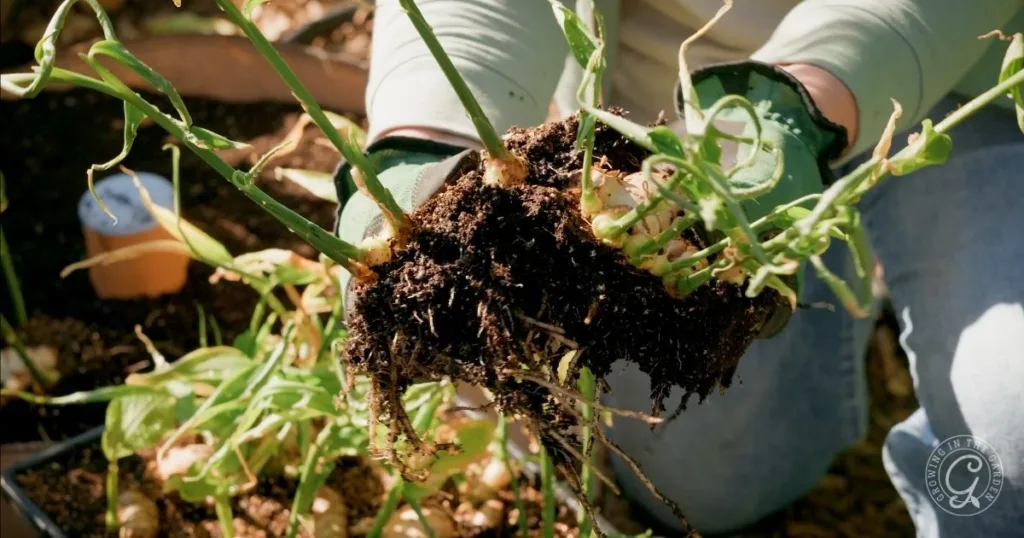
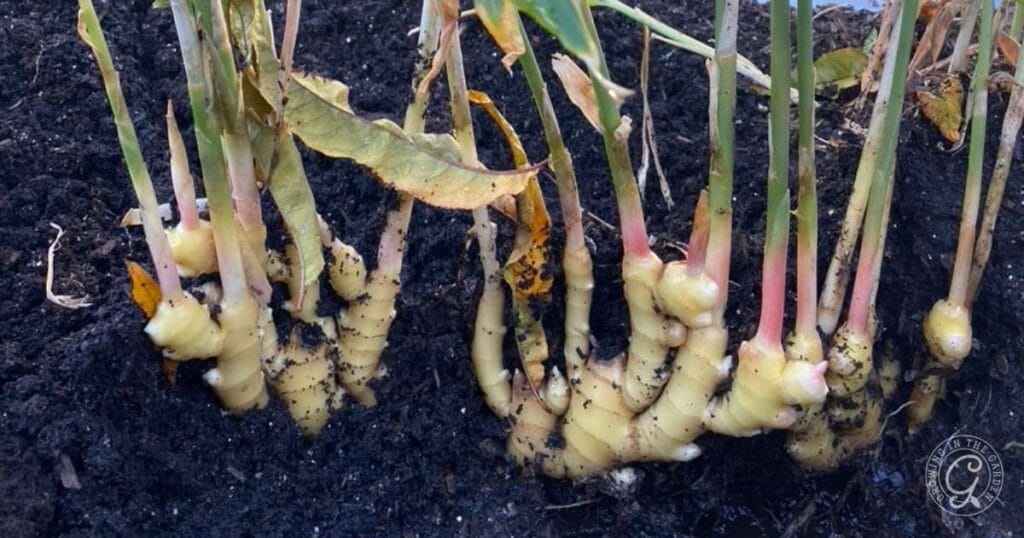 Ginger developing below ground
6. Water ginger correctly
Ginger grows best with regular water, especially when the plant is actively growing. Well-draining soil is very important, as the rhizomes do not like soggy conditions. Do not overwater.
In hot, dry climates, ginger may need more frequent watering, especially in containers. In humid or rainy climates, focus on drainage and avoid keeping the soil constantly wet. As temperatures cool and foliage begins to yellow, reduce watering.
7. Harvest ginger at the right time
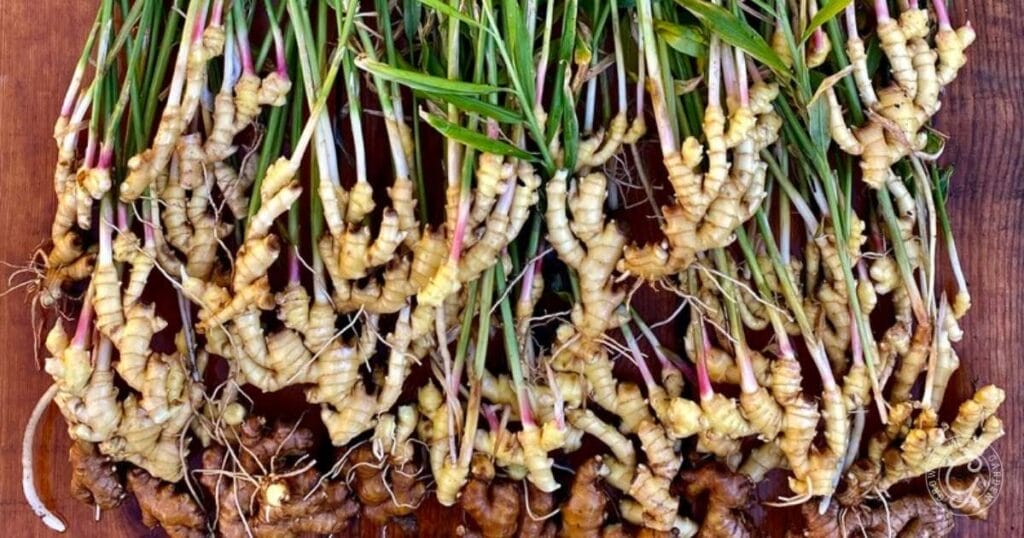
In warm climates, harvest mature ginger after the leaves begin to yellow and die back. Wait to harvest as long as possible for the largest rhizomes.
In cooler climates, harvest before a hard frost if ginger is in the ground. For container-grown ginger, you can move the pot indoors to extend the season, or harvest when growth slows and leaves begin to yellow.
To harvest, gently dig up the entire plant. In frost-free areas, ginger can be left in the ground, but avoid overly wet soil during cool weather. Plants will go dormant during the cooler months and shorter days of winter, and new shoots will emerge when temperatures warm in spring.
8. Preserve harvested ginger in a variety of ways
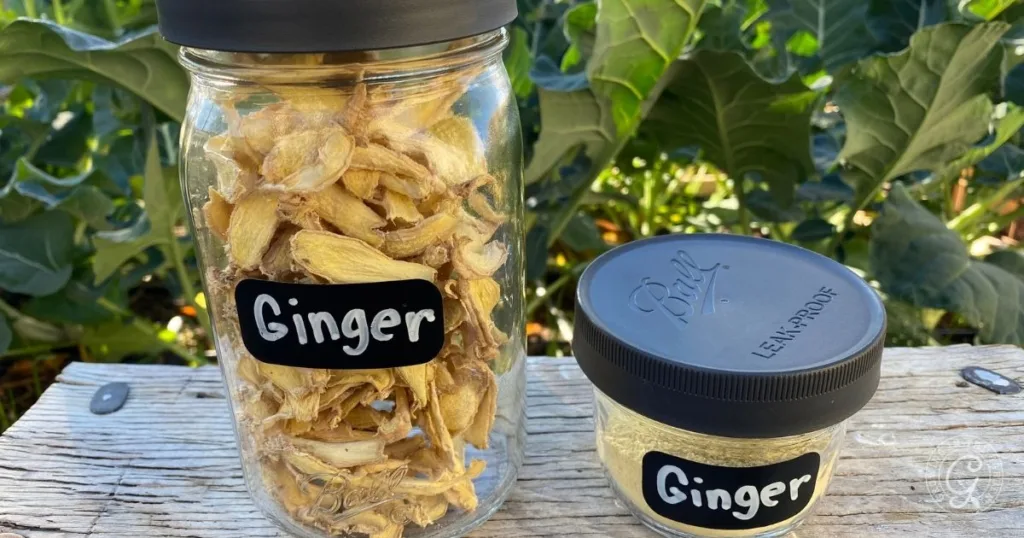
Store fresh ginger in the refrigerator or freezer. Unpeeled ginger typically keeps several weeks in the refrigerator (sometimes longer, depending on conditions) and many months in the freezer. For best quality, store ginger dry and sealed, and discard any pieces that become soft or moldy. For more ways to preserve ginger, read this post.
Frequently asked questions about growing ginger
How long does ginger take to grow?
For mature rhizomes, ginger usually needs a long warm season, about 8–10 months of active growth. In cooler climates, starting indoors gives you more time.
Can I grow ginger from grocery store ginger?
Yes, often. Choose firm, plump rhizomes with visible buds. Organic ginger frequently sprouts more reliably because it is less likely to be treated to inhibit sprouting.
What do the “nodules” on ginger mean?
Those bumpy nodules are buds (growing points). New shoots emerge from them, and they should face up when you plant the rhizome.
How deep should I plant ginger?
Plant rhizomes about 2 inches deep with buds pointing up. In containers, you can plant slightly shallower if drainage is excellent and you keep the top from drying out.
Does ginger need full sun?
Not usually. Ginger grows best with warmth and bright light, but in very hot climates it often performs better with morning sun and afternoon shade. Too much intense sun and reflected heat can scorch leaves and slow growth.
Is it true ginger slows down in extreme heat?
Yes. Ginger loves warmth, but it can slow down when temperatures are extreme, especially if the root zone stays very hot and the air is dry. Shade during peak heat and a thick mulch help keep growth steadier.
How often should I water ginger?
Water regularly during active growth so the soil stays evenly moist, not saturated. Ginger rhizomes can rot in soggy soil, so good drainage matters as much as watering.
What is the best fertilizer for ginger?
Use rich, well-draining soil with compost, then fertilize lightly during active growth. A balanced fertilizer early supports leafy growth, and a fertilizer slightly higher in potassium than nitrogen later supports rhizome development. Avoid heavy high-nitrogen feeding. Stop fertilizing about 6–8 weeks before harvest.
Can I grow ginger in a container?
Yes, and in many climates it is the easiest method. Containers warm up sooner, can be moved for shade or protection, and allow you to bring ginger indoors before frost.
When should I harvest ginger for mature rhizomes?
Harvest when leaves begin to yellow and die back. Waiting longer generally results in larger rhizomes, as long as cold, wet conditions are not increasing rot risk.
Can I harvest a little ginger without killing the plant?
Yes. You can gently dig at the edge of the plant and remove a few pieces, then re-cover the remaining rhizome. This works best once the plant is well established.
Will ginger come back every year?
In frost-free climates, ginger can behave like a perennial and resprout after dormancy. In climates with freezing temperatures, it is typically grown as an annual unless you overwinter it indoors.
What are the most common problems when growing ginger?
The most common issues are rot from soggy soil, slow sprouting in cool temperatures, leaf scorch from intense sun or reflected heat, and slowed growth during extreme heat. Warmth, drainage, consistent moisture, and partial shade in hot climates solve most problems.
If you enjoyed this article, please share it.