
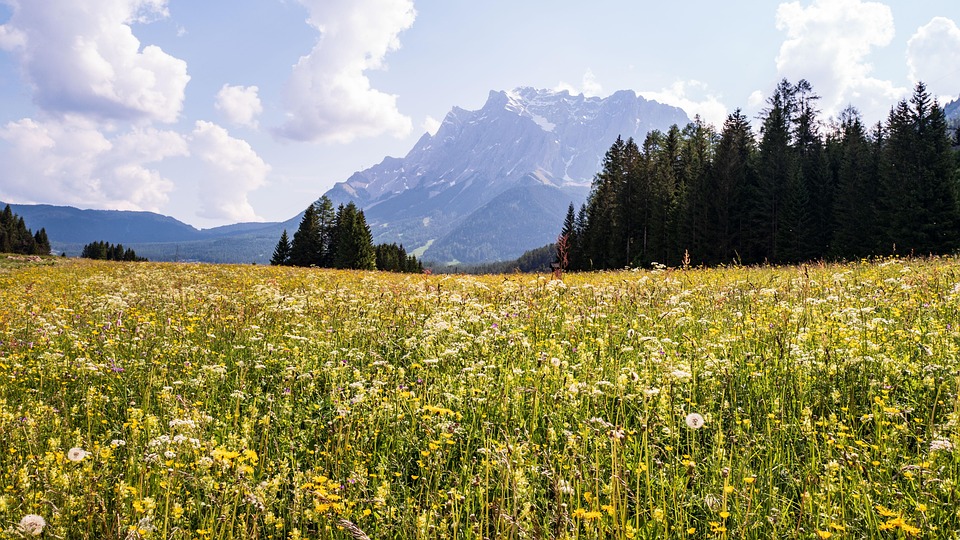
Architecture earth-rooted design. A brief context to set expectations.
Architecture earth-rooted design: Quick notes
For centuries, human dwellings have clung to landscapes like vines to ancient oaks, shaping structures around nature’s rhythms rather than reshaping the land to fit our whims. Moss-bound architecture and earth-rooted design offer a whisper of that ancestral harmony, blending aesthetics with ecological stewardship. These are not mere trends but invitations to reconnect with the land, to craft spaces where the wild heart of mountains and forests meets our need for shelter. As we explore this path of sustainable living, let us walk in reverence of the quiet resilience of moss—those lush, damp tapestries that cling to stone, whispering of forests ancient and untamed.
Introduction to Moss-Bound Architecture & Earth-Rooted Design
Mountain Escapes teach us that true comfort lies not in isolation but in symbiosis. Mossbound architecture merges human ingenuity with botanical wisdom, creating structures that breathe with the earth rather than against it. Imagine walls woven with living moss, roofs blanketed in nature’s green carpet, and foundations built into the same soil that sustains ancient forests. This is a return to origins, where architecture does not dominate but listens. Earth-rooted design extends this symbiosis, grounding living spaces in local ecosystems through natural materials, passive cooling techniques, and seasonal adaptation. By working with—rather than against—the world’s slow cycles, we build homes that heal both spirit and soil.
Seasonal Awareness and the Language of Moss
Moss tells stories through its seasons. In spring, it uncurls with renewal; summer stretches its velvety arms across stone and wood; autumn deepens its hues as chlorophyll fades; winter stills its growth into a patient hibernation. These rhythms align with the natural calendar, grounding us in time’s flow. In the context of Mountain Escapes, moss becomes more than texture—it becomes a companion. It thrives in shaded crevices and high-altitude ledges, its presence a testament to resilience. To build with moss is to honor these cycles, to let roofs grow with intention, walls absorb dew like breath, and foundations echo the quiet pulse of underground streams. When we align our designs with mountain seasons, we don’t just build homes—we write chapters in a living story.
Practical Steps to Begin Moss-Based Building
Every moss-bound structure begins with observation. Identify which walls or surfaces receive the right balance of moisture, shade, and protection from harsh winds. Moss thrives in stable microclimates, so prioritize north-facing walls or spaces partially sheltered by trees or boulders. Invest in quality planting soil, ideally mixed with compost and organic matter to mimic the forest floor. For roofs, opt for modular moss systems that retain moisture yet allow for seasonal drainage. These are not quick fixes but slow investments in a future where your home grows alongside the landscape.
Begin with a small, manageable structure—a shed, a porch, a stone wall—to test moss viability before scaling up. Apply a moss starter mix using damp brushes or sprayers, ensuring full, even coverage. Secure the base with biodegradable matting to prevent soil erosion while allowing roots to anchor naturally over time. This is not haste; it is patience woven into roots.
Design Ideas: Letting Nature Be the Bluepring
Earth-rooted design embraces imperfection. Let walls show age through weathered wood or exposed stone. Let moss bloom where patches of earth peek through. Instead of polished finishes, lean into textures that age gracefully. Use reclaimed timber, clay plaster, and hand-carved wood beams to forge a language of decay and growth. Earth-rooted homes breathe with the seasons; their roofs mend with winter rains, their floors warm with summer sun. Consider a moss-covered retreat room, a hideaway within a home where green meets grain, stone meets breath. Here, we remember that peace is not absence but presence—of time, of texture, of earth.
Rituals to Renew Your Connection to Earth-Rooted Living
Incorporate rituals into your moss-bound journey. Each morning, mist your moss walls to mirror morning dew. Hold a container of rainwater under a window, watching droplets trace paths in its depths. In spring, host a moss fertilization ceremony with compost tea brewed from aged leaves. Let these acts be more than maintenance—they are conversations with time, gestures that remind us we are part of a continuum. A single candle flicker atop a mossy stone altar can transform an ordinary evening into a quiet pilgrimage.
Soil & Water Care: Nourishing Living Systems
Moss is an emissary of water. Nurture it with mindful care. Use drip irrigation to mimic forest rain, allowing moisture to seep slowly into roots. For walls, install root-filled channels that channel runoff away from foundations while replenishing soil. Mulch around mossy areas with pine needles or leaf litter to retain moisture and discourage invasive plants. When fertilizing, use compost, rock dust, or seaweed extract—anything organic, alive, and slow to reveal its gifts. Remember: moss thrives in the margins of systems, in the forgotten crevices where water lingers. Tend there first.
Creating Wildlife Habitats with Earth-Rooted Design
Moss is not alone in its quest for balance. Design moss-covered walls to host small ecosystems: wooden homes for birds, drilled blocks for beetles, and shallow basins for frogs. Let eaves provide nesting sites while moss insulates naturally. Provide shallow puddles in stone basins to sustain bees and butterflies. A moss-bound garden is not just a building but a folded map of the wild world, a folded blueprint for coexistence.
Seasonal Projects: Seasonal-Mood Moss Installations
Craft a seasonal centerpiece in your garden using living moss. For autumn, press moss into a spectral skull sculpture before filling it with ivy and skullcap flowers. In spring, create a living clock where moss growth (guided by seasonal light) drops water into an outdoor hourglass, marking time’s passage in green. These projects are not just decor—they are living art, blending mindfulness with ecological purpose.
Extending Earth-Rooted Design to Indoor Spaces
Bring moss indoors to mirror outdoor tranquility. Install moss panels in low-light rooms, placing them near bathroom fixtures where humidity feeds its growth. Use potted moss gardens as centerpieces, anchoring them in ceramic vessels with channel-resistant designs. Hang hanging moss baskets filled with air-purifying enthusiasm wherever tension lives—kitchens, studios, entryways. Even in dense cities, moss brings us closer to the mountain whispers.
Community: Sharing the Embrace of Mountain Escapes
Invite friends to collaborate on earth-rooted projects. Host a moss-growing workshop where participants plant modular systems on wooden frames or old bookshelves. Share stories of ancestors who built with living walls, linking this practice to global traditions. Create a neighborhood green fund: pool resources to construct a shared moss-covered gathering space. Let your garden become a bridge between hearts, where mossy walls hold more than water—they hold memory.
Conclusion: Mountain Escapes in Every Stone and Frond
Mountain Escapes are not destinations—they are states of being. In moss-bound architecture and earth-rooted design, we find the peace of tread softly, of building without consuming. Here, every inch of your home whispers of forests and sky, of roots and rain. As you tend moss this season, let it teach you the quiet strength of patience, the beauty of yielding to time. Carry these lessons outward, into every decision, every crafted space, every moment of stillness beneath the open sky.
We reference Architecture earth-rooted design briefly to keep the thread coherent.
Architecture earth-rooted design comes up here to connect ideas for clarity.













🌸 Also · This tip on “Eco How-To: Moss-Bound Architecture & Ea” is so useful — thanks for sharing. Will try it.
Heads up – Loved this about “Eco How-To: Moss-Bound Architecture & Ea” — such a nice idea. Saving it.
Heads up – Loved this about “Eco How-To: Moss-Bound Architecture & Ea” — such a nice idea. Saving it.
Heads up – Loved this about “Eco How-To: Moss-Bound Architecture & Ea” — such a nice idea. Saving it.
Heads up – Loved this about “Eco How-To: Moss-Bound Architecture & Ea” — such a nice idea. Saving it.
Heads up – Loved this about “Eco How-To: Moss-Bound Architecture & Ea” — such a nice idea. Saving it.
FYI – Loved this about “Eco How-To: Moss-Bound Architecture & Ea” — such a nice idea. So cozy.
Heads up • This is inspiring — I’m excited to try it out.
PS — Loved this about “Eco How-To: Moss-Bound Architecture & Ea” — such a nice idea. Love this!
PS — Loved this about “Eco How-To: Moss-Bound Architecture & Ea” — such a nice idea. Love this!
Small note • This tip on “Eco How-To: Moss-Bound Architecture & Ea” is so useful — thanks for sharing. Saving it.
Quick thought · Loved this about “Eco How-To: Moss-Bound Architecture & Ea” — such a nice idea. Love this!