

Introduction
Bone meal blessings: a concise orientation before we get practical.
Bone meal blessings: Quick notes
Garden Wisdom whispers through the turning leaves and the slow drip of rain on parched earth. It is the quiet understanding that life thrives not only on sunlight and soil but on intention, timing, and reverence for the cycles that pulse beneath our feet. In a world that often rushes toward the next flash of technology or the next innovation, there is healing in returning to the ancient art of nurturing the land with care. Bone meal, a natural fertilizer rich in phosphorus, becomes more than a gardener’s tool when approached through the lens of seasonal rituals. When woven into moments of quiet reflection and purposeful action, it transforms into a bridge between human hands and the living earth—an act of blessing both soil and spirit.
This guide invites you to slow your pace and embrace the gentle power of seasonal rituals. Whether you tend a sprawling backyard or a small Balcony Garden, these practices are designed to deepen your connection to the rhythms of nature. By aligning the application of bone meal with the cadence of the year, you cultivate not just stronger plants but also a sense of inner peace. Let this article be your invitation to rediscover the sacred simplicity of Garden Wisdom, where every gesture becomes a tribute to the unseen web of life that sustains us all.
Seasonal Context
The passing of seasons is a reminder that abundance and rest are both sacred. In spring, the earth stirs from slumber, its roots stretching upward in search of light. Summer’s heat demands patience, and autumn’s harvest invites gratitude. Each phase offers a unique opportunity to nourish the garden and reflect on the lessons within.
Spring is the season of beginnings. As snow melts and soil thaws, the first applications of bone meal awaken dormant seeds. This is a time to plant intention—perhaps by sprinkling the fertilizer around young seedlings in a spiral pattern, mimicking the coiled energy of new growth. The ritual here might involve a brief meditation under a budding tree, whispering a blessing for resilience and growth.
Summer calls for balance. The sun’s intensity demands careful attention to soil moisture, but the warmth also enhances the uptake of nutrients. A simple ritual might involve scattering bone meal during the golden hour, watching as it sinks into the earth like liquid gold. Pair this with a moment of journaling, noting how your plants respond to the seasonal magic of this practice.
Autumn shifts the focus inward. As leaves fall and harvests are gathered, bone meal becomes a gift for the roots preparing for winter. A ritual here could involve digging a small circle of fertilizer into the soil around perennials while lighting a candle in thanks for the season’s gifts. This act honors the unseen work of roots, those protectors of the earth’s memory.
Winter is a time of dormancy, yet even in stillness, life persists. Some gardeners choose to apply bone meal before the first frost, trusting that the earth will protect the nutrients until spring. This ritual might involve a quiet walk through a frost-dusted garden, reflecting on the quiet wisdom of patience and surrender.
Practical Steps
To integrate bone meal blessings into your garden routine, begin by understanding its role. Bone meal enriches soil with phosphorus, encouraging strong root development and vibrant blooms. Rather than applying it haphazardly, consider timing its use with the garden’s natural rhythms.
Preparation: Before applying bone meal, test your soil. A simple pH test reveals whether your earth is too acidic or alkaline. Most plants thrive in a slightly acidic to neutral pH, so adjust accordingly to ensure the fertilizer’s benefits are fully absorbed.
Timing: In spring, apply bone meal just before planting, working it gently into the soil. For established plants, sprinkle it around the base in early summer, avoiding the stems to prevent burn. In autumn, focus on perennials and trees, placing it deeper into the soil to fuel long-term root health.
Symbolic Integration: Enhance the ritual by pairing the application with natural elements. Bury a handful of bone meal beneath a rose bush during a full moon, or scatter it while singing a traditional garden chant. These small gestures layer the physical act with spiritual resonance.
Sustainable Sourcing: Choose bone meal from ethical, eco-friendly providers. Look for brands that repurpose animal byproducts without contributing to waste or habitat destruction. Local producers often offer a lower carbon footprint and a stronger connection to regional ecosystems.
Design Ideas
Designing a garden that harmonizes with the principle of Garden Wisdom requires more than aesthetics; it demands intention in every corner. Consider creating a “bone meal mandala” in your garden—an intentional pattern of fertilizer application that mirrors the symmetry of a sacred circle. This could be a spiral around a central tree, a coiled line along a trellis, or even a star-shaped design in a vegetable patch.
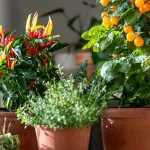
For smaller spaces, indoor gardens can adopt seasonal bone meal blessings too. Sprinkle a pinch of fertilizer into potted herbs during the spring equinox, symbolizing the return of life. Place a small crystal, like clear quartz, nearby to amplify the ritual’s energy. On a windowsill, let sunlight dance over the soil as you breathe in deeply, connecting to the quiet thrill of growth.
In community gardens, organize a collective blessing where each participant plants a seed in a shared plot, applying bone meal while sharing stories of ancestry or favorite garden memories. This transforms the act into a communal ritual, weaving threads of connection across time and culture.
Rituals
Seasonal rituals elevate bone meal from a mere nutrient to a ceremonial act. Each season offers a unique moment to pause and honor the earth’s gifts:
Spring Awakening: Before the last frost passes, gather your gardening tools and lay out a blanket of wildflowers under a blooming tree. Sprinkle bone meal into the soil while reciting a verse from a favorite garden poem. Plant a new species in honor of the season, and leave a small stone or shell as an offering to the soil spirit.
Summer Gratitude: On the longest day of the year, collect dried herbs and flowers from your garden. Mix them into a pouch of bone meal and hang it in a shaded part of the garden. Let the sun warm the mix, infusing it with gratitude for the harvest yet to come.
Autumn Release: As leaves fall, dig a shallow trench around your garden’s edge and bury dry bones or bone meal as a symbol of the cycle of life. Light a small fire nearby, burning petals or wood chips in celebration of transformation. Reflect on what you might “release” this year—both the earth’s nutrients and your own burdens.
Winter’s Rest: During the darkest days, place a bone meal tablet in a glass jar buried in the garden. Mark it with a carved wooden sign etched with seasonal intentions. Come spring, uncover it to see how it has become part of the soil’s story.
Soil & Water Care
Healthy soil is the foundation of a thriving garden, and bone meal plays a vital role in its vitality. To align with the principle of Garden Wisdom, approach soil care as a sacred dialogue with the earth:
Composting: Create a compost bin using recycled wood or old pallets. Layer kitchen scraps, yard waste, and spent plant matter, turning the pile weekly to accelerate decomposition. Bone meal can be added sparingly to enrich the compost, mimicking the natural feeding habits of forest floor organisms.
Mulching: After applying bone meal, cover the soil with a 2–3 inch layer of organic mulch—straw, shredded leaves, or pine needles. This locks in moisture, prevents erosion, and mimics the soft layering of forest debris.
Water Wisdom: Water deeply but infrequently, allowing roots to grow strong. In the morning, as dew still clings to the leaves, water your garden and whisper a verse of gratitude to the soil. This ritual not only hydrates plants but also nurtures a mindful connection to the land.
Wildlife & Habitat
A garden guided by Garden Wisdom thrives not just for human needs but for the entire web of life. Bone meal, while beneficial to plants, should be used thoughtfully to avoid attracting pests or disrupting local ecosystems. Consider these practices:
Pollinator Protection: Avoid applying bone meal directly to soil surfaces in areas frequented by pets, as the scent may draw digging animals. Instead, dig it in deeply to make it accessible to earthworms and other beneficial creatures.
Native Habitat Support: Plant native species that thrive with bone meal’s nutrient boost. For example, native lupines or black-eyed Susans not only respond well to phosphorus but also attract local pollinators. Leave patches of bare soil or small brush piles to shelter ground-nesting bees and beetles.
Seasonal Feeders: In winter, when food is scarce, scatter crushed eggshells and remnants of bone meal near bird feeders. This provides a gentle calcium source for birds while enriching the garden’s soil for spring.
Seasonal Projects
Turn your garden into a living calendar by embracing projects that align with the seasons. These activities deepen your bond with the rhythm of the year:
Spring Seed Blessing: At the solstice, plant a “time capsule garden” with seeds sprinkled atop bone meal. Mark the plot with a small stone or gourd. Return in autumn to harvest and share the seeds, noting how the land has transformed.
Autumn Bone Meal Lanterns: Hollow out pumpkins or gourds and fill them with bone meal. Carve seasonal symbols into the sides and place them around the garden as lanterns. At dusk, light a tea candle inside and reflect on the year’s lessons.
Winter Soil Mapping: On a crisp winter morning, sketch a map of your garden, marking areas where bone meal was applied. Note which plants thrived and where adjustments are needed. This becomes a visual journal of seasonal wisdom.
Indoor & Balcony Extensions
Even the smallest spaces can host meaningful rituals. On a balcony, line the railing with potted herbs and container vegetables. Each month, apply bone meal during the seasonal equinox or solstice, using the moment to reflect on growth and change. Hang a wind chime made from dried herbs and shells to catch the breeze, symbolizing the exchange between earth and air.
Indoors, create a mini garden altar with a potted plant, a bowl of dried flowers, and a small bone meal container. Seasonally adjust the offerings: fresh herbs in spring, autumn florals in fall, and evergreen branches in winter. Let this space remind you that the power of Garden Wisdom is ever-present, even in the heart of a city.
Community & Sharing
Gardens are inherently communal spaces, and rituals gain depth when shared. Organize a “Bone Meal Blessing Circle” in your neighborhood, where participants bring a small jar of bone meal to exchange planting stories. Plant a communal flower bed using the fertilizer, and host a potluck celebrating autumn harvests or spring’s first blossoms.
Seed swaps, too, can be ritualized. As you exchange seeds, place a pinch of bone meal in a small cloth pouch to symbolize the gift of shared abundance. Attach a note encouraging recipients to pass the tradition onward, ensuring the wisdom of the soil is never forgotten.
For larger groups, consider hosting a seasonal potluck under the trees, where each dish is inspired by the garden. Use bone meal in recipes as a grounding symbol—for example, sprinkle it on roasted vegetables or mix it into compost tea for a fermented drink. These gestures transform meals into acts of ecological communion.
Soil & Water Care
A garden rooted in Garden Wisdom thrives on balance. Bone meal, when used mindfully, harmonizes with the earth’s natural systems:
Layering: After applying bone meal, layer it with compost and mulch. This mimics the forest floor’s soft, nutrient-rich tapestry, where decay nourishes rebirth. The combination prevents runoff and ensures nutrients reach deep into the soil.
Rainwater Harmony: Collect rainwater in barrels to water plants enriched with bone meal. The natural pH of rainwater complements the fertilizer’s effects, and the ritual of collecting water deepens your connection to the hydrological cycle.
Avoid Overuse: In excess, bone meal can create imbalances. Use it sparingly, focusing on phosphorus-rich needs like root health or flowering. Apply it only where signs of deficiency appear—pale leaves or weak stems may whisper the soil’s needs.
Wildlife & Habitat
A garden guided by Garden Wisdom becomes a sanctuary for more than plants. By designing with intentionality, you create habitats that mirror the wisdom of the wild:
Habitat Zones: Dedicate a corner of your yard to “wild” bone meal application. Sprinkle it lightly around native shrubs or wildflower meadows, supporting the soil without disrupting native fauna. Leave a small patch of bare soil for ground-nesting bees or beetles.
Compost Harmony: When mixing bone meal into compost, include citrus peels or coffee grounds to deter rodents. This subtle balance ensures the ritual remains safe for wildlife while honoring the soil’s needs.
Bird and Bat Houses: Nearby, install birdhouses or bat boxes. As you apply bone meal, reflect on the role of these creatures in maintaining ecological balance. Their presence is a silent blessing, reflecting the interconnectedness of life.
Seasonal Projects
Transform your garden into a living chronicle of the year with rituals that evolve alongside the seasons:
Winter’s Echo: During the solstice, plant a “winter garden” of evergreen herbs like rosemary or holly. Apply bone meal as a grounding gesture, acknowledging the earth’s hidden activity beneath the frost. Leave offerings of dried citrus or evergreen branches to accompany the fertilizer.
Springtime Blossoms: At the start of spring, plant a “gratitude garden” of marigolds or sunflowers. As you bury bone meal around the roots, tie small ribbons in autumn colors to the stems. Let the flowers bloom as a testament to resilience and renewal.
Autumn’s Farewell: Before the first snow, plant garlic or shallots using bone meal as a tonic. Cover the bulbs with a layer of straw and scatter dried leaves over them. This act honors the quiet work of preparation, echoing the lessons of the seasons.
Indoor & Balcony Extensions
Even the smallest spaces can host meaningful rituals. On a balcony, line the railing with potted herbs and container vegetables. Each month, apply bone meal during the seasonal equinox or solstice, using the moment to reflect on growth and change. Hang a wind chime made from dried herbs and shells to catch the breeze, symbolizing the exchange between earth and air.
Indoors, create a mini garden altar with a potted plant, a bowl of dried flowers, and a small bone meal container. Seasonally adjust the offerings: fresh herbs in spring, autumn florals in fall, and evergreen branches in winter. Let this space remind you that the power of Garden Wisdom is ever-present, even in the heart of a city.
Community & Sharing
Gardens are inherently communal spaces, and rituals gain depth when shared. Organize a “Bone Meal Blessing Circle” in your neighborhood, where participants bring a small jar of bone meal to exchange planting stories. Plant a communal flower bed using the fertilizer, and host a potluck celebrating autumn harvests or spring’s first blossoms.
Seed swaps, too, can be ritualized. As you exchange seeds, place a pinch of bone meal in a small cloth pouch to symbolize the gift of shared abundance. Attach a note encouraging recipients to pass the tradition onward, ensuring the wisdom of the soil is never forgotten.
For larger groups, consider hosting a seasonal potluck under the trees, where each dish is inspired by the garden. Use bone meal in recipes as a grounding symbol—for example, sprinkle it on roasted vegetables or mix it into compost tea for a fermented drink. These gestures transform meals into acts of ecological communion.
Conclusion
Garden Wisdom is not about perfection but presence. As you apply bone meal in rhythm with the seasons, you align yourself with the timeless dance of growth and decay. Each season offers its own gifts: the boldness of spring, the patience of summer, the reflection of autumn, and the grace of winter. By embracing these rhythms, you cultivate not only thriving plants but also a deeper connection to the earth’s heartbeat.
In every handful of bone meal, you hold a piece of the cycle—a testament to the interconnectedness of life. As you tend your garden with care and intention, may you find peace in the quiet knowledge that every act of nurturing is a blessing for generations to come. The soil is alive, and so are you. Together, you are the stewards of an unbroken story.
Bone meal blessings comes up here to connect ideas for clarity.










I appreciate the point about “Seasonal Rituals for Bone Meal Blessings” — very helpful.